Build a High-Performance Home Gym for Under $200
Reviewed by the fitness & nutrition editorial team · Certified personal trainers & nutrition coaches
The Philosophy of the Budget Home Gym
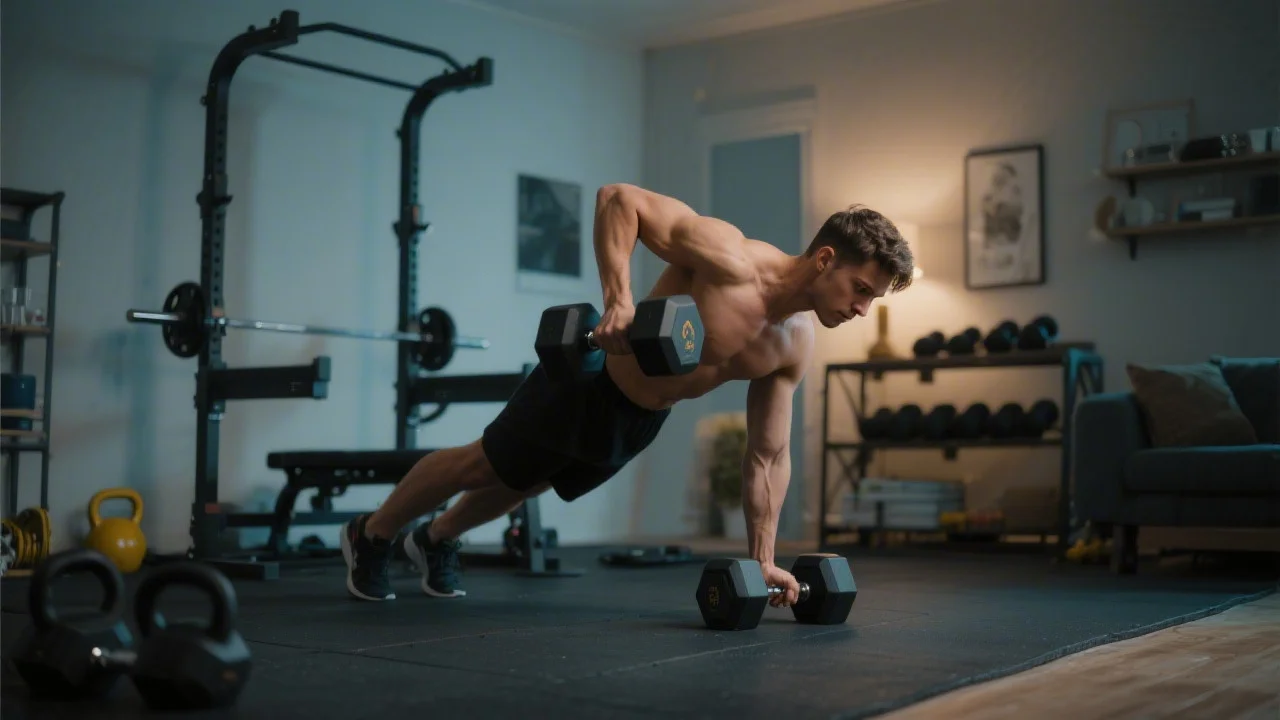
The fitness industry often tries to convince us that progress is proportional to the price tag of our equipment. We see glossy advertisements for $3,000 smart bikes and $5,000 all-in-one cable machines. However, the physiological principles of muscle hypertrophy and cardiovascular adaptation don't care about the brand name on your weights. Your muscles only understand tension, volume, and progressive overload.
Building a home gym for under $200 isn't just about saving money; it's about efficiency. By stripping away the fluff, you focus on the 'Big Three' of home fitness: resistance, versatility, and consistency. A well-curated budget space eliminates the biggest barrier to exercise—friction. When your gym is ten feet away and cost less than a year's membership at a luxury club, the excuses vanish.
"Consistency is the hallmark of champions. You don't need a gold-plated gym to build a steel-strong body; you need a plan and the discipline to execute it."
In this guide, we will leverage scientific principles of training and strategic shopping to build a setup that rivals any commercial facility for general health and strength. We'll also look at how to use FitFlow’s Smart Workout Tracking to ensure that even with minimal equipment, your progress remains measurable and data-driven.
Section 1: The Foundation — Bodyweight and Space Optimization
Before you spend a single dollar, you must address the most important piece of equipment you own: your body. Bodyweight training, or calisthenics, is the cornerstone of any budget-friendly fitness journey. Research published in the Journal of Strength and Conditioning Research indicates that bodyweight exercises can produce similar strength gains to external weights when performed to a high level of effort.
Clearing Your 'Zone'
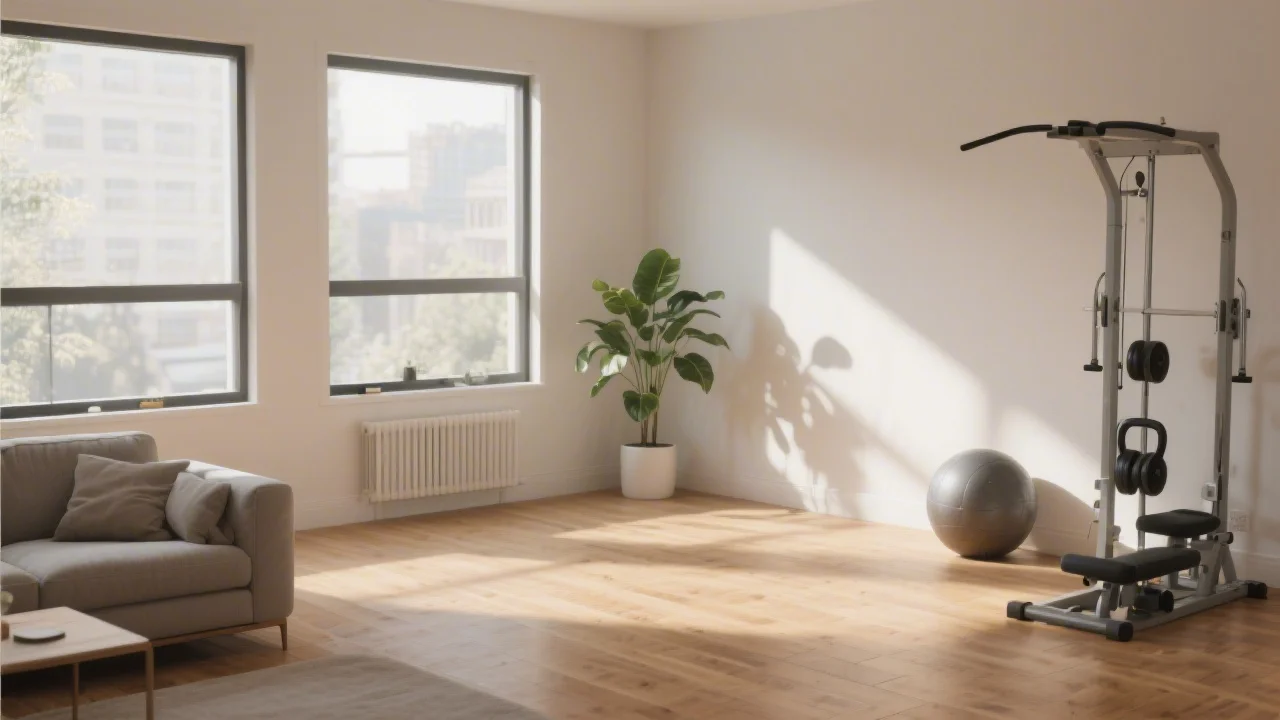
You don't need a dedicated room. A 6x6 foot space is sufficient for 90% of exercises. Clear out a corner of your living room, bedroom, or garage. This space should be your 'sanctum.' When you step into this zone, your brain should shift into workout mode.
Leveraging AI-Guided Movement
The challenge with bodyweight training is often knowing 'what' to do and 'how' to do it correctly to avoid injury. This is where FitFlow’s library of 1,000+ guided exercises becomes invaluable. Instead of guessing, you can follow high-definition video demonstrations that ensure your form is impeccable, turning a simple push-up into a professional-grade chest workout. The app’s intelligent form guidance helps you maximize the tension on the target muscle groups, making every rep count.
- Push-up variations: Standard, diamond, decline, and pike push-ups.
- Squat variations: Air squats, Bulgarian split squats, and Cossack squats.
- Core: Planks, hollow body holds, and mountain climbers.
Section 2: The Versatility King — Resistance Bands ($25 - $45)
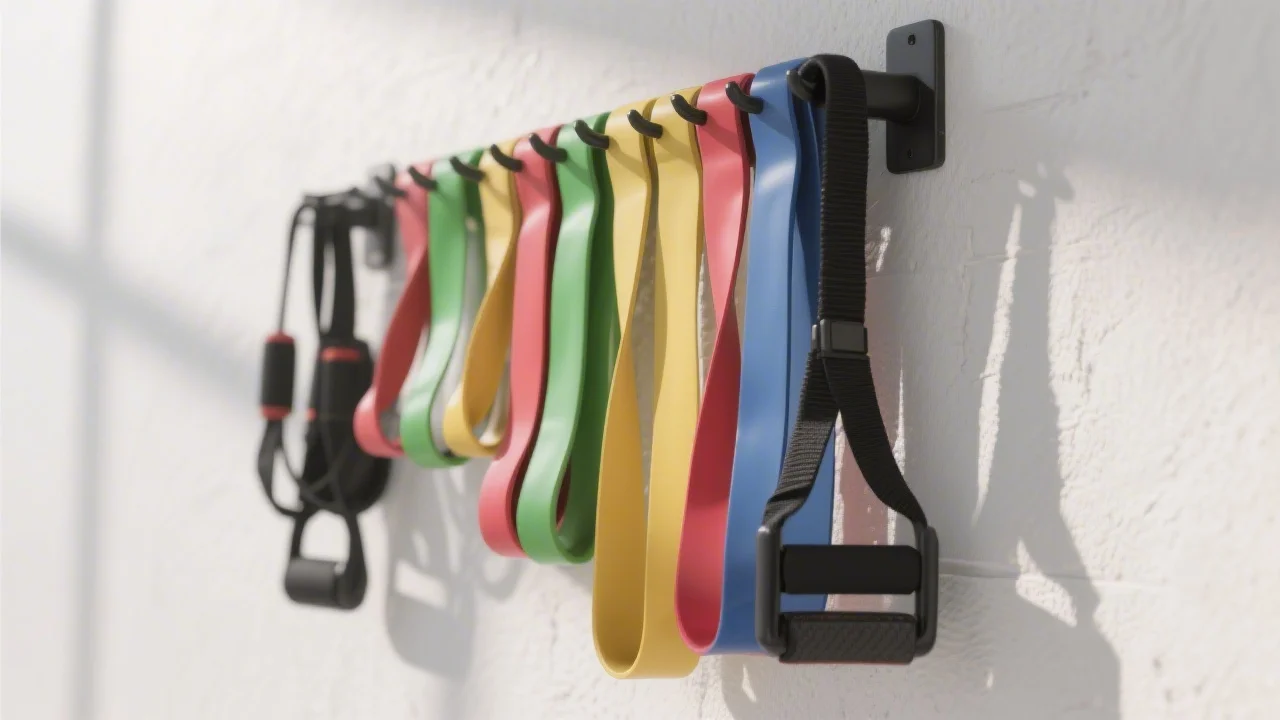
If you only buy one piece of equipment, make it a high-quality set of resistance bands. Unlike free weights, which rely on gravity, resistance bands provide accommodating resistance. This means the tension increases as the band stretches, matching the strength curve of many human movements. A study in the European Journal of Sport Science found that resistance band training can provide similar strength gains to conventional gym equipment across various populations.
Which Bands to Buy?
For under $200, you should look for a set of 'loop' bands (often called power bands) and a set of 'tube' bands with handles. Tube bands are excellent for replicating cable machine exercises like chest flies, lat pulldowns, and bicep curls. Loop bands are superior for adding resistance to squats, deadlifts, and pull-up assistance.
Integrating Bands with FitFlow
Tracking progress with bands can be tricky because you aren't moving a static plate weight. However, FitFlow’s Smart Workout Tracking allows you to log sets and reps while noting the band tension level. By using the app's personal record tracking, you can visualize your progress over time, ensuring that you are moving from a 'medium' band to a 'heavy' band as your strength improves. This data-driven approach prevents the common plateau seen in home workouts.
Section 3: Adding Mass — The Adjustable Dumbbell Strategy ($60 - $90)
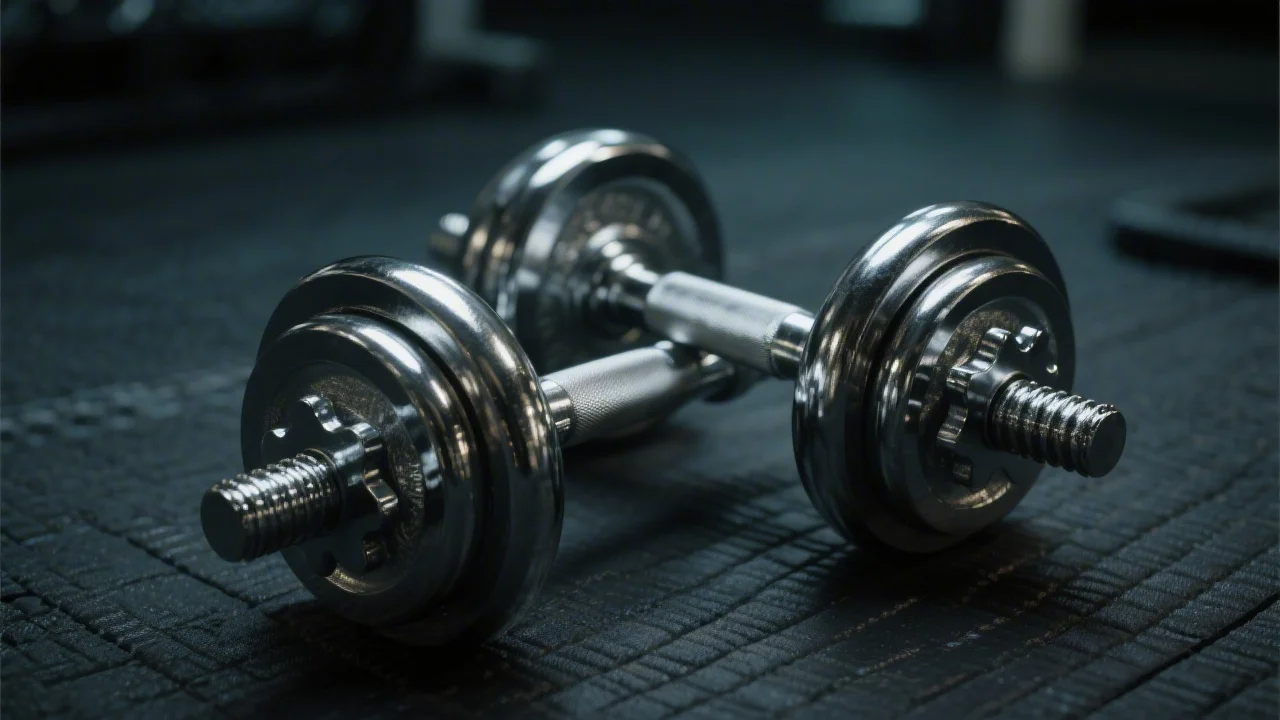
While bands are great, there is no substitute for the tactile feel of iron. To stay under our $200 budget, we must avoid expensive 'quick-change' selectorized dumbbells. Instead, look for a classic threaded chrome adjustable dumbbell set. These usually come as a pair of handles with 40 to 50 lbs of total weight in plates.
Why Adjustable?
Fixed dumbbells are expensive and take up too much space. A single set of adjustable handles allows you to perform everything from heavy goblet squats to light lateral raises. As you get stronger, you can find extra 1-inch plates at garage sales or second-hand shops for pennies on the dollar.
Managing Your Load
When using limited weight at home, you must focus on Time Under Tension (TUT). Slowing down the eccentric (lowering) phase of a lift can stimulate muscle growth even with lighter weights. FitFlow’s real-time rest period timer is crucial here; by shortening rest intervals, you can increase the metabolic stress on your muscles, making that 20lb dumbbell feel like 40lbs.
- Key Lifts: Overhead press, floor press, bent-over rows, and lunges.
- Pro Tip: Use FitFlow’s Barbell and Weight defaults to quickly log your setups without manually typing every time.
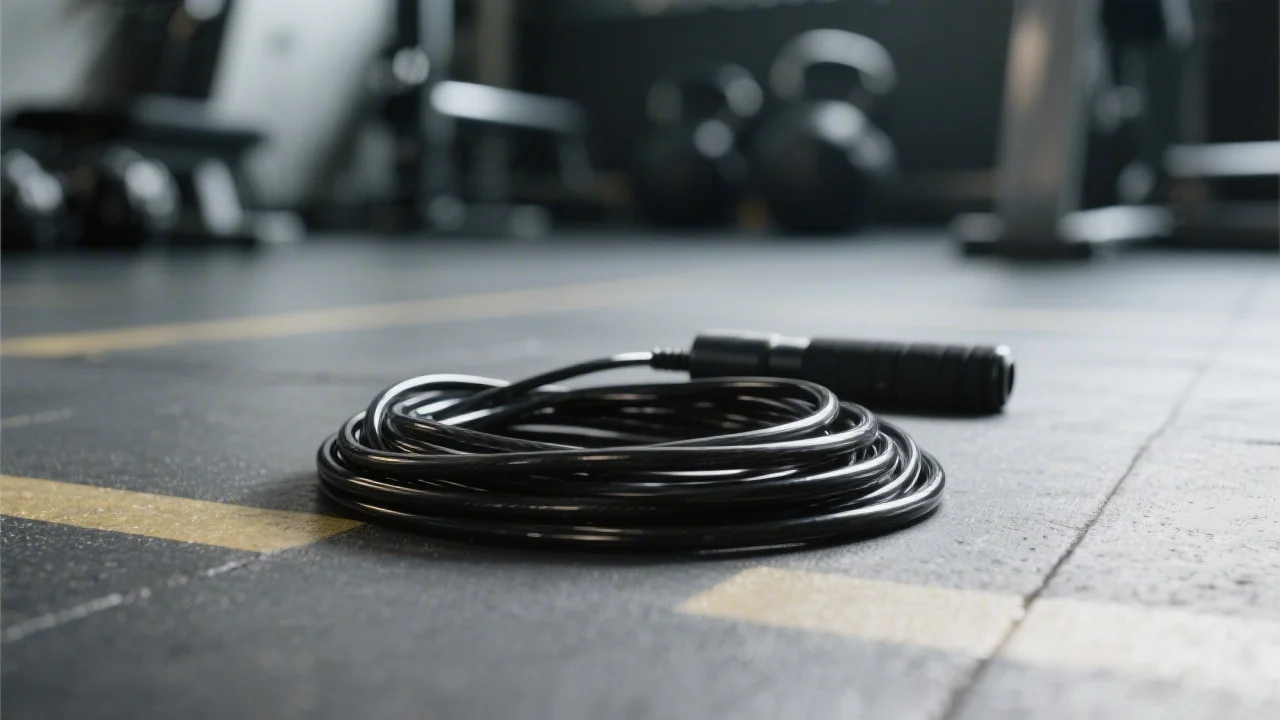
Section 4: High-Intensity Cardio — The Jump Rope ($10 - $15)
Cardio equipment is usually the most expensive part of a gym. A treadmill or elliptical can easily blow your entire $200 budget five times over. Enter the jump rope: the most efficient, portable, and cost-effective cardio tool in existence. Skipping rope burns more calories per minute than almost any other steady-state cardio activity.
The Science of Skipping
A study by the American Association for Health, Physical Education and Recreation found that 10 minutes of jumping rope is as effective for cardiovascular health as 30 minutes of jogging. It improves bone density, coordination, and footwork—which is why it’s a staple for elite boxers and athletes.
Tracking Your Heart Rate
To ensure you're working in the right zones, FitFlow integrates seamlessly with Apple Health, Fitbit, and Garmin. While you skip, your heart rate and calorie data are synced directly into the app. You can view your 'Running Stats' and 'Walking Progress' visuals to see how your cardiovascular endurance is trending over weeks and months, all while using a tool that costs less than a large pizza.
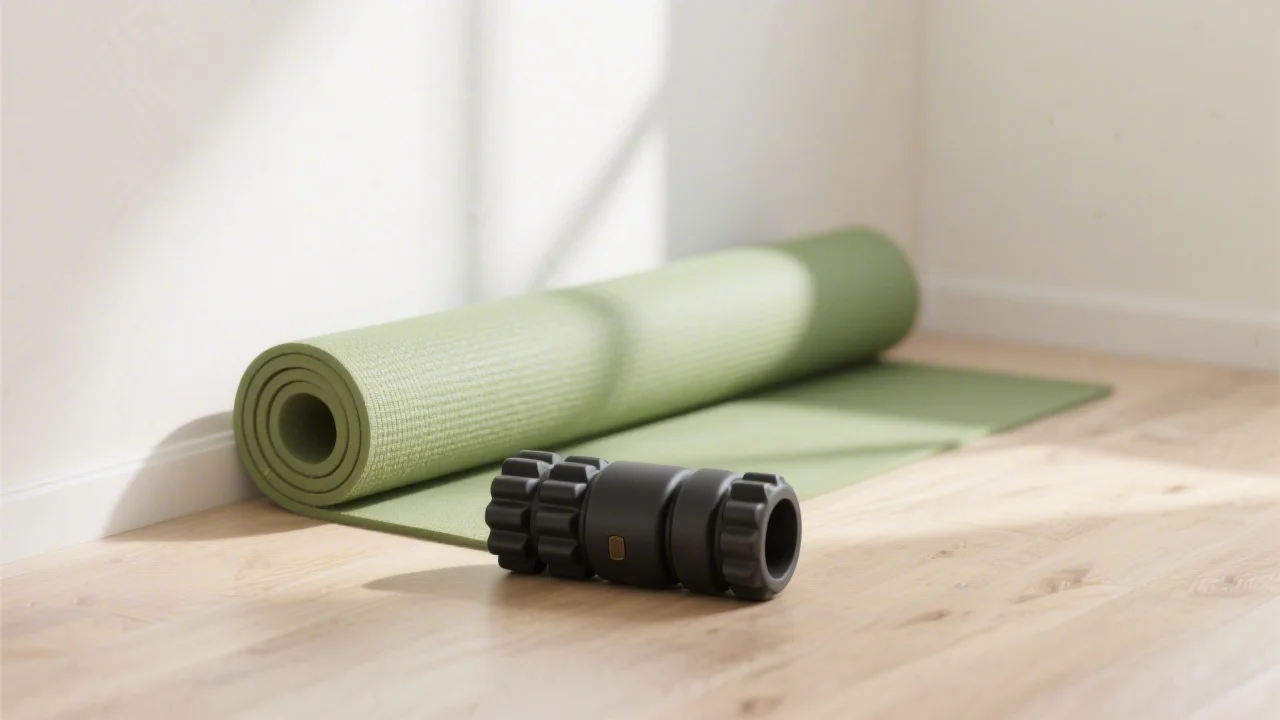
Section 5: Recovery and Floor Work — The Comfort Layer ($20 - $30)
Hard floors are the enemy of a consistent home workout. To protect your joints and your floor, a high-density yoga mat or a small set of interlocking EVA foam tiles is essential. This isn't just for 'stretching'; it’s for floor presses, planks, and high-intensity movements like burpees.
The Importance of Recovery
A home gym shouldn't just be for breaking down muscle; it should be for building it back up. Alongside a mat, a basic foam roller is a wise investment. Self-myofascial release (SMR) helps improve blood flow and reduce muscle soreness.
Use FitFlow’s Water Intake Monitoring alongside your recovery sessions. Hydration is a key component of muscle recovery and cognitive focus. By logging your water intake in the same app where you track your sets, you create a holistic view of your health that goes beyond just lifting weights.
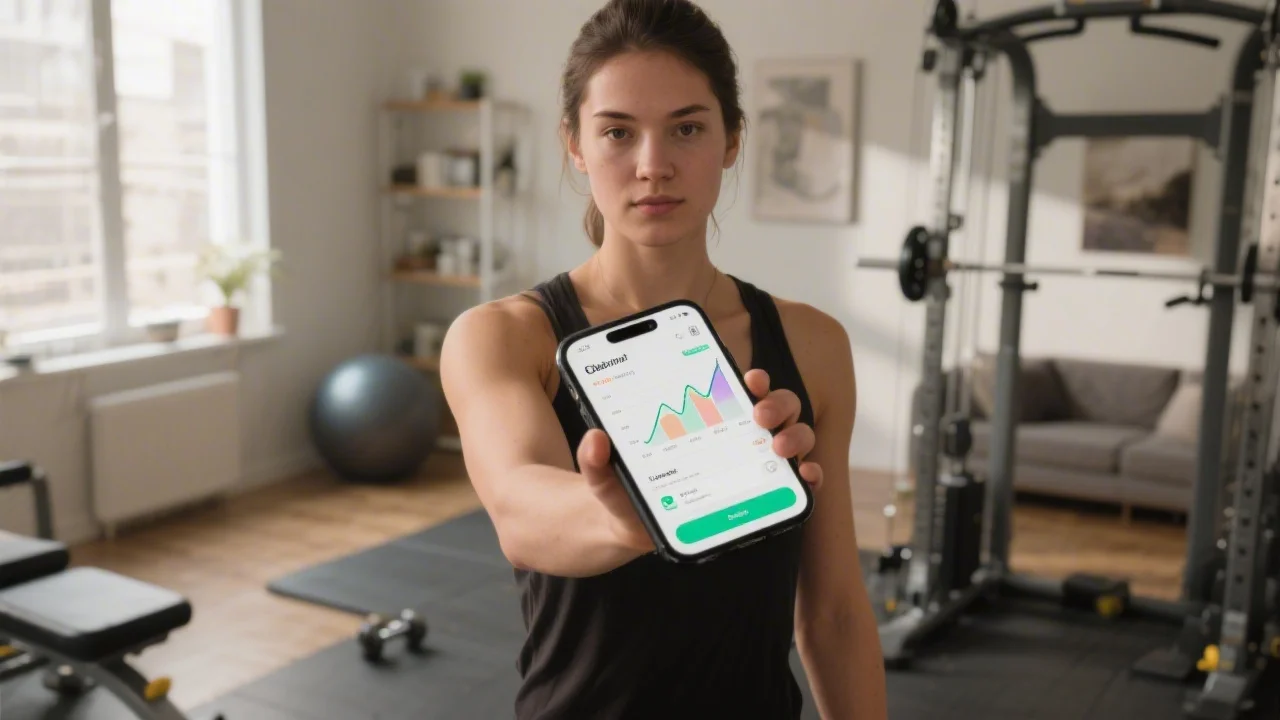
Section 6: The Digital Coach — Putting It All Together
The biggest risk of a home gym isn't the equipment—it's the lack of accountability. Without a trainer or a gym partner, it’s easy to skip sessions. This is where the 'Smart' part of your gym comes in. Your smartphone, powered by FitFlow, acts as your digital coach, nutritionist, and motivator.
Nutrition: The Missing Piece
You can have the best home gym in the world, but if your nutrition is off, your results will be stifled. FitFlow’s AI Food Scanning allows you to snap a photo of your post-workout meal for instant calorie and macro breakdown. Whether you're aiming for muscle gain or weight loss, the app tailors a meal plan to your specific goals, recognizing over 2 million foods with a simple photo. This eliminates 80% of the manual logging work, letting you focus on your training.
Building the Habit
Use FitFlow’s Achievement System and Daily Challenges to stay motivated. The app’s streak tracking and celebratory animations provide the dopamine hit necessary to turn a 'new year's resolution' into a lifelong habit. When you hit a new personal record in your $200 gym, the app celebrates with you, providing that sense of community and progress that many home exercisers miss.
Final Budget Breakdown
Let's look at the final tally for our high-performance home gym:
- Resistance Band Set: $35
- Adjustable Dumbbell Set (40lbs): $80
- High-Speed Jump Rope: $12
- High-Density Yoga Mat: $25
- Foam Roller: $15
- FitFlow Subscription: (A fraction of a gym membership)
- Total: $167
With the remaining $33, you could buy a second-hand pull-up bar or an extra set of weight plates. You now have a gym that can facilitate fat loss, muscle growth, and athletic performance for less than the cost of a single pair of high-end sneakers. The tools are in your hands; now it's time to flow.
Sources & References
- Resistance training using different elastic components offers similar gains on muscle strength to weight machine equipment in Individuals with COPD: A randomized controlled trial — Freire APCF, Marçal Camillo CA, de Alencar Silva BS (2022)
- Effects of Advanced Resistance Training Systems on Muscle Hypertrophy and Strength in Recreationally Trained Adults: A Systematic Review and Meta-Analysis — Tsartsapakis I, Zafeiroudi A, Kouthouris C (2026)

FitFlow Editorial Team
Fitness & Nutrition Editorial TeamCertified personal trainers & nutrition coaches
The FitFlow Editorial Team is a group of certified personal trainers, nutrition coaches, and fitness writers who translate exercise science and nutrition research into practical, actionable guidance. Every article is grounded in peer-reviewed sources and reviewed for accuracy before publishing.
Frequently Asked Questions
Who is this guide for?
This guide is for anyone focused on fitness tips and looking for practical, sustainable progress.
How quickly can I apply these recommendations?
Most recommendations are designed for immediate implementation. Start with one change today, then layer improvements weekly.
How does FitFlow support this strategy?
FitFlow supports execution with AI-powered meal tracking, workout planning, and progress analytics that help you stay consistent.