Building Muscle After 40: The Complete Training Guide
Reviewed by the fitness & nutrition editorial team · Certified personal trainers & nutrition coaches

Understanding the Science of Sarcopenia and Anabolic Resistance
For decades, the prevailing myth in the fitness industry was that muscle growth effectively ceased once you hit the big 4-0. Science has since debunked this, yet it remains true that the biological landscape changes as we age. The primary challenge athletes face after 40 is sarcopenia—the age-related loss of skeletal muscle mass and function. Research suggests that after age 30, adults lose between 3% and 8% of their muscle mass per decade, a rate that accelerates after age 60.
The underlying mechanism for this is often anabolic resistance. This condition describes a state where the muscles become less sensitive to the triggers that normally stimulate growth, such as protein ingestion and resistance exercise. To overcome this, the mature athlete cannot simply 'work harder' in the same way a 20-year-old might; instead, they must work smarter by increasing the precision of their nutritional intake and the mechanical tension of their lifts.
The Role of Hormonal Shifts
In addition to anabolic resistance, shifts in hormonal profiles—specifically a decline in testosterone in men and estrogen in women—can impact the rate of muscle protein synthesis (MPS). However, resistance training itself acts as a powerful corrective measure, stimulating the endocrine system and maintaining metabolic health. By focusing on compound movements that recruit multiple muscle groups, you can maximize the natural hormonal response to exercise.
"Muscle is the organ of longevity. It is not just about aesthetics; it is about metabolic health, bone density, and functional independence as we age."
To successfully navigate these biological shifts, a data-driven approach is essential. Understanding exactly what you are putting into your body and how your body is responding to the stimulus of the gym is the difference between spinning your wheels and seeing genuine hypertrophy.

Strategic Resistance Training: Quality Over Quantity
When training in your 40s and beyond, the goal shifts from simply moving weight to maximizing mechanical tension while minimizing systemic fatigue. Joint health becomes a primary constraint. The 'no pain, no gain' mantra of youth must be replaced with 'stimulus, not destruction.'
The Stimulus-to-Fatigue Ratio (SFR)
Every exercise has a cost. A heavy barbell back squat provides a massive growth stimulus, but it also places significant stress on the lower back and central nervous system. For the mature lifter, finding exercises with a high SFR is key. This might mean swapping traditional deadlifts for trap bar deadlifts or moving from barbell bench presses to dumbbell presses to allow for a more natural range of motion in the shoulders.
- Focus on Tempo: Use a controlled eccentric (lowering) phase of 2-3 seconds. This increases time under tension without needing excessively heavy weights that might strain the tendons.
- Repetition Ranges: While heavy sets of 5 have their place, the 8-12 and even 12-15 rep ranges are excellent for hypertrophy after 40. They provide enough volume to trigger growth while being easier on the connective tissues.
- Rest Intervals: Don't rush. Mature muscles require slightly longer rest periods (2-3 minutes for compound lifts) to ensure the ATP-CP system recovers, allowing for high-quality subsequent sets.
Exercise Selection and Form
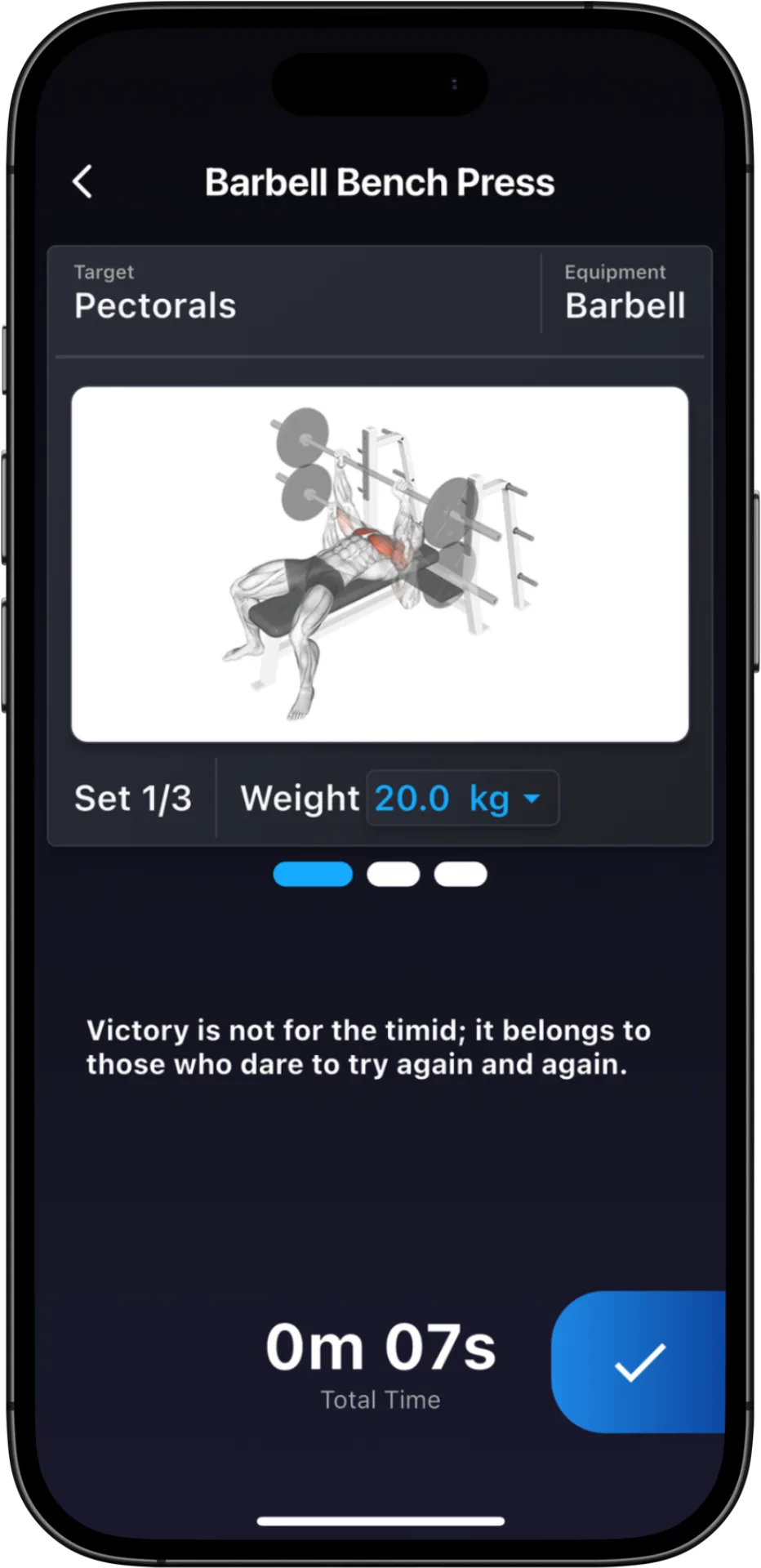
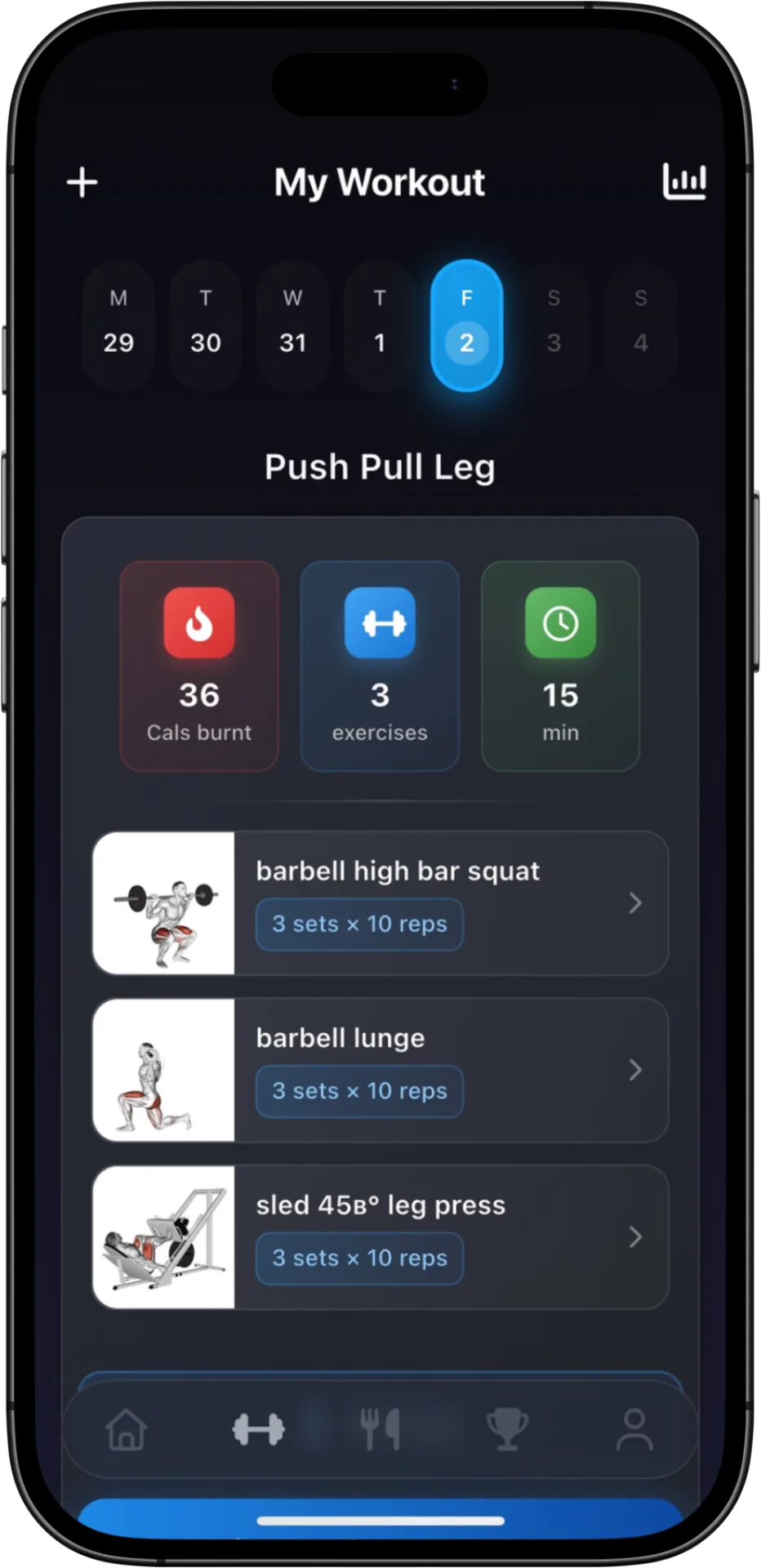
Precision is paramount. Using tools that provide real-time guidance can prevent the small technical breakdowns that lead to long-term injuries. FitFlow’s smart workout tracking features, including 1,000+ guided exercises with video demonstrations, ensure that every rep is performed with optimal mechanics. This level of intelligent form guidance is crucial when the margin for error narrows with age.

The Protein Priority: Nutritional Foundations for Mature Athletes
If training is the spark, nutrition is the fuel. For the over-40 lifter, protein is the most critical macronutrient. Because of anabolic resistance, you need a higher 'leucine threshold' to trigger muscle protein synthesis than a younger person does. This means that 20 grams of protein in a sitting might have been enough in your 20s, but you likely need 35-40 grams per meal now to achieve the same anabolic effect.
Calculating Your Macros
Current research suggests that for hypertrophy, a protein intake of 1.6g to 2.2g per kilogram of body weight is ideal. For a 180lb (82kg) individual, that equates to roughly 130g to 180g of protein daily. Distributing this protein evenly across 4-5 meals is more effective for maintaining a positive nitrogen balance than consuming it all in one or two large sittings.
Automating Your Nutrition
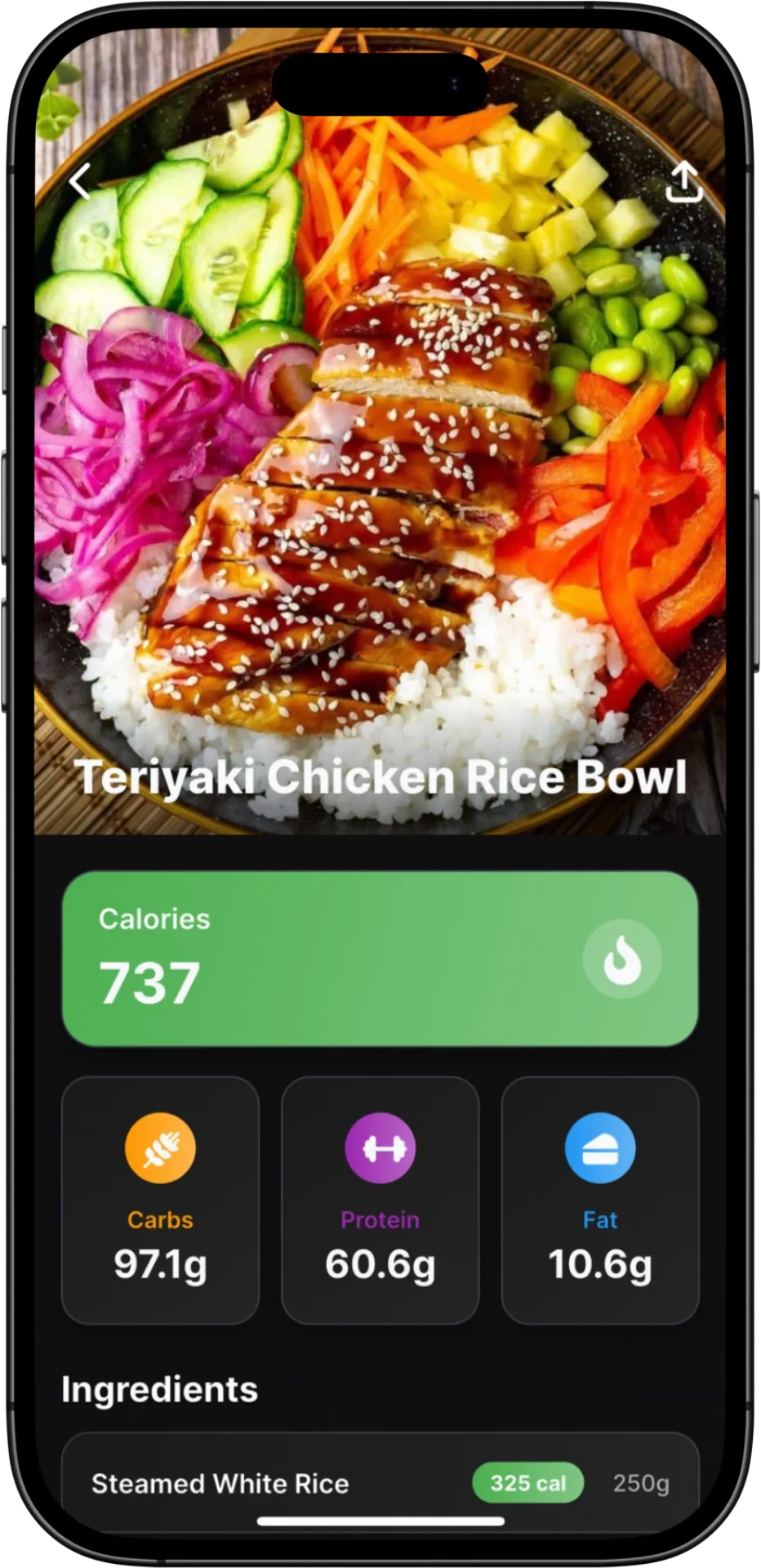
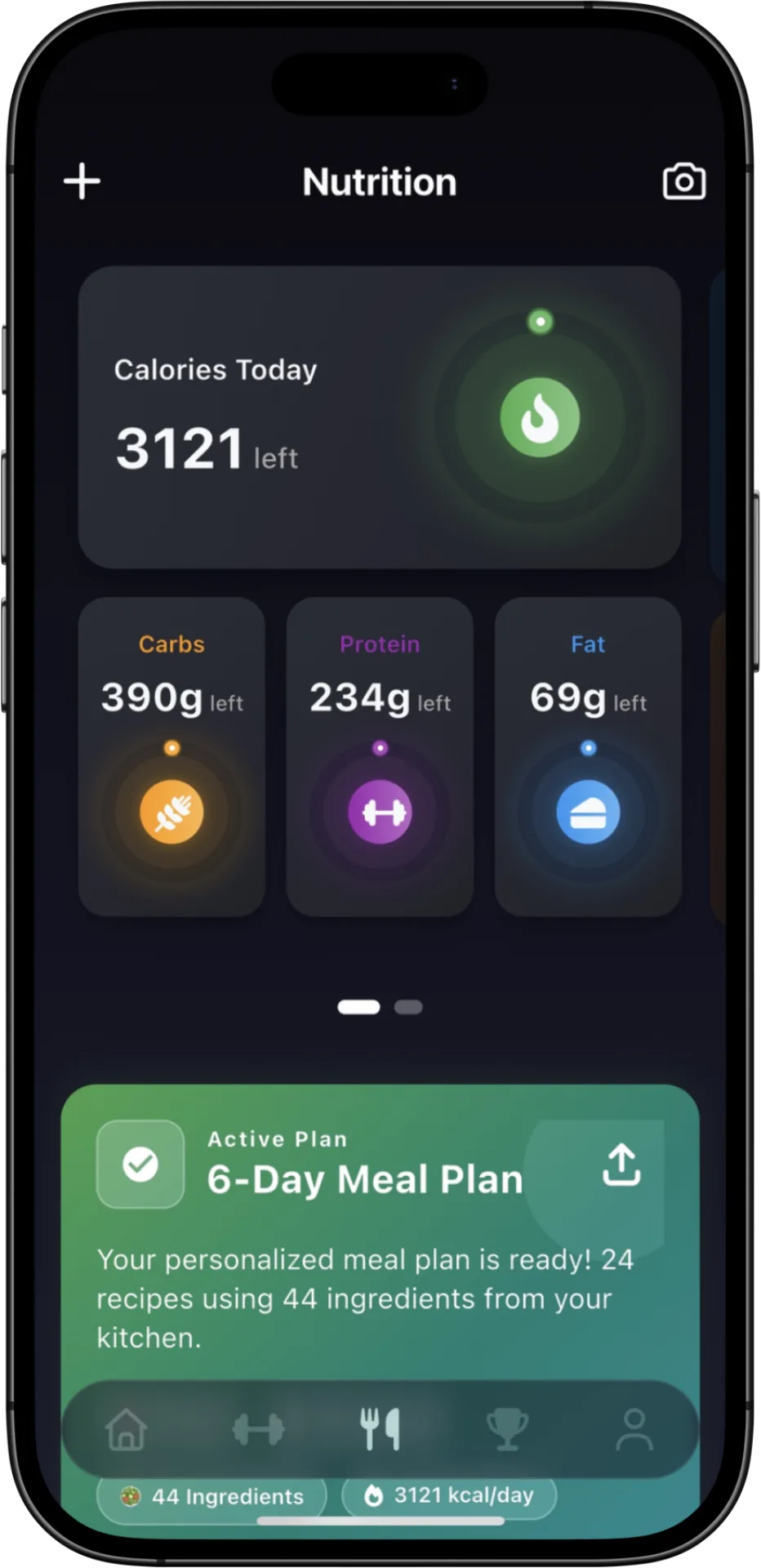
The biggest hurdle to nutritional consistency is the friction of logging. FitFlow simplifies this through its AI Food Scanning technology. Instead of searching through endless databases, you can simply snap a photo of your meal. The AI recognizes the food and provides an instant breakdown of calories and macros, including the protein count you need to hit that leucine threshold.
- Total Caloric Surplus: You don't need a massive 'bulk.' A modest surplus of 200-300 calories above maintenance is often enough to support growth without excessive fat gain.
- Micronutrient Density: Magnesium, Vitamin D, and Omega-3 fatty acids are essential for recovery and reducing the systemic inflammation that can hinder muscle growth.
- Hydration: Muscle tissue is approximately 75% water. Even slight dehydration can lead to a significant drop in strength and recovery capacity.
By using the FitFlow nutrition dashboard, you can track these metrics with 95% accuracy for packaged foods and official data from major restaurant chains, ensuring your hard work in the gym isn't wasted by poor fueling.
Recovery: The Secret Ingredient for Post-40 Gains
In your 20s, you could likely survive on five hours of sleep and a diet of fast food while still making gains. In your 40s, recovery is where the actual muscle building happens. Resistance training creates micro-tears in the muscle fibers; the body repairs these fibers during rest, making them thicker and stronger.
The Power of Sleep and Deloads
Sleep is the ultimate performance enhancer. During deep sleep, the body releases the vast majority of its growth hormone. Aiming for 7-9 hours of quality sleep is non-negotiable for hypertrophy. Furthermore, the concept of a 'deload week'—a week every 4-6 weeks where training volume and intensity are reduced by 30-50%—becomes essential to allow the joints and nervous system to catch up with the muscular adaptations.
Active Recovery and NEAT
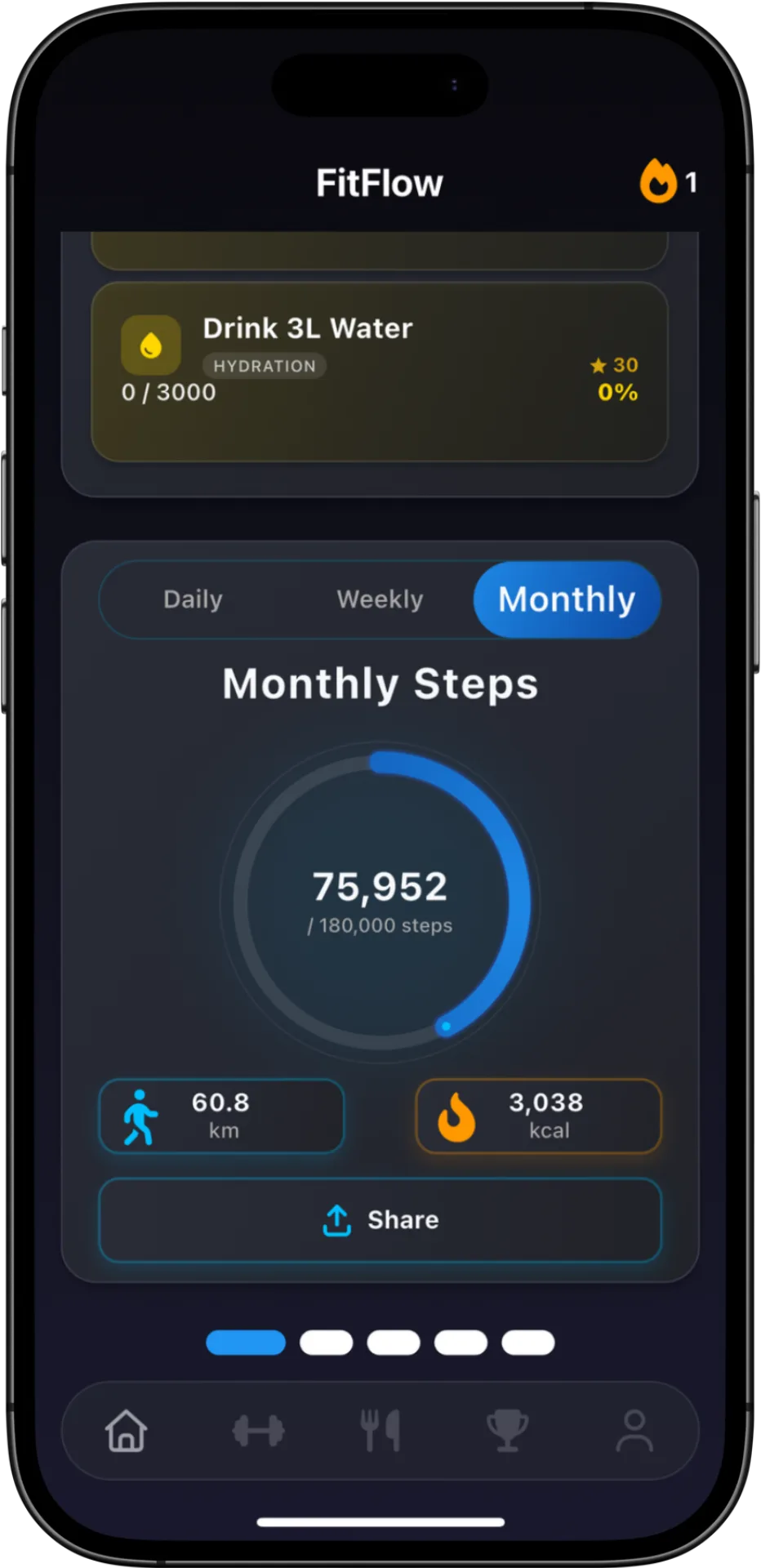
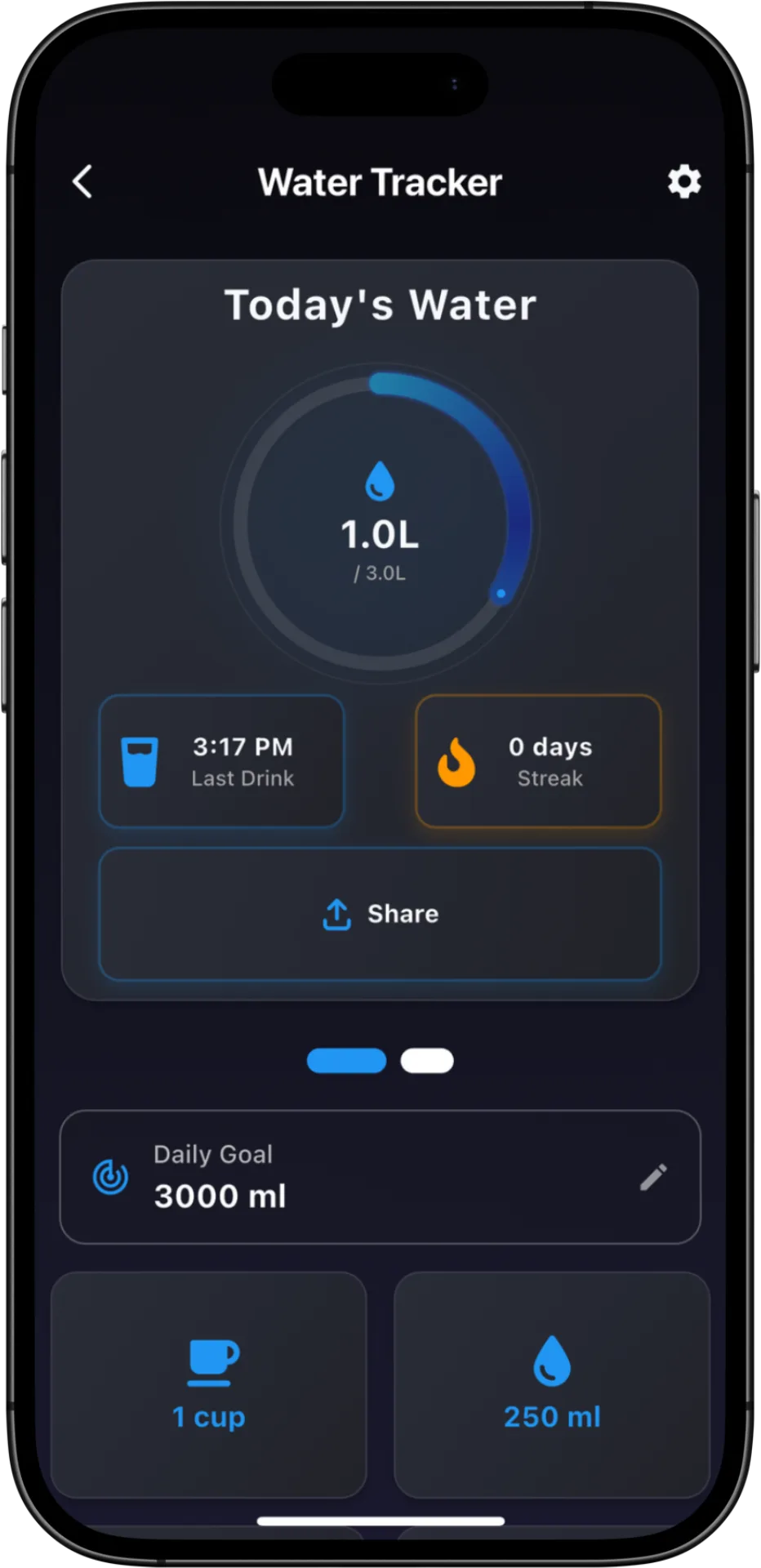
Recovery doesn't mean total inactivity. Non-Exercise Activity Thermogenesis (NEAT), such as walking, helps improve blood flow to sore muscles and aids in the removal of metabolic waste products. Tracking your daily steps and water intake provides a holistic view of your recovery status. FitFlow’s integration with Apple Health and its dedicated water tracker allows you to monitor these 'invisible' metrics that contribute to your overall success.
"You don't grow in the gym; you grow from the recovery of what you did in the gym."
Implementing a structured approach to rest periods within your workouts is also vital. FitFlow’s active workout session screen includes built-in timers for sets and rest periods, ensuring you don't overtax yourself or lose the 'pump' by waiting too long between sets.
Leveraging Data for Longevity: Tracking Progress with Precision
Vague goals lead to vague results. For the mature athlete, tracking progress goes beyond just the number on the scale. Weight can fluctuate based on hydration, glycogen storage, and inflammation. To truly understand if you are building muscle, you need to look at body composition and performance trends over time.
Key Metrics to Monitor
Progressive overload—the gradual increase of stress placed upon the body during exercise—is the fundamental driver of hypertrophy. If you are not getting stronger or doing more work over time, you are likely not growing. Tracking your personal records (PRs) and total volume (sets x reps x weight) is essential.
- Body Fat vs. Muscle Mass: Use visual charts to track trends. A steady weight combined with a decreasing waist circumference is a classic sign of body recomposition.
- Performance Analytics: Are your rest periods getting shorter? Is your form getting tighter? These are wins that standard scales won't show.
- Consistency Streaks: The best workout plan is the one you actually follow. Monitoring your app open streaks and achievement badges can provide the psychological boost needed on days when motivation is low.
FitFlow provides detailed fitness and nutrition analytics, including visual charts for weight and body fat tracking. By seeing your progress mapped out, you can make informed adjustments to your plan rather than guessing why your results have plateaued.
The Psychology of Consistency and Sustainable Growth
Perhaps the most significant change when training after 40 is the shift in mindset. It is no longer a sprint; it is a marathon of consistency. The goal is to be able to train effectively for the next 30 years, not just the next 30 days. This requires a level of patience and discipline that many younger lifters lack.
Building a Sustainable Routine
Life in your 40s often comes with increased professional and family responsibilities. A workout program that requires two hours in the gym six days a week is likely to fail. Instead, a high-frequency, low-volume approach—such as three or four 45-minute full-body or upper/lower split sessions—is often more sustainable and effective for recovery.
Community and Motivation
Training can sometimes feel like a solitary endeavor, but having a support system or a sense of competition can drive better results. Engaging with leaderboards or sharing progress with social overlays can provide that extra 5% of effort that leads to a breakthrough. FitFlow’s points-based leaderboards and daily challenge categories help keep the process engaging, turning the 'grind' into a rewarding game.
Ultimately, building muscle after 40 is a testament to the body’s incredible adaptability. By combining the latest in nutritional science with intelligent, data-backed training and a focus on recovery, you can achieve a physique that is not just 'good for your age,' but objectively strong and healthy. Start your journey today by letting technology handle the logistics, so you can focus on the work.

Sources & References

FitFlow Editorial Team
Fitness & Nutrition Editorial TeamCertified personal trainers & nutrition coaches
The FitFlow Editorial Team is a group of certified personal trainers, nutrition coaches, and fitness writers who translate exercise science and nutrition research into practical, actionable guidance. Every article is grounded in peer-reviewed sources and reviewed for accuracy before publishing.
Frequently Asked Questions
Who is this guide for?
This guide is for anyone focused on strength training and looking for practical, sustainable progress.
How quickly can I apply these recommendations?
Most recommendations are designed for immediate implementation. Start with one change today, then layer improvements weekly.
How does FitFlow support this strategy?
FitFlow supports execution with AI-powered meal tracking, workout planning, and progress analytics that help you stay consistent.