The Beginner's Guide to Counting Macros Without Losing Your Mind
Reviewed by the fitness & nutrition editorial team · Certified personal trainers & nutrition coaches

Understanding the Foundation: What Are Macronutrients?
If you have ever embarked on a fitness journey, you have likely heard the term "macros" thrown around. Short for macronutrients, these are the three main components of the human diet that provide us with energy: proteins, carbohydrates, and fats. Unlike micronutrients (vitamins and minerals), which we need in smaller quantities, macronutrients are required in large amounts to sustain bodily functions, fuel physical activity, and support growth.
The Big Three
- Protein (4 calories per gram): Essential for muscle repair, immune function, and enzyme production. For those looking to build muscle or lose fat while preserving lean mass, protein is the most critical macro.
- Carbohydrates (4 calories per gram): The body's primary energy source. They fuel your brain and your workouts, and they are stored in the muscles and liver as glycogen.
- Fats (9 calories per gram): Crucial for hormone production, brain health, and the absorption of fat-soluble vitamins (A, D, E, and K).
The philosophy of macro counting, often referred to as Flexible Dieting or IIFYM (If It Fits Your Macros), suggests that as long as you hit your daily targets for these three nutrients, the specific food sources matter less for body composition than the total caloric intake and macro breakdown. However, for long-term health, the quality of those foods still plays a vital role.
"Nutrition is not just about fuel; it's about the information you give your body to rebuild itself every single day."
According to the National Academies of Sciences, Engineering, and Medicine, the Acceptable Macronutrient Distribution Ranges (AMDR) are 10-35% of calories from protein, 45-65% from carbs, and 20-35% from fats. However, these ranges are broad; a beginner's guide must help you narrow these down based on your specific goals, whether that is fat loss, muscle hypertrophy, or athletic performance.
Calculating Your Personal Macro Targets
Before you can track your macros, you need to know what your numbers are. This starts with determining your Total Daily Energy Expenditure (TDEE). Your TDEE is an estimation of how many calories you burn per day based on your Basal Metabolic Rate (BMR) and your physical activity level.
The Step-by-Step Calculation
- Calculate BMR: Most experts use the Mifflin-St Jeer Equation, which is considered the most accurate for non-obese and obese individuals alike.
- Apply an Activity Factor: Multiply your BMR by a coefficient (e.g., 1.2 for sedentary, 1.55 for moderately active) to find your maintenance calories.
- Adjust for Your Goal: If you want to lose weight, subtract 250-500 calories. If you want to gain muscle, add 250-500 calories.
Once you have your calorie goal, you can distribute them into macros. A common starting point for a balanced fitness enthusiast is the 40/30/30 split (40% carbs, 30% protein, 30% fat). However, if your focus is heavy strength training, you might increase protein to 0.8g - 1g per pound of body weight.
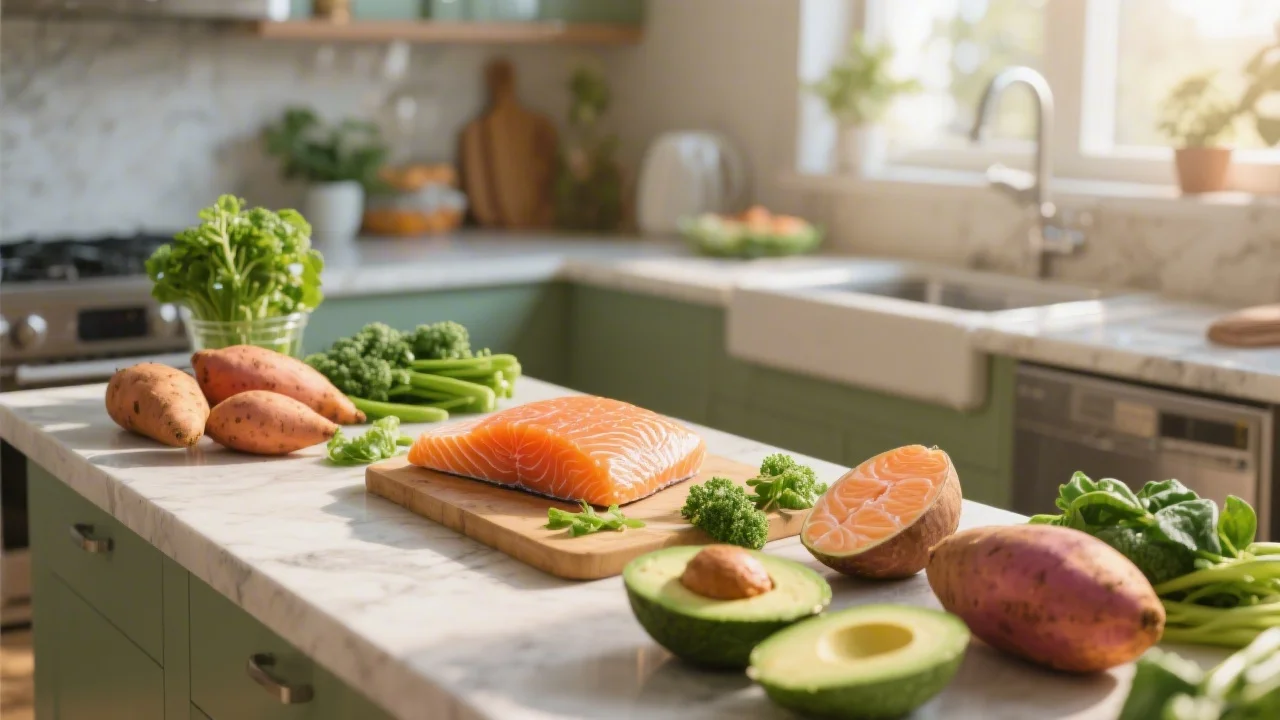
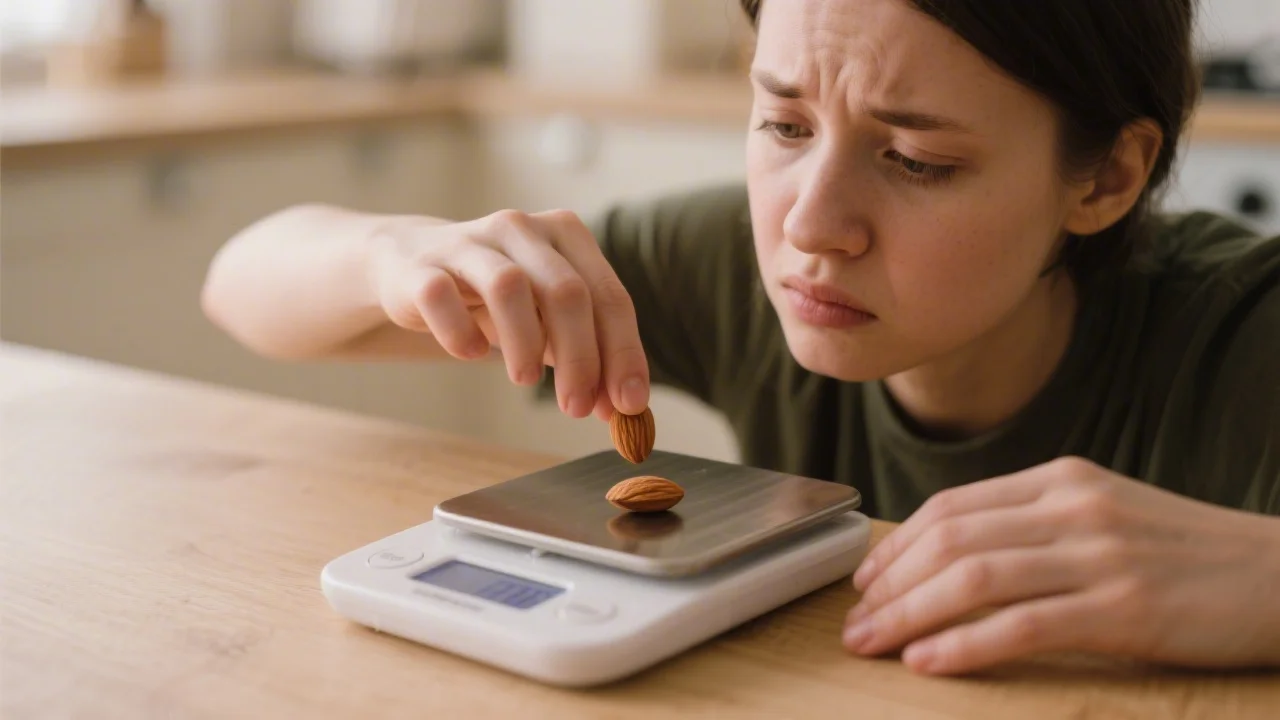
While the math sounds simple on paper, the complexity arises when you try to translate a chicken breast and a sweet potato into these precise numbers. This is where most beginners feel overwhelmed. The mental load of manual calculations, searching through disparate databases, and weighing every morsel of food can lead to "tracking burnout" within the first two weeks.

The Common Pitfalls of Manual Tracking
Many beginners start their macro journey with a notebook or a basic spreadsheet. While admirable, this method is fraught with errors and frustration. Research suggests that humans are notoriously bad at estimating portion sizes, often underestimating caloric intake by as much as 30% to 50%.
Why Manual Tracking Often Fails
- Hidden Ingredients: The oil used to sauté your vegetables or the cream in your coffee often goes unaccounted for, leading to stalled progress.
- Database Inconsistency: Not all calorie databases are created equal. One app might say an apple is 70 calories, while another says 110.
- Time Consumption: Manually searching for every ingredient in a complex meal like a lasagna can take 15 minutes per meal. Multiply that by three meals and two snacks, and you've spent nearly an hour a day just on data entry.
To succeed without losing your mind, you need to shift from manual labor to intelligent automation. The goal is to make the tracking process so seamless that it becomes a background habit rather than a foreground chore. This is where modern AI technology changes the game for the average person.
Automating Your Nutrition with FitFlow AI
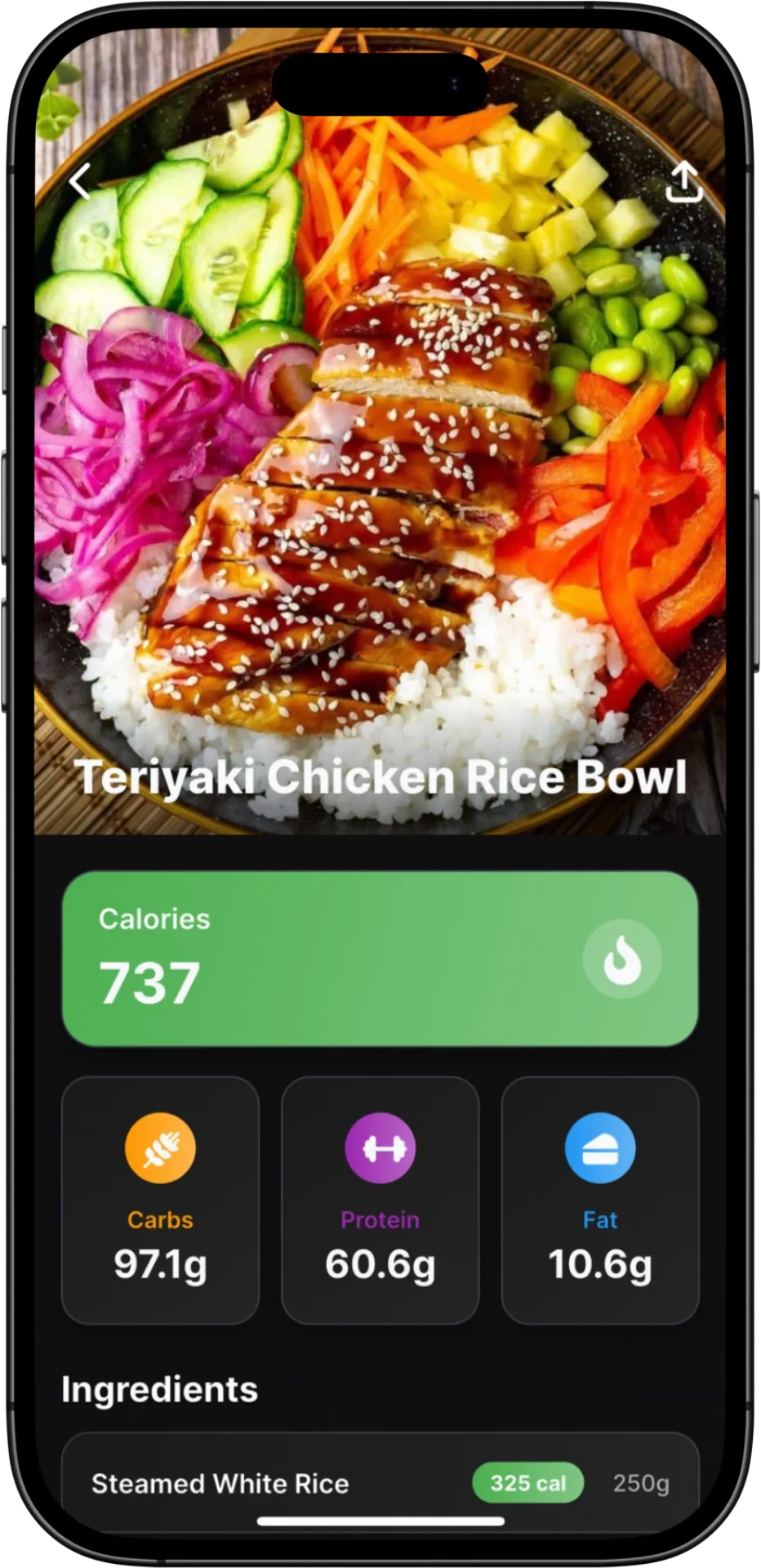
The biggest hurdle to macro counting is the friction of logging. In the past, you had to weigh, search, and select. With the evolution of AI in health tech, that friction has been virtually eliminated. FitFlow’s AI Food Scanning feature allows you to simply snap a photo of your plate to receive an instant breakdown of your macros.
How AI Simplifies the Process
FitFlow utilizes advanced computer vision to recognize over 2 million different foods. When you take a photo, the AI analyzes the volume and type of food to estimate calories, protein, carbs, and fats with incredible accuracy. This automates roughly 80% of the food logging process, making it up to 5x faster than manual entry.
Key Features for the Busy Beginner
- Barcode Scanning: For packaged foods, FitFlow boasts a database of 14 million+ items with 95% accuracy, ensuring that even your favorite obscure healthy snacks are accounted for.
- Restaurant Integration: If you're eating out, the app partners with major chains to provide official nutritional data, so you don't have to guess what's in that bistro salad.
- Recipe Builder: For those who love home cooking, you can input your ingredients once, and the app will provide a full nutritional breakdown per serving for future use.
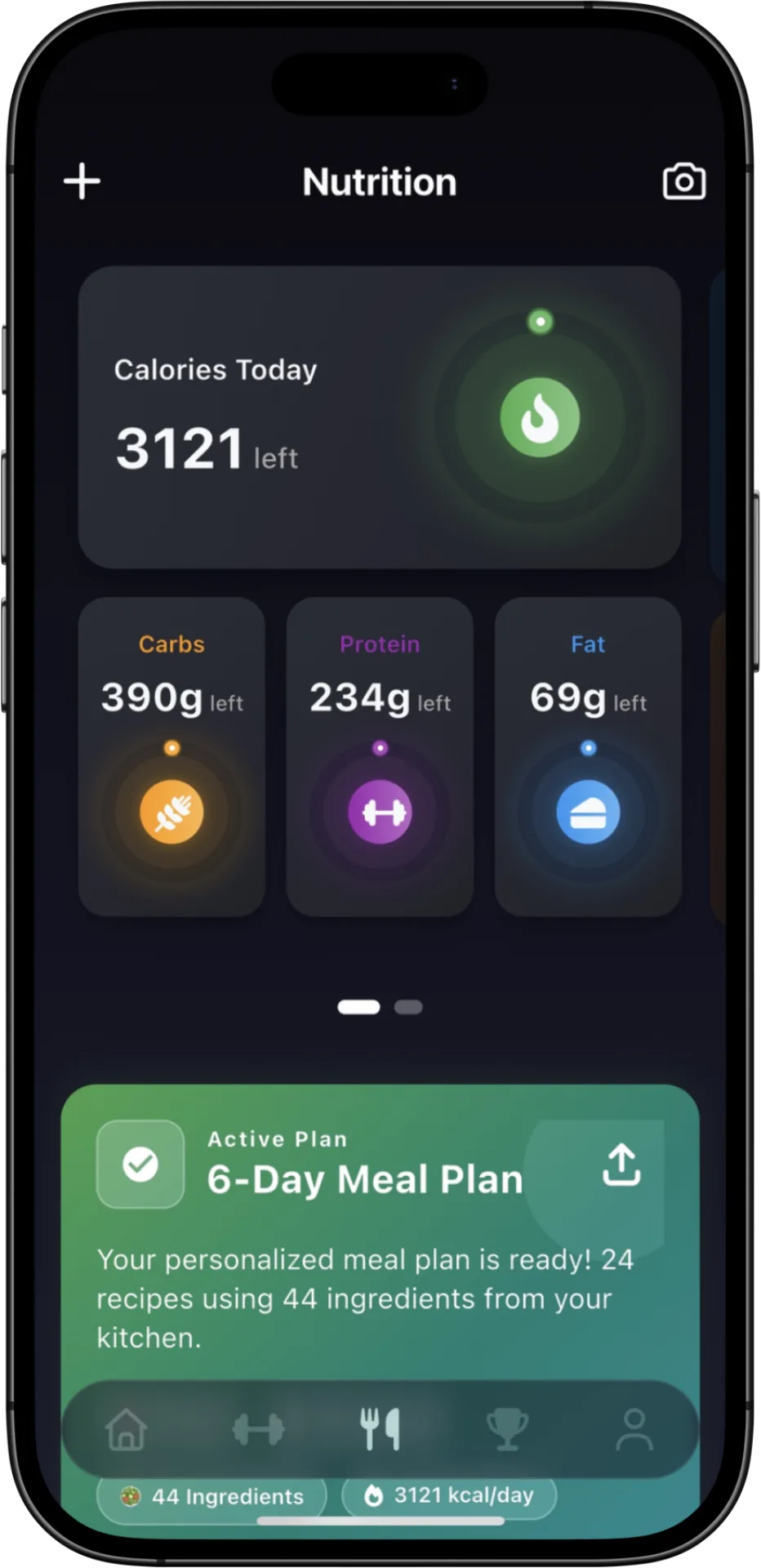
By using the fitflow-aiscan and fitflow-nutrition screens, you can see your daily progress in real-time. Instead of worrying about the math, you can focus on the choices. If you see your protein bar is low by mid-afternoon, the app’s macro breakdown will nudge you toward a high-protein snack to hit your daily goal.
Practical Strategies for Meal Prepping Success
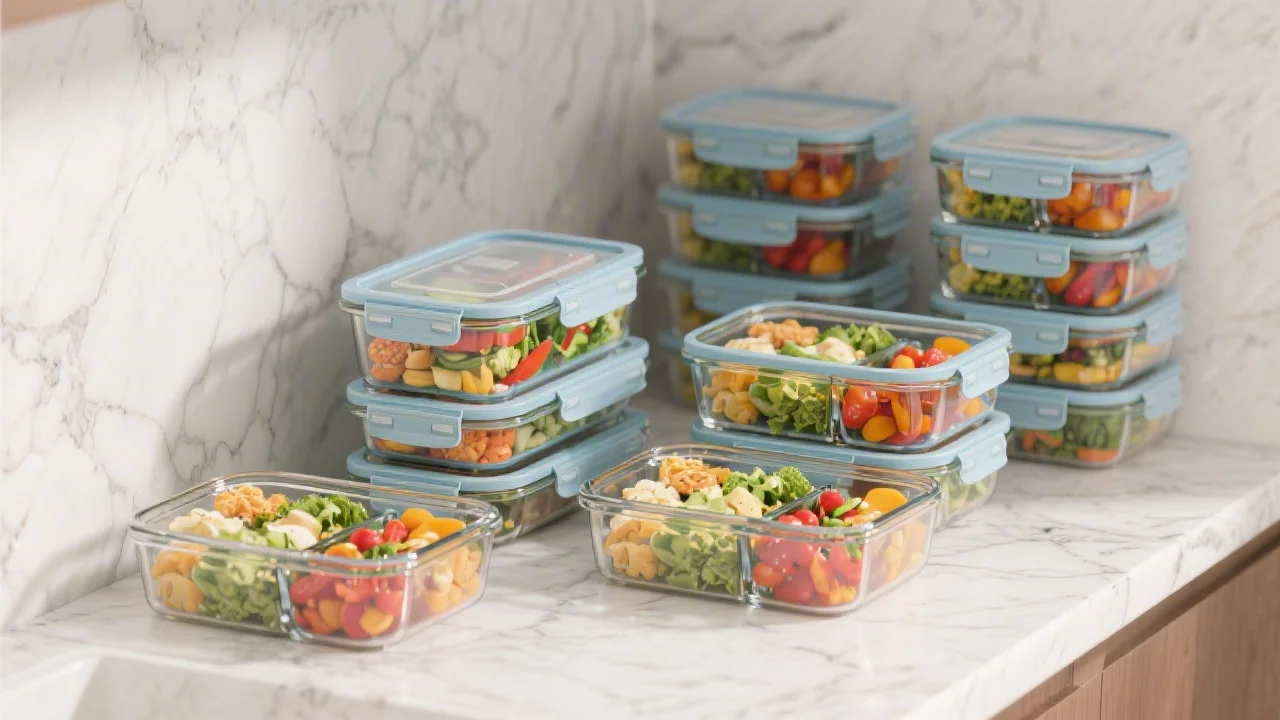
Tracking is only half the battle; the other half is having the right food available. Successful macro counters don't just track what they eat; they plan what they eat. Meal prepping is the ultimate "sanity saver" because it reduces the number of decisions you have to make when you're tired or hungry.
The "Component" Method of Prepping
Instead of making five identical containers of chicken and broccoli, which leads to boredom, try prepping components:
- Proteins: Grill three pounds of chicken, bake some tofu, or hard-boil a dozen eggs.
- Carbs: Roast a large tray of sweet potatoes, steam a pot of quinoa, or boil whole-wheat pasta.
- Fats/Flavor: Keep avocados, nuts, and healthy dressings on hand to add at the moment of eating.
This allows you to mix and match throughout the week while staying within your macro targets. FitFlow supports this lifestyle with its custom meal plans, which can be tailored for vegetarian, keto, paleo, or gluten-free preferences. You can even set "favorite" meals within the app to quick-add your go-to breakfasts or lunches with a single tap.
Monitoring Progress and Adjusting Your Goals
Macro counting is not a "set it and forget it" process. As you lose weight or gain muscle, your body's energy requirements change. A 200lb individual needs more energy to move than a 180lb individual. Therefore, your targets must evolve with you.
Using Data to Drive Results
Consistency is key, but so is adaptation. You should aim to track your weight and body fat trends over time rather than focusing on daily fluctuations. FitFlow’s Progress Analytics provides visual charts that help you see the bigger picture. If your weight hasn't moved for three weeks despite hitting your macros, it may be time to adjust your caloric intake or increase your activity levels.
The Role of Smart Goal-Setting
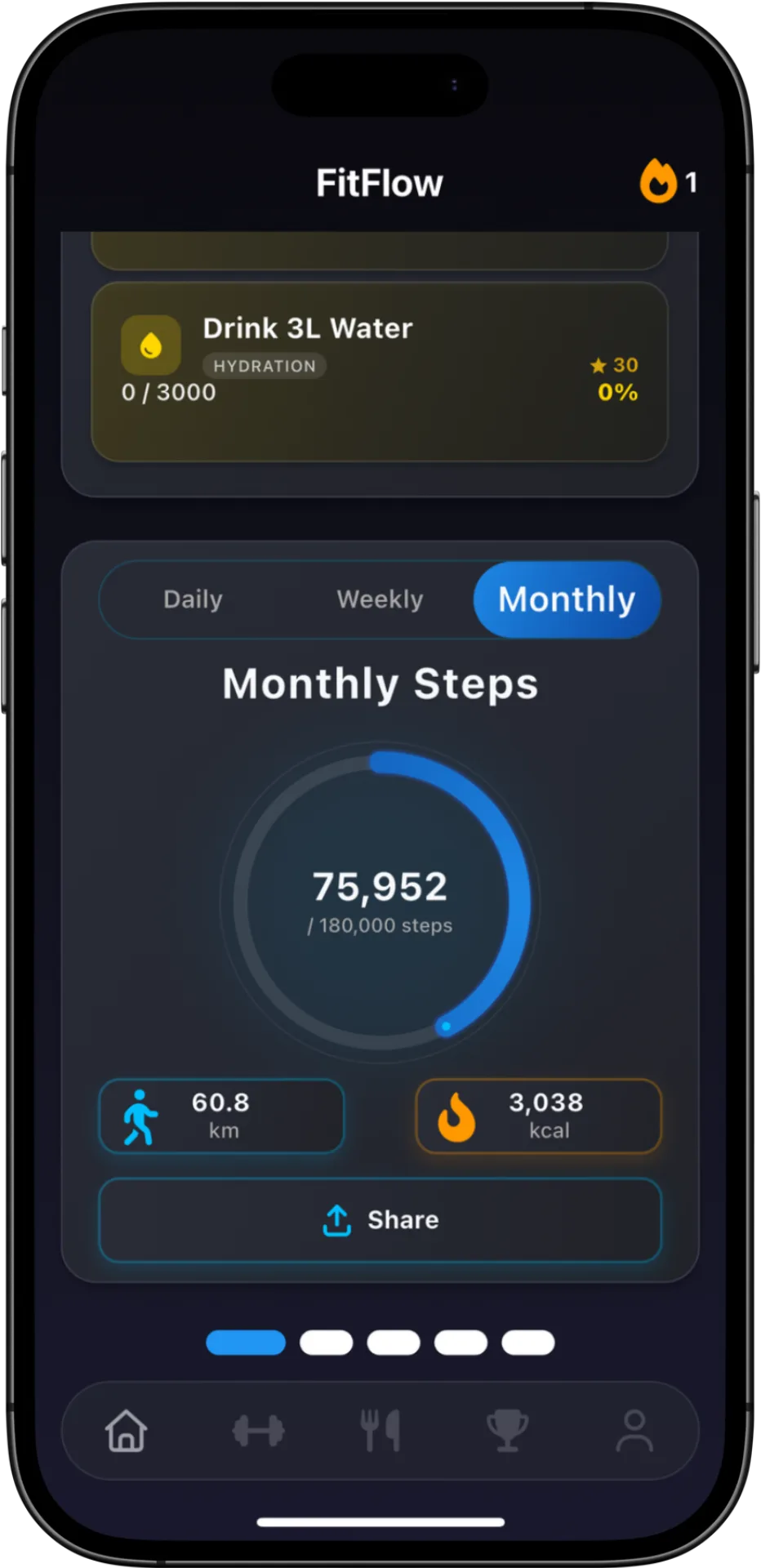
FitFlow includes a smart goal-setting system that celebrates milestones. Whether it’s hitting your protein goal seven days in a row or reaching a new personal record in the gym, these micro-wins keep motivation high. The fitflow-dashboard serves as your mission control, showing your steps, water intake, and macro balance in one glance.
"What gets measured gets managed." — Peter Drucker
By syncing with Apple Health or Google Fit, the app also factors in your daily movement. If you've had a particularly active day with a long run or a heavy lifting session tracked in the fitflow-workout screen, the app can help you understand how that affects your energy needs for recovery.
The Psychology of Tracking: Avoiding the Obsession
One of the most common criticisms of macro counting is that it can lead to an unhealthy obsession with numbers. To prevent this, it is vital to approach tracking as a tool for awareness, not perfection. The goal is to learn about food and how it affects your body, not to become a slave to a digital interface.
The 80/20 Rule
Aim for 80% of your diet to come from whole, nutrient-dense foods (lean meats, vegetables, fruits, whole grains) and 20% from whatever you enjoy (pizza, chocolate, a glass of wine). This flexibility is what makes macro counting sustainable for the long haul. If you go over your fat target one day, don't panic. The body responds to long-term averages, not single-day deviations.
Listen to Your Body
While the numbers provide a framework, your internal cues—hunger, energy levels, sleep quality, and mood—are equally important. If you are hitting your macros but feeling lethargic, you might need to adjust your carb-to-fat ratio or look at your micronutrient intake. FitFlow’s water tracker and sleep integration help you monitor these secondary but vital health markers.
Remember, the app is there to serve you, not the other way around. Use features like offline mode to log your meals even when you're off the grid, ensuring you don't lose your streak, but don't let a missed log ruin your day. Fitness is a marathon, not a sprint.

Conclusion: Your Roadmap to Macro Mastery
Counting macros is arguably the most effective way to change your body composition because it removes the guesswork. By understanding the balance of protein, carbs, and fats, you gain the freedom to eat the foods you love while still seeing results. However, the secret to "not losing your mind" is leveraging the right tools to reduce the friction of the process.
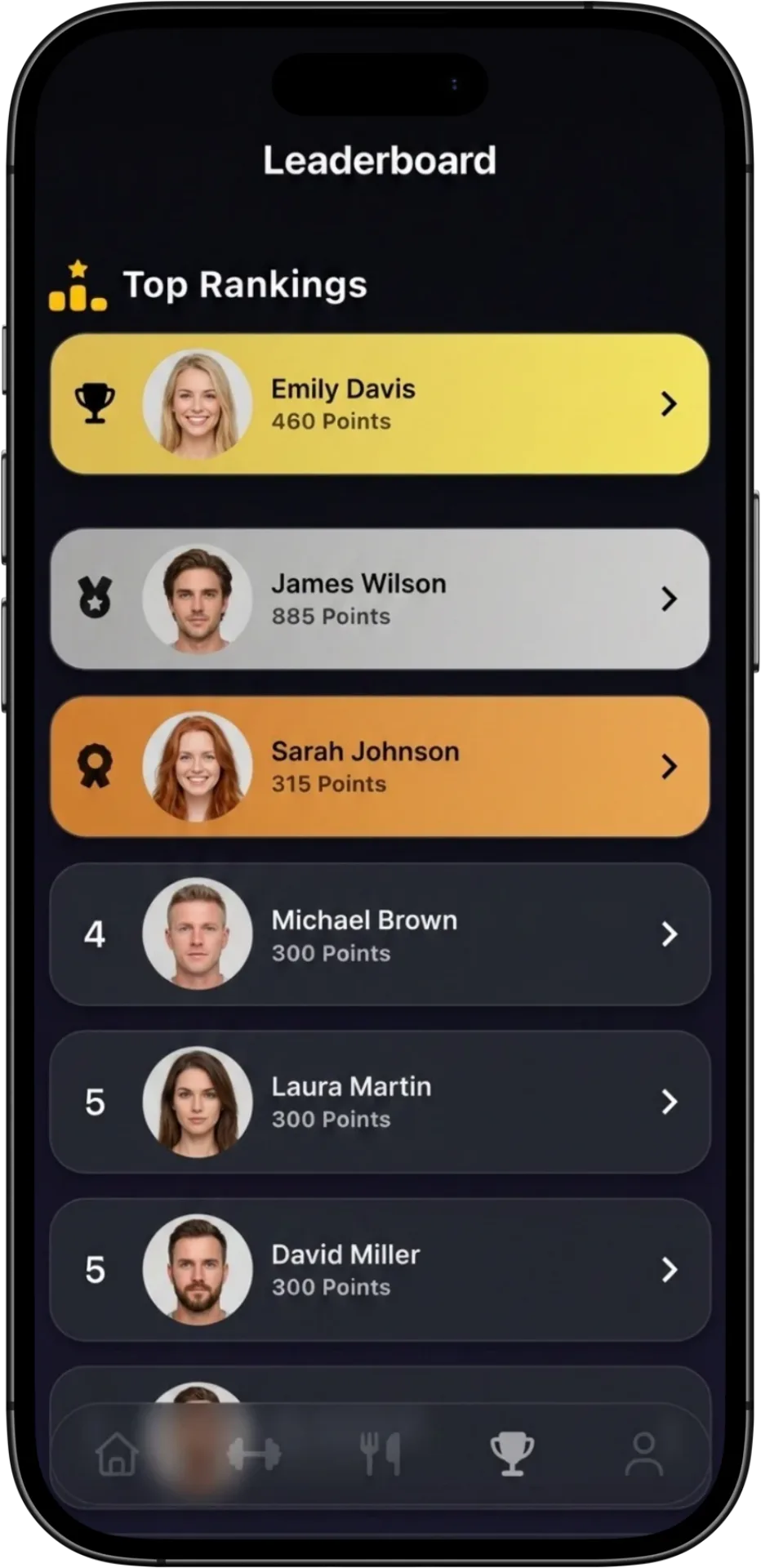
By combining the science of macronutrients with the power of FitFlow’s AI scanning and smart tracking, you turn a complex task into a simple, daily habit. Start small: focus on hitting your protein goal first, then move on to balancing your fats and carbs. Use the community leaderboards and motivational quotes within the app to stay inspired when things get tough.
You have the knowledge, and now you have the tools. It’s time to stop guessing and start progressing. Download FitFlow today to start your first AI-powered macro journey and see how simple nutrition can actually be.
Sources & References
- Applicability of different resting energy expenditure prediction equations to overweight and obese women of childbearing age with fertility problems — Wu X, Xue H, Liang M (2025)
- Measurement error in total energy intake in the United Kingdom National Diet and Nutrition Survey (2008-2015) — Venables MC, Roberts C, Griffiths D (2025)
FitFlow Editorial Team
Fitness & Nutrition Editorial TeamCertified personal trainers & nutrition coaches
The FitFlow Editorial Team is a group of certified personal trainers, nutrition coaches, and fitness writers who translate exercise science and nutrition research into practical, actionable guidance. Every article is grounded in peer-reviewed sources and reviewed for accuracy before publishing.
Frequently Asked Questions
Who is this guide for?
This guide is for anyone focused on nutrition and looking for practical, sustainable progress.
How quickly can I apply these recommendations?
Most recommendations are designed for immediate implementation. Start with one change today, then layer improvements weekly.
How does FitFlow support this strategy?
FitFlow supports execution with AI-powered meal tracking, workout planning, and progress analytics that help you stay consistent.