Creatine Explained: Benefits, Dosage, and Key Myths
Reviewed by the fitness & nutrition editorial team · Certified personal trainers & nutrition coaches

What is Creatine and How Does it Actually Work?
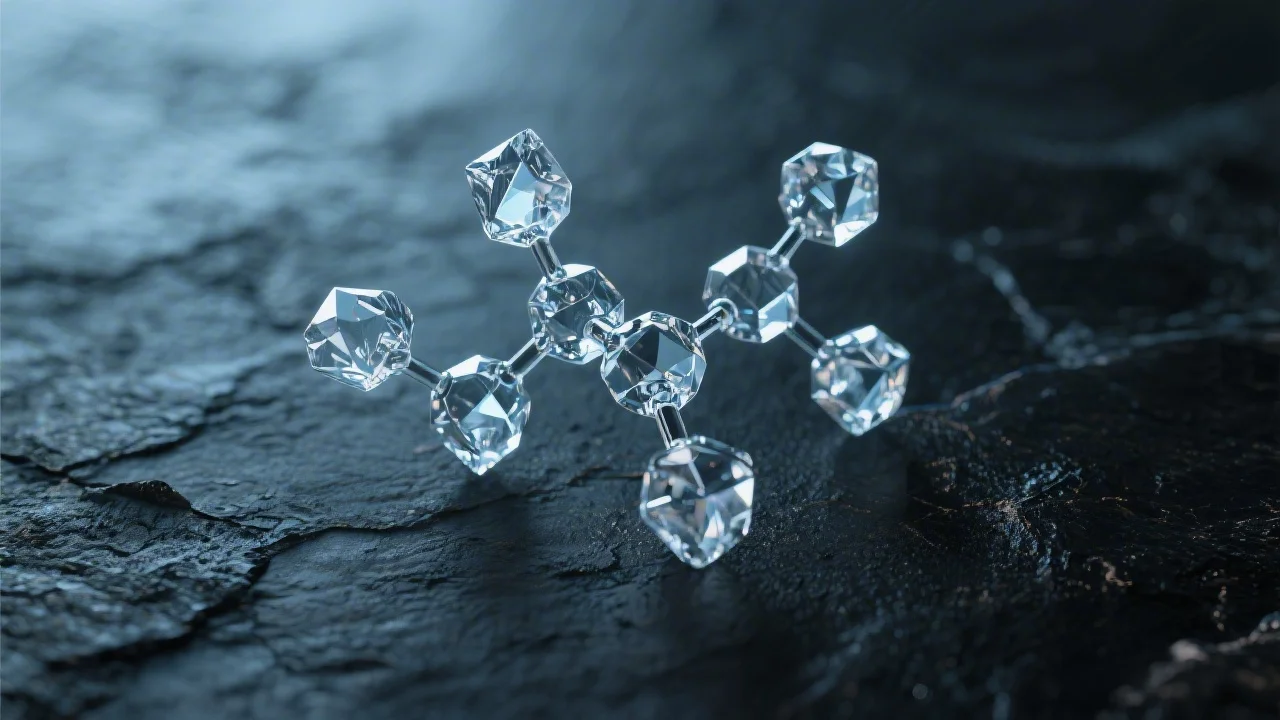
Creatine is often misunderstood as a synthetic performance-enhancing drug, but in reality, it is a naturally occurring nitrogenous organic acid found in vertebrates. It is produced by your body (primarily in the liver, kidneys, and pancreas) from the amino acids glycine, arginine, and methionine. You also consume it through your diet, specifically from red meat and seafood.
The ATP-CP Energy System
To understand why creatine is so effective, we have to look at cellular energy. Your body’s primary energy currency is a molecule called Adenosine Triphosphate (ATP). When you perform high-intensity exercise—like sprinting or lifting a heavy barbell—your cells break down ATP into Adenosine Diphosphate (ADP) to release energy. However, your muscle cells only store enough ATP for a few seconds of maximum effort.
This is where creatine comes in. It is stored in your muscles as phosphocreatine. When ATP is depleted, phosphocreatine donates a phosphate group to the ADP, rapidly regenerating it back into ATP. This allows you to maintain peak power output for a few seconds longer, which can be the difference between performing 8 reps or 12 reps of a heavy exercise.
Creatine doesn't build muscle directly; it provides the cellular energy required to perform more work, which in turn drives the physiological adaptations for muscle growth and strength.
- Natural Production: The body produces about 1-2 grams per day.
- Dietary Sources: Found in beef, pork, and salmon.
- Storage: 95% is stored in skeletal muscle, while 5% is found in the brain and testes.
The Science-Backed Benefits of Creatine Supplementation
Decades of clinical research have solidified creatine as the 'gold standard' of sports supplements. While its primary reputation is built on muscle growth, the benefits extend far beyond the weight room.
Increased Strength and Power Output
A meta-analysis of over 500 studies found that creatine supplementation resulted in an average 5-15% increase in maximal strength and power. For athletes, this translates to faster sprint times, higher vertical jumps, and increased one-rep maxes on compound lifts like the bench press and squat.
Hypertrophy and Muscle Volume
Creatine promotes muscle growth through several pathways. First, it increases the water content within your muscle cells (osmosis), creating a 'volumizing' effect that may play a role in signaling muscle protein synthesis. Second, it has been shown to reduce levels of myostatin, a molecule that can inhibit muscle growth. Finally, by allowing for higher training volumes, it increases the total mechanical tension placed on the muscle fibers—the primary driver of hypertrophy.
Cognitive Function and Brain Health
Emerging research suggests that the brain, which requires significant amounts of ATP, also benefits from creatine. Studies have shown that supplementation can improve short-term memory and reasoning, particularly in individuals who are stressed, sleep-deprived, or follow a plant-based diet. There is also ongoing research into its neuroprotective properties against diseases like Parkinson’s and Alzheimer’s.
Recovery and Injury Prevention
Creatine may help reduce muscle damage and inflammation following intense exercise. By improving the cellular environment, it helps athletes recover faster between training sessions, reducing the risk of overtraining and overuse injuries.

Busting Common Creatine Myths
Despite being the most studied supplement in history, creatine is still surrounded by misinformation. Let's address the most common concerns with scientific evidence.
Myth 1: Creatine Causes Kidney Damage
This is perhaps the most persistent myth. It stems from the fact that creatine supplementation increases levels of creatinine in the blood, which is a marker used to measure kidney function. However, elevated creatinine from supplementation is not indicative of kidney damage in healthy individuals. Long-term studies (lasting up to 5 years) have consistently shown no adverse effects on renal function in healthy adults.
Myth 2: Creatine Causes Hair Loss
This myth originated from a single 2009 study on rugby players which showed an increase in Dihydrotestosterone (DHT), a hormone linked to hair loss. However, this study has never been replicated, and the levels of DHT remained within the normal physiological range. There is currently no direct evidence that creatine causes baldness.
Myth 3: It’s Just 'Water Weight'
While creatine does cause water retention, it is intracellular hydration—meaning the water is stored inside the muscle cell, not under the skin. This makes the muscles look fuller and harder, rather than 'bloated.' This intracellular hydration is actually a positive signal for muscle growth.
Myth 4: You Need to 'Load' Creatine
The 'loading phase' (taking 20g per day for 5-7 days) is a common recommendation to saturate muscle stores quickly. While effective, it is not strictly necessary. Taking a standard dose of 3-5 grams per day will achieve the same saturation levels within 3-4 weeks without the potential for gastrointestinal upset often associated with high doses.
Dosage, Timing, and Optimization Strategies
To get the most out of creatine, you don't need a complex protocol. Consistency is the most important factor. Because creatine works through accumulation in the muscle tissue, skipping days will diminish its effectiveness.
The Standard Protocol
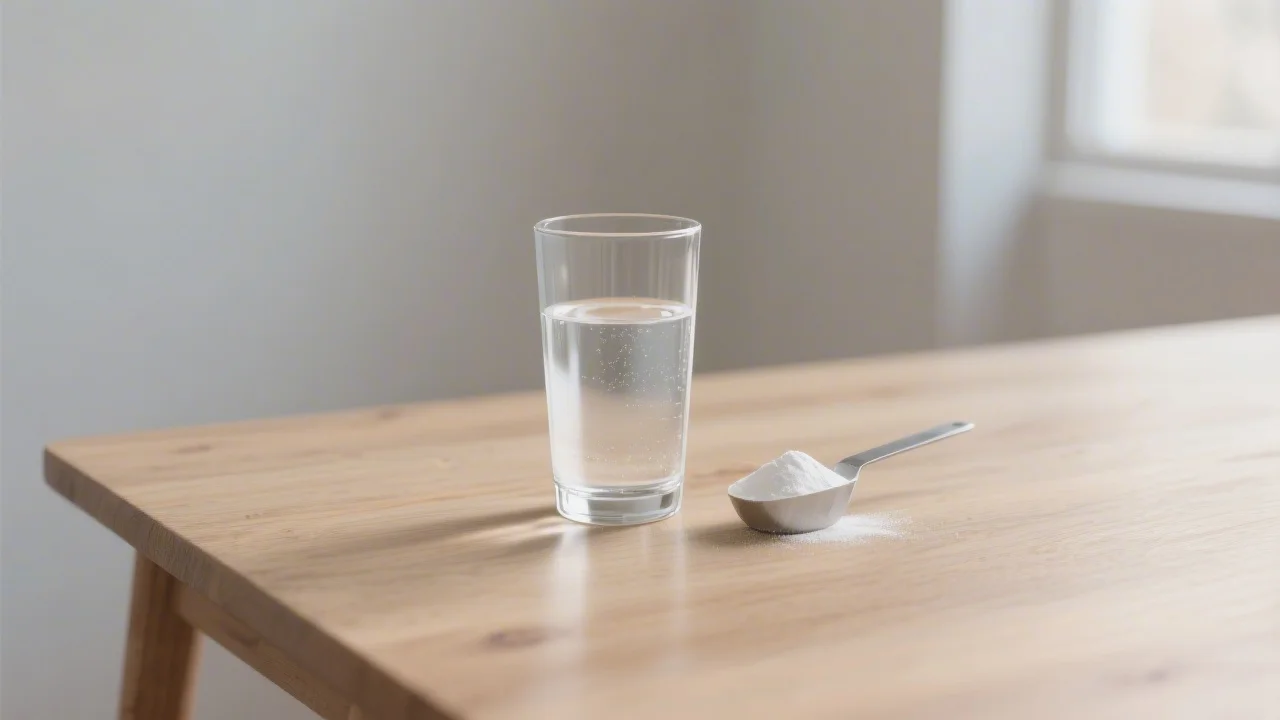
For the vast majority of people, 3 to 5 grams of Creatine Monohydrate per day is the optimal dose. Creatine Monohydrate is the most researched and cost-effective form of the supplement. Other forms like Creatine HCL or buffered creatine have not been proven to be superior in clinical trials.
When Should You Take It?
Research on nutrient timing for creatine is mixed. Some studies suggest a slight advantage to taking it post-workout alongside carbohydrates and protein, as the insulin spike may help shuttle the creatine into the muscle cells. However, the difference is marginal. The best time to take creatine is whenever you are most likely to remember it every single day.
Tracking Your Nutrition and Hydration
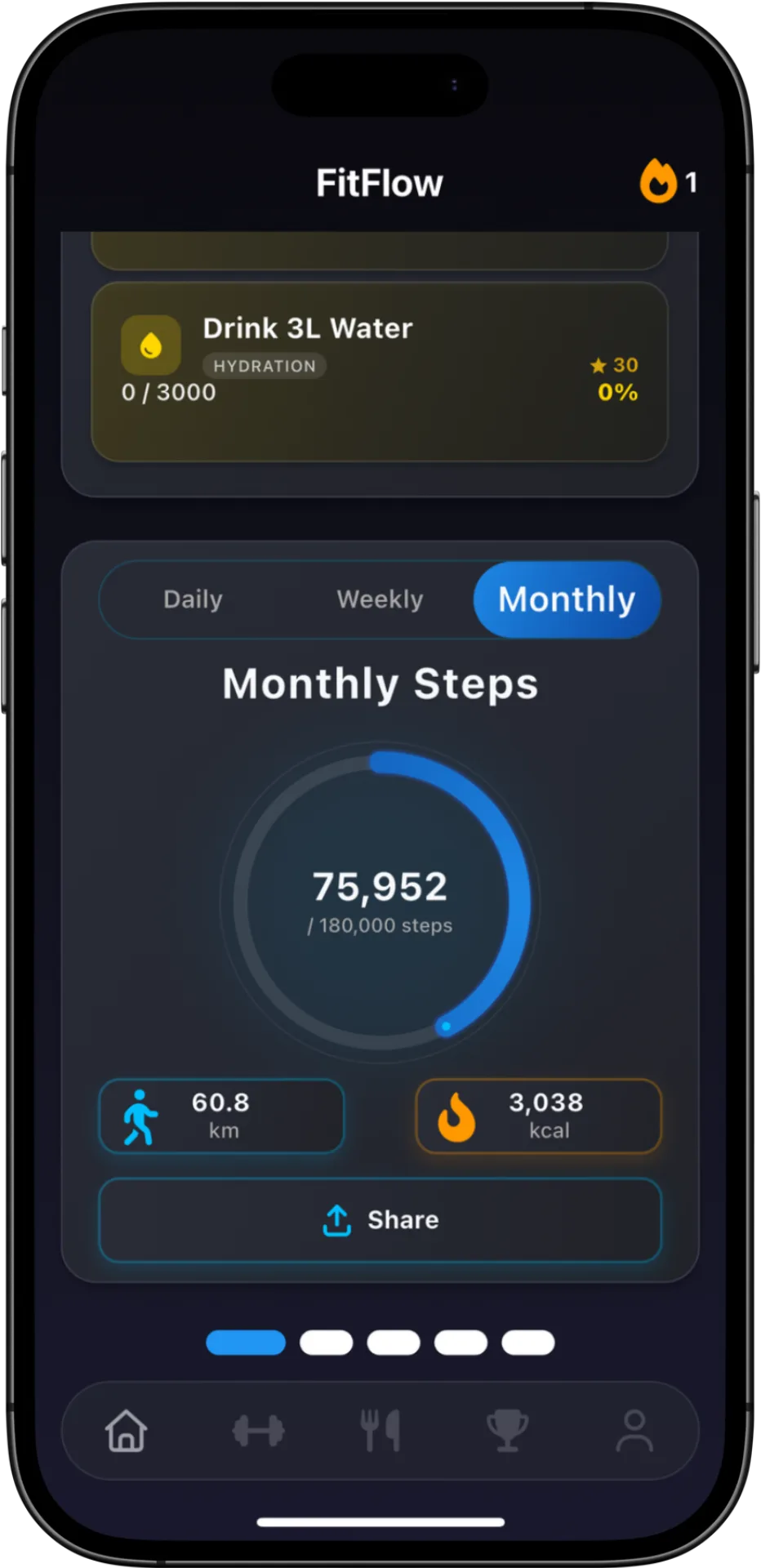
Because creatine draws water into the muscle cells, staying hydrated is crucial. You should aim to increase your daily water intake when you begin supplementation. This is where using a tool like FitFlow becomes invaluable. You can monitor your daily water intake and ensure you're hitting your hydration targets to avoid cramping or headaches.
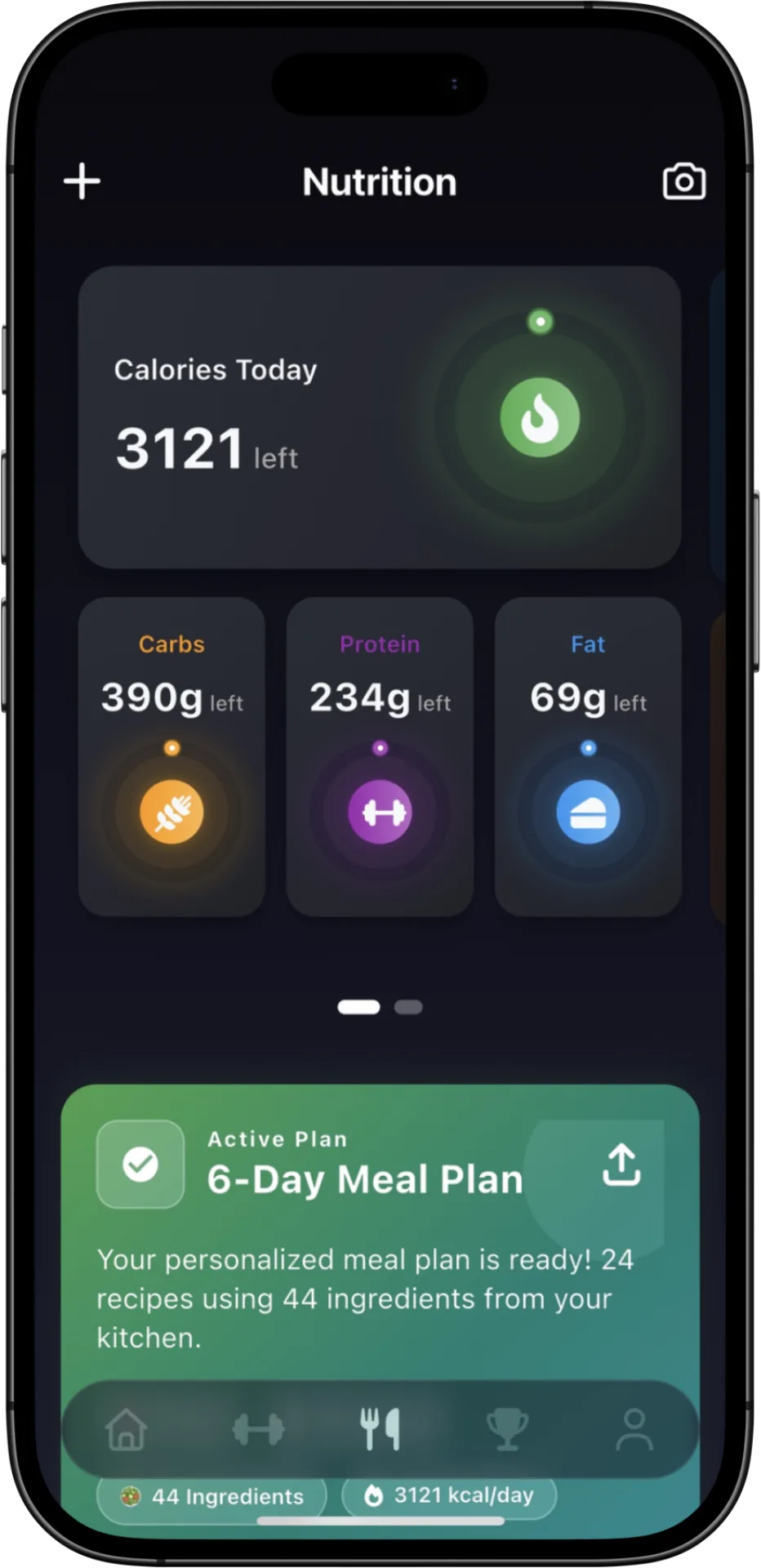
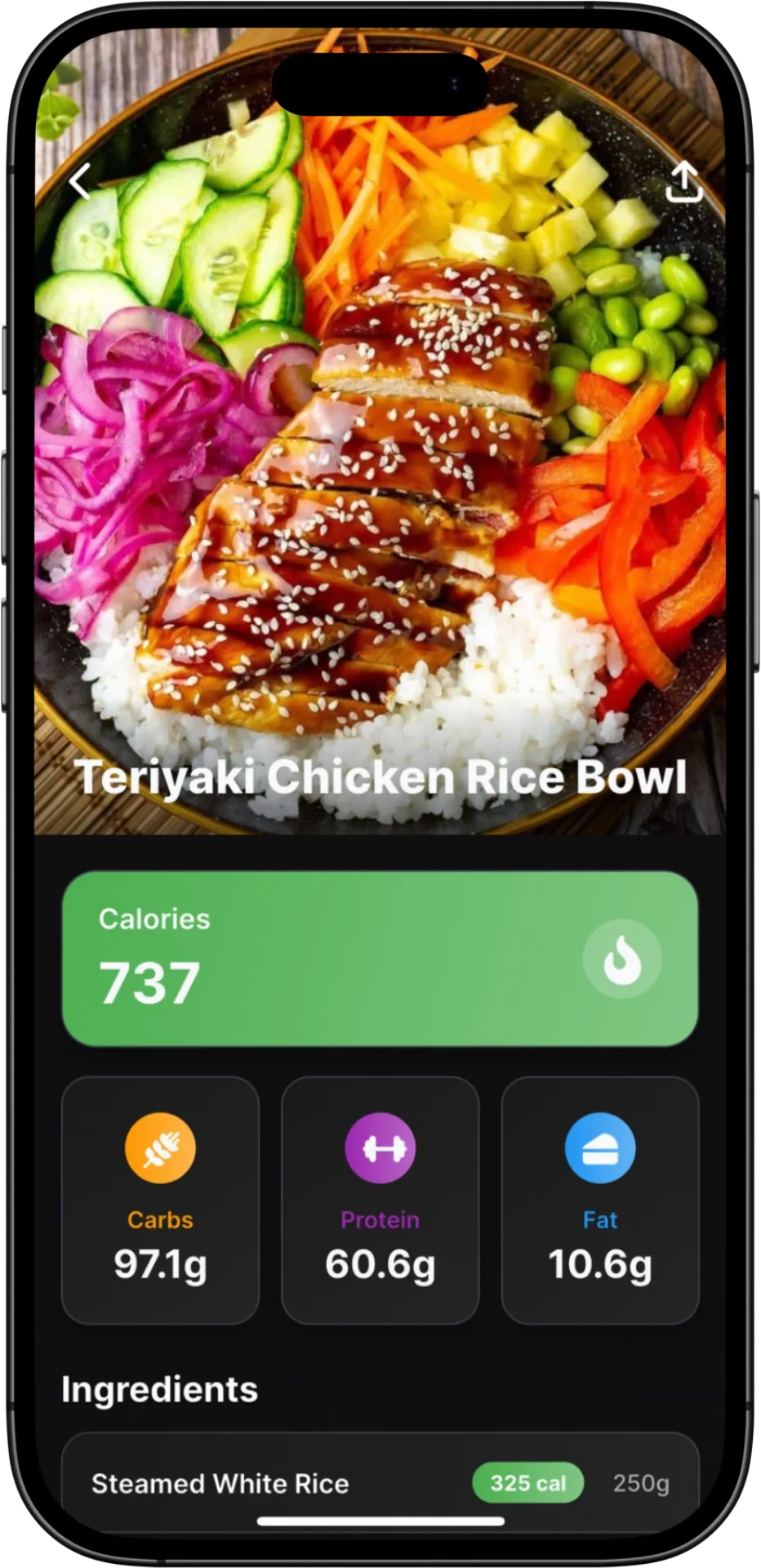
Furthermore, since creatine helps you train harder, you need to ensure your macronutrients are aligned with your goals. Using FitFlow’s AI Food Scanning feature allows you to snap a photo of your meals to instantly track your protein and calorie intake, ensuring your body has the raw materials it needs to repair the muscle tissue you're breaking down in the gym.
Who Should Take Creatine?
While often associated with bodybuilders, creatine is beneficial for a wide range of individuals across different age groups and lifestyles.
Strength and Power Athletes
Weightlifters, powerlifters, and CrossFit athletes are the primary candidates. The ability to squeeze out extra repetitions and recover faster between sets directly translates to better performance and faster progress.
Endurance Athletes
While not as direct as the benefits for sprinters, endurance athletes can benefit from creatine’s ability to improve glycogen loading and reduce muscle damage. It is particularly useful for the 'finishing kick' in races or for high-intensity intervals during training.
Vegans and Vegetarians
Since the primary dietary sources of creatine are meat and fish, plant-based eaters typically have lower baseline stores of phosphocreatine. Consequently, they often see the most significant improvements in both physical and cognitive performance when they begin supplementation.
The Aging Population
Sarcopenia (age-related muscle loss) is a significant health concern for older adults. Creatine, when combined with resistance training, has been shown to help older individuals maintain muscle mass, bone density, and functional independence. Its cognitive benefits are also particularly relevant for maintaining mental acuity in later years.

Maximizing Results with FitFlow
Supplementation is only one piece of the puzzle. To see real transformation, you must pair your creatine intake with a structured training program and meticulous progress tracking. This is where the FitFlow ecosystem provides a distinct advantage.
Intelligent Workout Tracking
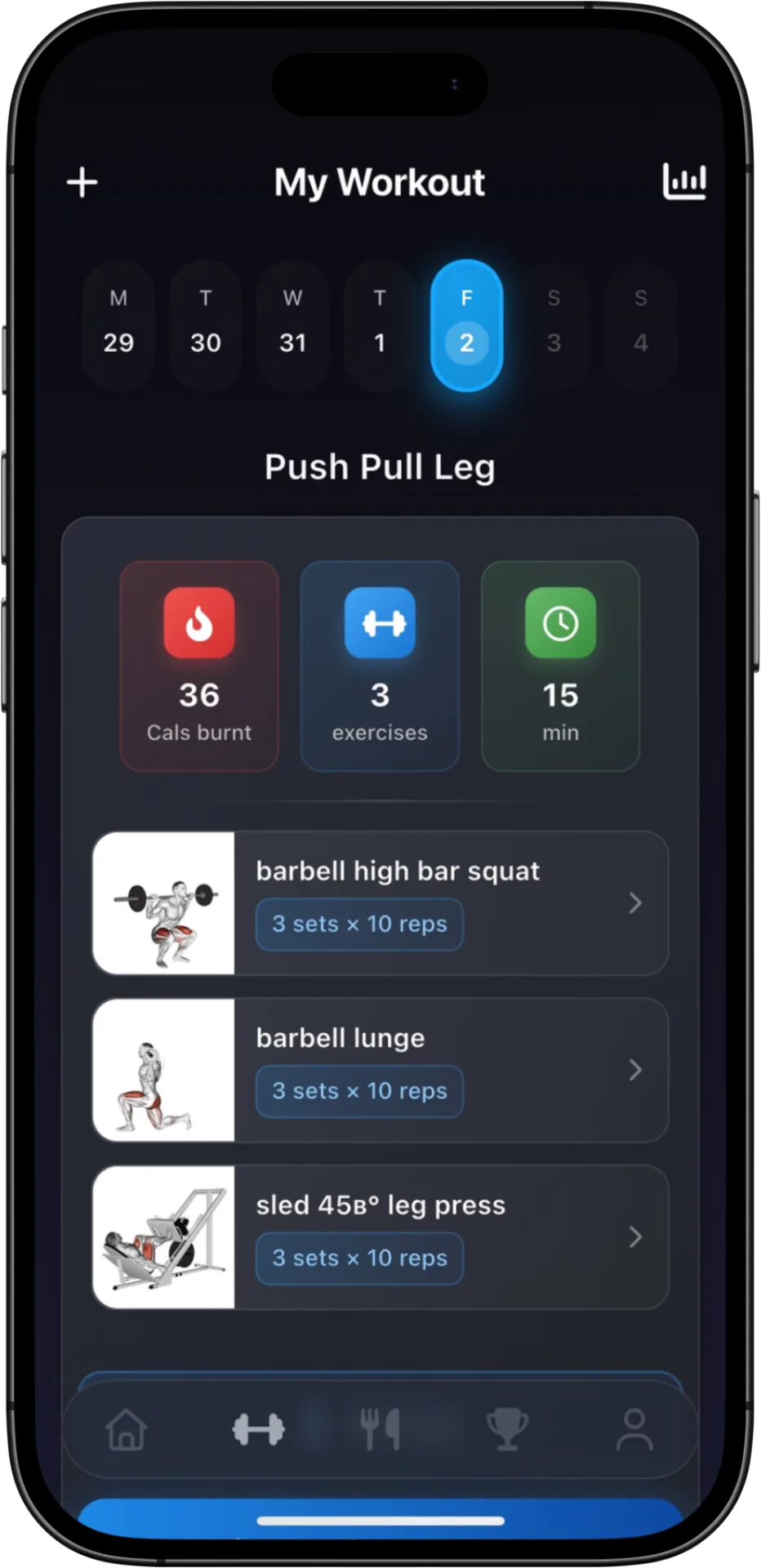
Creatine gives you the capacity for more work, but you need to log that work to ensure progressive overload. FitFlow’s smart workout tracking allows you to record every set, rep, and rest period. Over time, the app's detailed analytics will show you the direct impact of your supplementation through visual progress charts and personal record (PR) badges.
Monitoring Body Composition
As you begin taking creatine, you may see a slight increase in scale weight due to the intracellular water retention. It’s important not to panic. By using FitFlow’s weight and body fat tracking, you can look at the long-term trends rather than daily fluctuations. The app's integration with Apple Health and other wearables ensures that all your data—from steps to sleep—is centralized, giving you a holistic view of your health journey.
Staying Motivated
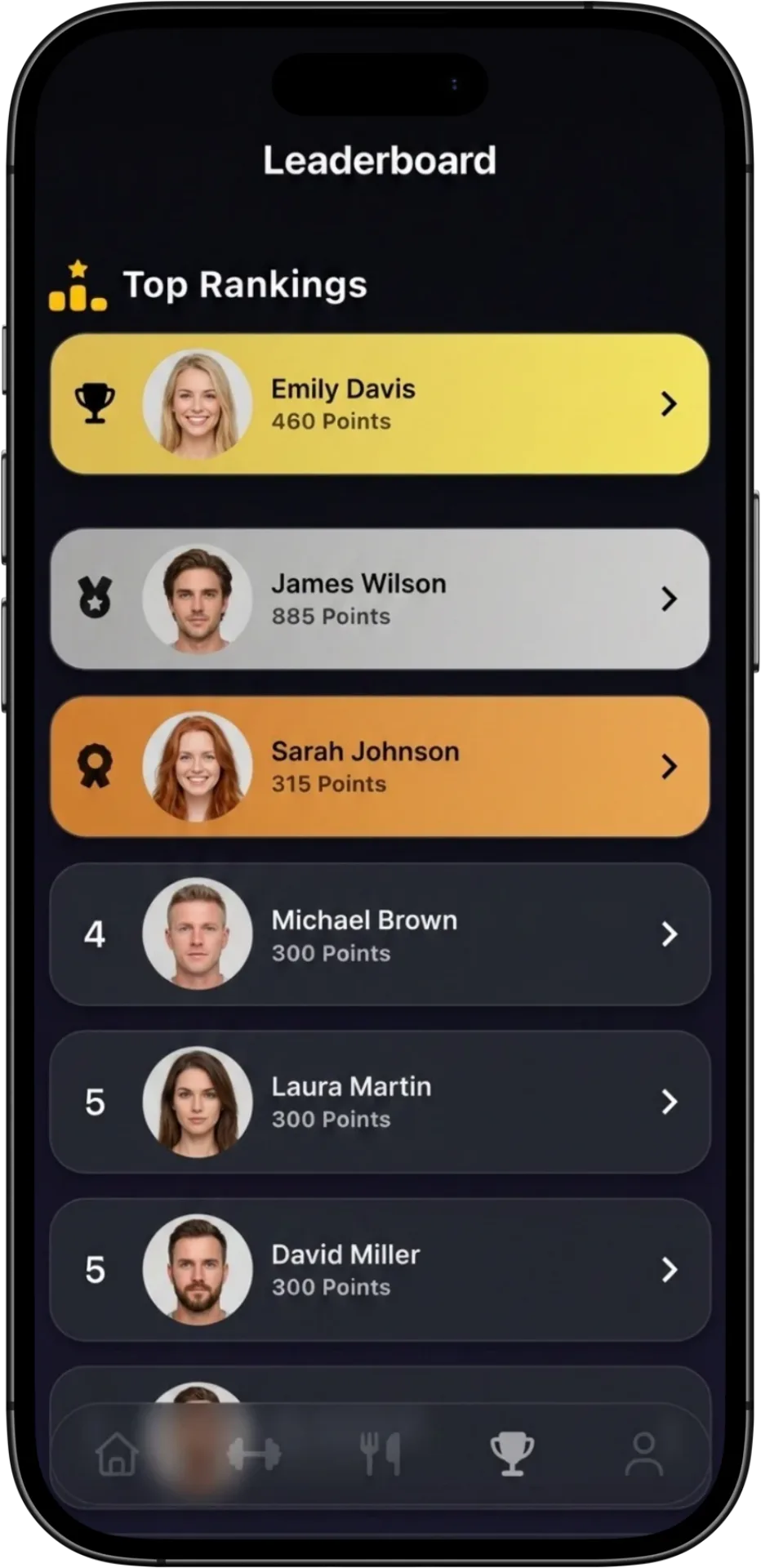
Consistency is the 'secret sauce' of fitness. FitFlow keeps you engaged through daily motivational quotes, running challenges, and a points-based leaderboard. When you see your name climbing the rankings, it provides that extra psychological edge to keep your streak alive and your nutrition on point.
Safety, Side Effects, and Final Thoughts
Creatine monohydrate is remarkably safe for the general population. The most common side effect is mild gastrointestinal distress, which usually only occurs during high-dose loading phases or if taken on an empty stomach with insufficient water.
Key Takeaways for Success:
- Choose Monohydrate: Don't be swayed by expensive 'advanced' versions; monohydrate is the king.
- Stay Hydrated: Use the FitFlow water tracker to ensure you're drinking enough to support the increased intracellular demand.
- Be Patient: It takes time for muscle stores to saturate. You won't see a difference overnight, but within 3-4 weeks, the effects will become apparent.
- Prioritize Whole Foods: Supplements are meant to supplement a solid diet. Use AI Food Scanning to keep your nutrition in check.
In conclusion, creatine is a safe, effective, and affordable tool for anyone looking to improve their physical performance, body composition, or cognitive health. By combining this powerful supplement with the intelligent tracking and guidance provided by the FitFlow app, you are setting yourself up for the best possible results on your fitness journey.

Sources & References

FitFlow Editorial Team
Fitness & Nutrition Editorial TeamCertified personal trainers & nutrition coaches
The FitFlow Editorial Team is a group of certified personal trainers, nutrition coaches, and fitness writers who translate exercise science and nutrition research into practical, actionable guidance. Every article is grounded in peer-reviewed sources and reviewed for accuracy before publishing.
Frequently Asked Questions
Who is this guide for?
This guide is for anyone focused on nutrition and looking for practical, sustainable progress.
How quickly can I apply these recommendations?
Most recommendations are designed for immediate implementation. Start with one change today, then layer improvements weekly.
How does FitFlow support this strategy?
FitFlow supports execution with AI-powered meal tracking, workout planning, and progress analytics that help you stay consistent.