How to Lose Fat Without Losing Muscle: A Science-Based Approach
Reviewed by the fitness & nutrition editorial team · Certified personal trainers & nutrition coaches

The Science of Body Recomposition: Understanding the Metabolic Tug-of-War
The quest for the 'perfect physique' often leads individuals down the path of aggressive calorie restriction. While the scale might drop rapidly, a significant portion of that weight loss often comes from lean muscle tissue rather than adipose fat. This phenomenon, known as catabolism, results in a 'skinny fat' appearance and a lowered metabolic rate. To avoid this, we must understand body recomposition—the process of simultaneously losing fat and maintaining (or even gaining) muscle.
The Role of Nitrogen Balance
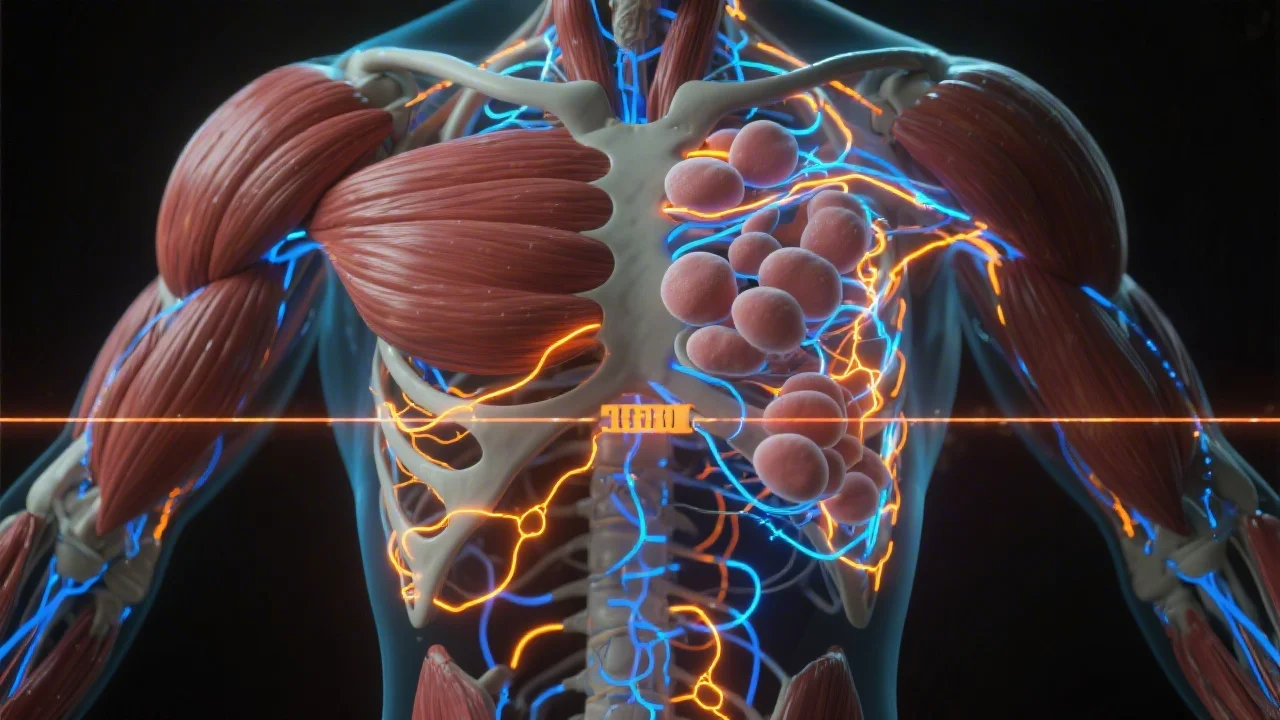
At its core, muscle preservation is a matter of nitrogen balance. Muscle tissue is the primary reservoir of nitrogen in the body. When you are in a caloric deficit, your body looks for alternative energy sources. If the deficit is too steep or protein intake is too low, the body breaks down muscle protein into amino acids to be used for energy (gluconeogenesis). To prevent this, you must provide a strong enough stimulus and sufficient raw materials to keep the body in a positive or neutral nitrogen balance.
mTOR vs. AMPK: The Cellular Switches
Your cells operate based on two primary signaling pathways: mTOR (Mammalian Target of Rapamycin), which promotes growth and protein synthesis, and AMPK (Adenosine Monophosphate-activated Protein Kinase), which acts as an energy sensor and promotes energy production (fat burning). The challenge of losing fat without losing muscle is balancing these two. While a caloric deficit naturally increases AMPK, we use resistance training and high protein intake to periodically 'flip' the mTOR switch, signaling the body that muscle tissue is too valuable to discard.
Studies published in the Journal of the International Society of Sports Nutrition suggest that high-protein diets (2.3–3.1 g/kg of fat-free mass) are most effective for resistance-trained individuals during periods of energy restriction.
Optimizing Protein Intake: The Muscle-Sparing Macronutrient
Protein is the most critical macronutrient when dieting. It has the highest Thermic Effect of Food (TEF), meaning your body burns more calories digesting protein than it does fats or carbohydrates. More importantly, it provides the essential amino acids—specifically leucine—required to trigger Muscle Protein Synthesis (MPS).
The Leucine Threshold
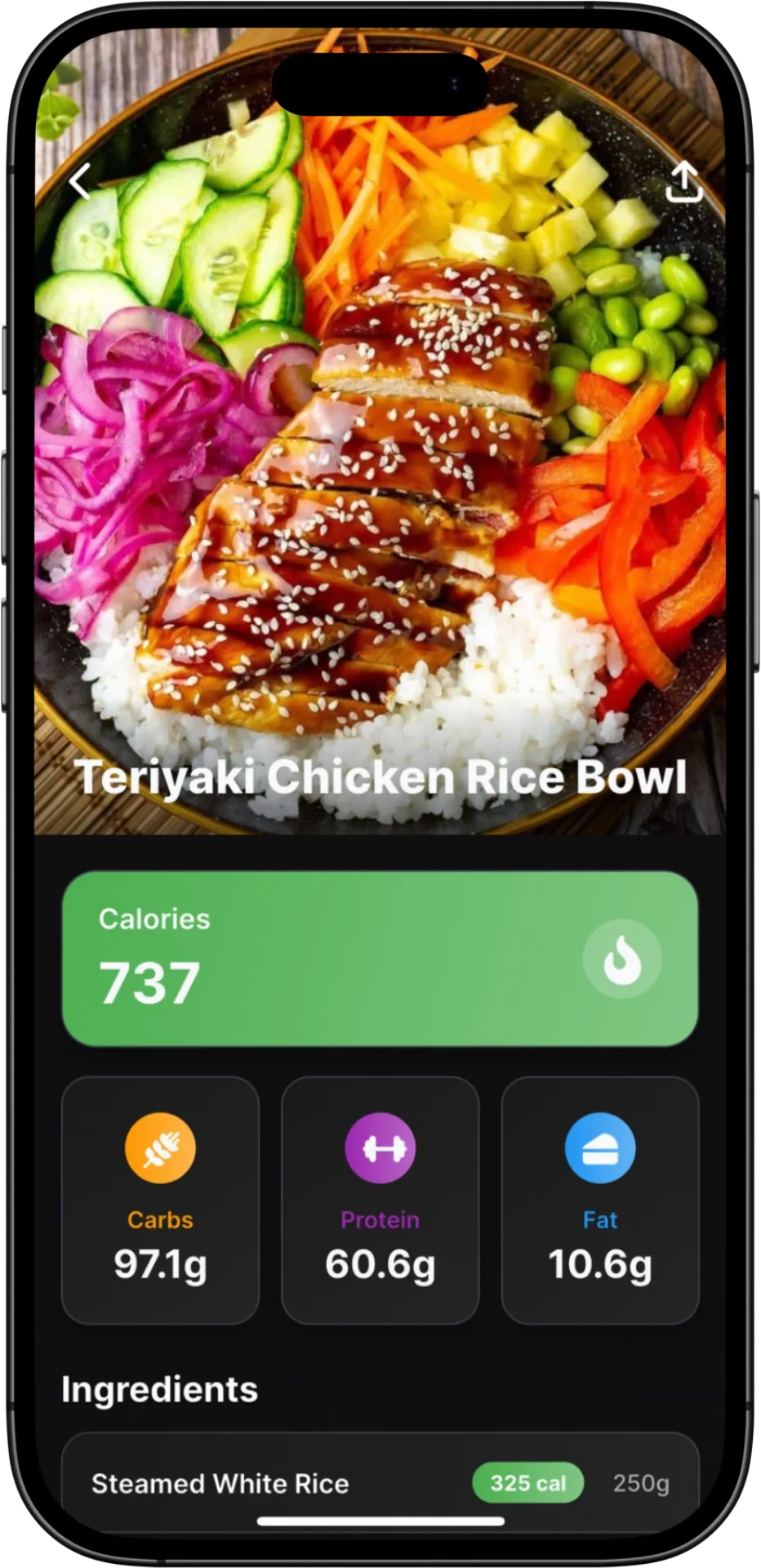
To maximize muscle retention, it is not just about the total daily protein; it is about reaching the 'leucine threshold' at each meal. Research indicates that consuming 20-40 grams of high-quality protein per meal (depending on body size) is necessary to maximize the anabolic response. This is where precision becomes vital. Logging your macros manually can be tedious, but leveraging technology can bridge the gap.
With FitFlow’s AI Food Scanning, you can instantly verify if your lunch hits that 30g protein target just by snapping a photo. The app’s database of 14M+ items ensures that whether you are eating a home-cooked chicken breast or a meal from a major restaurant chain, your macro breakdowns are calculated with 95%+ accuracy. This automation removes the guesswork, allowing you to focus on hitting your targets rather than calculating numbers.
Distribution and Timing
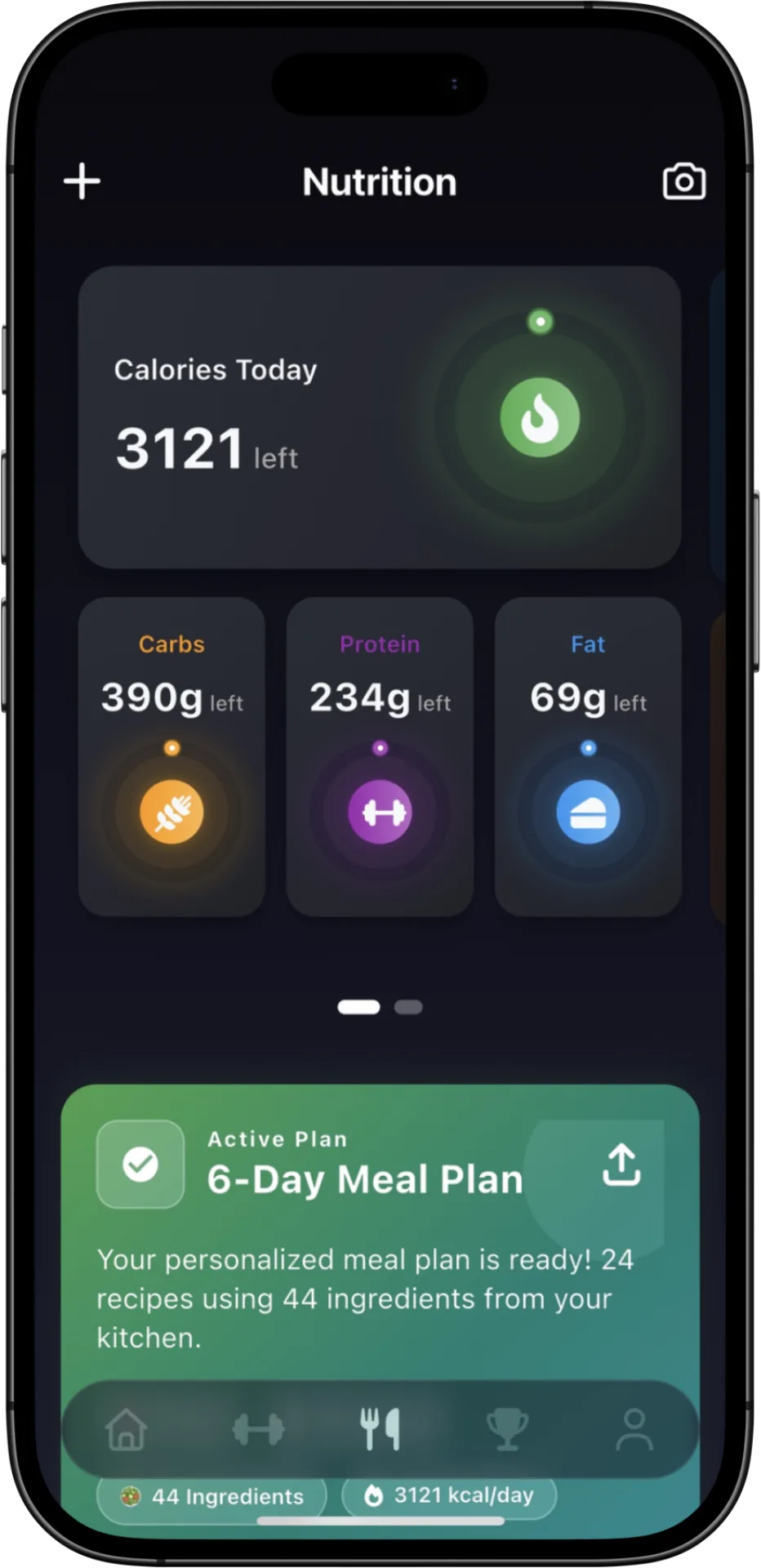
While total daily intake is the most important factor, spreading protein across 4-5 meals ensures a steady supply of amino acids in the bloodstream. This constant 'drip' of nutrition helps counteract the catabolic nature of a caloric deficit. If you are following specific dietary preferences like Keto or Vegan, FitFlow’s custom meal plans can tailor these protein requirements to fit your lifestyle while ensuring you don't fall short on essential amino acids.
Resistance Training: The Signal for Retention
If nutrition provides the bricks, resistance training is the architect. Without a reason to keep muscle, the body will prioritize burning it because muscle is metabolically expensive to maintain. You must give your body a 'reason' to keep its muscle mass by subjecting it to regular, intense mechanical tension.
Prioritizing Intensity Over Volume
When in a fat-loss phase, your recovery capacity is slightly diminished. Therefore, the goal of training shifts from 'maximum growth' to 'maximum retention.' You should continue to lift heavy weights, aiming for the 6-12 rep range, which is the sweet spot for hypertrophy. Reducing your total sets (volume) while keeping the weight on the bar (intensity) high is a proven strategy to prevent muscle loss.
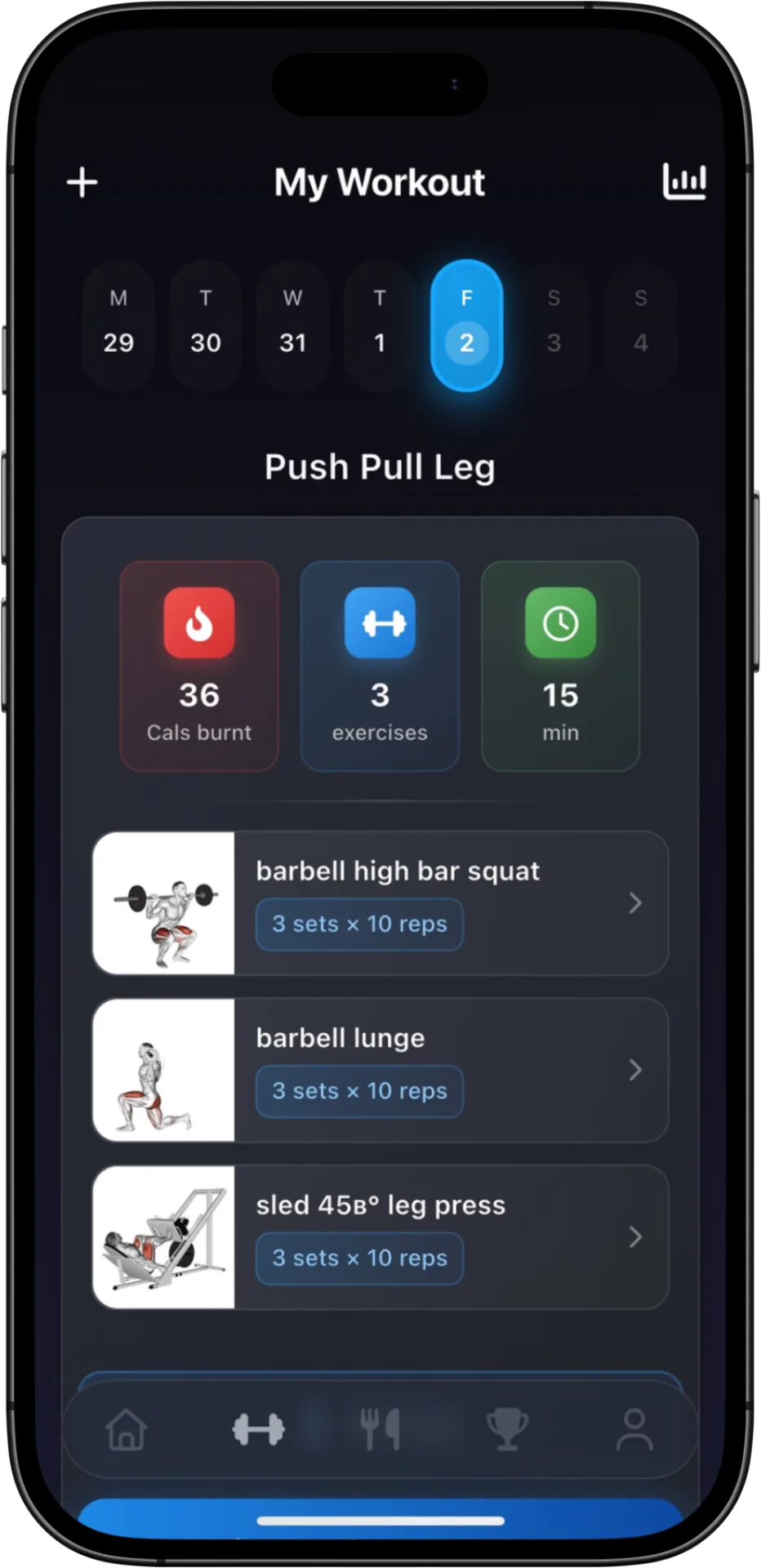
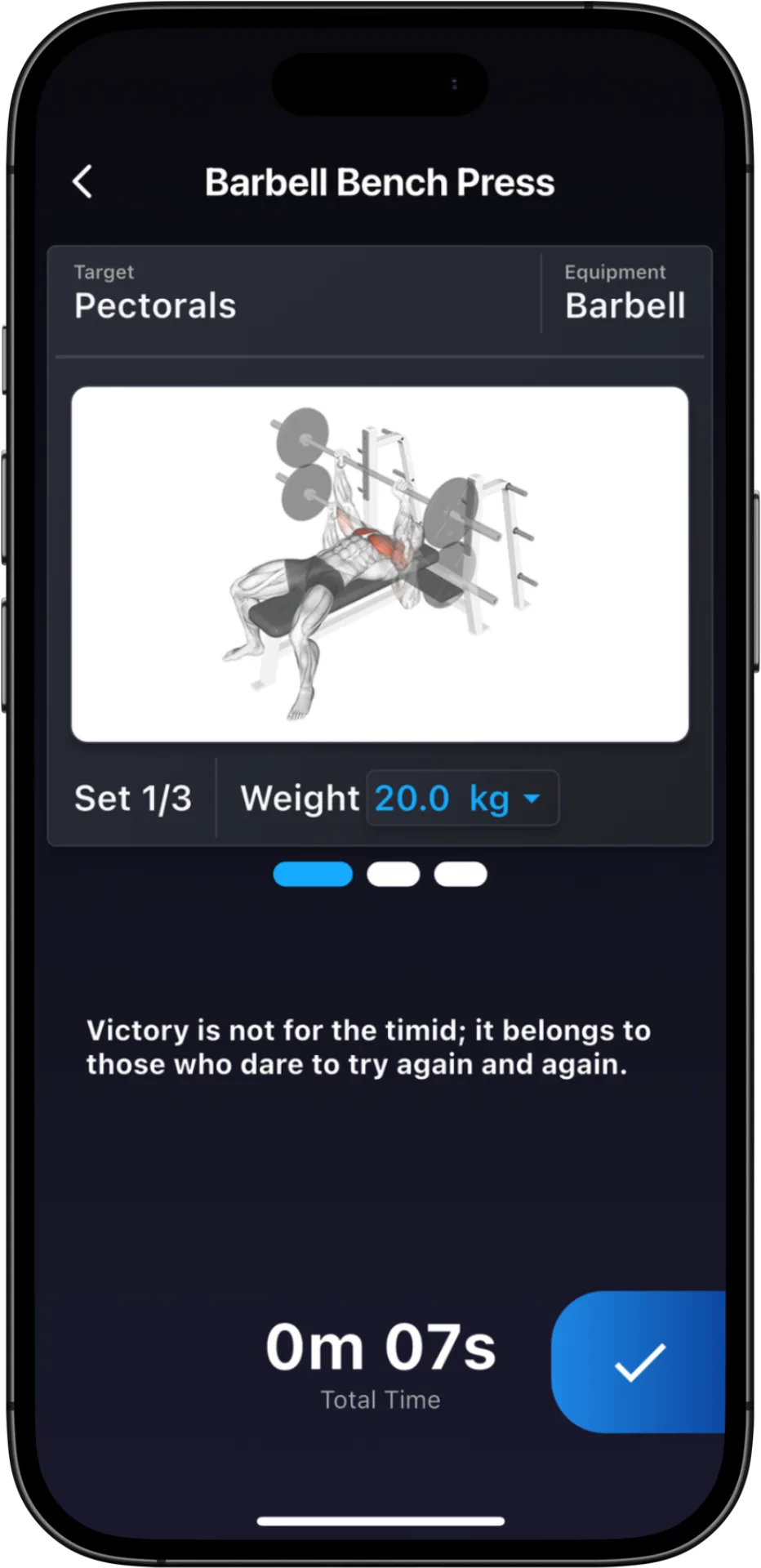
Using FitFlow’s Smart Workout Tracking, you can monitor your personal records and ensure you aren't losing strength as you lose weight. If you notice your bench press numbers dropping significantly, it’s a red flag that your deficit might be too aggressive or your protein too low. The app’s real-time tracking of sets, reps, and rest periods—combined with intelligent form guidance—ensures that every session is high-quality, even when your energy levels are lower due to dieting.
The Role of Cardio
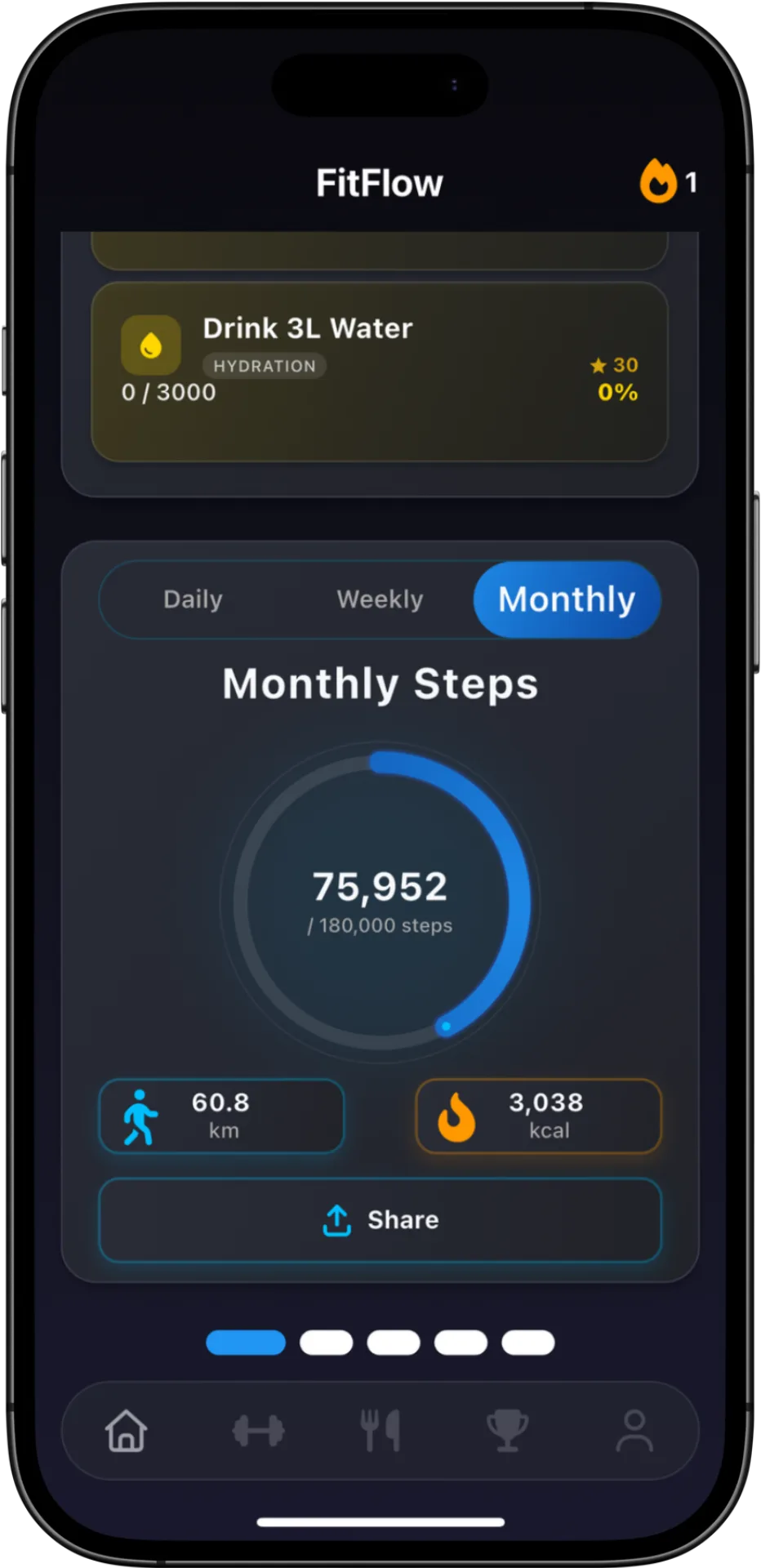
Cardio is a tool for increasing your caloric deficit, but it should be used sparingly. Excessive High-Intensity Interval Training (HIIT) can interfere with recovery from lifting. Low-Intensity Steady State (LISS) cardio, like walking, is often superior for fat loss because it burns calories without adding significant systemic fatigue. FitFlow integrates seamlessly with Apple Health and Garmin to track your daily steps and cardio sessions, helping you find the right balance between moving and recovering.
Managing the Deficit: Why Slow and Steady Wins
The faster you lose weight, the higher the percentage of that weight will be muscle. A 'moderate' deficit is typically defined as 10-20% below your Total Daily Energy Expenditure (TDEE). For most people, this equates to a loss of 0.5% to 1% of body weight per week.
The P-Ratio and Fat-Free Mass
The 'P-ratio' (partitioning ratio) describes the proportion of protein to fat that is gained or lost. Factors that improve your P-ratio include lower starting body fat, better genetics, and—most importantly—the size of your deficit. A massive 1,000-calorie deficit will almost certainly result in muscle loss, regardless of protein intake. By maintaining a smaller deficit, you allow your body to primarily mobilize fatty acids for fuel.
- Small Deficit (200-300 kcal): Ideal for advanced lifters or those already lean.
- Moderate Deficit (500 kcal): The standard for most individuals aiming for 1lb of fat loss per week.
- Aggressive Deficit (750+ kcal): Only recommended for those with high body fat percentages and high protein intake.
Tracking this requires more than just a scale. FitFlow’s Progress Analytics provides visual charts for both weight and body fat percentage. By syncing with smart scales or manually entering body fat data, you can see if your weight loss curve matches your fat loss goals. If your weight is dropping but your body fat percentage remains stagnant, the app’s analytics will highlight the need to adjust your caloric intake or increase your resistance training intensity.

The Impact of Sleep and Stress on Body Composition
You can have the perfect diet and training program, but if you are chronically stressed and underslept, your body will cling to fat and burn muscle. This is largely due to Cortisol, the body's primary stress hormone.
The Cortisol Connection
Elevated cortisol levels inhibit protein synthesis and promote the breakdown of muscle tissue. Furthermore, cortisol increases water retention, which can 'mask' fat loss on the scale, leading to frustration and the temptation to slash calories even further (the 'Whoosh Effect'). Sleep deprivation also reduces insulin sensitivity and increases ghrelin (the hunger hormone), making it much harder to stick to your meal plan.
Actionable Recovery Strategies
Aim for 7-9 hours of quality sleep. Use the data from your wearable integrations (like Fitbit or Oura via FitFlow) to monitor your recovery. If your resting heart rate is elevated or your sleep quality is poor, it may be time for a 'maintenance week' or a 'diet break.' A diet break involves eating at your maintenance calories for 1-2 weeks to normalize hormones like leptin and thyroid hormone (T3/T4), which naturally downregulate during a diet.

Data-Driven Success: Monitoring Your Transformation
The journey of fat loss is rarely linear. There will be plateaus, water weight fluctuations, and days where you feel weaker. The key to long-term success is objective data. Relying on 'feeling' is how most people fail; relying on metrics is how professionals succeed.
FitFlow simplifies this by aggregating all your health data into a single Dashboard. From your daily water intake to your weekly running stats and strength achievements, you have a 360-degree view of your health. The app's achievement system, featuring milestone celebrations and badges, provides the psychological 'dopamine hit' needed to stay motivated when the physical changes seem slow.
Non-Scale Victories (NSVs)
While the scale is a useful tool, it doesn't tell the whole story. Pay attention to:
- How your clothes fit (especially around the waist).
- Your strength levels in the gym.
- Your energy levels throughout the day.
- Visual changes in muscle definition.
By using FitFlow’s Smart Goal-Setting, you can set targets for these non-scale victories, such as hitting a specific step count or completing a 30-day streak of logging meals. These micro-wins build the consistency required for the macro-transformation.
Remember, body recomposition is a marathon, not a sprint. By prioritizing protein, lifting with intent, and utilizing the advanced tracking tools available in FitFlow, you can sculpt the physique you've always wanted without sacrificing your hard-earned muscle.

Sources & References
- The effects of high protein intakes during energy restriction on body composition, energy metabolism and physical performance in recreational athletes — Kanaan MF, Nait-Yahia S, Doucet É (2025)
- Isoenergetic reduction of dietary macronutrients modulates respiratory quotients and heat increment of feeding but not energy expenditure in cats — Godfrey H, Shoveller AK, Kelly J (2025)
- Protein Nutrition for Endurance Athletes: A Metabolic Focus on Promoting Recovery and Training Adaptation — Witard OC, Hearris M, Morgan PT (2025)
FitFlow Editorial Team
Fitness & Nutrition Editorial TeamCertified personal trainers & nutrition coaches
The FitFlow Editorial Team is a group of certified personal trainers, nutrition coaches, and fitness writers who translate exercise science and nutrition research into practical, actionable guidance. Every article is grounded in peer-reviewed sources and reviewed for accuracy before publishing.
Frequently Asked Questions
Who is this guide for?
This guide is for anyone focused on weight loss and looking for practical, sustainable progress.
How quickly can I apply these recommendations?
Most recommendations are designed for immediate implementation. Start with one change today, then layer improvements weekly.
How does FitFlow support this strategy?
FitFlow supports execution with AI-powered meal tracking, workout planning, and progress analytics that help you stay consistent.