Why You're Not Losing Weight in a Calorie Deficit
Reviewed by the fitness & nutrition editorial team · Certified personal trainers & nutrition coaches

The Myth of the Linear Deficit and Metabolic Adaptation
One of the most common frustrations in the fitness world is the weight loss plateau. You start a diet, the pounds drop off for the first three weeks, and then—nothing. You are still eating the same low-calorie meals, still hitting the gym, but the scale refuses to budge. This leads to the frantic question: Why am I not losing weight in a calorie deficit?
Understanding the First Law of Thermodynamics
Weight loss is governed by the First Law of Thermodynamics, which states that energy cannot be created or destroyed, only transformed. In human biology, this translates to 'Calories In vs. Calories Out' (CICO). If you consume less energy than your body requires to maintain its current mass, your body must draw that energy from stored tissues—ideally body fat. However, while the math is simple, the biology is incredibly complex.
The Reality of Adaptive Thermogenesis
Your body does not want to lose weight; it wants to survive. From an evolutionary perspective, fat stores are a survival mechanism against famine. When you sustain a calorie deficit, your body undergoes a process called adaptive thermogenesis. This is a metabolic downregulation where your Total Daily Energy Expenditure (TDEE) decreases more than can be explained by the loss of body mass alone. Your heart rate might slow down slightly, your body temperature might drop, and you become more 'efficient' at movement, meaning you burn fewer calories doing the same tasks.
Studies have shown that during prolonged caloric restriction, the metabolic rate can drop by as much as 15-20% beyond what is expected from weight loss. This means the 2,000-calorie maintenance level you started with might now be 1,700, effectively erasing your deficit.
- BMR Reduction: As you lose weight, your Basal Metabolic Rate naturally drops because there is less of 'you' to fuel.
- Hormonal Shifts: Levels of leptin (the fullness hormone) drop, while ghrelin (the hunger hormone) rises, making it harder to stick to your goals.
- Thyroid Activity: T3 and T4 levels may decrease, further slowing the metabolic furnace.

The 'Hidden Calorie' Trap and Tracking Inaccuracy
While metabolic adaptation is real, the most common reason for a stalled scale is actually underreporting intake. Research published in the New England Journal of Medicine found that individuals often underestimate their calorie intake by as much as 47% and overestimate their physical activity by 51%. Even with the best intentions, humans are notoriously poor at estimating portion sizes.
The Problem with Manual Logging
Manual calorie counting is tedious and prone to error. Estimating a tablespoon of peanut butter by eye can easily lead to an extra 100 calories. Using generic entries in food databases often misses the specific caloric density of the brand you're actually eating. This is where precision technology becomes a necessity rather than a luxury.
Leveraging AI for Precision Nutrition
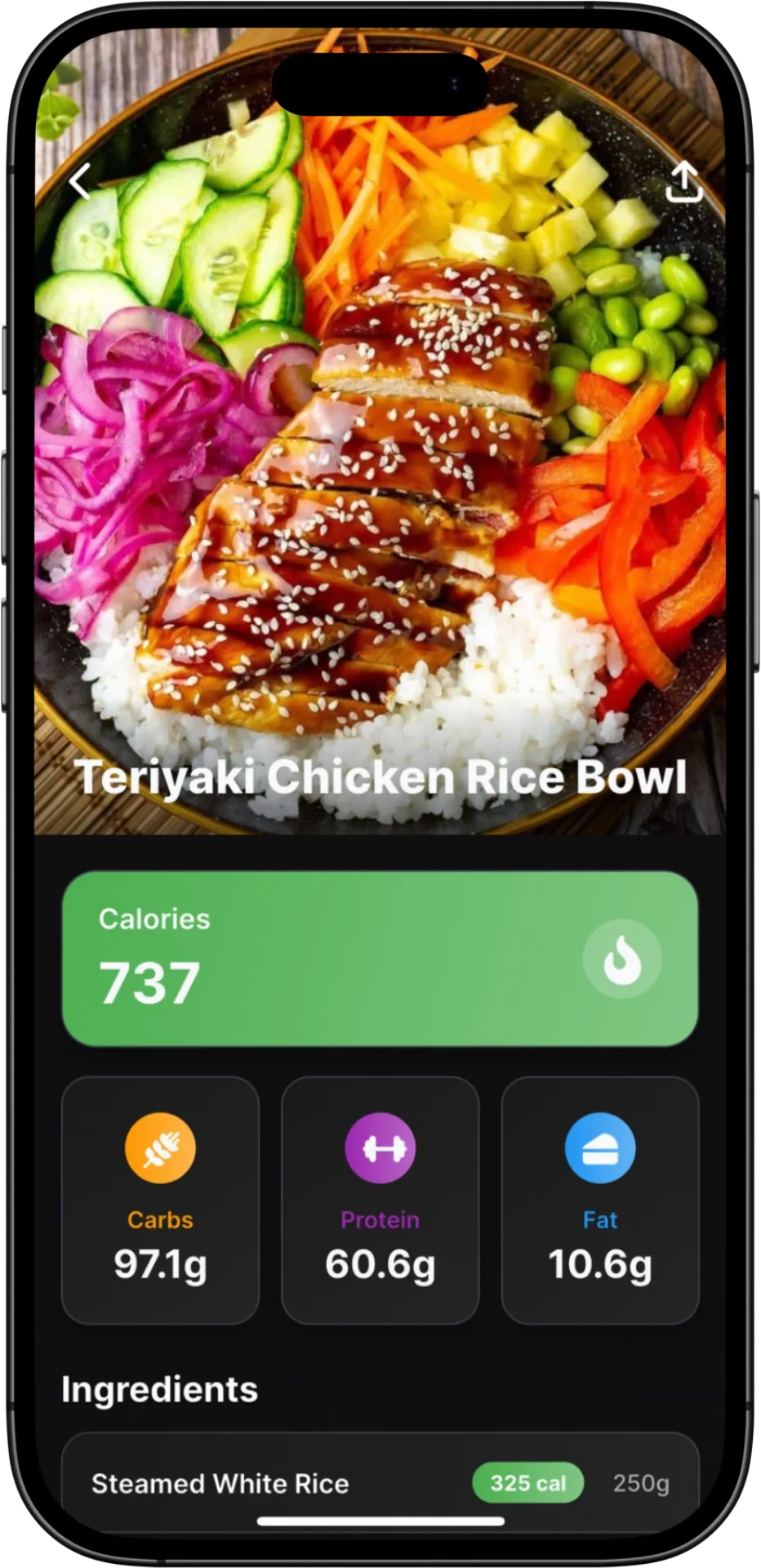
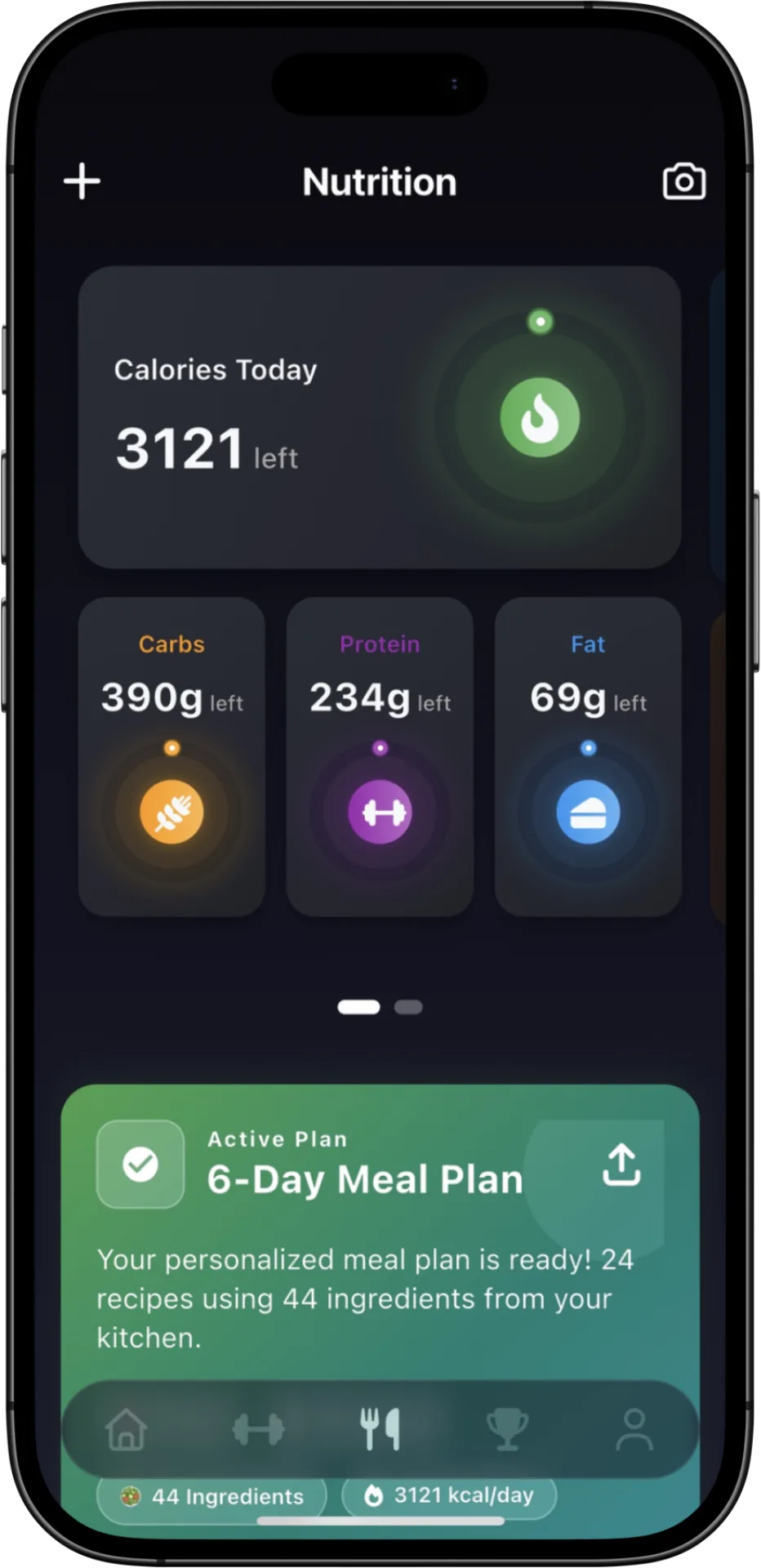
To eliminate the guesswork, FitFlow utilizes AI Food Scanning. Instead of scrolling through endless search results and guessing weights, you can simply snap a photo of your meal. The AI recognizes over 2 million foods and provides instant macro breakdowns. This technology automates 80% of the logging process and is up to 5x faster than manual entry, ensuring that 'hidden' calories in sauces, oils, and dressings are accounted for.
- Barcode Accuracy: With a database of 14M+ items and 95%+ accuracy for packaged foods, you can ensure your entries match the label exactly.
- Restaurant Integration: FitFlow partners with major chains to provide official nutritional data, so your 'cheat meal' doesn't accidentally derail your entire week.
- Recipe Building: For those who cook at home, the app's recipe builder allows for full nutritional breakdowns of complex homemade dishes.
By using the fitflow-aiscan feature, users often discover they were inadvertently eating 200-400 calories more per day than they thought, which is often the difference between losing a pound a week and maintaining weight.
Water Retention, Cortisol, and the 'Whoosh Effect'
Sometimes, you actually are losing fat, but the scale isn't reflecting it because of water retention. Fat cells are not just empty storage units; they are part of a dynamic endocrine system. When fat is released from a cell to be used for energy, the cell sometimes temporarily fills with water to maintain its structure before eventually collapsing. This is known in the fitness community as the 'Whoosh Effect.'
The Role of Cortisol
Being in a calorie deficit is a physiological stressor. When you combine low calories with intense exercise and perhaps a lack of sleep, your body produces excess cortisol. Cortisol is a steroid hormone that, among other things, causes the body to retain sodium and water. If you are stressed about the scale not moving, that very stress might be the reason the scale isn't moving!
Sodium and Hydration Balance
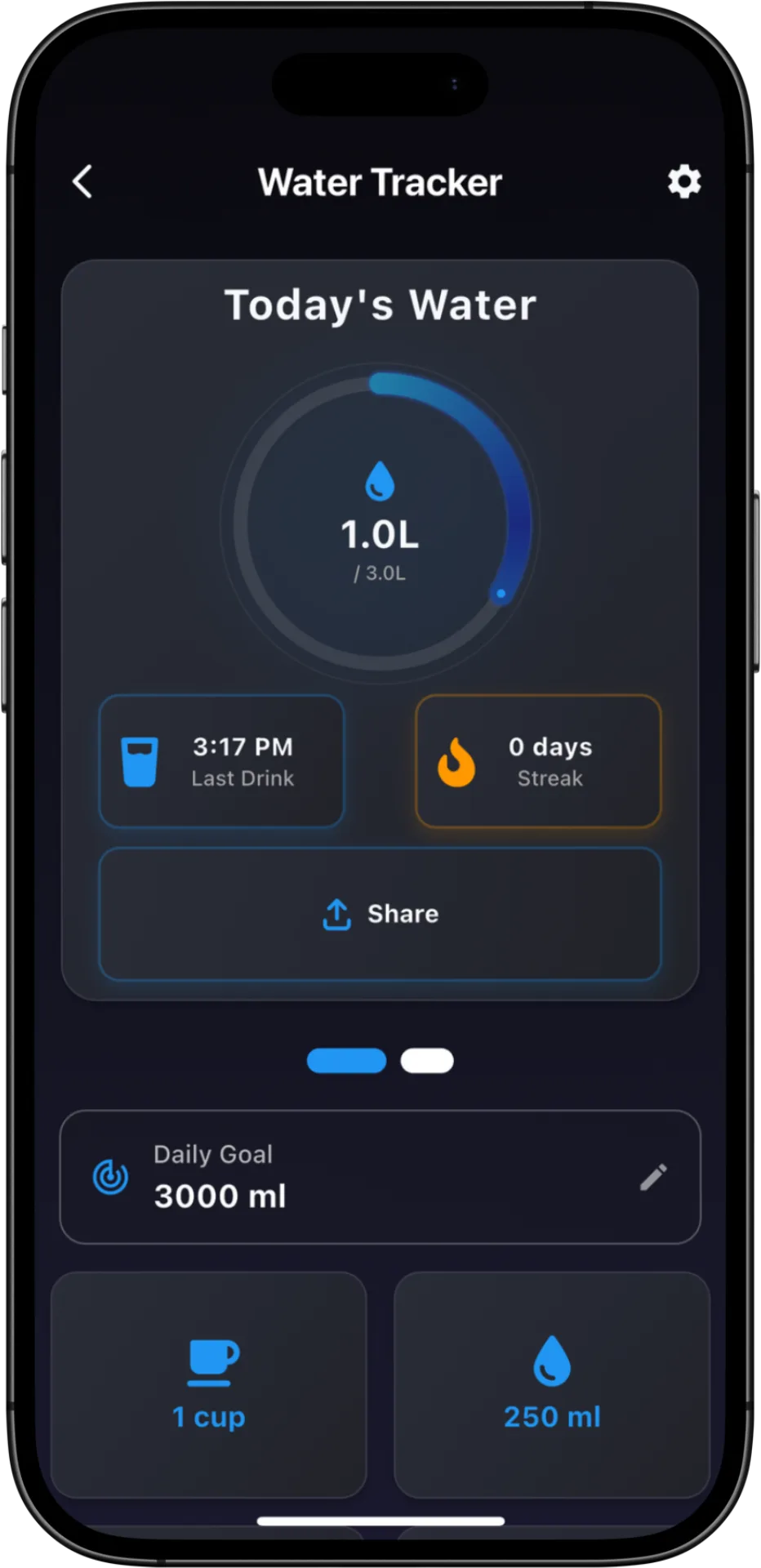
A sudden increase in sodium intake or a decrease in water intake can cause your body to hold onto subcutaneous fluid. Ironically, drinking more water can help flush out excess fluid. Tracking your hydration is just as important as tracking your macros to ensure your body feels 'safe' enough to release stored water.
Using the fitflow-water-tracker helps you maintain a consistent baseline of hydration, which can stabilize weight fluctuations caused by fluid shifts. When you see your water intake remains high and your calories are in check, you can rest assured that the plateau is likely temporary water retention and not a failure of fat loss.
Body Recomposition: Why the Scale Lies
One of the biggest mistakes people make is using the scale as the only metric of success. If you are weight training while in a deficit, you may be experiencing body recomposition—simultaneously losing fat and gaining muscle. Muscle tissue is significantly denser than fat tissue. A pound of muscle takes up about 15-20% less space than a pound of fat.
The Importance of Lean Body Mass
If you lose five pounds of fat and gain five pounds of muscle, the scale will show zero progress. However, your clothes will fit differently, your waist circumference will shrink, and your metabolic rate will actually increase. Muscle is metabolically active tissue; it requires energy just to exist. This is why strength training is a critical component of long-term weight management.
Advanced Progress Analytics
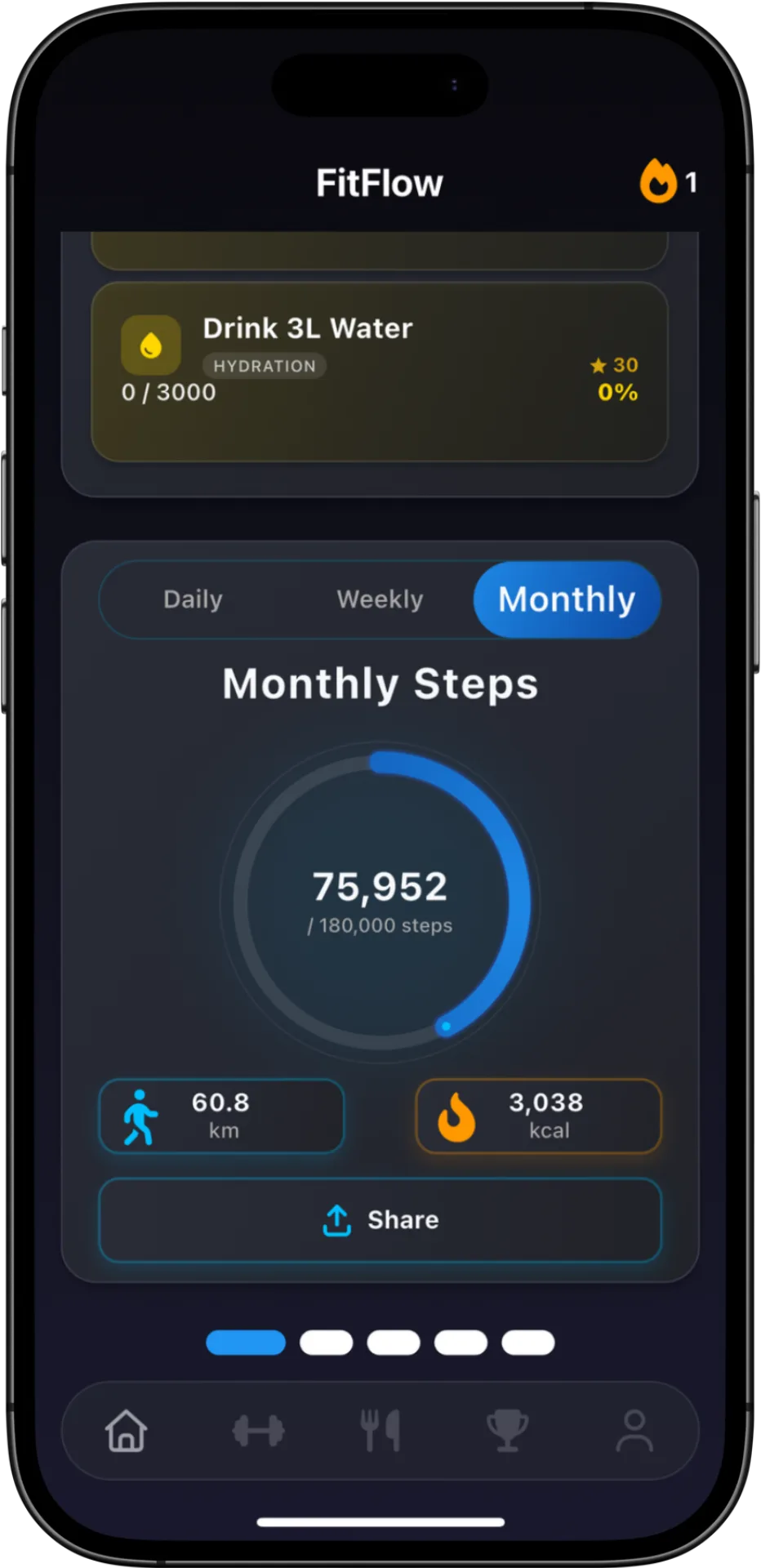
Instead of obsessing over a single number, look at the broader picture. FitFlow’s Progress Analytics allows you to track body fat percentage and visual progress alongside weight. By viewing the fitflow-dashboard, you can see trends over months rather than days. Achievements and personal records in your lifts are often better indicators of progress than the morning weigh-in.
Focus on 'Non-Scale Victories' (NSVs). Are you stronger? Do you have more energy? Is your resting heart rate lower? These are the true markers of a transforming body.
The NEAT Factor: Why Your Workout Isn't Enough
Many people believe that their one-hour gym session is the primary driver of their calorie burn. In reality, formal exercise (EAT - Exercise Activity Thermogenesis) usually only accounts for 5-10% of your TDEE. A much larger portion of your daily burn comes from NEAT (Non-Exercise Activity Thermogenesis).
What is NEAT?
NEAT includes everything you do that isn't sleeping, eating, or sports-like exercise. It’s walking to the car, pacing while on the phone, fidgeting, cleaning the house, and standing versus sitting. When you are in a calorie deficit, your body subconsciously tries to save energy by reducing NEAT. You might sit more often or stop gesturing with your hands as much. This subtle 'laziness' can reduce your daily burn by hundreds of calories.
Monitoring Movement Beyond the Gym
To combat the drop in NEAT, it is essential to track your daily movement. FitFlow integrates seamlessly with Apple Health, Google Fit, and Garmin to sync your step counts automatically. If you notice your steps have dropped from 10,000 to 6,000 since you started your diet, you’ve found your missing deficit. Using features like the fitflow-exercise-break reminders can help keep your NEAT levels high throughout the work day, ensuring your metabolism stays stoked.
- The 10k Step Goal: While arbitrary, it serves as an excellent proxy for high NEAT levels.
- Active Commuting: Choosing to walk or bike can significantly impact your TDEE without the stress of high-intensity intervals.
- Standing Desks: Simply standing for half the day can burn significantly more calories than sitting.

Hormonal Regulation: The Impact of Sleep and Stress
Finally, we cannot ignore the impact of lifestyle factors on weight loss. You can have the perfect diet and exercise plan, but if you are only sleeping five hours a night, your body will fight you every step of the way. Sleep deprivation is a primary driver of weight loss plateaus.
The Ghrelin and Leptin Balance
Lack of sleep disrupts the delicate balance of hunger hormones. Leptin levels drop, signaling to your brain that you are starving, while ghrelin levels spike, increasing your cravings for high-calorie, hyper-palatable foods. Furthermore, sleep deprivation reduces insulin sensitivity, making your body more likely to store carbohydrates as fat rather than using them for fuel.
The Cortisol Connection (Again)
As mentioned earlier, stress and lack of sleep keep cortisol levels chronically elevated. This not only causes water retention but also promotes visceral fat storage—the dangerous fat around your organs. Managing stress through mindfulness, consistent sleep schedules, and adequate rest periods between workouts is vital.
FitFlow supports this holistic approach by providing daily motivational quotes and progress reminders to keep your mental state positive. The achievement system and celebration animations provide the dopamine hits you might otherwise seek from food during stressful times. By focusing on the 'Smart Workout Tracking' features, you can ensure you aren't overtraining, which is a common cause of systemic inflammation and stalled weight loss.
Summary: How to Break the Plateau
- Re-audit your intake: Use the fitflow-aiscan to ensure you aren't underestimating your portions.
- Increase your NEAT: Check your step counts via Apple Health sync and aim for consistency.
- Prioritize Recovery: Get 7-9 hours of sleep to regulate hunger hormones and lower cortisol.
- Be Patient: If you are training hard, trust the process and look at body composition trends rather than just the scale.

Sources & References

FitFlow Editorial Team
Fitness & Nutrition Editorial TeamCertified personal trainers & nutrition coaches
The FitFlow Editorial Team is a group of certified personal trainers, nutrition coaches, and fitness writers who translate exercise science and nutrition research into practical, actionable guidance. Every article is grounded in peer-reviewed sources and reviewed for accuracy before publishing.
Frequently Asked Questions
Who is this guide for?
This guide is for anyone focused on weight loss and looking for practical, sustainable progress.
How quickly can I apply these recommendations?
Most recommendations are designed for immediate implementation. Start with one change today, then layer improvements weekly.
How does FitFlow support this strategy?
FitFlow supports execution with AI-powered meal tracking, workout planning, and progress analytics that help you stay consistent.