Walking for Weight Loss: How Many Steps You Actually Need
Reviewed by the fitness & nutrition editorial team · Certified personal trainers & nutrition coaches

The Physiology of Walking: Why It Works for Weight Loss
Walking is often underestimated in the world of high-intensity interval training (HIIT) and heavy weightlifting. However, from a physiological standpoint, walking is one of the most sustainable and effective tools for long-term weight management. The primary reason walking works is its contribution to Non-Exercise Activity Thermogenesis (NEAT). NEAT encompasses the energy expended for everything we do that is not sleeping, eating, or sports-like exercise. It ranges from walking to work to typing and even fidgeting.
When we look at the Total Daily Energy Expenditure (TDEE), exercise usually only accounts for 5-10%. NEAT, on the other hand, can account for up to 15-30% of your daily calorie burn. By increasing your daily step count, you are directly manipulating the largest variable component of your metabolism. Research published in the Journal of Clinical Endocrinology & Metabolism suggests that lean individuals tend to stand and walk significantly more than those with obesity, even when their formal exercise routines are identical.
The Fat-Burning Zone
Walking is a low-intensity steady-state (LISS) activity. This means it primarily utilizes fatty acids as an energy source rather than glycogen (stored carbohydrates). When you walk at a moderate pace, your body stays in the 'fat-burning zone,' typically defined as 60-70% of your maximum heart rate. While high-intensity workouts burn more calories per minute, walking allows you to sustain activity for much longer periods without the same level of central nervous system fatigue or the massive cortisol spikes often associated with overtraining.
“Walking is the closest thing we have to a wonder drug. It is free, accessible, and has a lower injury profile than almost any other form of physical activity.” — Dr. Thomas Frieden, former director of the CDC.
Furthermore, walking improves insulin sensitivity. A study in Diabetologia found that short walks after meals were more effective at managing blood sugar levels than one long continuous walk. This post-prandial (after-meal) walking helps clear glucose from the bloodstream, reducing the amount of insulin your body needs to produce, which is a key factor in preventing fat storage.

Debunking the 10,000 Step Myth: What the Science Says
The number '10,000' is ubiquitous in the fitness world, but its origins are more marketing than medicine. The goal was popularized in the 1960s by a Japanese company marketing the 'Manpo-kei' pedometer, which translates to '10,000-step meter.' While it is a fantastic round number to aim for, modern science suggests the 'sweet spot' for weight loss and health benefits may be different.
The Law of Diminishing Returns
A landmark study published in JAMA Internal Medicine tracked over 16,000 older women and found that mortality rates significantly decreased as step counts increased up to approximately 7,500 steps per day. Beyond that point, the longevity benefits began to level off. For weight loss, however, the threshold is slightly higher. The American College of Sports Medicine (ACSM) recommends 150 to 250 minutes of moderate-intensity physical activity per week for weight loss, which roughly translates to 8,000 to 10,000 steps, but the *intensity* and *consistency* are what truly move the needle.
- Under 5,000 steps: Sedentary lifestyle; high risk for metabolic syndrome.
- 5,000 to 7,499 steps: Low active; typical of many office workers.
- 7,500 to 9,999 steps: Somewhat active; the baseline for weight maintenance.
- 10,000 to 12,500 steps: Active; the ideal range for steady weight loss.
- 12,500+ steps: Highly active; excellent for cardiovascular health and rapid fat loss.
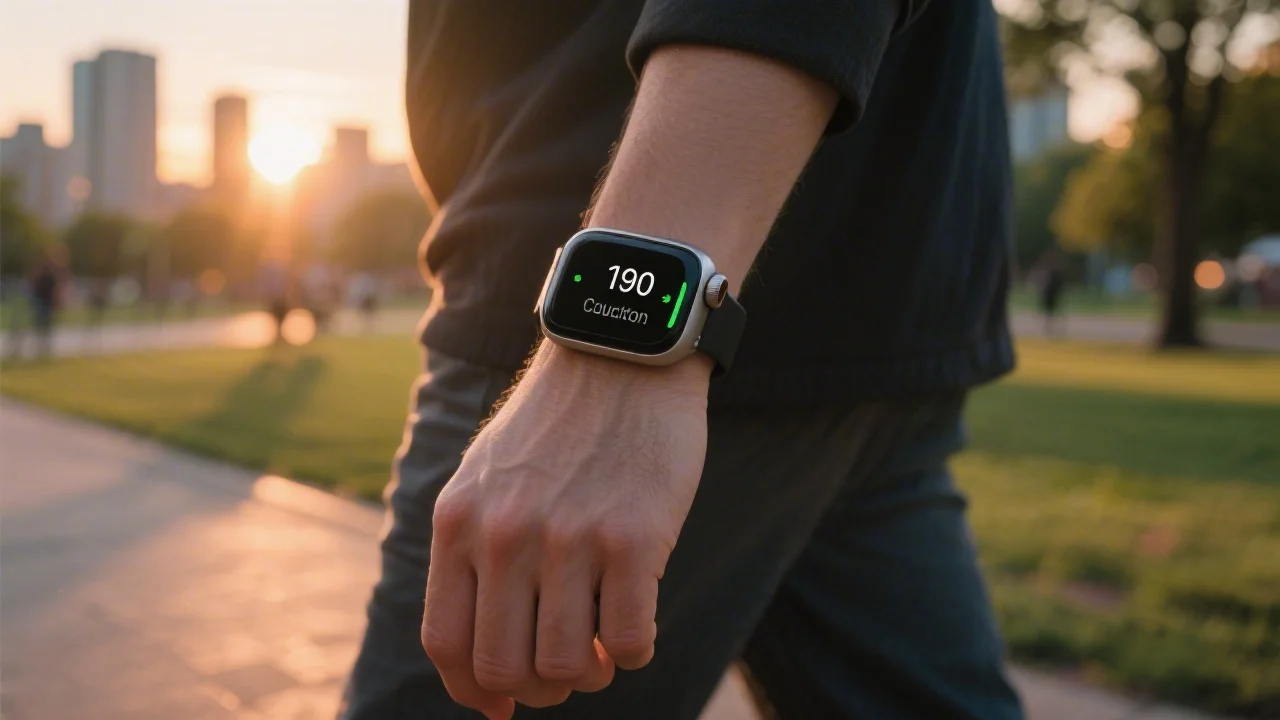
Modern technology has made tracking these nuances easier than ever. For instance, FitFlow integrates seamlessly with Apple Health, Google Fit, and Garmin to pull in your step data automatically. This allows you to see how your daily movement correlates with your weight trends without manual entry. By syncing your wearable device, you can identify patterns—like how a sedentary Tuesday might be affecting your Friday weigh-in.
Calculating Your Ideal Step Count for Fat Loss
Weight loss is fundamentally driven by a caloric deficit: you must burn more energy than you consume. To lose one pound of fat, you need a deficit of approximately 3,500 calories. If you aim to lose one pound per week, you need a daily deficit of 500 calories. Walking can provide a significant portion of this deficit.
The Step-to-Calorie Conversion
On average, a person burns about 30 to 40 calories per 1,000 steps. This varies based on weight, height, and speed. A 180-pound person walking at a brisk pace will burn more than a 130-pound person walking at the same speed. To calculate your personal goal, you should first establish your baseline. Use a tracker for three days without changing your habits. If your average is 4,000 steps, jumping to 10,000 immediately may lead to foot pain or burnout.
Using Smart Goal-Setting
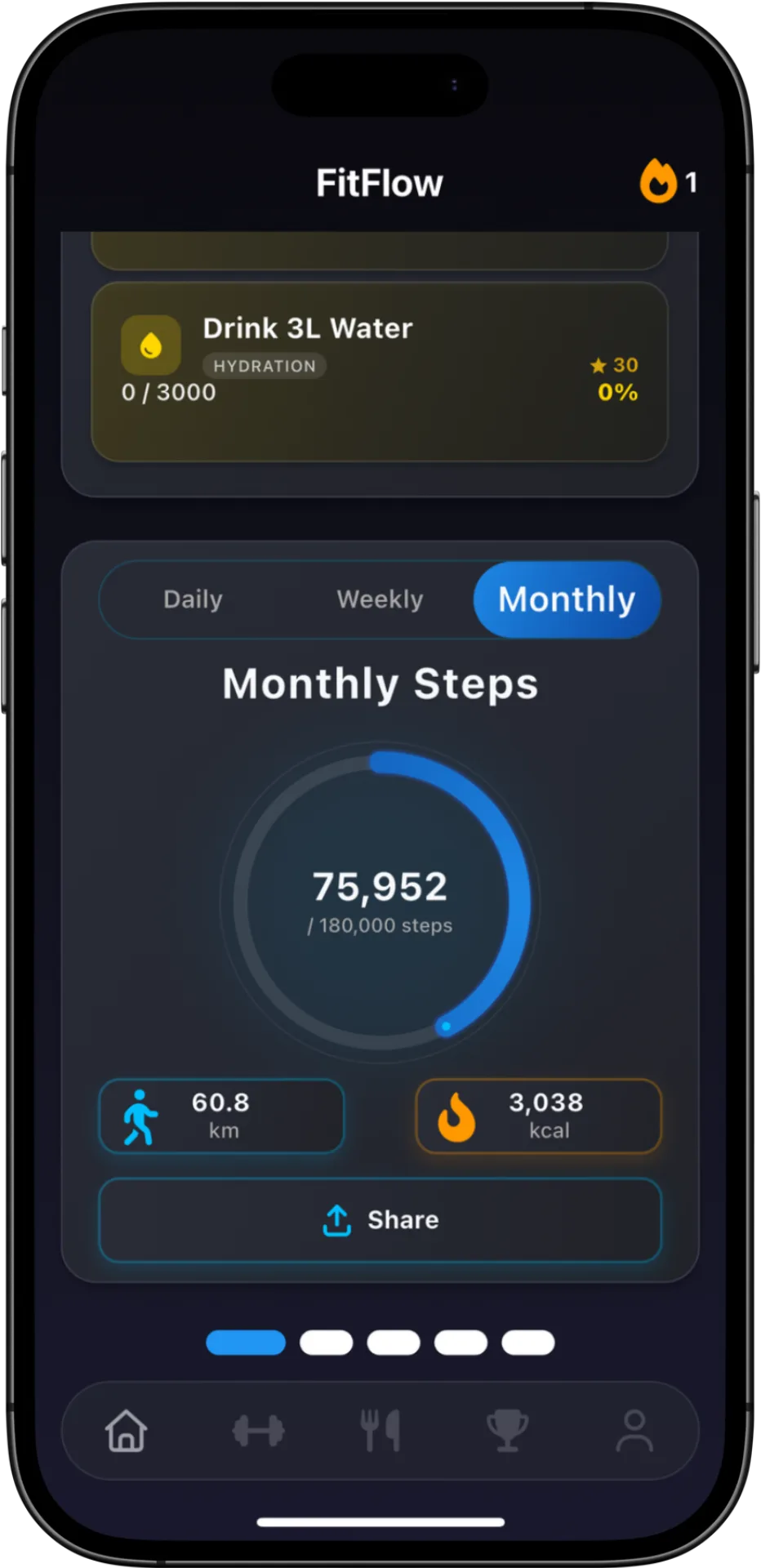
Instead of picking an arbitrary number, use a data-driven approach. Within the FitFlow app, you can utilize the Smart Goal-setting feature to establish milestones based on your current weight and target weight. The app analyzes your activity levels and suggests incremental increases. For example, if you are currently at 5,000 steps, FitFlow might set a 'Milestone Celebration' for when you hit 6,500 steps daily for a full week. This gamified approach keeps motivation high while ensuring the physical load on your joints increases safely.
To truly optimize for weight loss, aim for a 'stepped' approach: increase your daily average by 500 to 1,000 steps every week until you reach a range where you are losing 0.5% to 1% of your body weight per week. This gradual progression prevents the metabolic adaptation where your body becomes 'too efficient' at walking, which can stall weight loss.
Intensity and Incline: Maximizing Caloric Burn
Not all steps are created equal. Walking 10,000 steps while window shopping at the mall has a different metabolic impact than walking 10,000 steps at a brisk pace on a hilly trail. To maximize weight loss, you must focus on intensity and variable terrain.
The Power of Brisk Walking
Brisk walking is defined as a pace of at least 3 miles per hour (or about 100 steps per minute). At this intensity, you should be able to talk but not sing. This level of exertion increases your heart rate into the aerobic zone, strengthening your cardiovascular system and increasing the rate of caloric expenditure. Research from the University of Virginia showed that women who performed three short, fast walks per week (combined with two longer, moderate-paced walks) lost six times more abdominal fat than those who simply strolled five days a week, even though both groups burned the same number of total calories.
Adding Incline and Resistance
If you have reached a plateau, adding an incline is the most effective way to increase the challenge without having to run. Walking on a 5% incline can increase calorie burn by up to 50% compared to walking on flat ground. It also engages the posterior chain—the glutes, hamstrings, and calves—more effectively, which helps in building lean muscle mass. Remember, muscle tissue is more metabolically active than fat tissue, meaning you'll burn more calories even at rest.
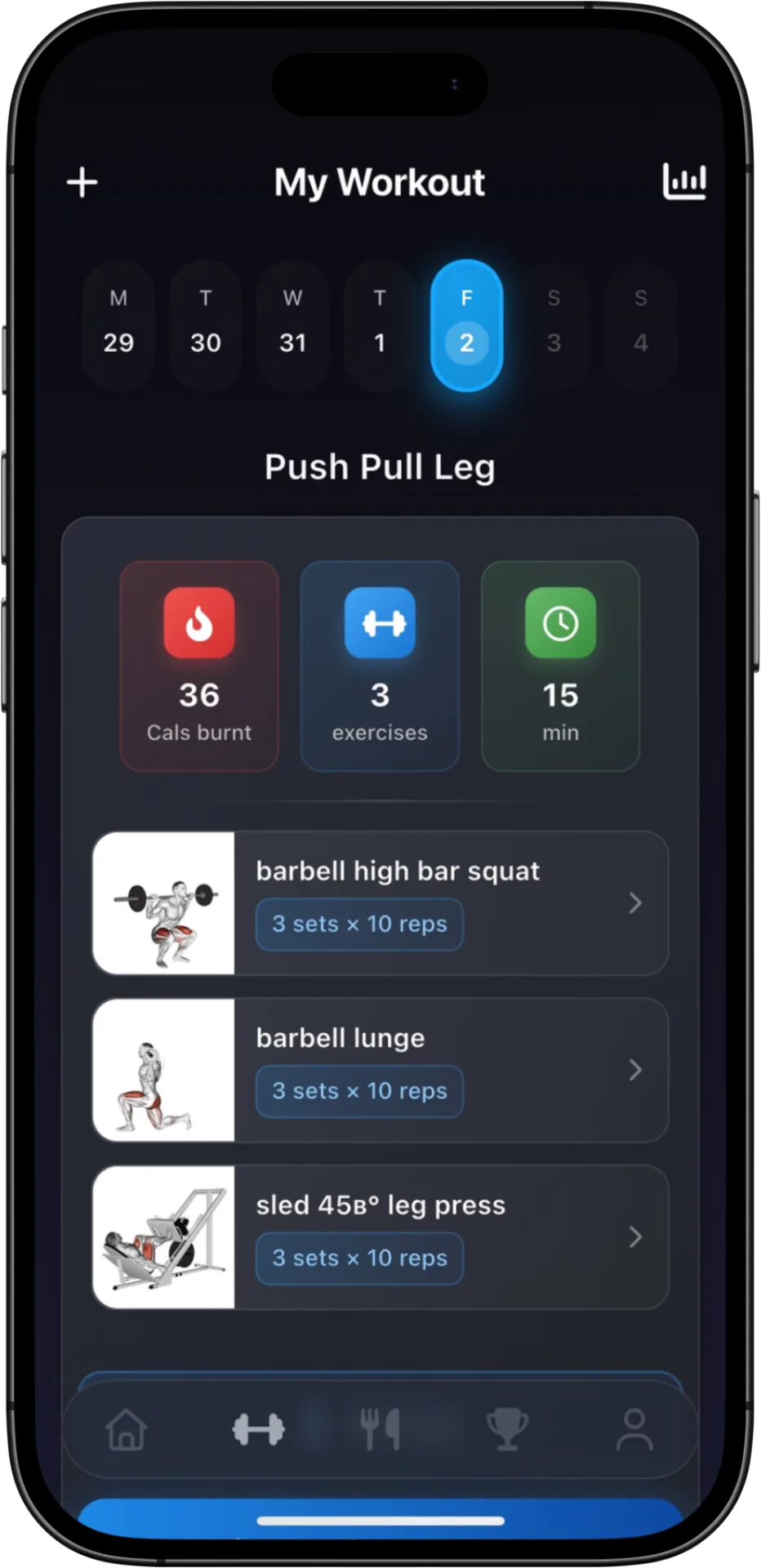
You can track these specific sessions using the FitFlow Smart Workout Tracking system. Whether you are on a treadmill or hiking outdoors, the app allows you to log your 'Cardio Journey.' By monitoring your rest periods and heart rate through the app’s integration with your Apple Watch or Fitbit, you can ensure you’re staying in that high-burn zone. The real-time tracking of sets and reps for your strength training also complements your walking, ensuring a well-rounded fitness profile.
Nutrition Synergy: Fueling Your Walks and Tracking Results
The most common mistake people make when starting a walking program is overestimating their calorie burn and underestimating their calorie intake. It is very easy to 'eat back' the calories you burned on a 5-mile walk with a single latte or protein bar. To see real results, your nutrition must be as disciplined as your movement.
The Role of Macro Breakdowns
For weight loss, protein is your best friend. It has the highest Thermic Effect of Food (TEF), meaning your body burns more calories digesting protein than fats or carbs. Furthermore, protein preserves lean muscle mass while you are in a caloric deficit. When walking frequently, you also need adequate complex carbohydrates to fuel your muscles and prevent fatigue. This is where precision tracking becomes vital.
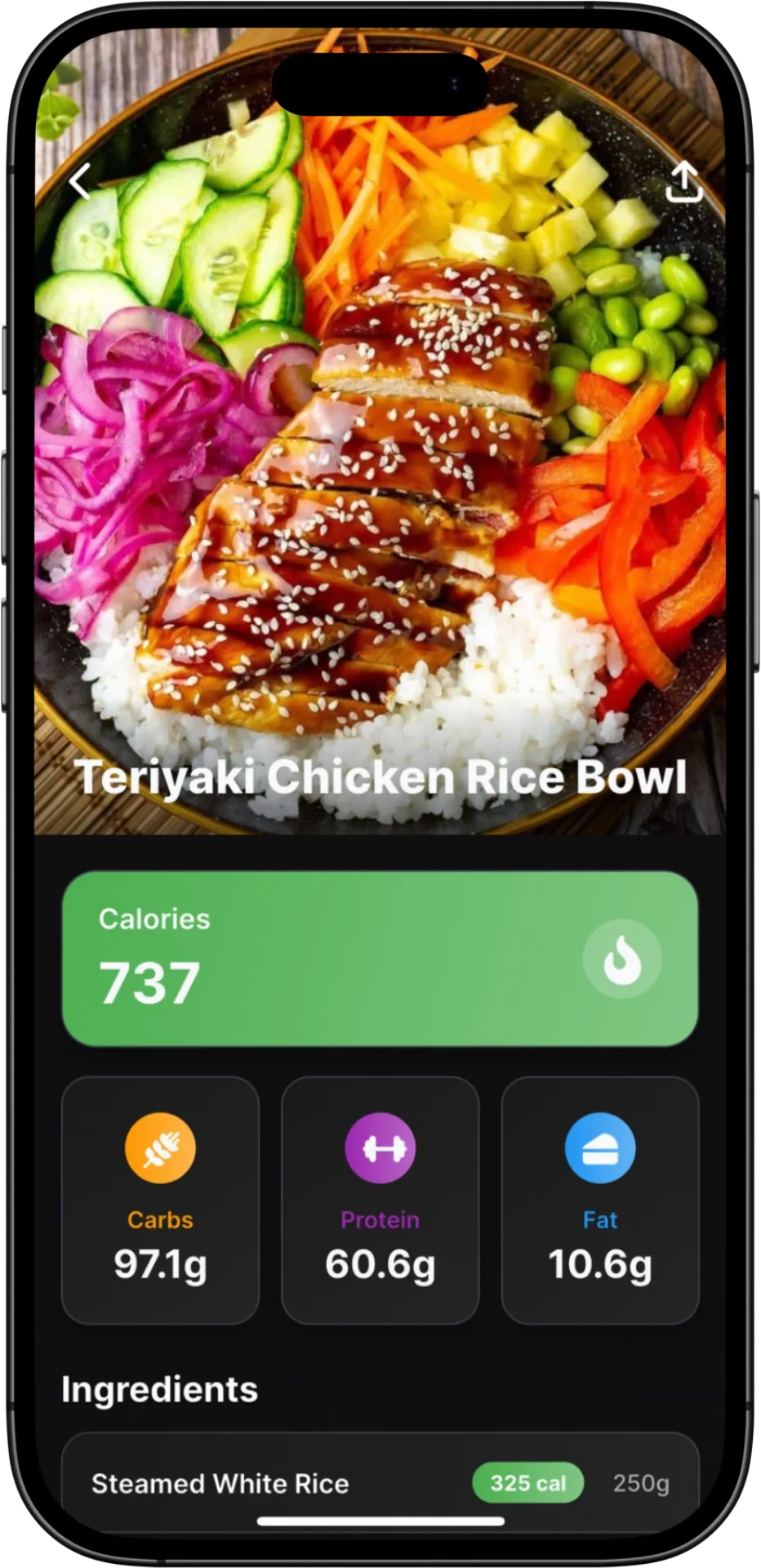
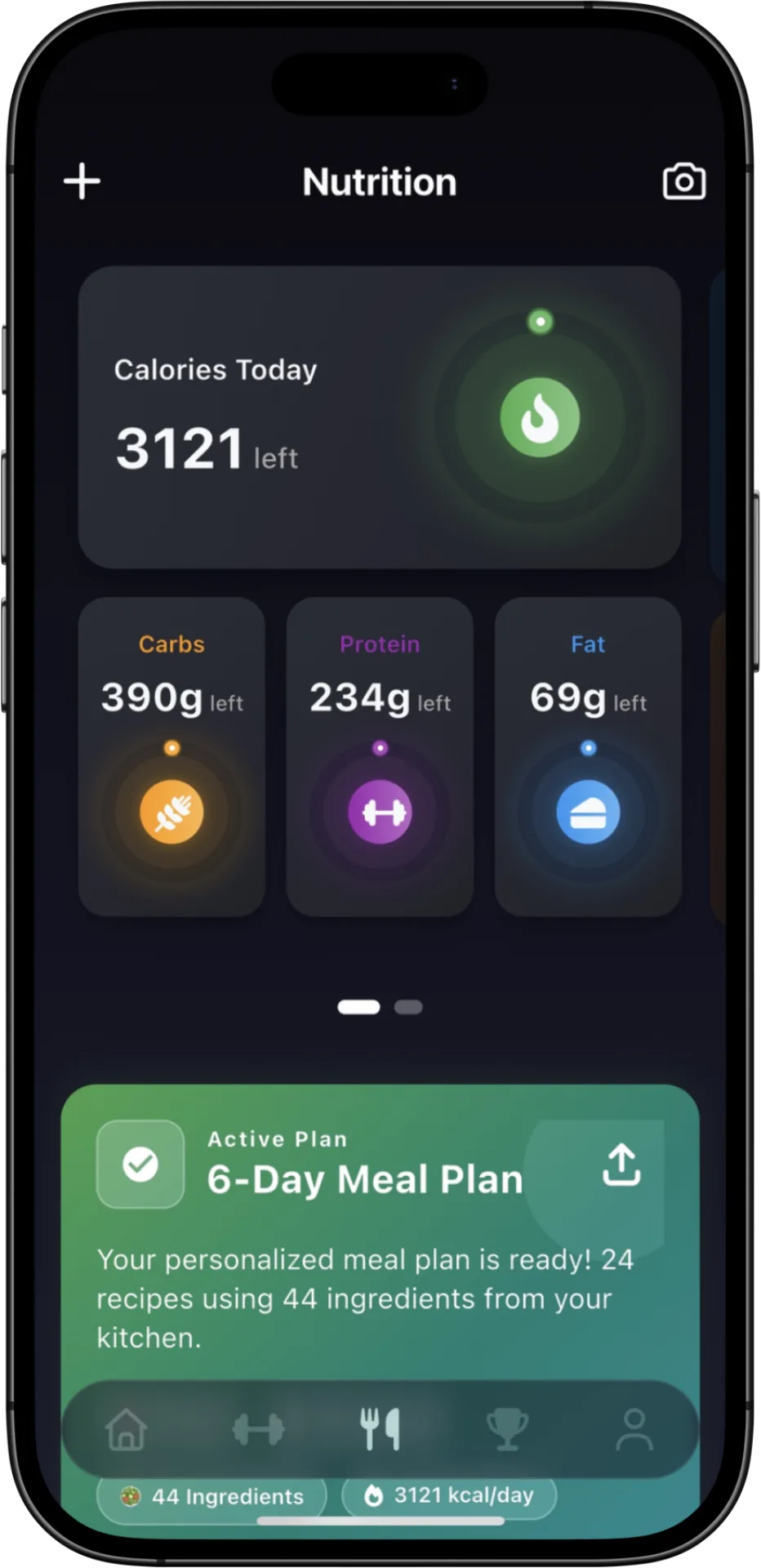
FitFlow’s AI Food Scanning simplifies this process. Instead of scrolling through endless databases, you can simply snap a photo of your meal. The AI recognizes the food and provides an instant breakdown of protein, carbs, and fats. With a database of over 14 million items and 95% accuracy for barcodes, it eliminates the friction of manual logging. If you’re grabbing a post-walk meal at a major restaurant chain, FitFlow’s official partnerships ensure you’re getting the exact nutritional data for your meal.
- Pre-Walk: A small serving of complex carbs (like an apple or oatmeal) if your walk is longer than 60 minutes.
- Post-Walk: High-quality protein (like Greek yogurt or a chicken salad) to aid muscle repair.
- Hydration: Use the FitFlow Water Tracker to ensure you are replacing fluids lost through sweat, as even mild dehydration can slow your metabolism.
By pairing your walking data with the Recipe Builder for your homemade meals, you can maintain the precise 300-500 calorie deficit required for consistent weight loss. The app even allows you to set dietary preferences like Keto or Vegan, tailoring your meal plans to your specific lifestyle.
Building the Habit: Consistency, Community, and Long-Term Success
The best walking plan is the one you actually follow. Consistency beats intensity every single time. To turn walking from a chore into a lifestyle, you need to leverage psychological triggers and community support. Weight loss is a marathon, not a sprint, and your brain needs rewards to keep the habit alive.
Gamification and Motivation
Humans are social creatures, and we are wired for competition. This is why FitFlow includes Points-based leaderboards and Achievement badges. Seeing your name climb the leaderboard as you hit your step goals can provide the dopamine hit necessary to get you out the door on a rainy Tuesday. The app also features 'Running Challenges' and 'Daily Challenge Categories' that keep the routine fresh.
To maintain consistency, try these strategies:
Finally, monitor your long-term progress through the Progress Analytics dashboard. Weight fluctuates daily due to water retention and glycogen levels, but FitFlow’s visual charts show the downward trend over weeks and months. Seeing your 'Personal Records' for the most steps in a day or the most miles in a week provides a sense of accomplishment that goes beyond the number on the scale. By integrating walking into your daily life—taking the stairs, parking further away, and using the Exercise Break Reminder on the FitFlow app—you turn your entire day into a fat-burning opportunity.

Sources & References
FitFlow Editorial Team
Fitness & Nutrition Editorial TeamCertified personal trainers & nutrition coaches
The FitFlow Editorial Team is a group of certified personal trainers, nutrition coaches, and fitness writers who translate exercise science and nutrition research into practical, actionable guidance. Every article is grounded in peer-reviewed sources and reviewed for accuracy before publishing.
Frequently Asked Questions
Who is this guide for?
This guide is for anyone focused on weight loss and looking for practical, sustainable progress.
How quickly can I apply these recommendations?
Most recommendations are designed for immediate implementation. Start with one change today, then layer improvements weekly.
How does FitFlow support this strategy?
FitFlow supports execution with AI-powered meal tracking, workout planning, and progress analytics that help you stay consistent.