The Ultimate Fitness Checklist for CrossFit Athletes (2026)
The complete fitness checklist for CrossFit Athletes. Everything you need to set up, track, and optimise your training and nutrition — all in one place.
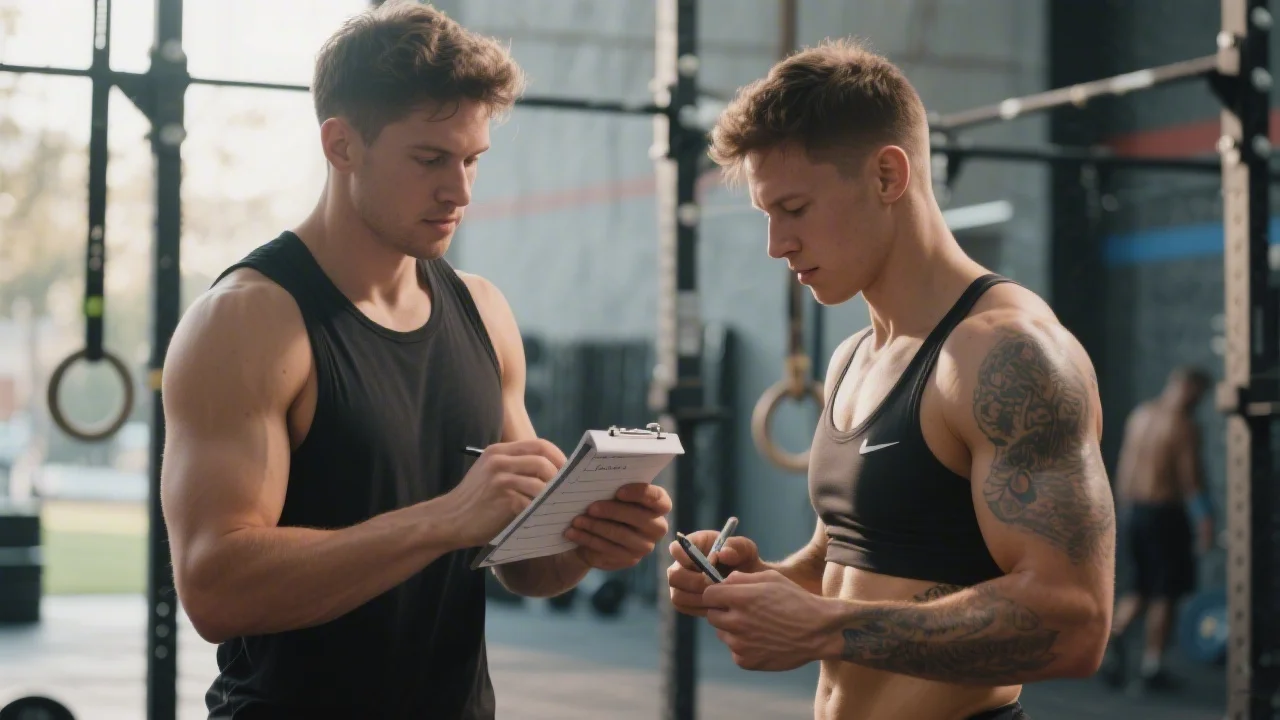
As a CrossFit athlete, you're constantly pushing boundaries, whether it's chasing an RX WOD, perfecting a muscle-up, or preparing for the Open. But with the high volume and intensity of training, it's easy to overlook critical elements that can make or break your performance and long-term health. Many athletes struggle with confusing nutrition timing around WODs, high injury risk from fatigue and poor form, and the constant battle of scaling workouts without feeling like a failure. Mobility and recovery are often neglected in the relentless pursuit of PRs, and balancing CrossFit volume with additional skill work feels like an impossible puzzle. This checklist is designed to cut through the noise, providing a structured approach to address these common gaps. It helps you systematically integrate best practices for fuelling, training, and recovery, ensuring you're not just working hard, but working smart. For instance, a study published in the Journal of Sports Science & Medicine found that proper periodization and recovery strategies significantly reduce injury rates in high-intensity functional training athletes by up to 30%. By following this guide, you'll gain clarity on how to optimise your routine, minimise injury risk, and consistently improve your benchmark scores and gymnastics skills, moving you closer to those elusive RX WODs and 2-a-day training blocks for Open prep.
Why This Matters for CrossFit Athletes
For CrossFit athletes, consistency and structure aren't just buzzwords; they're the bedrock of progress and injury prevention. The high-intensity, varied nature of CrossFit means that neglecting key steps—like precise nutrition timing or dedicated mobility work—can lead to stalled progress, increased injury risk, and burnout. Missing out on proper fuelling before a WOD can significantly impact your performance, while skipping recovery protocols can lead to chronic fatigue and a higher likelihood of muscle strains or joint issues. The cost of these oversights is not just a missed PR, but potentially weeks or months away from the box. This is where tracking with FitFlow becomes invaluable. By logging your workouts, personal records (PRs), and even your nutrition with features like AI Food Scanning for high-protein meals, FitFlow reinforces the habits outlined in this checklist. It provides the data-driven insights you need to see what's working, identify areas for improvement, and stay motivated through achievements and progress tracking, ensuring you're always optimising for your next WOD or Open season.
Crushing WODs and hitting new PRs requires more than just showing up. This ultimate checklist for CrossFit Athletes helps you systemise your training, nutrition, and recovery to master gymnastics, perfect Olympic lifts, and fuel high-intensity demands.
Nutrition & Fuelling for WODs
CrossFit athletes have unique energy demands; precise macros ensure you fuel performance and recovery, especially during 2-a-day training blocks.
Optimises energy availability for peak performance during WODs without causing digestive distress, crucial for RXing.
Crucial for muscle repair and glycogen replenishment, accelerating recovery and preventing fatigue between sessions. FitFlow's AI Food Scanning helps track this.
High-intensity training breaks down muscle; adequate protein is vital for recovery and building strength for Olympic lifts and gymnastics.
Prevents performance drop-offs and muscle cramps during long WODs, critical for sustained effort.
Provides micronutrients essential for recovery, immune function, and sustained energy, reducing injury risk.
Training & Skill Development
Essential for tracking progress, identifying strengths/weaknesses, and preparing for CrossFit Open benchmarks.
Focused practice is key to mastering complex gymnastics skills for RX WODs and improving benchmark scores.
Crucial for identifying form flaws, improving efficiency, and preventing injury under heavy loads.
Motivates progress, helps set new goals, and provides a clear picture of your strength and conditioning gains.
Supports heavy lifting and overhead movements, reducing injury risk common in CrossFit.
Allows you to get the intended stimulus from a WOD without risking injury or feeling defeated, crucial for longevity.
Optimises performance for the Open, building specific capacities needed for the workouts.
Recovery & Mobility
Addresses common CrossFit mobility restrictions, improving range of motion for squats, overhead lifts, and gymnastics.
Essential for hormonal balance, muscle repair, and cognitive function, directly impacting WOD performance and recovery.
Promotes blood flow, reduces muscle soreness, and aids recovery without adding stress to the body.
Helps release muscle knots and improves tissue quality, reducing injury risk and enhancing recovery.
Helps prevent overtraining and injury, ensuring you listen to your body and recover adequately.
Allows the body to fully recover and adapt, preventing burnout and promoting long-term progress.
Mindset & Lifestyle
Provides direction and motivation, helping you focus your training efforts for specific improvements.
High-intensity training can be stressful; mental recovery is as important as physical for overall well-being.
Community aspect is a core part of CrossFit, providing accountability and a sense of belonging.
Maintains motivation and a positive mindset, crucial for long-term adherence to a demanding training regimen.
Ensures your training remains effective and aligned with your goals for RX WODs and skill mastery.
Gear & Tech
Proper footwear is essential for stability in Olympic lifts and comfort during WODs with varied movements.
Provides crucial support for wrists during heavy snatches, cleans, and high-volume gymnastics, preventing injury.
Essential for mastering double-unders, a common skill in CrossFit WODs and the Open.
Helps maintain grip when fatigue sets in during heavy lifts, allowing focus on technique.
Seamless data integration ensures all your fitness metrics, from steps to sleep, are captured for holistic progress analysis.
Allows for detailed tracking and planning of specific skill work or progressive overload programs.
Frequently Asked Questions
Track Your Progress with FitFlow
Join 50,000+ users — including thousands of CrossFit Athletes — hitting their goals faster with AI-powered tracking.
Download FitFlow Free