The Ultimate Fitness Checklist for Firefighters & First Responders (2026)
The complete fitness checklist for Firefighters & First Responders. Everything you need to set up, track, and optimise your training and nutrition — all in one place.
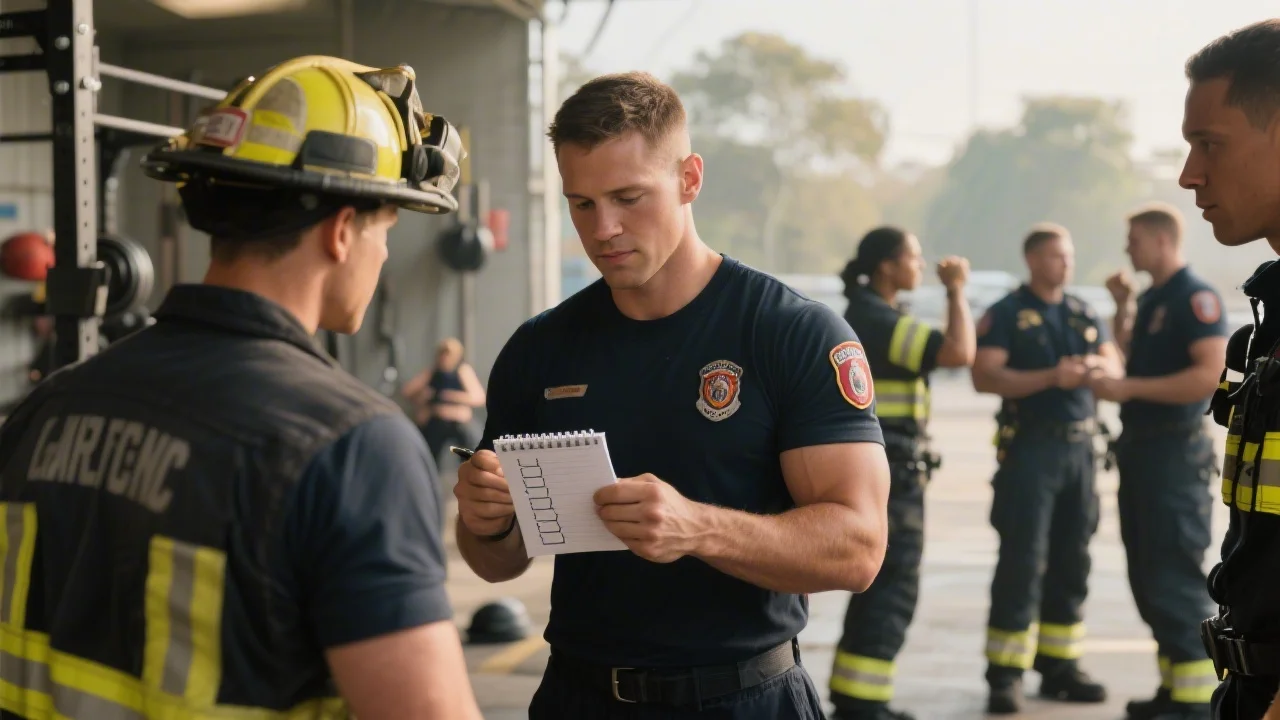
As a firefighter or first responder, your body is your most critical tool. You face unpredictable shifts, extreme physical demands, and high-stress situations daily, making consistent training and nutrition a significant challenge. The physical demands, from carrying heavy equipment up multiple flights of stairs to extricating victims, require a unique blend of strength, endurance, and agility. Unfortunately, high injury rates in the profession—with musculoskeletal injuries being particularly common, accounting for over 50% of all firefighter injuries according to some studies—highlight the critical need for proactive, structured fitness. Many first responders struggle with finding time to train around their shift schedules, accessing nutritious food options while on duty, and recovering adequately from both physical exertion and occupational stress. This often leads to inconsistent training, suboptimal nutrition, and increased injury risk, jeopardizing both personal well-being and operational effectiveness. This comprehensive checklist is designed specifically to address these gaps, providing a structured, actionable framework to optimize your functional fitness, enhance recovery, and ensure you're always ready for the next call. By following these steps, you can build a resilient body and mind, ready to meet the demands of your life-saving profession.
Why This Matters for Firefighters & First Responders
For firefighters and first responders, consistency and structure in fitness aren't just about looking good; they're about operational readiness, injury prevention, and career longevity. Missing key steps in your training or nutrition can lead to reduced performance in critical moments, increased risk of on-the-job injuries from physical demands like heavy lifting or rapid movements, and even failure to pass essential occupational fitness tests such as the CPAT or bleep test. The cost of inadequate preparation can range from personal injury to compromising team safety. A structured approach, reinforced by tracking with FitFlow, ensures you cover all bases. FitFlow's Smart Workout Tracking helps you adhere to functional strength programs, while AI Food Scanning ensures you maintain high-protein nutrition even on shift. Progress Analytics allows you to monitor benchmarks like weight, body fat, and PRs, ensuring you're consistently improving and ready to face any challenge your demanding profession throws your way.
For firefighters and first responders, peak physical and mental readiness isn't a hobby—it's a job requirement. This checklist is your essential guide to building the functional strength, endurance, and resilience needed to excel in life-saving work, mitigate injury risk, and pass crucial occupational fitness tests like the CPAT.
Foundational Fitness & Strength
This builds the practical strength needed for tasks like carrying equipment, victim extrication, and climbing, directly translating to on-the-job performance and injury prevention.
Prepares your body for the sustained load of protective gear, enhancing endurance and strength under realistic conditions.
Strong grip is crucial for manipulating heavy tools, hoses, and equipment safely and effectively during emergencies.
A strong core is vital for preventing back injuries during lifting, carrying, and twisting movements common in emergency work.
Directly prepares you for the physical demands and specific techniques required to pass and excel in critical fitness assessments.
Ensures you're performing exercises correctly to maximize effectiveness and minimize injury risk, even with limited access to a trainer.
Cardiovascular Endurance & Stamina
Mimics the stop-and-go, high-exertion nature of emergency calls, building anaerobic capacity and quick recovery.
Develops the stamina needed for prolonged operations, such as structural fires or extended search and rescue missions.
Directly improves the leg and lung endurance required for ascending stairs in multi-story buildings with equipment.
A key component of many occupational fitness tests; regular practice ensures you can meet and exceed required scores.
Optimizes training efficiency, preventing overtraining while ensuring sufficient challenge for cardiovascular adaptation.
Provides a comprehensive view of your activity levels and recovery, helping you adjust training around unpredictable shift work.
Nutrition & Hydration for Performance
Essential for repairing muscle tissue damaged during intense training and emergency operations, crucial for maintaining strength.
Ensures access to balanced, performance-fueling meals when on duty, combating limited healthy options in firehouses or on calls.
Crucial for physical performance, cognitive function, and thermoregulation, especially in hot environments or during prolonged exertion.
Ensures you're meeting energy and macro needs despite irregular eating patterns, optimizing fuel for performance and recovery.
Helps combat the physical stress and inflammation inherent in demanding emergency work, supporting long-term joint and muscle health.
Provides a temporary boost for alertness and focus during critical periods, but mindful use prevents sleep interference.
Saves time and ensures accuracy when tracking nutrition on the go, making healthy eating more manageable amidst unpredictable schedules.
Recovery & Resilience
Essential for physical and mental recovery, hormone regulation, and cognitive function, critical for decision-making under stress.
Enhances range of motion, reduces muscle soreness, and helps prevent common musculoskeletal injuries from repetitive movements.
Helps mitigate the psychological toll of high-stress incidents, improving focus and emotional regulation.
Allows the body to repair and rebuild, reducing the risk of burnout and improving overall performance.
Seeing tangible progress helps maintain motivation, especially when fitness gains can feel slow due to demanding work schedules.
Provides a crucial outlet for stress relief and maintains a healthy work-life balance, preventing professional burnout.
Injury Prevention & Longevity
Addresses common areas of stiffness and injury in first responders, improving movement efficiency and reducing strain.
Helps prevent injuries by ensuring both sides of the body are equally strong and stable, crucial for dynamic, uneven movements.
Enhances the ability to react quickly and move efficiently in unpredictable emergency situations, reducing fall risk.
Identifies potential weaknesses or imbalances early, allowing for preventative measures before injuries occur.
Allows for flexible training modifications, ensuring continued progress and safe recovery without exacerbating existing issues.
Minimizes strain and reduces the risk of acute injuries from improper technique during physically demanding operations.
Frequently Asked Questions
Track Your Progress with FitFlow
Join 50,000+ users — including thousands of Firefighters & First Responders — hitting their goals faster with AI-powered tracking.
Download FitFlow Free