The Ultimate Fitness Checklist for Functional Fitness Enthusiasts (2026)
The complete fitness checklist for Functional Fitness Enthusiasts. Everything you need to set up, track, and optimise your training and nutrition — all in one place.
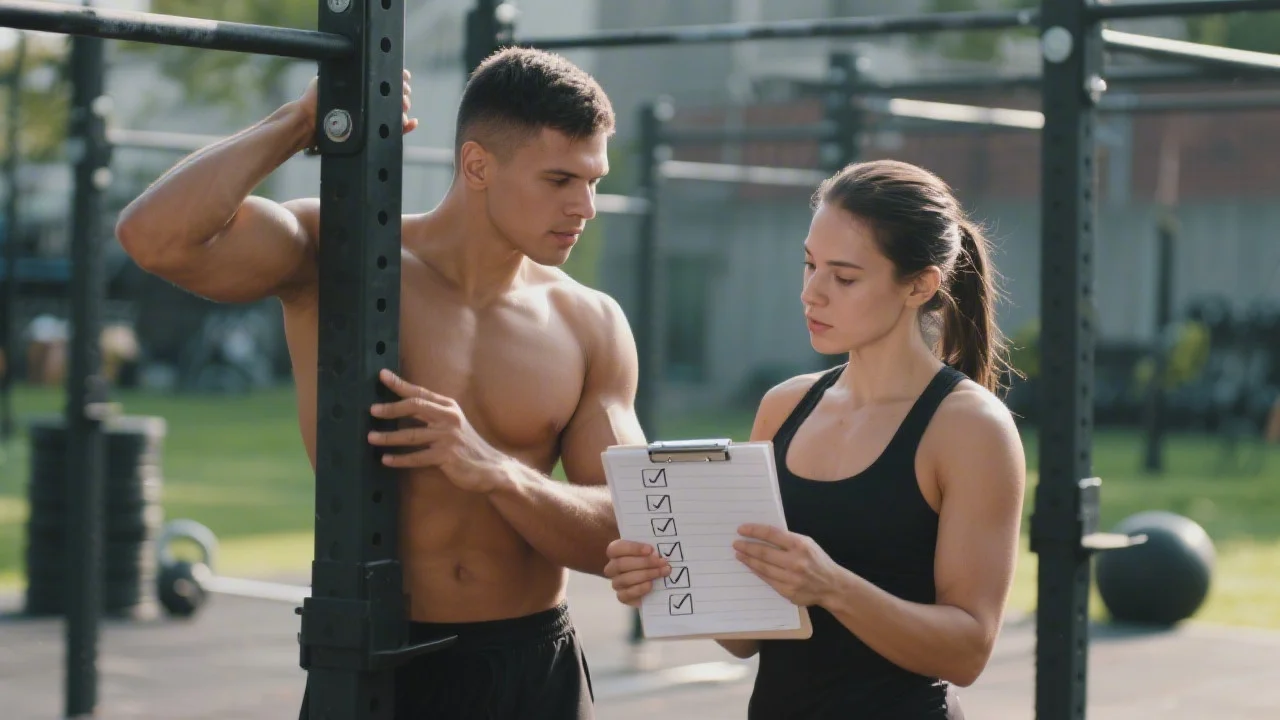
You're not chasing aesthetics or arbitrary PRs; you're committed to a life of pain-free, capable movement. As a functional fitness enthusiast, you understand that true strength lies in your ability to interact with the world around you, whether it's lifting a child, carrying groceries, or enjoying your favorite outdoor activities well into old age. However, navigating the landscape of functional fitness can be overwhelming. Traditional gym programs often feel misaligned with your movement goals, and measuring progress beyond a simple weight lifted can be challenging when your focus is on movement quality and longevity. You might find yourself grappling with information overload from countless functional fitness influencers, struggling to discern what truly matters for your unique journey. Furthermore, maintaining mobility gains outside of your dedicated training sessions can be a significant hurdle, and nutrition is often an afterthought, secondary to perfecting your movement patterns. This comprehensive checklist is designed to bridge those gaps, providing a structured, actionable framework to ensure every aspect of your functional fitness journey is optimized. By breaking down your goals into manageable, trackable steps, you can move with purpose, ensuring your efforts translate into tangible, lasting improvements in your real-world strength, mobility, and overall well-being. Studies show that adults who engage in regular functional training report significantly higher quality of life scores, emphasizing the profound impact of this approach.
Why This Matters for Functional Fitness Enthusiasts
For functional fitness enthusiasts, consistency and structure aren't just about achieving goals; they're about safeguarding your long-term movement health and preventing the common pitfalls of aging. Missing key steps in your training or nutrition can lead to plateaus in mobility, increased risk of injury from unbalanced movement patterns, or a gradual erosion of the functional strength you've worked so hard to build. Without a clear roadmap, the journey towards pain-free longevity can feel aimless, making it difficult to assess if your efforts are truly yielding the desired outcomes. This checklist provides that essential structure, ensuring you address all critical components of a holistic functional fitness regimen. Integrating a tool like FitFlow reinforces these habits by allowing you to meticulously track your Smart Workout Tracking for functional movements, monitor progress analytics for mobility and strength indicators, and ensure balanced nutrition through AI Food Scanning, keeping you accountable and motivated on your unique path to lasting functional wellness.
Ready to move pain-free and build real-world strength that lasts a lifetime? This ultimate fitness checklist is tailored for functional fitness enthusiasts, helping you cut through the noise and focus on what truly matters for longevity, mobility, and balanced movement. Optimize your training and nutrition with precision.
Foundational Movement & Training
Clarifying your purpose helps maintain motivation and aligns your training with real-world longevity goals, moving beyond aesthetics.
A structured program prevents aimless training and ensures progressive overload in movements relevant to real-world strength and mobility.
Consistent mobility work is crucial for maintaining range of motion, preventing stiffness, and supporting pain-free movement in daily life.
Tracking these qualitative metrics helps measure progress beyond simple PRs, focusing on movement quality and functional capacity.
Accurate tracking ensures progressive overload and helps identify areas for improvement in functional strength and movement quality.
Reconnecting with fundamental human movements enhances body awareness, coordination, and overall functional capacity.
Periodic self-assessment or professional guidance helps maintain proper mechanics and prevents ingrained faulty movement patterns.
Nutrition for Longevity & Recovery
Nutrient-dense foods provide the building blocks for muscle repair, energy, and overall cellular health, crucial for longevity.
Adequate protein is vital for preserving lean muscle mass, which is key for functional strength and metabolic health into old age.
Effortless nutrition tracking helps maintain consistency and ensures you're fueling your body appropriately for functional performance.
Proper hydration is fundamental for lubricating joints, maintaining tissue elasticity, and optimizing overall physical performance.
Reducing systemic inflammation aids recovery, supports joint health, and contributes to long-term pain-free movement.
Strategic post-workout fuel optimizes muscle repair and glycogen replenishment, crucial for consistent functional training.
Recovery & Lifestyle Integration
Sleep is the cornerstone of recovery, directly impacting energy levels, cognitive function, and the body's ability to adapt to training.
Active recovery promotes blood flow, reduces muscle soreness, and helps maintain mobility without overtaxing the body.
Chronic stress hinders recovery, impacts sleep quality, and can negatively affect overall physical and mental well-being.
Exposure to nature and varied terrain challenges proprioception and encourages spontaneous, functional movement patterns.
Breaking up sedentary periods with short bursts of movement prevents stiffness and maintains mobility gains made in training.
Monitoring these basic health metrics ensures foundational wellness, supporting overall functional capacity and energy levels.
Progress Tracking & Mindset
Beyond numbers, understanding how your body feels and moves is paramount for functional fitness, guiding adjustments to your program.
Qualitative self-reflection helps connect training efforts to real-world improvements and identifies areas needing attention.
Goals rooted in functional ability provide clear, motivating targets that align with longevity and real-world strength.
Acknowledging improvements in how your body moves reinforces positive habits and boosts motivation for consistent effort.
Gamification and community engagement can provide an extra boost of motivation, especially when progress feels slow.
Continuous learning helps refine your approach, adapt your training, and stay informed about best practices in the niche.
Integrating mindful movement into everyday life reinforces good habits and extends the benefits of your training beyond the gym.
Equipment & Environment
Having accessible tools allows for consistent training and mobility work, even on busy days, supporting long-term adherence.
An adequate training environment facilitates proper form and allows for the full range of motion required in functional exercises.
Training on unstable surfaces enhances balance, coordination, and strengthens stabilizing muscles, crucial for real-world movement.
A designated area encourages consistent mobility practice, which is vital for maintaining flexibility and preventing injury.
Frequently Asked Questions
Track Your Progress with FitFlow
Join 50,000+ users — including thousands of Functional Fitness Enthusiasts — hitting their goals faster with AI-powered tracking.
Download FitFlow Free