The Ultimate Fitness Checklist for Ice & Field Hockey Players (2026)
The complete fitness checklist for Ice & Field Hockey Players. Everything you need to set up, track, and optimise your training and nutrition — all in one place.
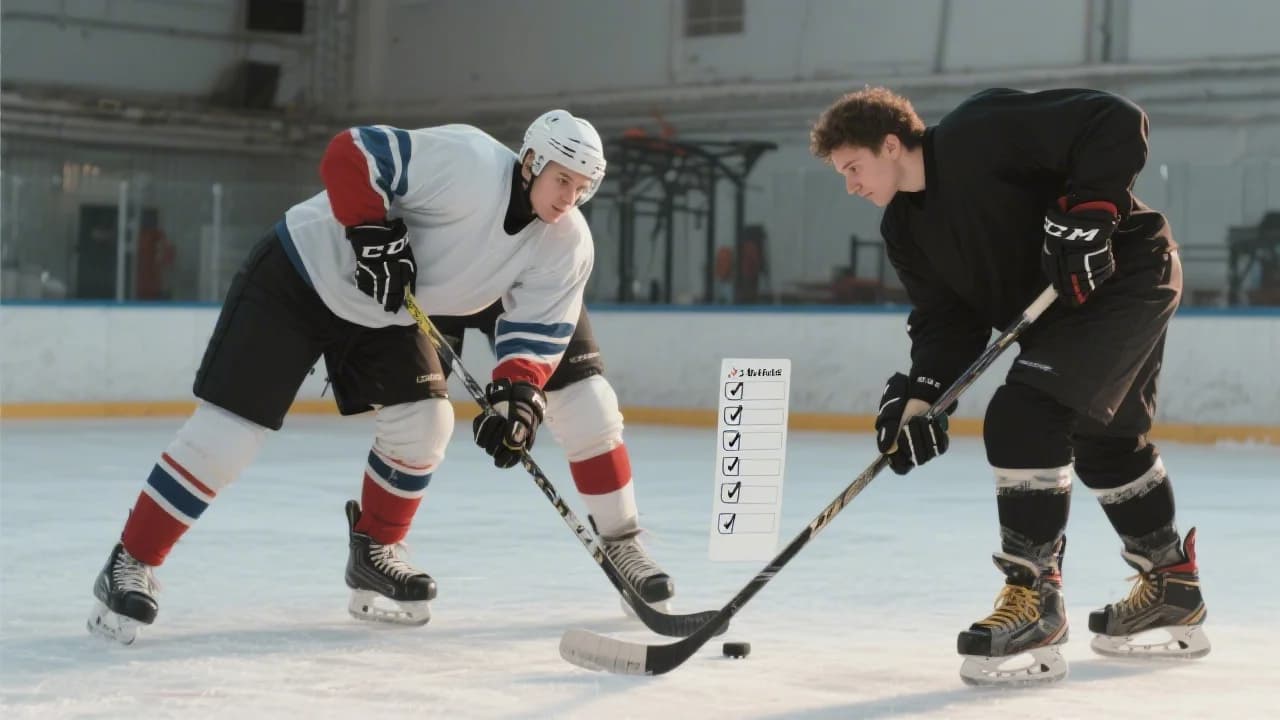
As an ice or field hockey player, you know the game demands a unique blend of explosive power, relentless agility, and enduring stamina. Unlike other sports, hockey requires unparalleled lower body strength for skating speed and rapid changes of direction, often putting immense strain on areas like the groin and hips – injuries that are notoriously common. You're constantly battling limited off-ice conditioning windows around your ice time, and the challenge of fueling your body for games that can stretch into overtime or shootouts. Many players struggle with building lower body power without adding bulk that slows their skating, or effectively transitioning their fitness from the off-season grind to in-season maintenance. This checklist cuts through the noise, providing a structured, hockey-specific roadmap. It addresses these critical pain points by offering targeted strategies for injury prevention, performance enhancement, and recovery. For instance, a study published in the American Journal of Sports Medicine found that groin injuries account for up to 10% of all injuries in professional hockey players, highlighting the need for specific preventative measures. By following this checklist, you'll gain clarity on exactly what you need to do, track, and optimize to translate your hard work into superior on-ice or on-field performance, ensuring you're always ready for the next shift.
Why This Matters for Ice & Field Hockey Players
For ice and field hockey players, consistency and structure aren't just beneficial—they're non-negotiable for sustained performance and injury prevention. Missing key steps in your training or nutrition can lead to decreased on-ice power, slower recovery between games, and significantly increase your risk of common hockey injuries like groin pulls or hip strains. A haphazard approach to off-ice conditioning means less effective translation to game performance, leaving you vulnerable when the stakes are highest. Tracking your progress with a tool like FitFlow reinforces these crucial habits. By logging your hockey-specific conditioning workouts, monitoring your recovery nutrition, and visually tracking key athletic benchmarks, you gain invaluable insights into what's working and where adjustments are needed. This data-driven approach ensures you're building lower body power efficiently, optimizing your nutrition for back-to-back games, and proactively managing your body to stay healthy and dominant throughout the demanding NHL season, pre-season dryland training, and playoff pushes.
Dominate the rink or field with our ultimate fitness checklist designed exclusively for ice and field hockey players. This guide provides actionable steps to boost your skating power, improve agility, and ensure rapid recovery, helping you maintain peak performance through back-to-back games and an intense season.
Training & Conditioning
This builds the explosive skating speed and change-of-direction agility essential for hockey, while strengthening critical areas prone to injury like the groin and hips.
Plyometrics specifically train the fast-twitch muscle fibers crucial for quick bursts on the ice or field, directly improving skating acceleration and shot power.
Hockey is a game of lateral movement; these drills directly translate to better defensive positioning, quicker transitions, and evading opponents.
A strong core is the foundation for powerful shots, effective stick handling, and maintaining balance during physical play.
Consistent tracking helps you see progress in lower body power, identify plateaus, and ensure your off-ice conditioning is translating to game performance.
This builds the anaerobic conditioning needed to maintain intensity during short, explosive shifts and recover quickly between them.
Ensures your training evolves with the demands of the season, preventing overtraining or undertraining and optimizing performance.
Recovery & Mobility
Crucial for preventing common hockey injuries like groin pulls and hip strains by increasing blood flow and preparing muscles for explosive movements.
Improves flexibility and range of motion, which is vital for deep skating strides and reducing muscle soreness, aiding recovery between back-to-back games.
Adequate sleep is the cornerstone of recovery, allowing your body to repair from intense training and games, ensuring you're rested for the next challenge.
Helps flush out metabolic waste and gently mobilizes joints, speeding up recovery without adding extra stress, especially important during playoff pushes.
Monitoring these often-overlooked recovery metrics helps you understand their impact on your performance and adjust for optimal game readiness.
Hockey players frequently suffer from tight hips; consistent mobility work prevents injury and allows for a deeper, more powerful skating stride.
Nutrition & Hydration
Provides sustained energy for demanding games and training, and essential nutrients for muscle repair and overall health, especially for games that go to overtime.
Proper hydration is critical for maintaining energy levels, preventing cramps, and optimizing cognitive function during intense physical exertion on the ice or field.
This rapidly replenishes glycogen stores and kickstarts muscle repair, crucial for quick recovery between back-to-back games or weekend tournaments.
Accurate nutrition tracking helps hockey players optimize fuel for power and recovery, avoiding under-fueling during intense periods or over-fueling during maintenance phases.
Provides sustained energy without causing digestive upset, ensuring you're properly fueled for peak performance from the first shift to the last.
Prevents dehydration and muscle cramping, especially critical during long games, overtime, or during hot summer dryland training.
Tailored meal plans ensure you're getting the right balance of nutrients to recover faster and be ready for your next game.
Mindset & Performance Tracking
Specific goals provide direction and motivation, ensuring your training is focused on tangible improvements that translate to on-ice performance.
Visualizing progress in key athletic benchmarks (e.g., squat PR, sprint times) helps you stay motivated and confirms your off-ice training is effective.
Mental rehearsal can improve reaction time and decision-making under pressure, giving you a competitive edge in fast-paced hockey situations.
Gamified elements help maintain consistency and drive, especially when training can feel monotonous, pushing you towards new personal bests.
Connecting off-ice fitness to on-ice stats helps you understand what training methods are most impactful for game performance.
Seamless data syncing ensures all aspects of your training and recovery are captured, providing a holistic view of your athletic journey.
Injury Prevention & Longevity
Directly targets the muscles most vulnerable to injury in hockey, significantly reducing the likelihood of a common and debilitating setback.
Essential for maintaining proper skating mechanics, preventing hip impingement, and enhancing overall lower body resilience.
Hockey's unilateral movements can create imbalances; proactively addressing these ensures long-term joint health and reduces injury risk.
Prevents overtraining and burnout, allowing your body to fully recover and adapt, crucial for navigating the demanding NHL season.
Expert guidance can identify individual weaknesses and provide tailored exercises to keep you on the ice or field longer.
Frequently Asked Questions
Track Your Progress with FitFlow
Join 50,000+ users — including thousands of Ice & Field Hockey Players — hitting their goals faster with AI-powered tracking.
Download FitFlow Free