The Complete Training Guide for Home Gym Owners (4-Week Program, 2026)
A complete 4-week training guide built for Home Gym Owners. Includes workout schedules, exercise descriptions, progressions, and recovery guidance.
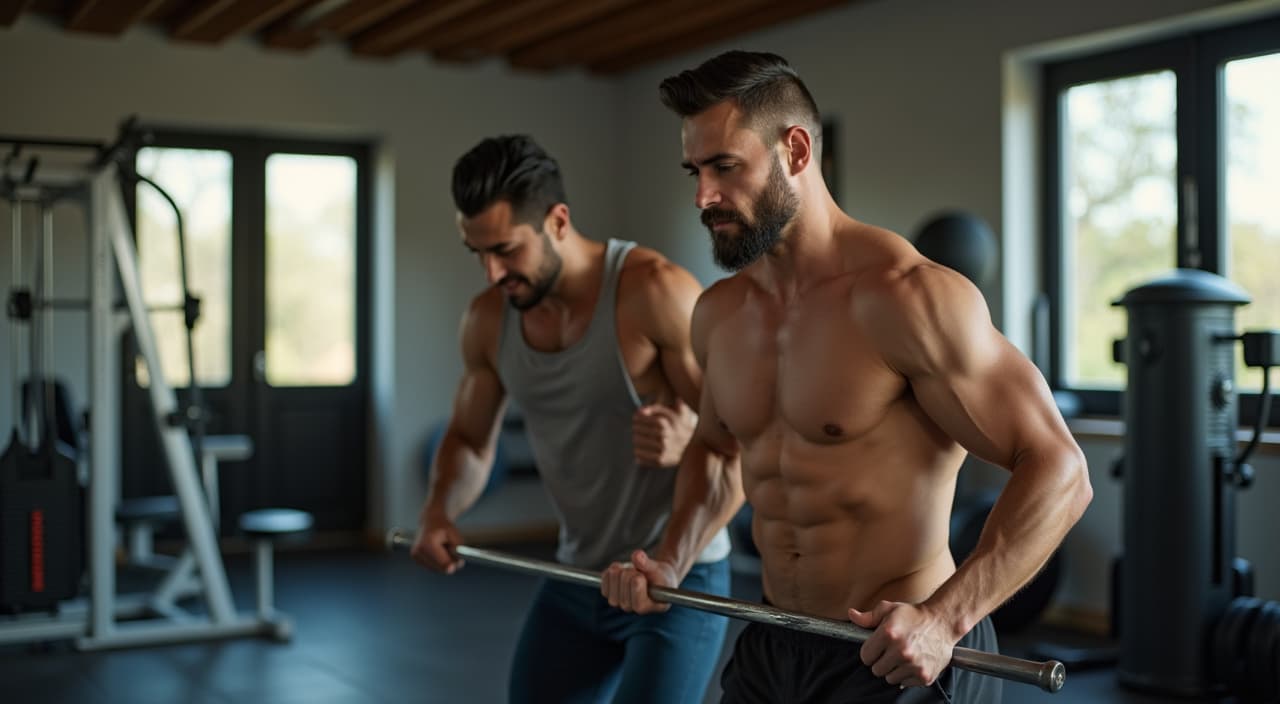
Training at home removes the external pressure of a commercial gym environment, requiring a higher degree of self-discipline and technical precision. Unlike public facilities where ambient energy drives performance, home workouts demand an internalized routine built on scientific periodization. Research indicates that consistent mechanical tension over time is the primary driver of muscle growth, yet without a coach to monitor fatigue, many home gym owners inadvertently train too hard or too soft. This program utilizes autoregulation principles, balancing volume and intensity to prevent systemic fatigue while maximizing adaptation. By structuring each phase around specific physiological goals—hypertrophy, strength endurance, and neural recruitment—you ensure that your equipment investment yields tangible returns. Furthermore, accurate logging is crucial; without it, you cannot verify if you are actually progressing beyond previous lifts. This guide provides the roadmap, while digital tools handle the data, allowing you to focus purely on execution and recovery within your dedicated space. The isolation of home training often leads to skipped sets or poor effort when nobody is watching. To counter this, we integrate specific rest timers and set counters directly into your workflow. This eliminates the mental load of remembering what comes next, keeping you in the zone. Additionally, understanding the difference between failure and proximity to failure is vital when training alone. Pushing to absolute failure increases injury risk without a spotter, whereas stopping one rep shy maintains safety while still stimulating growth. This balance is central to our design philosophy.
Why This Matters for Home Gym Owners
Unstructured training in a home setting carries significant risks, primarily due to the absence of spotters and immediate form correction. Ego lifting without feedback often leads to joint strain or acute injury, especially when using heavy barbells alone. Additionally, random exercise selection frequently results in plateauing, as the body adapts quickly to repetitive stimuli without planned variation. A proper periodised plan mitigates these risks by scheduling deloads and varying rep ranges systematically. FitFlow’s workout tracking simplifies this complexity by storing your historical data, making progressive overload transparent and achievable. You can instantly see if you added weight or reps compared to last week, removing guesswork from your strength journey. This accountability ensures you push hard enough to grow without burning out, turning your home gym into a sustainable long-term asset rather than a temporary novelty. Visualizing your progress combats the isolation of solo training, keeping motivation high throughout the cycle.
Invested in a power rack and dumbbells but unsure how to program them effectively? This 4-week guide transforms your garage into a professional strength lab, ensuring every rep counts toward measurable hypertrophy and strength gains. Without a personal trainer watching your form, you need a system that enforces consistency and tracks progress automatically so your equipment doesn't become expensive storage.
Hypertrophy and Strength
Goal
4 days per week
Frequency
Intermediate
Level
Power rack, barbell, adjustable dumbbells, flat/incline bench
Equipment
Key Principles
Mechanical Tension
Prioritize controlled eccentric phases on compound lifts to maximize muscle fiber recruitment without needing excessive weight.
Progressive Overload
Increase weight, reps, or reduce rest intervals weekly to force adaptation, tracked via FitFlow workout journeys.
Safety First
Use safety pins in your rack and avoid true failure on free weights to prevent injury without a spotter.
Consistency
Stick to the schedule regardless of motivation levels; the structure replaces the need for external gym atmosphere.
Weekly Program
Focus on perfecting technique and establishing baseline loads. Do not train to failure.
Day 1 — Lower Body Strength
| Exercise | Sets | Reps | Rest | Notes |
|---|---|---|---|---|
| Barbell Back Squat | 3 | 6-8 | 2 min | Set safety pins at knee height before starting. |
| Romanian Deadlift | 3 | 8-10 | 90 sec | Keep back flat, feel stretch in hamstrings. |
| Bulgarian Split Squat | 3 | 10 per leg | 60 sec | Use dumbbells for stability. |
| Calf Raises | 3 | 15 | 45 sec | Full range of motion. |
Day 2 — Upper Body Push
| Exercise | Sets | Reps | Rest | Notes |
|---|---|---|---|---|
| Barbell Bench Press | 3 | 6-8 | 2 min | Retract scapula, touch chest lightly. |
| Overhead Press | 3 | 8-10 | 90 sec | Stand or seated, core tight. |
| Incline Dumbbell Press | 3 | 10-12 | 60 sec | Control the negative. |
| Lateral Raises | 3 | 15 | 45 sec | Lead with elbows. |
Day 3 — Rest / Active Recovery
| Exercise | Sets | Reps | Rest | Notes |
|---|
Day 4 — Upper Body Pull
| Exercise | Sets | Reps | Rest | Notes |
|---|---|---|---|---|
| Pull-Ups | 3 | AMRAP | 2 min | Use band assistance if needed. |
| Barbell Rows | 3 | 8-10 | 90 sec | Torso parallel to floor. |
| Face Pulls | 3 | 15 | 60 sec | External rotation at peak. |
| Hammer Curls | 3 | 12 | 45 sec | Neutral grip. |
Day 5 — Lower Body Hypertrophy
| Exercise | Sets | Reps | Rest | Notes |
|---|---|---|---|---|
| Goblet Squat | 3 | 12-15 | 90 sec | Deep depth. |
| Leg Curl Machine | 3 | 12 | 60 sec | Squeeze at top. |
| Walking Lunges | 3 | 10 per leg | 60 sec | Dumbbells in hand. |
| Plank | 3 | 45 sec | 45 sec | Maintain neutral spine. |
Recovery Guidance
Sleep 7-9 hours nightly to support hormonal recovery and muscle repair.
Drink 3-4 liters of water daily, especially on training days.
Perform 10 minutes of mobility work post-workout to maintain range of motion.
Eat 1.6g-2.2g of protein per kg of bodyweight to fuel hypertrophy.
Take at least one full rest day per week with no resistance training.
Frequently Asked Questions
Track Your Progress with FitFlow
Join 50,000+ users — including thousands of Home Gym Owners — hitting their goals faster with AI-powered tracking.
Download FitFlow Free