50 Workout Ideas for Postpartum Moms in 2026
Discover 50 workout ideas specifically designed for Postpartum Moms. Filter by difficulty, equipment, and time to find the perfect exercise for your fitness level.
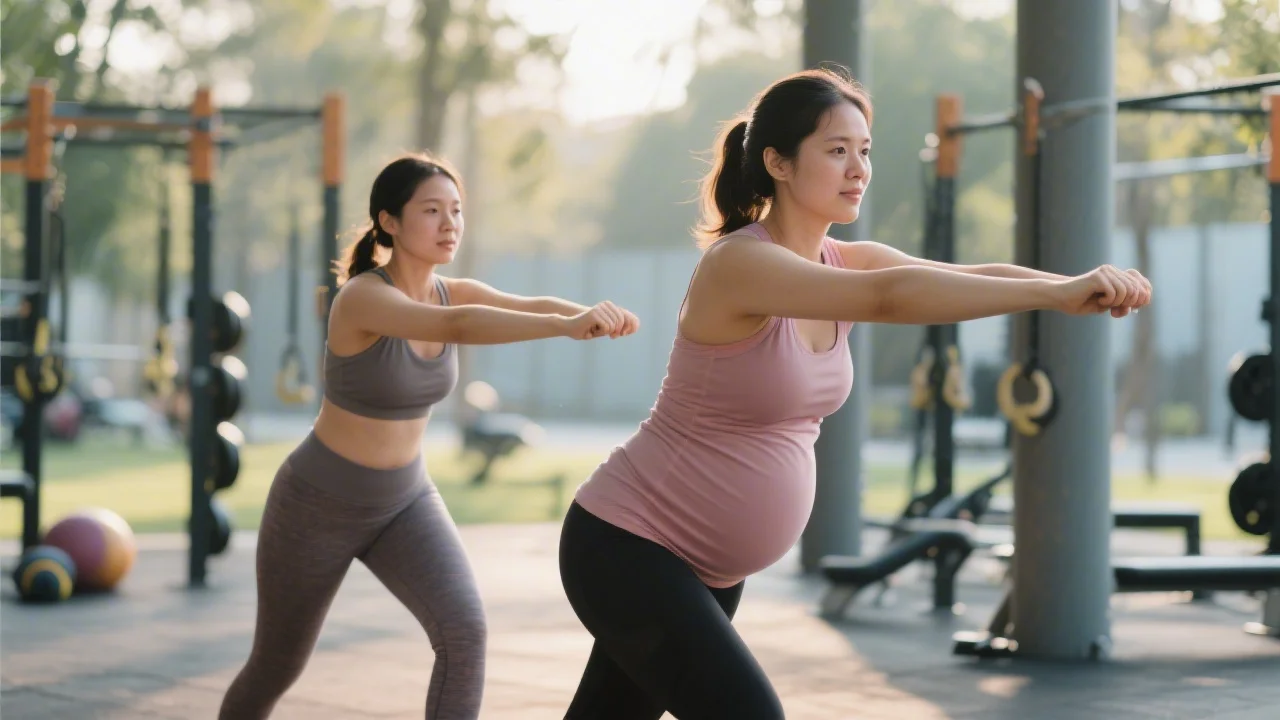
Navigating the postpartum period brings a unique set of challenges, especially when it comes to fitness. You're likely grappling with extreme fatigue, a constantly changing schedule dictated by your newborn, and the monumental task of nourishing your body (and potentially your baby) while recovering from childbirth. Traditional fitness advice often falls short, failing to address crucial concerns like diastasis recti, pelvic floor recovery, and the need for nutrient-dense foods to support breastfeeding. Many new moms feel guilty for even considering self-care, let alone a workout. However, prioritizing your physical and mental well-being is not selfish; it's essential for both you and your baby. Studies show that regular exercise can significantly reduce the risk of postpartum depression, with one meta-analysis finding a 30% reduction in symptoms among active mothers. This collection of workouts is uniquely suited to your lifestyle, focusing on short durations, minimal equipment, and safe movements that respect your recovering body. We understand you have no time for long gym sessions or complex routines, which is why these ideas are designed for quick, effective bursts that fit into the unpredictable rhythm of new motherhood.
Why This Matters for Postpartum Moms
Selecting the right postpartum workouts is paramount for your long-term health and well-being. Engaging in high-impact exercises or improper core work too soon can exacerbate issues like diastasis recti, prolapse, or pelvic floor dysfunction, leading to chronic pain and incontinence. Conversely, the right exercises, introduced gradually, can safely rebuild core strength, improve posture, and alleviate back pain often associated with carrying and feeding a baby. Consistent, appropriate movement also boosts energy levels, combats 'baby brain,' and helps manage stress, all without compromising your milk supply. FitFlow streamlines this process by offering Smart Workout Tracking with guided exercises and video demos, ensuring you perform movements correctly and safely. Furthermore, its AI Food Scanning and tailored macro targets help you maintain optimal nutrition for recovery and breastfeeding, taking the guesswork out of fueling your body. By choosing wisely, you invest in a stronger, more energetic you, ready to tackle the demands of motherhood.
Feeling overwhelmed trying to regain strength and energy after baby? This guide offers 50 safe, effective, and time-efficient workout ideas tailored specifically for postpartum moms, helping you rebuild your body without sacrificing precious time with your newborn.
Gentle Pelvic Tilts
#1Lie on your back, knees bent, and gently tilt your pelvis up, flattening your lower back against the floor. This is crucial for reactivating deep core muscles and supporting pelvic floor recovery.
Diaphragmatic Breathing (Belly Breathing)
#2Focus on deep breaths, allowing your belly to rise and fall. This helps connect with your deep core and pelvic floor, essential for safe postpartum recovery and stress reduction.
Wall Push-ups
#3Stand facing a wall, hands shoulder-width apart, and gently push away. A safe way to rebuild upper body strength without straining your core, perfect for new moms with limited time.
Glute Bridges
#4Lie on your back, knees bent, feet flat. Lift your hips off the floor, squeezing your glutes. Excellent for strengthening glutes and lower back, counteracting the effects of carrying a baby.
Kneeling Cat-Cow Stretch
#5On hands and knees, arch and round your back gently. This improves spinal mobility and gently engages the core, relieving tension from breastfeeding postures.
Side-Lying Leg Lifts
#6Lie on your side, legs stacked, and lift your top leg slowly. Strengthens hip abductors, important for stability and preventing 'mom sway' from carrying the baby.
Seated Marches
#7Sit tall, gently lift one knee towards your chest, then alternate. A low-impact way to engage core and hip flexors, ideal for early postpartum when standing is tiring.
Standing Calf Raises
#8Hold onto a sturdy surface and lift onto your toes. Simple yet effective for improving circulation and strengthening calf muscles, often neglected when tired.
Neck and Shoulder Rolls
#9Gentle circles with your neck and shoulders to release tension from feeding and holding your baby. Crucial for preventing upper back and neck pain.
Modified Bird-Dog
#10On hands and knees, extend one arm and the opposite leg, keeping your core stable. Focus on controlled movement to protect your recovering core.
Resistance Band Squats
#11Place a resistance band above your knees and perform squats. Adds gentle resistance to strengthen glutes and legs, without heavy weights.
Banded Glute Bridges
#12Similar to glute bridges, but with a resistance band above your knees to increase glute activation. Excellent for targeting specific muscle groups safely.
Incline Push-ups (on a bench/table)
#13Perform push-ups with your hands elevated on a stable surface. Gradually increases difficulty from wall push-ups, building upper body strength.
Standing Side Bends
#14Stand tall, gently reach one arm overhead and bend to the side. Stretches and strengthens obliques, improving core stability and flexibility.
Heel Slides
#15Lie on your back, knees bent. Gently slide one heel away from you, keeping your lower back stable. A gentle way to engage core and hamstrings.
Standing Single Leg Balance
#16Hold onto a wall for support and lift one foot off the ground. Improves balance and strengthens ankle stabilizers, important for everyday movements with a baby.
Walking Lunges (no weights)
#17Perform lunges while walking forward, focusing on form and stability. Builds leg strength and functional movement, good for carrying a baby.
Dumbbell Rows (light weight)
#18Bend at the hips, keeping your back straight, and pull light dumbbells towards your chest. Strengthens back muscles, counteracting 'mom posture' from feeding.
Modified Plank (on knees or incline)
#19Hold a plank position on your knees or with hands elevated. Builds core strength safely without excessive pressure on the abdominal wall.
Yoga Flow for Postpartum
#20A gentle sequence of yoga poses focusing on core engagement, hip opening, and relaxation. Improves flexibility and mental well-being.
Pilates Mat Workout (Postpartum focus)
#21Utilizes specific Pilates exercises to strengthen the deep core, pelvic floor, and improve posture, often recommended by physical therapists.
Babywearing Walk
#22Go for a brisk walk with your baby in a carrier. Combines cardio with bonding time, a practical way to fit in exercise with a newborn.
Stroller Intervals
#23Alternate between brisk walking and jogging with a stroller. A great way to increase heart rate and build endurance, perfect for busy moms.
Chair Squats
#24Sit down and stand up from a chair, focusing on proper form. A controlled way to build lower body strength and practice functional movement.
Resistance Band Bicep Curls
#25Stand on a resistance band and curl the handles up. Strengthens biceps, helpful for lifting and carrying your baby.
Resistance Band Triceps Extensions
#26Loop a resistance band over a door and perform triceps extensions. Strengthens triceps, balancing arm strength for daily mom tasks.
Side Plank (modified on knees)
#27Support yourself on your forearm and knees, lifting your hips. Engages obliques and improves core stability without excessive strain.
Dumbbell Chest Press (on floor)
#28Lie on your back, knees bent, and press light dumbbells up. Builds chest and arm strength, safe for core as your back is supported.
Standing Overhead Press (light dumbbells)
#29Press light dumbbells overhead while standing tall. Strengthens shoulders and improves posture, crucial for carrying a baby.
Stationary Bike (low intensity)
#30Gentle cycling on a stationary bike. Low-impact cardio that's easy on joints and pelvic floor, perfect for regaining stamina.
Elliptical Trainer (moderate intensity)
#31Use an elliptical for a full-body, low-impact cardio workout. Great for burning calories and improving endurance without jarring movements.
Water Aerobics
#32Perform exercises in a pool. Water's buoyancy reduces impact on joints and pelvic floor, making it ideal for postpartum recovery.
Postpartum HIIT (modified)
#33Short bursts of high-intensity exercises (e.g., marching in place, step-ups) followed by rest, modified to be low-impact and core-safe. FitFlow's Smart Workout Tracking can guide you through these.
Single Leg Romanian Deadlifts (bodyweight)
#34Balance on one leg and hinge at the hips, keeping your back straight. Improves balance, strengthens hamstrings and glutes, crucial for functional strength.
TRX Rows (modified)
#35Use TRX straps to perform rows, adjusting intensity by stepping closer or further away. Builds upper body and core strength with controlled movements.
Kettlebell Swings (light weight, focus on form)
#36Perform kettlebell swings with a light weight, emphasizing hip hinge and glute activation, not core strain. Advanced for rebuilding power safely.
Box Step-ups (low box)
#37Step onto a low box or sturdy step, alternating legs. Builds leg strength and endurance, mimicking everyday movements like climbing stairs.
Resistance Band Lateral Walks
#38Place a resistance band around your ankles or knees and walk sideways. Strengthens hip abductors and glutes, improving hip stability.
Child's Pose
#39A restorative yoga pose that gently stretches the back and hips, promoting relaxation and relieving tension. Essential for recovery.
Foam Rolling (gentle back/hips)
#40Gently roll on a foam roller to release muscle tension in the back and hips. Helps with soreness from carrying and feeding baby.
Dynamic Warm-up (postpartum safe)
#41A series of gentle movements like arm circles, leg swings, and torso twists to prepare the body for exercise and improve blood flow.
Cool-down Stretches (full body)
#42Gentle stretches for major muscle groups after a workout to improve flexibility and aid recovery. Focus on hamstrings, quads, and chest.
Light Jogging (after clearance)
#43Gradually reintroduce light jogging, focusing on short intervals and proper form. Only after medical clearance and core strength is re-established.
Swimming Laps (gentle strokes)
#44Swimming is a fantastic full-body, low-impact workout. Focus on gentle strokes like breaststroke or backstroke to avoid core strain.
Resistance Band Pull-Aparts
#45Hold a resistance band in front of you and pull it apart, squeezing your shoulder blades. Improves upper back strength and posture.
Wall Sits
#46Lean against a wall with knees bent at 90 degrees. Builds isometric leg strength without impact, great for quick bursts of effort.
Dumbbell Goblet Squats (light weight)
#47Hold a light dumbbell vertically against your chest and perform squats. Helps maintain upright posture and targets glutes and quads.
Battle Ropes (low intensity)
#48Perform gentle waves with battle ropes, focusing on controlled movement rather than explosive power. Builds upper body and core endurance.
Yoga with Baby
#49Incorporate your baby into gentle yoga poses, using them as a playful weight or prop. A fun way to bond and move, even when time is scarce.
Mindful Walking
#50Take a walk outside, focusing on your breath and surroundings. Enhances mental well-being and is a gentle way to reintroduce movement.
Frequently Asked Questions
Track Your Progress with FitFlow
Join 50,000+ users — including thousands of Postpartum Moms — hitting their goals faster with AI-powered tracking.
Download FitFlow Free