The Ultimate Fitness Checklist for Postpartum Moms (2026)
The complete fitness checklist for Postpartum Moms. Everything you need to set up, track, and optimise your training and nutrition — all in one place.
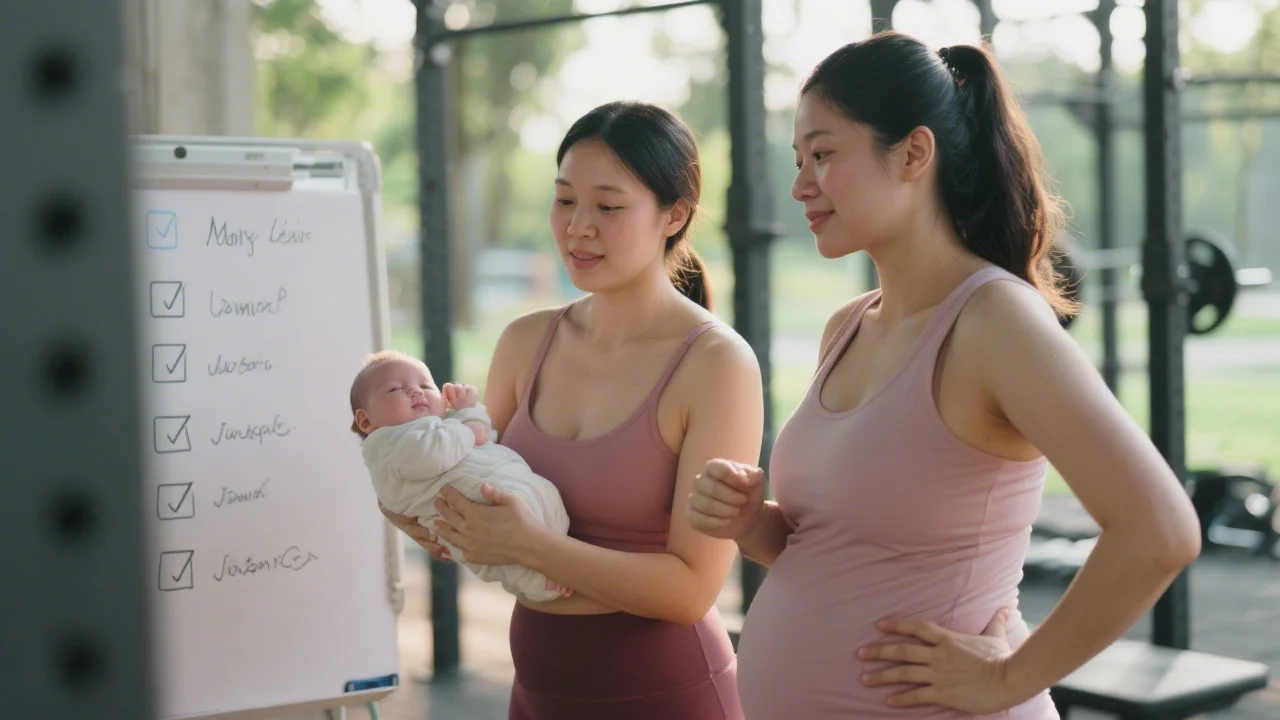
Navigating the postpartum period is a marathon, not a sprint, and for many new mothers, the journey back to feeling strong and energetic can feel daunting. You're likely grappling with a body that feels unfamiliar, a schedule dictated by a newborn, and the intense demands of breastfeeding, all while battling extreme fatigue. It’s no wonder that finding time or knowing which exercises are safe – especially with concerns like diastasis recti or pelvic floor recovery – often feels impossible. You might be struggling to eat enough nutrients to support milk supply, or feeling guilty for even considering your own needs. This checklist is designed to cut through the noise, offering a clear, actionable path tailored to your unique challenges. It addresses the common gaps in postpartum recovery, such as lack of guidance on safe core work or inadequate nutritional support. Did you know that up to 60% of women experience diastasis recti postpartum, making targeted, safe core exercises crucial? Or that breastfeeding mothers need an additional 330-500 calories per day? This resource helps you prioritize your physical and mental well-being without compromising your baby’s needs, providing the structure you need to regain your strength, lose baby weight safely, and boost your energy levels.
Why This Matters for Postpartum Moms
Consistency and structure are not luxuries for postpartum moms; they are necessities for a safe and effective recovery. Skipping key steps, especially in core and pelvic floor rehabilitation, can lead to long-term issues like back pain, incontinence, or persistent diastasis recti. Without a clear plan for nutrition, you risk compromising your milk supply or exacerbating fatigue, making it even harder to care for your newborn. The guilt of prioritizing yourself often leads to neglecting your own health, but this checklist empowers you to make small, consistent efforts that yield significant results. Tracking your progress with FitFlow reinforces these vital habits. Its Smart Workout Tracking ensures you're performing safe, guided exercises, while the AI Food Scanning helps you meet your increased caloric and nutritional needs for breastfeeding without endless meal prep. By consistently following this checklist and using FitFlow, you build sustainable routines that support your physical recovery and mental well-being, proving that even 10-15 minutes a day can make a profound difference.
Feeling overwhelmed trying to regain strength and energy after childbirth? This checklist is your essential guide to safely rebuilding your body, managing nutrition while breastfeeding, and finding time for yourself amidst the beautiful chaos of newborn care. It’s designed specifically for you, the postpartum mom.
Foundational Recovery & Safety
Ensuring your body is ready for physical activity is paramount, especially after childbirth or a C-section, to prevent injury and support healing.
A PFPT can diagnose issues like diastasis recti or pelvic floor dysfunction and provide personalized, safe exercises crucial for postpartum recovery.
These foundational exercises are crucial for safely reconnecting with your deep core and pelvic floor, which are essential for rebuilding strength.
Extreme fatigue is a major pain point; adequate rest is fundamental for physical recovery, hormone balance, and energy levels for both you and your baby.
Pushing too hard too soon can hinder recovery and exacerbate postpartum issues like prolapse or diastasis recti.
Proper support is crucial for comfort and reducing breast discomfort, especially while breastfeeding or engaging in gentle movement.
Nutrition & Hydration for Energy
Breastfeeding demands significant energy; FitFlow helps you quickly log meals and ensure you're meeting calorie targets without compromising milk supply or feeling deprived.
With limited time, quick, nutritious options are key to sustaining energy and milk production without complex cooking.
Hydration is critical for milk production, energy levels, and overall postpartum recovery, preventing fatigue and headaches.
Healthy fats are vital for hormone balance, brain health, and keeping you full, which is essential when constantly hungry from breastfeeding.
When you have a newborn, you need quick access to food to avoid skipping meals and maintain energy for caring for your baby.
Postpartum nutrient depletion is common, and supplementation can help replenish stores and support overall health and energy.
Movement & Strength Building
FitFlow offers short, effective workouts tailored for postpartum recovery, perfect for moms with limited time and energy, focusing on safe movements.
Building a strong foundation prevents injury and ensures you're safely rebuilding strength from the inside out, addressing diastasis recti.
Walking is a low-impact way to increase activity, boost mood, and get fresh air, without needing dedicated gym time.
Tracking helps you see your progress, stay motivated, and ensures you're following a structured plan, even with limited time.
Carrying and feeding a baby can strain your upper back; strengthening these muscles helps improve posture and reduce pain.
Your body is still healing; a slow, steady approach prevents setbacks and supports long-term recovery.
Stretching helps alleviate muscle tightness from carrying a baby and improves overall flexibility, reducing aches and pains.
Mindset & Consistency
Achievable goals prevent overwhelm and build confidence, making consistency possible even on the most tiring days.
Treating your fitness as a non-negotiable appointment helps you prioritize yourself amidst a demanding newborn schedule.
Seeing visual charts of weight, body fat, or PRs helps combat feelings of guilt and provides motivation to keep going.
Sharing experiences and challenges can reduce feelings of isolation and provide encouragement, knowing you're not alone.
Some days will be harder than others; self-compassion is crucial for mental well-being and long-term adherence to your goals.
Automating data collection across devices saves you time and ensures all your progress is captured in one place, reducing manual effort.
Advanced Progress & Maintenance
Once foundational strength is established, progressive overload is necessary to continue building muscle and losing baby weight safely.
Building muscle mass helps boost metabolism, supports bone density, and contributes to regaining pre-pregnancy strength.
Friendly competition and goal-oriented challenges can provide a fun boost to consistency when energy levels might be low.
Your caloric and macro needs will evolve; FitFlow helps you stay on track to support energy levels and avoid plateaus in weight loss.
Efficient, short bursts of activity are excellent for improving cardiovascular fitness and fat loss when time is limited, but only after proper recovery.
Frequently Asked Questions
Track Your Progress with FitFlow
Join 50,000+ users — including thousands of Postpartum Moms — hitting their goals faster with AI-powered tracking.
Download FitFlow Free