Best Fitness Gear & Equipment for Teen Athletes in 2026
The complete gear guide for Teen Athletes. Discover essential equipment, nice-to-have accessories, and smart buying advice for every budget.
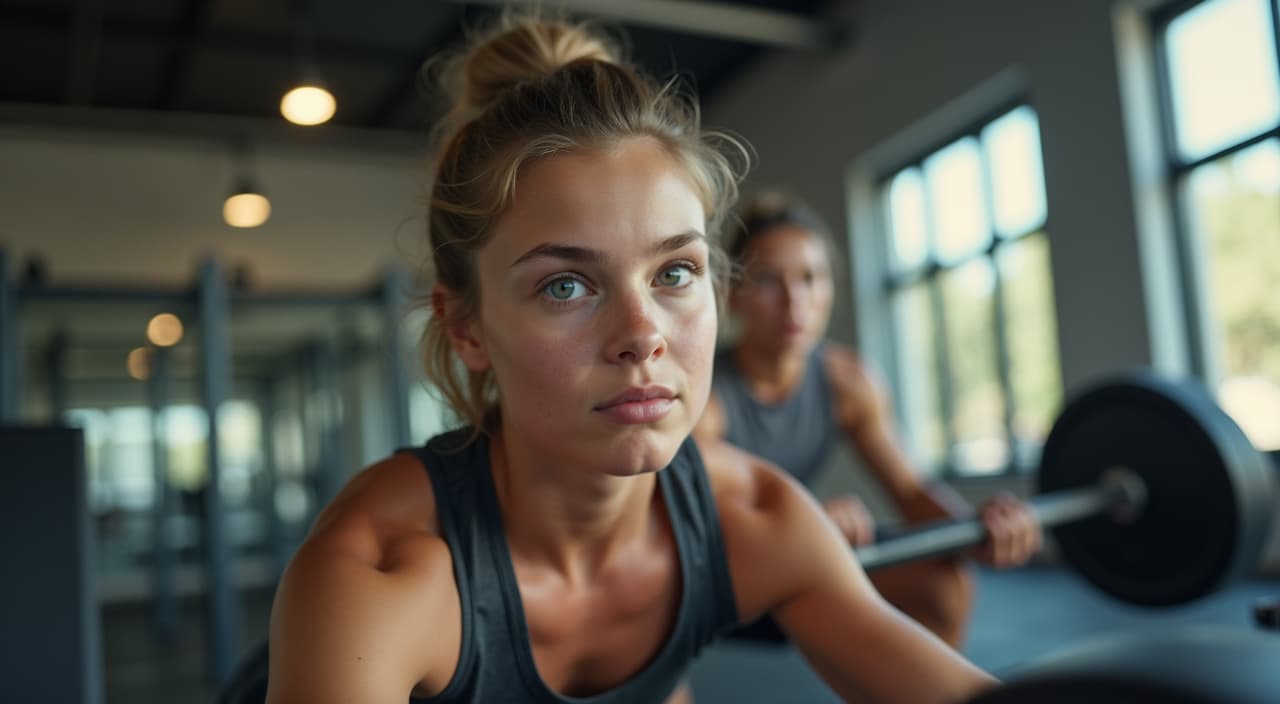
For teen athletes, equipment isn't just about comfort—it's a critical component of injury prevention and performance optimization. A common mistake is purchasing adult-sized gear that doesn't fit properly, leading to poor mechanics and strain on developing joints. Research suggests that appropriate footwear can reduce impact forces by up to 20%, significantly lowering stress fracture risk during high-impact sports like basketball or track. Building a kit progressively ensures you invest in quality where it matters most, starting with foundational items like supportive sneakers and hydration tools before moving to specialized strength aids. Don't let outdated or ill-fitting gear hold back your potential. Instead, view each purchase as an investment in your athletic longevity. By selecting gear designed for youth biomechanics, you create a safer environment for skill acquisition. This approach allows you to focus on execution rather than managing pain or discomfort. Ultimately, the right equipment bridges the gap between raw talent and consistent results, ensuring you stay healthy enough to compete when it counts most. Furthermore, using technology-enabled gear helps monitor load management, preventing burnout during busy seasons. When you combine physical tools with smart tracking, you gain visibility into how your body responds to training loads. This data-driven mindset separates casual participants from serious competitors who understand that preparation starts long before game day. Proper gear also boosts confidence on the field, knowing you have the best support system available to handle the demands of modern sports.
Why This Matters for Teen Athletes
Wrong gear choices cost more than money; they cost time and health. Generic lists often ignore the unique needs of adolescents, such as growth plate protection and flexibility requirements. Buying cheap shoes might save $20 now but could lead to shin splints costing months off the field. This niche requires specific attention to durability and fit because teens grow quickly. FitFlow’s workout tracking helps maximize the return on every piece of equipment purchased by logging usage intensity and recovery metrics. If you buy a weighted vest, tracking your PRs ensures you aren't overloading too soon. Without this data, expensive gear becomes unused clutter. Understanding the real cost of poor choices empowers smarter spending habits early in your career. Additionally, integrating nutrition tracking with gear usage reveals how fuel interacts with physical output. For example, knowing your hydration levels alongside sweat rates helps determine if a new water bottle design actually improves intake during practice. This holistic view prevents wasted investments on items that don't align with your actual training volume. By combining physical tools with digital insights, you ensure every dollar spent contributes directly to measurable improvements in speed, strength, and endurance.
High school sports demand more than just talent; they require the right tools to support rapid growth and intense training schedules. This guide cuts through the noise to help teen athletes choose gear that enhances speed, strength, and agility while protecting developing bodies from injury. Whether you are prepping for summer camp or maintaining performance during the season, proper equipment is your competitive edge.
Starter (Under $100)
Essential basics for beginners starting their first organized sport or conditioning program.
Resistance Bands
Must HaveSafe way to build tendon strength without heavy loads on growth plates.
$15-$30
Athletic Socks
Must HavePrevents friction injuries during high-intensity drills and practices.
$10-$20
Water Bottle
Must HaveMaintains performance and cognitive function during school and sport balance.
$15-$25
Jump Rope
RecommendedImproves coordination and cardiovascular base for team sports.
$10-$20
Gym Bag
RecommendedKeeps wet clothes separate from clean uniforms for school.
$20-$40
Knee Sleeves
OptionalProvides stability for jumping sports like volleyball or basketball.
$20-$35
Basic Sneakers
Must HaveVersatile footwear for cross-training days and casual wear.
$50-$80
Mid-Range ($100-$500)
Upgraded gear for dedicated athletes seeking performance gains and better recovery.
Performance Sneakers
Must HaveReduces ankle roll risk during lateral movements in soccer or football.
$100-$150
Compression Wear
RecommendedMay aid recovery between games and reduce muscle soreness.
$30-$60
Smart Watch/Tracker
RecommendedHelps manage workload to avoid overtraining during busy seasons.
$150-$250
Adjustable Dumbbells
RecommendedAllows progressive overload without needing a full gym setup.
$100-$200
Yoga Mat
OptionalProvides cushioning for core work and flexibility routines.
$20-$40
Recovery Ball
OptionalTargets trigger points in calves and feet after practice.
$15-$25
Protein Shaker
OptionalEnsures quick protein intake for muscle repair after training.
$10-$20
Serious ($500+)
Premium equipment for elite performers focused on maximizing competitive advantage.
Weighted Vest
RecommendedIncreases explosive power when removed for sprinting drills.
$100-$200
GPS Running Watch
RecommendedMonitors speed development for track and field events.
$200-$300
Premium Orthotics
OptionalCorrects gait issues that cause knee or hip pain.
$100-$150
Massage Gun
OptionalAccelerates recovery time between intense training blocks.
$150-$250
Smart Scale
OptionalTracks muscle mass changes rather than just weight fluctuations.
$50-$80
Sport Sunglasses
OptionalProtects eyes from sun glare during outdoor afternoon practices.
$50-$100
What to Avoid
Energy Drinks
High caffeine and sugar content can disrupt sleep cycles and hydration, hindering recovery and growth.
Adult Boxing Gloves
Oversized gloves alter hand positioning and increase wrist injury risk for smaller teen hands.
Cheap Headphones
Poor sound isolation leads to turning volume too high, risking permanent hearing damage.
Restrictive Clothing
Non-breathable fabrics trap heat and sweat, increasing risk of overheating during summer training.
Expensive Supplements
Most protein powders are unnecessary if diet is balanced and can strain developing kidneys.
Heavy Barbell Sets
Requires professional supervision to prevent spinal compression injuries in growing adolescents.
Frequently Asked Questions
Track Your Progress with FitFlow
Join 50,000+ users — including thousands of Teen Athletes — hitting their goals faster with AI-powered tracking.
Download FitFlow Free