Active Recovery: Science-Backed Guide to Faster Progress
Reviewed by the fitness & nutrition editorial team · Certified personal trainers & nutrition coaches

The Foundation of Active Recovery: Moving to Heal
In the high-stakes world of modern fitness, the mantra 'no pain, no gain' often leads athletes to believe that more intensity is always better. However, elite performance is as much about what you do between workouts as what you do during them. This is where active recovery comes into play. Unlike passive recovery—which involves complete rest and inactivity—active recovery focuses on performing low-intensity movement that stimulates blood flow without adding significant stress to the central nervous system or musculoskeletal structure.
The primary goal of active recovery is to maintain a state of 'functional readiness.' By engaging in light activity, you facilitate the delivery of oxygenated blood to damaged muscle tissues, which is essential for cellular repair. Research published in the Journal of Strength and Conditioning Research suggests that low-intensity exercise after a strenuous session can clear blood lactate more effectively than total rest. It bridges the gap between high-intensity training days, ensuring that you return to the gym feeling refreshed rather than stiff and lethargic.
Why Passive Rest Isn't Always Enough
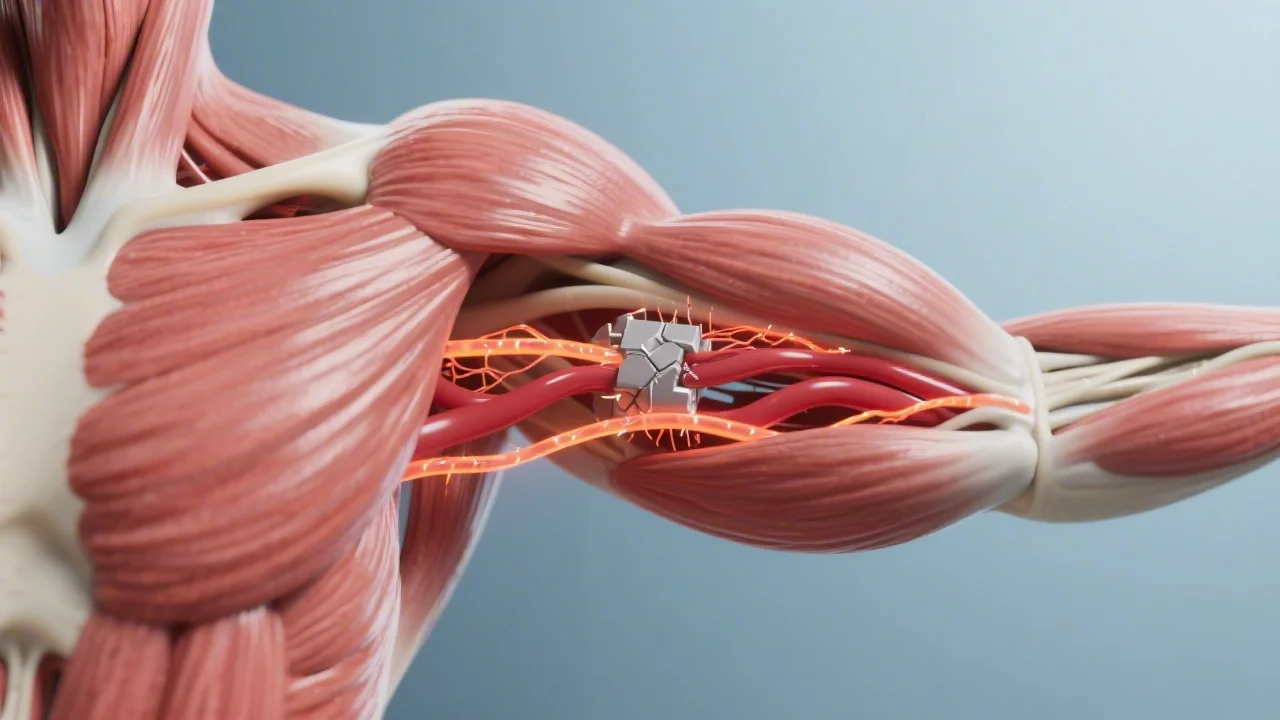
While a full day on the couch might feel earned after a heavy leg session, it can often lead to increased stiffness. When we remain sedentary, blood circulation slows down, and metabolic byproducts can 'pool' in the muscles. Active recovery acts as a mechanical pump for the lymphatic system, which lacks its own pump and relies on muscle contraction to move fluid through the body. This process helps reduce the swelling and inflammation associated with intense training.

The Physiology of Repair: DOMS and Metabolic Clearance
To understand why active recovery works, we must look at Delayed Onset Muscle Soreness (DOMS). DOMS typically peaks 24 to 72 hours after unaccustomed or eccentric exercise. It is characterized by microscopic tears in muscle fibers and the subsequent inflammatory response. While DOMS is a natural part of the adaptive process, excessive soreness can hinder your ability to maintain a consistent training schedule.
During an active recovery session, the increase in body temperature and blood flow serves several physiological purposes:
- Nutrient Delivery: Blood carries amino acids, glucose, and oxygen—the building blocks of muscle repair—directly to the sites of micro-trauma.
- Waste Removal: Movement helps flush out hydrogen ions and other metabolic waste products that accumulate during anaerobic exercise.
- Nervous System Regulation: High-intensity training keeps the sympathetic nervous system (fight or flight) in overdrive. Low-intensity movement helps transition the body into a parasympathetic state (rest and digest), which is where actual growth occurs.
“Recovery is not just a break from training; it is the physiological period where the body adapts to the stress of exercise. Without it, you aren't training—you're just breaking yourself down.”
By keeping the intensity below 50% of your maximum heart rate, you provide the stimulus for repair without the cost of further fatigue. This is the 'sweet spot' that separates active recovery from 'junk volume' training.
Effective Active Recovery Modalities
Not all movement qualifies as active recovery. The key is to choose activities that are low-impact and enjoyable, ensuring they don't feel like a chore. Here are the most effective modalities recommended by sports scientists:
1. Low-Intensity Steady State (LISS) Walking
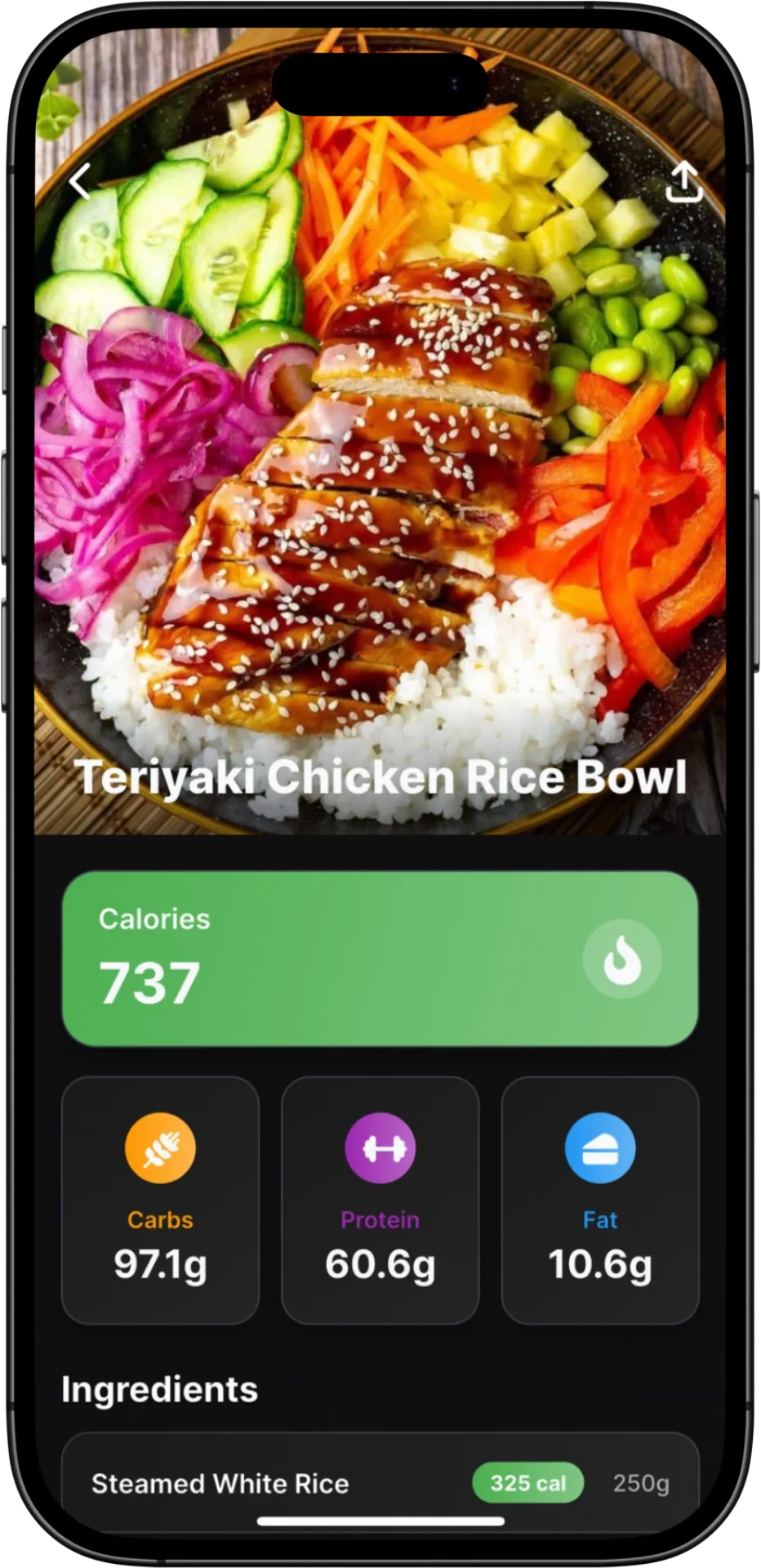
Walking is perhaps the most underrated tool in a fitness arsenal. It is functional, low-impact, and can be done anywhere. A 30-minute brisk walk increases circulation and promotes joint health without taxing your joints. With the FitFlow cardio tracking system, you can easily monitor your walking progress and ensure your heart rate stays in the recovery zone.
2. Mobility and Dynamic Stretching
Unlike static stretching, which can sometimes decrease muscle power if done before a workout, dynamic mobility work on rest days helps maintain a full range of motion. Focus on hip openers, thoracic spine rotations, and ankle mobility to counteract the tightness caused by heavy lifting or long hours of sitting.
3. Swimming and Water Aerobics
The buoyancy of water removes the gravitational load from your joints, making swimming an ideal recovery tool for runners or those with joint pain. The hydrostatic pressure of the water also aids in reducing edema (swelling) in the limbs.
4. Yoga and Pilates
These practices combine movement with breathwork, which is essential for downregulating the nervous system. However, avoid 'Power Yoga' or high-intensity classes on recovery days; stick to Hatha or Yin styles that focus on restorative poses.
Nutrition: Fueling the Reconstruction Process
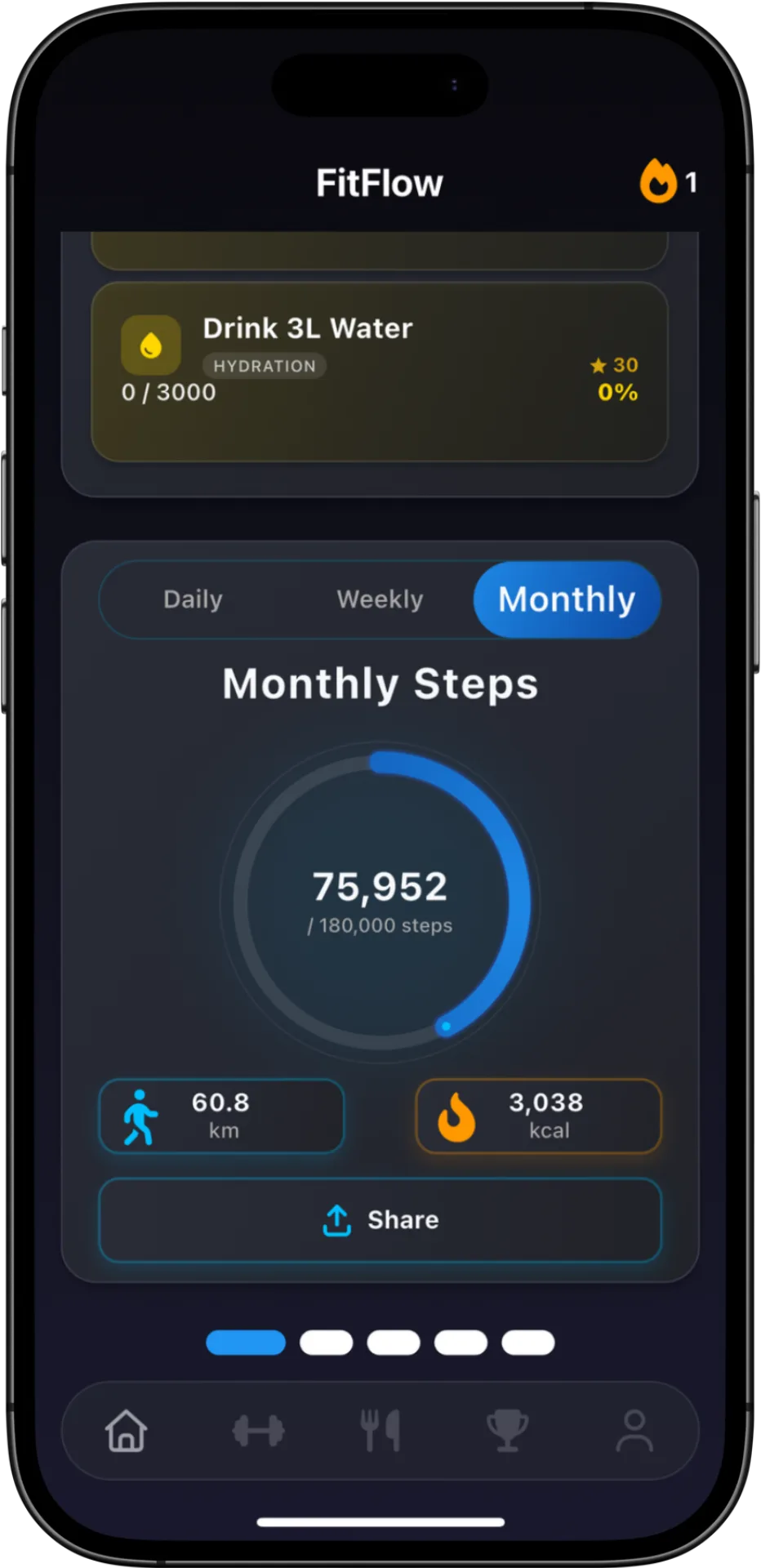
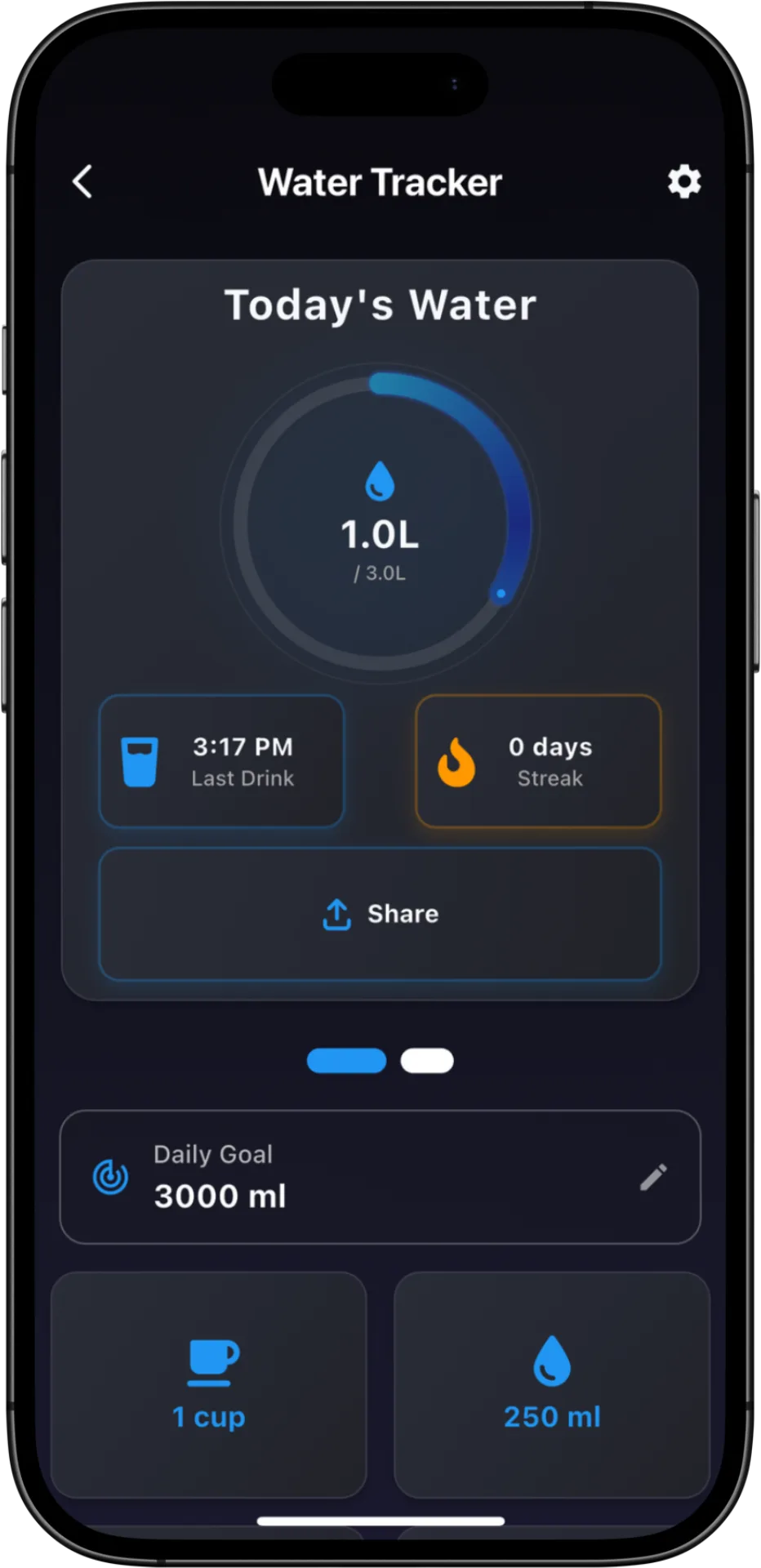
You cannot 'out-recover' a poor diet. Active recovery days require a specific nutritional approach. While your caloric needs might be slightly lower than on a heavy training day, your need for quality micronutrients and protein remains high. This is the period when your body is synthesizing new muscle protein and replenishing glycogen stores.
To optimize your recovery nutrition, focus on these three pillars:
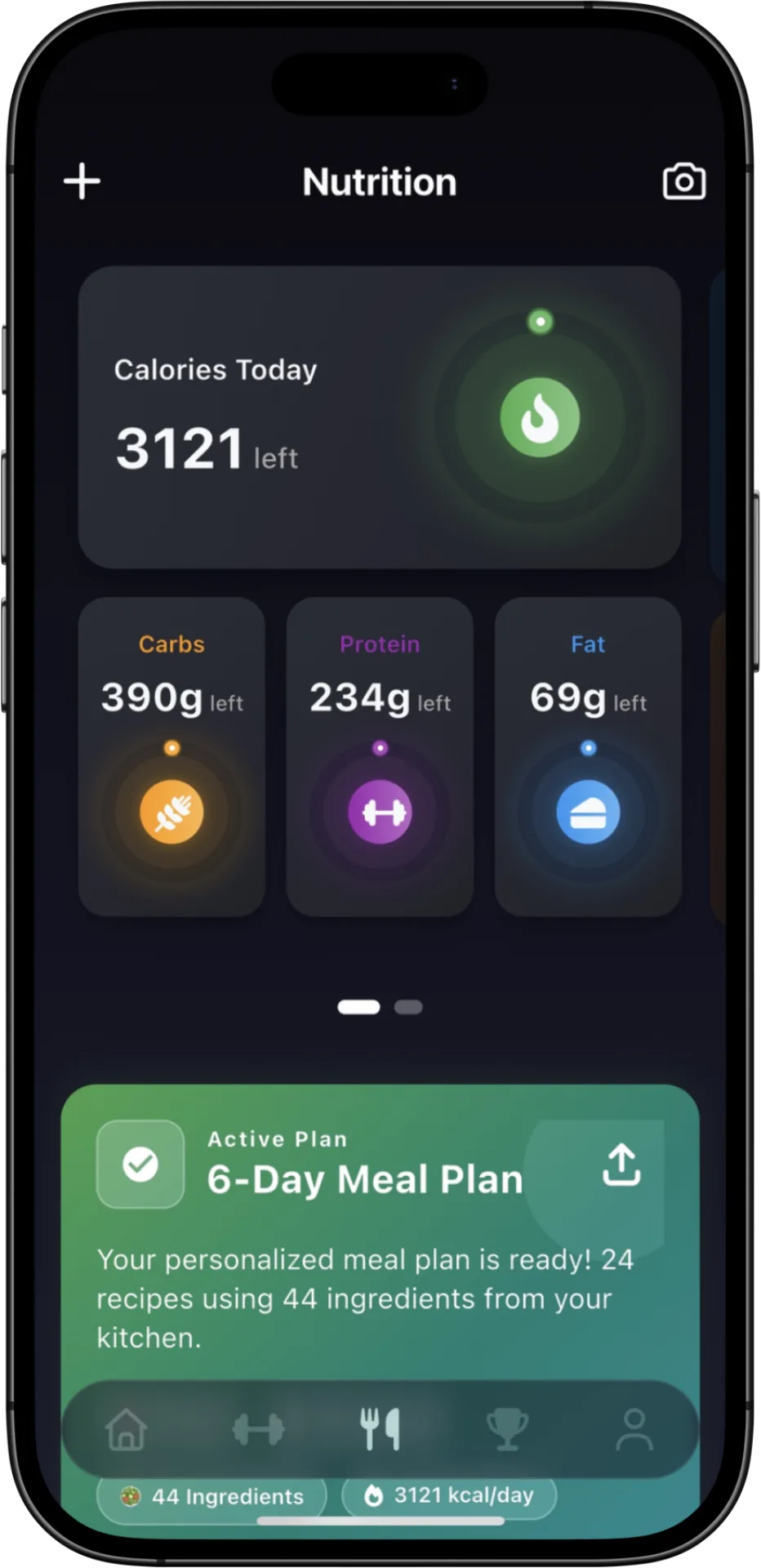
- Protein Satiety: Even on rest days, aim for consistent protein intake (roughly 1.6g to 2.2g per kg of body weight) to support muscle protein synthesis.
- Anti-inflammatory Fats: Omega-3 fatty acids found in salmon, walnuts, and flaxseeds can help modulate the inflammatory response, reducing the duration of DOMS.
- Complex Carbohydrates: Use your recovery day to top up muscle glycogen. Focus on whole grains, berries, and sweet potatoes.
Tracking these needs can be complex, but FitFlow’s AI Food Scanning makes it effortless. By simply snapping a photo of your meal, the app provides an instant macro breakdown, ensuring you're hitting your protein targets without overshooting your calories. Whether you are following a keto, vegan, or paleo diet, the database of over 14 million items ensures 95%+ accuracy for your recovery fuel.
Monitoring Intensity and Listening to Your Body
The biggest mistake people make with active recovery is doing too much. If your 'recovery' walk turns into a 5-mile jog, you've crossed the line into a training session, which can lead to overtraining syndrome. Symptoms of overtraining include persistent fatigue, irritability, decreased performance, and sleep disturbances.
How do you know if you're doing it right? Use the 'Talk Test.' During an active recovery session, you should be able to carry on a full conversation without gasping for air. If you find yourself breathing heavily, slow down. Using the FitFlow Dashboard, you can look at your weekly trends to see if your activity levels are balanced. If your 'rest' days show calorie burns similar to your 'work' days, it's time to scale back.
Smart Goal Setting for Rest
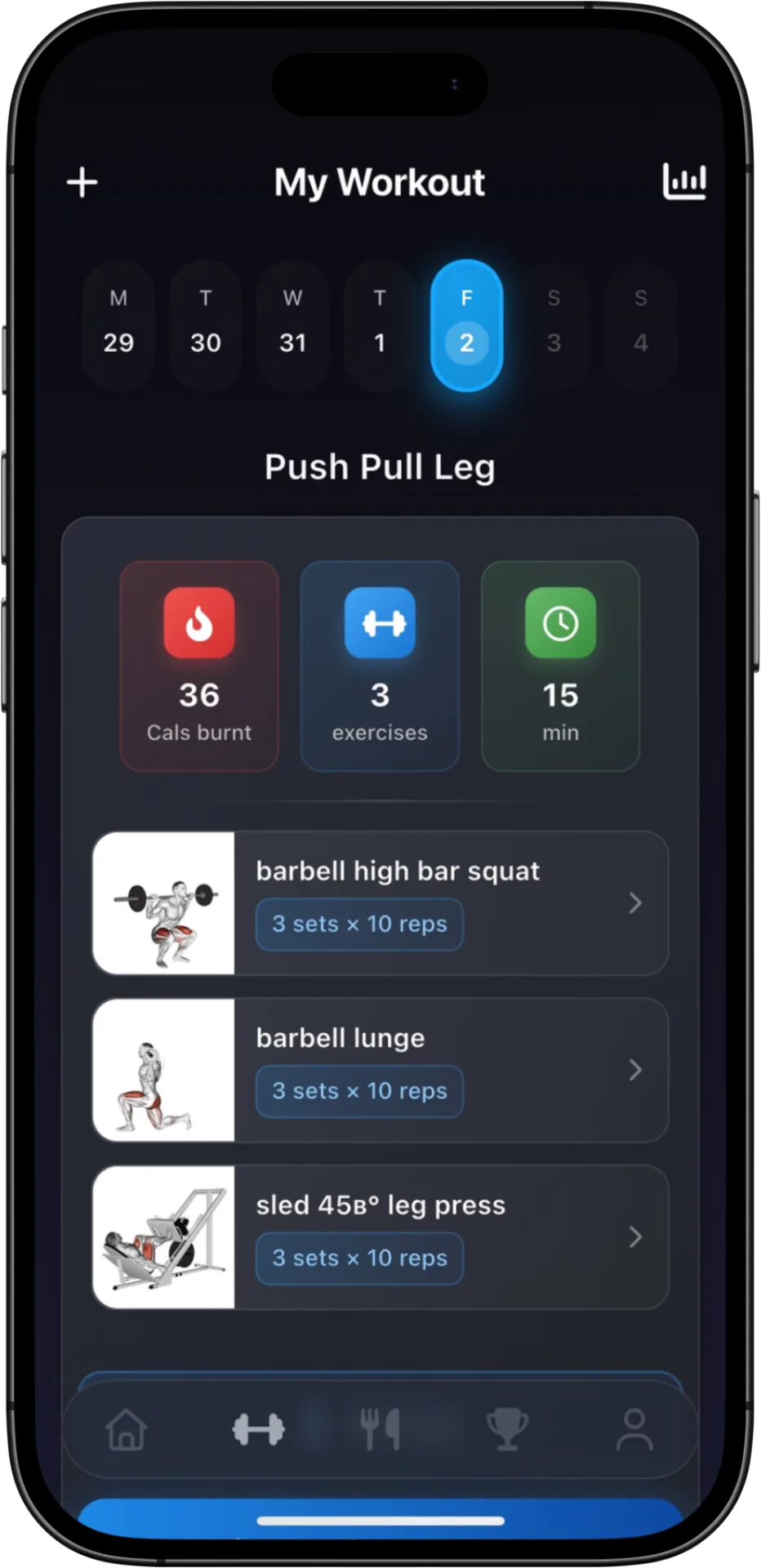
We often set goals for how much we can lift or how fast we can run, but we rarely set goals for how well we can recover. Use FitFlow’s smart goal-setting feature to create milestones for your recovery, such as 'complete 3 mobility sessions this week' or 'reach 8,000 steps on non-gym days.' Celebrating these small wins keeps you motivated to prioritize the 'boring' but essential parts of fitness.
The Mental Edge: Recovery Beyond the Physical
Fitness is as much a mental game as a physical one. Constant high-intensity training can lead to mental burnout and a loss of motivation. Active recovery provides a psychological break from the rigors of the 'grind.' It allows you to enjoy movement for the sake of movement, without the pressure of hitting a Personal Record (PR).
Furthermore, activities like walking in nature (often called 'Green Exercise') have been shown to lower cortisol levels more effectively than indoor exercise. Lowering cortisol is vital because chronically high levels of this stress hormone can lead to muscle breakdown and fat retention, particularly around the midsection.
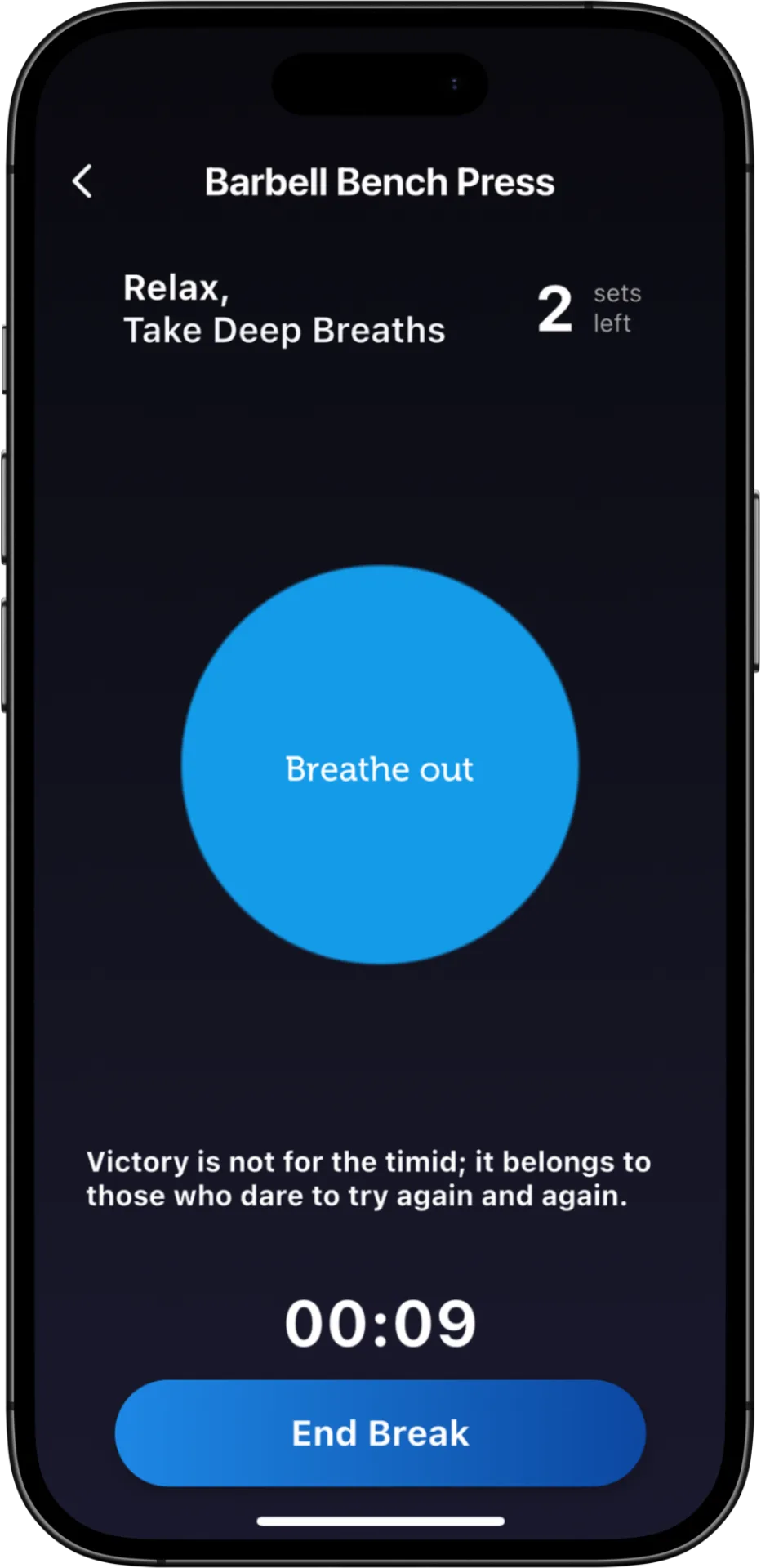
To keep your motivation high during these lower-intensity periods, FitFlow offers daily motivational quotes and a points-based leaderboard. You can stay connected with the community and see that even on your 'slow' days, you are still moving up the ranks by staying consistent with your habits. This holistic approach ensures that your mind stays as sharp and ready as your body.

Conclusion: Making Recovery a Habit
Active recovery is the bridge between where you are and where you want to be. By incorporating low-intensity movement, focusing on precision nutrition, and monitoring your body’s signals, you transform your 'off' days into 'growth' days. Remember, the goal of training is to stimulate an adaptation; the goal of recovery is to allow that adaptation to happen.
Start small. This week, instead of taking a full day of complete inactivity, try a 20-minute mobility flow or a light walk through the park. Use the tools at your disposal in FitFlow—from AI food logging to progress analytics—to ensure every step you take is a step toward a stronger, healthier version of yourself. Your body will thank you with better performance, fewer injuries, and a longer, more sustainable fitness journey.
Sources & References

FitFlow Editorial Team
Fitness & Nutrition Editorial TeamCertified personal trainers & nutrition coaches
The FitFlow Editorial Team is a group of certified personal trainers, nutrition coaches, and fitness writers who translate exercise science and nutrition research into practical, actionable guidance. Every article is grounded in peer-reviewed sources and reviewed for accuracy before publishing.
Frequently Asked Questions
Who is this guide for?
This guide is for anyone focused on fitness tips and looking for practical, sustainable progress.
How quickly can I apply these recommendations?
Most recommendations are designed for immediate implementation. Start with one change today, then layer improvements weekly.
How does FitFlow support this strategy?
FitFlow supports execution with AI-powered meal tracking, workout planning, and progress analytics that help you stay consistent.