How to Start Working Out When You're Out of Shape
Reviewed by the fitness & nutrition editorial team · Certified personal trainers & nutrition coaches

The Psychology of Starting: Overcoming the 'Day One' Anxiety
The hardest part of any fitness journey isn't the first mile or the first set of squats; it’s the mental hurdle of simply beginning. When you feel completely out of shape, the gap between where you are and where you want to be can feel like a canyon. This psychological phenomenon is often rooted in all-or-nothing thinking—the belief that if you can't train like an athlete for an hour, the effort isn't worth it.
Breaking the Perfectionist Trap
Research in behavioral psychology suggests that 'micro-habits' are the most effective way to create long-term change. Instead of committing to a grueling 60-minute gym session, your goal should be to simply show up. In the beginning, consistency is infinitely more important than intensity. Your primary objective is to prove to yourself that you are the type of person who exercises.
"Motivation is what gets you started. Habit is what keeps you going." — Jim Ryun
To overcome the initial friction, try the Five-Minute Rule: Tell yourself you will work out for just five minutes. If you want to stop after that, you can. More often than not, once you’ve broken the seal of inertia, you’ll find the momentum to continue. This is the foundation of building a sustainable identity as a healthy individual.
- Acknowledge that discomfort is temporary and expected.
- Focus on 'non-scale victories' like better sleep or improved mood.
- Stop comparing your 'Chapter 1' to someone else's 'Chapter 20'.

Assessing Your Baseline and Setting Realistic Goals
Before you lift a single weight, you need to know where you stand. Starting 'cold' without a baseline makes it impossible to measure progress, which is the number one killer of motivation. A proper assessment involves more than just stepping on a scale; it requires a holistic look at your current physical capabilities and health metrics.
The Importance of Data-Driven Starting Points
Start by tracking key indicators: resting heart rate, body fat percentage, and basic mobility. It is also highly recommended to consult with a healthcare professional if you have been sedentary for a long period. Understanding your Basal Metabolic Rate (BMR)—the number of calories your body burns at rest—is crucial for tailoring your nutrition and activity levels.
Smart Goal Setting
Avoid vague goals like 'I want to get fit.' Instead, use the SMART criteria: Specific, Measurable, Achievable, Relevant, and Time-bound. For someone starting from zero, a SMART goal might be: 'I will walk for 20 minutes, three times a week, for the next 21 days.' This provides a clear roadmap and a sense of accomplishment once achieved.
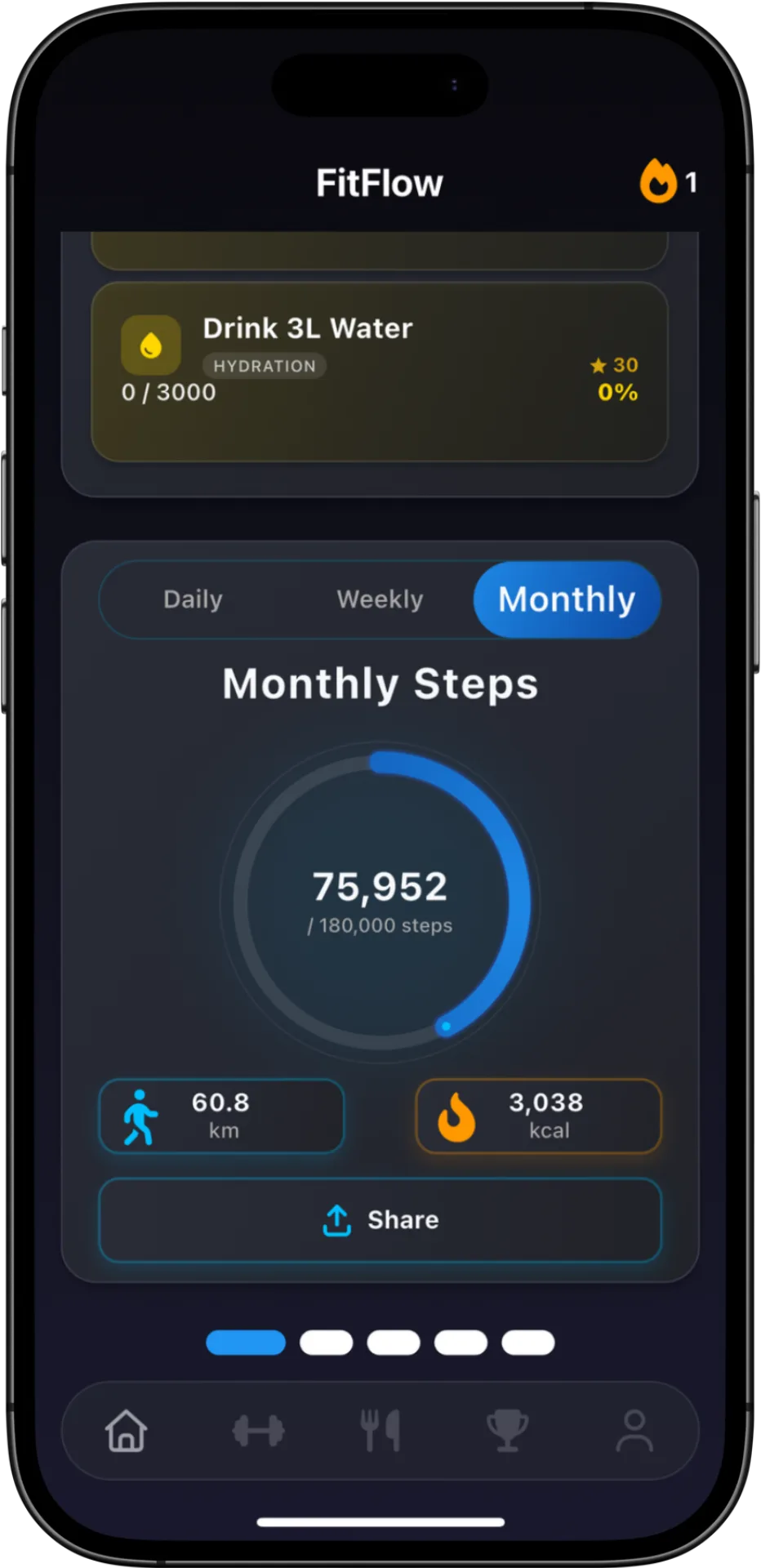
In the FitFlow app, the dashboard serves as your mission control, aggregating your weight trends, body fat percentages, and daily activity levels in one visual interface. Seeing these charts move—even slightly—provides the neurological 'dopamine hit' necessary to keep you coming back day after day.
The Nutrition Foundation: Fueling Your Transformation
You cannot out-train a poor diet, especially when you are just starting. When you're out of shape, your body's insulin sensitivity and metabolic flexibility are often compromised. Nutrition isn't just about eating less; it's about eating better to support the new demands you're placing on your muscles and joints.
Prioritizing Protein and Whole Foods
Protein is the most critical macronutrient for anyone starting a workout routine. It supports muscle repair and has a high Thermic Effect of Food (TEF), meaning your body burns more calories digesting protein than fats or carbohydrates. Aim for 0.8 to 1 gram of protein per pound of lean body mass to protect your existing muscle tissue as you lose fat.
Simplifying the Tracking Process
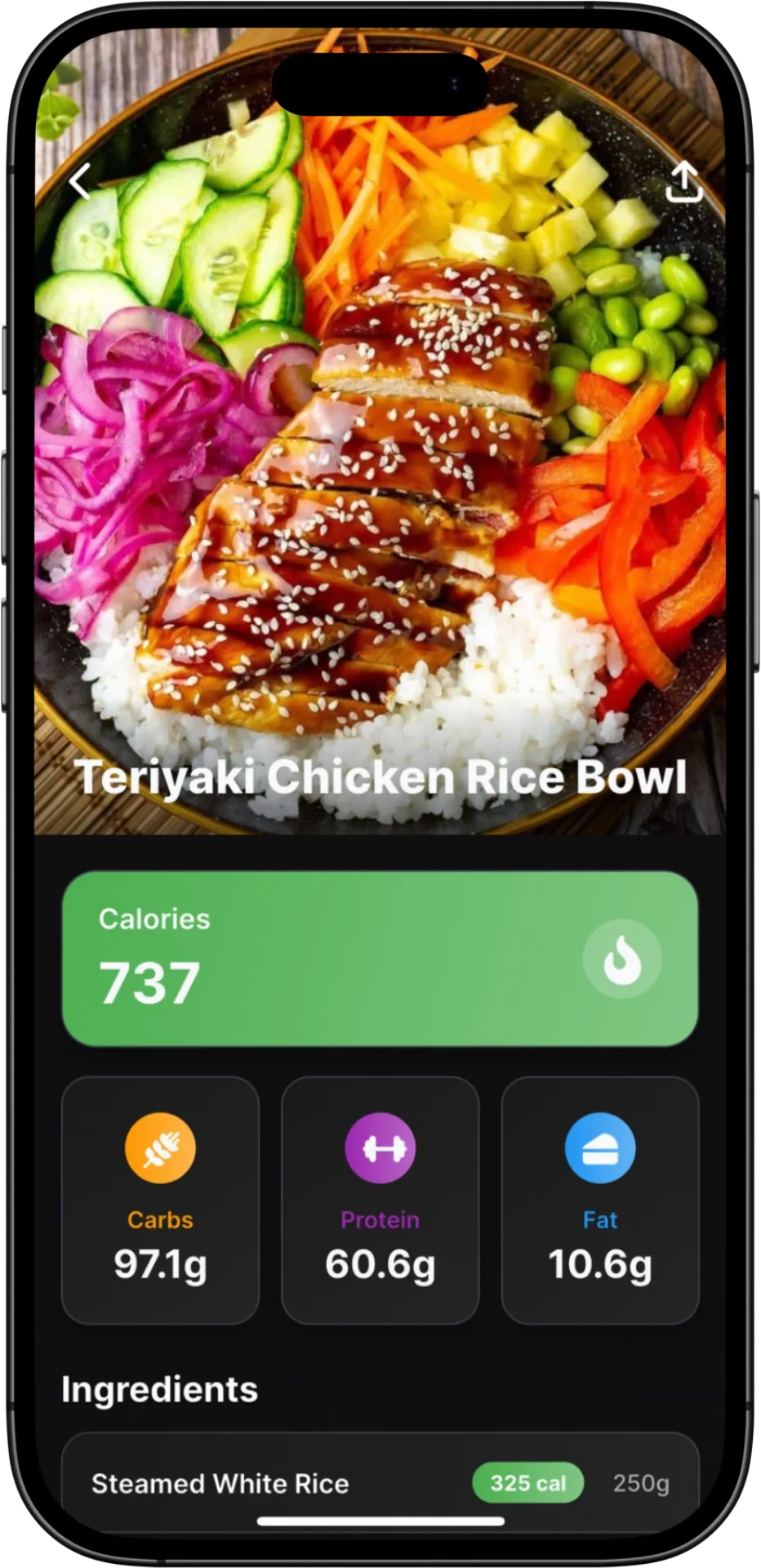
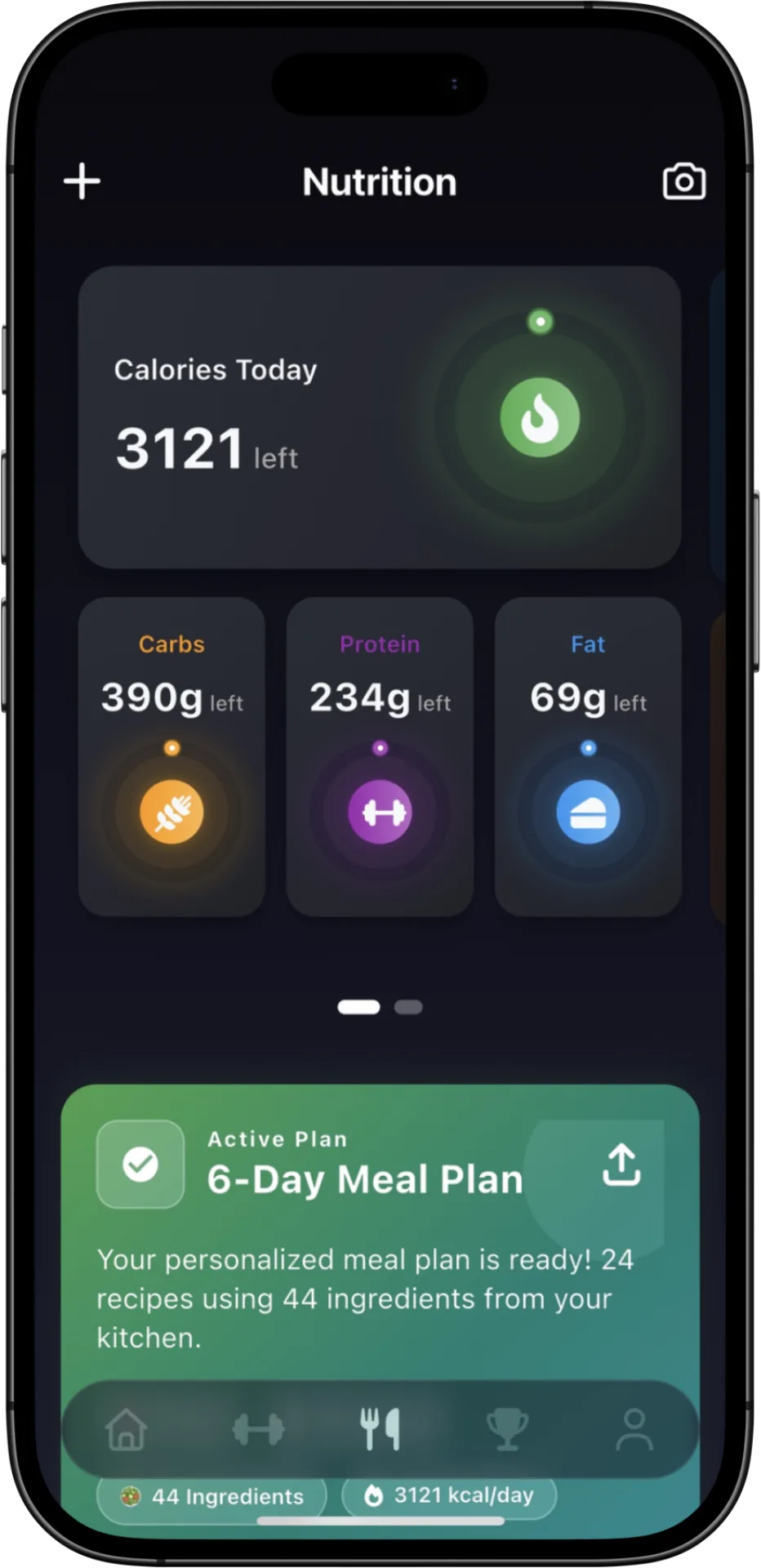
One of the biggest barriers to nutritional success is the tedious nature of manual logging. This is where modern technology changes the game. Using AI Food Scanning allows you to take a photo of your meal and receive an instant breakdown of calories and macros. This removes the guesswork and the 'friction' of looking up every individual ingredient. Whether you’re at a restaurant or cooking at home, knowing your numbers is 80% of the battle.
- Hydration: Water is essential for metabolic processes. Aim for at least 2-3 liters daily.
- The 80/20 Rule: Focus on whole, nutrient-dense foods 80% of the time, allowing for flexibility in the remaining 20%.
- Pre-workout Fuel: A small amount of complex carbohydrates 30-60 minutes before exercise can provide the glucose needed for energy.
Low-Impact Cardio: Building Aerobic Capacity Safely
If you haven't exercised in years, jumping straight into high-intensity interval training (HIIT) or long-distance running is a recipe for injury. Your tendons, ligaments, and joints need time to adapt to increased loads. The most effective way to build a cardiovascular base is through Zone 2 Training—low-intensity steady-state cardio (LISS).
The Power of Walking
Walking is the most underrated exercise for weight loss and cardiovascular health. It is low-impact, requires no special equipment, and can be done anywhere. Aim for a 'brisk' pace where you can still hold a conversation but feel slightly breathless. Studies show that increasing your daily step count from 3,000 to 10,000 can significantly reduce the risk of all-cause mortality and metabolic syndrome.
Expanding Your Horizons
As your stamina improves, you can introduce other low-impact activities like swimming, cycling, or using an elliptical machine. These activities improve your VO2 Max (the maximum amount of oxygen your body can utilize during exercise) without the jarring impact of running on pavement. Integrating your movement data via Apple Health or Fitbit ensures that every step counts toward your daily goals, providing a comprehensive view of your caloric expenditure.

Strength Training for Beginners: Quality Over Quantity
Muscle is metabolic 'gold.' The more muscle mass you have, the higher your resting metabolic rate will be. For someone starting out, strength training should focus on compound movements—exercises that use multiple joints and muscle groups simultaneously, such as squats, hinges, pushes, and pulls.
Mastering the Mechanics
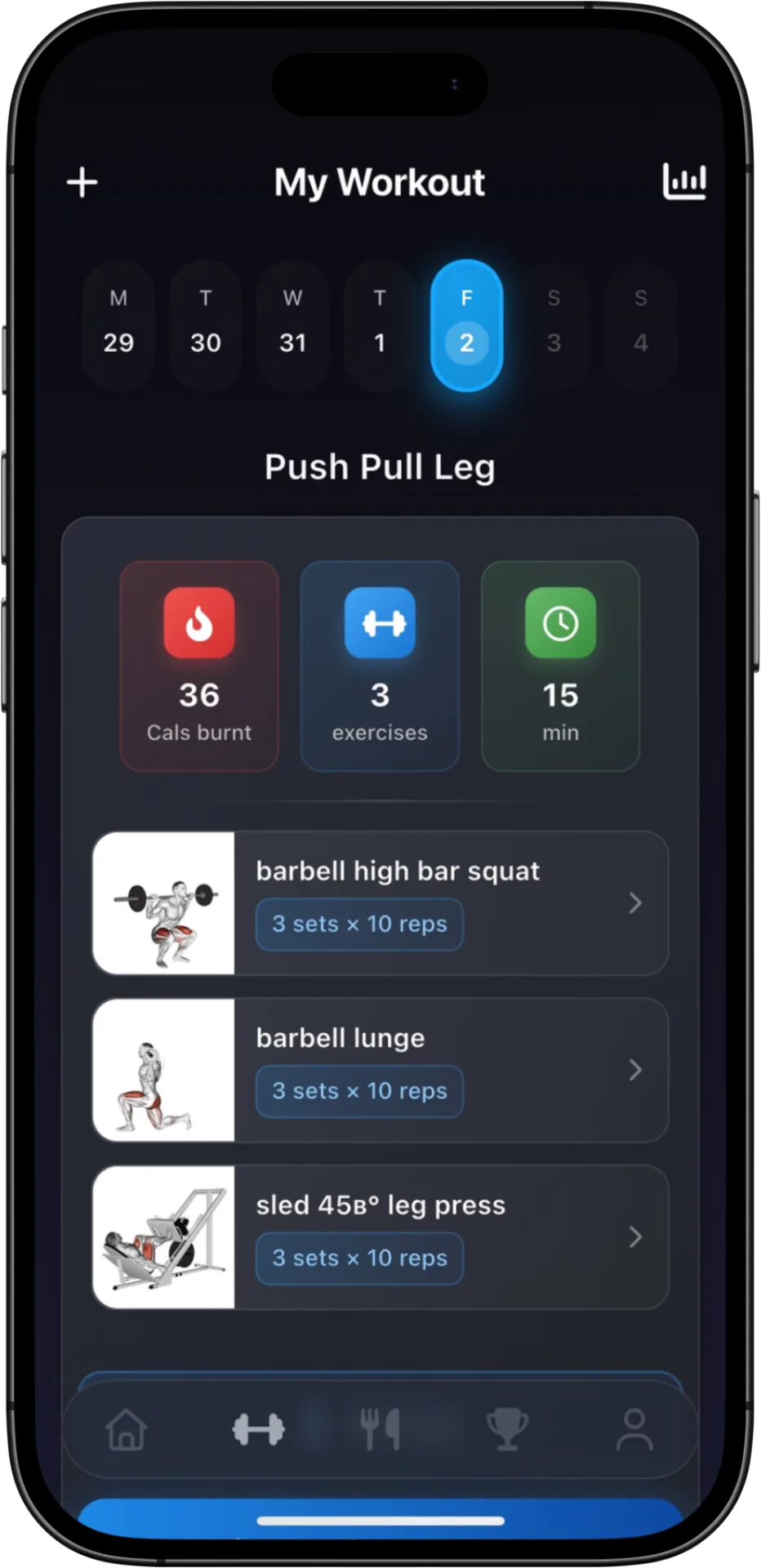
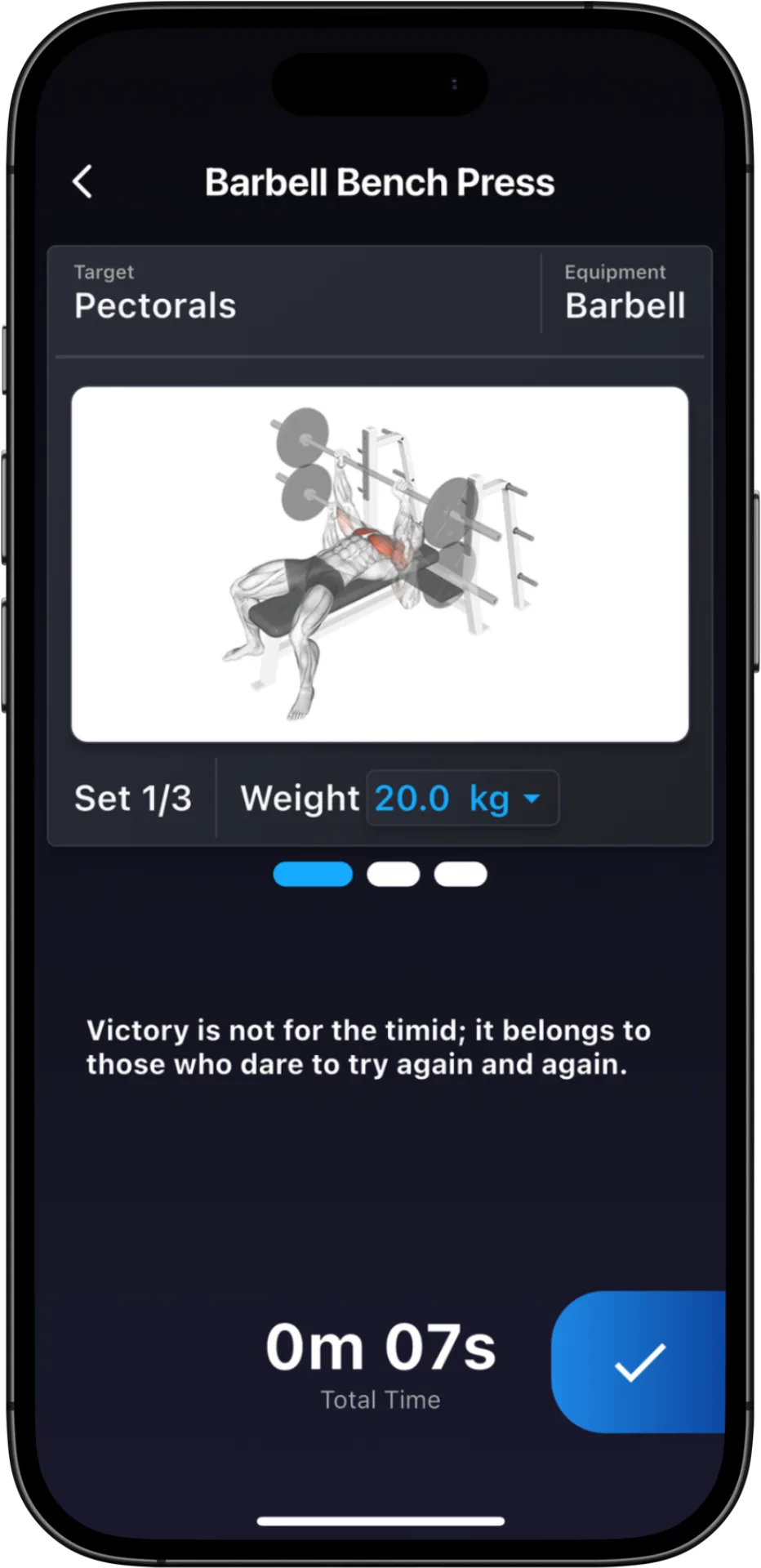
Form is everything. Lifting heavy weights with poor form is a fast track to the physical therapist's office. Beginners should start with bodyweight exercises or light resistance bands to master the movement patterns. Using Smart Workout Tracking can be a lifesaver here, providing video demonstrations and real-time guidance on sets, reps, and rest periods.
The Principle of Progressive Overload
To see results, you must gradually increase the stress placed on your body. This doesn't always mean adding more weight; it can mean doing one more rep, shortening your rest periods, or improving your range of motion. Tracking these 'Personal Records' (PRs) is vital for long-term engagement.
- Squats: Focus on sitting back into your heels and keeping your chest up.
- Push-ups: Start on your knees or against a wall if necessary to maintain a flat back.
- Planks: Build core stability, which protects your lower back during other exercises.
Accountability, Community, and Long-Term Consistency
The 'honeymoon phase' of a new workout routine usually lasts about two to three weeks. After that, the initial excitement fades, and discipline must take over. This is when accountability systems become your greatest asset. Humans are social creatures, and we are far more likely to stick to a plan when we feel part of a group or are being tracked.
Gamifying Your Fitness
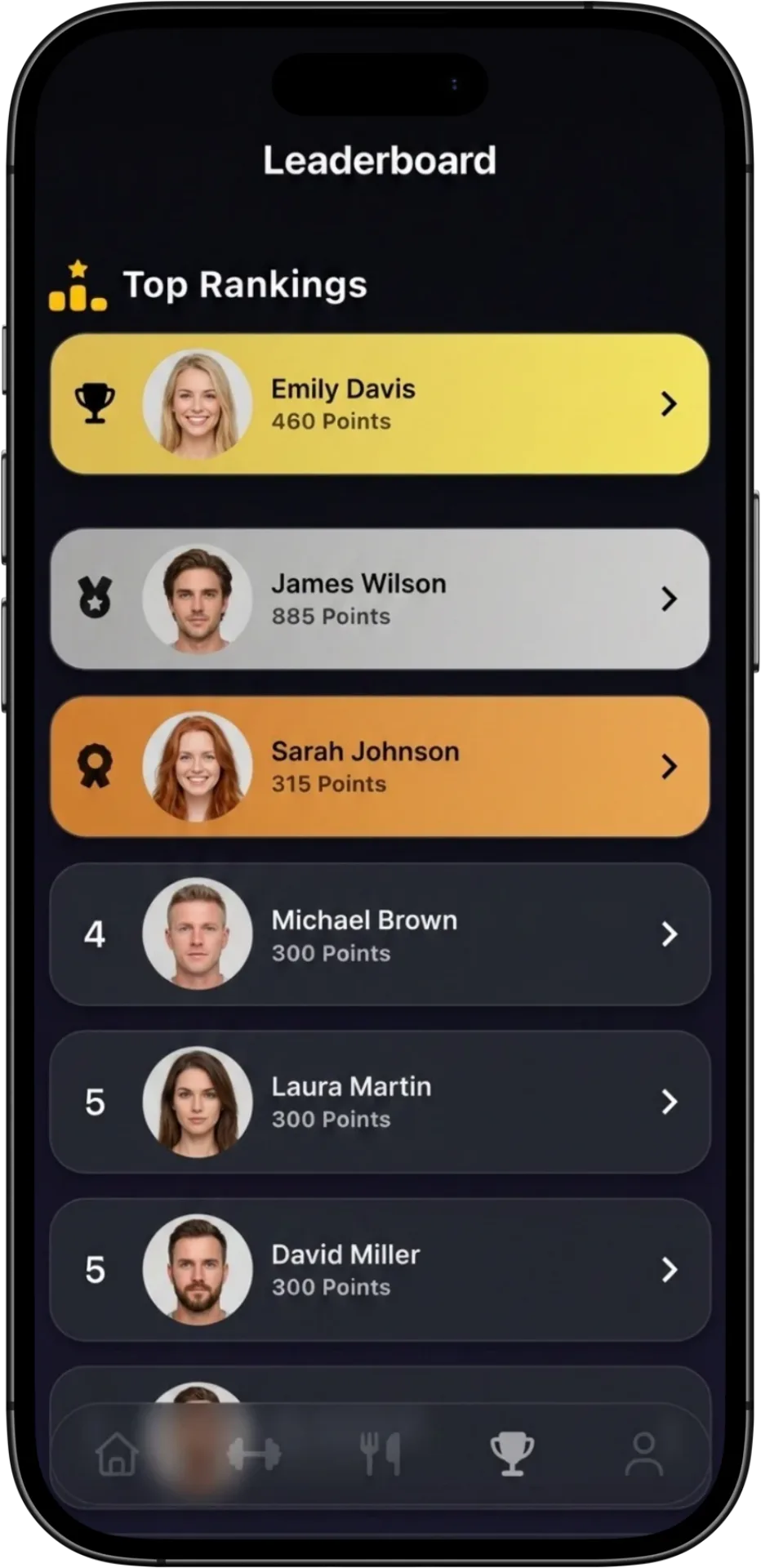
Turning exercise into a game can significantly boost adherence. Whether it's maintaining a 'daily streak' or climbing a leaderboard, these small competitive elements keep the brain engaged. Seeing how you rank against others in your age group or fitness level can provide the extra push needed on days when your motivation is low.
The Role of Milestone Celebrations
Don't wait until you've lost 50 pounds to celebrate. Celebrate the fact that you completed your first week of workouts. Celebrate hitting your water goal three days in a row. These small wins build self-efficacy—the belief in your own ability to succeed. App-based achievement badges and progress sharing can help reinforce these positive behaviors.
Recovery: The Often-Overlooked Component of Fitness
You don't get stronger during your workout; you get stronger while you sleep. Exercise creates microscopic tears in your muscle fibers, and recovery is the process of repairing those tears to be stronger than before. If you are 'completely out of shape,' your recovery capacity will initially be lower than an experienced athlete's.
Sleep and Stress Management
Aim for 7-9 hours of quality sleep per night. Lack of sleep increases cortisol (the stress hormone), which can lead to muscle breakdown and increased fat storage, particularly around the midsection. Furthermore, chronic stress can hamper your body's ability to recover from physical exertion.
Active Recovery and Mobility
On your 'off' days, don't just sit on the couch. Engage in active recovery—light movement like stretching, yoga, or a leisurely walk. This keeps the blood flowing to your muscles, aiding the repair process and reducing soreness (DOMS). Monitoring your water intake is also crucial, as dehydration can lead to muscle cramps and fatigue. Utilizing a water tracker ensures you're staying hydrated enough to flush out metabolic waste and keep your joints lubricated.
Starting your fitness journey when you feel out of shape is a brave and life-changing decision. By focusing on small habits, leveraging technology like FitFlow for nutrition and workout guidance, and prioritizing recovery, you aren't just 'working out'—you are rebuilding your life from the ground up. Remember: the best time to start was ten years ago; the second best time is today.

Sources & References

FitFlow Editorial Team
Fitness & Nutrition Editorial TeamCertified personal trainers & nutrition coaches
The FitFlow Editorial Team is a group of certified personal trainers, nutrition coaches, and fitness writers who translate exercise science and nutrition research into practical, actionable guidance. Every article is grounded in peer-reviewed sources and reviewed for accuracy before publishing.
Frequently Asked Questions
Who is this guide for?
This guide is for anyone focused on fitness tips and looking for practical, sustainable progress.
How quickly can I apply these recommendations?
Most recommendations are designed for immediate implementation. Start with one change today, then layer improvements weekly.
How does FitFlow support this strategy?
FitFlow supports execution with AI-powered meal tracking, workout planning, and progress analytics that help you stay consistent.