Morning vs Evening Workouts: What Science Actually Says
Reviewed by the fitness & nutrition editorial team · Certified personal trainers & nutrition coaches

The Great Debate: Does Timing Really Matter?
In the world of fitness, few questions spark as much debate as the timing of your workout. On one side, you have the '5 AM Club'—the early risers who swear that a pre-dawn sweat session is the secret to productivity and fat loss. On the other, the 'Night Owls' argue that their strength and power peak as the sun goes down. But beyond personal preference and anecdotal evidence, what does the scientific community actually say about the optimal time to train?
Understanding the impact of timing requires a deep dive into chronobiology—the study of biological rhythms. Every human body operates on a roughly 24-hour cycle known as the circadian rhythm. This internal clock, governed by the suprachiasmatic nucleus in the brain, regulates everything from body temperature and hormone secretion to heart rate and metabolic rate. Consequently, your physiological readiness for exercise fluctuates throughout the day.
While the 'best' time is often the time you can consistently stick to, research suggests that depending on your specific goals—whether that is hypertrophy, endurance, or weight management—one time of day might offer a slight physiological edge over the other. In this comprehensive guide, we will break down the latest clinical studies to help you align your training with your biology.
The Role of Core Body Temperature
One of the most significant factors in exercise performance is core body temperature. Typically, body temperature is at its lowest in the early morning (around 4:00 AM to 5:00 AM) and peaks in the late afternoon and early evening (between 4:00 PM and 7:00 PM). A higher core temperature acts like a natural 'warm-up,' increasing enzyme activity, improving muscle elasticity, and enhancing nerve impulse transmission. This is why many athletes find they feel stronger and more explosive in the evening.

The Morning Advantage: Consistency and Metabolic Health
For many, the morning is the only time of day they can truly control. Before the demands of work, family, and social obligations kick in, a morning workout ensures that exercise doesn't get pushed off the to-do list. Scientifically, morning exercise has been linked to several unique benefits, particularly regarding metabolic flexibility and psychological well-being.
Hormonal Priming and Mood
In the morning, levels of cortisol (the body's primary stress hormone) are naturally at their highest. While cortisol often gets a bad reputation, it plays a crucial role in mobilizing energy stores. Morning exercise can capitalize on this hormonal peak to boost alertness and mental clarity for the rest of the day. Furthermore, the immediate release of endorphins and dopamine can set a positive tone, reducing stress and anxiety throughout the workday.
Fat Oxidation and Fasted Training
A common argument for morning workouts is the potential for increased fat oxidation, especially when training in a fasted state. A study published in the British Journal of Nutrition found that people can burn up to 20% more body fat when exercising on an empty stomach in the morning compared to after a meal. While the long-term impact on total weight loss is still debated, morning exercise appears to improve insulin sensitivity and glucose tolerance more effectively than evening sessions for some individuals.
"Consistency is the most critical variable in any fitness journey. If a morning routine ensures you never miss a session, the physiological benefits of training at other times become secondary."
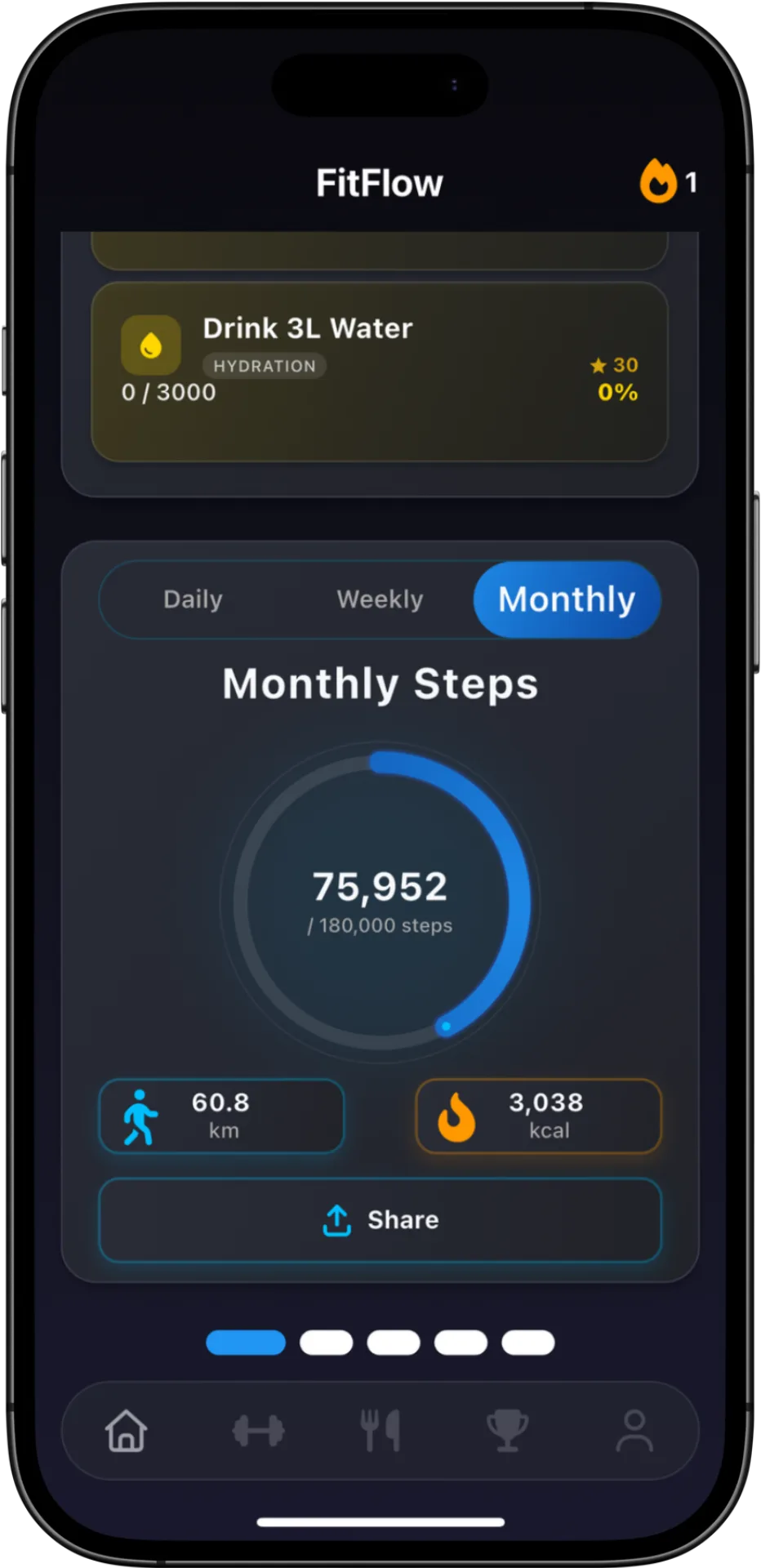
To maximize this consistency, many users leverage tools like Apple Health sync within the FitFlow app. By automatically syncing morning steps and early sessions, you get an immediate visual representation of your progress before your first meeting of the day even begins.

The Evening Edge: Peak Performance and Power
If your primary goal is to hit a new personal record (PR) in the squat rack or sprint faster than ever, the science leans heavily toward the afternoon and evening. Research consistently shows that muscular strength, anaerobic power, and aerobic capacity peak during the late afternoon hours.
Maximum Strength and Hypertrophy
Studies published in the Journal of Strength and Conditioning Research have demonstrated that muscle strength is generally higher in the evening. This is attributed to the peak in core body temperature mentioned earlier, which optimizes muscle contractility. Furthermore, the ratio of testosterone to cortisol—a key marker for an anabolic (muscle-building) environment—is often more favorable in the late afternoon. For those focused on hypertrophy, training during this window may allow for higher intensity and greater total volume, leading to superior muscle growth over time.
Reduced Risk of Injury
Because body temperature is higher and muscles are more pliable in the evening, the risk of acute injury (such as strains or tears) may be lower compared to the 'stiff' feeling many experience immediately after waking up. However, this doesn't mean you can skip the warm-up; it simply means your body is physiologically more prepared for high-intensity loads.
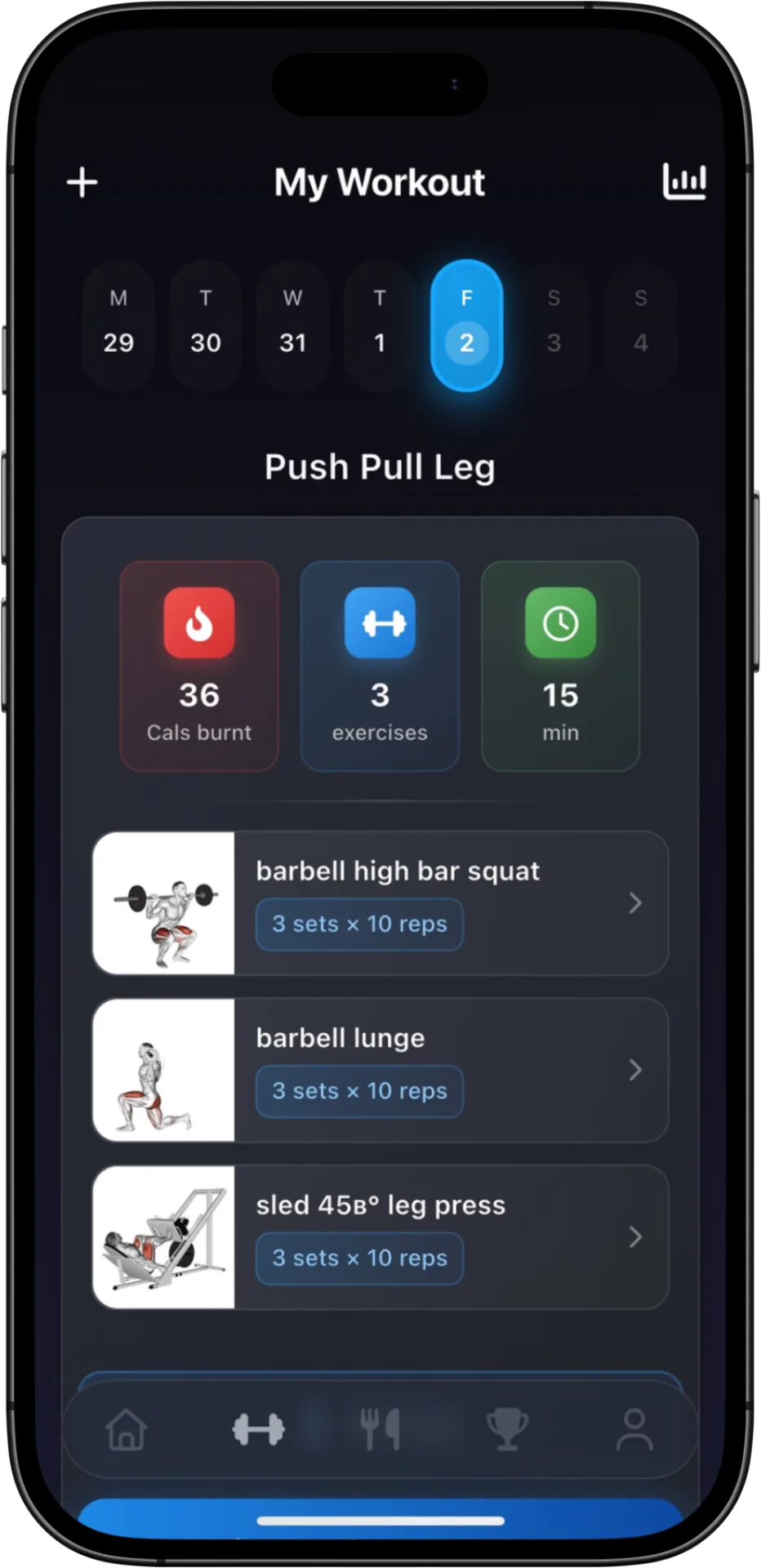
When training for these peak performance goals, using FitFlow’s Smart Workout Tracking is essential. It allows you to track sets, reps, and rest periods in real-time, ensuring that you are making the most of your peak strength window. The intelligent form guidance also helps maintain safety when you are pushing your limits in the evening.
Circadian Rhythms and Your 'Chronotype'
While general trends exist, the 'perfect' time to work out is deeply individual, dictated by your chronotype. Your chronotype is your body’s natural disposition to be awake or asleep at certain times. You are likely familiar with the terms 'Early Bird' (Morningness) and 'Night Owl' (Eveningness).
Identifying Your Peak Window
Research suggests that forced misalignment—such as a Night Owl trying to perform high-intensity interval training (HIIT) at 6:00 AM—can lead to decreased performance and increased perceived exertion. If your internal clock isn't aligned with your workout time, you might find yourself struggling with fatigue, lack of focus, and slower recovery.
- Early Birds: Usually reach peak performance in the late morning or early afternoon.
- Night Owls: May not reach their physical peak until 7:00 PM or 8:00 PM.
- Intermediates: Most people fall somewhere in the middle, with a performance peak around 4:00 PM to 6:00 PM.
To truly understand your body’s patterns, it helps to track more than just your workouts. Monitoring your daily energy levels alongside your fitness data can reveal when you are most productive. FitFlow’s Progress Analytics provides detailed charts that help you visualize these trends, allowing you to match your hardest workouts to your highest energy days.

Nutrition Strategies for Morning vs. Evening
Regardless of when you train, your nutrition must support your efforts. The timing of your meals can significantly impact how you feel during your session and how well you recover afterward.
Fueling the Morning Session
If you prefer morning workouts, you face a choice: fasted or fed? For low-to-moderate intensity cardio, fasted training is generally fine. However, for high-intensity lifting or sprints, a small amount of fast-acting carbohydrates (like a banana or a slice of toast) can provide the glucose necessary to maintain intensity. Post-workout, a combination of protein and carbohydrates is essential to halt muscle protein breakdown and replenish glycogen stores.
Optimizing the Evening Intake
Evening exercisers usually have the advantage of having several meals in their system, providing ample glycogen for fuel. The challenge here is not overeating after the workout, which can lead to digestive discomfort before bed. A balanced dinner with lean protein, complex carbohydrates, and healthy fats is ideal.
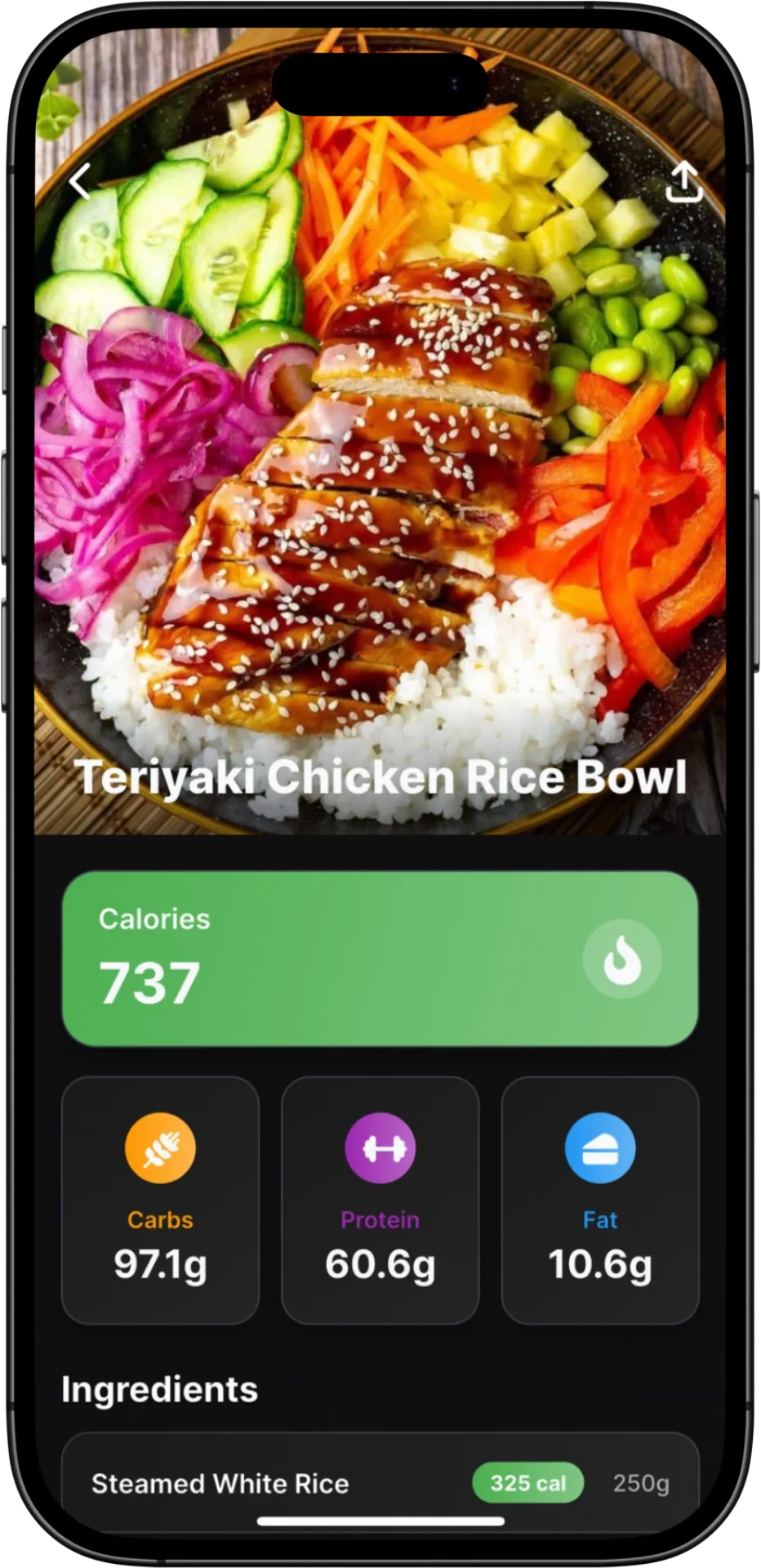
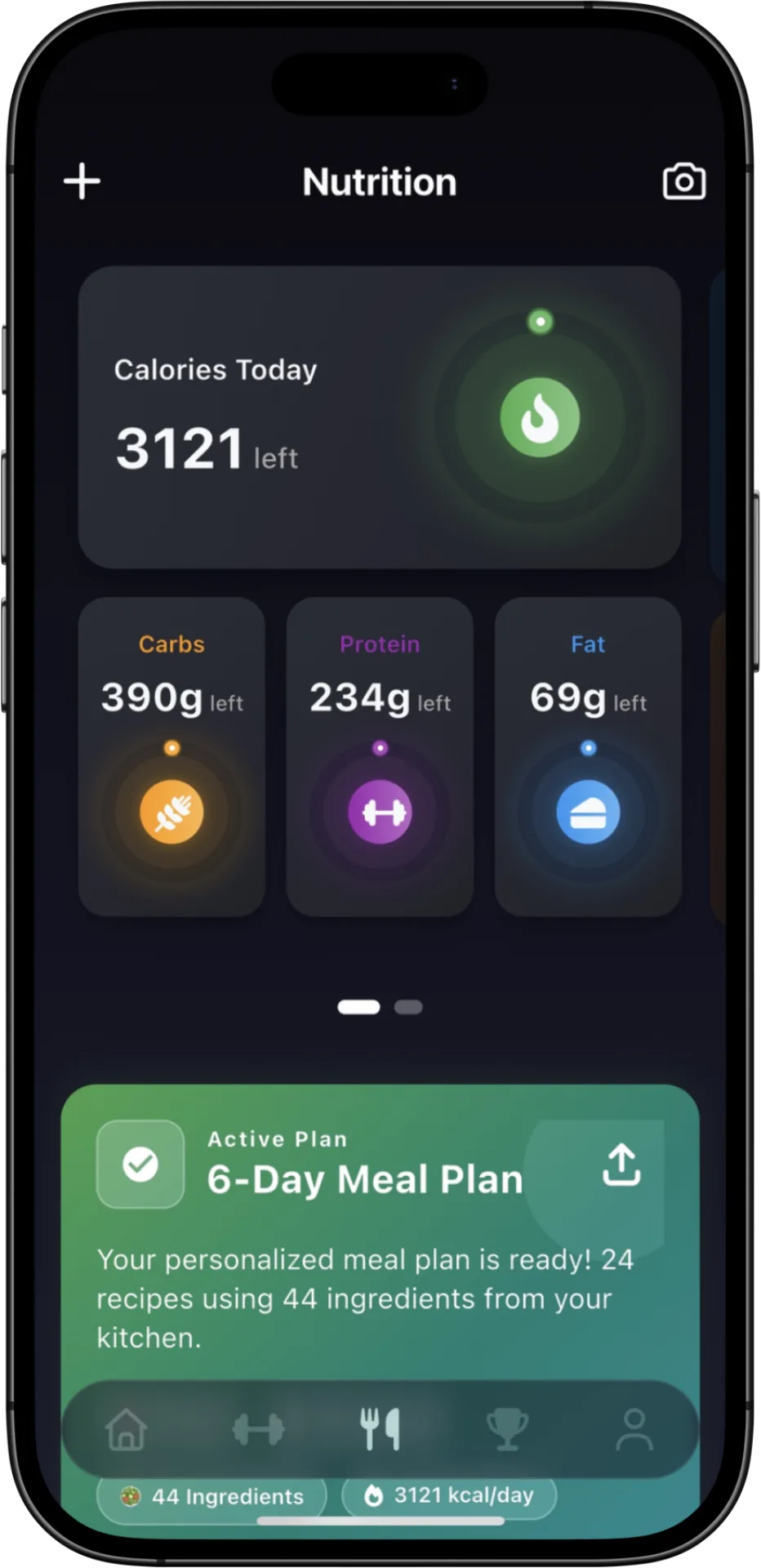
Managing these nutritional nuances is made significantly easier with FitFlow’s AI Food Scanning. Whether you’re grabbing a quick pre-workout snack or logging a complex post-workout dinner, you can simply snap a photo for instant calorie and macro breakdowns. This ensures that no matter what time you train, you are meeting your protein targets and staying within your caloric goals with 95% accuracy for packaged foods.
The Impact on Sleep Quality
A common myth is that evening workouts will inevitably ruin your sleep. The logic is that the spike in adrenaline and body temperature will keep you awake. However, modern research paints a more nuanced picture. A meta-analysis published in Sports Medicine concluded that evening exercise does not negatively affect sleep for most people, provided it is not high-intensity exercise ending less than one hour before bedtime.
The 'Cool Down' Period
In fact, for many, the post-exercise drop in body temperature can actually signal to the body that it is time to sleep. The key is to allow for a proper 'wind-down' period. If you perform a heavy lifting session or a HIIT class at 8:00 PM and try to sleep at 9:00 PM, you will likely struggle. But a session ending at 7:30 PM with a gradual cool-down and a warm shower can actually improve sleep quality by increasing the duration of deep sleep.
Tracking your sleep and recovery is just as important as tracking your reps. By integrating FitFlow with your wearable devices (like Fitbit or Garmin), you can see how your evening sessions correlate with your sleep stages, helping you find the 'sweet spot' for your bedtime.

Conclusion: Finding Your Personal 'Best'
Science tells us that while there are slight physiological advantages to evening training for strength and morning training for consistency and fat metabolism, the differences are relatively small compared to the impact of long-term adherence. The best time to work out is the time that you can commit to 365 days a year.
Actionable Takeaways
- If you want to lose weight: Consider morning sessions to improve insulin sensitivity and ensure consistency.
- If you want to build muscle: Aim for the late afternoon or early evening to take advantage of peak strength and hormonal profiles.
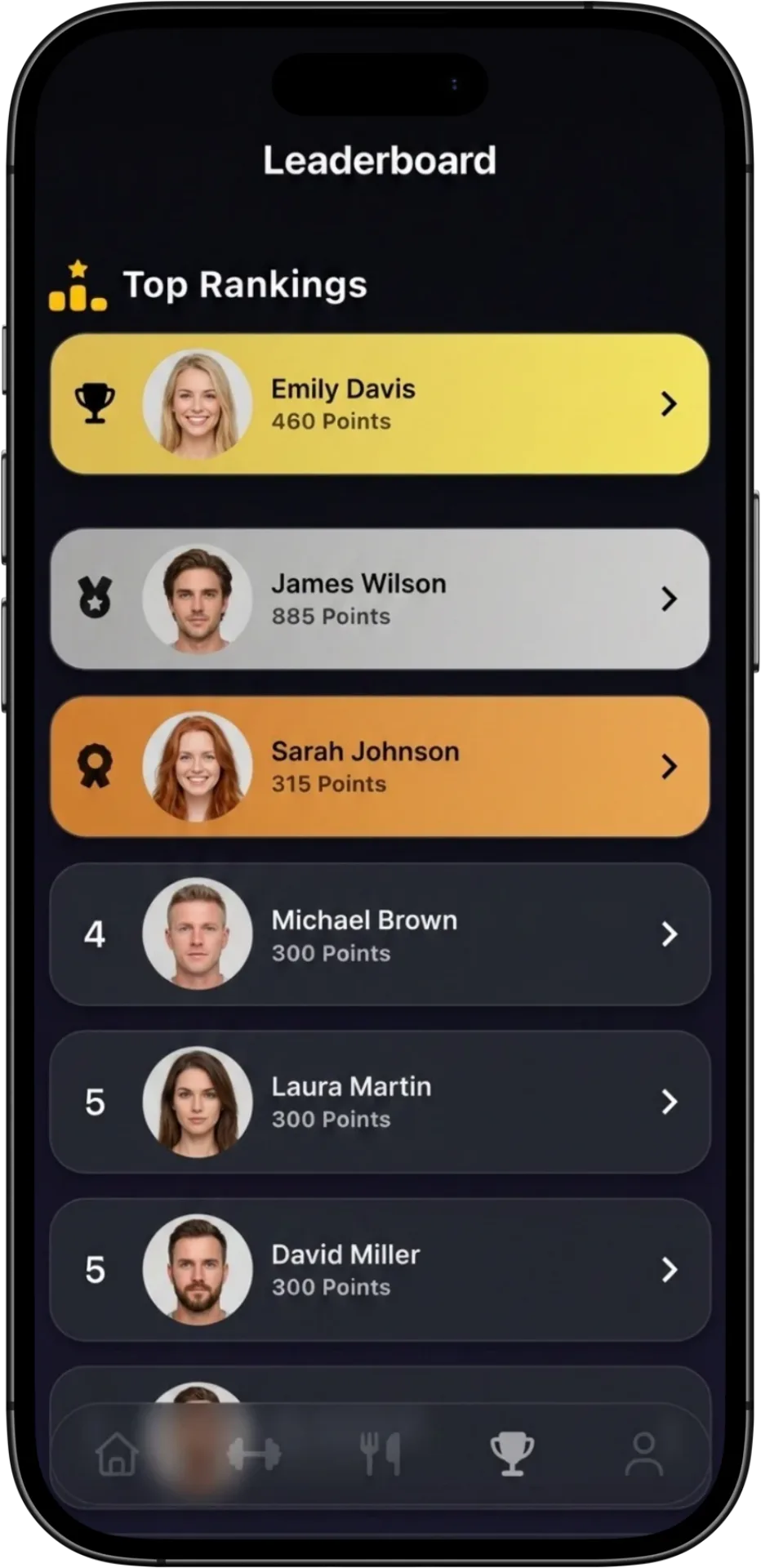
- If you have a busy schedule: Use a tool like the FitFlow Leaderboard to stay motivated and competitive with friends, regardless of when you log your points.
- Listen to your body: If you feel sluggish and weak in the morning but energized at night, honor your chronotype.
The journey to health isn't about perfection; it's about progress. Whether you're a sunrise runner or a midnight lifter, the most important thing is that you show up. With the right data and the right tools—like the comprehensive tracking and AI-powered insights found in FitFlow—you can optimize any schedule for maximum results.
Sources & References
- Exercise Training at Maximal Fat Oxidation Intensity for Body Composition and Cardiometabolic Health in People With Overweight and Obesity: A Systematic Review With Meta-Analysis Focusing on Prescription Dosage and Potential Moderators — Jiang Y, Chávez-Guevara IA, Amaro-Gahete FJ (2026)
- Interactions of cortisol, testosterone, and resistance training: influence of circadian rhythms — Hayes LD, Bickerstaff GF, Baker JS (2010)

FitFlow Editorial Team
Fitness & Nutrition Editorial TeamCertified personal trainers & nutrition coaches
The FitFlow Editorial Team is a group of certified personal trainers, nutrition coaches, and fitness writers who translate exercise science and nutrition research into practical, actionable guidance. Every article is grounded in peer-reviewed sources and reviewed for accuracy before publishing.
Frequently Asked Questions
Who is this guide for?
This guide is for anyone focused on fitness tips and looking for practical, sustainable progress.
How quickly can I apply these recommendations?
Most recommendations are designed for immediate implementation. Start with one change today, then layer improvements weekly.
How does FitFlow support this strategy?
FitFlow supports execution with AI-powered meal tracking, workout planning, and progress analytics that help you stay consistent.