Mastering the Pause: How Long Should You Rest Between Sets?
Reviewed by the fitness & nutrition editorial team · Certified personal trainers & nutrition coaches

The Unsung Hero of Your Workout: Why Rest Periods Matter
In the pursuit of fitness, we often obsess over the 'doing' – the reps, the sets, the weight, the miles. But what about the 'not doing'? The time you spend resting between sets is far from passive; it's an active, crucial component of your training that can profoundly impact your results. Whether your goal is to build towering strength, sculpt impressive muscle, or boost your cardiovascular endurance, the length of your rest period acts as a silent architect, shaping the physiological adaptations your body undergoes.
Many lifters fall into one of two traps: either cutting rest too short in a misguided attempt to 'keep the heart rate up' or resting excessively, losing valuable training time and intensity. The truth, as with most things in fitness, lies in understanding the science and tailoring your approach. A strategically timed pause allows your muscles to partially recover, replenish energy stores, and prepare for the next bout of effort, ensuring you can maintain intensity and quality throughout your session. Ignore it, and you risk sabotaging your progress, inviting fatigue, or even increasing your risk of injury.
"Rest is not idleness, but the intelligent pause in which the body and mind recover and prepare for renewed effort."
In this comprehensive guide, we'll dive deep into the science behind rest periods, explore how different goals demand different recovery times, and provide actionable strategies to optimize your pauses for maximum gains. Get ready to transform your understanding of rest from a mere break to a powerful training tool.

The Science of Recovery: What Happens During Your Rest?
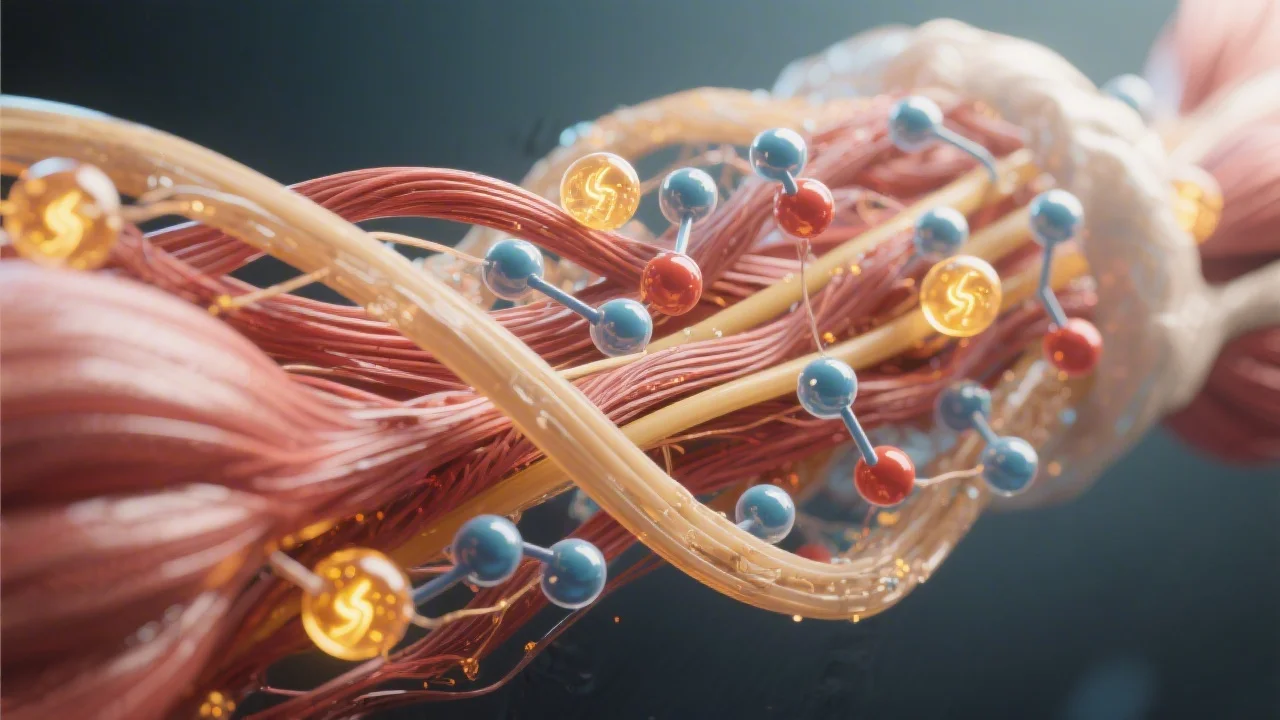
To truly master rest periods, it's essential to understand the intricate physiological processes occurring within your body during those precious seconds or minutes between sets. Your muscles aren't just 'tired'; they're undergoing a complex series of chemical and metabolic changes.
Energy System Replenishment
The primary energy system at play during high-intensity, short-duration activities like weightlifting is the ATP-PCr (adenosine triphosphate-phosphocreatine) system. This system provides immediate energy for powerful movements but has very limited reserves. When you lift heavy, your ATP stores are rapidly depleted. During your rest period, your body works to replenish these stores:
- ATP Replenishment: ATP is the direct fuel for muscle contraction.
- Phosphocreatine (PCr) Regeneration: PCr acts as a rapid reserve to regenerate ATP. It takes approximately 30 seconds to restore 50% of PCr and about 3-5 minutes for near-complete (90-95%) restoration.
For sets requiring maximal effort and power, sufficient rest is critical to allow this system to fully recover, ensuring you can perform subsequent sets with similar intensity.
Metabolite Clearance & Muscle Recovery
High-intensity exercise also leads to the accumulation of metabolic byproducts, such as lactate and hydrogen ions, which contribute to muscle fatigue and a burning sensation. While lactate itself isn't the direct cause of fatigue, its presence is indicative of the metabolic stress that occurs.
- Lactate Clearance: During rest, your body works to clear these metabolites from the muscle, which can take several minutes depending on the intensity and volume of the preceding set.
- Oxygen Delivery: Your cardiovascular system continues to work hard, delivering oxygen and nutrients to the working muscles to aid in recovery and waste removal.
- Nervous System Recovery: Beyond the muscles, your central nervous system also experiences fatigue. Sufficient rest allows for neurological recovery, crucial for maintaining focus, coordination, and strength throughout your workout.
Understanding these processes highlights why a one-size-fits-all approach to rest periods is ineffective. Your training goals, the intensity of your exercise, and even the specific muscle groups involved will dictate your optimal recovery time.
Tailoring Your Rest for Specific Training Goals
The ideal rest period isn't arbitrary; it's a strategic variable you manipulate based on your primary fitness objective. Different goals demand different physiological responses, and your rest intervals are key to eliciting those adaptations.
Strength & Power: Longer Rests for Peak Performance (2-5+ Minutes)
When your primary goal is to increase maximal strength (e.g., 1-5 rep max) or power (e.g., explosive lifts), your focus should be on complete recovery between sets. This means allowing your ATP-PCr system and nervous system to fully regenerate. Shorter rests will compromise your ability to lift heavy and move explosively, leading to a significant drop-off in performance across subsequent sets.
- Why Longer? Ensures near-complete ATP-PCr replenishment, allows for full nervous system recovery, and minimizes fatigue accumulation, enabling you to maintain maximal effort and technique.
- Best For: Powerlifting, Olympic weightlifting, heavy compound movements (squats, deadlifts, bench press, overhead press) in lower rep ranges.
Research consistently shows that longer rest periods (3-5 minutes) are superior for maximizing strength gains compared to shorter rest periods.
Hypertrophy: Moderate Rests for Muscle Growth (60-120 Seconds)
For muscle growth (hypertrophy), the picture becomes a bit more nuanced. While some recovery is necessary, maintaining a degree of metabolic stress and fatigue can actually be beneficial. This 'pump' and the accumulation of metabolites are thought to contribute to cellular swelling and other anabolic signaling pathways.
- Why Moderate? Allows for partial, but not full, recovery of ATP, maintaining a higher heart rate and metabolic stress. This balance helps accumulate volume and tension, crucial for muscle protein synthesis, without completely compromising subsequent set quality.
- Best For: Bodybuilding-style training, moderate rep ranges (6-12 reps), a mix of compound and isolation exercises.
Endurance & Fat Loss: Shorter Rests for Metabolic Conditioning (30-60 Seconds)
If your aim is to improve muscular endurance or maximize calorie expenditure for fat loss, shorter rest periods are generally preferred. This approach keeps your heart rate elevated, enhances cardiovascular conditioning, and increases the overall metabolic demand of your workout.
- Why Shorter? Limits recovery, forcing your body to adapt to working under fatigue. This improves your muscles' ability to buffer lactate and utilize oxygen more efficiently. The elevated heart rate also contributes to a greater 'afterburn effect' (EPOC).
- Best For: High-volume training, circuit training, supersets, metabolic conditioning workouts, higher rep ranges (12-20+ reps), and exercises targeting smaller muscle groups.

Beyond the Clock: Factors Influencing Your Ideal Rest
While general guidelines based on training goals are a great starting point, the 'perfect' rest period isn't solely dictated by a stopwatch. Several other critical factors influence how long you truly need to recover between sets.
Exercise Complexity and Muscle Group Size
- Compound vs. Isolation: Compound exercises (like squats or deadlifts) recruit multiple large muscle groups and are far more taxing on your central nervous system. They typically require longer rest periods than isolation exercises (like bicep curls or triceps extensions), which target smaller muscles and are less metabolically demanding.
- Full Body vs. Split: A full-body workout will generally require slightly longer rests between sets for different muscle groups to allow for systemic recovery, whereas a split routine might allow you to shorten rests for a specific muscle group knowing other groups are resting.
Intensity and Volume
The heavier the weight you lift (intensity) and the more reps/sets you perform (volume), the greater the physiological stress on your body, and thus, the longer your recovery will need to be. A set taken to near-failure with heavy weight will demand significantly more rest than a lighter set performed with reps in reserve.
Training Status and Individual Differences
- Beginners vs. Advanced: Beginners often need slightly longer rest periods as their bodies are less efficient at recovery and they're learning movement patterns. As you become more advanced, your body adapts, and you might find you can handle slightly shorter rests for certain goals, or conversely, you might need longer rests for maximal efforts as you push heavier weights.
- Genetics & Lifestyle: Factors like genetics, sleep quality, nutrition, and stress levels all play a role in your recovery capacity. Someone consistently getting 8 hours of sleep and eating a nutrient-dense diet will likely recover faster than someone who is sleep-deprived and undernourished.
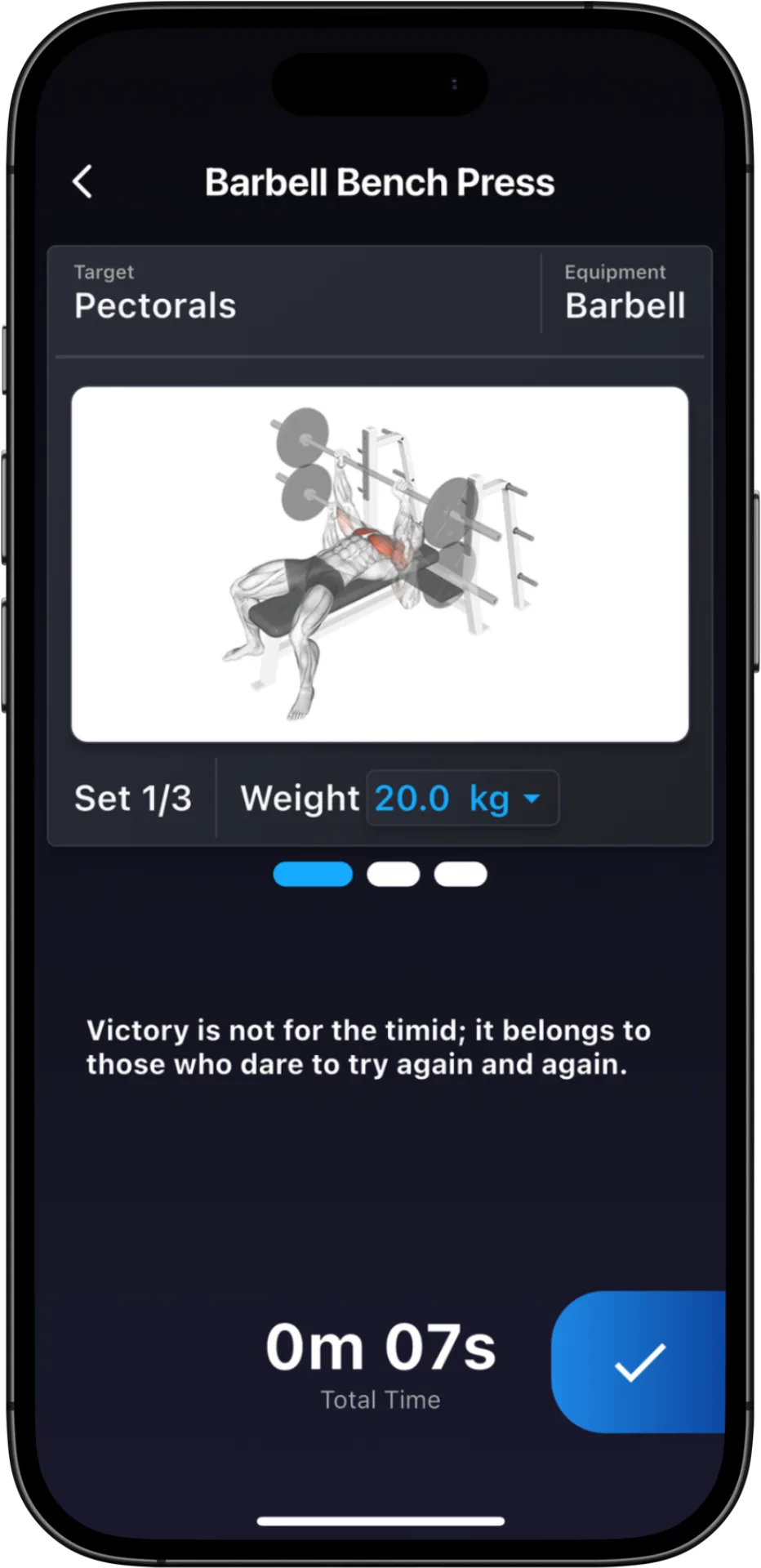
FitFlow's Smart Workout Tracking is invaluable here. By logging your sets, reps, and the weights used, you can observe trends in your performance. If you consistently see a significant drop in reps or weight on subsequent sets, it's a clear indicator that your rest periods might be too short for the intensity you're attempting. You can customize your workout journeys to include specific rest durations, and FitFlow's detailed fitness analytics allow you to review your performance over time, helping you fine-tune your recovery strategy.
The Goldilocks Zone: Avoiding Too Little or Too Much Rest
Finding that 'just right' rest period is crucial. Straying too far in either direction can hinder your progress and even be detrimental to your training.
The Perils of Too Little Rest
Cutting your rest periods too short, often driven by a desire to finish quickly or to feel a constant 'burn,' can have several negative consequences:
- Decreased Performance: Insufficient ATP-PCr replenishment and metabolite clearance mean you won't be able to lift as heavy or perform as many reps in subsequent sets. This reduction in quality means less effective training stimulus for strength and hypertrophy.
- Increased Fatigue & Overtraining Risk: Constantly pushing your body without adequate recovery can lead to systemic fatigue, diminished motivation, and an increased risk of overtraining syndrome, which can manifest as persistent soreness, poor sleep, and a plateau in progress.
- Compromised Form & Injury Risk: When fatigued, your form is more likely to break down. This not only reduces the effectiveness of the exercise but significantly increases your risk of injury.
The Drawbacks of Too Much Rest
While it might seem harmless, resting for excessively long periods can also be counterproductive:
- Loss of Training Stimulus: For hypertrophy and endurance, maintaining a certain level of metabolic stress and elevated heart rate is beneficial. Resting too long allows your body to cool down too much, losing the accumulated physiological effects that drive these adaptations.
- Time Inefficiency: Longer rests mean longer workouts. While sometimes necessary for strength, if your goal is hypertrophy or endurance, unnecessary extended breaks can make your sessions excessively long, potentially impacting adherence and consistency.
- Loss of Focus: Extended rest periods can lead to mental distraction, making it harder to maintain intensity and focus on the task at hand. You might find yourself checking your phone or chatting, losing the mental readiness for your next set.
The goal is to find the sweet spot where you are recovered enough to perform your next set effectively, but not so recovered that you lose the training stimulus or efficiency.

Optimizing Your Rest with FitFlow's Smart Tracking
Navigating the complexities of rest periods can feel like a guessing game, but with FitFlow's intelligent features, you can take the guesswork out of your recovery and ensure every pause serves your goals.
Real-Time Rest Timers
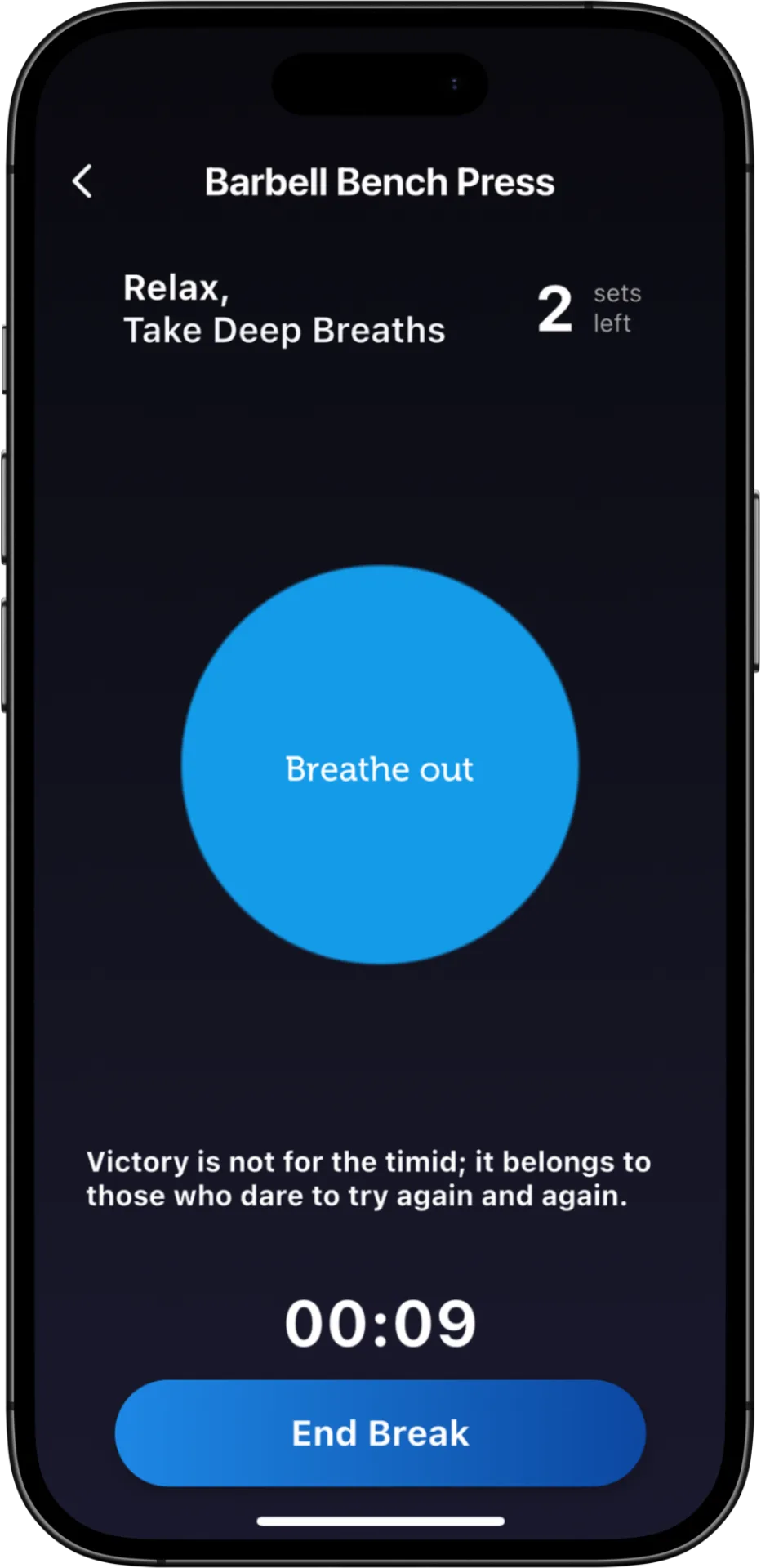
One of the most practical applications of FitFlow's Smart Workout Tracking is its integrated real-time rest timer. No more fumbling with your phone's stopwatch or mentally counting seconds. FitFlow automatically tracks your rest periods between sets, ensuring you adhere to your chosen intervals. This precision is invaluable, especially when you're aiming for specific hypertrophy or endurance protocols that demand strict timing.
Intelligent Form Guidance & Exercise Recommendations
FitFlow's intelligent form guidance helps you perform each rep optimally, reducing wasted effort and the risk of injury. By executing exercises with proper form, you ensure the right muscles are working, and the overall load on your body is managed efficiently. This, in turn, can positively impact your recovery needs. If FitFlow detects form degradation, it might be a subtle cue that you need a little more rest, or that your current rest period isn't quite enough for the intensity you're attempting.
Customizable Workout Journeys
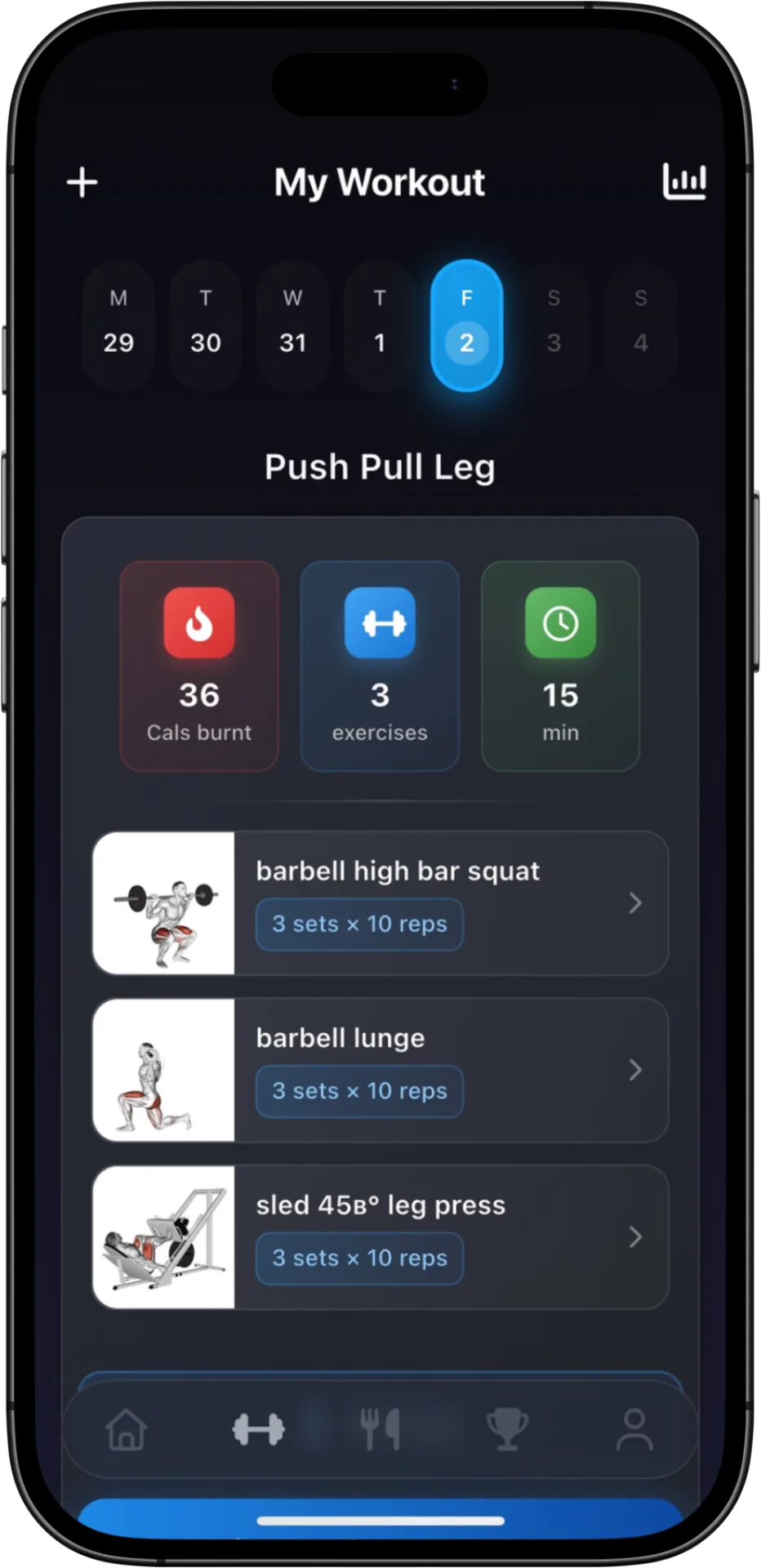
Whether you're following a weight loss, strength training, or cardio journey, FitFlow allows you to customize your workouts, including the rest periods. This means you can pre-set your ideal rest durations for different exercises or training phases, and the app will guide you through each session seamlessly. For example, you can set 3 minutes for heavy squats and 90 seconds for bicep curls, all within the same workout plan.
Detailed Progress Analytics
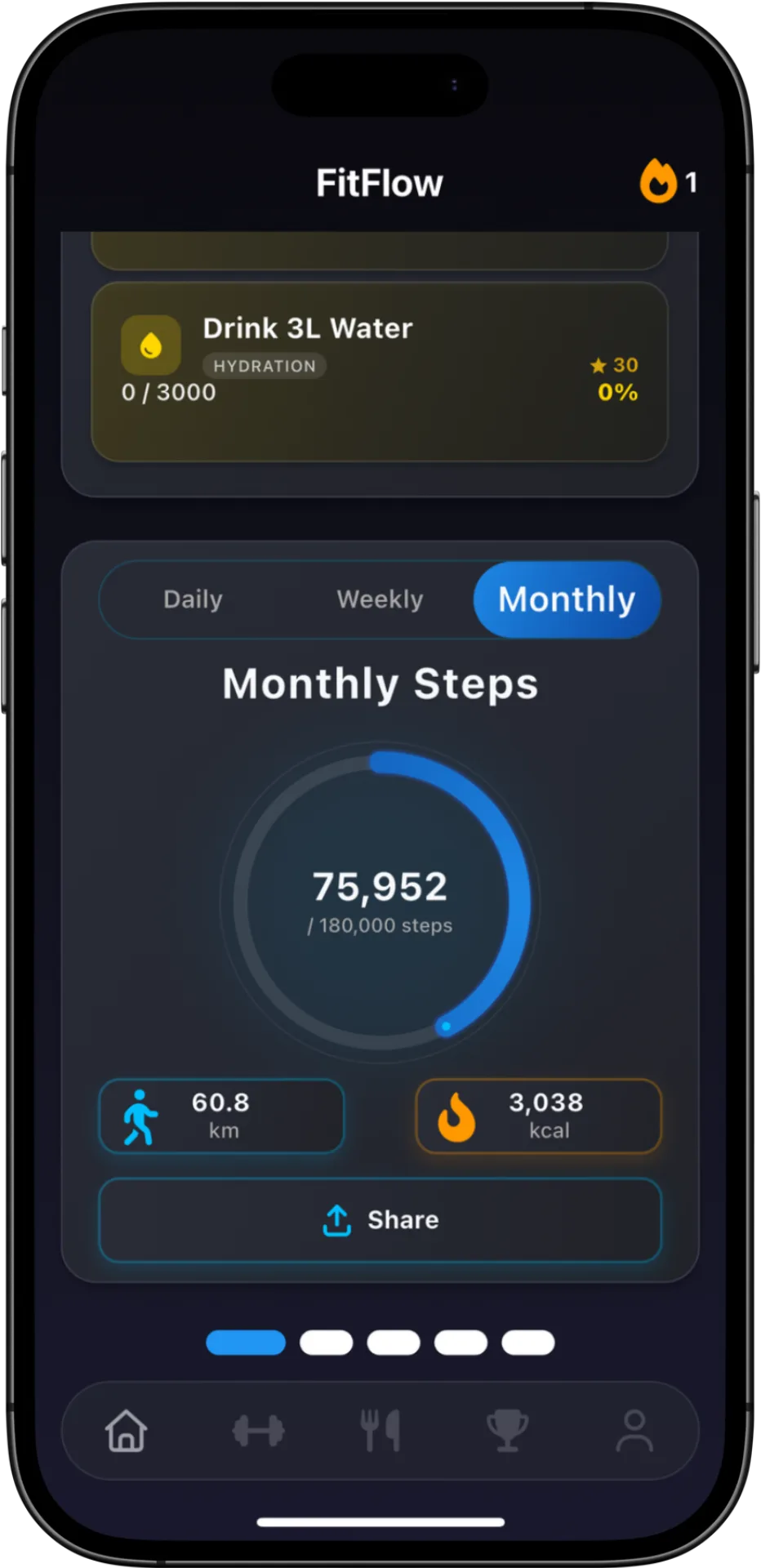
FitFlow's detailed fitness analytics provide an objective view of your performance over time. By tracking your personal records, strength progression, and even the consistency of your rest periods, you can evaluate if your chosen rest intervals are helping you achieve your goals. Are your lifts consistently improving with 3-minute rests? Are you maintaining intensity with 60-second breaks? The data empowers you to make informed adjustments.
By leveraging FitFlow, you transform your rest periods from an afterthought into a deliberate, data-driven component of your training strategy, helping you push your limits safely and effectively.
Listen to Your Body: The Ultimate Rest Period Guide
While scientific guidelines and app-based timers are incredibly useful, the most sophisticated tool you have for optimizing rest is your own body. No two days are exactly alike, and factors like sleep quality, nutrition, stress, and even hydration can impact your recovery needs. Learning to listen to your body's signals is key to truly mastering your rest periods.
Subjective Cues to Consider
- Breath Recovery: Are you still heavily breathing, or has your respiration returned to a relatively calm state? For strength and power, you want your breath to be almost completely normalized. For hypertrophy, a slightly elevated breath rate is acceptable.
- Muscle Readiness: Do your muscles feel recovered and ready for the next set? Is the 'pump' or burning sensation from the previous set still overwhelming, or has it subsided enough for you to perform effectively?
- Mental Readiness: Are you mentally focused and prepared to tackle the next set with good form and intensity? Or do you feel distracted, sluggish, or dreading the next effort? Mental fatigue is just as real as physical fatigue.
- Perceived Exertion (RPE): How hard did the last set feel? If it was an RPE 9-10 (near maximal effort), you'll likely need more rest than if it was an RPE 7-8 (challenging but with reps in reserve).
Use guidelines as a starting point, not a rigid rule. If your program calls for 90 seconds of rest, but you still feel completely gassed after a particularly brutal set, it's okay to extend it slightly to 105 or 120 seconds. Conversely, if you feel perfectly ready after 45 seconds on an easier isolation exercise, it's fine to cut it a little short. The goal is always quality over strict adherence to a number.
"The body achieves what the mind believes, but only if the body is adequately recovered to perform."
Over time, as you become more attuned to your body's signals and track your progress with tools like FitFlow, you'll develop an intuitive sense for how long you truly need to rest. This blend of scientific principle, objective data, and subjective feedback creates the most effective and sustainable training approach.

Conclusion: Rest Smart, Train Harder
Resting between sets is not wasted time; it's a critical, often underestimated, variable in your training equation. By understanding the science of recovery and tailoring your rest periods to your specific fitness goals – whether it's maximizing strength with longer breaks, stimulating hypertrophy with moderate pauses, or boosting endurance with shorter intervals – you unlock a powerful lever for progress.
Remember to consider factors beyond the clock: the intensity and complexity of your exercises, your training experience, and your body's daily readiness. And most importantly, learn to listen to your body's signals. It's the ultimate guide to knowing when you're truly prepared for your next challenge.
Ready to optimize every aspect of your workout, including your crucial rest periods? Download FitFlow today. With its Smart Workout Tracking, real-time rest timers, customizable workout journeys, and detailed progress analytics, FitFlow empowers you to train smarter, recover more effectively, and achieve your fitness aspirations faster. Stop guessing, start growing, and make every second count – even the ones where you're not moving.
Sources & References
- Evidence for inefficient contraction and abnormal mitochondrial activity in sarcopenia using magnetic resonance spectroscopy — Stephenson MC, Ho JXM, Migliavacca E (2023)
- Effect of lactate on depolarization-induced Ca(2+) release in mechanically skinned skeletal muscle fibers — Dutka TL, Lamb GD (2000)

FitFlow Editorial Team
Fitness & Nutrition Editorial TeamCertified personal trainers & nutrition coaches
The FitFlow Editorial Team is a group of certified personal trainers, nutrition coaches, and fitness writers who translate exercise science and nutrition research into practical, actionable guidance. Every article is grounded in peer-reviewed sources and reviewed for accuracy before publishing.
Frequently Asked Questions
Who is this guide for?
This guide is for anyone focused on fitness tips and looking for practical, sustainable progress.
How quickly can I apply these recommendations?
Most recommendations are designed for immediate implementation. Start with one change today, then layer improvements weekly.
How does FitFlow support this strategy?
FitFlow supports execution with AI-powered meal tracking, workout planning, and progress analytics that help you stay consistent.