The Truth About Sore Muscles After a Workout: What You Need to Know
Reviewed by the fitness & nutrition editorial team · Certified personal trainers & nutrition coaches

The Post-Workout Ache: Friend or Foe?
You’ve pushed yourself, broken a sweat, and felt that satisfying burn. The next day (or sometimes two days later), a familiar sensation sets in: a dull, sometimes intense, ache in your muscles. This is the hallmark of muscle soreness, an experience almost universally shared by anyone who engages in physical activity, from seasoned athletes to weekend warriors. But what exactly is this post-workout pain? Is it always a good sign? And how can you manage it effectively to continue making progress?
At FitFlow, we believe in empowering you with knowledge to train smarter, not just harder. Understanding muscle soreness is crucial for optimizing your recovery, preventing injury, and ensuring your fitness journey is sustainable and rewarding. Let's peel back the layers and uncover the truth behind those sore muscles.

Understanding Muscle Soreness: DOMS Explained
When we talk about muscle soreness after a workout, we're primarily referring to Delayed Onset Muscle Soreness, or DOMS. This isn't the immediate, acute pain you might feel during a set – that's a different beast, often linked to lactic acid buildup (which dissipates quickly after exercise) or muscle fatigue.
What is DOMS?
- Delayed Onset: Unlike acute soreness, DOMS typically doesn't appear until 12-24 hours after exercise, peaking anywhere from 24 to 72 hours post-workout.
- Micro-Trauma: The leading theory suggests DOMS is caused by microscopic tears (micro-trauma) in the muscle fibers and surrounding connective tissue. This damage is a normal and necessary part of the muscle adaptation process.
- Inflammatory Response: In response to these micro-tears, your body initiates an inflammatory response, leading to swelling and heightened sensitivity in the affected muscles. This inflammation, coupled with chemical byproducts of muscle repair, stimulates pain receptors, resulting in the characteristic ache.
"DOMS is your body's intelligent response to physical stress, initiating a repair process that ultimately makes your muscles stronger and more resilient."
It's important to differentiate DOMS from injury. While DOMS can be uncomfortable, it's a generalized ache that often improves with light movement. An injury, conversely, typically presents as sharp, localized pain, often worsens with movement, and may be accompanied by bruising or significant swelling.
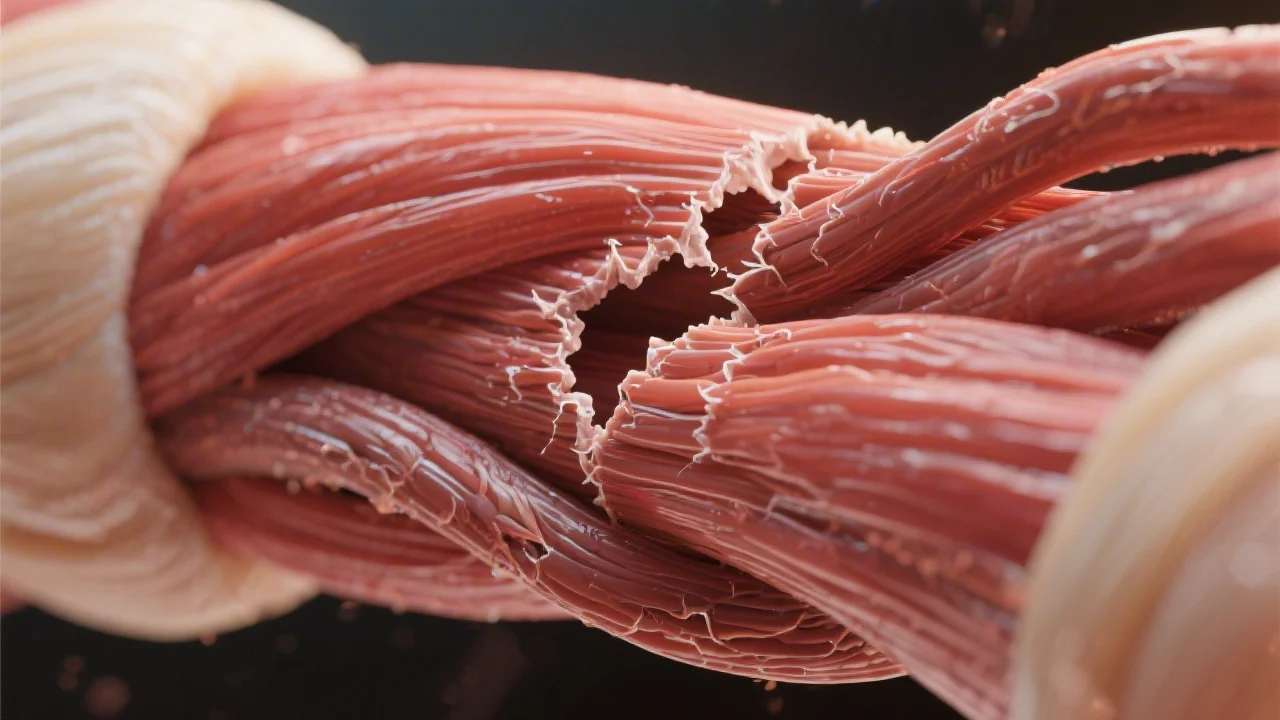
Why Do We Get Sore? The Science Behind the Ache
So, if DOMS is about microscopic damage, what kind of exercise causes it most effectively? The answer lies in the type of muscle contraction.
- Eccentric Contractions: These are contractions where the muscle lengthens under tension. Think of the lowering phase of a bicep curl, the downward motion of a squat, or running downhill. Eccentric movements place significant mechanical stress on muscle fibers, making them particularly effective at inducing DOMS. This is why a new exercise routine or an increase in the eccentric component of an exercise often leads to greater soreness.
- Novel Stimuli: Your body is incredibly adaptive. When you introduce a new exercise, increase the intensity or volume of your current routine, or perform movements you're unaccustomed to, your muscles are challenged in new ways. This novel stimulus is a prime trigger for DOMS as your body works to adapt and strengthen those specific muscle fibers.
- Increased Intensity or Volume: Even if you're doing familiar exercises, significantly increasing the weight, reps, sets, or duration of your workout can lead to more pronounced soreness. Your muscles are simply being pushed beyond their accustomed limits, prompting a more significant repair and adaptation response.
Essentially, DOMS is a byproduct of your muscles adapting to a greater challenge. It's a signal that your body is undergoing the necessary processes to become stronger and more capable.

Is Soreness a Sign of a Good Workout? The Myth vs. Reality
This is perhaps one of the most persistent myths in the fitness world: "No pain, no gain." While soreness can certainly be a *result* of an effective workout, it is by no means the *only* indicator, nor is its absence a sign of a bad workout.
The Myth Debunked:
- Adaptation Reduces Soreness: As your muscles adapt to a particular exercise or intensity, the degree of soreness you experience will naturally decrease. This doesn't mean the workout was ineffective; it means your muscles are getting stronger and more efficient. Constantly chasing extreme soreness can lead to overtraining and burnout.
- Progressive Overload is Key: The true driver of muscle growth and strength gains is progressive overload—continually challenging your muscles by gradually increasing resistance, reps, sets, or decreasing rest times. You can achieve progressive overload without experiencing debilitating soreness every single time.
- Form Over Pain: Focusing on proper form and technique is far more important than chasing soreness. Poor form can lead to injury, regardless of how sore you feel afterward.
"Soreness is a potential side effect, not a prerequisite, for an effective workout. Prioritize consistent progress and smart training over the pursuit of pain."
Your body adapts quickly. If you're consistently challenging yourself, tracking your progress, and ensuring you're progressively overloading your muscles (e.g., lifting slightly heavier, doing more reps, or improving your form), then you are making gains, even if the soreness isn't as intense as it once was. FitFlow’s Smart Workout Tracking helps you monitor your sets, reps, and weights, allowing you to focus on tangible progress and personal records rather than just relying on the subjective feeling of soreness.

Managing Muscle Soreness: Effective Recovery Strategies
While soreness is a natural part of the fitness journey, excessive or prolonged DOMS can hinder consistency and motivation. The good news is there are many effective strategies to alleviate discomfort and accelerate recovery.
1. Active Recovery
Light activity, such as walking, cycling at a low intensity, or gentle stretching, can actually help reduce soreness. It increases blood flow to the muscles, which helps flush out metabolic waste products and delivers essential nutrients for repair. Avoid intense workouts on already sore muscles.
2. Prioritize Nutrition for Repair and Replenishment
What you eat plays a critical role in how quickly your muscles recover and rebuild. Proper post-workout nutrition is non-negotiable.
- Protein: Essential for muscle repair and synthesis. Aim for 20-40 grams of high-quality protein within a few hours post-workout.
- Carbohydrates: Replenish glycogen stores, which are your muscles' primary energy source. Consuming carbs alongside protein can also enhance protein absorption.
- Hydration: Dehydration can exacerbate muscle soreness and impair recovery. Ensure you're drinking plenty of water throughout the day, especially around your workouts.
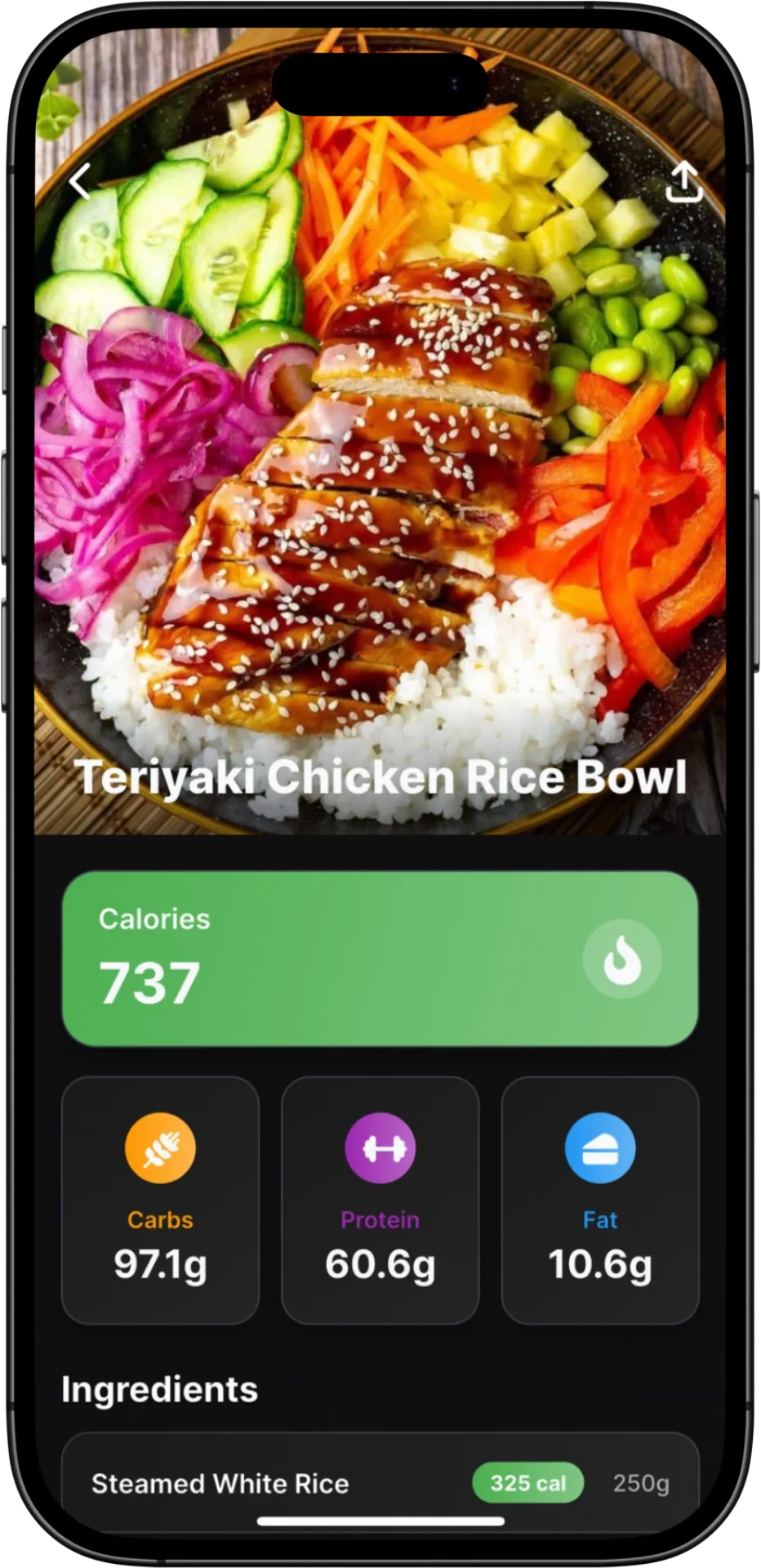
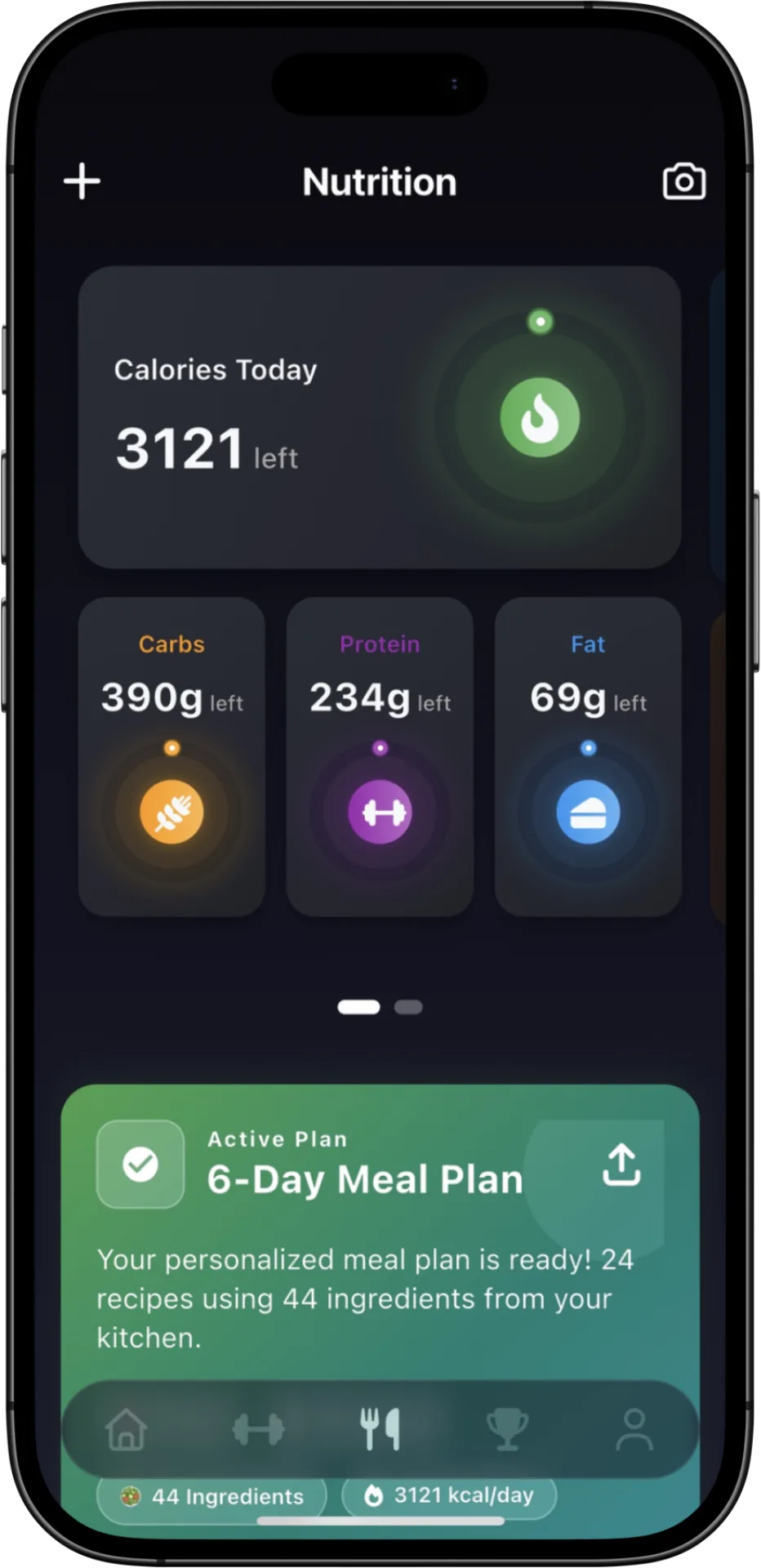
This is where FitFlow’s AI Food Scanning & Nutrition Tracking becomes an indispensable tool. Snap a photo of your meal for instant calorie and macro breakdowns, ensuring you hit your protein goals for muscle repair and adequate carbs for energy. Our database of 14M+ items, including official restaurant data, makes tracking effortless, and you can even build recipes for homemade meals with full nutritional breakdowns. Plus, FitFlow's water intake monitoring helps you stay on top of your hydration game.
3. The Power of Sleep
Sleep is when your body does its best repair work. During deep sleep, your body releases growth hormone, which is vital for muscle growth and tissue repair. Aim for 7-9 hours of quality sleep per night to optimize recovery.
4. Stretching and Mobility
While static stretching immediately after a workout has limited impact on DOMS, incorporating regular mobility work and gentle stretching into your routine can improve flexibility, reduce muscle stiffness, and potentially aid in overall recovery.
5. Massage and Foam Rolling
Self-myofascial release techniques, like foam rolling, can help increase blood flow, break up adhesions in muscle tissue, and temporarily reduce muscle tightness and soreness. Professional massage can also be highly effective.
Preventing Excessive Soreness: Train Smart
While some soreness is inevitable, you can take steps to prevent it from becoming debilitating and hindering your training consistency.
1. Gradual Progression is Key
Don't jump into a new routine or significantly increase intensity too quickly. Start with lighter weights or fewer reps and gradually build up over several weeks. This allows your muscles to adapt progressively, minimizing shock and excessive soreness.
2. Warm-Up Effectively
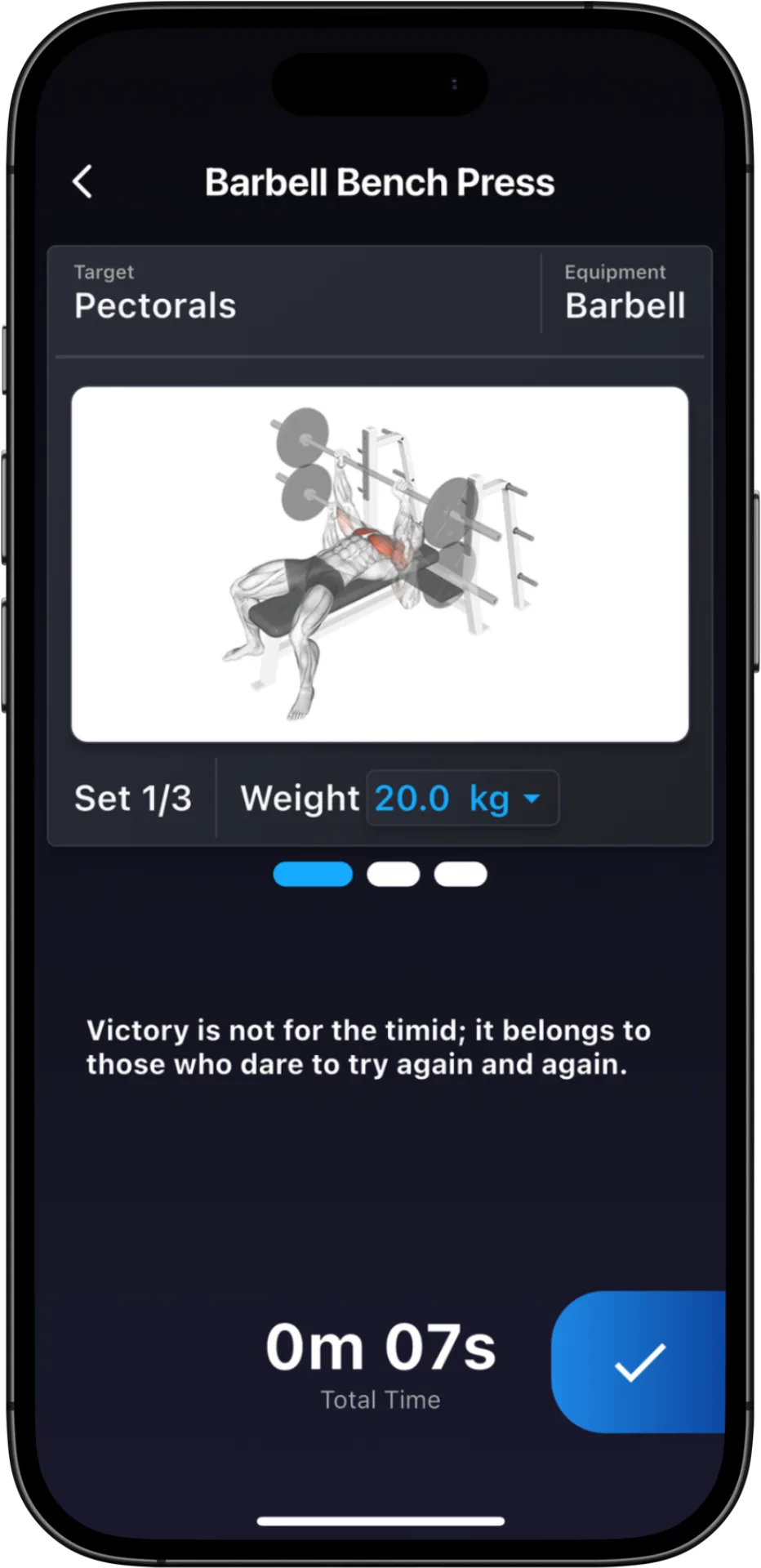
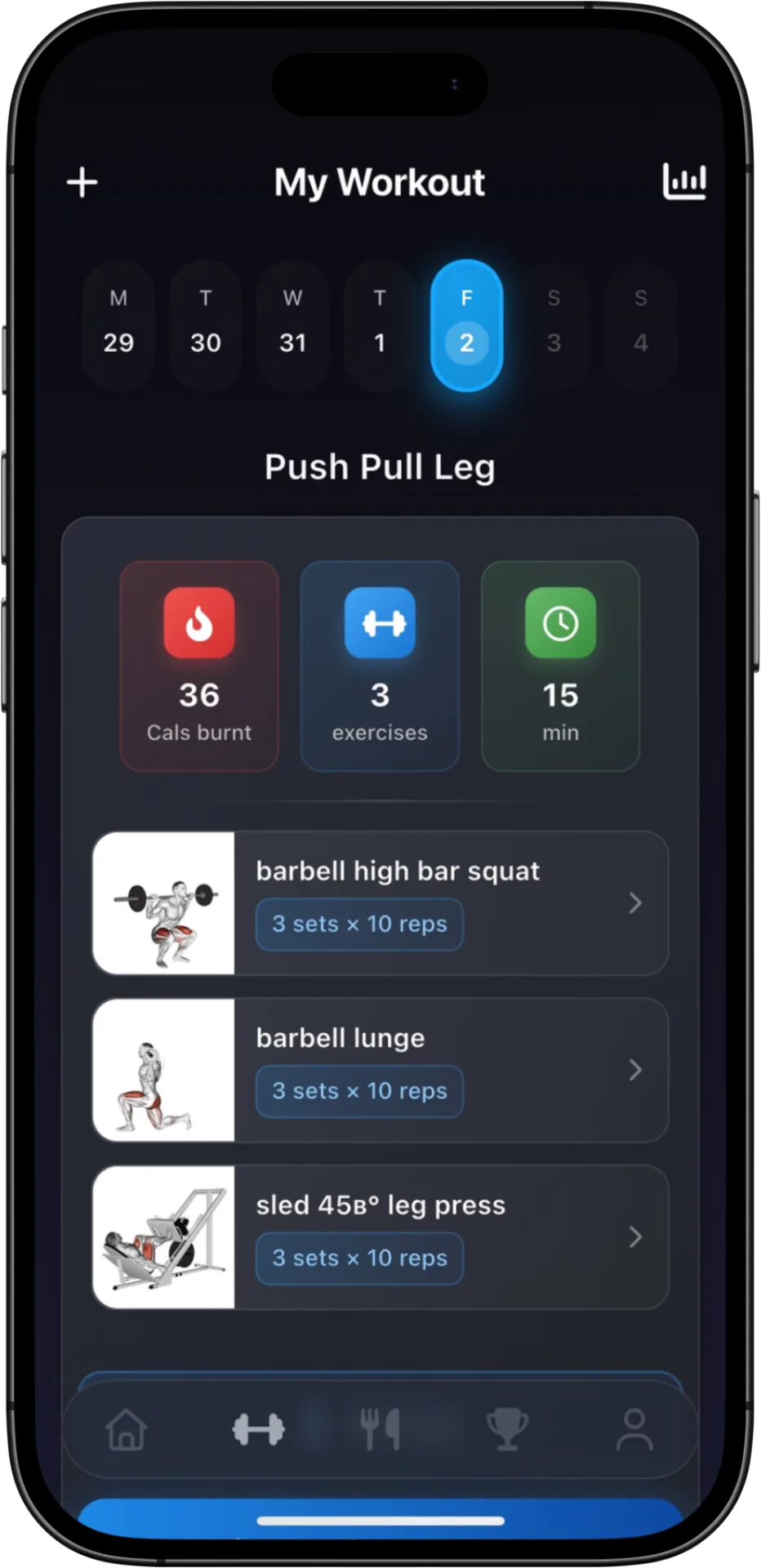
A proper warm-up prepares your muscles for activity by increasing blood flow, raising muscle temperature, and improving joint mobility. Dynamic stretches and light cardio are excellent for this. FitFlow's Smart Workout Tracking provides 1,000+ guided exercises with video demonstrations, helping you learn proper form and gradually increase intensity. Its customizable workout journeys ensure a structured, progressive approach, minimizing the shock to your system and reducing excessive soreness.
3. Cool-Down and Static Stretching
A cool-down helps bring your heart rate down gradually and can include static stretching to improve flexibility. While it won't prevent DOMS, it can help with overall muscle relaxation and mobility.
4. Consistency Over Intensity
Regular, consistent workouts, even if they are moderate, are more effective for long-term progress and less likely to cause extreme soreness than infrequent, super-intense sessions.
When to Be Concerned: Red Flags to Watch For
While DOMS is generally harmless, it's crucial to distinguish it from more serious issues. Consult a healthcare professional if you experience any of the following:
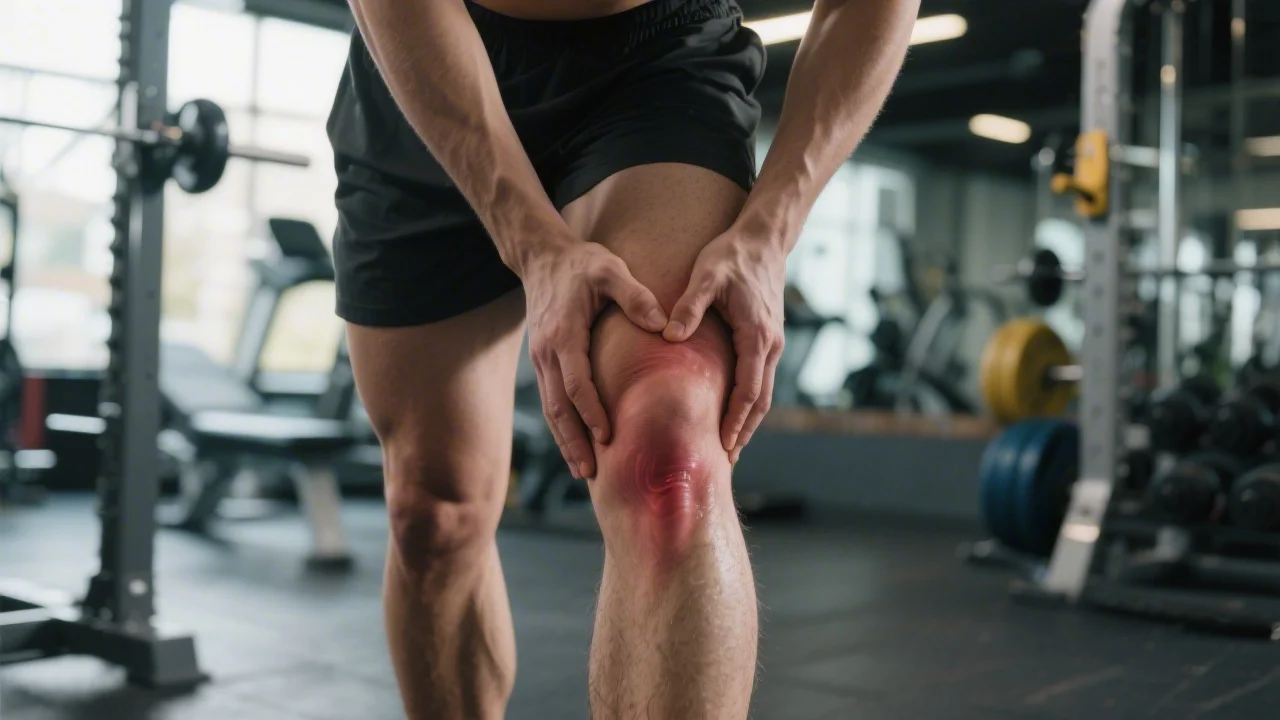
- Sharp, Stabbing Pain: Unlike the dull ache of DOMS, a sharp or shooting pain could indicate a muscle strain or tear.
- Localized Pain: If the pain is concentrated in one specific spot and doesn't improve with movement or time, it might be an injury.
- Pain That Worsens: DOMS typically peaks and then gradually subsides. If your pain continues to worsen beyond 72 hours or persists for more than a week, seek medical advice.
- Significant Swelling or Bruising: These are common signs of injury, not typical DOMS.
- Loss of Range of Motion: If you cannot move a joint through its normal range due to pain or stiffness (beyond what you'd expect from DOMS), get it checked out.
- Dark Urine (Rhabdomyolysis): In very rare and extreme cases of muscle damage, a condition called rhabdomyolysis can occur. This is a medical emergency characterized by severe muscle pain, weakness, and dark, tea-colored urine. Seek immediate medical attention if you suspect this.
Embrace the Journey, Not Just the Ache
Muscle soreness is a natural, often unavoidable, companion on your fitness journey. It's a testament to your body's incredible ability to adapt and grow stronger. However, it's not the ultimate metric of a successful workout. Focus on consistent effort, progressive overload, smart recovery, and listening to your body.
With FitFlow, you have a powerful partner in managing every aspect of your fitness. From AI-powered nutrition tracking to smart workout guidance and progress analytics, we provide the tools to train effectively, recover optimally, and celebrate every milestone on your path to a healthier, stronger you. So, embrace the journey, understand your body, and let FitFlow help you unlock your full potential.

Sources & References
FitFlow Editorial Team
Fitness & Nutrition Editorial TeamCertified personal trainers & nutrition coaches
The FitFlow Editorial Team is a group of certified personal trainers, nutrition coaches, and fitness writers who translate exercise science and nutrition research into practical, actionable guidance. Every article is grounded in peer-reviewed sources and reviewed for accuracy before publishing.
Frequently Asked Questions
Who is this guide for?
This guide is for anyone focused on fitness tips and looking for practical, sustainable progress.
How quickly can I apply these recommendations?
Most recommendations are designed for immediate implementation. Start with one change today, then layer improvements weekly.
How does FitFlow support this strategy?
FitFlow supports execution with AI-powered meal tracking, workout planning, and progress analytics that help you stay consistent.