The Beginner's Guide to Reading a Fitness Study
Reviewed by the fitness & nutrition editorial team · Certified personal trainers & nutrition coaches

Navigating the Information Overload: Why Critical Reading Matters
In today's digital age, the internet is a vast ocean of information, and the fitness and nutrition landscape is no exception. From viral diet trends to groundbreaking workout routines shared by influencers, it's easy to feel overwhelmed and confused. One day, eggs are bad for you; the next, they're a superfood. High-intensity interval training is the holy grail, until a new study suggests steady-state cardio is superior for fat loss. How do you, the informed individual, discern fact from fiction, hype from evidence?
The answer lies in developing the ability to critically evaluate the source of this information. While it might seem daunting, understanding how to read and interpret scientific studies is an invaluable skill that empowers you to make truly informed decisions about your health and fitness. Instead of relying on sensationalized headlines or second-hand interpretations, you can go to the primary source, understand its strengths and limitations, and apply its findings intelligently to your own life.
"The first step towards evidence-based fitness is learning to distinguish between scientific rigor and anecdotal enthusiasm."
This guide isn't about turning you into a research scientist overnight. It's about equipping you with the fundamental tools to approach fitness and nutrition studies with a healthy dose of skepticism and a clear understanding of what to look for. By learning to identify key components of a study, you'll gain the confidence to make choices grounded in solid science, not fleeting trends.

Decoding the Abstract and Introduction: Your First Glimpse
When you first encounter a scientific paper, whether through a search engine or a reference, the sheer volume of text can be intimidating. Don't panic. Start with the 'Abstract' and 'Introduction' sections. These are designed to provide an overview and context, helping you decide if the study is even relevant to your interests.
The Abstract: The Study in a Nutshell
The abstract is a concise summary of the entire paper, typically 150-300 words. It outlines the study's purpose, methods, key findings, and main conclusions. Think of it as a movie trailer – it gives you a quick snapshot. While useful for quickly gauging relevance, never stop here. An abstract alone can be misleading, as it often highlights only the most positive or significant findings, sometimes omitting crucial details or limitations.
- What to look for: The main question being asked, the type of participants, the intervention tested, and the primary outcomes.
- Why it's important: To determine if the study is worth a deeper dive. Does it address a question you care about? Are the participants similar to you?
The Introduction: Setting the Stage
Following the abstract, the introduction provides essential background information. It reviews existing literature on the topic, explains what is already known, identifies gaps in current research, and clearly states the study's specific aim or hypothesis. This section is crucial for understanding the rationale behind the research.
- What to look for:
- Background context: What previous research has led to this study?
- Problem statement: What question is the study trying to answer? What gap in knowledge is it filling?
- Hypothesis: What do the researchers expect to find? This helps you understand their starting assumptions.
By thoroughly reading these initial sections, you'll build a foundational understanding of the study's purpose before delving into the more complex details of its execution.

The Methodology: The Blueprint of Discovery
The 'Methods' section is arguably the most critical part of any scientific paper. It describes exactly how the study was conducted, allowing you to assess the validity and reliability of the findings. If the methods are flawed, the results, no matter how exciting, are questionable. This section is where you become a detective, scrutinizing the 'how'.
Study Design: The Research Framework
Different questions require different study designs. Understanding the type of study is paramount:
- Randomized Controlled Trials (RCTs): Often considered the 'gold standard' for intervention studies. Participants are randomly assigned to either an intervention group (receiving the treatment) or a control group (receiving a placebo or no treatment). Randomization helps minimize bias.
- Observational Studies: Researchers observe participants without intervening. Examples include:
- Cohort Studies: Follows a group of people over time to see who develops an outcome (e.g., following healthy people to see who develops heart disease).
- Case-Control Studies: Compares people with a condition (cases) to people without it (controls) to look for past exposures (e.g., comparing cancer patients to healthy individuals to see past dietary patterns).
- Cross-Sectional Studies: Looks at data from a population at a single point in time (e.g., surveying people about their diet and activity levels simultaneously).
- Meta-Analyses and Systematic Reviews: These synthesize findings from multiple studies on the same topic, providing a higher level of evidence by pooling data.
RCTs offer strong evidence for cause-and-effect, while observational studies can identify associations but cannot definitively prove causation.
Participants: Who Was Studied?
Details about the study participants are vital for determining if the findings are relevant to you.
- Sample Size: A larger sample size generally provides more statistical power, meaning the results are more likely to be representative and less likely due to chance. Very small studies should be viewed with caution.
- Demographics: Age, gender, health status, training experience, dietary habits, and ethnicity all matter. A study on elite male bodybuilders might not apply to a sedentary middle-aged woman.
- Inclusion/Exclusion Criteria: Who was allowed in the study, and who was kept out? This helps define the study's specific population.
Intervention and Measurements: What Was Done and How?
This section details the specifics of the intervention (e.g., type of exercise, dosage of a supplement, dietary plan) and how outcomes were measured.
- Specifics of Intervention: Was the exercise protocol clearly defined (sets, reps, rest, intensity)? Was the supplement dosage standardized? Was the diet strictly controlled? Ambiguous interventions make it hard to replicate or trust.
- Measurement Tools: Were validated and reliable methods used to measure outcomes (e.g., DEXA scan for body fat, standardized questionnaires, lab tests)? Poor measurement tools lead to unreliable data.
- Duration: Was the study long enough to observe meaningful changes? Acute effects might differ from chronic adaptations.
Control Group and Blinding: Minimizing Bias
These elements are crucial for ensuring the results are due to the intervention, not other factors.
- Control Group: A group that receives no intervention or a placebo. This allows researchers to compare the effects of the intervention against a baseline or a sham treatment, accounting for the placebo effect.
- Blinding:
- Single-blind: Participants don't know if they are in the intervention or control group.
- Double-blind: Neither the participants nor the researchers administering the intervention know who is in which group. This is the gold standard for minimizing bias from participant expectations or researcher influence.
A well-designed methodology is the backbone of credible research. Taking the time to understand it will significantly enhance your ability to evaluate a study's findings.

Unpacking Results and Discussion: What Did They Find, and What Does It Mean?
Once you've understood how the study was conducted, it's time to examine what the researchers actually found and how they interpret those findings. This section often contains statistical jargon, but the core concepts are understandable.
The Results: The Raw Findings
The 'Results' section presents the data collected, often through tables, graphs, and statistical analyses. It should be presented objectively, without interpretation.
- Statistical Significance (p-value): You'll often see 'p < 0.05'. This common threshold indicates that there is less than a 5% chance that the observed results occurred by random chance. While important, statistical significance doesn't always equate to practical significance.
- Effect Size: This tells you the magnitude of the difference or relationship observed. A statistically significant finding might have a tiny effect size, meaning it's unlikely to be meaningful in the real world. For example, a supplement might statistically reduce body fat by 0.1%, which is statistically significant but practically irrelevant.
- Confidence Intervals: These provide a range within which the true effect likely lies. A narrower interval suggests greater precision.
Don't just look for 'significant' findings; understand the actual numbers and the size of the effect.
The Discussion: Interpretation and Limitations
In the 'Discussion' section, the authors interpret their results, relate them back to their initial hypothesis, and compare them to previous research. This is where they explain what they believe the findings mean.
- Author's Interpretation: Do their conclusions logically follow from their results? Are they overstating their findings?
- Practical Significance: Do the findings have real-world implications? A statistically significant finding might not be practically useful.
- Limitations: Crucially, good studies will openly discuss their own limitations. This might include small sample size, short duration, specific participant demographics, or potential biases. Acknowledging limitations demonstrates scientific integrity.
- Future Research: Researchers often suggest areas for further investigation based on their findings.
Always consider the limitations section carefully. It provides valuable context and helps you avoid generalizing findings beyond their appropriate scope.

The Elephant in the Room: Bias and Funding
Even with the most rigorous methodology, bias can subtly influence research. Learning to identify potential biases and understand funding sources is a critical step in truly evaluating a study's credibility.
Funding Sources: Follow the Money
At the end of most studies, there's a declaration of funding sources and potential conflicts of interest. This isn't to say that industry-funded research is inherently bad, but it warrants closer scrutiny.
- Industry Funding: A study on a protein supplement funded by a protein powder company, or a diet study funded by a particular food industry, might be more likely to yield results favorable to the funder. This doesn't mean the research is automatically flawed, but it's a known conflict of interest that can unconsciously influence study design, data interpretation, or even publication decisions.
- Independent Funding: Studies funded by government grants (e.g., NIH, NSF) or independent non-profit organizations are generally considered to have fewer financial conflicts of interest.
Always note who funded the study. It's a piece of the puzzle, not a definitive judgment.
Researcher Bias: Unconscious Influence
Researchers, like all humans, can have unconscious biases that influence their work:
- Confirmation Bias: The tendency to interpret results in a way that confirms pre-existing beliefs or hypotheses.
- Reporting Bias: The selective reporting of data, where only positive or statistically significant results are emphasized, while negative or non-significant findings are downplayed or omitted.
Double-blinding (where neither participants nor researchers know who is in which group) is designed to mitigate some of these biases, but it's not always possible.
Publication Bias: The File Drawer Problem
There's a well-documented tendency for studies with positive or statistically significant results to be more likely to be published than those with negative or null results. This is known as publication bias or the 'file drawer problem'. If many studies showing no effect are never published, the published literature might present an artificially positive view of an intervention's effectiveness.
By being aware of these potential biases and funding influences, you can approach study findings with a more informed and critical perspective, rather than taking them at face value.

Translating Research into Real-World Action with FitFlow
Understanding a study is one thing; applying its insights to your personal fitness journey is another. This is where an intelligent tool like FitFlow bridges the gap between scientific literature and practical, personalized action. Research provides the principles; FitFlow provides the platform to implement them effectively and track your individual response.
Personalized Nutrition Based on Evidence
Imagine you've read a study highlighting the optimal protein intake for muscle synthesis or the benefits of specific macro ratios for weight loss. How do you integrate that into your daily diet without becoming a human calculator?
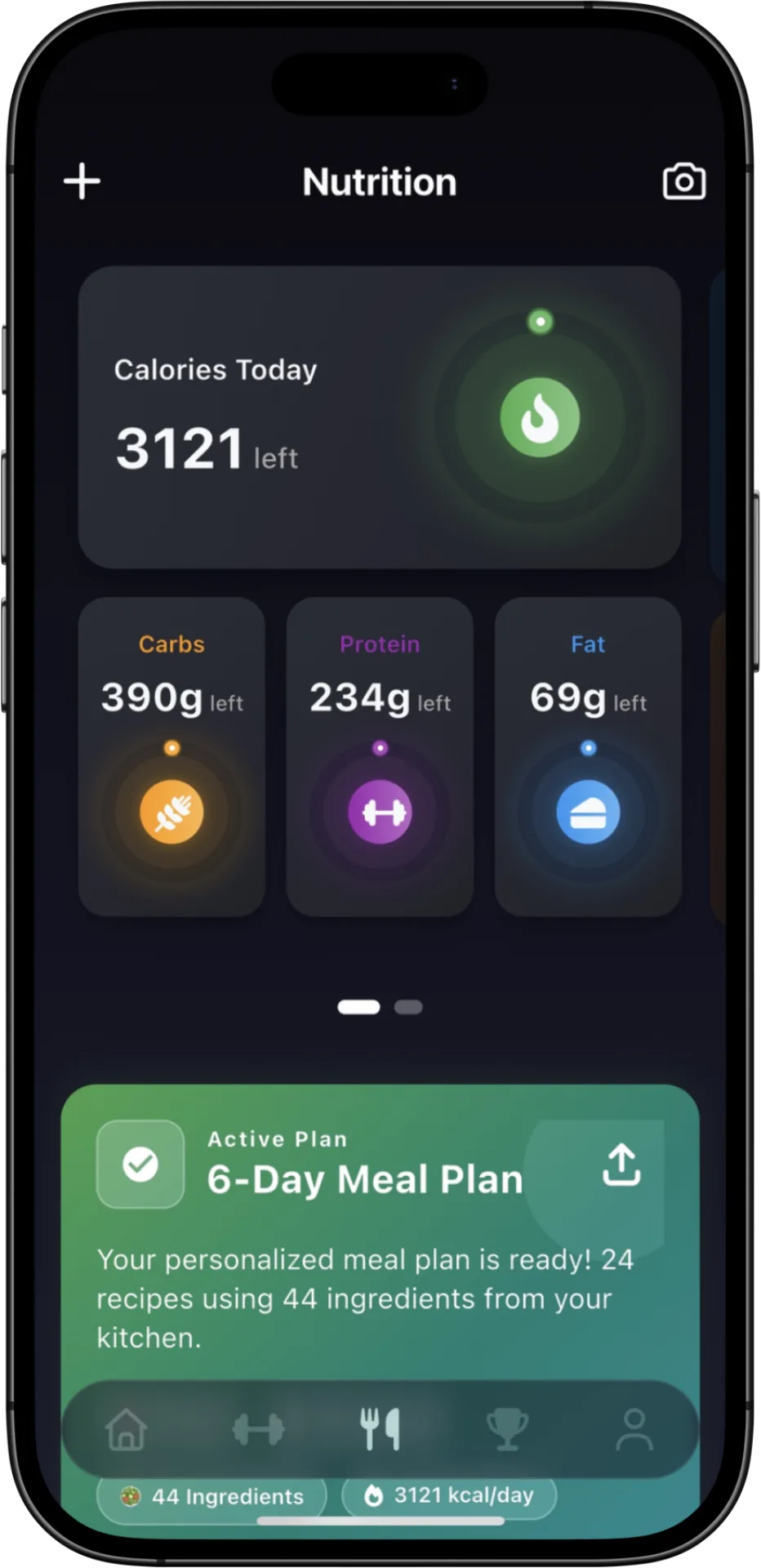
- AI Food Scanning & Nutrition Tracking: FitFlow's advanced AI allows you to snap a meal photo for instant calorie counting and macro breakdowns (protein, carbs, fats). If a study suggests aiming for 0.7-1.0g of protein per pound of body weight, FitFlow helps you hit that target with ease. It recognizes 2M+ foods from photos and offers a database of 14M+ items, making tracking up to 5x faster than manual logging.
- Custom Meal Plans: Based on your goals (weight loss, muscle gain) and dietary preferences (vegetarian, keto, gluten-free), FitFlow can generate custom meal plans tailored to your specific needs, ensuring you're applying evidence-based nutritional strategies directly. You can even use the recipe builder for homemade meals with full nutritional breakdowns.
Optimizing Workouts with Scientific Protocols
Perhaps a study revealed the most effective set and rep ranges for hypertrophy, or the ideal rest periods for strength gains. How do you translate that research into your gym routine?
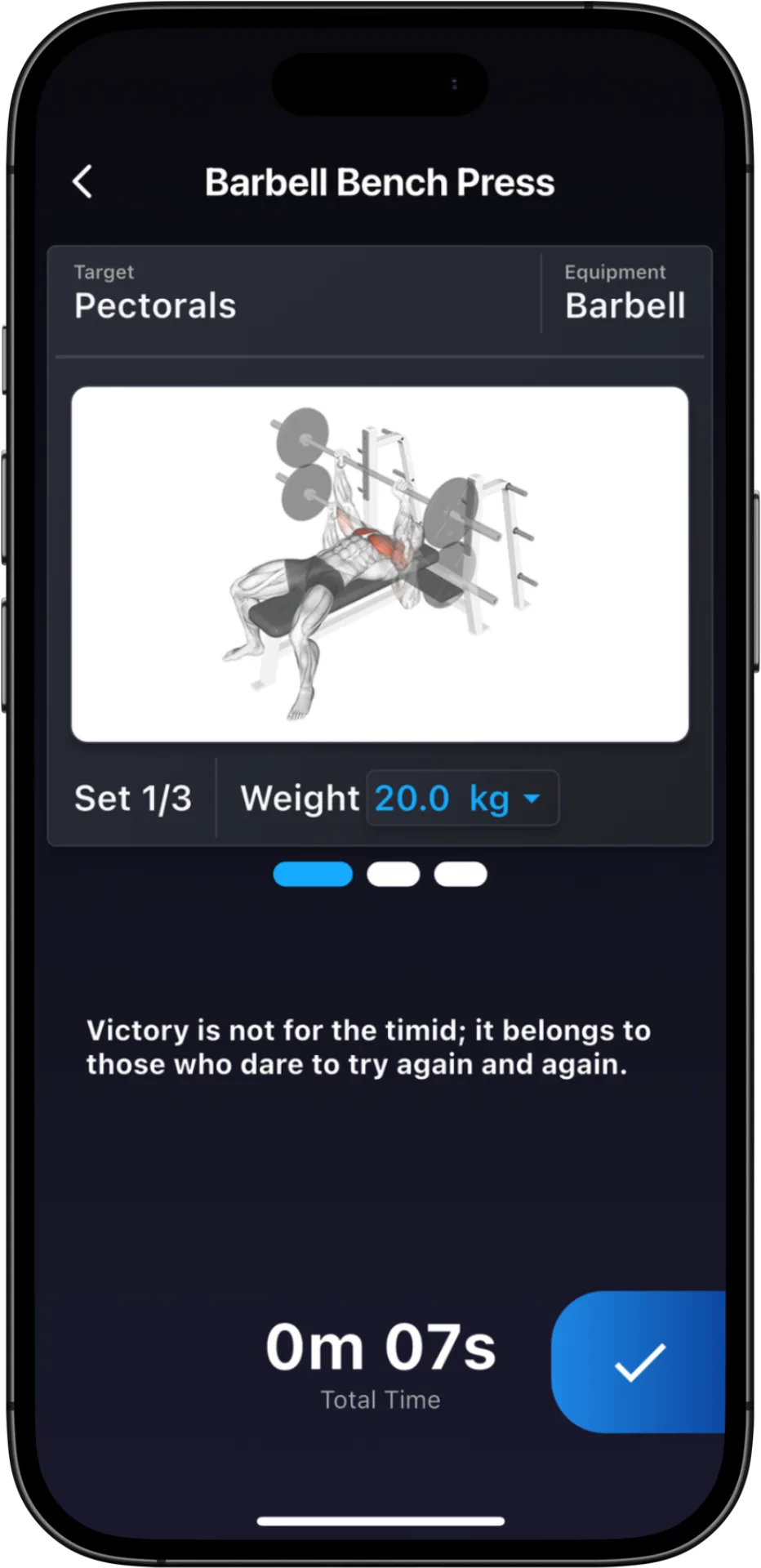
- Smart Workout Tracking: FitFlow offers 1,000+ guided exercises with video demonstrations, ensuring you perform movements correctly. More importantly, it provides real-time tracking of sets, reps, and rest periods. If a study recommends a 90-second rest between heavy sets, FitFlow's timer keeps you on track, allowing you to directly apply the research protocol.
- Customizable Workout Journeys: Whether your goal is strength training, weight loss, or cardio, FitFlow's customizable workout journeys can be adapted to incorporate findings from scientific literature, giving you an evidence-backed roadmap.
Tracking Progress and Adapting
The most crucial step in applying research is monitoring your own body's response. What works for a study population might need slight adjustments for you.
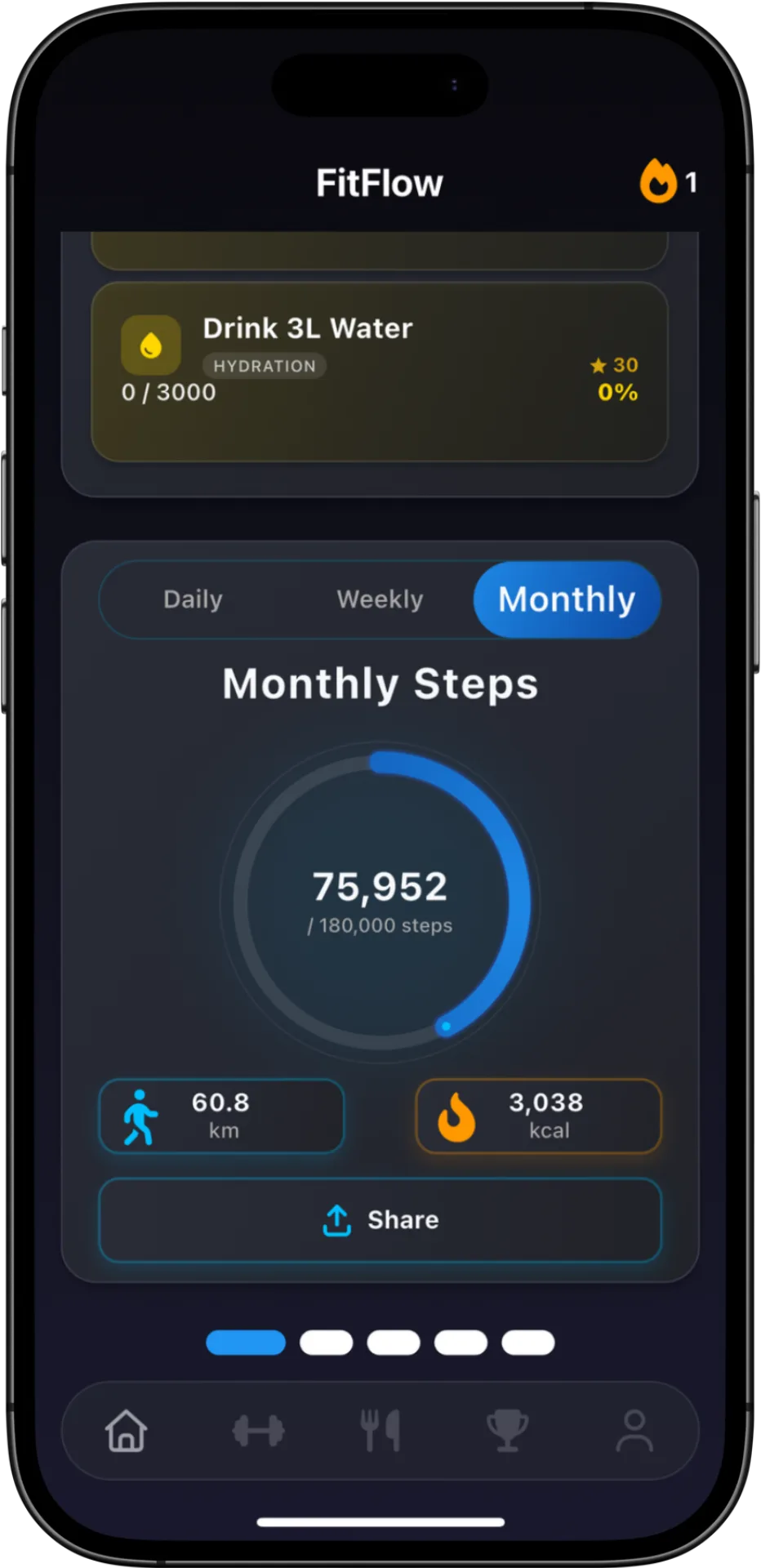
- Progress Analytics & Goal Setting: FitFlow helps you track weight and body fat with visual charts, monitor your performance with personal record tracking, and view detailed fitness and nutrition analytics. By consistently tracking your progress, you can see if the strategies derived from your research reading are actually yielding results for *you*. This iterative process of 'learn, apply, track, adapt' is the essence of evidence-based personal fitness.
FitFlow empowers you to move beyond just reading studies to actively integrating scientific insights into your daily health regimen, providing the tools to measure, monitor, and optimize your journey effectively.
When to Be Skeptical: Red Flags and Common Pitfalls
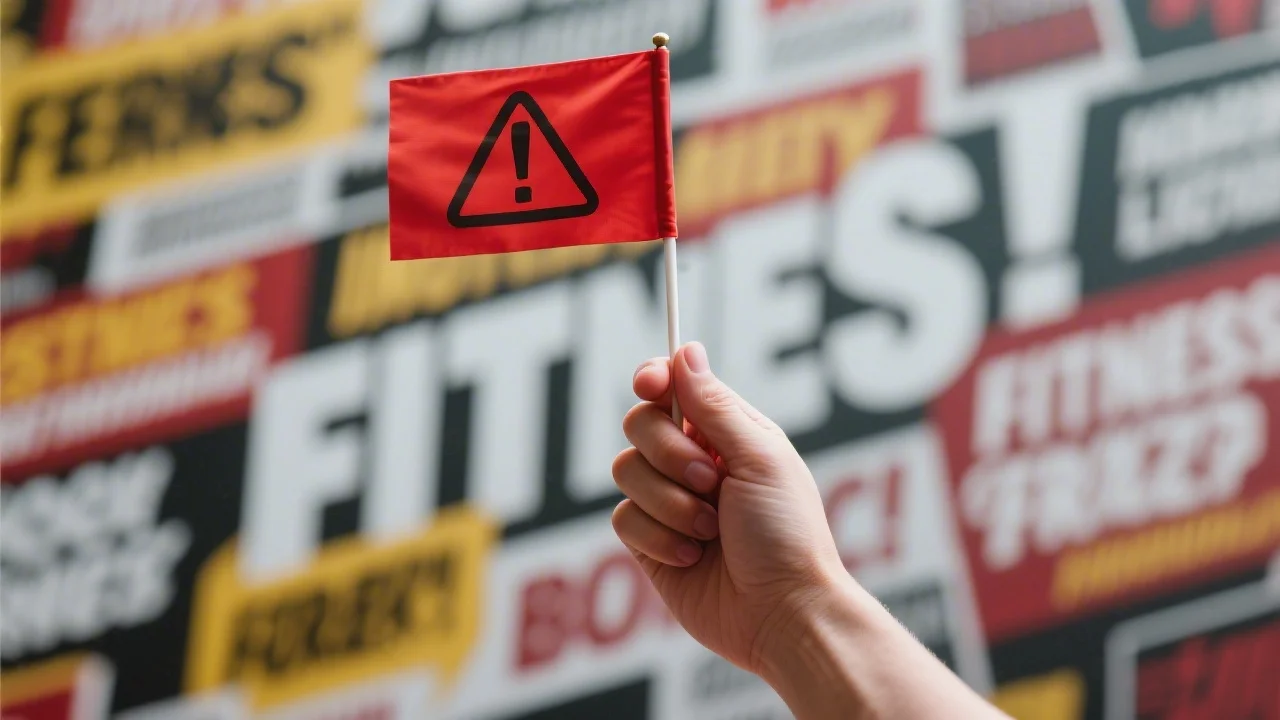
Even with a solid understanding of study components, it's essential to maintain a healthy skepticism. The fitness industry is rife with misinformation, and knowing the common red flags can save you time, money, and frustration.
"Too Good to Be True" Claims
If a product or method promises instant, effortless results – whether it's rapid fat loss without diet or exercise, or massive muscle gains from a single pill – it's almost certainly too good to be true. Real physiological changes take time, effort, and consistency. Science supports gradual, sustainable progress, not overnight transformations.
Anecdotes vs. Evidence
"It worked for me!" is a powerful statement, but it's not scientific evidence. Anecdotes, testimonials, and personal stories, while compelling, lack the rigor of controlled studies. They don't account for placebo effects, other lifestyle factors, or individual variability. While personal experiences can be motivating, they should never be the sole basis for making health decisions.
Cherry-Picking Data and Selective Reporting
Be wary of sources that only present data that supports a particular viewpoint, while ignoring contradictory evidence. This is known as cherry-picking. Similarly, some studies or articles might highlight only the positive outcomes, burying or omitting any negative or non-significant findings. Always look for a balanced presentation of results.
Sensationalized Headlines
Journalists and content creators often sensationalize scientific findings to grab attention. A headline like "Coffee Cures Cancer!" might stem from a nuanced study suggesting a weak association in a specific population, or even from preliminary animal research. Always read beyond the headline and dive into the actual study to understand the nuances and limitations.
Lack of Peer Review
Scientific studies undergo a rigorous peer-review process where other experts in the field evaluate the methodology, results, and conclusions before publication. Blogs, social media posts, self-published books, and even some online journals do not have this crucial safeguard. Always prioritize information from peer-reviewed scientific journals.
"Single Study Syndrome"
One study, no matter how well-conducted, rarely provides the definitive answer. Science is an ongoing process of replication, refinement, and building a body of evidence. A single study might be an interesting finding, but it needs to be replicated by other researchers to confirm its validity. Look for consistent findings across multiple studies, and ideally, systematic reviews or meta-analyses that synthesize the existing evidence.
By keeping these red flags in mind, you can become a more discerning consumer of fitness and nutrition information, protecting yourself from fads and pseudoscience.
Conclusion: Empowering Your Evidence-Based Journey
The journey to optimal health and fitness is deeply personal, but it doesn't have to be a shot in the dark. By cultivating the skill of critically reading scientific studies, you gain the power to cut through the noise, distinguish credible information from marketing hype, and truly understand the science behind your choices.
Remember, you don't need a Ph.D. to understand the core principles of scientific inquiry. Start with the abstract and introduction, scrutinize the methods, critically evaluate the results and discussion, and always consider potential biases and funding. Maintain a healthy skepticism, recognizing that real progress is often gradual and that single studies rarely tell the whole story.
Equipped with this knowledge, you can approach your fitness and nutrition goals with confidence, knowing that your decisions are grounded in evidence. Tools like FitFlow further empower this journey by providing a practical platform to implement research-backed strategies, track your personal progress, and adapt your approach based on your unique results. Embrace the role of an informed individual, and take control of your health with science as your guide.
Sources & References
- Improved Survival After Adjuvant Therapy in Locally Advanced Rectal Cancer Patients With Pathologic Complete Response — Lai SH, Vogel JD, Vemuru S (2023)
- Effectiveness of transoral robotic surgery of the base of the tongue vs. conservative treatment for obstructive sleep apnea, a RCT, the RAPID study protocol — Toppenberg AGL, van der Maten J, Bos M (2026)
- Prognostic factors associated with mortality in septic shock: a systematic review and meta-analysis — Jung RG, Gupta A, Stotts C (2026)

FitFlow Editorial Team
Fitness & Nutrition Editorial TeamCertified personal trainers & nutrition coaches
The FitFlow Editorial Team is a group of certified personal trainers, nutrition coaches, and fitness writers who translate exercise science and nutrition research into practical, actionable guidance. Every article is grounded in peer-reviewed sources and reviewed for accuracy before publishing.
Frequently Asked Questions
Who is this guide for?
This guide is for anyone focused on fitness tips and looking for practical, sustainable progress.
How quickly can I apply these recommendations?
Most recommendations are designed for immediate implementation. Start with one change today, then layer improvements weekly.
How does FitFlow support this strategy?
FitFlow supports execution with AI-powered meal tracking, workout planning, and progress analytics that help you stay consistent.