Progressive Overload: The #1 Principle Most Lifters Ignore
Reviewed by the fitness & nutrition editorial team · Certified personal trainers & nutrition coaches
The Physiology of Progress: Understanding the Adaptation Loop
In the realm of strength training and hypertrophy, there is one law that reigns supreme: the principle of progressive overload. Despite its fundamental importance, it remains the most misunderstood and frequently ignored concept in the gym. At its core, progressive overload states that in order to keep seeing results, you must continually increase the stress placed upon your body during exercise. This isn't just a gym 'bro-science' tip; it is rooted in biological necessity.
When you lift a weight that your body isn't accustomed to, you create microscopic tears in the muscle fibers and signal a state of stress to the central nervous system (CNS). This triggers a biological response known as the General Adaptation Syndrome (GAS), first described by endocrinologist Hans Selye. Your body moves through three phases: alarm, resistance, and exhaustion. During the resistance phase, the body repairs the damage and builds the muscle back slightly stronger to handle that specific stressor in the future. If you return to the gym and lift the exact same weight for the exact same reps, the 'alarm' phase never triggers. Your body has already adapted; there is no biological reason for it to grow further.
The Science of Hypertrophy Pathways
Muscle growth occurs through three primary mechanisms: mechanical tension, metabolic stress, and muscle damage. Progressive overload primarily drives mechanical tension, which is widely considered the most important factor for long-term growth. By increasing the load or the time under tension, you force the mechanosensors in your muscle cells to initiate protein synthesis. Without a systematic increase in these variables, your progress will inevitably stall, leading to the dreaded 'plateau' that plagues so many intermediate lifters.
- Mechanical Tension: The force exerted on muscle fibers during contraction.
- Metabolic Stress: The 'pump' or accumulation of metabolites like lactate and hydrogen ions.
- Muscle Damage: The localized inflammatory response to strenuous exercise.
"The human body is an efficiency machine; it will only expend the energy required to build muscle if it is convinced that the current muscle mass is insufficient for survival."
To truly master progressive overload, you must move beyond the idea of just 'working hard.' You must work systematically. This requires a level of data precision that mental notes simply cannot provide.
The Seven Pillars of Progressive Overload
Most people equate progressive overload solely with adding more plates to the barbell. While increasing the absolute load is a vital component, it is far from the only way to challenge your physiology. In fact, constantly chasing heavier weights can lead to technical breakdown and injury if not balanced with other variables. To build a truly resilient and aesthetic physique, you should utilize all seven pillars of overload.
1. Increased Resistance (Load)
This is the most obvious method. If you benched 135 lbs last week, attempting 140 lbs this week is a direct application of progressive overload. This is particularly effective for low-rep, high-intensity strength training.
2. Increased Volume (Sets and Reps)
Total volume is calculated as Sets x Reps x Weight. If you cannot increase the weight, adding an extra set or performing two more reps per set increases the total work capacity required of the muscle. Research suggests that higher volumes are strongly correlated with hypertrophy, provided recovery is managed.
3. Increased Training Frequency
Hitting a muscle group twice a week instead of once allows for more frequent spikes in muscle protein synthesis. This increases the total stimulus over a monthly or yearly macrocycle.
4. Increased Exercise Density
This involves doing the same amount of work in less time. By shortening your rest periods from 90 seconds to 60 seconds while maintaining the same weight and reps, you increase the metabolic demand and force your body to recover faster between bouts of exertion.
5. Improved Technique and Range of Motion (ROM)
Performing a squat with a full range of motion (thighs below parallel) with 200 lbs is significantly more difficult—and effective—than a 'ego-lift' partial squat with 250 lbs. Improving form is a valid and often safer form of progression.
6. Increased Time Under Tension (Tempo)
By slowing down the eccentric (lowering) phase of a lift, you increase the mechanical tension on the muscle fibers without needing to add more weight. A 4-second eccentric on a bicep curl is vastly different from a 1-second drop.
7. Increased Intensity of Effort
This refers to how close you get to muscular failure. Moving from 3 reps in reserve (RIR) to 1 RIR increases the recruitment of high-threshold motor units, which are responsible for the most growth.
Digital Precision: Why Manual Logging Is Failing You
The greatest enemy of progressive overload is a lack of memory. Can you accurately recall exactly how many reps you performed on your third set of Bulgarian Split Squats three weeks ago? Probably not. Without precise tracking, most lifters fall into the trap of 'maintenance training'—going through the motions without actually pushing the needle forward.
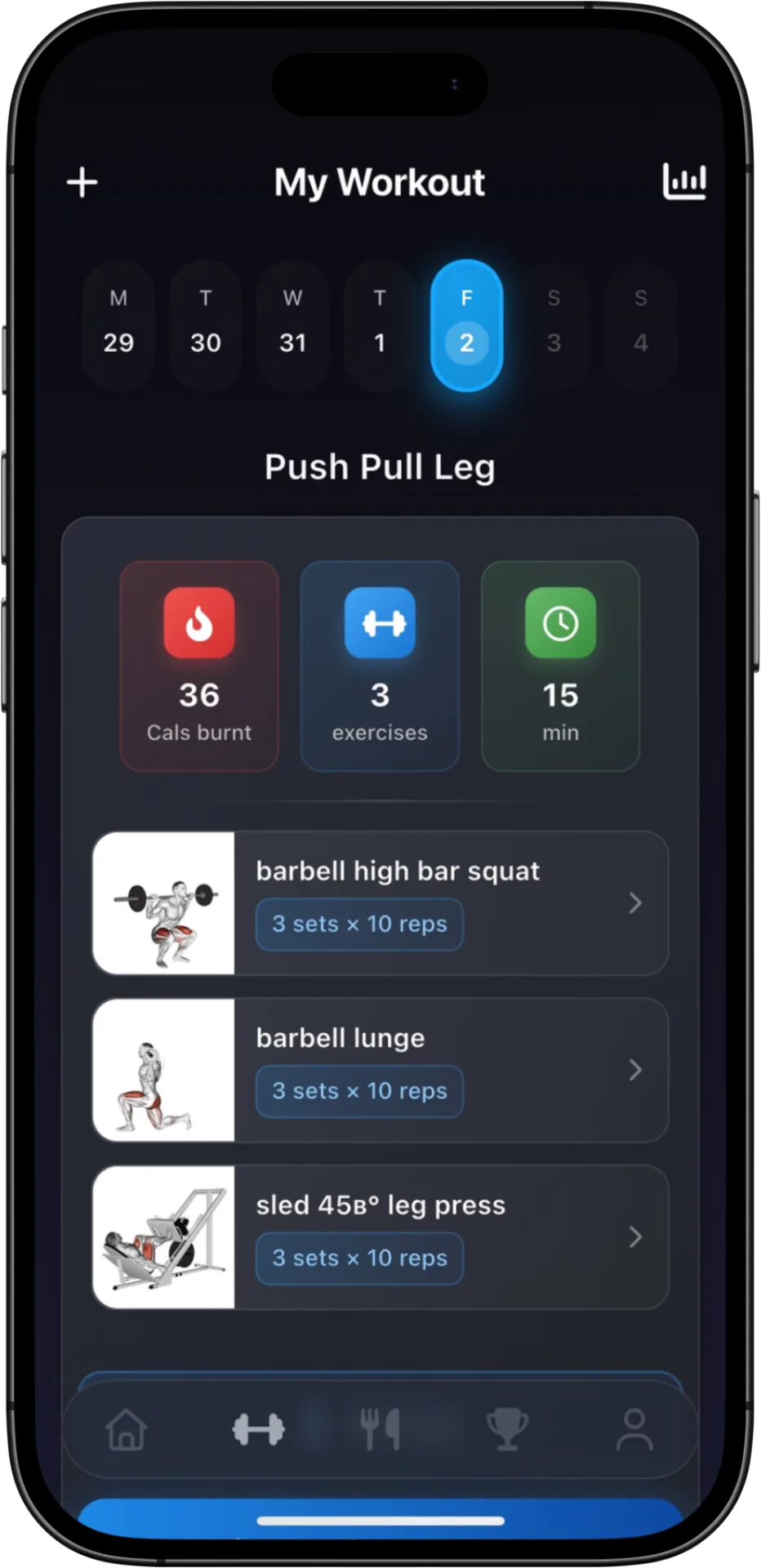
This is where FitFlow’s Smart Workout Tracking becomes an essential tool in your arsenal. Instead of fumbling with a notebook or a generic notes app, FitFlow provides a dedicated interface for real-time tracking of sets, reps, and rest periods. When you are in the middle of a grueling session, the app acts as your digital coach, reminding you of your previous personal records (PRs) and encouraging you to beat them. The Barbell workout tracking feature even includes realistic weight defaults, making it easier to log those incremental 2.5lb or 5lb jumps that are so crucial for long-term strength gains.
Harnessing AI for Form Guidance
One of the biggest risks when chasing progressive overload is 'ego lifting'—sacrificing form for weight. FitFlow addresses this with intelligent form guidance. By ensuring your technique remains consistent, the app ensures that the 'overload' is actually being placed on the target muscle and not your joints. With over 1,000 guided exercises and video demonstrations, you can verify your range of motion and tempo, ensuring that your progress is genuine and sustainable.
The Recovery Paradox: Overload Without Overreaching
You do not grow in the gym; you grow while you sleep. Progressive overload is a double-edged sword. If you push too hard for too long without adequate recovery, you risk moving from 'overloading' to 'overreaching,' and eventually, 'overtraining.' Overtraining is a systemic state where the CNS is fried, hormone levels (like cortisol and testosterone) are disrupted, and injury risk skyrockets.
To prevent this, smart lifters utilize deload weeks. A deload is a planned reduction in training volume or intensity, typically every 4–8 weeks. This allows your connective tissues to heal and your nervous system to reset, often leading to a 'supercompensation' effect where you return stronger than before. Tracking your Personal Records and achievement badges in FitFlow helps you visualize these cycles. If you see your progress stalling across all lifts despite high effort, the app’s analytics will reflect that plateau, signaling that it might be time for a scheduled recovery phase.
Monitoring Vital Signs
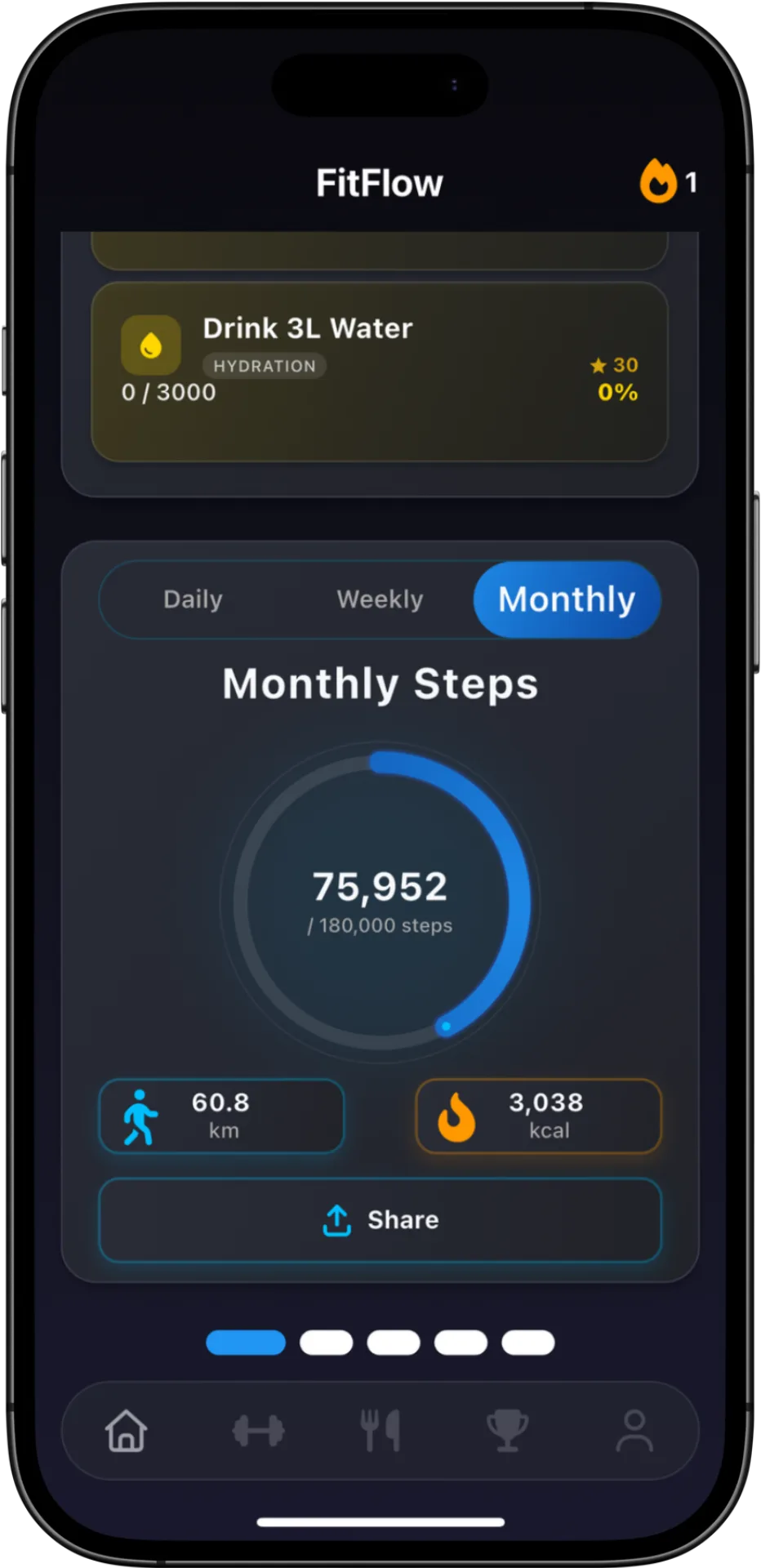
Recovery isn't just about rest days; it's about daily habits. Monitoring your water intake and daily step counts provides a holistic view of your physical state. FitFlow integrates with Apple Health and Google Fit to bring all this data into one dashboard. If your steps are down and your hydration is low, your ability to handle a high-intensity overload session is diminished. By looking at the Detailed fitness analytics, you can spot trends where poor recovery correlates with poor gym performance, allowing you to adjust your lifestyle for better gains.

Fueling the Load: Nutrition as a Performance Multiplier
You cannot build a skyscraper without enough bricks and mortar. Similarly, you cannot expect your body to adapt to progressive overload if you are in a massive caloric deficit or protein-starved. To support the increased demands of a progressive training program, your nutrition must be as structured as your lifting.
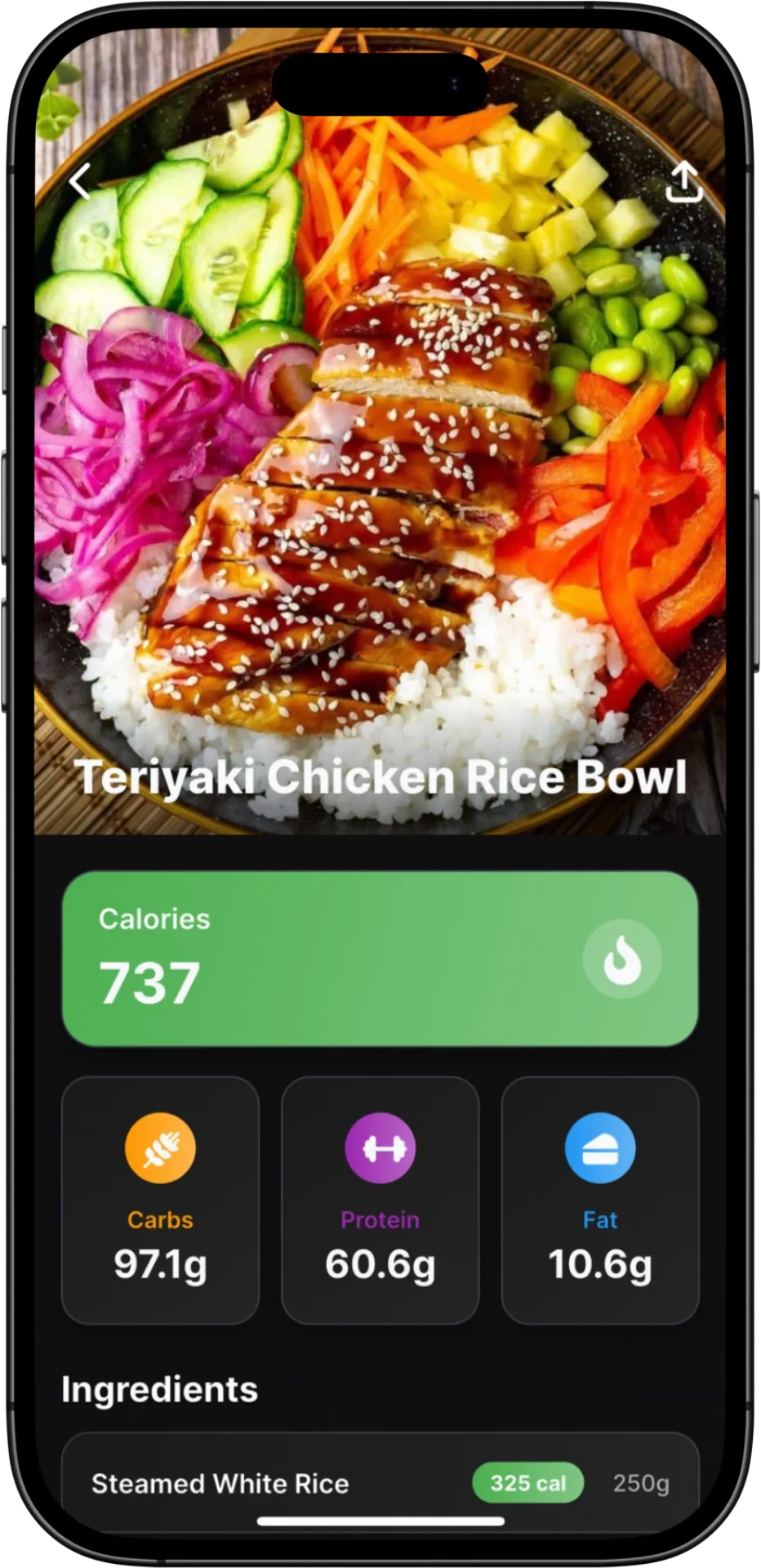
The FitFlow AI Food Scanning feature is a game-changer for lifters who hate manual entry. By simply snapping a photo of your meal, the AI recognizes the food and provides an instant macro breakdown. For those focusing on muscle gain, ensuring a slight caloric surplus and hitting protein targets (typically 0.8g to 1g per pound of body weight) is non-negotiable. FitFlow’s database of 14M+ items ensures that whether you’re eating a homemade recipe or a meal from a major restaurant chain, your data is accurate.
Customized Meal Planning
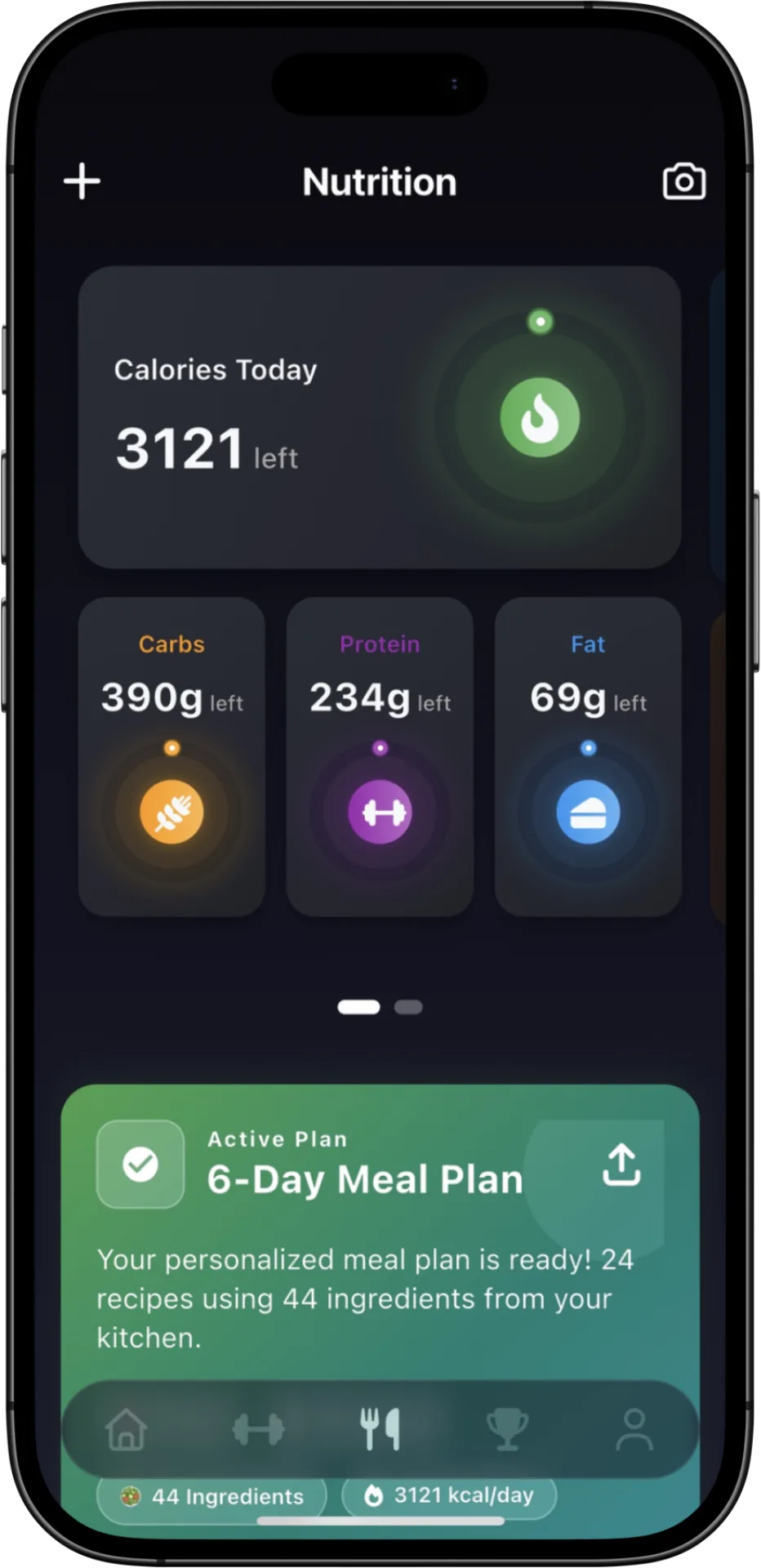
Progressive overload requires energy. FitFlow offers custom meal plans tailored to muscle gain, supporting various dietary preferences like Keto, Paleo, or Vegan. If you are struggling to hit your carbohydrate targets—which are essential for replenishing glycogen used during heavy lifting—the app’s Recipe Builder can help you create high-performance meals with full nutritional breakdowns. By automating 80% of your food logging, you can spend less time calculating and more time recovering.
Overcoming the Plateau with Data-Driven Analytics
Every lifter, from the novice to the professional bodybuilder, eventually hits a plateau. This is the point where simply 'adding more weight' no longer works. To break through, you need to analyze your data to find the weak link in your chain. Is it a specific part of the lift? Is it your recovery? Or is it a lack of consistency?
FitFlow’s Progress Analytics and Goal Setting tools allow you to see the big picture. By viewing visual charts of your weight and body fat percentage alongside your strength PRs, you can determine if your gains are lean muscle or if you're simply gaining weight. The Smart goal-setting feature celebrates milestones, which is vital for maintaining the psychological momentum needed to push through difficult training blocks.
The Power of Community and Competition
Sometimes, the missing ingredient in progressive overload isn't physical—it's mental. The FitFlow Leaderboard and daily challenges provide a competitive edge that can push you to squeeze out that one extra rep that triggers growth. Seeing your rank among friends or the global community fosters a sense of accountability. When you know your app open streak and workout consistency are being tracked, you are much less likely to skip the heavy leg day that your body needs to evolve.

Common Pitfalls and the Path Forward
As you implement progressive overload, beware of the 'Linear Progression Trap.' In the beginning, you can add weight almost every session. As you become more advanced, progress becomes non-linear. You may go weeks without adding weight, only to suddenly jump up 10 lbs. This is normal. The key is to remain patient and utilize the other pillars of overload—reps, tempo, and density—when the weight on the bar won't budge.
Avoid these common mistakes:
- Sacrificing Form for Weight: If the movement looks different to accommodate the weight, it's not progress.
- Changing Exercises Too Often: You can't progressively overload a movement if you only do it once every three weeks. Stick to a core group of lifts for at least 8–12 weeks.
- Ignoring Small Wins: A 2.5lb increase is still an increase. Over a year, that's 130 lbs of progress.
By combining the timeless principles of exercise science with the cutting-edge technology of FitFlow, you transform your training from a guessing game into a precision science. Start tracking every variable, fuel your body with AI-powered nutrition insights, and watch as the plateaus of the past become the stepping stones of your future physique.

Sources & References

FitFlow Editorial Team
Fitness & Nutrition Editorial TeamCertified personal trainers & nutrition coaches
The FitFlow Editorial Team is a group of certified personal trainers, nutrition coaches, and fitness writers who translate exercise science and nutrition research into practical, actionable guidance. Every article is grounded in peer-reviewed sources and reviewed for accuracy before publishing.
Frequently Asked Questions
Who is this guide for?
This guide is for anyone focused on strength training and looking for practical, sustainable progress.
How quickly can I apply these recommendations?
Most recommendations are designed for immediate implementation. Start with one change today, then layer improvements weekly.
How does FitFlow support this strategy?
FitFlow supports execution with AI-powered meal tracking, workout planning, and progress analytics that help you stay consistent.