Push Pull Legs Split: The Complete Guide to Max Muscle
Reviewed by the fitness & nutrition editorial team · Certified personal trainers & nutrition coaches
Understanding the Push Pull Legs Framework
The Push Pull Legs (PPL) split is widely considered one of the most effective and versatile workout routines for both natural lifters and professional athletes. Unlike traditional 'bro splits' that target one muscle group per day, PPL organizes training based on movement patterns. This functional approach ensures that related muscle groups work together, reducing the risk of overtraining and allowing for optimal recovery.
The logic behind PPL is simple: muscles that perform similar tasks are grouped into the same session. On Push days, you focus on the chest, shoulders, and triceps—muscles that move weight away from your body. Pull days target the back, biceps, and rear deltoids—muscles that bring weight toward you. Finally, Leg days address the entire lower body, including the quadriceps, hamstrings, glutes, and calves.
Studies in the Journal of Strength and Conditioning Research suggest that training a muscle group twice per week is superior for hypertrophy compared to once per week. The PPL split, when performed in a 6-day rotation (Push, Pull, Legs, Rest, repeat), perfectly facilitates this high-frequency approach.
One of the primary benefits of this structure is the management of systemic fatigue. By separating upper body movements into 'pushing' and 'pulling,' you avoid the common issue of overlapping muscle fatigue. For example, if you train chest on Monday and shoulders on Tuesday, your anterior deltoids and triceps are being taxed two days in a row. With PPL, these muscles are worked together and then given a full 48 to 72 hours of recovery before being stimulated again.
Frequency Options: 3-Day vs. 6-Day
The beauty of PPL is its scalability. Beginners often start with a 3-day split (Monday: Push, Wednesday: Pull, Friday: Legs), which provides ample recovery time. Advanced lifters typically move to a 6-day split (Push, Pull, Legs, Push, Pull, Legs, Rest) to maximize Muscle Protein Synthesis (MPS). Since MPS typically returns to baseline after 36-48 hours, the 6-day frequency ensures your muscles are always in a state of growth.

The Push Day: Building a Powerful Upper Body
The Push session is designed to develop the 'mirror muscles'—the chest and shoulders—while building the foundational strength of the triceps. The key to a successful Push day is prioritizing heavy compound movements that allow for the most significant mechanical tension.
Primary Compound Movements
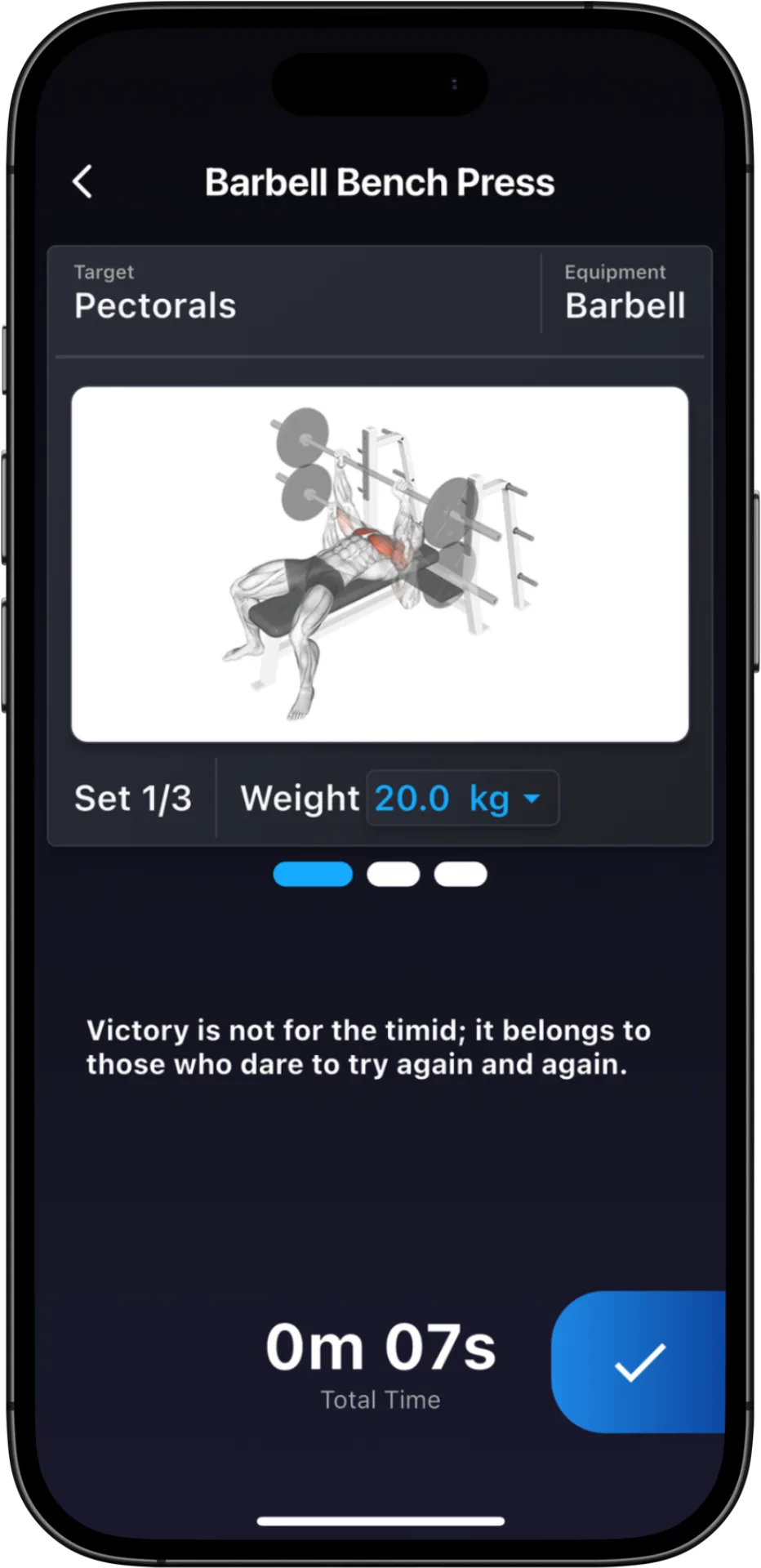
- Barbell Bench Press: The king of chest exercises. Focus on a controlled eccentric (lowering) phase and an explosive concentric (pushing) phase.
- Overhead Press (OHP): Essential for building boulder shoulders and upper chest stability.
- Incline Dumbbell Press: Targets the clavicular head of the pectoralis major, helping to create that 'full' chest look.
When executing these movements, tracking your progress is vital. FitFlow’s Smart Workout Tracking allows you to log every set and rep with ease. By using the fitflow-exercise screen, you can see your previous weights in real-time, ensuring that you are consistently applying progressive overload—the most important factor in muscle growth.
Isolation and Accessory Work
After your heavy compounds, transition to isolation movements to fully fatigue the muscle fibers. Lateral raises are non-negotiable for medial deltoid development, while tricep pushdowns or overhead extensions will ensure your arms don't become a weak link in your bench press. Aim for 8-12 reps for compounds and 12-15 reps for isolation work to maximize metabolic stress.
The Pull Day: Mastering the Posterior Chain
A strong back isn't just about aesthetics; it's the foundation of a healthy posture and powerful lifts. Pull day focuses on the 'pulling' muscles, primarily the latissimus dorsi, rhomboids, trapezius, and the biceps brachii. Because the back is a complex group of muscles, you need to attack it from multiple angles.
Vertical vs. Horizontal Pulling
To build a complete back, you must include both vertical and horizontal pulling movements:
- Vertical Pulls: Pull-ups and Lat Pulldowns. These movements emphasize 'width' by targeting the lats.
- Horizontal Pulls: Barbell Rows, Seated Cable Rows, and One-Arm Dumbbell Rows. These movements emphasize 'thickness' by targeting the rhomboids and mid-traps.
- Rear Delt Flyes: Often overlooked, the rear deltoids are crucial for shoulder health and a 3D physique.
Bicep training should conclude the session. Since your biceps have already been heavily involved in your rowing movements, they only require 2-3 sets of direct work, such as Barbell Curls or Hammer Curls, to reach full exhaustion. Focus on the mind-muscle connection rather than just moving the weight.
The Leg Day: The Foundation of Strength
Leg day is often the most grueling session of the week, but it is also the most rewarding. Training the lower body triggers a significant hormonal response, including increases in growth hormone and testosterone, which can benefit overall muscle growth across the entire body.
The Big Three for Legs
Your leg session should revolve around three main pillars:
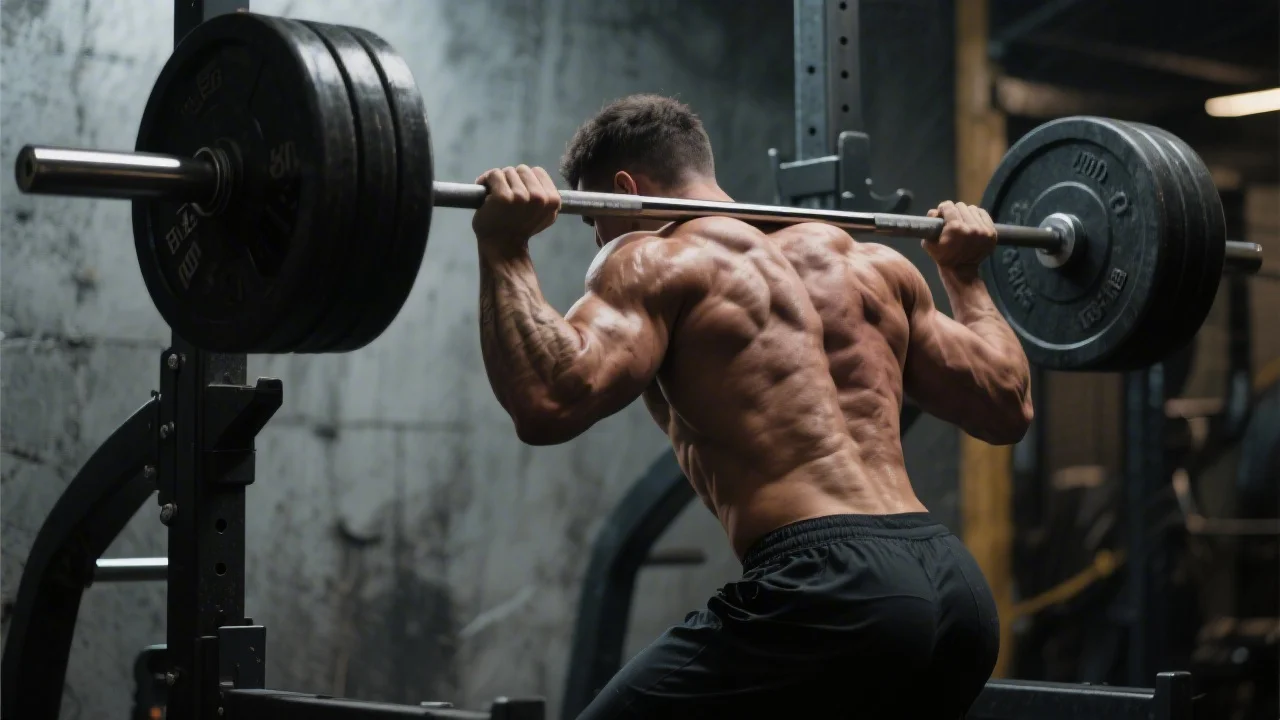
- Squats (Back or Front): The ultimate lower body builder, targeting the quads, glutes, and core.
- Romanian Deadlifts (RDLs): Critical for hamstring and glute development, focusing on the hip hinge movement.
- Leg Press or Hack Squat: Excellent for adding volume to the quads without the systemic fatigue of a heavy barbell on your back.
Form is paramount on leg day to avoid injury, particularly with heavy squats. FitFlow’s AI Workout Scanning (viewable via fitflow-workout-aiscan) provides real-time form guidance. By analyzing your movement through your phone's camera, the app can help ensure your depth is sufficient and your spine remains neutral, allowing you to push your limits safely.
Finishing Touches
Don't forget the calves and abdominals. Standing or seated calf raises should be performed with a full range of motion, including a deep stretch at the bottom and a hard contraction at the top. For the core, focus on stability movements like planks or hanging leg raises to support your heavy compound lifts.
Nutrition: Fueling the Hypertrophy Engine
You can train as hard as you want, but without the right nutrients, your body cannot repair and grow muscle tissue. To build muscle on a PPL split, you generally need to be in a caloric surplus—consuming more calories than you burn.
The Macro Breakdown
For muscle hypertrophy, your macronutrient distribution should look something like this:
- Protein: 1.6g to 2.2g per kilogram of body weight. Protein provides the amino acids necessary for muscle repair.
- Carbohydrates: 4g to 7g per kilogram. Carbs are your body's primary fuel source for high-intensity training and help replenish glycogen stores.
- Fats: 0.5g to 1g per kilogram. Fats are essential for hormone production, including testosterone.
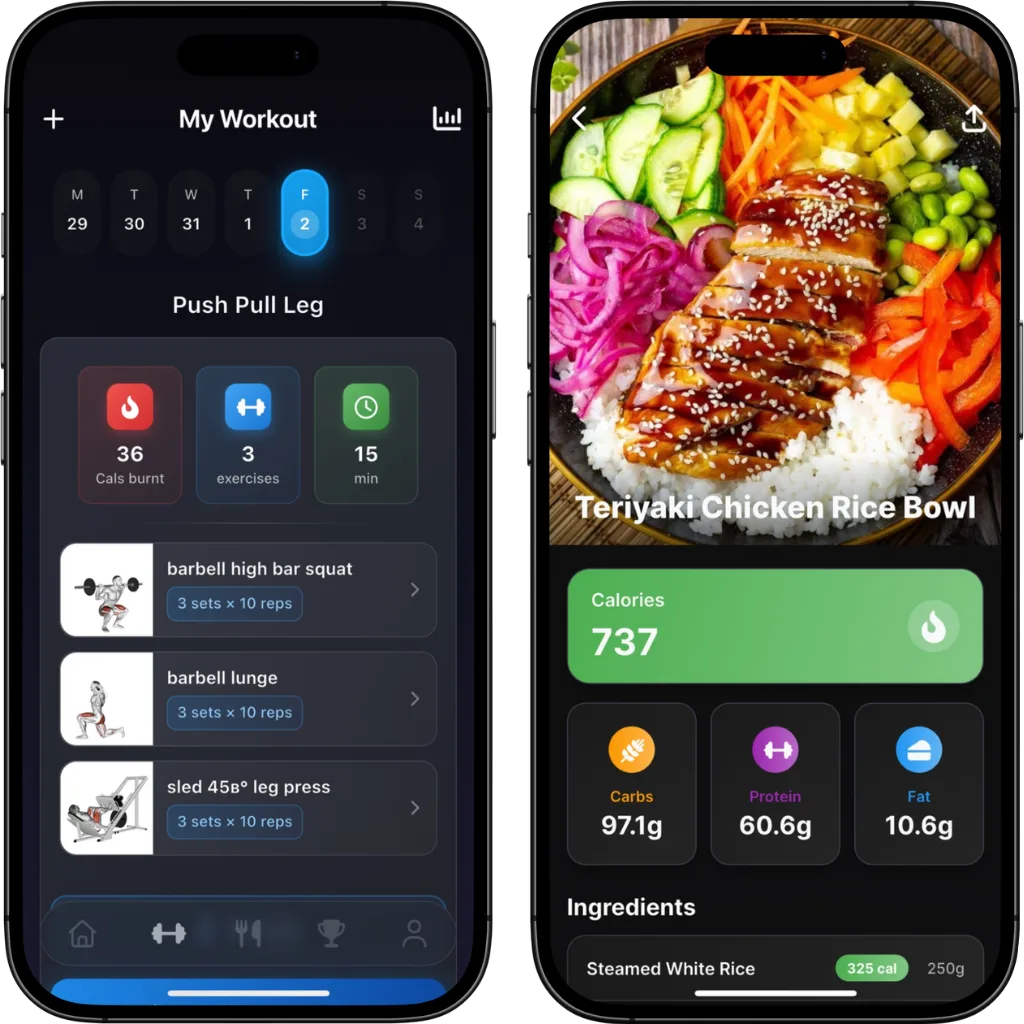
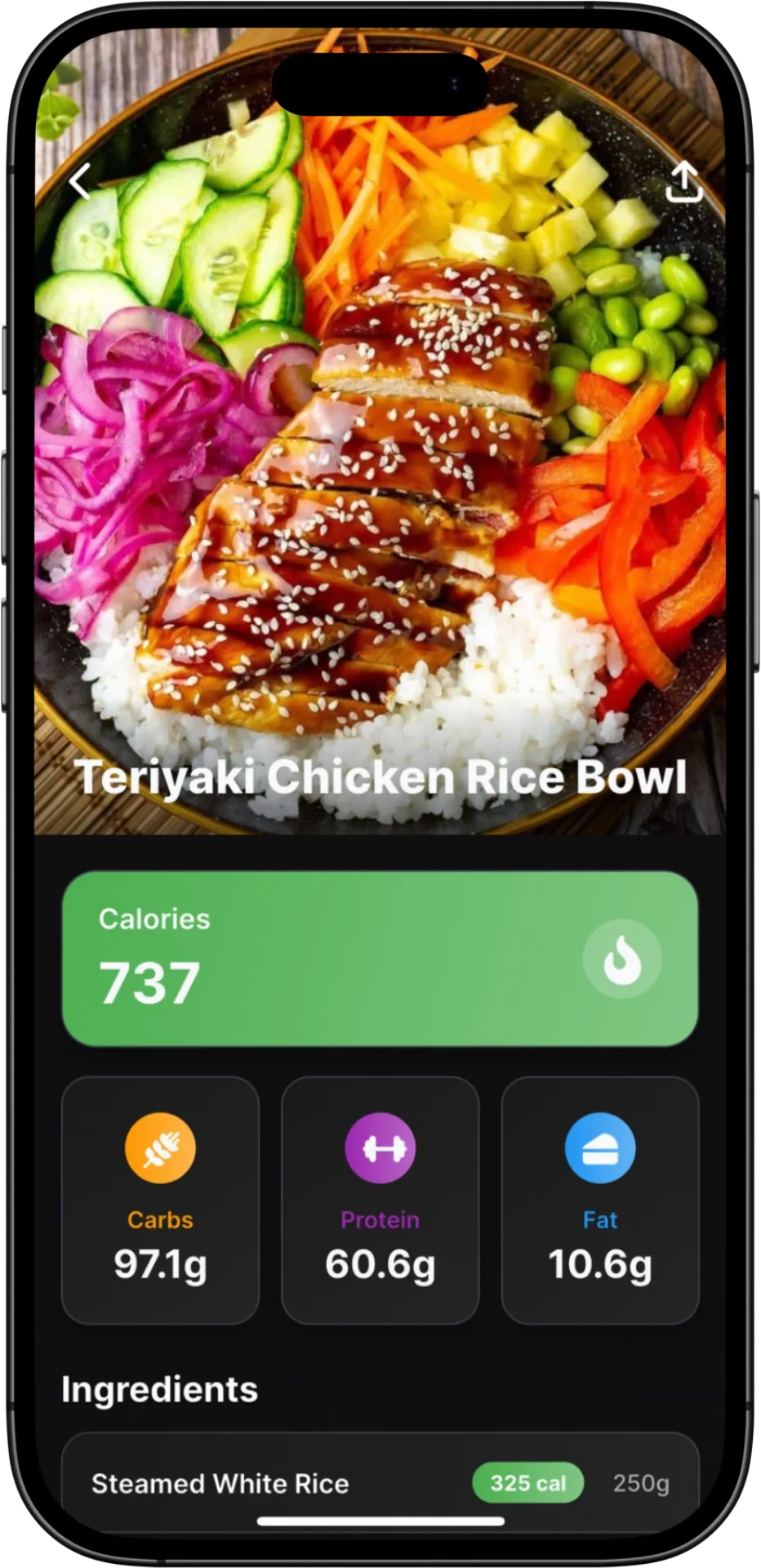
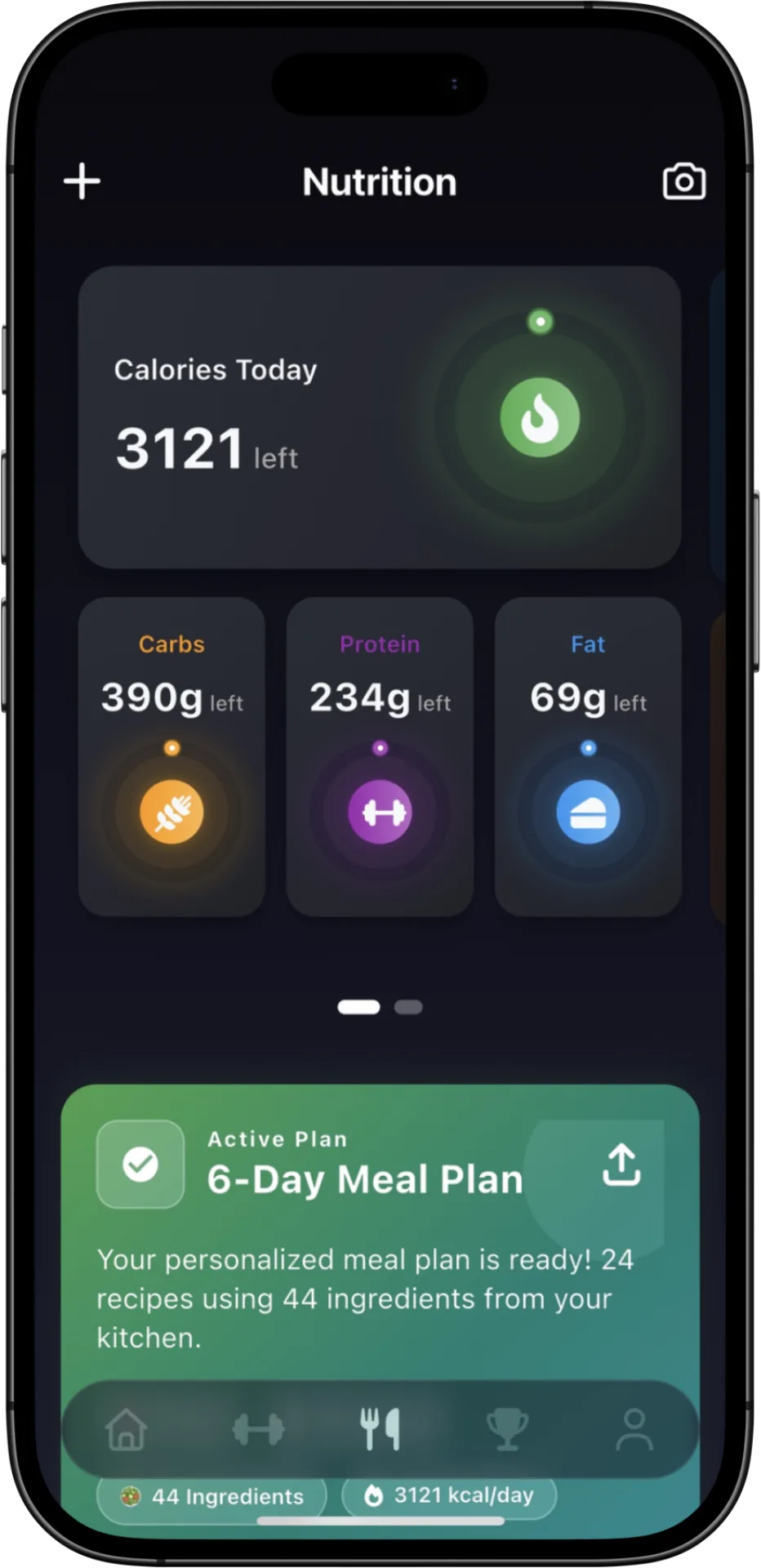
Managing these numbers manually can be tedious. FitFlow simplifies this with AI Food Scanning. Simply snap a photo of your meal, and the app uses its database of 2M+ foods to provide an instant macro breakdown. Whether you're eating a homemade chicken and rice bowl or a meal from a major restaurant chain, the fitflow-aiscan and fitflow-nutrition features ensure you hit your daily targets with 95% accuracy for packaged goods.
The Importance of Micronutrients and Hydration
While macros are the priority, micronutrients (vitamins and minerals) regulate the chemical processes that allow for muscle contraction and recovery. Magnesium, Zinc, and Vitamin D are particularly important for lifters. Furthermore, staying hydrated is crucial for maintaining strength; even a 2% drop in hydration can significantly impair workout performance. Use FitFlow's water tracker to stay on top of your intake throughout the day.
Progressive Overload and the Science of Recovery
The PPL split works because it allows for high volume, but volume without progression leads to plateaus. Progressive overload is the gradual increase of stress placed upon the body during exercise. This can be achieved by increasing the weight, adding more repetitions, or reducing rest periods.
Periodization and Deloading
You cannot set a personal record every single day. Implementing a 'deload week' every 6-8 weeks is essential. During a deload, you reduce your training volume or intensity by 30-50% to allow your central nervous system (CNS) and connective tissues to recover. This prevents burnout and chronic injury.
Recovery also happens outside the gym. Sleep is the most anabolic 'supplement' available. Aim for 7-9 hours of quality sleep per night. During deep sleep, the body releases the majority of its growth hormone, which is vital for tissue repair and muscle growth.
"Muscle isn't built in the gym; it's built in the kitchen and the bedroom. The gym is simply where you provide the stimulus." — Fitness Proverb

Tracking Your Journey to Success
Consistency is the final piece of the PPL puzzle. It takes months, not weeks, to see significant physiological changes. This is where data-driven tracking becomes your greatest motivator. Seeing your strength increase on a chart can provide the psychological boost needed to push through a tough session.
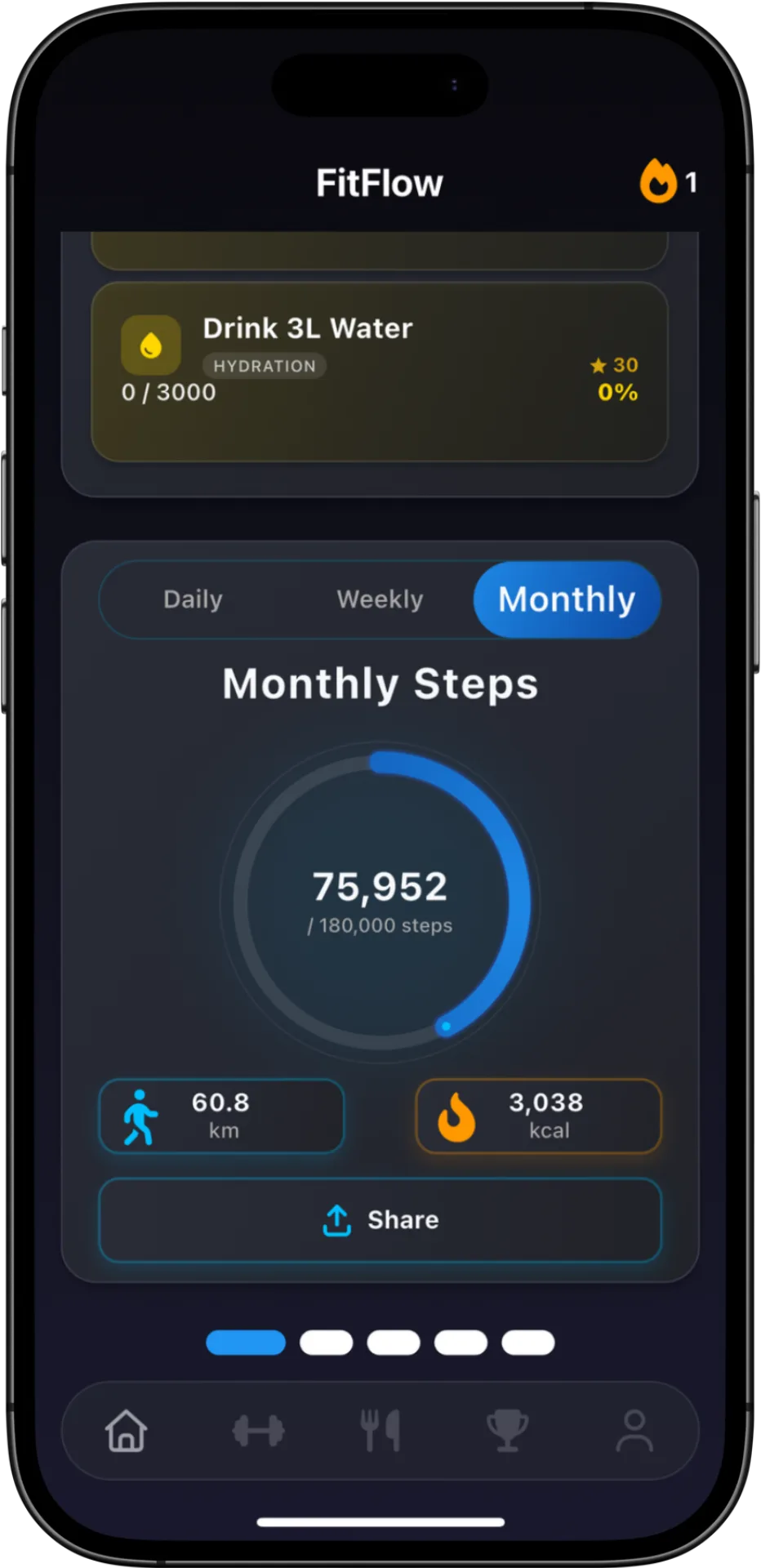
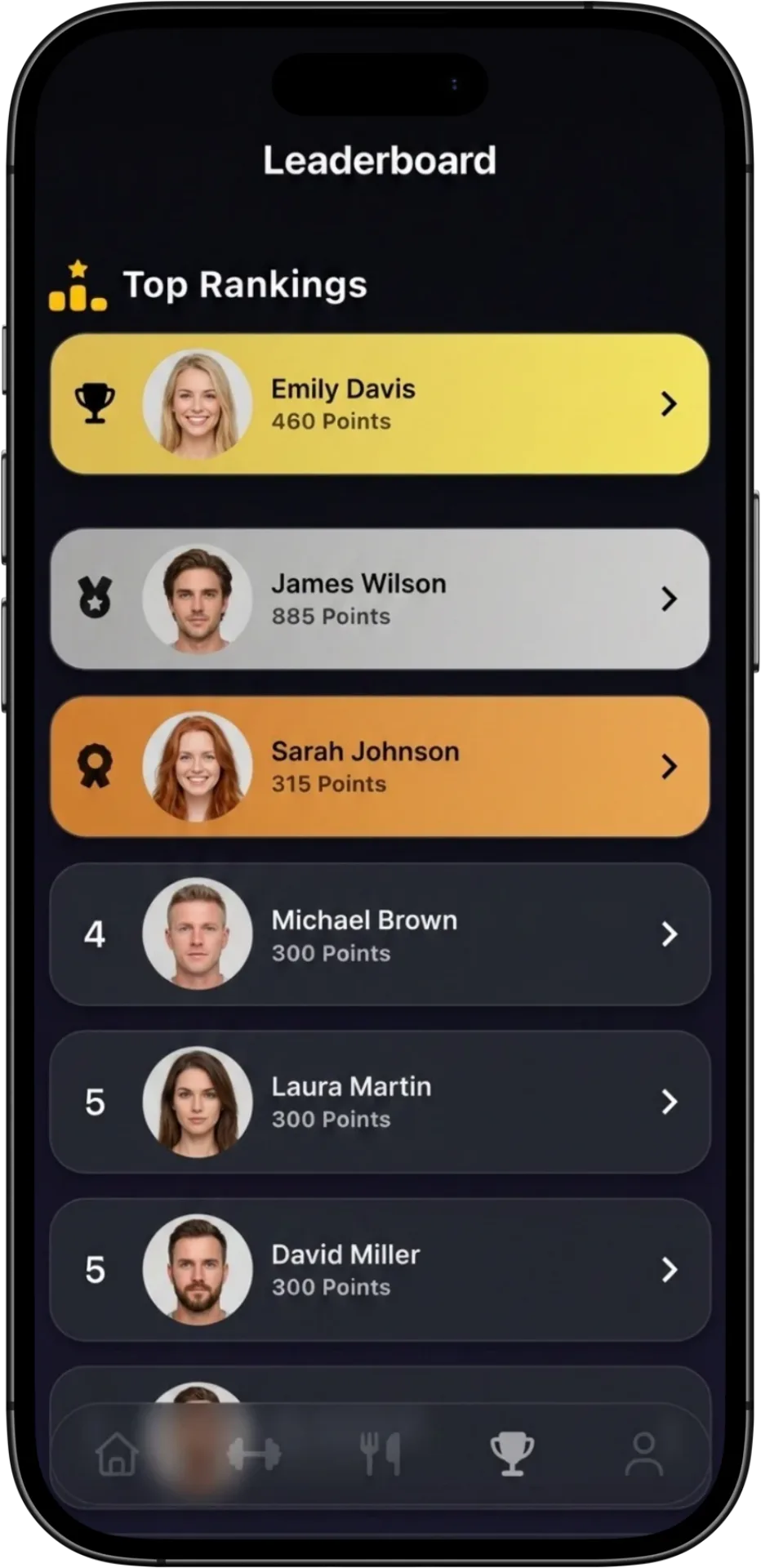
FitFlow’s Progress Analytics provides detailed visuals of your journey. On the fitflow-dashboard, you can track your weight, body fat percentage, and personal records for key lifts like the bench press and squat. If you're feeling competitive, the fitflow-leaderboard allows you to see how your points and streaks stack up against the global FitFlow community, turning your fitness journey into an engaging, gamified experience.
Practical Implementation Tips
- Log Every Session: Don't rely on memory. Use the app to record every set.
- Focus on Form: Quality over quantity. Use AI form guidance to stay safe.
- Adjust Based on Feedback: If your Push day is consistently weak, you may need more rest or more calories.
- Sync Your Data: Ensure FitFlow is synced with Apple Health or your wearable device to get a 360-degree view of your health.
By combining the structured movement patterns of the Push Pull Legs split with the high-tech tracking and nutrition tools of FitFlow, you are setting yourself up for the most efficient muscle-building journey possible. Start your first Push day today and watch your physique transform.
Sources & References

FitFlow Editorial Team
Fitness & Nutrition Editorial TeamCertified personal trainers & nutrition coaches
The FitFlow Editorial Team is a group of certified personal trainers, nutrition coaches, and fitness writers who translate exercise science and nutrition research into practical, actionable guidance. Every article is grounded in peer-reviewed sources and reviewed for accuracy before publishing.
Frequently Asked Questions
Who is this guide for?
This guide is for anyone focused on strength training and looking for practical, sustainable progress.
How quickly can I apply these recommendations?
Most recommendations are designed for immediate implementation. Start with one change today, then layer improvements weekly.
How does FitFlow support this strategy?
FitFlow supports execution with AI-powered meal tracking, workout planning, and progress analytics that help you stay consistent.