The Only 5 Exercises You Need to Build a Full-Body Routine
Reviewed by the fitness & nutrition editorial team · Certified personal trainers & nutrition coaches

The Philosophy of Minimalist Strength Training
In the modern world of fitness, we are often overwhelmed by choice. Walk into any commercial gym, and you are met with a sea of complex machinery designed to isolate muscles you didn't even know you had. However, for those seeking maximum efficiency and real-world results, the secret lies in the Pareto Principle: 80% of your results come from 20% of your efforts. In strength training, that 20% consists of compound movements.
What Are Compound Movements?
Compound movements are multi-joint exercises that work several muscle groups simultaneously. Unlike a bicep curl (which only moves the elbow joint), a squat moves the hips, knees, and ankles while engaging the core and back. This leads to several distinct advantages:
- Greater Hormonal Response: Lifting heavier weights with more muscle mass triggers a higher release of growth hormone and testosterone.
- Increased Caloric Burn: Moving more mass requires more energy, making compound lifts superior for fat loss.
- Functional Strength: These exercises mimic movements we perform in daily life, such as sitting down, picking up heavy objects, or pushing a door open.
- Time Efficiency: You can hit every major muscle group in under 45 minutes by focusing on the 'Big Five.'
"Strength is the foundation for all other physical qualities. Without a base of strength, power, endurance, and agility are limited in their potential."
By focusing on the routine outlined in this guide, you aren't just working out; you are building a resilient, capable body. Whether your goal is to lose weight, gain muscle, or simply feel better, these five movements are your roadmap to success.
The Squat: The King of All Exercises
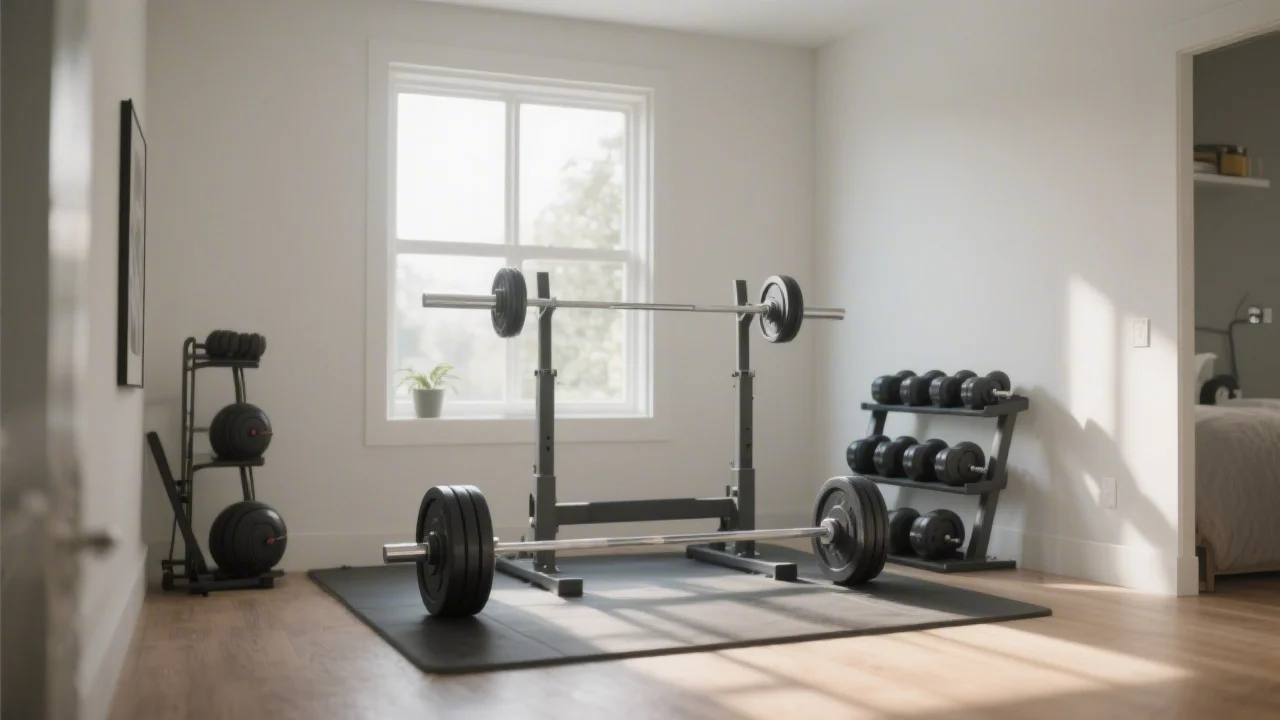
If you could only do one exercise for the rest of your life, it should be the squat. Often referred to as the 'King of Exercises,' the squat is the ultimate test of lower body strength and core stability. It primarily targets the quadriceps, hamstrings, and glutes, but it also forces your erector spinae (lower back) and abdominals to work overtime to keep your torso upright.
Perfecting the Form
Many beginners fear the squat due to potential knee or back issues, but when performed correctly, it actually strengthens the connective tissues around these joints. To perform a standard back squat:
- Stand with your feet slightly wider than shoulder-width apart, toes pointed slightly outward.
- Rest the barbell across your upper trapezius muscles (not your neck).
- Take a deep breath, brace your core as if someone is about to punch you, and initiate the movement by sitting your hips back.
- Lower yourself until your thighs are at least parallel to the floor, ensuring your knees track in line with your toes.
- Drive through your mid-foot to return to the standing position, exhaling at the top.
Common Mistakes to Avoid
One of the most frequent errors is 'knee cave,' where the knees collapse inward during the ascent. This often indicates weak glute medius muscles or poor ankle mobility. Another common issue is the 'butt wink,' or rounding of the lower back at the bottom of the movement. To master these nuances, FitFlow provides over 1,000 guided exercises with high-definition video demonstrations, ensuring you can visualize the correct path of the bar and the positioning of your joints before you even pick up the weight.
Variations for Every Level
If the barbell back squat is too intimidating, start with the Goblet Squat (holding a dumbbell at your chest) or a Bodyweight Squat. The mechanics remain the same, allowing you to build the necessary mobility and confidence before progressing to heavier loads.
The Deadlift: Total Posterior Dominance
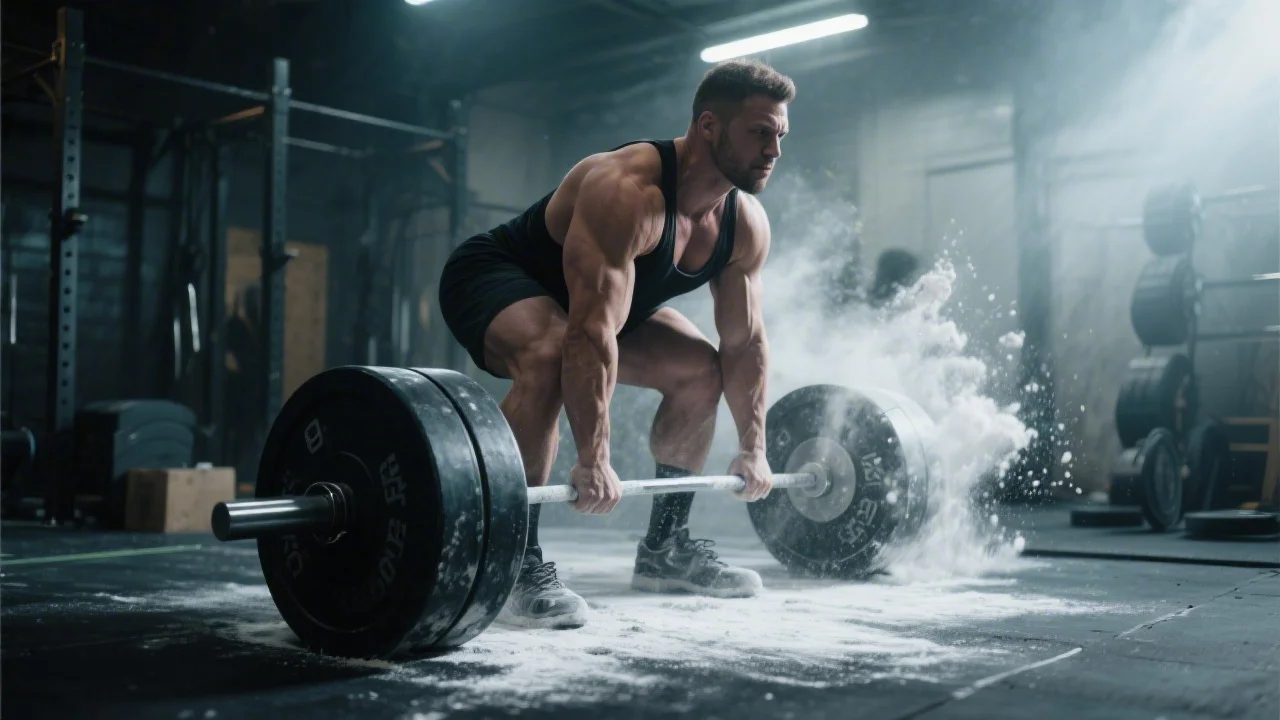
While the squat focuses on the front of the legs, the deadlift is the ultimate builder for the posterior chain—the muscles running along the back of your body. This includes the hamstrings, glutes, spinal erectors, lats, and even your grip strength. It is perhaps the most 'functional' lift there is; after all, we all have to pick things up from the ground.
The Mechanics of a Safe Pull
The deadlift is not a squat with the bar in your hands. It is a 'hinge' movement. To execute it safely:
- Approach the bar so it is over the mid-foot (about an inch from your shins).
- Hinge at the hips to grab the bar, keeping your back flat and your chest 'up.'
- Pull the slack out of the bar until you feel tension in your hamstrings.
- Drive the floor away with your legs, keeping the bar in contact with your shins throughout the lift.
- Lock out at the top by squeezing your glutes, but avoid leaning back excessively.
Why Deadlifts Matter for Longevity
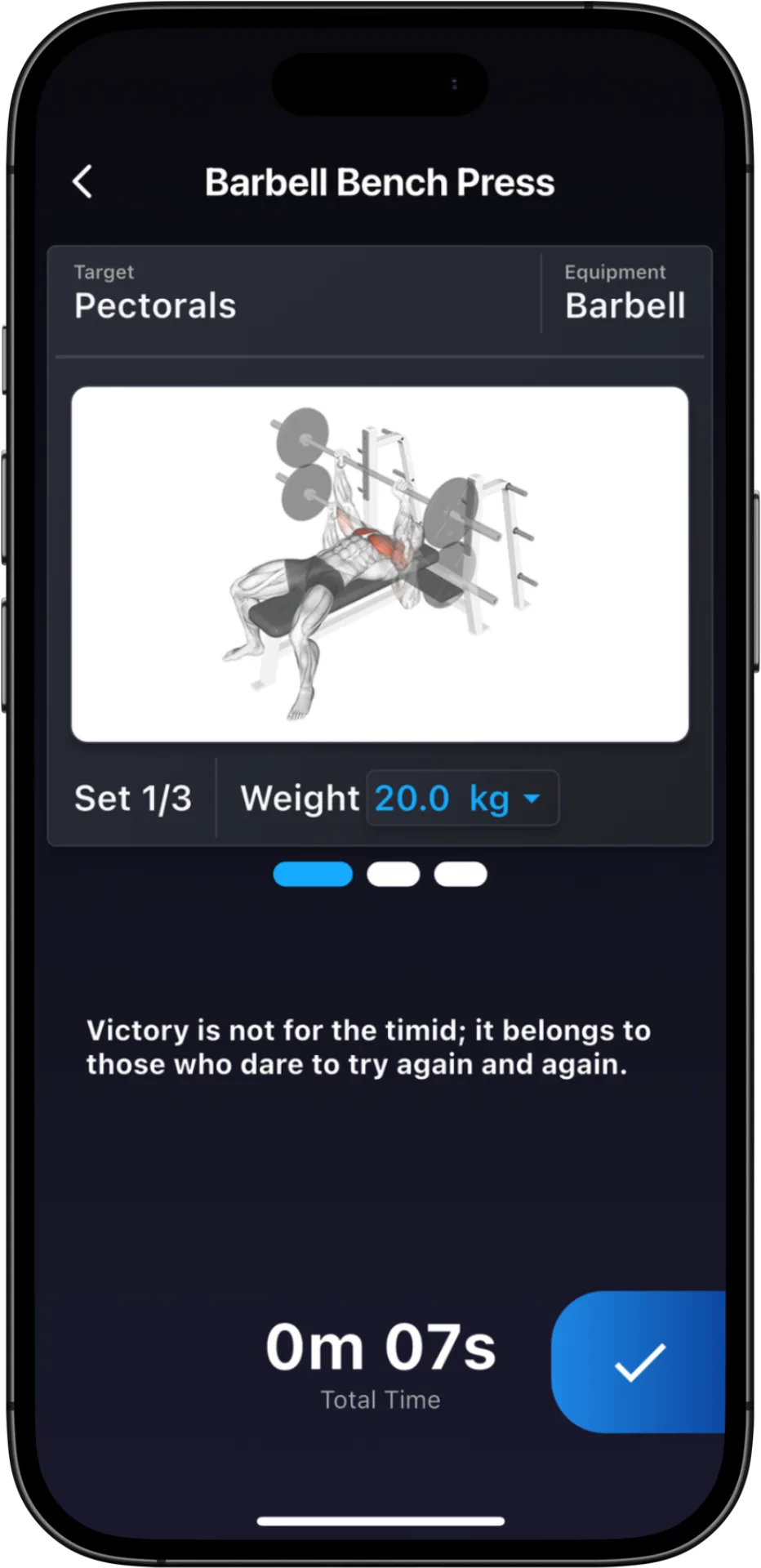
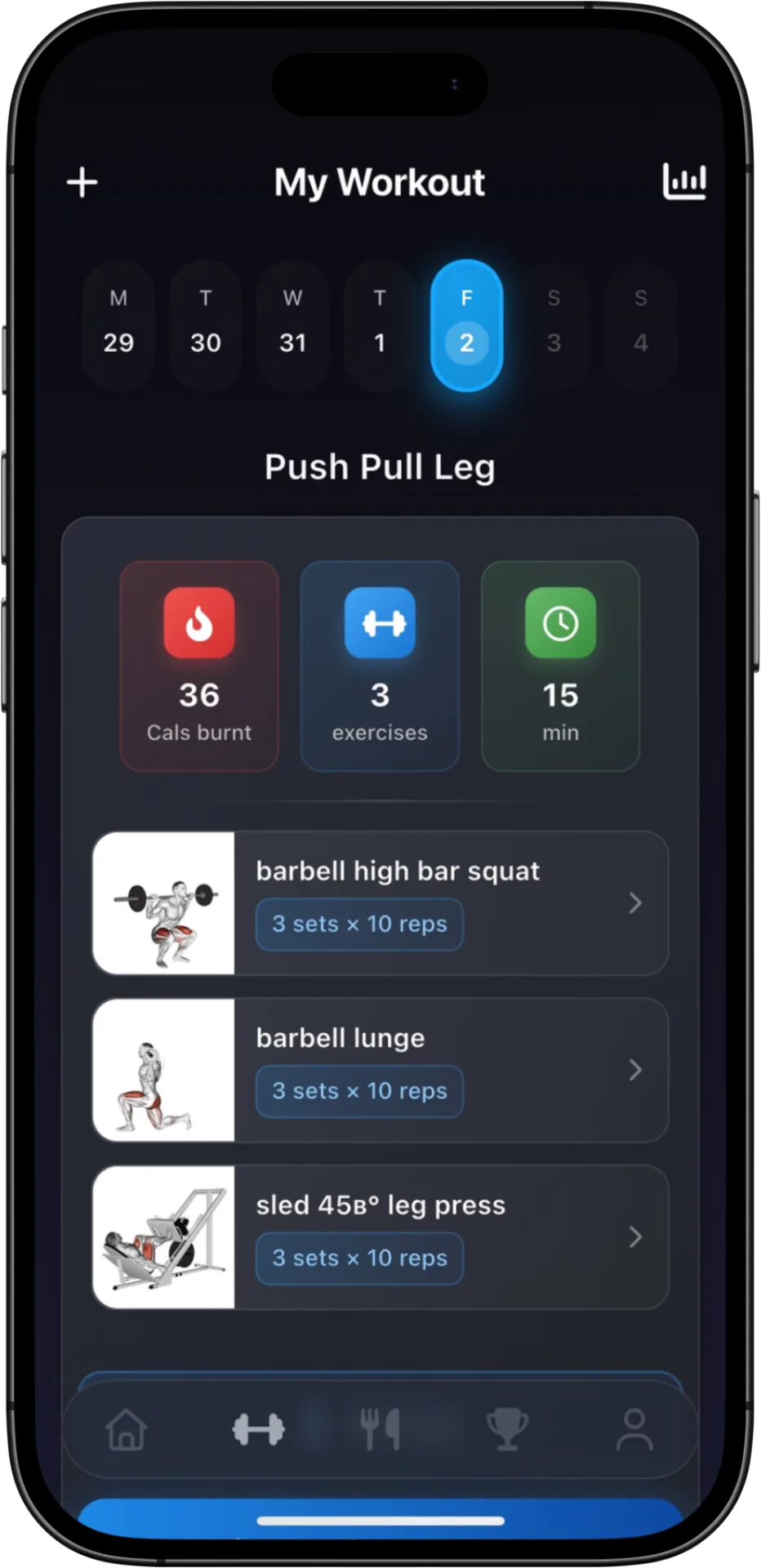
Studies have shown that grip strength and lower body power are two of the strongest predictors of longevity and independence in older age. The deadlift develops both. However, because it is so taxing on the Central Nervous System (CNS), it requires careful tracking. Using the FitFlow Barbell workout tracking system, you can utilize realistic weight defaults and log every set to ensure you are progressing without overtraining. The app allows you to see your volume over time, making it easy to spot when you need a deload week.
"The deadlift is the most honest lift. You either pick it up, or you don't. There is no faking a heavy pull."
The Bench Press: Upper Body Pushing Power
The bench press is the gold standard for measuring upper body strength. It primarily targets the pectoralis major (chest), anterior deltoids (front shoulders), and triceps. While it's often viewed as a 'vanity' lift, a strong horizontal push is essential for balanced shoulder health and athletic performance.
Optimizing Your Setup
Most people simply lie down and push, but a professional setup can increase your strength by 10-15% instantly. Ensure you have five points of contact: head, upper back, and glutes on the bench, and both feet planted firmly on the floor. Retract your scapula (pull your shoulder blades together and down) to create a stable platform. This protects the rotator cuff and allows for a more powerful drive.
Tracking Your Progress
Because the bench press involves smaller muscle groups than the squat or deadlift, progress can sometimes plateau. This is where data becomes your best friend. In the FitFlow Dashboard, you can view detailed fitness analytics and personal record (PR) tracking. Seeing a visual chart of your bench press strength increasing over months provides the psychological boost needed to push through the 'plateau' phases. The app also celebrates these milestones with achievement badges, turning the grind of the gym into a rewarding journey.
The Row: Building a Bulletproof Back
For every pushing movement you perform, you should ideally perform a pulling movement to maintain postural balance. Modern life—spent hunching over laptops and smartphones—pulls our shoulders forward. The Barbell Row (or its variations) corrects this by strengthening the rhomboids, trapezius, and latissimus dorsi, pulling the shoulders back into a healthy alignment.
The Importance of Fueling the Pull
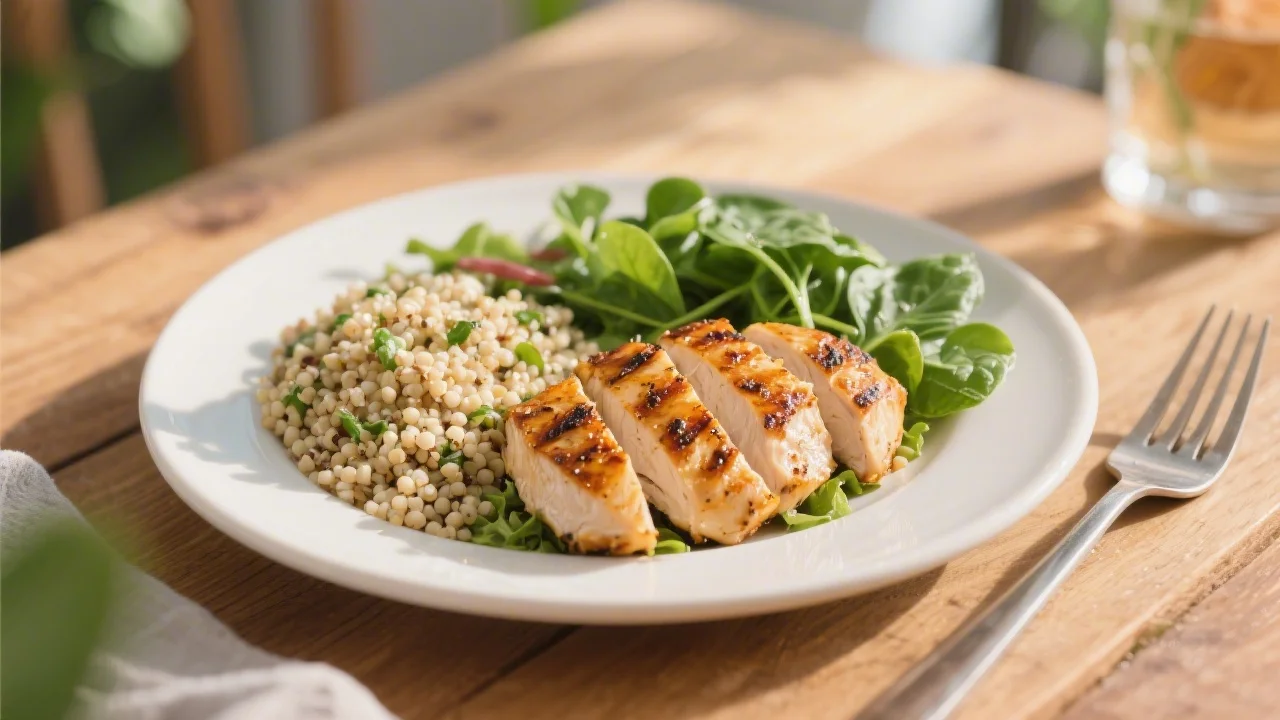
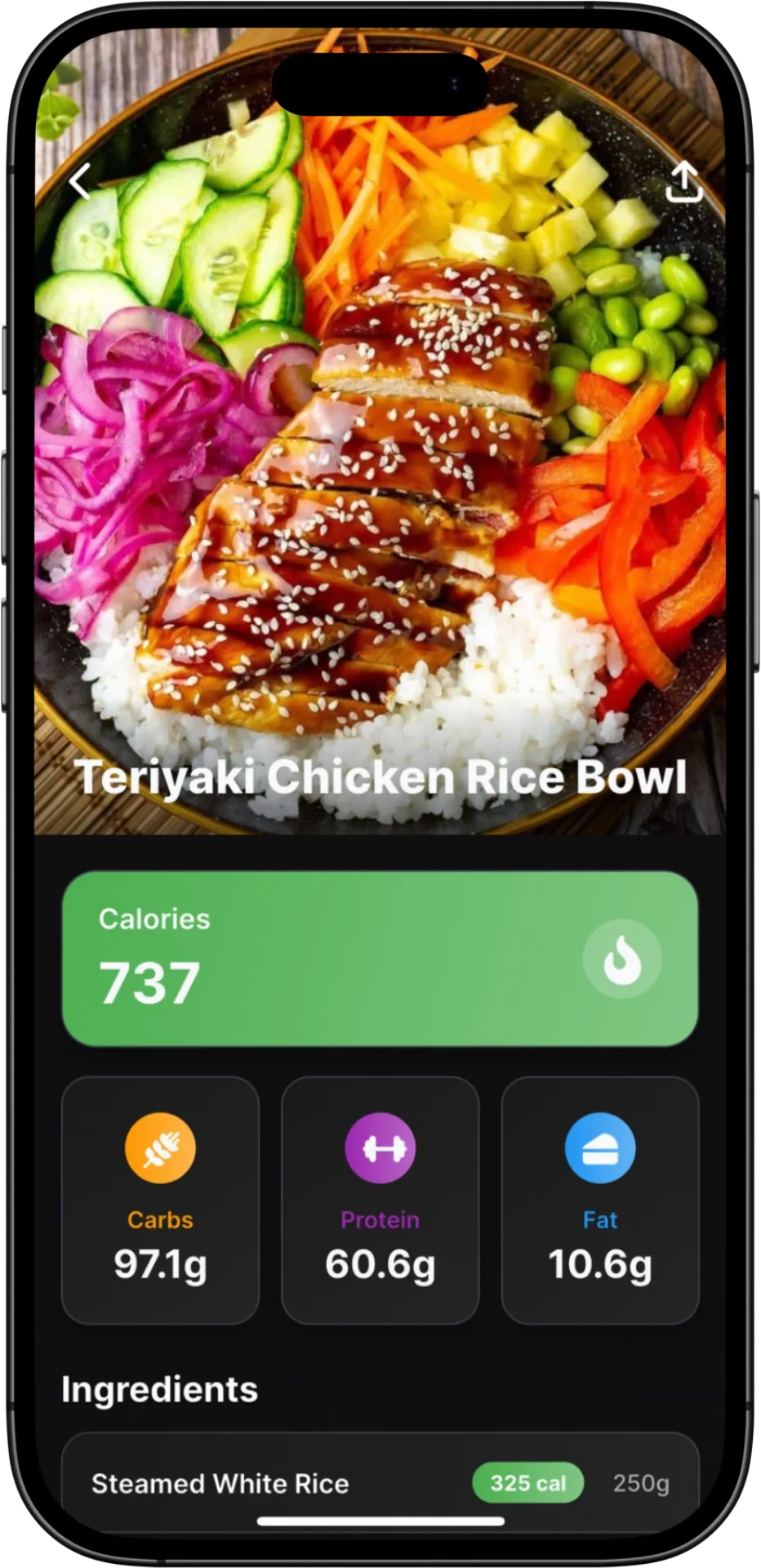
Large muscle groups like the back require significant nutritional support to recover. You cannot build a 'bulletproof back' on a caloric deficit without adequate protein. This is where many trainees fail; they do the work in the gym but neglect the kitchen. To automate this process, FitFlow's AI Food Scanning allows you to snap a photo of your post-workout meal for instant macro breakdowns. Whether you need 180g of protein to support muscle hypertrophy or are managing a specific dietary preference like Keto or Paleo, the app’s database of 14M+ items ensures your nutrition is as precise as your training.
Executing the Bent-Over Row
To perform the classic barbell row, hinge at the hips until your torso is nearly parallel to the floor. Pull the bar toward your lower ribs, leading with your elbows and squeezing your shoulder blades at the top. Avoid using momentum or 'jerking' the weight, which shifts the load away from the back and onto the lower spine.
The Overhead Press: The Ultimate Test of Stability
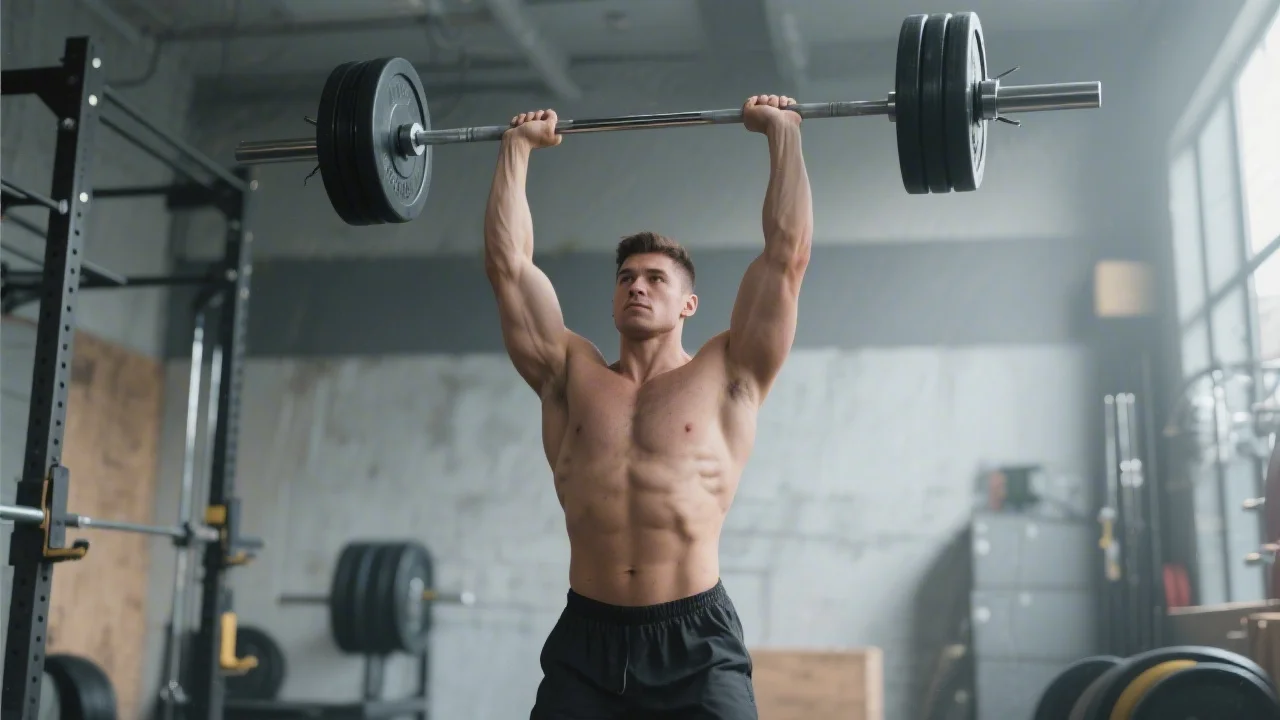
Before the bench press became popular, the Overhead Press (or Military Press) was the primary measure of upper body strength. It involves pressing a weight from your shoulders to a full lockout overhead while standing. This exercise is unique because it requires immense core stability and total-body tension to prevent you from toppling over.
Shoulder Health and Vertical Pushing
The overhead press works the entire deltoid complex, the triceps, and the upper chest. More importantly, it trains the serratus anterior and the muscles that stabilize the scapula. If you want 'boulder shoulders' and a waist that looks smaller by comparison, this is the lift for you.
- Keep your glutes and abs squeezed tight throughout the lift to protect your lower back.
- Press the bar in a straight line, moving your head out of the way as the bar passes your face.
- At the top, 'punch' the ceiling and shrug your shoulders slightly to ensure full engagement.
Consistency is the only way to master the overhead press. By using FitFlow's Smart Goal-Setting, you can set specific milestones for your vertical press. The app will notify you when you’re close to a goal, providing that extra 5% of motivation needed to finish your final set.
Programming Your Full-Body Routine
Now that you know the exercises, how do you put them together? A classic approach is the 3-day full-body split. This allows for maximum recovery while hitting every muscle group frequently enough to trigger growth. A sample week might look like this:
- Monday: Squat, Bench Press, Row (3 sets of 5-8 reps)
- Wednesday: Deadlift, Overhead Press, Pull-Ups or Lat Pulldowns (3 sets of 5-8 reps)
- Friday: Squat, Bench Press, Row (3 sets of 8-12 reps for hypertrophy)
The Power of Integration
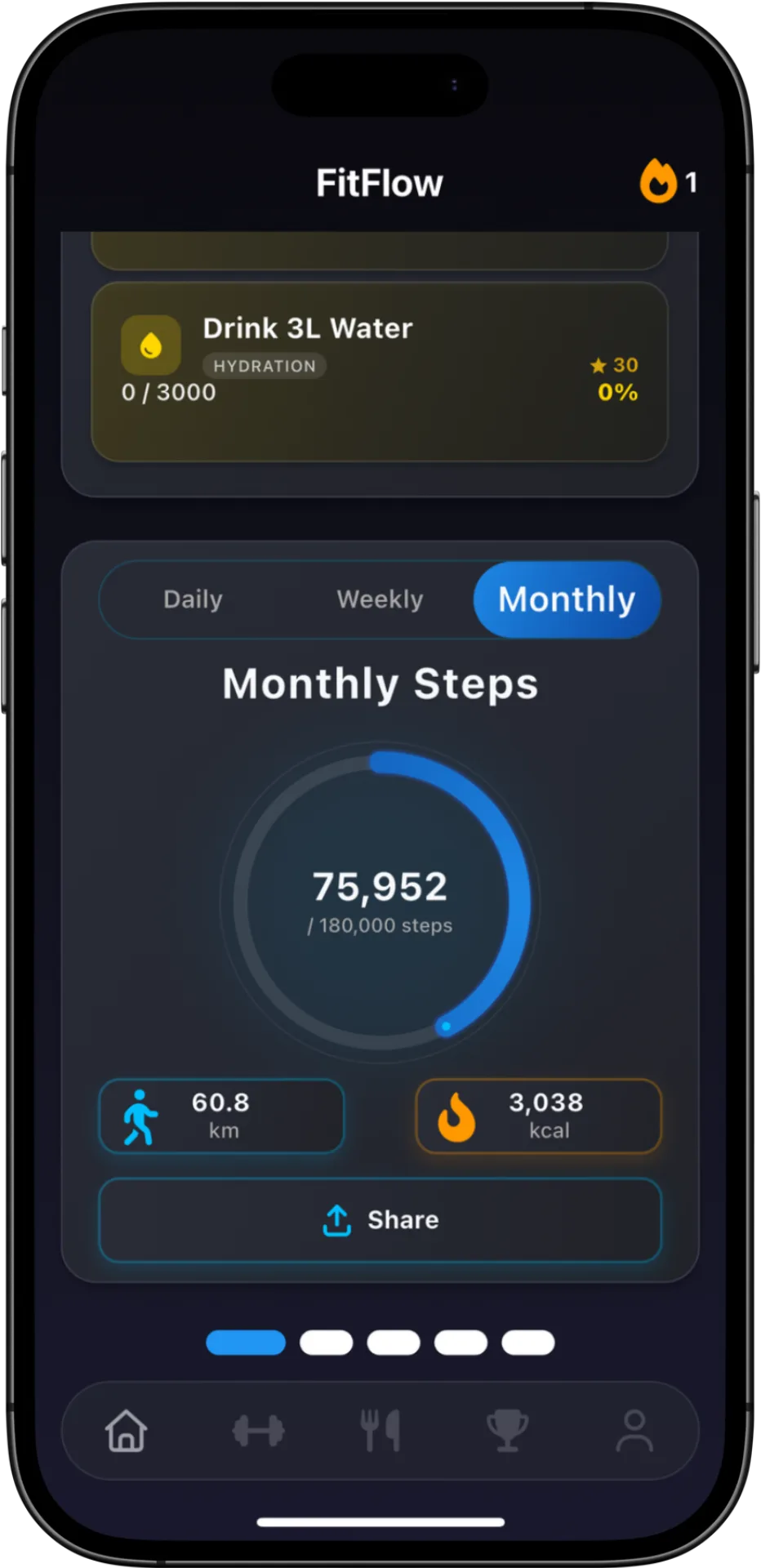
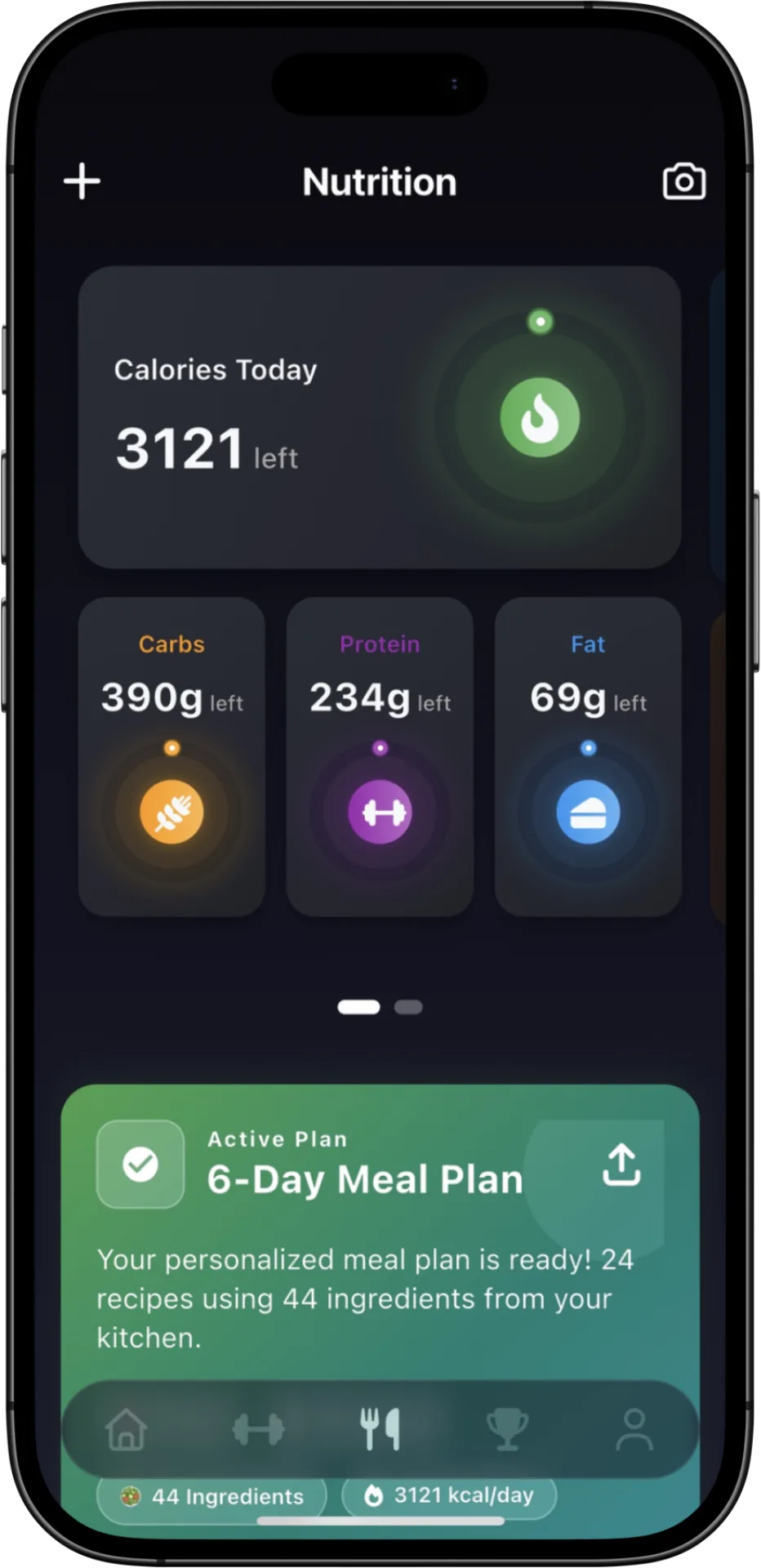
Managing a routine like this requires more than just a notebook. You need a system that integrates your movement, your recovery, and your daily activity. FitFlow syncs seamlessly with Apple Health, Google Fit, and Fitbit, meaning your steps, water intake, and sleep data are all factored into your progress. If you had a poor night's sleep, the app’s intelligent guidance might suggest a lighter session to prevent injury.
By combining these five essential movements with the high-tech tracking of FitFlow, you remove the guesswork from fitness. You aren't just 'working out'—you are following a scientifically-backed system designed to turn you into the strongest version of yourself. Start your journey today, log your first squat, and let the data drive your transformation.
Sources & References

FitFlow Editorial Team
Fitness & Nutrition Editorial TeamCertified personal trainers & nutrition coaches
The FitFlow Editorial Team is a group of certified personal trainers, nutrition coaches, and fitness writers who translate exercise science and nutrition research into practical, actionable guidance. Every article is grounded in peer-reviewed sources and reviewed for accuracy before publishing.
Frequently Asked Questions
Who is this guide for?
This guide is for anyone focused on strength training and looking for practical, sustainable progress.
How quickly can I apply these recommendations?
Most recommendations are designed for immediate implementation. Start with one change today, then layer improvements weekly.
How does FitFlow support this strategy?
FitFlow supports execution with AI-powered meal tracking, workout planning, and progress analytics that help you stay consistent.