Best Fitness Gear & Equipment for Competitive Powerlifters in 2026
The complete gear guide for Competitive Powerlifters. Discover essential equipment, nice-to-have accessories, and smart buying advice for every budget.
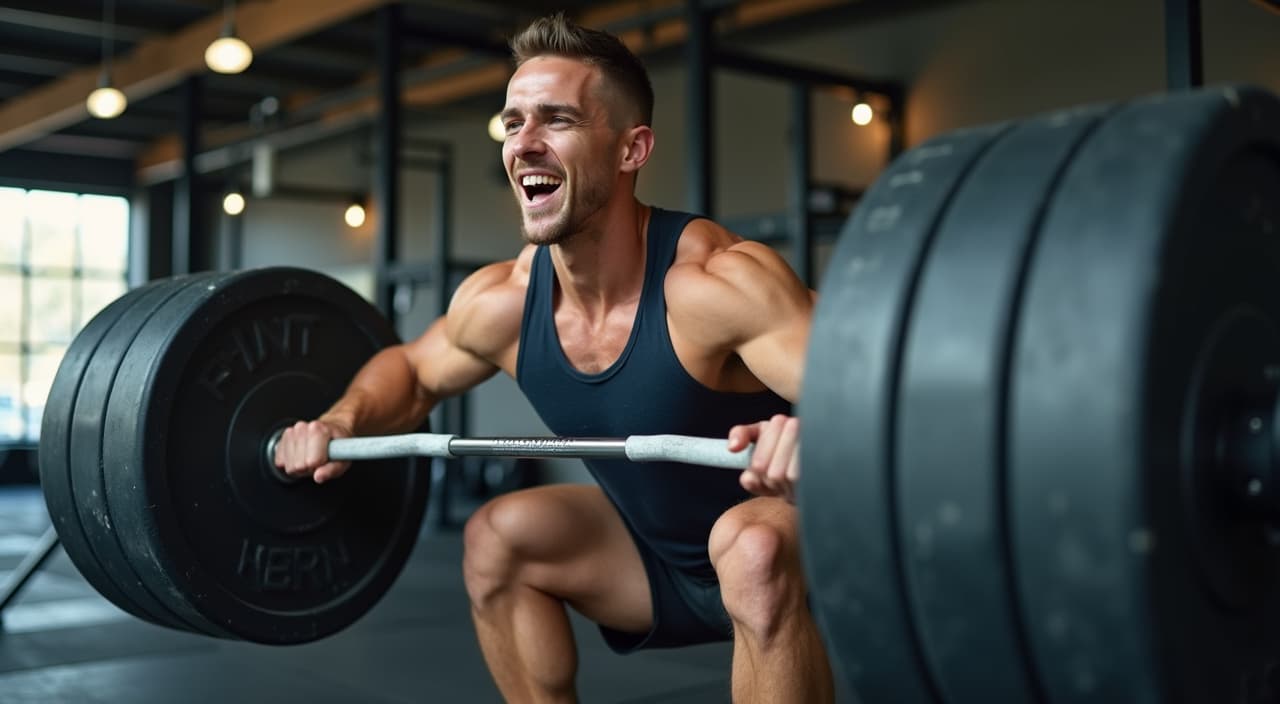
The difference between a personal record and a stalled lift often lies in equipment precision rather than raw strength alone. Properly fitted knee sleeves provide compression and warmth, reducing injury risk during high-volume mesocycles, while a rigid belt maximizes intra-abdominal pressure for heavy squats. Beginners frequently mistake comfort for support, purchasing flexible belts that fail to stabilize the spine under 1RM loads. Building a powerlifting kit requires a phased approach: start with foundational support like shoes and wraps, then upgrade to competition-specific gear like singlets and specialized footwear as you enter peaking phases. Research indicates that proper footwear can improve squat depth by up to 5% due to heel elevation and stability. Investing wisely ensures longevity and prevents costly injuries that derail training cycles. Furthermore, nutrition gear matters; accurate tracking during weight cuts prevents muscle loss. A well-equipped lifter monitors their progress meticulously, ensuring every dollar spent translates to measurable strength gains on the platform. Use this guide to prioritize spending based on your current competitive level and upcoming meet schedule.
Why This Matters for Competitive Powerlifters
Generic fitness lists ignore the unique biomechanical demands of the big three lifts. Wearing running shoes for deadlifts compromises balance, while cheap wrist wraps may tear under heavy bench loads. Wrong choices waste money and increase injury risk, forcing time off from training. For competitive lifters, equipment must align with federation rules and weight-class strategies. FitFlow’s workout tracking ensures you maximize the return on investment for every piece of gear by logging sets, reps, and RPE alongside equipment usage. By correlating gear changes with strength trends in your analytics dashboard, you can objectively determine if a new pair of shoes or a stiffer belt actually improved your numbers. This data-driven approach prevents blind spending and keeps your focus on peaking protocols and meeting day readiness.
For competitive powerlifters, equipment selection directly dictates leverage, stability, and safety under maximal loads. This guide cuts through marketing noise to identify tools that enhance your squat, bench, and deadlift performance without compromising federation compliance. Whether you are peaking for a meet or managing a weight class cut, the right kit is non-negotiable.
Starter (Under $100)
Essential gear for beginners entering local meets or starting serious programming.
Lifting Shoes
Must HaveFlat soles prevent energy leakage during heavy squats compared to cushioned sneakers.
$40-$80
Powerlifting Belt
Must HaveA thick leather belt supports the core during max effort attempts.
$50-$90
Wrist Wraps
RecommendedPrevents hyperextension when handling heavy barbell loads.
$15-$30
Gym Chalk
RecommendedEssential for maintaining hold during deadlifts and pulls.
$10-$20
Duffel Bag
OptionalProtects expensive equipment during travel to competitions.
$20-$40
Microfiber Towel
OptionalKeeps equipment dry and reduces slippage on platforms.
$10-$15
Mid-Range ($100-$500)
Gear for intermediate lifters preparing for regional or national competitions.
Knee Sleeves
Must HaveReduces pain during high-volume squatting phases.
$60-$100
Training Singlet
RecommendedAllows judges to see form during training lifts.
$40-$80
Barbell Care Kit
RecommendedPrevents rust and extends the life of your bars.
$30-$50
Platform Mat
RecommendedAbsorbs impact and protects flooring during drops.
$100-$200
Resistance Bands
OptionalHelps break through sticking points in the lift.
$30-$60
Deadlift Straps
OptionalAllows focus on back drive when grip fails.
$20-$40
Serious ($500+)
Elite gear for athletes targeting world records or major federation titles.
Competition Singlet
Must HaveRequired for judge approval and legal lift recognition.
$100-$200
Specialized Footwear
RecommendedOptimizes ankle dorsiflexion for bottom position.
$150-$300
Recovery Technology
RecommendedAccelerates recovery between heavy training blocks.
$200-$500
Precision Digital Scale
Must HaveCritical for precise weight class management.
$50-$100
Compression Wear
OptionalReduces fatigue during long meet days.
$80-$150
Foam Roller
OptionalMaintains tissue quality for heavy loading.
$40-$80
What to Avoid
Running Shoes
Cushioned heels destabilize the center of gravity during heavy squats and deadlifts.
Elastic Bands for Warmups
Too much give prevents proper tension buildup needed for heavy compound movements.
Cotton T-Shirts
Federation rules require singlets; cotton absorbs sweat and restricts movement.
Cheap Nylon Belts
Stretch out quickly under heavy loads, failing to provide necessary intra-abdominal pressure.
Jump Ropes
High impact cardio distracts from the low-rep, high-intensity nature of powerlifting training.
Frequently Asked Questions
Track Your Progress with FitFlow
Join 50,000+ users — including thousands of Competitive Powerlifters — hitting their goals faster with AI-powered tracking.
Download FitFlow Free