The Ultimate Fitness Checklist for Cyclists (2026)
The complete fitness checklist for Cyclists. Everything you need to set up, track, and optimise your training and nutrition — all in one place.
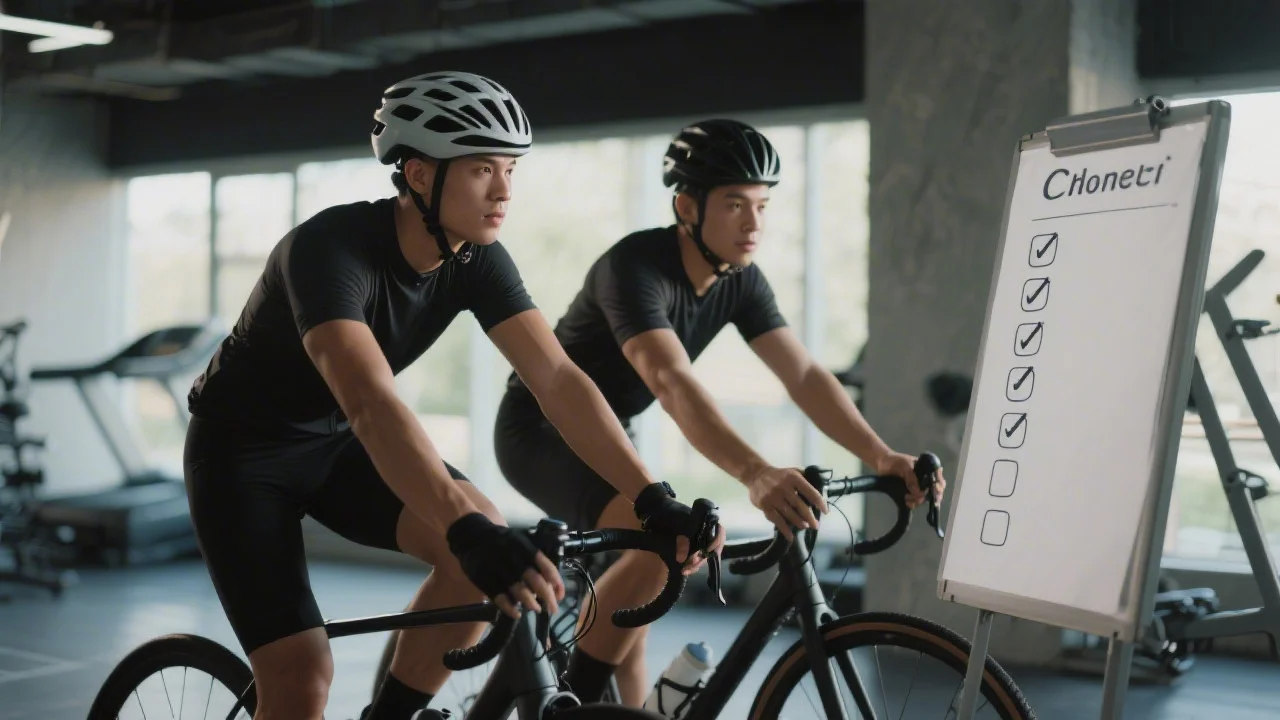
As a cyclist, whether you're tackling recreational rides or gearing up for competitive events, you know the unique demands of the sport. You're constantly battling the risk of 'bonking' on long rides due to poor fueling, striving to build lower body strength without neglecting crucial upper body support, and grappling with how to accurately calculate your caloric needs for rides of varying intensity and duration. Many cyclists fall into the trap of simply riding more, without a structured approach to nutrition or complementary strength training. This often leads to plateaus in performance, increased injury risk, and frustration when endurance or power doesn't improve. For instance, studies show that inadequate carbohydrate intake is the leading cause of fatigue during prolonged exercise, yet many cyclists underfuel. This checklist is designed to bridge those gaps, providing a systematic approach to optimize your training volume, nutrition strategy, and recovery. By following these steps, you'll gain the tools to improve your FTP, fuel properly for rides over 3 hours, and build the complementary strength needed to excel on the bike, ensuring you're ready for spring cycling season kick-off or fall gran fondo preparation.
Why This Matters for Cyclists
For cyclists, consistency and structure aren't just buzzwords; they're the bedrock of sustained performance and injury prevention. Missing key steps in your nutrition or strength regimen can lead to 'bonking' mid-ride, stalled FTP gains, or even overuse injuries that sideline you completely. Imagine the frustration of hitting a wall 60 miles into a gran fondo because your fueling strategy was guesswork, or struggling with power output because you neglected core strength. These aren't minor setbacks; they're significant impediments to your cycling goals. A structured checklist ensures you address all facets of your training, from pre-ride nutrition to post-ride recovery. Tracking your progress with FitFlow reinforces these habits by providing visual charts for weight, body fat, and PRs, allowing you to see the direct impact of your efforts. Its Garmin and Fitbit integrations seamlessly sync your cycling data, while macro targets adjusted for training load ensure you're always adequately fueled, preventing the common pitfalls of under-recovery and performance plateaus.
Ready to conquer those climbs and extend your endurance? This checklist is your blueprint for peak cycling performance. Fuel your rides, build cycling-specific strength, and track your progress to avoid bonking and hit new personal bests.
Nutrition & Hydration for Performance
Cyclists need precise caloric intake to avoid bonking and ensure adequate recovery, especially for multi-hour rides. FitFlow's macro targets adjusted for training load are ideal here.
Proper pre-ride nutrition ensures glycogen stores are topped up, preventing early fatigue and maintaining power output.
Training your gut to absorb nutrients while riding is crucial for race day and long-distance events, preventing stomach issues.
Replenishing glycogen and repairing muscle tissue quickly after multi-hour rides accelerates recovery and adaptation.
Dehydration significantly impairs performance and recovery, especially for cyclists sweating heavily on long rides.
Accurate macro tracking is vital for cyclists to ensure proper fueling and recovery, especially when adjusting for training volume.
Replacing lost electrolytes prevents cramping and maintains hydration balance during prolonged efforts.
Cycling-Specific Strength Training
Building lower body strength directly translates to increased FTP and climbing ability, crucial for competitive cyclists.
A strong core improves bike handling, power transfer, and prevents back pain on long rides.
Upper body strength supports a stable riding position, reduces fatigue, and aids in climbing out of the saddle.
Access to video demos and real-time tracking ensures proper form and progression for strength training, complementing cycling.
Plyometrics enhance neuromuscular efficiency, translating to quick bursts of power needed for sprints or accelerations.
Activating glutes ensures they engage properly, maximizing power output and preventing quad dominance.
Training & Recovery Management
A structured plan optimizes training load, prevents overtraining, and targets specific cycling goals like FTP improvement.
Monitoring training load is critical for managing fatigue, preventing injury, and ensuring progressive overload.
Adequate rest allows your body to adapt to training stress, preventing burnout and improving performance.
Sleep is paramount for recovery, hormone regulation, and cognitive function, all critical for cyclists' performance.
Improves flexibility, reduces muscle soreness, and helps prevent common cycling-related tightness (e.g., hamstrings, quads).
Specific goals provide direction and motivation, helping you stay focused on your cycling journey.
Visual charts help identify trends, celebrate achievements, and make data-driven adjustments to your training and nutrition.
Healthy competition and community engagement can boost adherence and push you to new cycling limits.
Bike & Gear Maintenance
Ensures your bike is safe and functional, preventing mechanical issues that can ruin a ride or cause accidents.
Extends drivetrain life, improves shifting performance, and reduces friction for a smoother ride.
Proper tire pressure improves rolling resistance, grip, and reduces the risk of pinch flats.
Optimizes power transfer, comfort, and prevents overuse injuries specific to cycling posture.
Being prepared for flats or minor mechanicals allows you to self-rescue and complete your ride.
Reliable braking is critical for safety, especially when descending or riding in traffic.
Removes grime and corrosive elements, preserving components and maintaining your bike's aesthetic.
Ensures you have navigation, visibility, and consistent shifting for the entire duration of your ride.
Frequently Asked Questions
Track Your Progress with FitFlow
Join 50,000+ users — including thousands of Cyclists — hitting their goals faster with AI-powered tracking.
Download FitFlow Free