30 Best Exercises for Swimmers (With Instructions, 2026)
The 30 best exercises for Swimmers. Includes step-by-step instructions, muscle groups targeted, common mistakes, and FitFlow integration tips.
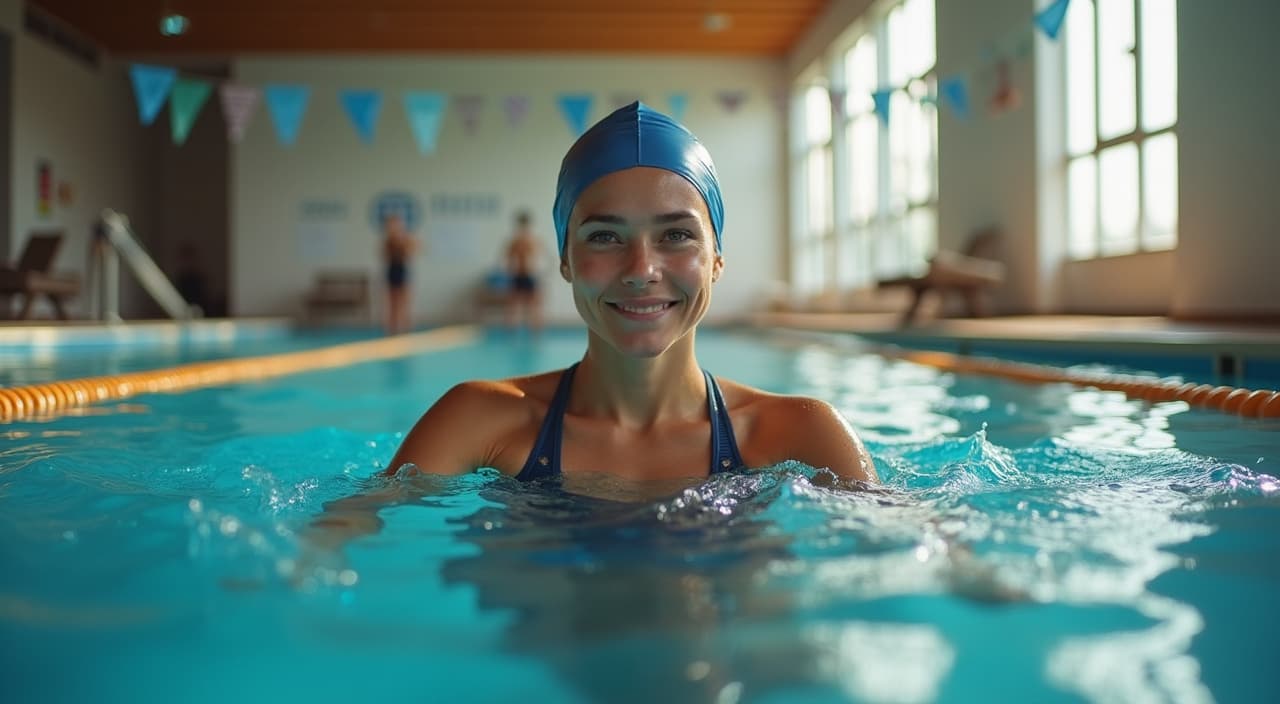
Swimming is a high-volume sport that creates significant muscular imbalances, particularly in the anterior chain due to repetitive overhead motion. Without targeted dryland work, swimmers risk shoulder impingement and reduced propulsion through the water. Effective exercises must mimic the rotational forces of freestyle or the stabilizing demands of breaststroke kick. Research indicates that scapular stability is the primary predictor of swimming speed; therefore, isolation movements like bicep curls offer little return compared to compound pulling patterns. Furthermore, high-calorie expenditure during training often leads to unintentional weight gain if nutrition isn't tracked precisely. Generic gym routines ignore the specific kinetic chains used underwater. You need exercises that build functional strength without adding bulk that hinders buoyancy. This list prioritizes posterior chain development, core anti-rotation, and shoulder health. By focusing on these movement patterns, you convert land strength into faster lap times rather than just general fitness. Proper execution ensures you recover faster from chlorine exposure and maintain longevity in the sport. Understanding these biomechanical nuances separates elite swimmers from casual lap dogs. The glutes and lats are critical for generating drive, while the core maintains a streamlined position against resistance. Ignoring these areas results in inefficient strokes and higher energy costs per length.
Why This Matters for Swimmers
Poor exercise selection can exacerbate existing imbalances, leading to chronic pain or sidelined seasons. Many swimmers focus too heavily on chest pressing, which rounds the shoulders forward—a disaster for stroke mechanics. A curated list ensures balanced development across the rotator cuff and lats. FitFlow’s library solves this by offering 1,000+ guided exercises with video demos, ensuring you perform each rep correctly to maximize transfer to the water. Additionally, tracking your progress visually helps identify plateaus before they become injuries. With integrations like Apple Health, you can sync your pool sessions with your dryland workouts for a holistic view of your training load. This precision prevents wasted effort and keeps you focused on what actually moves the needle: reducing drag and increasing drive. Consistency in dryland training correlates strongly with race performance improvements. Neglecting recovery protocols alongside strength work increases injury risk significantly. Using technology to monitor volume allows you to periodize effectively around key competitions.
Swimming demands explosive power and endurance, yet many athletes neglect dryland training. This guide bridges the gap between pool time and land-based strength. We've curated 30 movements designed to enhance stroke efficiency while protecting your joints from overuse injuries common in competitive laps. Whether you're cutting lap times or recovering from chlorine fatigue, proper form is non-negotiable. Use FitFlow to log your sessions and monitor how your strength translates to velocity in the water.
Frequently Asked Questions
Track Your Progress with FitFlow
Join 50,000+ users — including thousands of Swimmers — hitting their goals faster with AI-powered tracking.
Download FitFlow Free