The Ultimate Fitness Checklist for Swimmers (2026)
The complete fitness checklist for Swimmers. Everything you need to set up, track, and optimise your training and nutrition — all in one place.
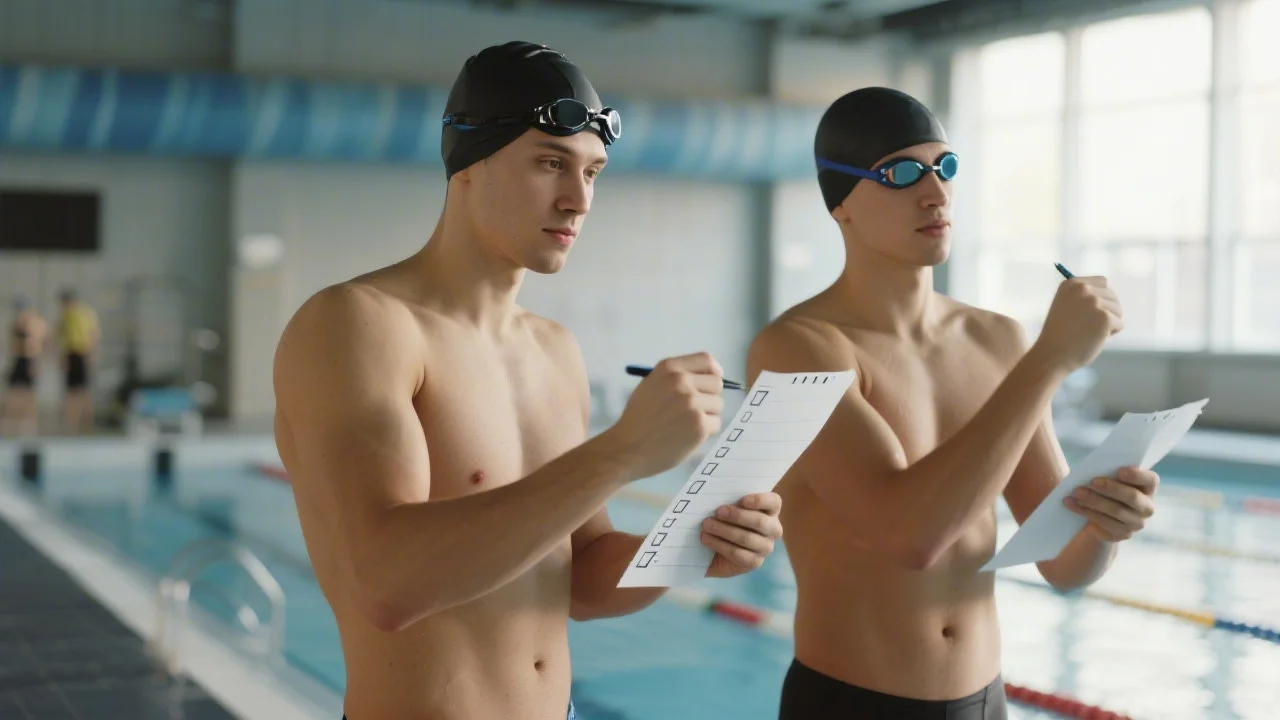
As a swimmer, you push your body through demanding training volumes, often spending hours in the pool. But are you truly optimizing your performance and recovery outside the water? Many swimmers, from competitive athletes to dedicated fitness enthusiasts, often neglect crucial aspects like structured dryland training, precise high-calorie nutrition, and proactive injury prevention. This oversight can lead to frustrating plateaus in lap times, increased risk of shoulder impingement and other overuse injuries, and the persistent challenge of extreme hunger after pool sessions leading to overeating. In fact, studies show that up to 70% of competitive swimmers experience shoulder pain at some point in their careers, often linked to imbalances from insufficient dryland work. This comprehensive checklist is your roadmap to address these common gaps. It provides actionable steps for building strength, fueling your body efficiently, and safeguarding your health, ensuring you're not just swimming harder, but swimming smarter and stronger. By following these guidelines, you'll develop a more robust, resilient, and powerful physique, ready to tackle any challenge in the water.
Why This Matters for Swimmers
For swimmers, consistency and structure are paramount. The repetitive nature of swimming, combined with high training volumes, means that even small inconsistencies in dryland work or nutrition can compound over time, leading to performance plateaus or, worse, debilitating overuse injuries like swimmer's shoulder. Missing key steps in recovery or neglecting targeted strength work can significantly hinder your ability to reduce lap times and maintain peak performance throughout the season. Without a structured approach, it's easy to fall into cycles of overtraining, under-fueling, or inadequate recovery, all of which compromise your progress. Tracking your efforts with FitFlow reinforces these critical habits. By using FitFlow's Smart Workout Tracking for your dryland sessions, logging your high-calorie meals with AI Food Scanning, and monitoring your progress analytics, you gain invaluable insights into your body's needs. This data-driven approach ensures you're consistently making progress, mitigating injury risk, and building the strength and endurance required to excel in the water.
Dive into peak performance with this ultimate fitness checklist designed specifically for swimmers. Optimize your dryland training, fine-tune your nutrition for high-volume sessions, and prevent common injuries to cut those lap times and dominate the water.
Dryland Strength & Conditioning
Dryland training builds the specific strength, power, and muscular endurance needed to improve your stroke, starts, and turns, and reduce injury risk.
Crucial for preventing shoulder impingement and maintaining shoulder health, a common pain point for swimmers.
A strong core improves streamline, reduces drag, and enhances power output from your hips and shoulders.
Explosive power translates directly to faster reaction times and stronger pushes off the wall and blocks.
Ensures consistent progression, helps identify weaknesses, and maintains proper technique to maximize gains and prevent injury.
Prepares your body for intense work and aids recovery, crucial for maintaining range of motion in key swimming muscles.
Nutrition & Hydration for High Volume
Swimmers burn immense calories; a planned intake ensures adequate fuel for performance and recovery, combating extreme hunger.
Accurate tracking helps you meet your high energy demands, optimize macro ratios for recovery, and prevent unwanted body fat gain.
Provides sustained energy for your workout, preventing fatigue and maintaining performance throughout your swim.
Replenishes glycogen stores and repairs muscle tissue, crucial for optimal recovery and readiness for the next session.
Dehydration can significantly impair performance and recovery, especially with high sweat rates in and out of the pool.
Small, frequent meals help manage appetite and provide a steady supply of fuel for demanding training schedules.
Ensures adequate protein for muscle repair and growth, especially important for high-volume athletes.
Recovery & Injury Prevention
Adequate sleep is fundamental for recovery, performance, and reducing the risk of overtraining and injury.
Improves flexibility, reduces muscle soreness, and helps prevent tight spots that can lead to imbalances and injury.
Aids in flushing metabolic waste and reducing muscle stiffness, preparing your body for the next intense session.
Early detection of potential issues can prevent minor aches from escalating into chronic problems like shoulder impingement.
Chlorine can dry out skin and damage hair; proper care aids overall well-being and comfort.
Proactive bodywork can identify and address muscular imbalances or tightness before they become performance-limiting injuries.
Tracking & Optimization
Provides a holistic view of your training load, recovery, and overall health metrics, including notoriously inaccurate swim calorie burns.
Visualizing progress with FitFlow's analytics motivates you and confirms the effectiveness of your training program.
Helps you maintain an optimal power-to-weight ratio for swimming and ensures you're fueling high training volumes without gaining excess body fat.
Clear goals provide direction and motivation, helping you focus your efforts on improving lap times and strength.
Friendly competition and community support can provide an extra boost of motivation, especially during long training blocks.
Helps identify patterns between training load, nutrition, and recovery, allowing for better adjustments to your program.
Technique & Mental Game
Even small technical adjustments can lead to significant improvements in efficiency and speed, reducing energy expenditure.
Mental rehearsal can enhance confidence, reduce anxiety, and improve focus during critical moments in training and competition.
Familiarity with race scenarios helps you execute your plan under pressure and manage energy effectively.
A consistent routine helps calm nerves and ensures you are physically and mentally ready to perform at your best.
Frequently Asked Questions
Track Your Progress with FitFlow
Join 50,000+ users — including thousands of Swimmers — hitting their goals faster with AI-powered tracking.
Download FitFlow Free