The Beginner's Guide to Fitness for Vegan Athletes (2026)
Everything a Vegan Athletes needs to start their fitness journey. A complete beginner's guide covering workouts, nutrition, equipment, and mindset.
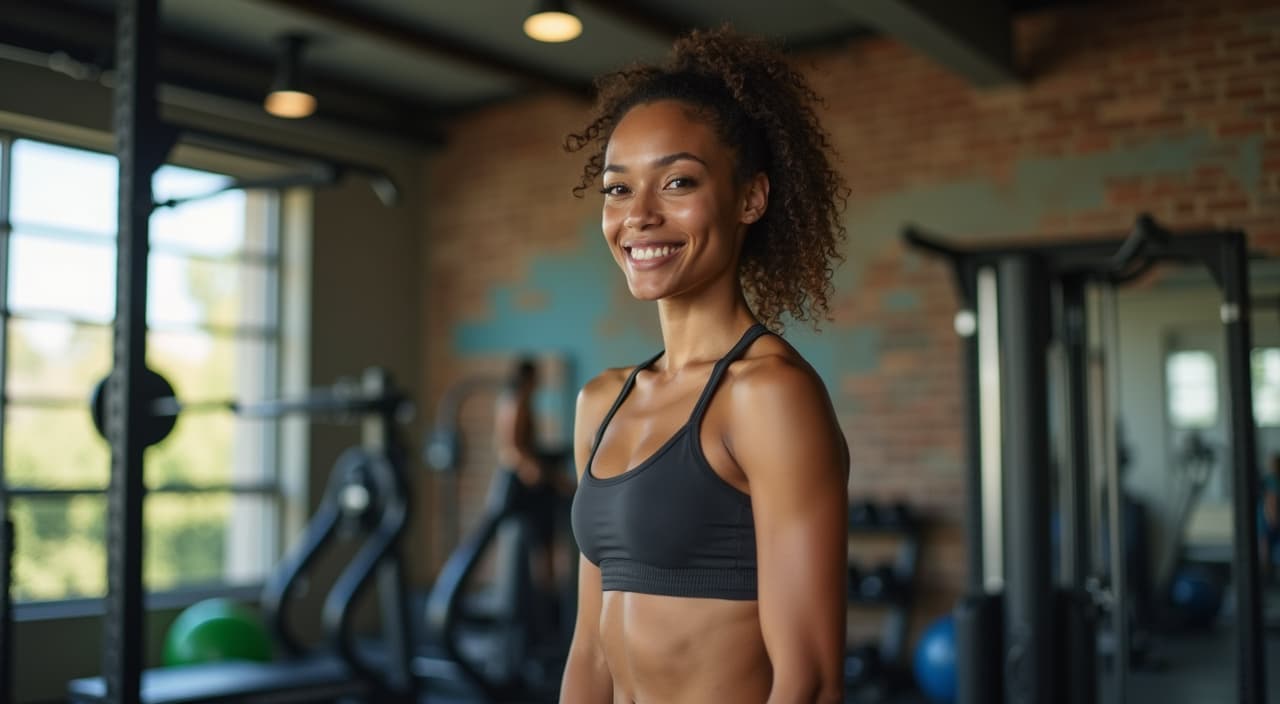
Welcome to the definitive roadmap for building strength and endurance exclusively through plant-based nutrition. Starting your journey as a vegan athlete often comes with unique hurdles that generic fitness guides simply overlook. You might worry about hitting protein targets without meat, fear iron deficiency affecting your endurance, or struggle with repetitive meal prep that kills motivation. These concerns are valid, but they shouldn't stop you from building serious muscle and power. In fact, studies show that well-planned plant-based diets can support equal or superior recovery times compared to omnivorous counterparts when micronutrients are managed correctly. This guide is structured differently because we know your biology requires specific attention to amino acid profiles and nutrient timing. We aren't just giving you workouts; we're giving you a roadmap to fuel your body with complete plant proteins while navigating social dining challenges. Many elite athletes have proven that you don't need animal products to dominate their sport. Over 50% of new vegan athletes report increased energy levels within three months of optimizing their diet. By following this plan, you will learn to leverage technology like AI tracking to ensure every calorie counts toward your goals. We understand the decision fatigue regarding supplements like creatine and B12, so we simplify those choices for you. Let's build a foundation that lasts and thrives.
Why This Matters for Vegan Athletes
The first few months of your fitness journey are the most critical for establishing long-term habits, especially when managing a specialized diet like veganism. Beginners often quit because they feel overwhelmed by the complexity of calculating macros without dairy or meat, leading to frustration and inconsistent results. Without a structured plan, it is easy to underestimate caloric needs or miss key nutrients like iron and zinc, which directly impacts your workout intensity and recovery speed. Having a structured plan and a tool like FitFlow dramatically improves adherence by removing guesswork from your daily routine. When you can instantly scan a meal to verify your protein intake, you eliminate the anxiety of 'am I eating enough?' This confidence allows you to focus on progressive overload rather than worrying about nutritional gaps. Data suggests that users who track their nutrition consistently see 40% better retention rates in their fitness programs. For vegan athletes, consistency is the bridge between intention and achievement. By automating the tracking process, you free up mental energy to enjoy the social aspects of eating out or experimenting with new recipes. This initial phase sets the tone for your entire career as an active plant-based performer.
Unlock peak physical performance without relying on animal products. This comprehensive guide addresses the specific nutritional and training needs of athletes committed to a fully plant-based lifestyle. We cover everything from hitting high protein targets to managing essential micronutrients like iron and B12. Whether you are preparing for Veganuary or starting your first marathon, you will find actionable strategies to build muscle and sustain energy levels naturally.
Foundation & Nutritional Baseline
Establish your dietary framework and learn to identify complete protein sources while setting up your tracking tools.
Configure Dietary Preferences
In FitFlow settings, select the vegan filter to automatically categorize foods and highlight protein-rich plant options. This ensures your macro rings reflect accurate plant-based data immediately.
Audit Your Pantry
Scan existing staples like lentils, tofu, and quinoa using the AI Food Scanner to verify their nutritional values. Replace low-protein processed snacks with whole-food alternatives to improve baseline nutrition.
Plan High-Protein Breakfasts
Prepare a weekly rotation of breakfasts featuring soy milk, hemp seeds, or tempeh to start your day with 20g+ of protein. Consistency here prevents mid-morning energy crashes common in early vegan transitions.
Track Hydration Goals
Use the water tracker to log intake alongside meals, as higher fiber diets require increased hydration for digestion. Aim for 3 liters daily to support kidney function and nutrient absorption.
Training Integration
Introduce structured workouts that complement your diet, focusing on compound movements and recovery.
Select Guided Exercise Journeys
Choose beginner-friendly journeys in FitFlow that utilize bodyweight or dumbbells to minimize equipment costs. Follow the video demos to ensure form is correct before increasing load.
Schedule Rest Days
Block out rest days in your calendar to allow muscles to repair, noting that plant-based recovery may differ slightly from animal-based protocols. Use these days for light mobility work or walking.
Monitor Intensity Levels
Rate your perceived exertion after every session to gauge if your current caloric intake supports the workload. If ratings stay too high, increase carbohydrate portions around training windows.
Sync Wearable Devices
Connect your Fitbit or Garmin to FitFlow for automatic step and heart rate syncing. This provides real-time feedback on recovery status and helps prevent overtraining.
Optimization & Supplementation
Fine-tune nutrient intake with targeted supplements and advanced meal planning strategies.
Implement Supplement Stack
Begin a daily regimen of B12, Vitamin D, and Omega-3 algae oil to fill common nutritional gaps in vegan diets. Consult a doctor for dosage recommendations based on blood work.
Pair Iron with Vitamin C
Consume spinach or beans alongside citrus fruits or bell peppers to enhance non-heme iron absorption. Avoid drinking coffee or tea immediately after meals as tannins inhibit uptake.
Utilize Macro Breakdown
Review your weekly progress analytics in FitFlow to ensure protein distribution is even across meals. Adjust portion sizes if any single meal falls below 20g of protein.
Experiment with Meal Prep
Batch cook large quantities of chickpea curry or lentil bolognese to save time during busy weeks. Store in containers labeled with protein content for quick assembly.
Lifestyle & Maintenance
Sustain your progress through social navigation, continued progression, and long-term health monitoring.
Navigate Social Dining
Research menus ahead of time for vegan options or ask chefs to modify dishes. Use the app to log restaurant meals quickly to maintain accountability.
Join Challenges
Participate in monthly challenges within FitFlow to stay motivated and compete with other vegan athletes. Leaderboards provide a sense of community and friendly competition.
Review Body Composition
Check your body fat percentage and weight trends monthly via visual charts rather than daily fluctuations. Muscle gain may mask fat loss on the scale initially.
Update Goals Seasonally
Adjust your training volume and caloric intake based on seasonal activity levels, such as reducing carbs in winter or increasing them for summer races. Keep the plan flexible to prevent burnout.
Common Mistakes to Avoid
Relying solely on processed vegan meats
Prioritize whole food protein sources like legumes and seitan to ensure adequate micronutrient intake.
Ignoring Vitamin B12 supplementation
Take a daily B12 supplement immediately, as deficiency can cause irreversible nerve damage and fatigue.
Underestimating caloric needs
Increase portion sizes of carbohydrates and healthy fats since plant foods are less energy-dense than animal products.
Not combining protein sources
Eat a variety of plant proteins throughout the day to ensure you get all nine essential amino acids.
Skipping iron-rich foods
Include dark leafy greens and fortified cereals regularly, paired with Vitamin C for maximum absorption.
Focusing only on protein quantity
Ensure total energy intake matches expenditure to support muscle growth and hormonal balance.
Frequently Asked Questions
Track Your Progress with FitFlow
Join 50,000+ users — including thousands of Vegan Athletes — hitting their goals faster with AI-powered tracking.
Download FitFlow Free