30 Best Exercises for Yoga Beginners (With Instructions, 2026)
The 30 best exercises for Yoga Beginners. Includes step-by-step instructions, muscle groups targeted, common mistakes, and FitFlow integration tips.
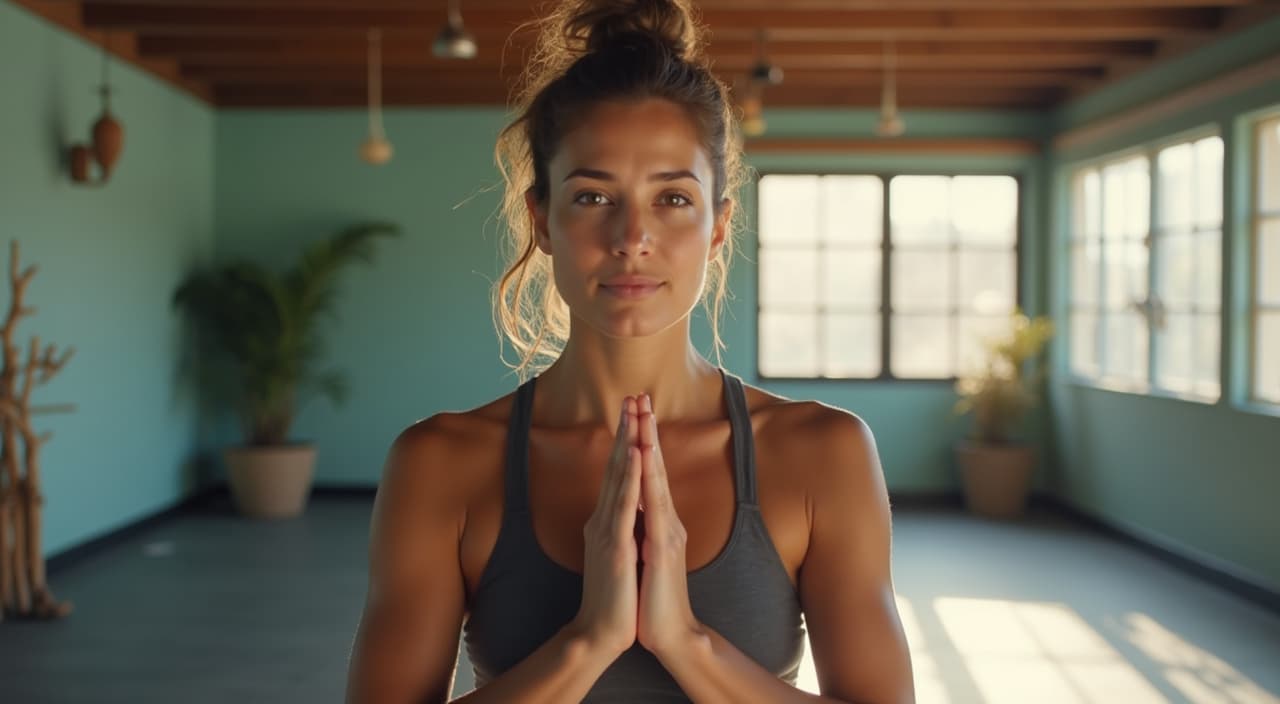
Selecting the right foundational movements is critical for yoga beginners because the goal isn't just touching your toes—it's about creating sustainable range of motion while protecting vulnerable joints like the lower back and knees. Research indicates that proper engagement of the deep core stabilizers before attempting hip openers reduces lumbar strain by up to 40%. Many novices skip preparatory strengthening, leading to compensatory movements that reinforce tightness rather than releasing it. Effective yoga preparation requires balancing active flexibility (strength within range) with passive flexibility (relaxation into stretch). For this audience, prioritizing exercises that target the posterior chain—hamstrings, glutes, and spinal erectors—ensures that poses like Downward Dog or Warrior II remain stable rather than collapsing. Conversely, neglecting shoulder stability often leads to wrist pain during plank transitions. By focusing on these specific movement patterns, you build the structural integrity needed to hold poses longer and breathe deeper. This approach separates effective practice from wasted time, ensuring every minute spent moving contributes directly to your goals of stress reduction and improved sleep quality. Furthermore, understanding which muscles need activation versus relaxation prevents the frustration of feeling stuck in one position, allowing you to progress safely through basic milestones like touching your toes or opening your hips without relying solely on external force.
Why This Matters for Yoga Beginners
Poor exercise selection can lead to chronic injuries, particularly in the wrists, shoulders, and lower back, which are common trouble spots for new yogis attempting complex postures too soon. Without proper guidance, users often overstretch ligaments instead of strengthening muscles, resulting in slow progress and eventual burnout. A curated list matched to your current ability level ensures you build resilience gradually. FitFlow's 1,000+ guided exercises with video demos eliminate guesswork, showing you exactly how to align your spine and engage your core correctly. The app's customisable workout journeys allow you to track consistency streaks, turning sporadic attempts into a reliable 3-4x weekly habit. Visual charts help you see small wins in flexibility and strength, keeping motivation high during plateaus. Additionally, rest day planning within the app helps prevent overtraining, ensuring recovery matches your intensity. This structured support system bridges the gap between home practice and studio instruction, giving you the confidence to move forward knowing your form is safe and effective.
Starting your yoga journey can feel overwhelming when surrounded by advanced practitioners who seem effortlessly flexible. However, building a strong foundation of mindful movement is key to unlocking true flexibility and lasting stress relief. This curated list focuses on essential movements designed specifically for newcomers, helping you establish a consistent 3-4x weekly habit without injury or intimidation. We prioritize safety and progression so you can enjoy the benefits of yoga immediately.
Frequently Asked Questions
Track Your Progress with FitFlow
Join 50,000+ users — including thousands of Yoga Beginners — hitting their goals faster with AI-powered tracking.
Download FitFlow Free