Best Fitness Gear & Equipment for Yoga Beginners in 2026
The complete gear guide for Yoga Beginners. Discover essential equipment, nice-to-have accessories, and smart buying advice for every budget.
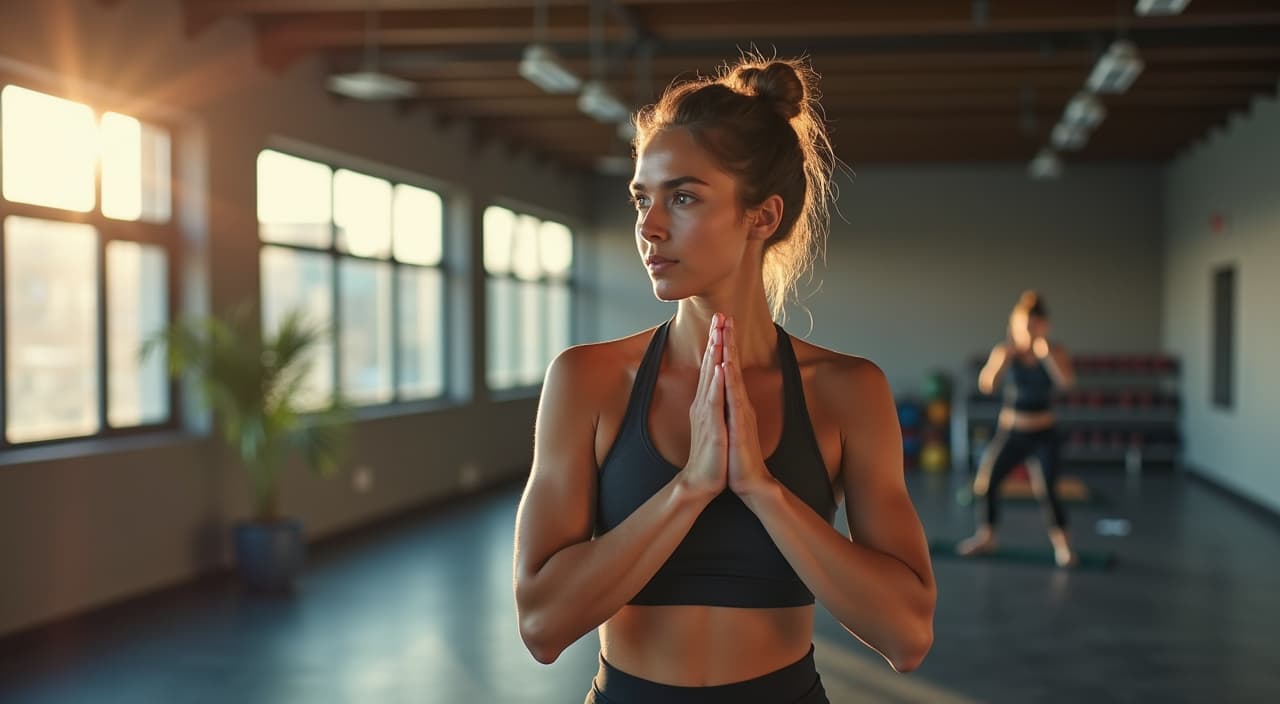
Investing in the right yoga gear transforms a tentative practice into a sustainable habit, directly impacting your safety and progression. A high-quality mat provides necessary traction, reducing the risk of ankle injuries caused by slipping during downward dog transitions. Conversely, beginners often mistake thickness for comfort; overly soft mats destabilize joints, leading to wrist strain rather than relaxation. Statistics show that using a stable surface improves balance retention by up to 40% in standing poses. Building your kit progressively allows you to test what works before overspending. Start with a reliable base mat, then add props like blocks to bridge the gap between your current flexibility and the pose. As you deepen your practice, consider ergonomic upgrades like cork props that offer better grip than plastic. Remember, gear should facilitate mindfulness, not distract from it. By prioritizing function over aesthetics, you create an environment conducive to stress relief and physical recovery, ensuring every session contributes meaningfully to your long-term wellness goals. Furthermore, portable equipment encourages consistency when travel disrupts your routine, keeping your stress management tools accessible anywhere. Proper alignment tools prevent chronic tension, allowing you to focus entirely on breathwork and mental clarity rather than fighting gravity.
Why This Matters for Yoga Beginners
Choosing incorrect equipment carries hidden costs beyond the price tag. Cheap mats degrade quickly, forcing repurchases, while poor support can lead to shoulder impingement or knee pain, halting your progress entirely. Generic fitness lists often recommend heavy resistance bands or treadmills, which ignore the specific stability needs of yoga practitioners who prioritize mobility over muscle mass. Without the right props, beginners may skip challenging poses out of fear, stalling their flexibility milestones. FitFlow’s workout tracking helps maximise the return on every piece of equipment purchased by monitoring your consistency streaks. If you log three sessions a week but quit after month two, the gear wasn't the issue—your routine structure was. By integrating your practice into a broader health ecosystem, you validate that your investment supports actual behavioral change. This data-driven approach ensures you don't buy gear you won't use, turning equipment into true assets for your journey toward better sleep and reduced anxiety.
Starting yoga shouldn't feel like climbing Everest. While advanced yogis seem effortless, your first steps require the right foundation to build confidence safely. This guide cuts through the noise, helping you choose affordable tools that support flexibility and stress relief without breaking the bank. Whether you are practicing on a carpet or hardwood floor, selecting the correct equipment prevents slips and supports your spine during deep stretches.
Starter (Under $100)
Perfect for those testing the waters with home practice on a budget.
Non-Slip Yoga Mat
Must HavePrevents sliding during sun salutations, crucial for building initial confidence.
$25-$40
Foam Yoga Blocks
Must HaveBridges the gap between your current flexibility and the full pose.
$10-$20
Cotton Yoga Strap
RecommendedAllows you to maintain proper alignment without straining muscles.
$8-$15
Yoga Socks
OptionalProvides traction on smooth floors without needing bare feet.
$10-$20
Travel Yoga Mat
OptionalMaintains consistency when away from your main home setup.
$20-$30
Basic Yoga Bag
RecommendedKeeps your gear organized and ready for spontaneous practice.
$15-$30
Mid-Range ($100-$500)
For committed practitioners upgrading for durability and comfort.
Natural Cork Mat
Must HaveOffers superior grip when sweaty compared to synthetic mats.
$80-$150
Wool Yoga Bolster
RecommendedEssential for stress relief and deep relaxation poses.
$60-$100
Resistance Bands Set
RecommendedComplements flexibility training with muscle activation.
$20-$40
Meditation Cushion
RecommendedReduces knee and hip strain during mindfulness sessions.
$40-$80
Alignment Mirror
OptionalHelps verify posture without a teacher present.
$30-$60
Premium Yoga Kit Bag
OptionalProtects investment in higher-end gear.
$50-$100
Serious ($500+)
For enthusiasts seeking premium ergonomics and studio access.
Premium Bamboo Mat
Must HaveWithstands high heat and moisture better than standard mats.
$150-$250
Kneeling Bench
RecommendedEnables longer practice times without joint fatigue.
$80-$150
Weighted Blanket
RecommendedEnhances the stress relief benefits of savasana.
$100-$200
Sound System
OptionalCreates a distraction-free environment for mindfulness.
$100-$300
Studio Membership Pass
RecommendedProvides accountability and social motivation.
$200-$500/year
Fitness Tracker
OptionalEnsures you aren't overtraining during intense vinyasa.
$150-$300
What to Avoid
Running Shoes
Yoga requires barefoot connection to the ground; shoes restrict foot articulation and balance.
Thin Bath Towels
They slide dangerously on hard floors and lack the structural integrity of a yoga mat.
Hard Plastic Blocks
Can cause bruising or discomfort if pressed against sensitive bones during deep stretches.
Heavy Dumbbells
Yoga focuses on bodyweight control; heavy weights increase injury risk without adding value.
Expensive Jewelry
Necklaces and rings can get caught in clothing or scratch surfaces during floor poses.
Frequently Asked Questions
Track Your Progress with FitFlow
Join 50,000+ users — including thousands of Yoga Beginners — hitting their goals faster with AI-powered tracking.
Download FitFlow Free