Beginner Barbell Program: 12 Weeks to Your First Real Gains
Reviewed by the fitness & nutrition editorial team · Certified personal trainers & nutrition coaches

The Power of the Barbell: Why Beginners Should Start Here
Stepping into the weight room can feel intimidating, especially when faced with an array of machines and free weights. However, for beginners looking to build foundational strength, muscle, and confidence, the barbell is your most potent ally. Far from being an advanced tool, barbells are incredibly effective for teaching proper movement patterns and eliciting rapid strength gains.
Why the barbell? It boils down to a few core principles:
- Compound Movements: Barbell exercises like squats, deadlifts, and presses engage multiple muscle groups and joints simultaneously. This means more muscles working harder, leading to greater strength development, increased calorie burn, and improved functional fitness that translates to everyday life.
- Progressive Overload: The barbell allows for small, consistent increases in weight. This principle of progressive overload – continually challenging your muscles with heavier loads – is the fundamental driver of muscle growth and strength adaptation. It’s simple to implement with a barbell, making your progress tangible and motivating.
- Systemic Strength: Unlike isolation exercises that target single muscles, compound barbell movements build systemic strength. This means your entire body learns to work together, improving coordination, stability, and overall athletic performance.
- Efficiency: You get more bang for your buck. A few well-chosen barbell exercises can deliver a full-body workout in less time than a routine filled with numerous machine exercises.
This 12-week program isn't just about lifting heavy; it's about lifting smart. We'll guide you through mastering essential barbell movements, understanding the science behind strength, and building habits that will serve you for years to come.

Foundational Principles for Barbell Success
Before you even touch a barbell, understanding these core principles will lay the groundwork for a safe, effective, and rewarding strength journey.
Progressive Overload: The Golden Rule
As mentioned, progressive overload is the cornerstone of strength training. Your muscles grow stronger and larger in response to demands placed upon them. To continue adapting, you must continually increase that demand. For beginners, this primarily means:
- Increasing Weight: Once you can comfortably complete your target reps and sets with good form, add a small amount of weight (e.g., 2.5-5 lbs) to the bar.
- Increasing Reps/Sets: If you can't increase weight, try to squeeze out an extra rep or add another set while maintaining form.
- Improving Form: Better technique allows you to lift more efficiently and safely, indirectly contributing to progressive overload.
- Decreasing Rest Times: Less rest between sets can increase the challenge, though this is less common for beginners.
Without progressive overload, your muscles have no reason to adapt, and your progress will stall. Embrace the challenge of consistently pushing yourself just a little bit further.
Form Over Weight: Non-Negotiable
This cannot be stressed enough: always prioritize perfect form over lifting heavy weight. Lifting with poor form significantly increases your risk of injury and reduces the effectiveness of the exercise. Start with an empty barbell or very light weights to practice the movement patterns until they feel natural. It's far better to lift less weight correctly than to lift more weight incorrectly.
“The most important thing in strength training is not how much you lift, but how well you lift it.”
Consistency is King
Strength gains don't happen overnight. They are the result of consistent effort over time. Committing to your workout schedule, even on days you don't feel like it, is crucial. Aim for 3 full-body barbell workouts per week, allowing for adequate rest between sessions (e.g., Monday, Wednesday, Friday).
Nutrition and Recovery: The Unsung Heroes
Your time in the gym breaks down muscle tissue. Your time outside the gym—eating and resting—is when your body repairs and rebuilds that tissue, making it stronger. Neglecting nutrition or sleep will severely hamper your progress, no matter how hard you train. We'll delve deeper into nutrition later, but remember: fuel your body, and let it rest.

Your 12-Week Barbell Program Overview
This program focuses on compound movements performed 3 times per week, allowing for ample recovery between sessions. The goal is to build a strong foundation, master basic movement patterns, and consistently apply progressive overload.
The Program Structure: Full Body Focus
Each workout session will be a full-body routine, hitting major muscle groups with the core barbell lifts. This approach is highly effective for beginners as it allows for frequent practice of movement patterns and maximizes recovery.
Workout A:
- Barbell Back Squat
- Barbell Bench Press
- Barbell Row
Workout B:
- Barbell Deadlift (or Romanian Deadlift for initial weeks)
- Barbell Overhead Press
- Barbell Lunges (or other accessory lower body)
You will alternate between Workout A and Workout B throughout the week. For example:
Weekly Schedule Example
- Monday: Workout A
- Tuesday: Rest/Active Recovery (e.g., walking)
- Wednesday: Workout B
- Thursday: Rest/Active Recovery
- Friday: Workout A (then the following week starts with Workout B)
- Saturday: Rest/Active Recovery
- Sunday: Rest
Sets & Reps: For most exercises, you'll aim for 3 sets of 5-8 repetitions. For deadlifts, 1-2 sets of 3-5 reps are often sufficient for beginners due to their demanding nature. Always include a thorough warm-up with light weights or bodyweight movements.
Mastering the Core Lifts: Technique Essentials
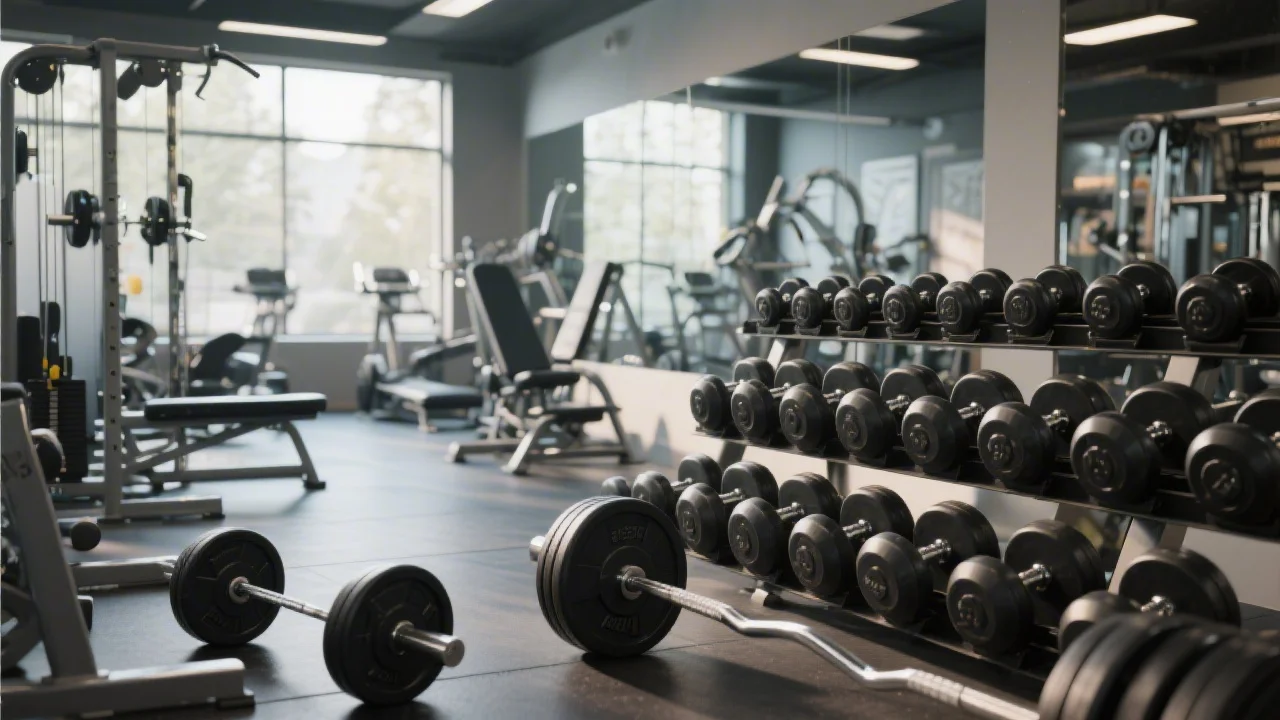
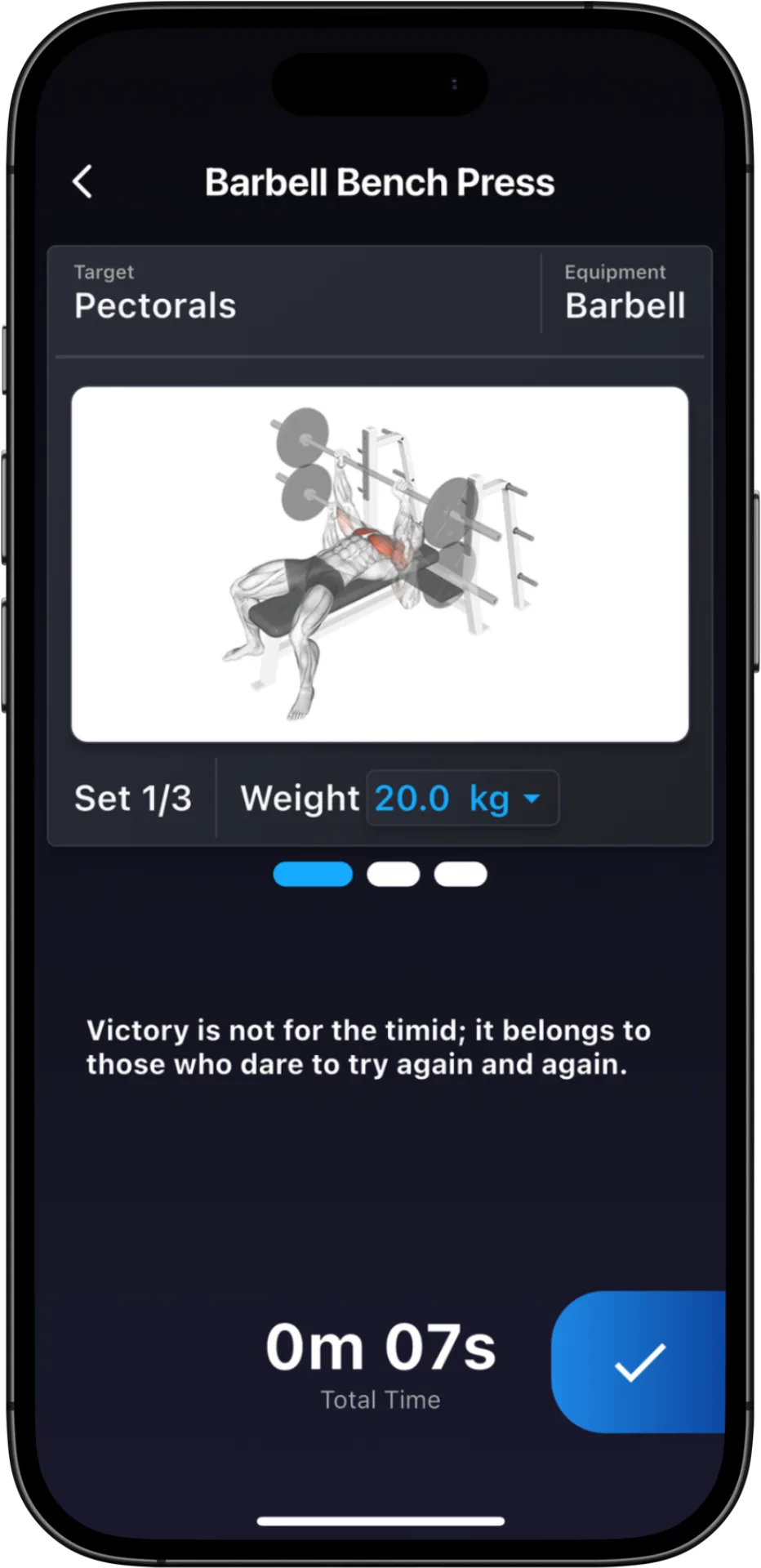
Proper form is paramount. These brief descriptions highlight key points, but always refer to video demonstrations and consider having your form checked by a qualified coach or experienced lifter. FitFlow's Smart Workout Tracking offers 1,000+ guided exercises with video demonstrations, ensuring you learn proper form from the start and can track your sets, reps, and rest periods in real-time.
The Barbell Back Squat
- Stance: Feet slightly wider than shoulder-width, toes pointed slightly out.
- Bar Placement: High bar (on traps) or low bar (across rear deltoids).
- Descent: Initiate by pushing hips back and bending knees. Keep chest up, back straight, and core tight. Descend until hips are below knees (if mobility allows).
- Ascent: Drive through your heels, pushing your hips forward and up. Keep your gaze neutral.
The Barbell Bench Press
- Setup: Lie on a flat bench, eyes under the bar. Feet flat on the floor, arch your lower back slightly, shoulders retracted and pinned back.
- Grip: Slightly wider than shoulder-width, wrists straight.
- Descent: Lower the bar slowly and controlled to your mid-chest, elbows tucked slightly (45-degree angle).
- Ascent: Drive the bar back up, pressing through your chest, shoulders, and triceps.
The Barbell Deadlift
- Setup: Stand with mid-foot under the bar. Hips back, chest up, shoulders directly over the bar. Grip slightly wider than shoulder-width, mixed grip (one overhand, one underhand) can help with heavier weights.
- Lift: Drive through your heels, extending your hips and knees simultaneously. Keep the bar close to your body. Maintain a flat back throughout.
- Lockout: Stand tall, squeezing glutes. Do not hyperextend your back.
- Descent: Reverse the motion, pushing hips back first, then bending knees. Control the bar back to the floor.
The Barbell Overhead Press (Strict Press)
- Setup: Stand tall, feet shoulder-width apart, core tight. Bar resting on your upper chest/front deltoids, hands slightly wider than shoulder-width, elbows slightly in front of the bar.
- Press: Drive the bar straight up overhead, pushing your head slightly forward as the bar clears your face. Lock out your elbows at the top.
- Descent: Control the bar back down to the starting position.
The Barbell Row (Bent-Over Row)
- Setup: Hinge at your hips, keeping a flat back, torso roughly parallel to the floor (or slightly higher for beginners). Knees slightly bent. Bar hanging directly below shoulders, grip slightly wider than shoulder-width.
- Pull: Pull the bar towards your lower chest/upper abdomen, squeezing your shoulder blades together. Keep elbows relatively close to your body.
- Descent: Slowly lower the bar back to the starting position, maintaining control.
Fueling Your Gains: Nutrition for Strength
You can train as hard as you want, but without proper nutrition, your progress will be severely limited. Think of food as the building blocks and energy source for your body. For strength training, your focus should be on adequate protein, complex carbohydrates, and healthy fats.
Protein: The Muscle Builder
Protein is essential for muscle repair and growth. Aim for 0.7-1 gram of protein per pound of body weight daily. Good sources include lean meats, poultry, fish, eggs, dairy, legumes, and protein supplements.
Carbohydrates: Energy for Performance
Carbohydrates are your body's primary energy source. They fuel your workouts and replenish muscle glycogen stores. Focus on complex carbohydrates like whole grains, fruits, and vegetables. These provide sustained energy and essential micronutrients.
Fats: Hormonal Balance and Health
Healthy fats are crucial for hormone production, nutrient absorption, and overall health. Incorporate sources like avocados, nuts, seeds, olive oil, and fatty fish into your diet.
Hydration: Often Overlooked
Water is vital for almost every bodily function, including nutrient transport, temperature regulation, and joint lubrication. Aim to drink at least 8-10 glasses of water daily, more if you're active or in a hot environment. FitFlow's water intake monitoring can help you stay on track with your daily hydration goals.
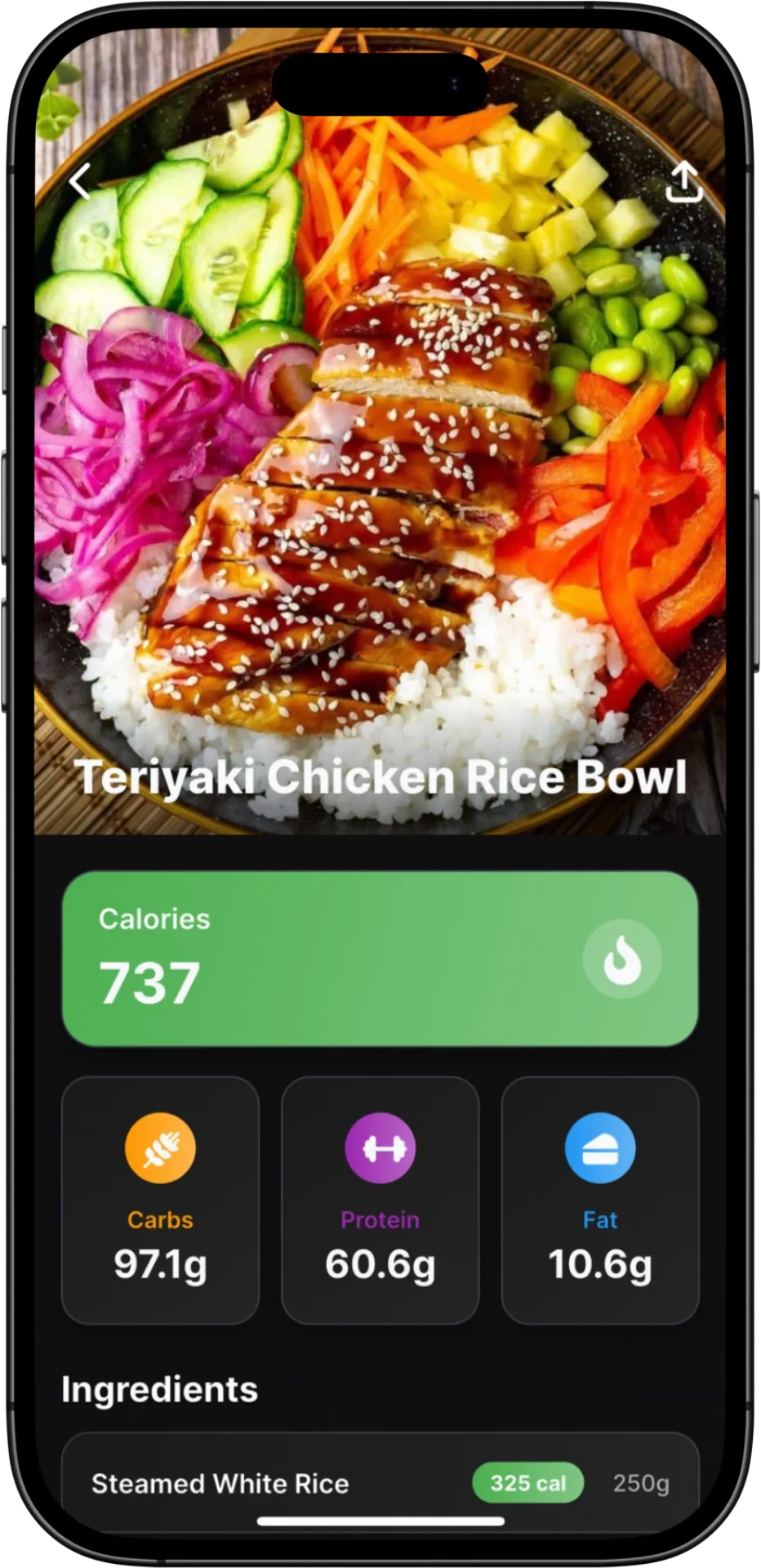
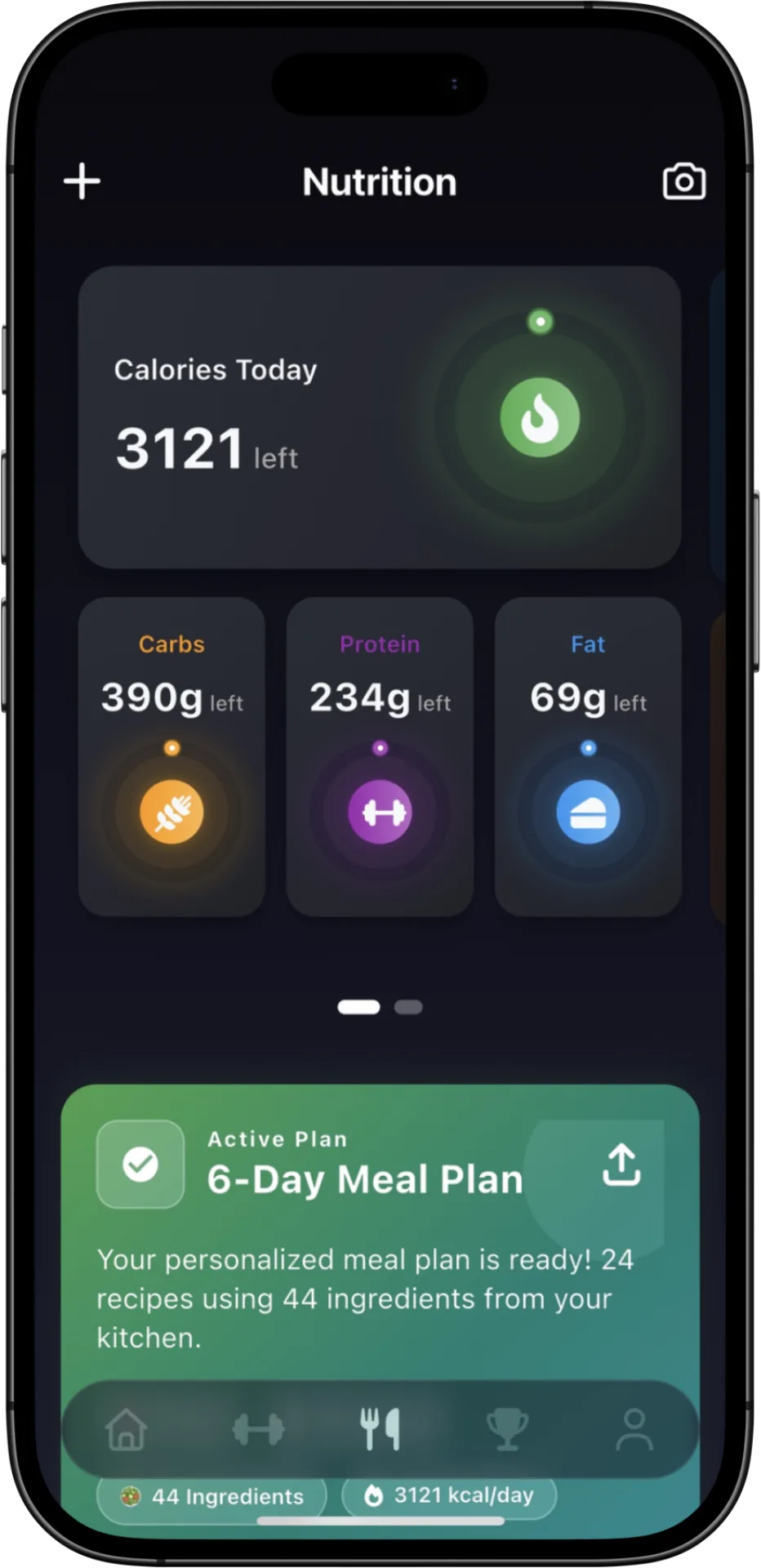
With FitFlow's AI Food Scanning, you can snap a meal photo for instant calorie counting and macro breakdowns (protein, carbs, fats). It recognizes 2M+ foods and is up to 5x faster than manual logging, automating 80% of your food tracking so you can focus on fueling your gains efficiently. You can even build custom recipes with full nutritional breakdowns and track your dietary preferences.
Tracking Progress and Staying Motivated
Seeing your progress is incredibly motivating and crucial for making informed adjustments to your program. FitFlow is designed to make this seamless.
Logging Your Workouts
Every single workout, log your exercises, sets, reps, and the weight you lifted. This isn't just a record; it's your roadmap for progressive overload. If you hit your target reps, you know to try adding weight next time. If you struggled, you might need to maintain the same weight or slightly reduce it to ensure good form.
FitFlow's Smart Workout Tracking allows for real-time tracking of sets, reps, and rest periods, and its specialized barbell workout tracking helps you keep a precise record of your lifts.
Monitoring Body Changes
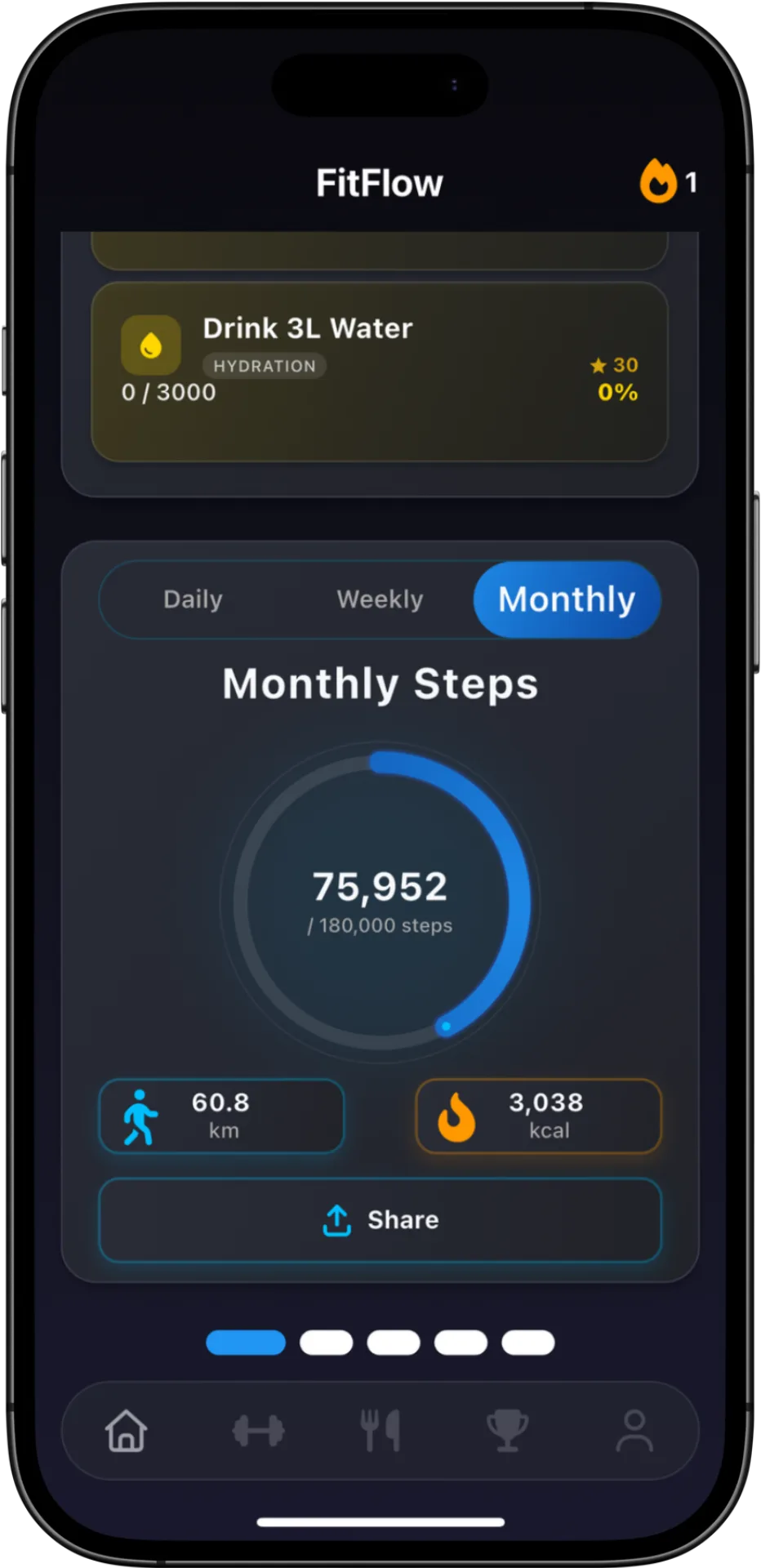
Beyond strength, track your body's adaptations. FitFlow's Progress Analytics & Goal Setting allows you to track weight and body fat with visual charts. Don't obsess over daily fluctuations, but look for trends over weeks and months. Take progress photos every few weeks – sometimes the visual change is more striking than numbers on a scale.
Celebrating Milestones
Your first 100lb squat, your first bodyweight bench press, adding 50lbs to your deadlift – these are significant achievements! FitFlow's personal record tracking and achievement badges help you celebrate these milestones, providing a powerful boost to your motivation. Share your progress with the FitFlow community or with friends – positive reinforcement goes a long way.

Common Beginner Mistakes and How to Avoid Them
Every beginner makes mistakes; it's part of the learning process. Being aware of these common pitfalls can help you navigate your journey more smoothly.
Ego Lifting
The temptation to lift more than you're ready for is strong, especially in a gym environment. Resist it. Ego lifting – sacrificing form for weight – is the fastest way to injury and stalled progress. Start light, master the movement, and let the weight increase naturally over time. Remember, no one cares how much you lift if your form looks terrible or you get hurt.
Skipping Warm-ups/Cool-downs
A proper warm-up prepares your body for the work ahead, increasing blood flow to muscles and improving joint mobility. A cool-down helps with flexibility and can aid recovery. Don't view these as optional; they are integral parts of a safe and effective workout.
- Warm-up: 5-10 minutes of light cardio (jogging, cycling) followed by dynamic stretches (arm circles, leg swings) and 1-2 light sets of your first exercise.
- Cool-down: 5-10 minutes of static stretching, holding each stretch for 20-30 seconds.
Neglecting Recovery
Training breaks down muscle; recovery builds it back stronger. This means adequate sleep (7-9 hours), proper nutrition, and active rest days. Over-training leads to fatigue, decreased performance, and increased injury risk. Listen to your body.
Inconsistent Training
Sporadic workouts yield sporadic results. This program relies on consistent application of progressive overload. Stick to your 3-day-a-week schedule as much as possible. Life happens, but prioritize your training. If you miss a day, don't try to cram two workouts into one; just pick up where you left off.

Embark on Your Strength Journey with FitFlow
This 12-week beginner barbell program is more than just a sequence of exercises; it's a blueprint for building lasting strength, discipline, and a healthier lifestyle. By focusing on compound movements, prioritizing form, fueling your body correctly, and consistently tracking your progress, you'll be amazed at the transformation you can achieve.
Remember, everyone starts somewhere. Embrace the process, celebrate every small victory, and stay consistent. With FitFlow by your side, you have an intelligent partner to guide your workouts, track your nutrition, and celebrate every milestone on your path to becoming stronger than ever.
Download FitFlow today and start your journey to real, tangible gains!

FitFlow Editorial Team
Fitness & Nutrition Editorial TeamCertified personal trainers & nutrition coaches
The FitFlow Editorial Team is a group of certified personal trainers, nutrition coaches, and fitness writers who translate exercise science and nutrition research into practical, actionable guidance. Every article is grounded in peer-reviewed sources and reviewed for accuracy before publishing.
Frequently Asked Questions
Who is this guide for?
This guide is for anyone focused on strength training and looking for practical, sustainable progress.
How quickly can I apply these recommendations?
Most recommendations are designed for immediate implementation. Start with one change today, then layer improvements weekly.
How does FitFlow support this strategy?
FitFlow supports execution with AI-powered meal tracking, workout planning, and progress analytics that help you stay consistent.