How to Break Through a Strength Plateau: Your Expert Guide to Continued Gains
Reviewed by the fitness & nutrition editorial team · Certified personal trainers & nutrition coaches

Understanding the Strength Plateau: Why Progress Stalls
Every dedicated lifter eventually encounters it: the dreaded strength plateau. You're putting in the work, lifting heavy, eating right, but your numbers just aren't moving anymore. The weight that felt challenging but achievable a few weeks ago now feels impossible to budge. This isn't a sign of failure; it's a natural, albeit frustrating, part of the adaptation process.
A strength plateau occurs when your body has fully adapted to the current demands you're placing on it. Initially, your muscles, nervous system, and connective tissues rapidly improve to meet the new stress of resistance training. This leads to those satisfying initial gains. However, as you become more conditioned, your body becomes incredibly efficient. It no longer perceives the same workout as a novel stimulus requiring significant physiological adaptation.
The Science of Adaptation: Our bodies are masters of efficiency. When faced with a consistent stimulus, they adapt to handle it with minimal effort. To continue growing stronger, you must continuously introduce new or increased stimuli.
Other common culprits behind a stalled progression include:
- Insufficient Progressive Overload: Not consistently increasing the challenge (weight, reps, sets, time under tension).
- Inadequate Recovery: Overtraining, insufficient sleep, or high stress levels preventing muscles from repairing and growing.
- Nutritional Deficiencies: Not consuming enough calories, protein, or micronutrients to support muscle repair and energy demands.
- Suboptimal Form: Using momentum rather than muscle, or not engaging the target muscles effectively.
- Lack of Variety: Doing the same exercises, rep schemes, and training methods repeatedly without change.
Recognizing the root cause is the first step toward breaking through. It's a signal from your body that it's time to change things up, not give up.

Re-evaluate Your Training Program: Are You Doing Enough (or Too Much)?
When progress grinds to a halt, the first place to look is often your training program itself. Are you truly adhering to the principles of progressive overload, or have you fallen into a routine that your body has long since adapted to?
Progressive Overload: The Non-Negotiable Principle
The foundation of all strength gains is progressive overload. This means continually increasing the demands on your muscles over time. If you're lifting the same weight for the same reps every week, your body has no reason to get stronger. Ways to apply progressive overload include:
- Increasing Weight: The most straightforward method. Aim for small, consistent increases (e.g., 2.5-5 lbs on major lifts).
- Increasing Reps: If you can't increase weight, try to add one or two more reps to your sets.
- Increasing Sets: Adding an extra set to an exercise can increase total volume.
- Decreasing Rest Times: Shorter rest periods increase the density of your workout, making it more challenging.
- Increasing Time Under Tension (TUT): Slowing down the eccentric (lowering) phase of a lift or pausing at the most difficult point.
- Increasing Frequency: Training a muscle group more often.
Volume, Intensity, and Periodization
Your training volume (total sets x reps x weight) and intensity (how close to your maximum effort you're lifting) need careful management. Too little of either, and you won't stimulate growth; too much, and you risk overtraining.
- Volume: For strength, 10-20 working sets per muscle group per week is generally recommended, spread across 2-3 sessions.
- Intensity: Most strength work should be in the 1-6 rep range at 80-95% of your 1-rep max (1RM). However, incorporating some higher rep work (8-12 reps) can also build hypertrophy, which supports strength.
- Periodization: This is the systematic planning of training variations over time. Instead of constantly trying to lift heavier, periodization involves cycling through phases of higher volume/lower intensity, lower volume/higher intensity, and even dedicated deload weeks. This strategic variation prevents adaptation and allows for recovery.
The Power of the Deload
Often overlooked, deload weeks are critical. A deload involves intentionally reducing your training volume and/or intensity for a week (e.g., 50-70% of usual weight or reps). This allows your central nervous system (CNS) to recover, repairs micro-traumas in muscles, and helps prevent mental burnout. Many lifters find that after a deload, they come back stronger and ready to break new personal records.

Optimize Your Nutrition: Fueling for Growth and Recovery
You can't build a skyscraper without bricks and mortar, and you can't build strength without proper fuel. Nutrition is arguably as important as your training itself, especially when trying to break through a plateau. Your body needs adequate calories, macronutrients, and micronutrients to repair muscle tissue, fuel your workouts, and support overall physiological function.
Calorie Intake: Are You Eating Enough?
For muscle growth and strength, you generally need to be in a slight caloric surplus. This means consuming more calories than you burn. If you're consistently in a deficit or at maintenance, your body will prioritize essential functions over building new muscle tissue. Aim for a surplus of 250-500 calories above your maintenance level, monitoring your weight weekly to ensure you're gaining muscle, not excessive fat.
Macronutrients: The Building Blocks
- Protein: Absolutely critical for muscle repair and growth. Aim for 1.6-2.2 grams of protein per kilogram of body weight daily. Distribute this intake throughout the day across multiple meals.
- Carbohydrates: Your primary energy source for high-intensity workouts. Don't fear carbs! They replenish glycogen stores, which are essential for strength and endurance. Focus on complex carbohydrates like whole grains, fruits, and vegetables.
- Fats: Essential for hormone production (including testosterone, vital for muscle growth), nutrient absorption, and overall health. Healthy fats from sources like avocados, nuts, seeds, and olive oil should make up 20-30% of your daily caloric intake.
Micronutrients and Hydration
Don't forget the supporting cast: vitamins, minerals, and water. These micronutrients play thousands of roles in your body, from energy metabolism to immune function and muscle contraction. Dehydration, even mild, can significantly impair performance and recovery.
Expert Insight: "You cannot out-train a bad diet. Proper nutrition is the silent partner in all strength gains, particularly when you're pushing past previous limits."
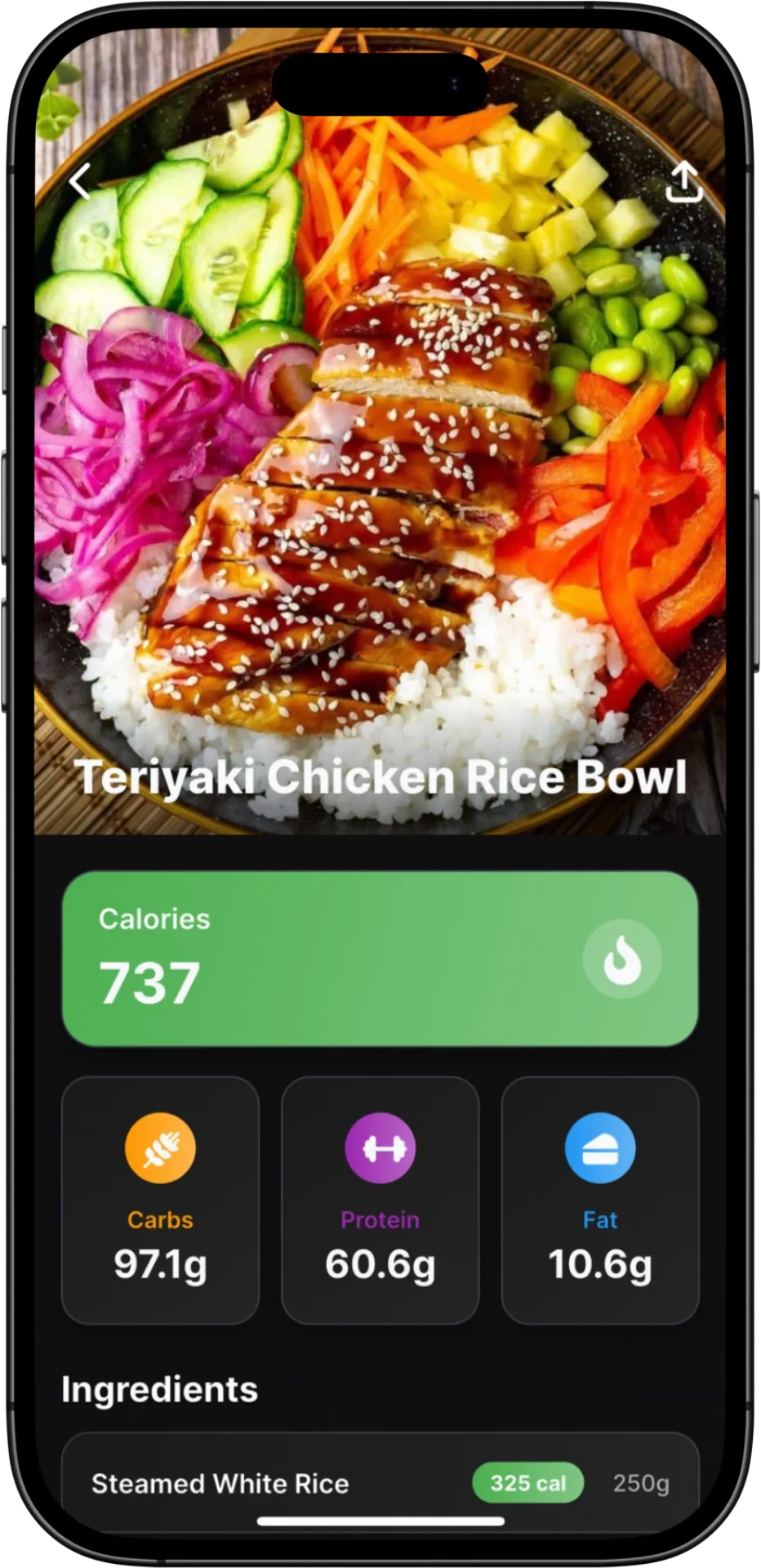
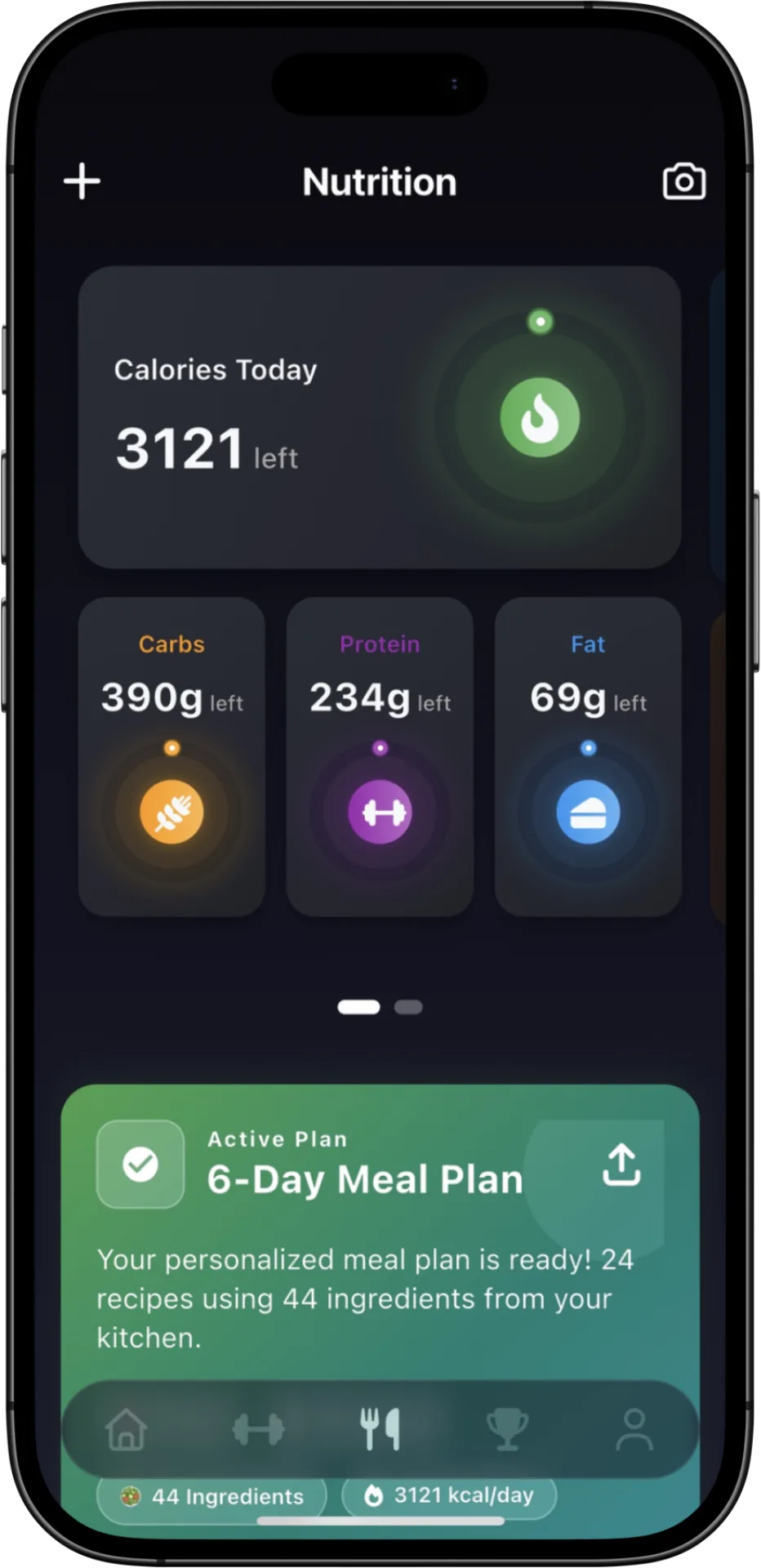
This is where tools like FitFlow's AI Food Scanning & Nutrition Tracking become invaluable. Instead of tedious manual logging, you can simply snap a photo of your meal for instant calorie and macro breakdowns. With a database of over 2 million foods and 14 million items, including official data from major restaurant chains, you get unparalleled accuracy. FitFlow automates 80% of food logging, making it up to 5x faster than traditional methods, allowing you to quickly identify any nutritional gaps. You can also use the custom Recipe Builder for homemade meals to get full nutritional breakdowns, ensuring every dish supports your strength goals.
Prioritize Recovery: The Unsung Hero of Strength Gains
Many lifters focus intensely on training and nutrition but neglect the third pillar of progress: recovery. Muscles aren't built in the gym; they're built during the time you spend recovering from your workouts. If you're consistently under-recovering, your body will struggle to adapt and get stronger, leading directly to a plateau.
The Crucial Role of Sleep
Sleep is arguably the most powerful recovery tool you have. During deep sleep, your body releases growth hormone, which is essential for muscle repair and growth. It also allows your central nervous system (CNS) to recover from the stress of heavy lifting. Aim for 7-9 hours of quality sleep per night. Poor sleep can elevate cortisol (a catabolic hormone) and decrease testosterone, directly hindering strength gains.
- Actionable Sleep Tips: Establish a consistent sleep schedule, create a dark and cool sleep environment, avoid screens before bed, and limit caffeine/alcohol in the evenings.
Stress Management
Chronic stress, whether from work, personal life, or even overtraining, elevates cortisol levels. Sustained high cortisol can lead to muscle breakdown, fat storage, and impaired recovery. Incorporating stress-reducing activities into your routine is vital:
- Meditation or mindfulness practices
- Spending time in nature
- Engaging in hobbies
- Light stretching or yoga
- Deep breathing exercises
Active Recovery and Mobility
While rest is crucial, complete inactivity isn't always the best approach. Active recovery involves low-intensity activities that promote blood flow, help remove metabolic waste products, and improve flexibility without adding significant stress. Examples include:
- Light cardio (walking, cycling)
- Foam rolling and self-myofascial release
- Dynamic stretching and mobility drills
- Yoga or Pilates
These activities can improve range of motion, reduce muscle soreness, and enhance overall recovery, allowing you to perform better in your next strength session.

Refine Your Technique and Mind-Muscle Connection
Sometimes, a plateau isn't about lifting more weight, but lifting the current weight *better*. Flawed technique not only increases your risk of injury but also prevents you from effectively targeting the intended muscles, meaning you're not getting the most out of your efforts. A stronger mind-muscle connection can unlock new levels of recruitment and activation.
Form Over Weight: The Golden Rule
It's tempting to chase bigger numbers, but sacrificing form for weight is a common mistake that leads to plateaus. When your form breaks down, other muscles compensate, reducing the stress on the target muscle. This means the target muscle isn't getting the stimulus it needs to grow stronger.
- Video Yourself: Record your main lifts from different angles. You might be surprised by what you see. Subtle shifts in posture, bar path, or joint movement can make a huge difference.
- Reduce the Weight: Don't be afraid to drop the weight temporarily to perfect your form. You'll likely find that with better technique, the 'lighter' weight feels just as challenging, but in the right places.
- Focus on the Full Range of Motion (ROM): Ensure you're completing each rep through its full, controlled range. Partial reps might allow you to lift more weight, but they limit muscle development and strength through the entire movement.
The Power of Mind-Muscle Connection
This refers to the conscious effort to feel the target muscle working throughout an exercise. Instead of just moving the weight from point A to point B, actively think about contracting the muscle you're trying to train. For example, during a bench press, focus on squeezing your pecs, not just pushing the bar. This can significantly increase muscle activation and lead to better gains.
- Slow Down: Performing reps with a controlled tempo, especially the eccentric (lowering) phase, can help you feel the muscle working more intensely.
- Pause and Squeeze: At the peak contraction point of an exercise, pause for a second and actively squeeze the target muscle.
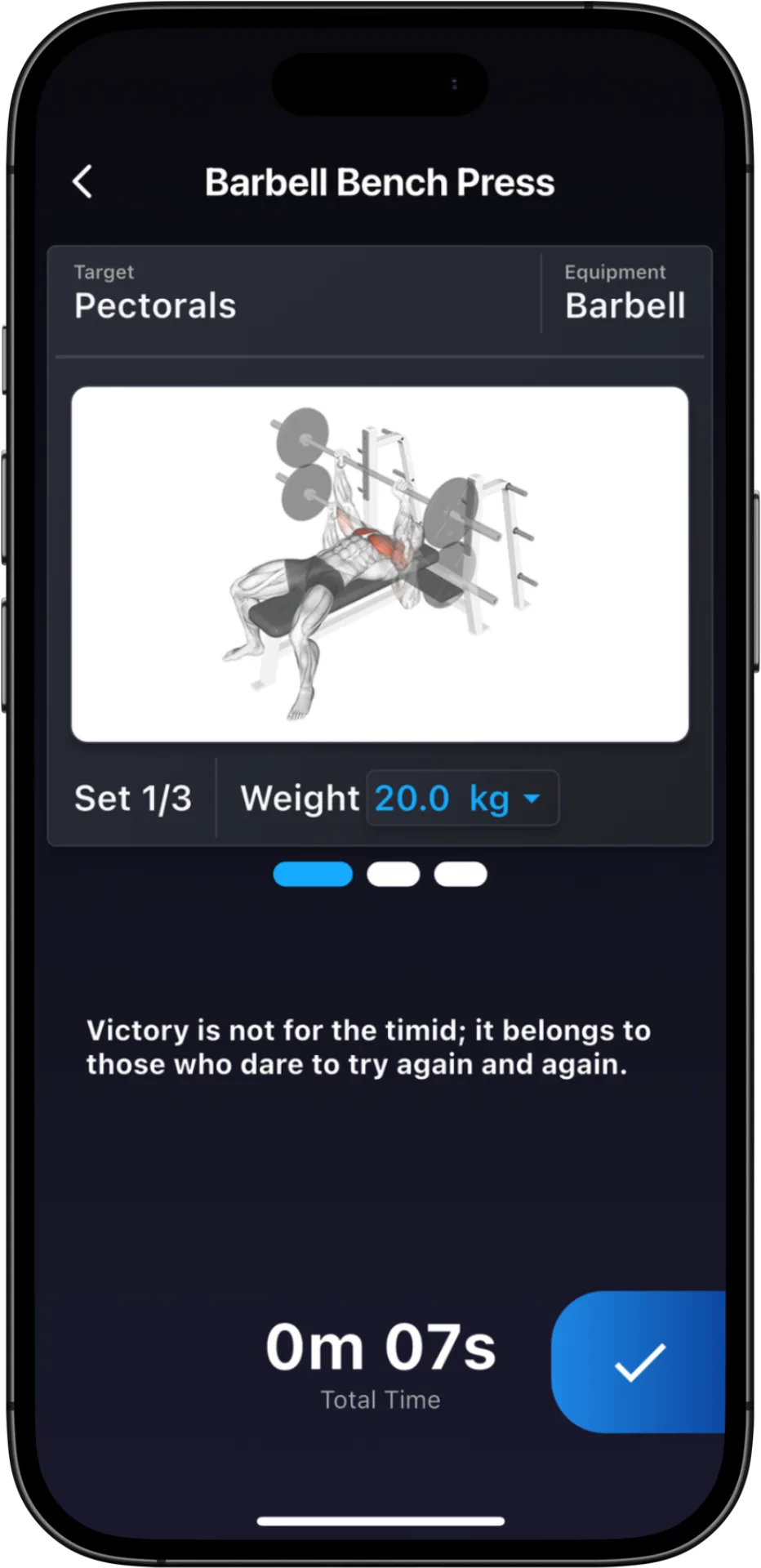
FitFlow's Smart Workout Tracking is an excellent resource for refining your technique. With over 1,000 guided exercises that include video demonstrations, you can review proper form right in the app. Even more beneficial is its intelligent form guidance feature, which can help you identify and correct subtle flaws you might not even realize you have. This real-time feedback ensures you're engaging the right muscles and maximizing the effectiveness of every single rep.
Embrace Variety and Advanced Training Techniques
Once you've addressed the fundamentals of programming, nutrition, recovery, and form, it's time to introduce more advanced strategies to shock your system and force new adaptations. Variety isn't just the spice of life; it's the catalyst for continued strength gains.
Swap Exercises and Change Your Rep Ranges
If you've been doing the same squat, bench, and deadlift variations for months, your body is likely accustomed. Try swapping out main lifts for variations:
- Squats: Front squats, pause squats, box squats, safety bar squats.
- Bench Press: Incline bench, close-grip bench, dumbbell press, floor press.
- Deadlifts: Romanian deadlifts, sumo deadlifts, deficit deadlifts, rack pulls.
Also, periodically changing your rep ranges can be highly effective. If you're always in the 1-5 rep range for strength, try a mesocycle focused on 6-10 reps for hypertrophy, or even higher reps (12-15) for muscular endurance. This stimulates different muscle fibers and pathways, promoting overall strength.
Advanced Training Techniques to Break Barriers
These techniques strategically increase intensity and volume, pushing your muscles beyond what they're used to:
- Drop Sets: Perform a set to failure, immediately reduce the weight by 20-30%, and continue for more reps to failure. This floods the muscle with blood and creates a massive metabolic stress.
- Supersets/Trisets: Performing two or three exercises back-to-back with minimal rest. This can be antagonist supersets (e.g., bench press then rows) or pre-exhaustion supersets (e.g., pec flyes then bench press).
- Pyramid Training: Gradually increasing weight while decreasing reps (ascending pyramid) or vice-versa (descending pyramid).
- Partial Reps/Forced Reps: Carefully incorporating these at the end of a set, either with a spotter (forced reps) or by limiting range of motion (partial reps) to push past momentary muscular failure. Use sparingly to avoid overtraining.
- Overcoming Isometrics: Pushing or pulling against an immovable object for a sustained period (e.g., 6-10 seconds) at your weakest point in a lift. This can build tremendous strength in specific ranges.
- Cluster Sets: Performing a small number of reps (e.g., 1-3) with heavy weight, resting briefly (15-30 seconds), then repeating for several mini-sets within a larger set. This allows for more quality reps with heavier loads.
Remember to integrate these techniques strategically and not all at once. Overdoing intensity can lead to burnout. Consider cycling them into your program for a few weeks, then reverting to a more standard approach.

Track Your Progress and Stay Motivated
Breaking through a strength plateau requires consistent effort and smart adjustments, but without accurate tracking, you're essentially flying blind. Detailed progress tracking allows you to objectively analyze what's working (and what's not), make informed decisions, and, crucially, stay motivated by seeing how far you've come.
The Indispensable Value of Consistent Logging
Logging every workout – including the exercises, sets, reps, and weight – is non-negotiable for strength training. It provides a historical record that helps you apply progressive overload systematically. How can you know if you're increasing weight or reps if you don't remember what you did last week?
- Identify Patterns: Logging helps you see trends. Are you consistently failing at a certain weight? Is your recovery impacting your lifts on specific days?
- Make Data-Driven Adjustments: Instead of guessing, you can look at your data to decide whether to increase volume, decrease intensity, or try a new exercise variation.
- Celebrate Small Victories: Even if your main lift isn't moving, you might find you're adding reps to accessory exercises or improving your form. These small wins contribute to overall strength and prevent demotivation.
Leveraging FitFlow for Unmatched Tracking and Motivation
This is where FitFlow's Progress Analytics & Goal Setting features truly shine. They are specifically designed to keep you on track, provide actionable insights, and fuel your motivation:
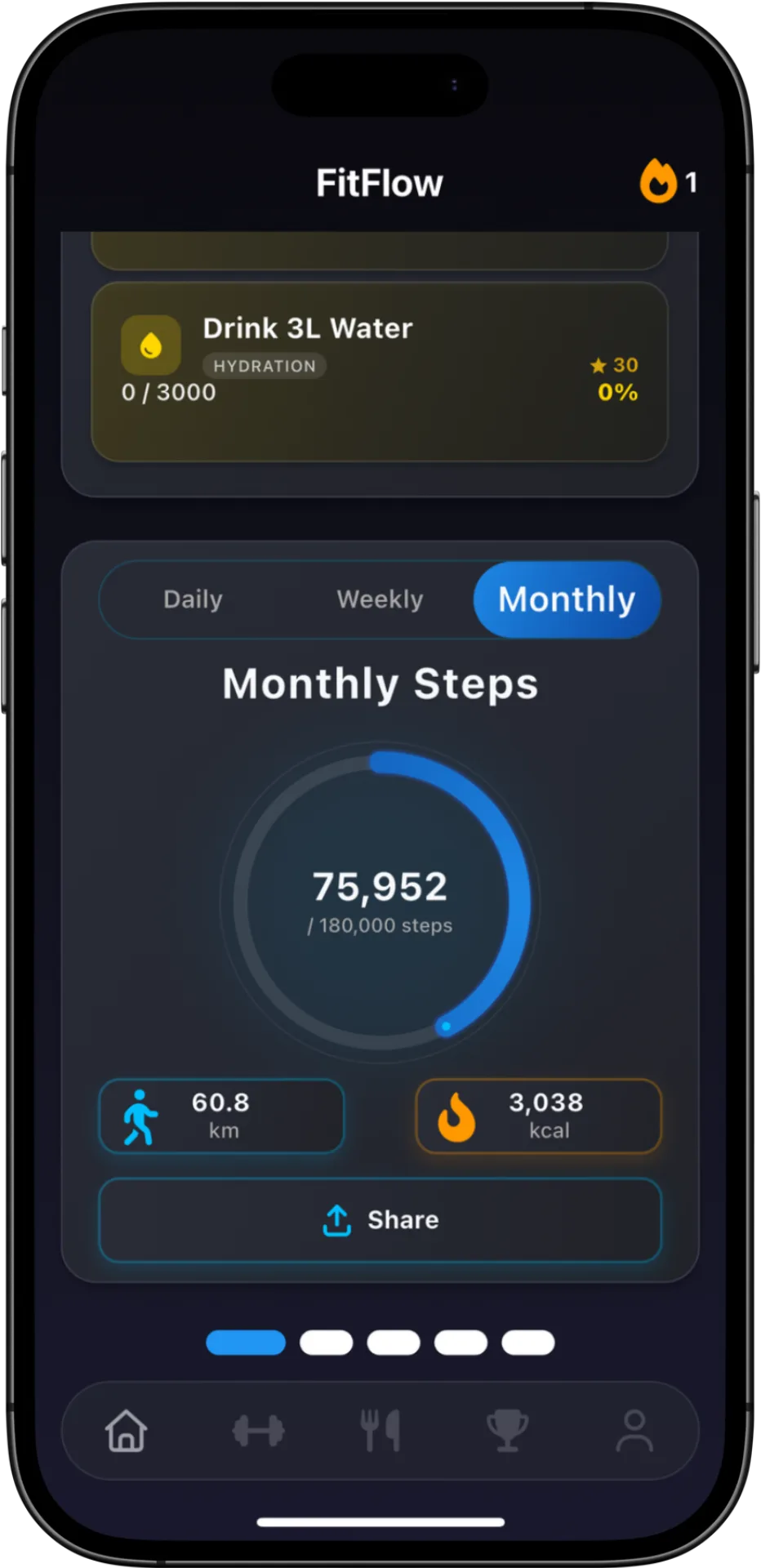
- Comprehensive Tracking: Track not just your workouts, but also your weight, body fat, steps, and water intake with intuitive visual charts. This holistic view helps you understand the interplay between various aspects of your health.
- Personal Record (PR) Tracking: FitFlow automatically tracks your personal bests (PRs) across all exercises. Hitting a new PR, even a small one, is incredibly motivating, and FitFlow celebrates these milestones with achievement badges and animations.
- Detailed Analytics: Dive deep into your fitness and nutrition data with progress charts that show your journey over time. Visualize your strength gains, macro breakdowns, and more, helping you pinpoint areas for improvement.
- Smart Goal Setting: Set realistic, achievable goals within the app, and FitFlow will help you break them down into milestones, celebrating each step of the way.
- Motivation & Community: For an extra boost, engage with FitFlow's community features like leaderboards and daily challenges. Compete with friends or other users, earn points, and climb the ranks, turning your fitness journey into a rewarding game. The app also provides daily motivational quotes and progress reminders to keep your spirits high.
By consistently tracking your efforts and utilizing FitFlow's powerful analytical and motivational tools, you transform your strength journey from a series of educated guesses into a data-driven, highly engaging, and ultimately successful endeavor.

Conclusion: Patience, Persistence, and Smart Adjustments
Breaking through a strength plateau can feel like an insurmountable challenge, but it's a rite of passage for every serious lifter. It's a signal from your body that it's time to evolve your approach, not to give up. The key lies in understanding that continued progress isn't about simply working harder, but about working smarter.
Remember that strength gains are not linear. There will be periods of rapid progress, plateaus, and even slight regressions. Embrace this natural ebb and flow. By systematically re-evaluating your training program, dialing in your nutrition, prioritizing recovery, refining your technique, and strategically incorporating advanced methods, you provide your body with the novel stimuli it needs to adapt and grow stronger.
Final Takeaway: A plateau isn't a dead end; it's a temporary pause, an opportunity to learn more about your body and your training. With patience, persistence, and a multi-faceted approach, you will emerge stronger than before.
Utilize powerful tools like FitFlow to streamline your nutrition tracking, optimize your workouts with intelligent guidance, and stay motivated with comprehensive progress analytics and community features. With a holistic and data-driven strategy, that stubborn plateau will soon be a distant memory, replaced by new personal records and continued strength gains. Keep pushing, keep learning, and keep growing.

Sources & References
- The Resistance Training Dose Response: Meta-Regressions Exploring the Effects of Weekly Volume and Frequency on Muscle Hypertrophy and Strength Gains — Pelland JC, Remmert JF, Robinson ZP (2025)
- Neuromuscular adaptations to auto-regulated velocity-based versus fixed percentage-based squat training in sprinters — Guo H, Zhang L, Zheng Z (2026)

FitFlow Editorial Team
Fitness & Nutrition Editorial TeamCertified personal trainers & nutrition coaches
The FitFlow Editorial Team is a group of certified personal trainers, nutrition coaches, and fitness writers who translate exercise science and nutrition research into practical, actionable guidance. Every article is grounded in peer-reviewed sources and reviewed for accuracy before publishing.
Frequently Asked Questions
Who is this guide for?
This guide is for anyone focused on strength training and looking for practical, sustainable progress.
How quickly can I apply these recommendations?
Most recommendations are designed for immediate implementation. Start with one change today, then layer improvements weekly.
How does FitFlow support this strategy?
FitFlow supports execution with AI-powered meal tracking, workout planning, and progress analytics that help you stay consistent.