Mastering Muscle Growth: Your Ultimate Guide to Sets & Reps
Reviewed by the fitness & nutrition editorial team · Certified personal trainers & nutrition coaches

The Blueprint for Muscle Growth: Why Sets and Reps Are Your Foundation
For anyone serious about building muscle, the terms 'sets' and 'reps' are the bedrock of every workout. But understanding how to manipulate these variables effectively is often where the real magic – and confusion – begins. Muscle hypertrophy, the scientific term for muscle growth, isn't a random process; it's a carefully orchestrated biological adaptation to stress.
Think of your body as an incredibly adaptive machine. When you lift weights, you create a stimulus. Your muscles respond by repairing and rebuilding themselves stronger and larger to better handle that stress in the future. The way you apply this stress – through specific combinations of sets and reps – dictates the type and degree of adaptation.
This comprehensive guide will cut through the noise, providing you with evidence-based insights into how to structure your training for optimal muscle growth. We'll explore the underlying science, demystify rep ranges, establish effective set volumes, and show you how to apply these principles practically in your own workouts.
"The most effective training programs for hypertrophy are those that consistently challenge the muscles to adapt to increasing demands over time."
Ultimately, the goal is not just to 'work out' but to 'train' with purpose. Every set and every rep should contribute to your overarching objective: to build a stronger, more muscular physique.

The Core Principles of Muscle Hypertrophy: Beyond Just Lifting Weights
To truly understand how sets and reps contribute to muscle growth, we must first grasp the three primary mechanisms of hypertrophy. These aren't independent factors but rather synergistic pathways that, when activated together, create the most robust muscle-building response.
Mechanical Tension: The Primary Driver
Mechanical tension is arguably the most crucial factor for muscle growth. It refers to the force applied to the muscle fibers during resistance training. When a muscle contracts under load, its fibers are stretched and put under tension. High mechanical tension signals to the muscle that it needs to grow stronger to handle future loads. This is achieved by:
- Lifting heavy weights (relative to your strength).
- Controlling the eccentric (lowering) phase of an exercise.
- Performing exercises through a full range of motion.
Without sufficient mechanical tension, the other two mechanisms will have a limited impact on hypertrophy.
Metabolic Stress: The "Pump" and Beyond
Metabolic stress is the accumulation of byproducts of energy metabolism (like lactate, hydrogen ions, and inorganic phosphate) within the muscle cell during and after exercise. This accumulation is often associated with the "pump" sensation – the feeling of fullness in your muscles. While not directly building muscle, metabolic stress contributes to hypertrophy through several pathways:
- Cell swelling, which is an anabolic signal.
- Increased growth hormone and IGF-1 release.
- Recruitment of more muscle fibers, especially fast-twitch fibers.
Metabolic stress is typically maximized with moderate rep ranges, shorter rest periods, and continuous tension on the muscle.
Muscle Damage: Micro-Tears and Repair
Muscle damage refers to the micro-tears that occur in muscle fibers during strenuous exercise, particularly when performing novel movements or emphasizing the eccentric phase. This damage triggers an inflammatory response and subsequent repair process, leading to muscle growth.
While some muscle damage is beneficial, excessive damage can impair recovery and performance. It's the repair process, not the damage itself, that leads to hypertrophy. Symptoms include delayed onset muscle soreness (DOMS). While DOMS can be an indicator of a good workout, it's not a prerequisite for muscle growth, nor is more soreness necessarily better.
By understanding how sets and reps can be manipulated to prioritize one or more of these mechanisms, you can tailor your training for maximum effectiveness.

Decoding Rep Ranges: What Each Number Means for Muscle
The number of repetitions you perform in a set significantly influences which muscle-building mechanisms are primarily engaged. While all rep ranges can stimulate growth if taken close to failure, some are more efficient for specific outcomes.
Low Reps (1-5 Reps Per Set): Strength and Tension
This rep range is traditionally associated with strength training. Lifting very heavy loads for few reps places immense mechanical tension on the muscle fibers. While the primary adaptation is increased strength due to neurological efficiency, it also contributes significantly to hypertrophy, especially in experienced lifters. The muscle fibers recruited here are predominantly fast-twitch, which have the greatest potential for growth.
"Don't shy away from heavy lifting. Incorporating low rep, high-intensity sets can boost strength, which indirectly allows you to lift heavier in higher rep ranges, leading to more overall muscle growth."
Moderate Reps (6-12 Reps Per Set): The Hypertrophy Sweet Spot
This is often considered the optimal rep range for muscle hypertrophy. It strikes a balance between high mechanical tension and significant metabolic stress. You're lifting loads heavy enough to recruit a substantial number of muscle fibers while performing enough repetitions to accumulate metabolic byproducts and create a good "pump." This range allows for sufficient volume without excessive fatigue, making it highly sustainable for consistent growth.
High Reps (15+ Reps Per Set): Metabolic Stress and Endurance
Training with lighter loads for higher repetitions primarily emphasizes metabolic stress and muscular endurance. While once thought to be ineffective for hypertrophy, recent research suggests that high-rep training can be just as effective as moderate-rep training for muscle growth, provided sets are taken close to muscular failure. The key here is the effort and the accumulation of metabolic byproducts, which trigger cellular swelling and other anabolic signals.
The Takeaway: Don't limit yourself to just one rep range. A well-rounded program often incorporates elements of all three to maximize muscle growth by targeting different mechanisms and muscle fiber types. Periodically varying your rep ranges can also help prevent plateaus and keep your training stimulating.
Optimal Set Ranges: Volume as the Volume Knob for Growth
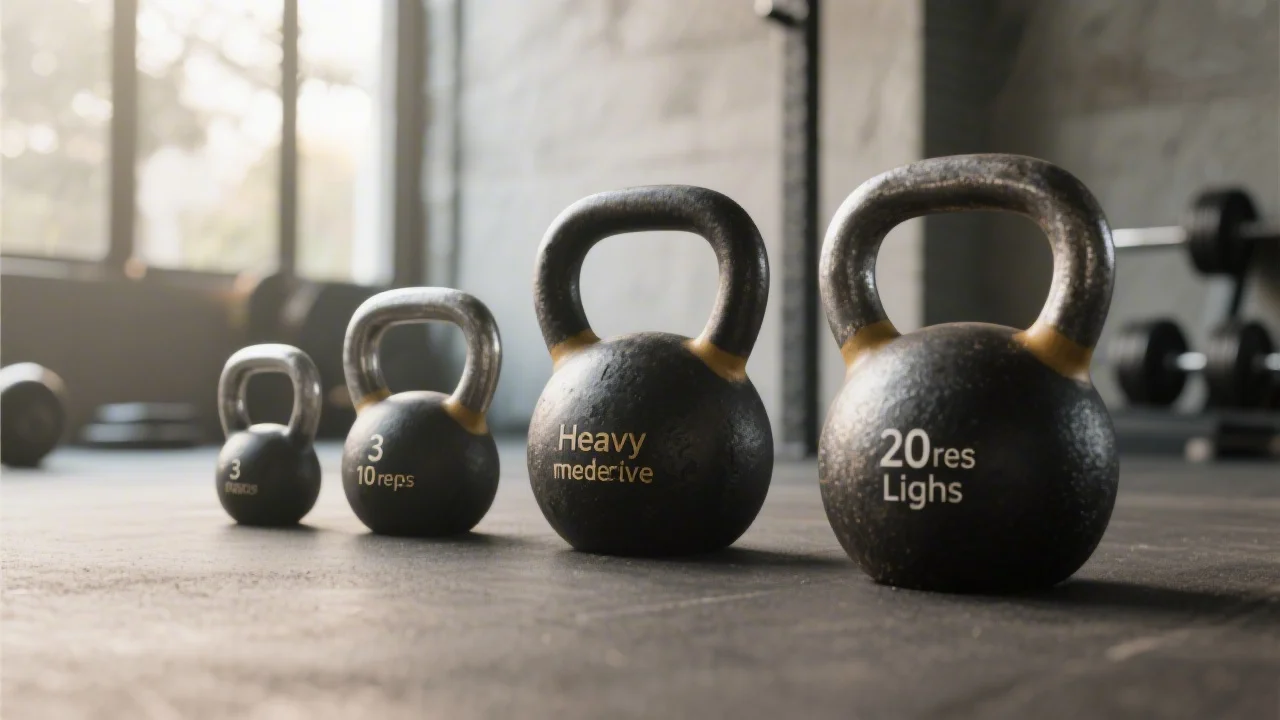
While reps define the intensity of a single set, sets define your total training volume – a critical driver of muscle growth. Volume is typically calculated as the number of working sets performed for a given muscle group in a week. Sufficient volume, coupled with progressive overload, is paramount for consistent gains.
Weekly Set Recommendations for Hypertrophy
For most individuals aiming for muscle hypertrophy, a general guideline is to perform 10-20 working sets per muscle group per week. However, this is a broad range and can vary based on:
- Training Experience: Beginners may see excellent results with 10-12 sets, while advanced lifters might require closer to 15-20 (or even more) to continue progressing.
- Recovery Capacity: Factors like sleep, nutrition, and stress levels significantly impact how much volume you can recover from.
- Exercise Type: Compound exercises (like squats, deadlifts, bench press) typically generate more overall stimulus and fatigue than isolation exercises (like bicep curls, lateral raises), so you might need fewer sets of compounds.
Training Frequency: Spreading the Volume
Instead of doing all 15 sets for your chest on Monday, it's generally more effective to spread that volume across 2-3 sessions per week (e.g., 5-7 sets on Monday, 5-7 sets on Thursday). This allows for more frequent muscle protein synthesis spikes and better recovery between sessions, leading to superior growth.
Progressive Overload: The Non-Negotiable Principle
Regardless of your sets and reps, if you're not progressively overloading your muscles, you won't grow. Progressive overload means continually increasing the demands placed on your muscles over time. This can be achieved by:
- Increasing the weight: The most common method.
- Increasing reps: Performing more reps with the same weight.
- Increasing sets: Adding more working sets.
- Improving form: Performing the same weight/reps with better technique and muscle activation.
- Decreasing rest times: Making the workout more metabolically challenging.
- Increasing training frequency: Training a muscle group more often.
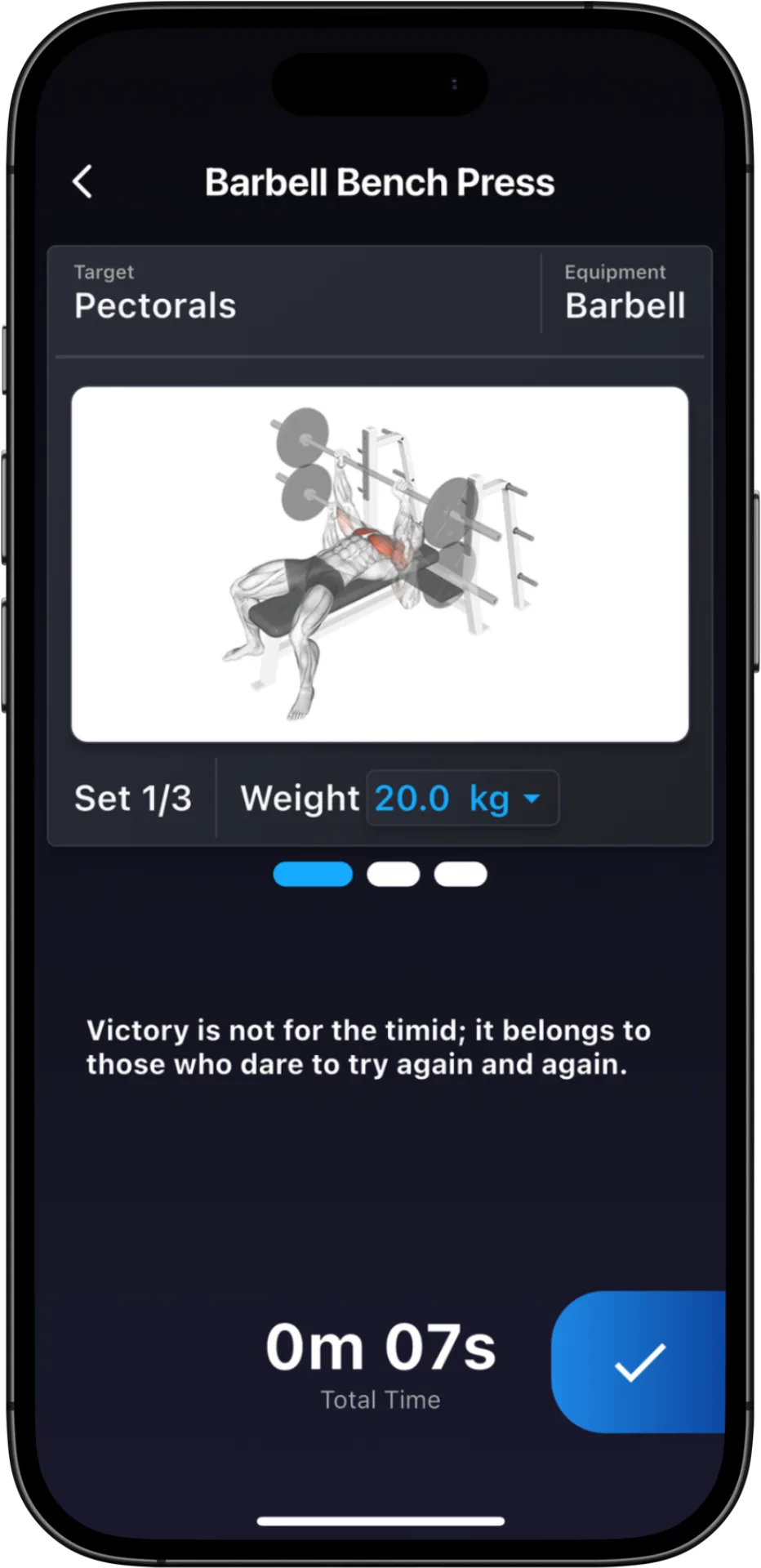
FitFlow's Smart Workout Tracking is an invaluable tool for ensuring progressive overload. With it, you can accurately log your sets, reps, and the weight lifted for every exercise. The app tracks your personal records, allowing you to see your strength improvements over time and providing detailed fitness analytics with progress charts. This data-driven approach removes guesswork, helping you consistently challenge your muscles for optimal growth.
Intensity and Effort: Training to Failure vs. Reps in Reserve (RIR)
The number of sets and reps are important, but so is the intensity of your effort within each set. How close you push yourself to muscular failure significantly impacts the growth stimulus.
Training to Failure: Max Stimulus, Max Fatigue
Training to failure means performing repetitions until you can no longer complete another rep with good form. This approach ensures maximum muscle fiber recruitment and metabolic stress, potentially leading to a strong growth stimulus. However, regularly training to absolute failure on every set can lead to:
- Increased central nervous system fatigue, impacting subsequent workouts.
- Higher risk of injury if form deteriorates.
- Longer recovery times.
While beneficial for some sets, especially for smaller, single-joint movements, it's generally not sustainable or necessary for all working sets.
Reps in Reserve (RIR): A Smarter Approach to Effort
A more sustainable and equally effective strategy for most sets is to use the "Reps in Reserve" (RIR) method. RIR refers to the number of additional repetitions you could have performed before reaching muscular failure. For example:
- RIR 0: Training to absolute failure (no more reps possible).
- RIR 1: One rep left in the tank.
- RIR 2: Two reps left in the tank.
- RIR 3: Three reps left in the tank.
For hypertrophy, aiming for an RIR of 1-3 on most working sets is highly effective. This allows you to accumulate sufficient stimulus without excessive fatigue, promoting better recovery and allowing for more quality volume throughout your week.
"The sweet spot for hypertrophy is often found in pushing sets close to failure (RIR 1-3) rather than always going to absolute failure. This balances stimulus with recovery, enabling greater overall training volume."
Learning to accurately estimate your RIR takes practice, but it's a skill that significantly enhances the quality and sustainability of your training.

Structuring Your Muscle-Building Workouts for Success
Beyond individual sets and reps, the overall structure of your workout program plays a crucial role in maximizing muscle growth. Thoughtful exercise selection, appropriate rest periods, and strategic periodization are key components.
Exercise Selection: Compound vs. Isolation
- Compound Exercises: These involve multiple joints and muscle groups (e.g., squats, deadlifts, bench press, overhead press, rows). They are excellent for building overall strength and muscle mass because they allow you to lift heavier loads, generating high mechanical tension and stimulating a large amount of muscle tissue.
- Isolation Exercises: These involve a single joint and primarily target one muscle group (e.g., bicep curls, triceps extensions, lateral raises). They are valuable for bringing up lagging body parts, improving mind-muscle connection, and adding volume with less systemic fatigue.
A balanced program typically includes a mix of both, starting with compound movements when you're freshest and moving to isolation work.
Rest Periods: Optimizing for Growth
The time you spend resting between sets impacts your performance and the physiological response to training:
- Short Rest (30-60 seconds): Primarily emphasizes metabolic stress and muscular endurance. Can be effective for some isolation exercises or high-rep sets.
- Moderate Rest (60-180 seconds): The ideal range for most hypertrophy training. Allows for sufficient recovery to maintain performance across sets while still accumulating metabolic stress.
- Long Rest (3+ minutes): Best for maximal strength training where full recovery is needed for subsequent heavy sets.
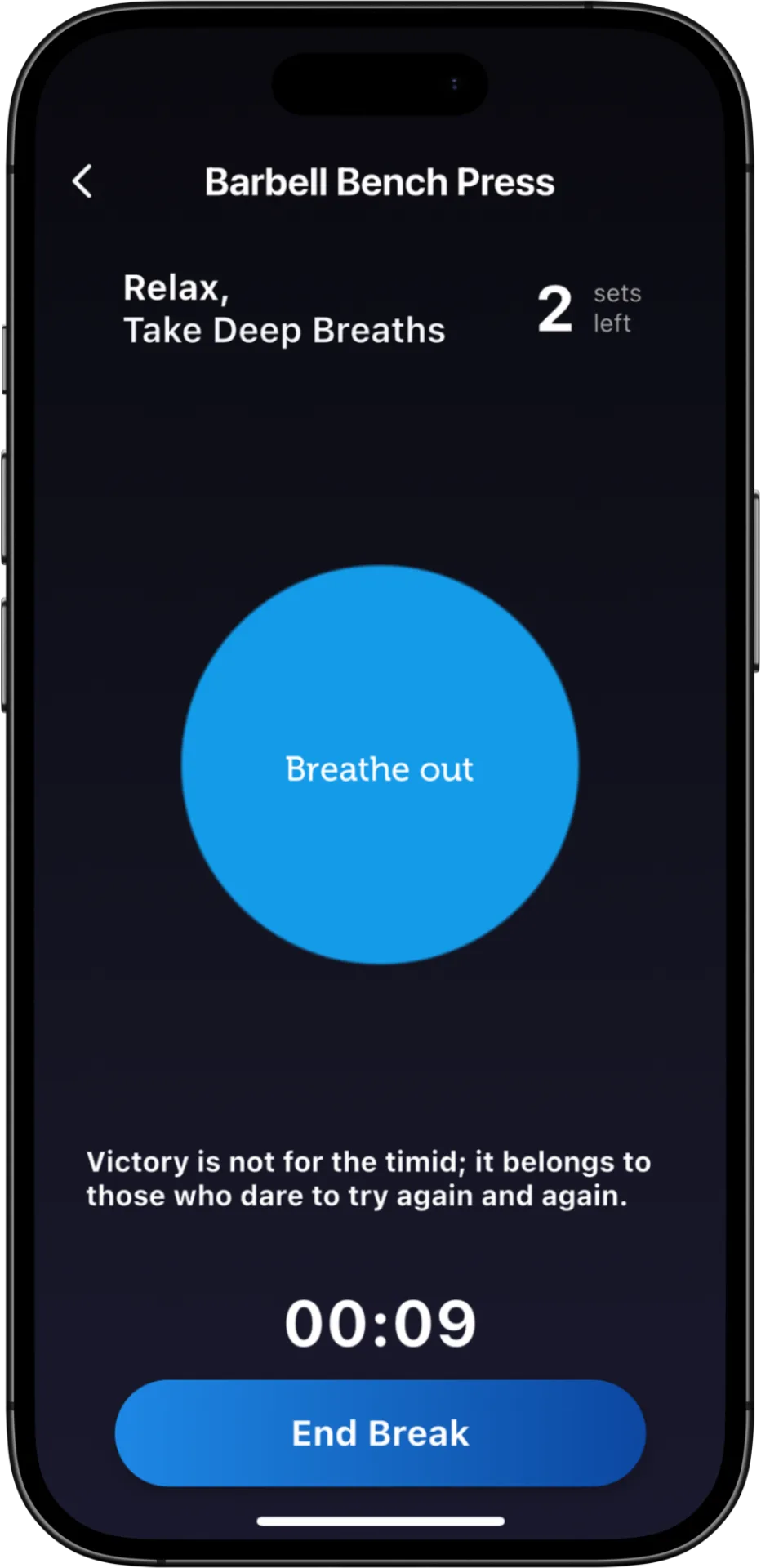
For most hypertrophy goals, aiming for 90-120 seconds between sets is a good starting point.
Periodization: Varying Your Training
Periodization involves systematically varying your training variables (intensity, volume, exercise selection) over time. This prevents plateaus, reduces the risk of overtraining, and allows for continuous progress. Examples include:
- Block Periodization: Dedicating specific blocks of time (e.g., 4-6 weeks) to focus on different goals (e.g., a strength block followed by a hypertrophy block).
- Undulating Periodization: Varying rep ranges and intensities within a single week or even a single workout.
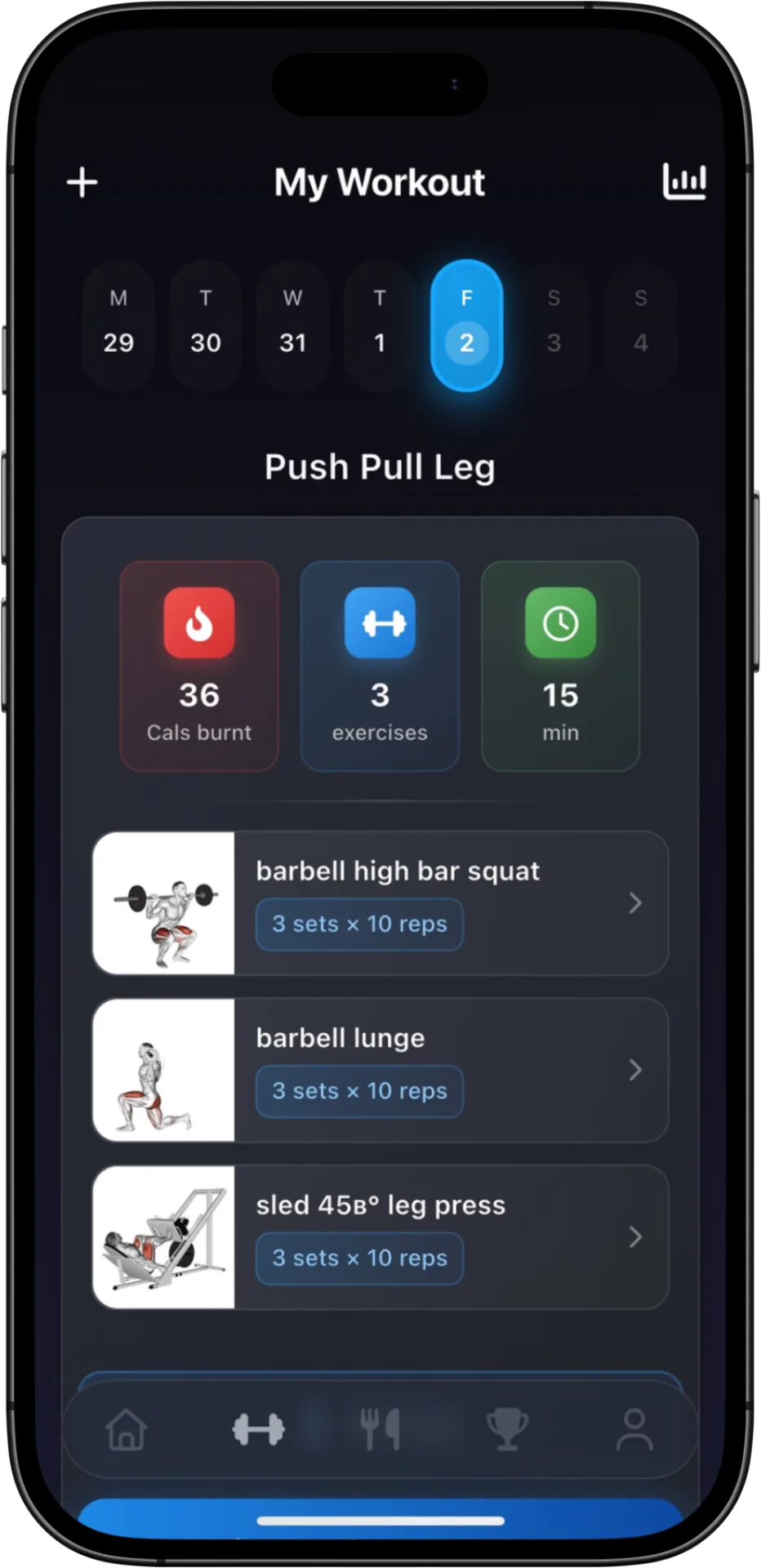
FitFlow's Smart Workout Tracking assists with structuring your workouts by offering over 1,000 guided exercises with video demonstrations, ensuring proper form. You can choose from customizable workout journeys tailored to your goals, such as strength training, and the app provides intelligent form guidance and exercise recommendations to optimize your sessions.
Fueling and Recovering for Maximum Gains
You can meticulously plan your sets and reps, but without proper nutrition and recovery, your muscle-building efforts will be severely limited. Muscle growth happens outside the gym.
Nutrition for Hypertrophy: The Anabolic Foundation
- Caloric Surplus: To build new tissue, your body needs more calories than it burns. Aim for a moderate surplus (200-500 calories above maintenance) to support growth without excessive fat gain.
- Protein Intake: Crucial for muscle repair and synthesis. Aim for 1.6-2.2 grams of protein per kilogram of body weight daily, distributed throughout the day.
- Carbohydrates: Your primary energy source for intense workouts and crucial for replenishing muscle glycogen stores. They also play a role in protein sparing.
- Healthy Fats: Essential for hormone production and overall health.
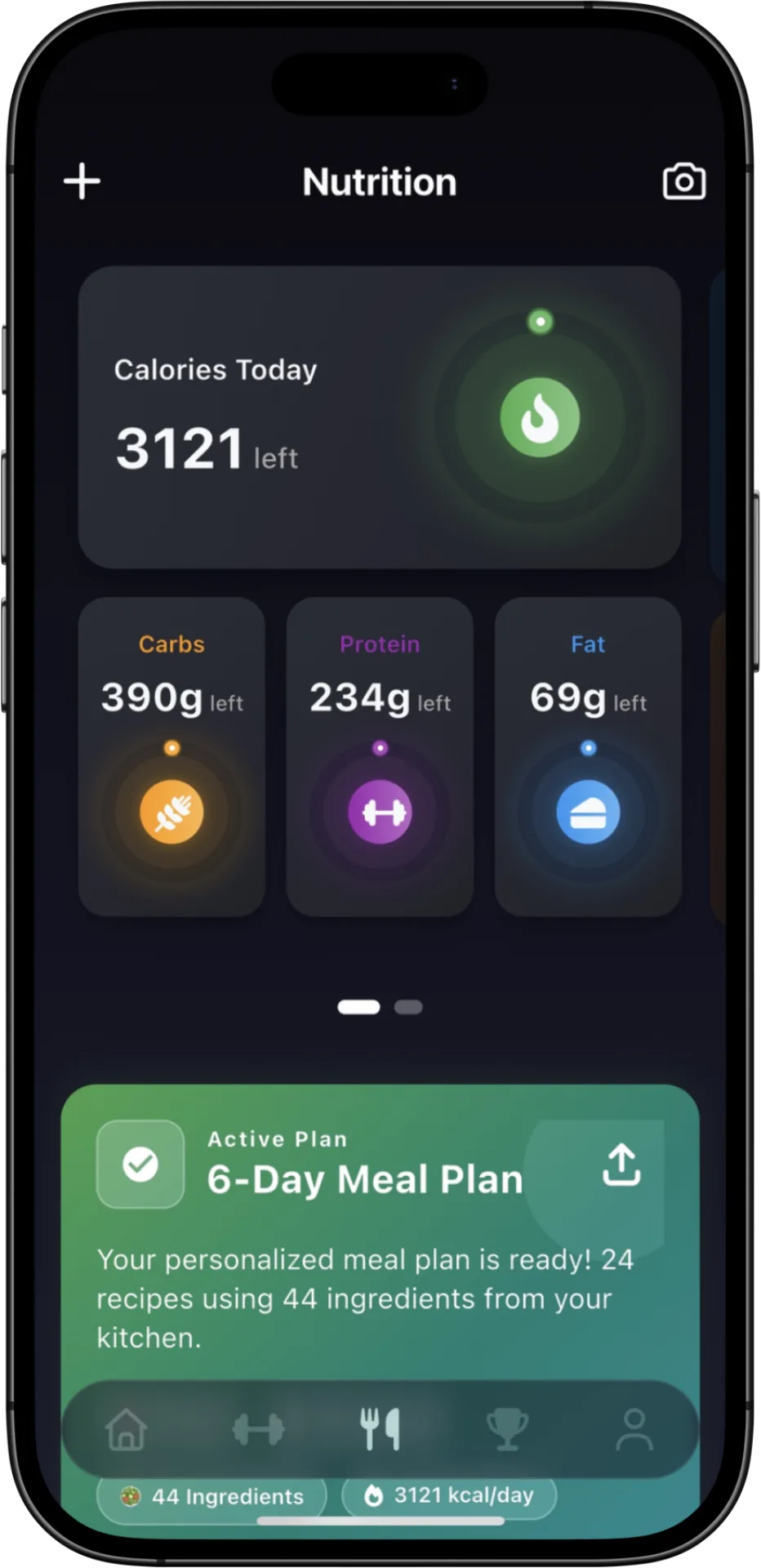
FitFlow's AI Food Scanning & Nutrition Tracking makes hitting your macro goals effortless. Simply snap a photo of your meal for instant calorie and macro breakdowns, or use barcode scanning for packaged foods. With a database of millions of foods, custom meal plans tailored to muscle gain, and a recipe builder for homemade meals, FitFlow automates up to 80% of food logging, freeing you to focus on your training and recovery.
Sleep and Recovery: The Unsung Heroes
During sleep, your body releases growth hormone and testosterone, both vital for muscle repair and growth. Aim for 7-9 hours of quality sleep per night. Additionally, active recovery (light walks, stretching) and stress management contribute significantly to your overall ability to recover and adapt to training stress.
Hydration: Often Overlooked
Water is essential for nearly every bodily function, including nutrient transport, joint lubrication, and maintaining performance. Dehydration can significantly impair strength and endurance. Make sure you're drinking plenty of water throughout the day.

The FitFlow Advantage: Smart Tools for Smarter Growth
Implementing the principles of optimal sets, reps, and progressive overload can be complex. This is where FitFlow becomes your indispensable partner, simplifying the process and empowering you to make data-driven decisions for superior muscle growth.
- Precision Nutrition Tracking: Beyond just calories, FitFlow's AI Food Scanning gives you instant macro breakdowns (protein, carbs, fats) for millions of foods, including official data from major restaurant chains. This ensures you're fueling your body correctly for muscle repair and growth, supporting your custom meal plans for muscle gain.
- Intelligent Workout Tracking: Say goodbye to manual logging. FitFlow's Smart Workout Tracking records your sets, reps, and rest periods in real-time. With 1,000+ guided exercises and intelligent form guidance, you can ensure every rep counts. Track your barbell workouts with realistic weight defaults and see your progress instantly.
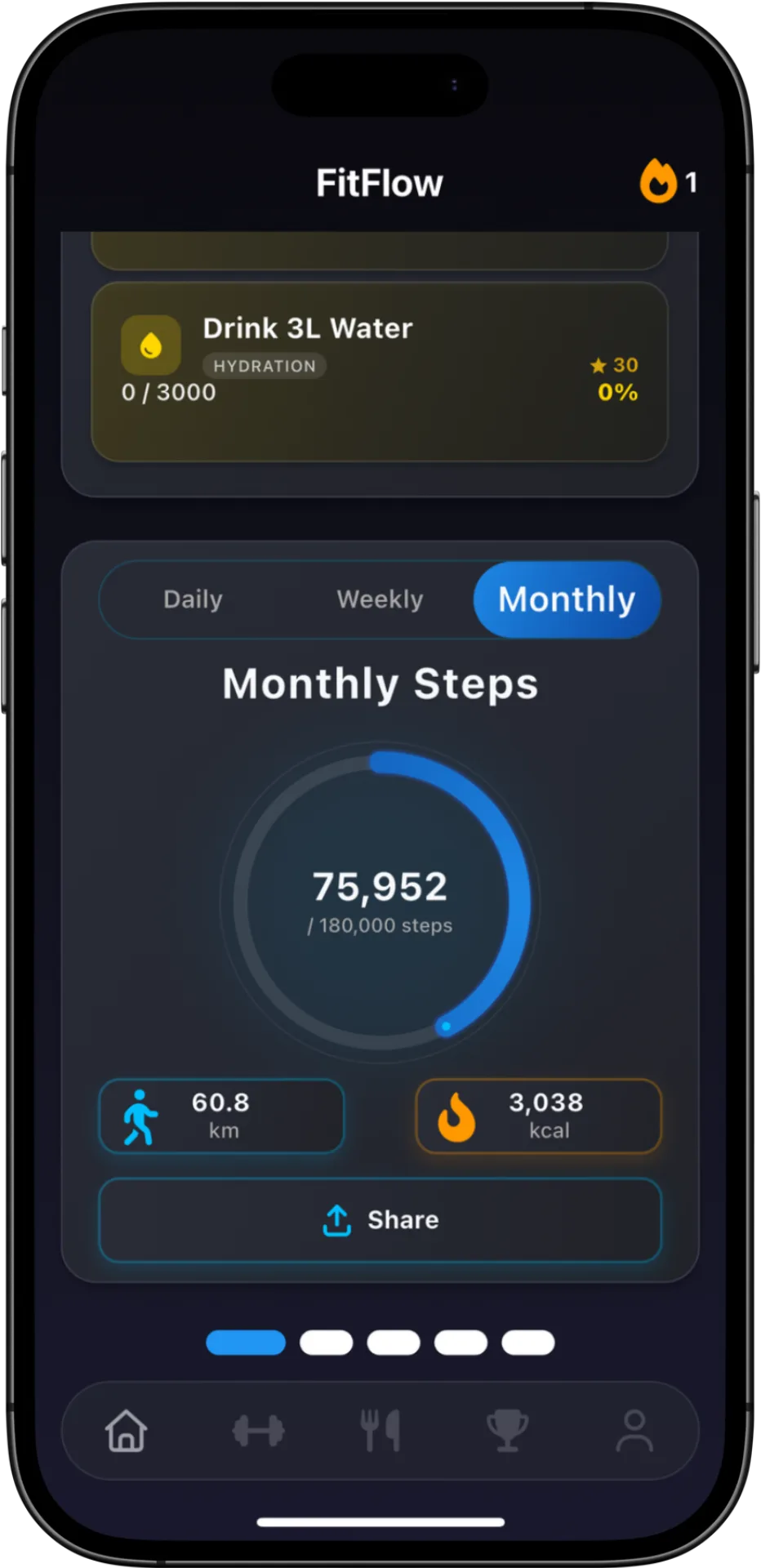
- Unrivaled Progress Analytics: What gets measured, gets managed. FitFlow provides detailed fitness and nutrition analytics with visual progress charts. Track your weight, body fat, and personal records. See exactly how your training volume is increasing over time, ensuring you're consistently applying progressive overload.
- Motivation & Consistency: Building muscle is a marathon, not a sprint. FitFlow keeps you motivated with daily reminders, achievement badges for hitting PRs, and points-based leaderboards. Share your progress with social overlays and stay accountable on your journey.
- Seamless Integration: Sync your data with Apple Health, Google Fit, Fitbit, and Garmin. Enjoy cross-device syncing and even offline mode, so your progress is always with you.
FitFlow provides the structure, data, and motivation you need to move beyond guesswork and build muscle more efficiently and effectively than ever before.

Conclusion: Your Personalized Path to Peak Muscle
Building muscle is a journey that requires consistency, effort, and intelligent planning. There's no single magic number for sets and reps, but rather a spectrum of effective strategies that, when combined with the core principles of hypertrophy, progressive overload, and adequate recovery, will yield significant results.
Remember these key takeaways:
- Focus on the Three Pillars: Ensure your training generates sufficient mechanical tension, metabolic stress, and a touch of muscle damage.
- Embrace All Rep Ranges: While 6-12 reps are often ideal, incorporate heavier (1-5 reps) and lighter (15+ reps) training to maximize growth.
- Prioritize Volume: Aim for 10-20 effective sets per muscle group per week, spread across multiple sessions.
- Never Stop Overloading: Continuously challenge your muscles by increasing weight, reps, or sets over time.
- Train with Intent: Push your sets close to failure (1-3 RIR) for optimal stimulus.
- Fuel and Recover: Your diet and sleep are just as important as your time in the gym.
With FitFlow as your AI-powered coach, you have all the tools at your fingertips to track, analyze, and optimize every aspect of your muscle-building journey. Start applying these principles today, and watch your physique transform!
Sources & References
- What makes long-term resistance-trained individuals so strong? A comparison of skeletal muscle morphology, architecture, and joint mechanics — Maden-Wilkinson TM, Balshaw TG, Massey GJ (2020)
- A review on the mechanisms of blood-flow restriction resistance training-induced muscle hypertrophy — Pearson SJ, Hussain SR (2015)

FitFlow Editorial Team
Fitness & Nutrition Editorial TeamCertified personal trainers & nutrition coaches
The FitFlow Editorial Team is a group of certified personal trainers, nutrition coaches, and fitness writers who translate exercise science and nutrition research into practical, actionable guidance. Every article is grounded in peer-reviewed sources and reviewed for accuracy before publishing.
Frequently Asked Questions
Who is this guide for?
This guide is for anyone focused on strength training and looking for practical, sustainable progress.
How quickly can I apply these recommendations?
Most recommendations are designed for immediate implementation. Start with one change today, then layer improvements weekly.
How does FitFlow support this strategy?
FitFlow supports execution with AI-powered meal tracking, workout planning, and progress analytics that help you stay consistent.