The Best Cardio for Fat Loss That Doesn't Kill Your Gains
Reviewed by the fitness & nutrition editorial team · Certified personal trainers & nutrition coaches

The Cardio Conundrum: Fat Loss vs. Muscle Gains
For many dedicated lifters and fitness enthusiasts, the mere mention of cardio can evoke a shudder. The pervasive myth that 'cardio kills gains' has long haunted the gym floor, creating a dilemma: how do you shed stubborn body fat without sacrificing the hard-earned muscle you've worked tirelessly to build? It's a valid concern, as excessive or poorly planned cardio can indeed interfere with strength adaptations and muscle protein synthesis.
However, the truth is far more nuanced. When implemented strategically, cardio isn't the enemy of your gains; it can be a powerful ally in your fat loss journey, enhancing cardiovascular health, improving recovery, and creating the necessary calorie deficit for effective fat burning. The key lies in understanding the science, choosing the right types of cardio, and integrating them intelligently into your training regimen.
This guide will equip you with the knowledge and actionable strategies to leverage cardio for optimal fat loss, ensuring your muscles remain intact and even thrive. We'll dive into the science, explore different cardio modalities, and show you how FitFlow can help you meticulously track your progress and nutrition to achieve your body composition goals.

Unpacking the "Cardio Kills Gains" Myth: The Interference Effect
The apprehension surrounding cardio and muscle loss isn't entirely unfounded. The 'interference effect,' or concurrent training effect, describes how combining endurance and resistance training can sometimes blunt adaptations to strength training. Research suggests that the body's signaling pathways for endurance (AMPK) and strength (mTOR) can compete, potentially reducing muscle protein synthesis and strength gains if both types of training are performed too closely together or in excessive volumes.
However, the magnitude of this effect is often overstated in practical settings, especially for natural athletes. The primary culprits behind perceived 'gain killing' are usually:
- Excessive Calorie Deficit: When cardio pushes you into too large a calorie deficit, the body may begin to break down muscle for energy, especially if protein intake is insufficient.
- Over-training and Poor Recovery: Too much training volume (both cardio and weights) without adequate rest, sleep, and nutrition can lead to systemic fatigue, elevated cortisol, and impaired muscle recovery and growth.
- Suboptimal Timing: Performing high-intensity cardio immediately before or after a heavy strength session can temporarily deplete glycogen stores and interfere with neural drive, impacting performance and recovery.
Understanding these factors allows us to mitigate the interference effect. The goal isn't to avoid cardio entirely, but to choose modalities and timing that complement your strength training, rather than detract from it.
"Cardio doesn't kill gains; poor planning, excessive deficits, and inadequate recovery do."

The Power of Strategic Cardio for Fat Loss
When approached intelligently, cardio becomes an invaluable tool for fat loss, working synergistically with your diet and strength training. Its benefits extend beyond simply burning calories during the session:
- Increased Calorie Expenditure: Cardio directly contributes to your daily calorie burn, helping you achieve the necessary calorie deficit to lose fat. Even moderate amounts can make a significant difference over time.
- Enhanced Metabolic Health: Regular cardiovascular exercise improves insulin sensitivity, glucose uptake, and overall metabolic flexibility, making your body more efficient at burning fat for fuel.
- Improved Cardiovascular Health: Beyond aesthetics, a healthy heart and lungs are crucial for overall well-being and can indirectly support your training by improving endurance and recovery.
- EPOC (Excess Post-exercise Oxygen Consumption): Especially with higher-intensity cardio, your body continues to burn calories at an elevated rate for hours after your workout as it recovers and returns to homeostasis. This 'afterburn' effect adds to your total energy expenditure.
- Stress Reduction and Mood Boost: Cardio can be a fantastic stress reliever, helping to manage cortisol levels which, when chronically elevated, can hinder fat loss and promote muscle breakdown.
By incorporating strategic cardio, you're not just burning calories; you're optimizing your body's ability to utilize fat, improving your overall health, and creating a more sustainable path to a leaner physique.

Choosing Your Weapon: Cardio Types for Muscle Preservation
Not all cardio is created equal when it comes to preserving muscle. The best approach involves selecting modalities that maximize fat burning while minimizing the risk of muscle catabolism or excessive fatigue. Here are the top contenders:
Low-Intensity Steady State (LISS) Cardio
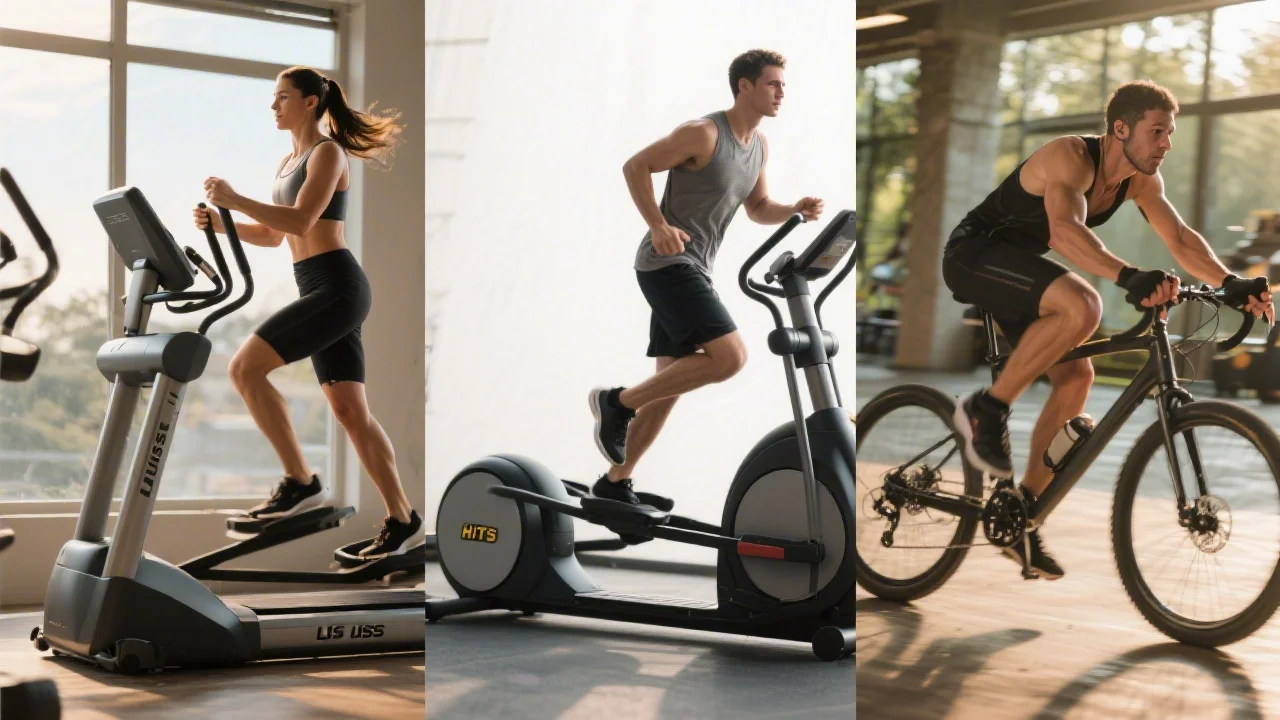
LISS involves sustained activity at a moderate pace (e.g., brisk walking, light cycling, elliptical) where you can comfortably hold a conversation. It's typically performed for longer durations (30-60+ minutes).
- Pros: Minimal impact on recovery from strength training, low risk of muscle breakdown (especially when fed), excellent for active recovery, improves cardiovascular health, sustainable for longer durations. Often performed in a 'fat-burning zone' which, while not exclusively burning fat, is very effective for total calorie expenditure over time.
- Cons: Time-consuming, lower EPOC compared to HIIT.
- Best For: Individuals who are new to cardio, those in a deep calorie deficit needing to conserve energy, or anyone looking for a low-impact recovery option.
High-Intensity Interval Training (HIIT)
HIIT involves short bursts of maximum effort followed by brief recovery periods. Examples include sprint intervals, battle ropes, or intense cycling. Sessions are typically shorter (10-20 minutes, including warm-up/cool-down).
- Pros: Highly time-efficient, significant EPOC, can improve anaerobic capacity and aid in maintaining fast-twitch muscle fibers, potentially less muscle loss than long-duration moderate cardio due to shorter session times.
- Cons: Very taxing on the central nervous system, requires a higher level of fitness, can interfere with recovery if overused or poorly timed relative to strength training.
- Best For: Experienced individuals looking for a time-efficient fat-loss booster, those who enjoy pushing their limits, and when energy levels are higher.
Sprinting/Maximal Effort Intervals
This is a specific form of HIIT, focusing on maximal effort sprints (e.g., track sprints, hill sprints, bike sprints). The key is maximal effort for very short durations (e.g., 10-30 seconds) followed by full recovery.
- Pros: Highly effective for fat loss, mimics the explosive nature of strength training, can improve power and speed, minimal risk of muscle breakdown due to the anabolic signaling from maximal effort.
- Cons: High impact, requires excellent form and warm-up to prevent injury, very demanding on the CNS.
- Best For: Athletes or advanced trainees looking for a powerful metabolic stimulus that closely aligns with strength and power development.
Strategic Integration: How to Schedule Cardio Without Killing Your Gains
The timing and frequency of your cardio sessions are crucial for maximizing fat loss while safeguarding your muscle. Here's how to integrate them intelligently:
Separate Sessions are King
The golden rule for minimizing interference is to separate your cardio and strength training sessions by at least 6-8 hours, ideally on different days. This allows your body's signaling pathways to recover and focus on the specific adaptations of each workout type.
- Example: Lift weights in the morning, perform LISS cardio in the evening. Or, dedicate specific days to cardio and others to strength training.
Post-Workout Cardio (with Caution)
If separate sessions aren't feasible, performing LISS cardio *after* your strength training session is generally preferred over doing it before. Your body's glycogen stores will be partially depleted, potentially shifting your body towards fat utilization during cardio. However, keep the duration and intensity moderate to avoid further taxing your recovery resources.
Frequency and Duration Guidelines
- For LISS: Start with 2-3 sessions per week, 30-45 minutes each. You can gradually increase to 4-5 sessions if needed, ensuring adequate recovery.
- For HIIT/Sprints: Limit to 1-2 sessions per week, 15-25 minutes (including warm-up/cool-down). These are potent and require more recovery.
Remember to listen to your body. If you feel excessively fatigued, sore, or your strength performance is declining, scale back your cardio volume or intensity.
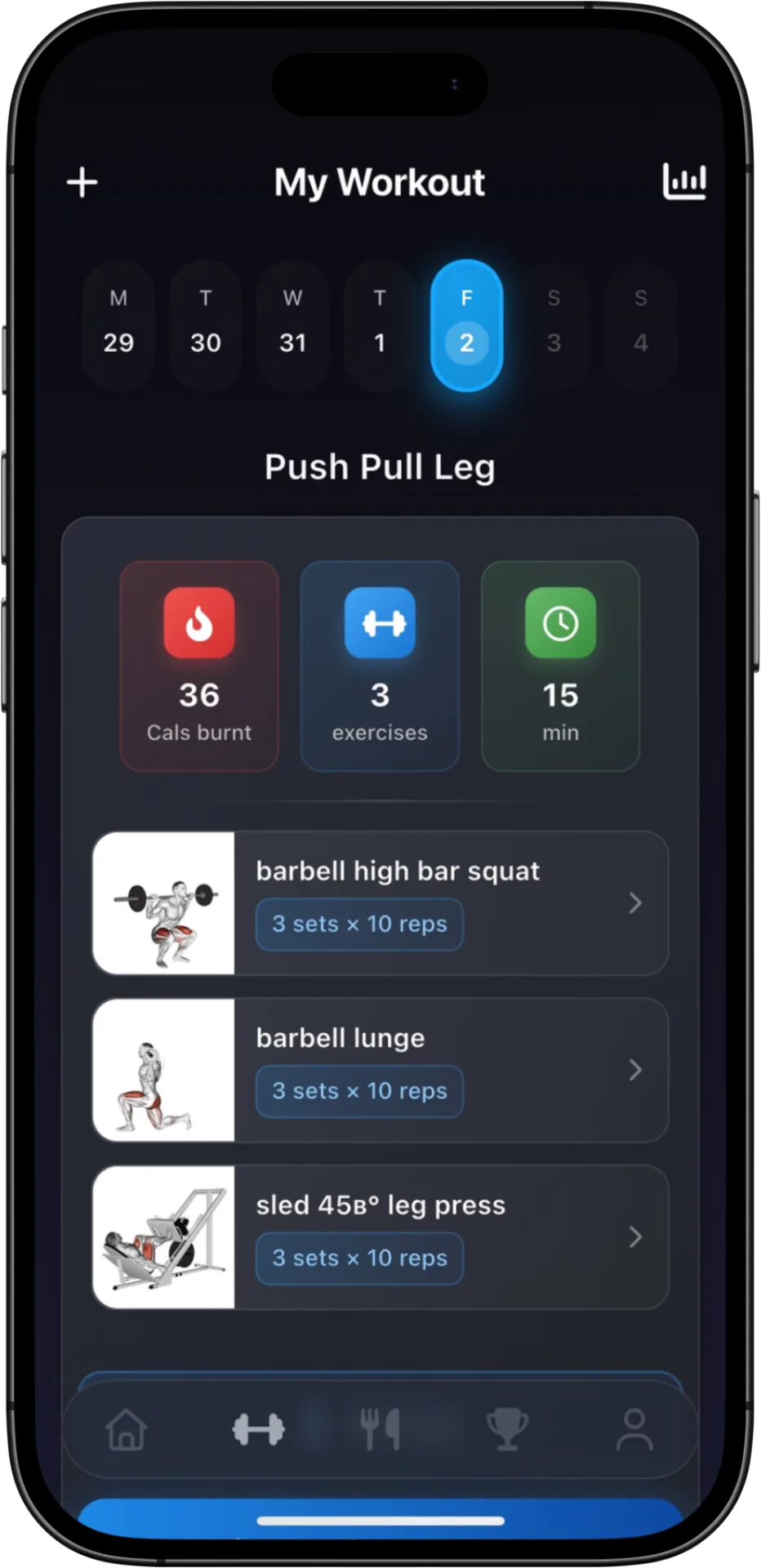
FitFlow's Smart Workout Tracking can be invaluable here. You can log all your strength training sets, reps, and rest periods, and also track your cardio sessions (running, walking, cycling) with real-time stats. This helps you monitor your overall training load and ensure you're not overdoing it, while providing intelligent form guidance for exercises to prevent injury.
Fueling Your Progress: Nutrition is Paramount for Fat Loss and Muscle Preservation
No amount of perfectly timed cardio will lead to sustainable fat loss or muscle preservation if your nutrition isn't dialed in. Diet is the cornerstone of body recomposition.
Calorie Deficit for Fat Loss
To lose fat, you must consume fewer calories than you burn. Cardio helps increase the 'calories burned' side of the equation, making it easier to achieve a moderate deficit without drastically cutting food intake. Aim for a deficit of 300-500 calories below your Total Daily Energy Expenditure (TDEE) for sustainable fat loss.
Prioritize Protein Intake
When in a calorie deficit, adequate protein intake is crucial to prevent muscle breakdown. Aim for 1.6-2.2 grams of protein per kilogram of body weight (or 0.7-1 gram per pound). Protein also has a higher thermic effect of food (TEF), meaning your body burns more calories digesting it.
Smart Carb and Fat Management
Don't cut carbs too drastically, especially if you're engaging in both strength and cardio training. Carbs fuel your workouts and aid in recovery. Focus on complex carbohydrates (whole grains, fruits, vegetables) around your training sessions. Healthy fats are essential for hormone production and overall health, so ensure you're getting enough (20-30% of total calories).
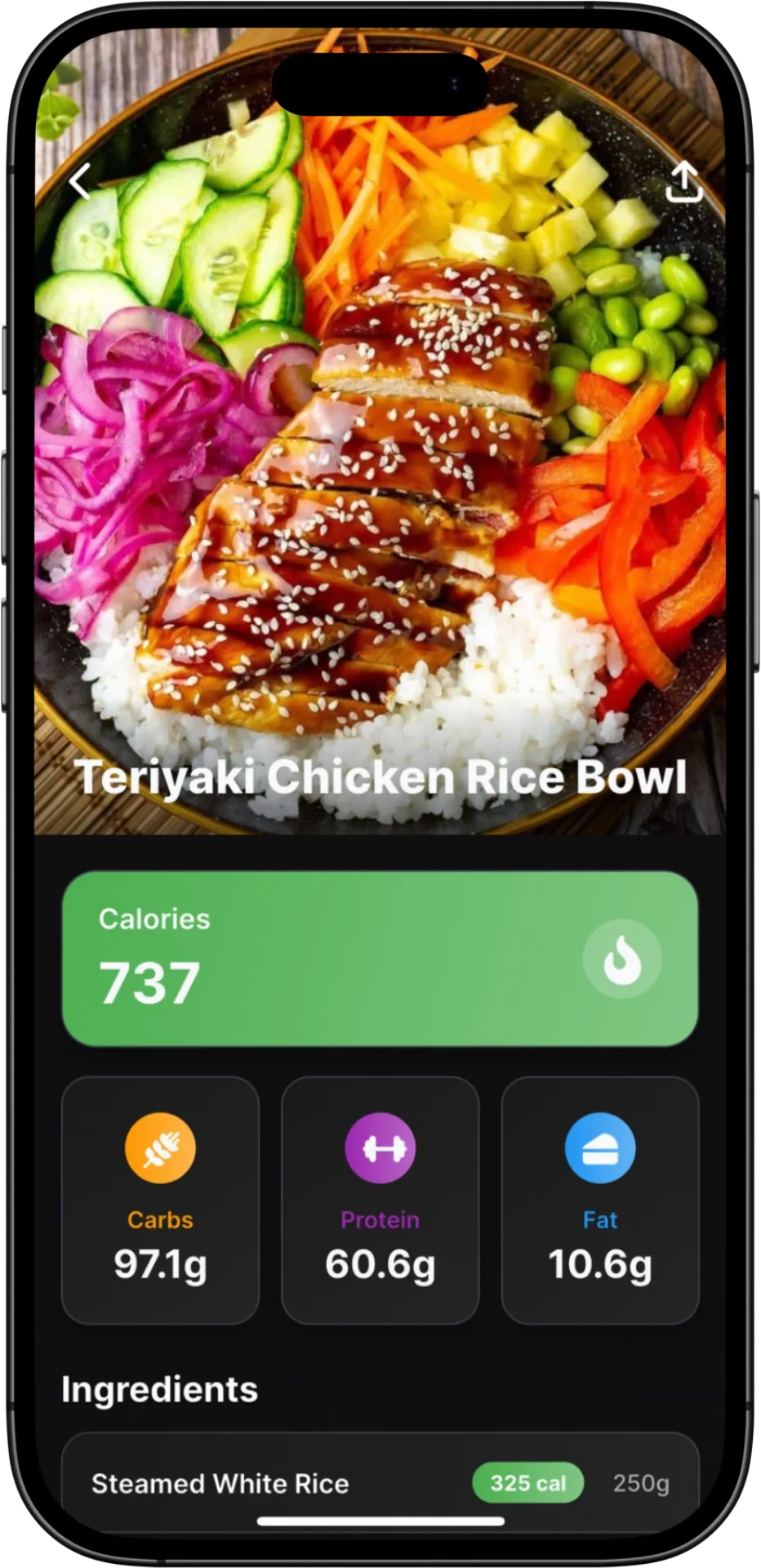
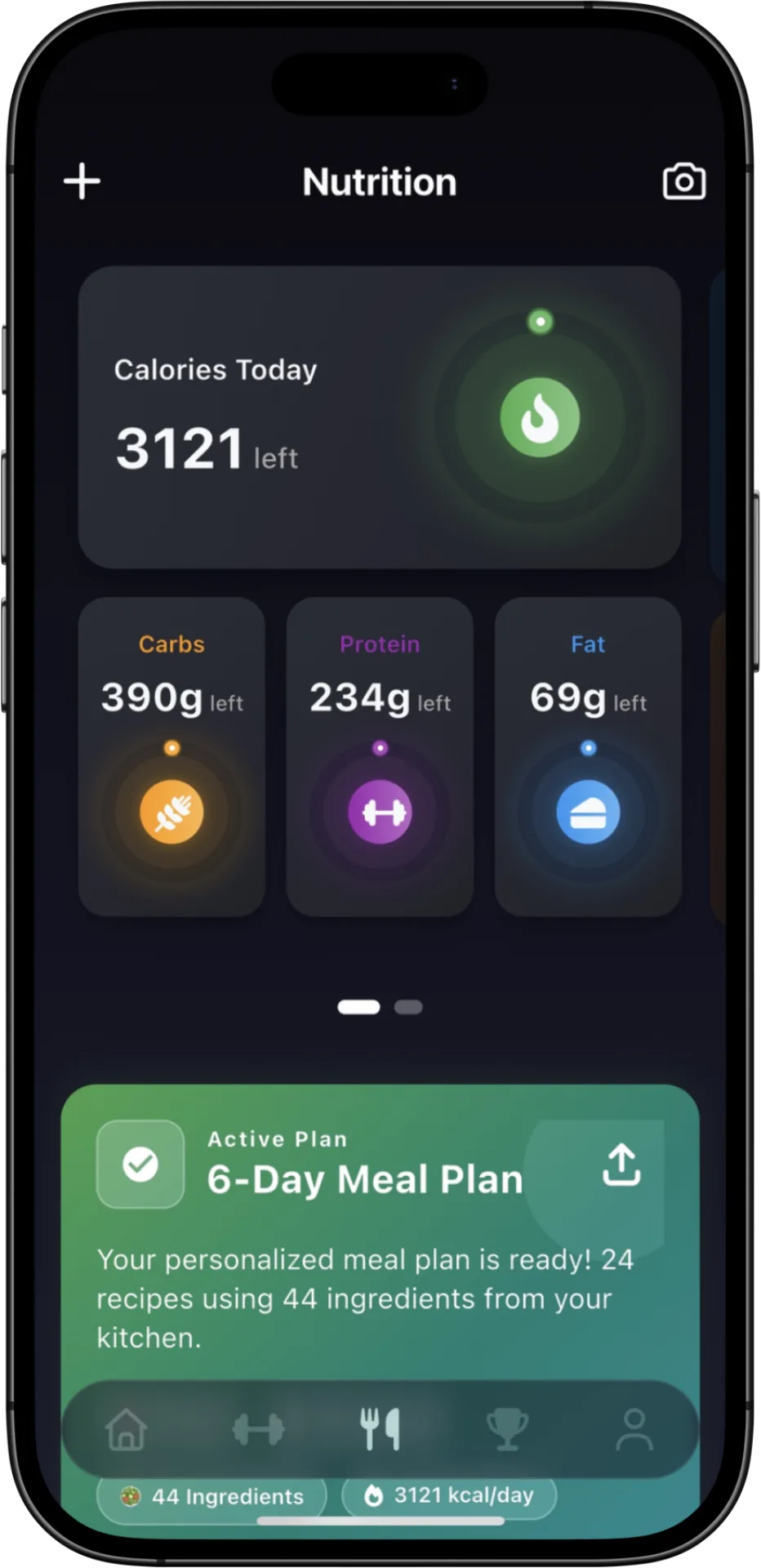
This is where FitFlow's AI Food Scanning & Nutrition Tracking becomes a game-changer. Simply snap a photo of your meal for instant calorie counting and macro breakdowns. With a database of 14M+ items and official restaurant data, you can accurately log your food up to 5x faster than manual methods. FitFlow also allows you to create custom meal plans tailored to your weight loss or muscle gain goals, supporting dietary preferences like vegetarian, vegan, keto, or gluten-free, ensuring you meet your nutritional needs precisely.
Tracking, Adapting, and Staying Motivated for Long-Term Success
Fat loss and muscle preservation are not linear journeys. There will be plateaus, good days, and challenging days. Consistent tracking and intelligent adaptation are key to navigating these ups and downs and achieving lasting results.
Monitor More Than Just the Scale
While weight is a useful metric, it doesn't tell the whole story. Track:
- Body Measurements: Waist, hips, arms, thighs.
- Body Fat Percentage: If accessible (e.g., calipers, BIA scales).
- Strength Performance: Are your lifts maintaining or improving? This indicates muscle preservation.
- Energy Levels and Mood: Important indicators of recovery and overall well-being.
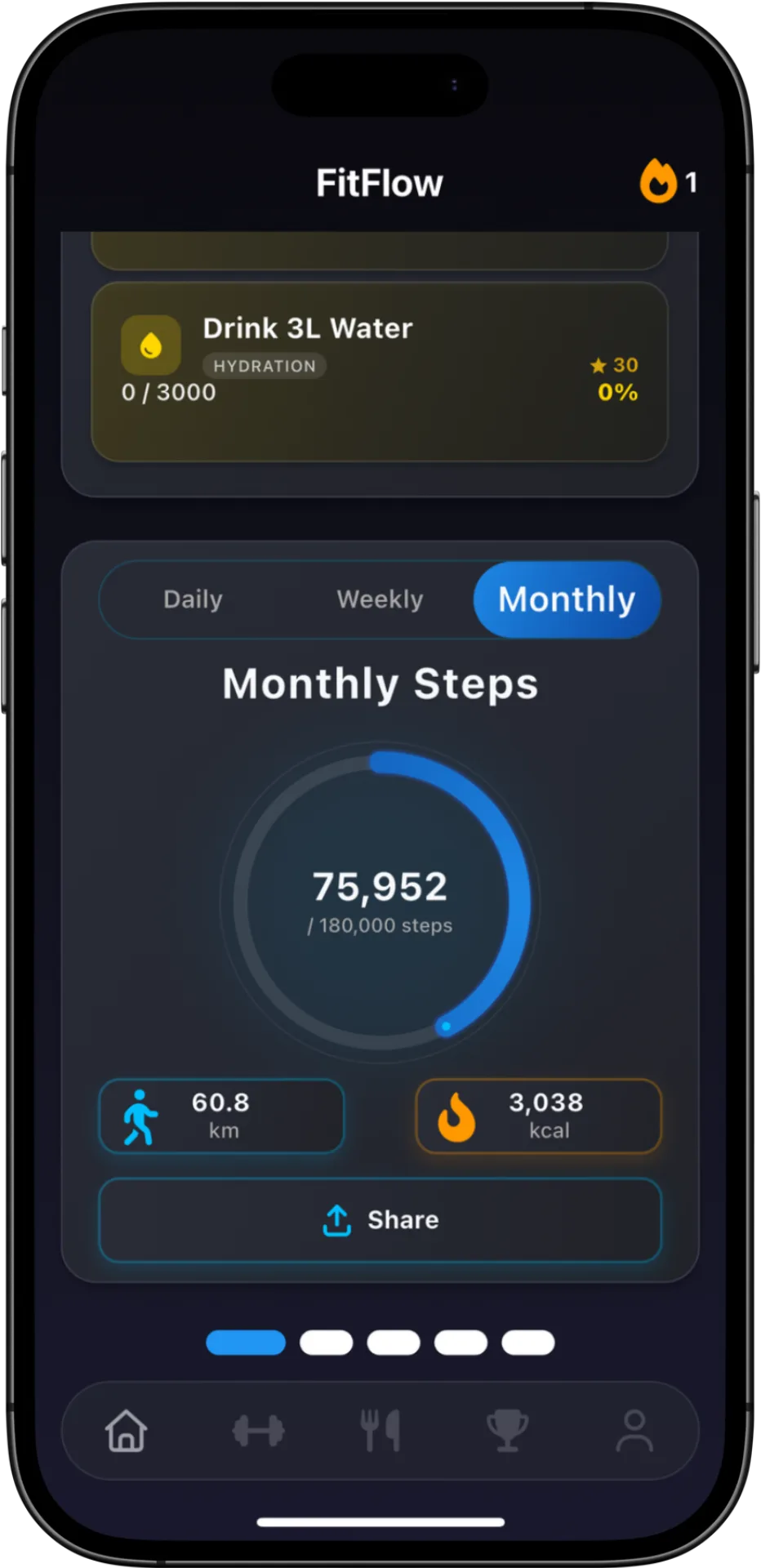
FitFlow's Progress Analytics & Goal Setting features are designed precisely for this. You can track your weight and body fat with visual charts, monitor steps and water intake, and even log personal records for your lifts. Detailed fitness and nutrition analytics provide clear progress charts, while smart goal-setting with milestone celebrations keeps you engaged and motivated.
Adjust and Adapt
If fat loss stalls, consider slightly increasing cardio volume, decreasing calorie intake by a small amount, or adjusting your macronutrients. If strength is consistently declining, it might be a sign to reduce cardio intensity or volume, or increase your calorie intake slightly. The data you collect through FitFlow empowers you to make informed decisions.
Stay Motivated and Celebrate Wins
Consistency is the ultimate driver of results. Lean on motivational tools and community support. FitFlow's motivation features, such as daily quotes, achievement badges, and points-based leaderboards, can provide that extra push on challenging days. Share your progress (with social overlays) and engage in challenges to keep the journey exciting and stay connected with a supportive community.
Conclusion: Cardio as Your Ally, Not Your Enemy
The idea that cardio must be sacrificed for muscle gains is a relic of outdated fitness dogma. With a thoughtful, evidence-based approach, cardio can be an incredibly effective tool for accelerating fat loss, improving cardiovascular health, and even enhancing recovery, all while preserving your hard-earned muscle.
By understanding the nuances of different cardio types, strategically timing your sessions, and prioritizing your nutrition, you can unlock a leaner, healthier, and stronger physique. Remember to listen to your body, track your progress diligently with tools like FitFlow, and adapt your plan as you go. Embrace smart cardio, and watch your body transform without compromising your gains.

Sources & References
- The Role of Mammalian Target of Rapamycin (mTOR) and Adenosine Monophosphate-Activated Protein Kinase (AMPK) Signaling in Skeletal Muscle Hypertrophy: A Literature Review With Implications for Health and Disease — Jeong SY (2025)
- Mitocytosis, mitophagy, and apoptosis coordinately drive mitochondrial clearance to regulate myogenic differentiation — Wang D, Li M, Ma J (2026)
- Interleukin-6 blockade does not impair exercise-induced glucose uptake and insulin sensitivity in rheumatoid arthritis — Casale AR, Lemes ÍR, Smaira FI (2025)

FitFlow Editorial Team
Fitness & Nutrition Editorial TeamCertified personal trainers & nutrition coaches
The FitFlow Editorial Team is a group of certified personal trainers, nutrition coaches, and fitness writers who translate exercise science and nutrition research into practical, actionable guidance. Every article is grounded in peer-reviewed sources and reviewed for accuracy before publishing.
Frequently Asked Questions
Who is this guide for?
This guide is for anyone focused on weight loss and looking for practical, sustainable progress.
How quickly can I apply these recommendations?
Most recommendations are designed for immediate implementation. Start with one change today, then layer improvements weekly.
How does FitFlow support this strategy?
FitFlow supports execution with AI-powered meal tracking, workout planning, and progress analytics that help you stay consistent.