Why Crash Diets Always Fail (And What to Do Instead)
Reviewed by the fitness & nutrition editorial team · Certified personal trainers & nutrition coaches

The Allure of the Quick Fix: Why We Fall for Crash Diets
In a world that constantly demands instant gratification, the appeal of a 'quick fix' for weight loss is undeniable. We're bombarded with images of dramatic transformations and promises of shedding significant pounds in mere days or weeks. From juice cleanses and extreme calorie restriction to rigid food group eliminations, crash diets offer a seductive narrative: rapid results with minimal perceived effort. They tap into our deepest desires for change, often preying on insecurities and a lack of understanding about how our bodies truly work.
A crash diet, by definition, is any eating plan that severely restricts calorie intake or eliminates entire food groups for a short period, promising rapid weight loss. While the initial drop on the scale can be thrilling, this immediate gratification often masks a dangerous and unsustainable approach that ultimately sets individuals up for failure, disappointment, and even long-term health complications. Understanding the mechanisms behind their inevitable downfall is the first step toward embracing a healthier, more sustainable path.

The Science of Failure: How Crash Diets Sabotage Your Body
Our bodies are incredibly complex and resilient machines, designed for survival. When subjected to the extreme deprivation of a crash diet, they don't simply melt away fat; they initiate a series of protective responses that actively work against your weight loss goals, making long-term success virtually impossible.
Metabolic Slowdown: The Body's Defense Mechanism
One of the most significant ways crash diets backfire is by triggering a metabolic slowdown, a phenomenon known as 'adaptive thermogenesis.' When you drastically cut calories, your body perceives this as a famine. To conserve energy and ensure survival, it lowers your basal metabolic rate (BMR), the number of calories you burn at rest. This means that even if you continue to eat very little, your body becomes incredibly efficient at holding onto every calorie, making further weight loss incredibly difficult. Studies have shown that metabolic rates can remain suppressed even after individuals return to a normal caloric intake, contributing to rebound weight gain.
Muscle Loss, Not Just Fat Loss
While the scale might show a lower number, a significant portion of the weight lost on a crash diet is often lean muscle mass, not just fat. When calorie intake is severely restricted, especially without adequate protein, the body turns to muscle tissue for energy. Muscle is metabolically active, meaning it burns more calories at rest than fat. Losing muscle further decreases your BMR, making it even harder to maintain weight loss in the long run. This is a vicious cycle: less muscle means fewer calories burned, making it easier to regain weight, often as fat, once normal eating resumes.
Nutrient Deficiencies and Health Risks
Crash diets typically involve severely limiting food choices, leading to an inadequate intake of essential vitamins, minerals, and macronutrients. This can result in a host of health problems:
- Fatigue and Weakness: Lack of energy from insufficient calories and nutrients.
- Hair Loss and Brittle Nails: Common signs of protein and micronutrient deficiencies.
- Compromised Immune Function: Making you more susceptible to illness.
- Gallstones: Rapid weight loss is a known risk factor.
- Electrolyte Imbalances: Which can affect heart function.
- Bone Density Loss: Especially concerning with long-term deprivation.
“Crash diets don't just starve your body of calories; they starve it of the vital nutrients it needs to function optimally, setting the stage for both physical and mental health decline.”
Hormonal Havoc: Leptin, Ghrelin, and Cortisol
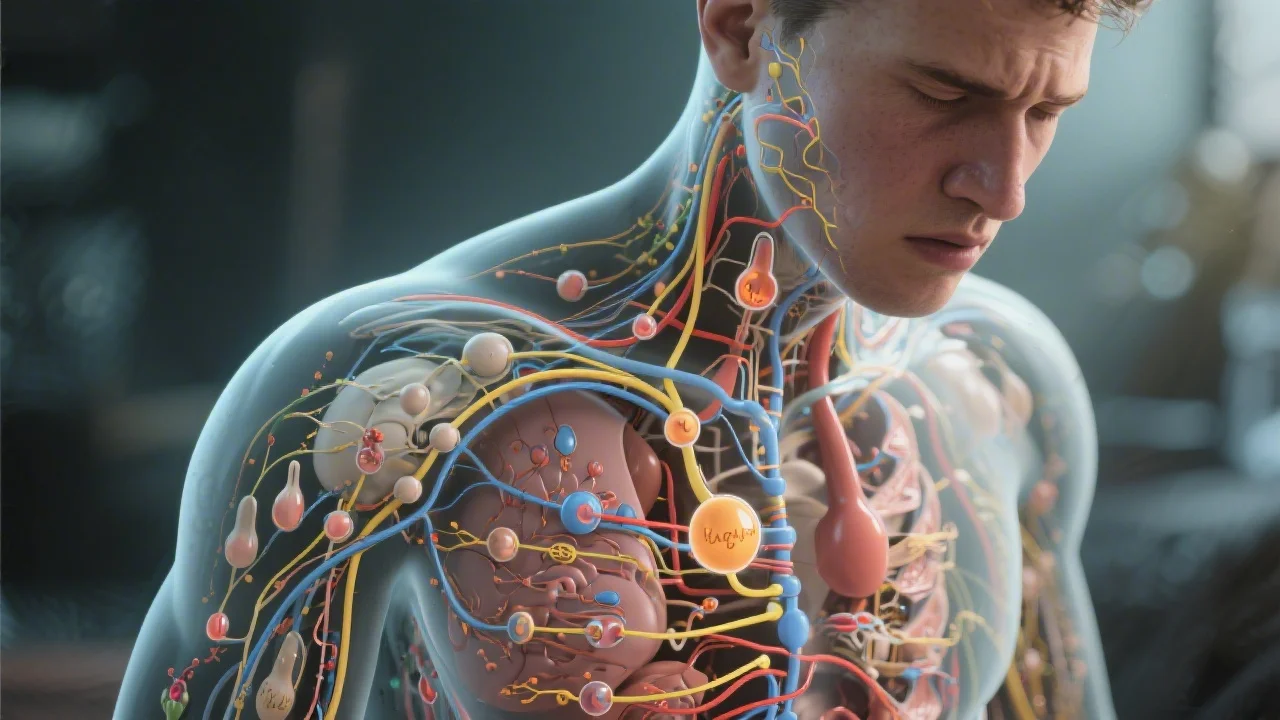
Your hormones play a critical role in regulating appetite, metabolism, and mood. Crash diets throw this delicate balance into disarray:
- Leptin (the satiety hormone): Levels drop significantly with rapid weight loss, signaling to your brain that you're starving, increasing hunger.
- Ghrelin (the hunger hormone): Levels surge, making you feel constantly hungry and leading to intense cravings.
- Cortisol (the stress hormone): Chronic calorie restriction is a stressor, elevating cortisol levels. High cortisol is associated with increased appetite, cravings for high-calorie foods, and abdominal fat storage.
This hormonal cocktail creates a biological imperative to eat, making adherence to an extreme diet nearly impossible and setting you up for rebound weight gain.
The Mental and Emotional Toll: Beyond the Physical
The failures of crash diets extend far beyond the physiological. The psychological and emotional impact can be just as, if not more, damaging, fostering an unhealthy relationship with food and your body.
The Cycle of Restriction and Bingeing
When you deprive your body of essential calories and nutrients, it eventually fights back with overwhelming hunger signals. This often leads to a 'what the hell' effect, where intense restriction gives way to uncontrollable cravings and subsequent binge eating. This cycle of deprivation, bingeing, and guilt is emotionally exhausting and reinforces a sense of failure, making it harder to establish healthy eating patterns in the future.
Developing an Unhealthy Relationship with Food
Crash diets turn food into the enemy. Meals become a source of anxiety, guilt, and shame, rather than nourishment and enjoyment. You might start labeling foods as 'good' or 'bad,' leading to obsessive thoughts about eating and a fear of certain foods. This distorted perception can persist long after the diet ends, impacting your mental well-being and social life.
Burnout and Motivation Loss
Maintaining an extreme caloric deficit or adhering to highly restrictive food rules is incredibly taxing. The constant hunger, fatigue, and social isolation associated with crash diets lead to burnout. What might start as intense motivation quickly erodes into apathy and a feeling of defeat. This loss of motivation can extend to other areas of your life, making it harder to engage in physical activity or maintain other healthy habits.

The FitFlow Approach: Building Sustainable Habits for Lasting Success
At FitFlow, we believe in empowering you with the tools and knowledge to build lasting, healthy habits, not temporary fixes. Our approach focuses on smart nutrition, effective workouts, and consistent progress tracking – all designed to work with your body, not against it.
Smart Nutrition, Not Deprivation
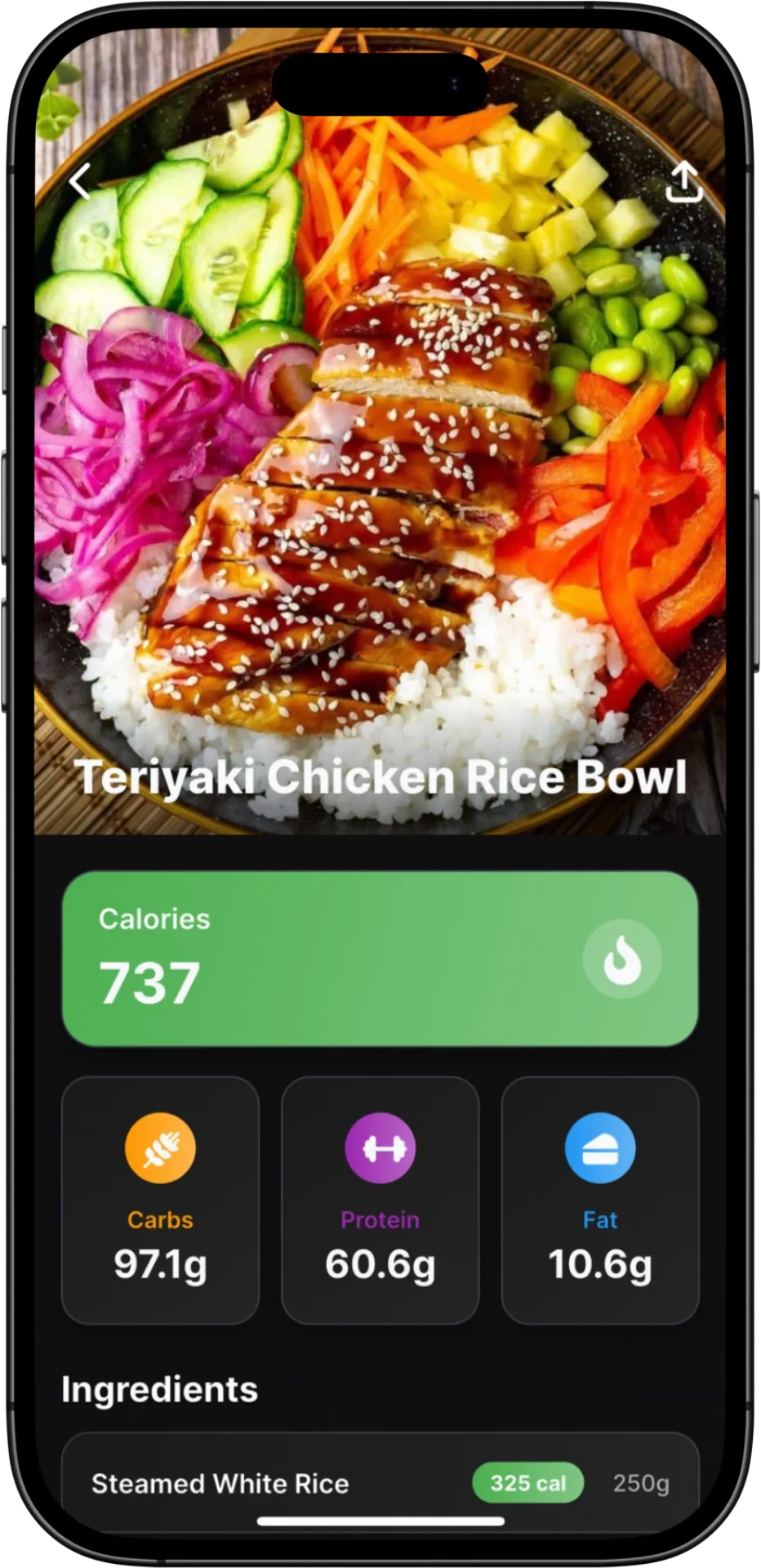
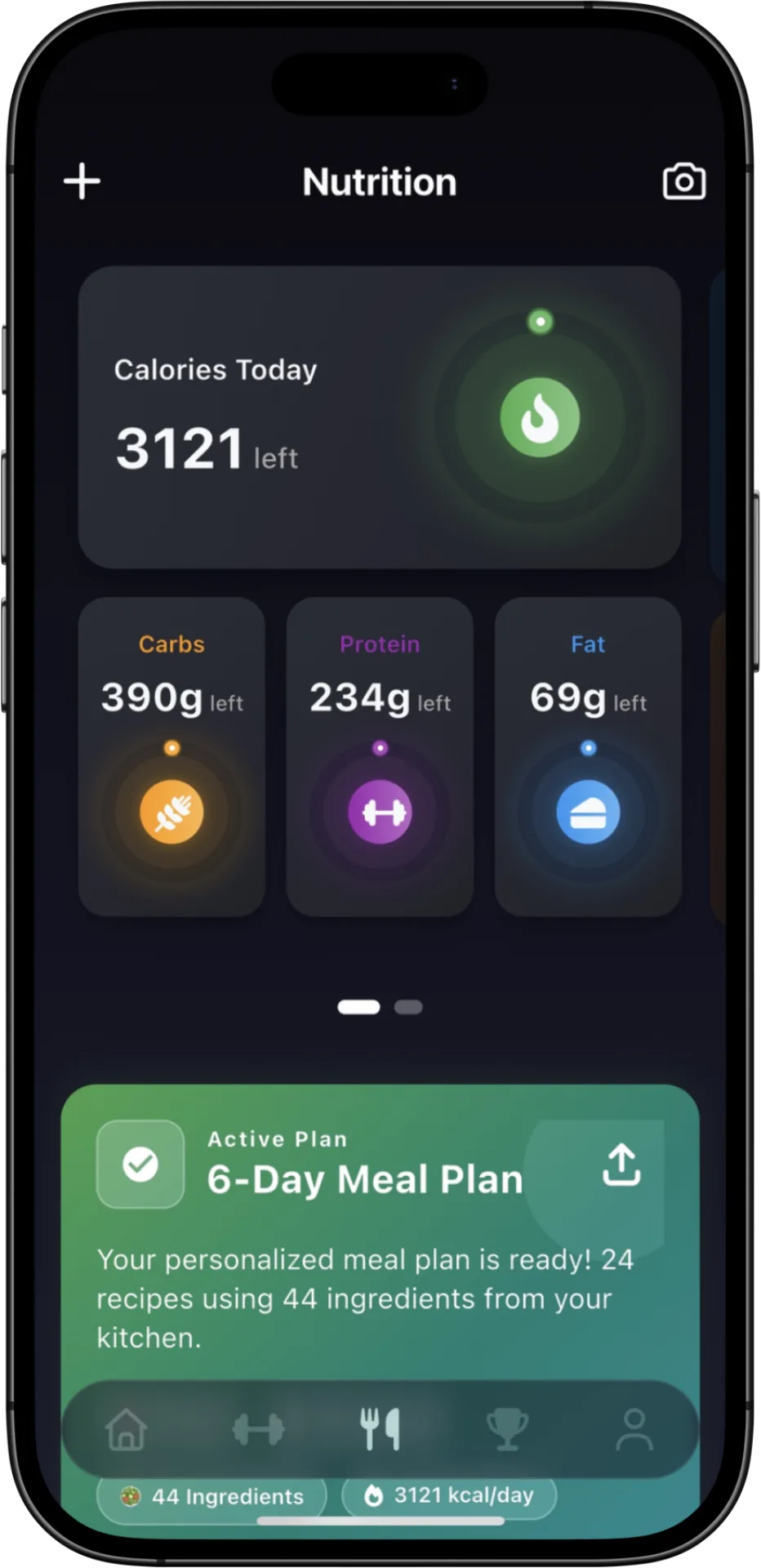
Instead of guessing or resorting to extreme measures, FitFlow helps you understand your body's true nutritional needs. Our AI Food Scanning & Nutrition Tracking feature allows you to simply snap a photo of your meal for instant calorie counting and macro breakdowns (protein, carbs, fats). With a database of 2 million+ foods and official data from major restaurant chains, you get accurate insights in seconds – up to 5x faster than manual logging. For packaged foods, barcode scanning ensures 95%+ accuracy. This makes understanding your intake effortless, allowing you to make informed choices without feeling deprived. FitFlow also offers custom meal plans tailored to your specific weight loss or muscle gain goals, supporting dietary preferences like vegetarian, vegan, keto, paleo, or gluten-free, and even providing a recipe builder for homemade meals with full nutritional breakdowns. This level of detail empowers you to nourish your body properly, ensuring you get all the essential nutrients while staying within your caloric goals.
Effective Workouts, Not Punishment
Movement is a cornerstone of sustainable health. FitFlow's Smart Workout Tracking provides access to over 1,000 guided exercises with video demonstrations, real-time tracking of sets, reps, and rest periods, and intelligent form guidance. Whether your goal is weight loss, strength training, or improving cardio, our customizable workout journeys adapt to your progress and preferences. You'll build strength, improve endurance, and boost your metabolism effectively, turning exercise into an enjoyable and rewarding part of your routine, not a punishment for eating.
Progress Tracking & Goal Setting: Celebrate Every Step
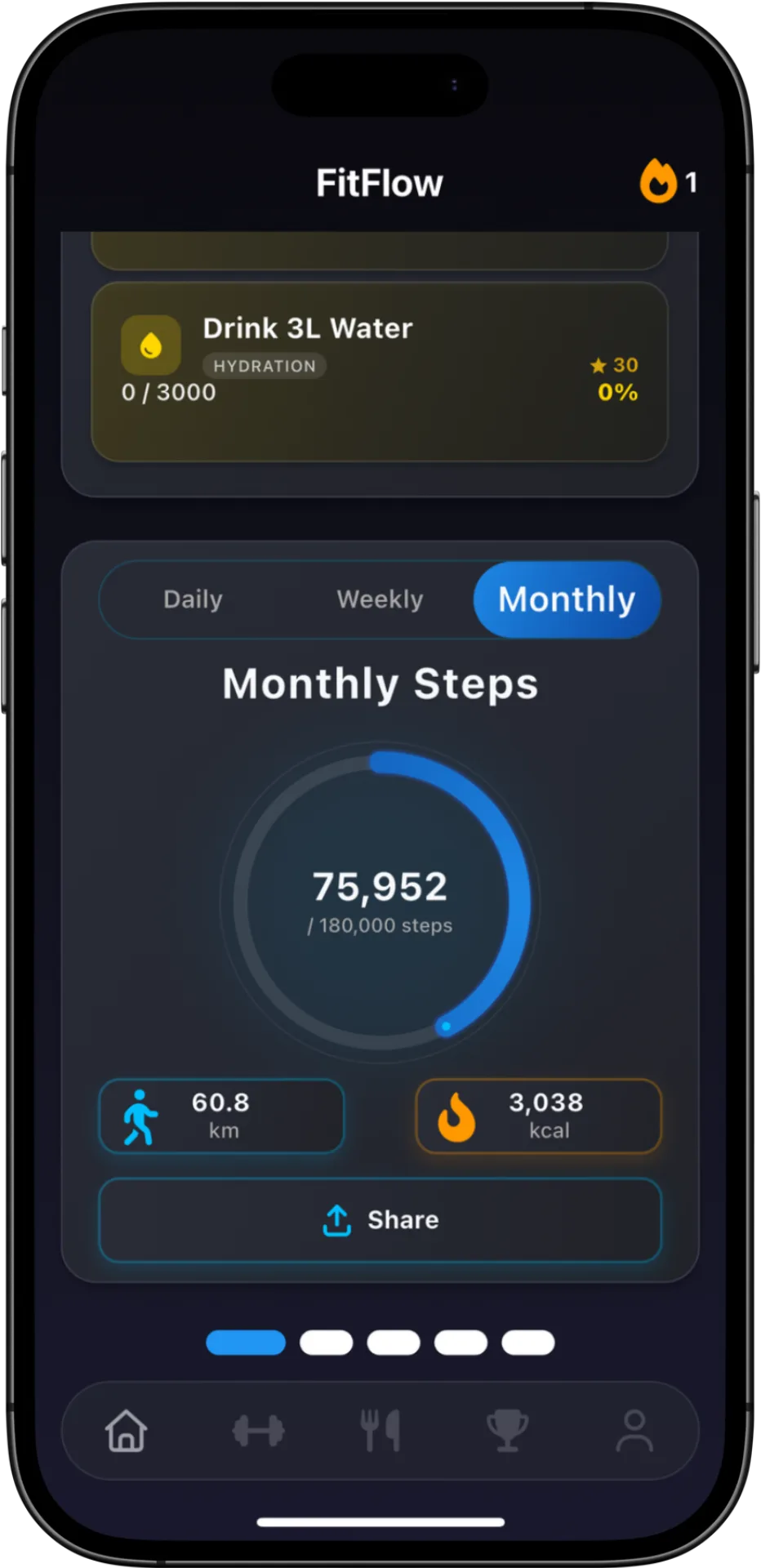
True progress isn't just about the number on the scale. FitFlow helps you visualize your journey with weight and body fat tracking with visual charts, step and water intake monitoring, and personal record tracking. Our detailed fitness and nutrition analytics provide insights into your trends, allowing you to make informed adjustments. Smart goal-setting with milestone celebrations keeps you motivated and focused on long-term achievement, recognizing every small victory along the way.
Embracing a Balanced Lifestyle: The Pillars of True Health
Moving away from crash diets means embracing a holistic approach to health that integrates sustainable eating, consistent movement, and overall well-being. This isn't just about losing weight; it's about living better.
Prioritize Whole, Nutrient-Dense Foods
Focus on incorporating a wide variety of whole, unprocessed foods into your diet. Think lean proteins, colorful fruits and vegetables, whole grains, and healthy fats. These foods provide sustained energy, essential nutrients, and fiber, which promotes satiety and digestive health. Instead of cutting out entire food groups, learn to balance them in appropriate portions. FitFlow's detailed nutrition tracking makes it easy to ensure you're getting a balanced intake of macronutrients and micronutrients.
Hydration is Key
Often overlooked, adequate water intake is crucial for metabolism, energy levels, and overall bodily functions. Dehydration can sometimes be mistaken for hunger, leading to unnecessary snacking. Aim for at least 8 glasses of water a day, more if you're active. FitFlow's water intake tracker makes it simple to monitor and meet your daily hydration goals.
Consistent Movement, Not Just Intense Workouts
While structured workouts are beneficial, integrating more movement into your daily life is equally important. This could be as simple as taking the stairs, walking during your lunch break, or standing more often. Find activities you genuinely enjoy – hiking, dancing, cycling – and make them a regular part of your routine. Consistency, not intensity, is the key to long-term physical health.
Prioritize Quality Sleep
Sleep deprivation significantly impacts hunger hormones (increasing ghrelin and decreasing leptin) and can lead to increased cravings for unhealthy foods, particularly those high in sugar and fat. Aim for 7-9 hours of quality sleep per night to support your body's natural regulatory processes and enhance recovery from exercise.
Manage Stress Effectively
Chronic stress elevates cortisol levels, which, as discussed, can lead to increased appetite and fat storage. Incorporate stress-reduction techniques into your daily life, such as meditation, deep breathing exercises, yoga, spending time in nature, or engaging in hobbies you enjoy. Managing stress not only benefits your weight but also your overall mental and emotional well-being.

Mindset Matters: Cultivating Patience and Self-Compassion
The journey to sustainable health is a marathon, not a sprint. Shifting away from the crash diet mentality requires a fundamental change in mindset – one that embraces patience, consistency, and self-compassion.
Consistency Over Perfection
There will be days when you don't eat perfectly or miss a workout. That's okay. The key is to not let one slip-up derail your entire journey. Instead of striving for unattainable perfection, focus on consistency. Make healthy choices most of the time, and gently get back on track when you veer off course. Every healthy choice, no matter how small, contributes to your long-term success.
Listen to Your Body
Learn to tune into your body's hunger and fullness cues. Eat when you're hungry, and stop when you're comfortably full. This intuitive eating approach helps you build a healthier relationship with food, moving away from external rules and towards internal wisdom.
Celebrate Non-Scale Victories
Weight loss is just one metric of health. Celebrate improvements in your energy levels, better sleep, increased strength, clothes fitting better, a clearer mind, or simply feeling more confident. These 'non-scale victories' provide powerful motivation and a more holistic view of your progress.
Practice Self-Compassion
Be kind to yourself. The journey to health is personal, and everyone's path is unique. Avoid negative self-talk and treat yourself with the same understanding and encouragement you would offer a friend. Self-compassion is a powerful tool for resilience and sustainable change.

Your Journey to Lasting Health Starts Now
The allure of the crash diet is strong, but its promise is always hollow. By understanding the science behind why they fail and committing to a balanced, sustainable approach, you can break free from the cycle of deprivation and disappointment. Embrace the journey of building healthy habits, nourishing your body, and moving consistently. With FitFlow as your intelligent partner, you have the tools to track your progress, learn about your body's needs, and stay motivated every step of the way.
It's time to invest in your long-term health and well-being. Your body deserves respect, nourishment, and a sustainable path to vitality. Start your journey with FitFlow today and discover the lasting satisfaction of true health.

Sources & References
- How dieting makes the lean fatter: from a perspective of body composition autoregulation through adipostats and proteinstats awaiting discovery — Dulloo AG, Jacquet J, Montani JP (2015)
- The effect of body mass index change on cholelithiasis after laparoscopic sleeve gastrectomy: a single center experience — Doğan S, Dönder Y (2025)

FitFlow Editorial Team
Fitness & Nutrition Editorial TeamCertified personal trainers & nutrition coaches
The FitFlow Editorial Team is a group of certified personal trainers, nutrition coaches, and fitness writers who translate exercise science and nutrition research into practical, actionable guidance. Every article is grounded in peer-reviewed sources and reviewed for accuracy before publishing.
Frequently Asked Questions
Who is this guide for?
This guide is for anyone focused on weight loss and looking for practical, sustainable progress.
How quickly can I apply these recommendations?
Most recommendations are designed for immediate implementation. Start with one change today, then layer improvements weekly.
How does FitFlow support this strategy?
FitFlow supports execution with AI-powered meal tracking, workout planning, and progress analytics that help you stay consistent.