HIIT vs. Steady-State Cardio: Which Burns More Fat?
Reviewed by the fitness & nutrition editorial team · Certified personal trainers & nutrition coaches

The Great Cardio Debate: HIIT vs. Steady-State for Fat Loss
In the world of fitness, few topics spark as much discussion as the optimal cardio strategy for fat loss. Should you push your limits with short, intense bursts, or settle into a rhythmic, sustained effort? The choice between High-Intensity Interval Training (HIIT) and steady-state cardio isn't just about preference; it's about understanding the physiological mechanisms each employs to help you shed fat.
Fat loss, at its core, boils down to creating a sustainable calorie deficit – burning more calories than you consume. Both HIIT and steady-state cardio are effective ways to increase your energy expenditure, but they do so in distinct ways, each with unique benefits and considerations. This post will delve into the science behind both methods, explore their impact on your metabolism and body composition, and help you determine which approach, or combination, is best suited for your fat loss goals.
Forget the fads and conflicting advice. Let's break down the evidence to empower you with the knowledge to make informed decisions for your fitness journey.

HIIT: The Afterburn Effect and Metabolic Powerhouse
High-Intensity Interval Training (HIIT) involves short bursts of maximal or near-maximal effort, followed by brief periods of active recovery or complete rest. A typical HIIT session might look like 30 seconds of sprinting followed by 60 seconds of walking, repeated for 15-20 minutes. The hallmark of HIIT is its intensity – you're pushing your body to its anaerobic limits.
The Science of EPOC (Excess Post-exercise Oxygen Consumption)
The primary reason HIIT is often championed for fat loss is its profound impact on what's known as EPOC, or the "afterburn effect." When you engage in high-intensity exercise, your body incurs an oxygen deficit. After the workout, your body requires more oxygen to return to its pre-exercise state, a process that involves:
- Replenishing ATP and phosphocreatine stores
- Clearing lactate build-up
- Restoring oxygen to myoglobin and hemoglobin
- Decreasing body temperature
- Normalizing heart rate and breathing
This increased oxygen consumption post-exercise means your body continues to burn calories at an elevated rate for hours, and sometimes even up to 24-48 hours, after your workout has finished. While the total number of calories burned from EPOC might seem small compared to the calories burned during the workout itself, it significantly contributes to your overall daily energy expenditure, making fat loss more efficient.
Key Insight: HIIT workouts, though shorter, can lead to a greater total daily calorie burn due to the prolonged EPOC effect, making them highly efficient for busy individuals.
Metabolic Adaptations and Fat Oxidation
Beyond EPOC, HIIT also triggers significant metabolic adaptations. Regular HIIT training can improve insulin sensitivity, enhance your body's ability to oxidize fat (use fat for fuel), and increase mitochondrial density in muscle cells. This means your body becomes more efficient at burning fat, not just during exercise, but throughout the day.
Furthermore, the intense nature of HIIT can help preserve muscle mass, and in some cases, even build it. This is crucial for fat loss, as muscle tissue is metabolically active, burning more calories at rest than fat tissue. Losing muscle during a fat loss phase can slow your metabolism, making future fat loss harder.

Steady-State Cardio: The Consistent Burner
Steady-state cardio, often referred to as LISS (Low-Intensity Steady-State) cardio, involves maintaining a consistent, moderate intensity for a prolonged period, typically 30 minutes or more. Think jogging, cycling, swimming, or brisk walking at a pace where you can comfortably hold a conversation but are still exerting yourself.
Fueling the Long Haul: Fat as a Primary Source
During steady-state cardio, especially at lower to moderate intensities, your body primarily relies on fat as its fuel source. This is often referred to as being in the "fat-burning zone." While it's true that a higher percentage of the calories burned during LISS come from fat, it's crucial to understand that the total number of calories burned matters most for fat loss.
Important Distinction: Burning a higher *percentage* of fat doesn't automatically mean burning *more total* fat. A longer, lower-intensity session might burn a higher percentage of fat but fewer total calories than a shorter, higher-intensity session.
For example, if you burn 300 calories in a steady-state session, and 60% of that comes from fat, you've burned 180 fat calories. If you burn 500 calories in a HIIT session, and only 30% comes from fat, you've still burned 150 fat calories, plus you get the added EPOC effect. The total caloric deficit is the ultimate driver of fat loss.
Cardiovascular Health and Endurance
Steady-state cardio excels at improving cardiovascular endurance and overall heart health. Regular LISS training strengthens your heart, improves lung capacity, and can lower resting heart rate and blood pressure. It's an excellent choice for building a strong aerobic base, which can then support more intense workouts.
It's also generally less taxing on your central nervous system and joints compared to HIIT, making it suitable for daily activity, recovery days, or for individuals new to exercise or recovering from injury.

The Science of Fat Burning: What Really Matters
When it comes to fat loss, the ultimate truth remains: a consistent calorie deficit over time is the most critical factor. Both HIIT and steady-state cardio are effective tools to help you achieve this deficit, but their mechanisms and implications differ.
Total Calorie Deficit is King
Regardless of whether you choose HIIT or steady-state, if you consistently burn more calories than you consume, your body will tap into its fat stores for energy. The debate isn't about which *only* burns fat, but which is more *efficient* or *sustainable* for you to create that deficit.
Think of it this way: if a HIIT session burns 300 calories during the workout and an additional 100 calories from EPOC, that's 400 total. If a steady-state session burns 400 calories during the workout, the total caloric expenditure is the same. The difference often lies in the time commitment and the physiological stress placed on the body.
Substrate Utilization and Metabolic Flexibility
Your body uses different fuel sources depending on the intensity and duration of your activity. At lower intensities, fat is the predominant fuel. As intensity increases, your body shifts to primarily using carbohydrates (glycogen) because it can convert carbs into ATP (energy) more quickly.
HIIT, by pushing you into anaerobic zones, burns a higher proportion of carbohydrates during the workout. However, the subsequent EPOC effect often involves a greater reliance on fat oxidation to fuel the recovery processes. Steady-state cardio, particularly longer sessions, trains your body to become more efficient at using fat for fuel during exercise, improving what's called 'metabolic flexibility' – your body's ability to switch between fuel sources efficiently.
The Role of Diet
No amount of cardio, whether HIIT or steady-state, can out-train a poor diet. Your nutrition plays an equally, if not more, crucial role in fat loss. Focusing on a balanced diet rich in whole foods, lean protein, healthy fats, and complex carbohydrates, while maintaining a slight calorie deficit, will amplify the fat-burning effects of your cardio workouts.
FitFlow's Role in Your Cardio Journey
Whichever cardio path you choose, or if you decide to incorporate both, FitFlow is designed to be your ultimate companion in tracking, planning, and optimizing your fat loss journey.
Smart Workout Tracking for Every Session
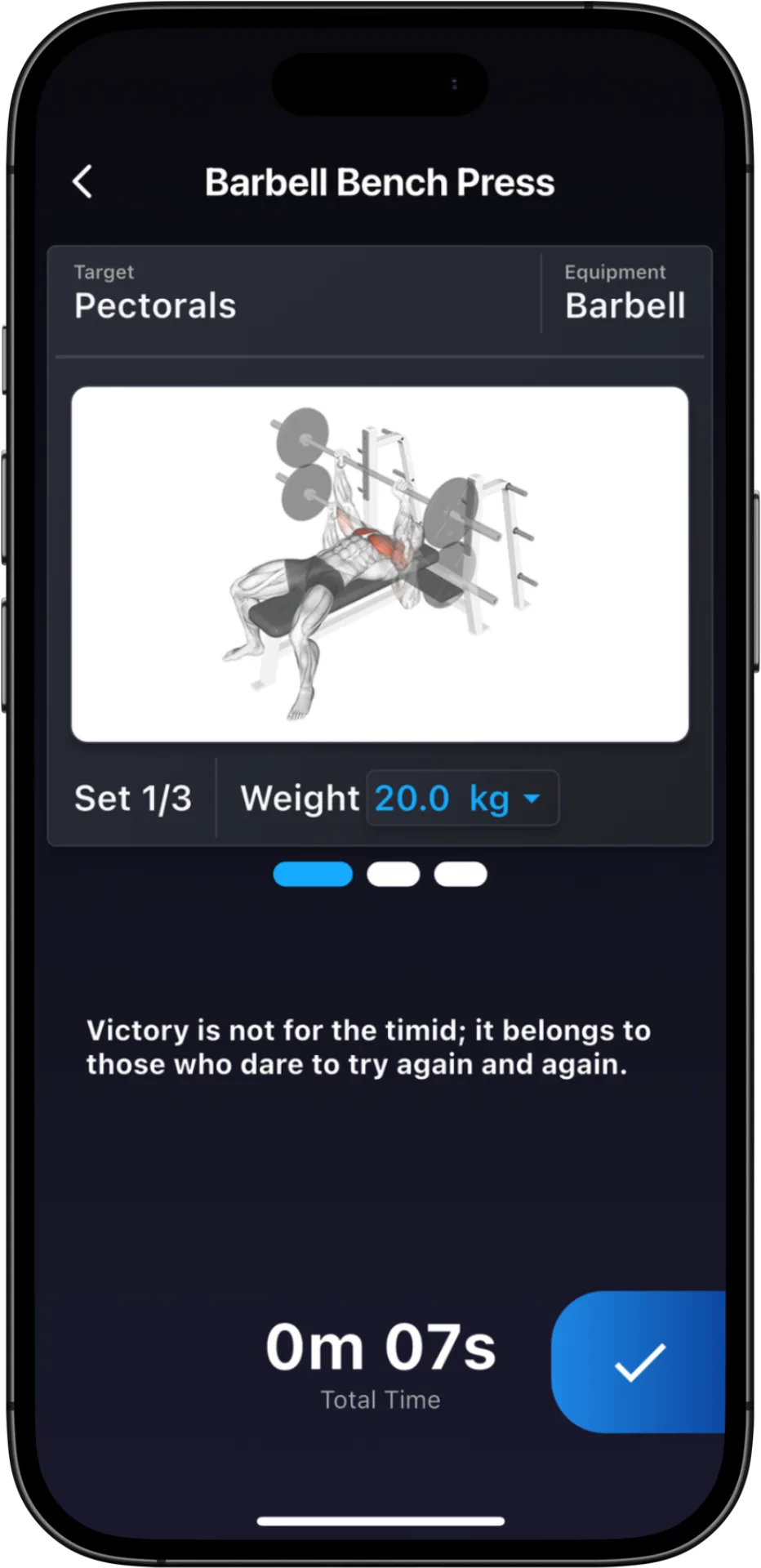
Whether you're pushing through a challenging HIIT circuit or settling into a long run, FitFlow's Smart Workout Tracking has you covered. Our app features 1,000+ guided exercises with video demonstrations, perfect for ensuring correct form during HIIT movements. You can track sets, reps, and rest periods in real-time, making structured interval training seamless.
For steady-state enthusiasts, our dedicated Cardio tracking system for running, walking, and cycling accurately monitors your distance, pace, and calories burned. You can even choose from customizable workout journeys tailored specifically for weight loss or general cardio improvement, ensuring your efforts are aligned with your goals.
AI-Powered Nutrition for Optimized Results
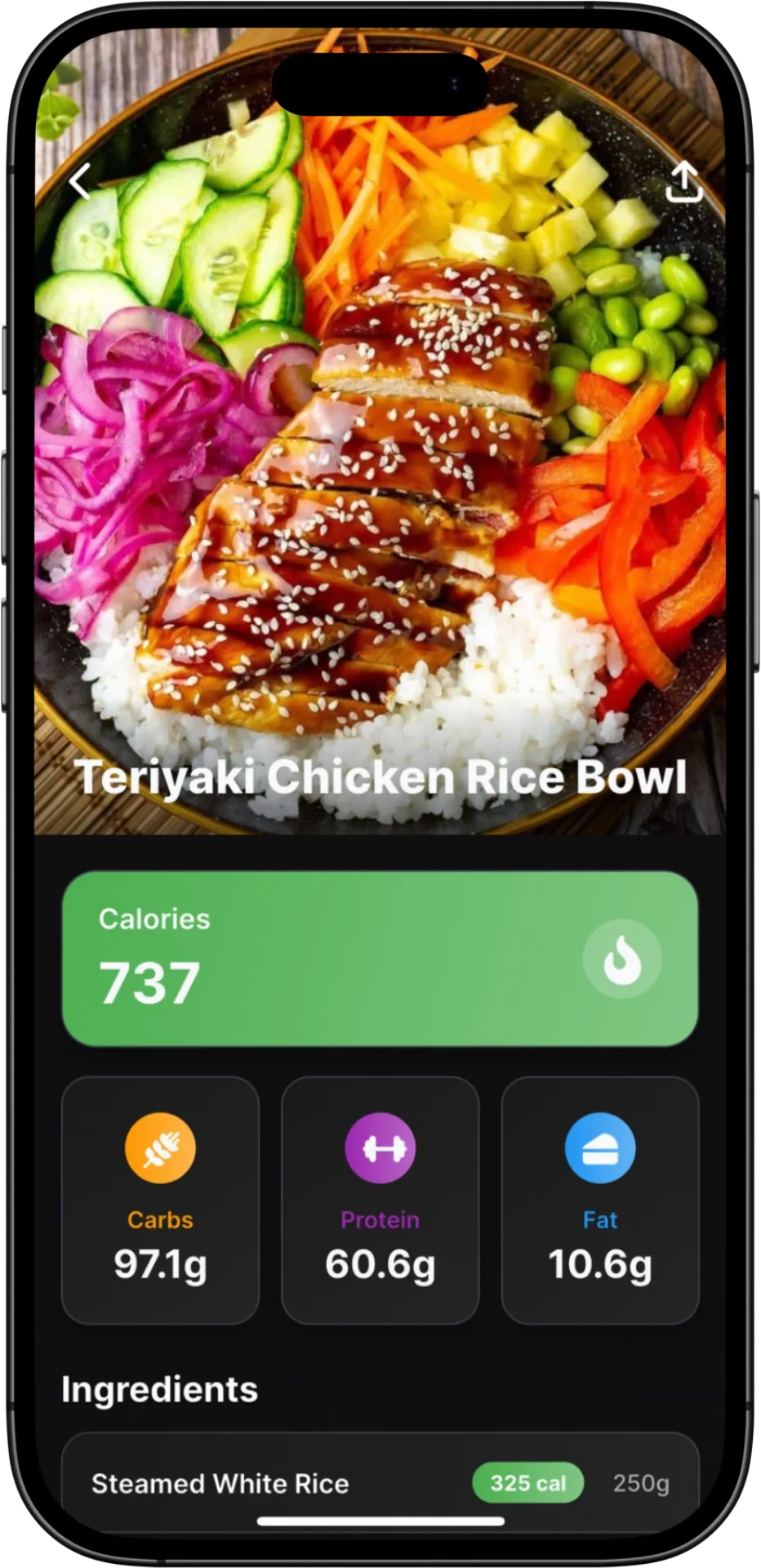
Remember, diet is paramount for fat loss. FitFlow's revolutionary AI Food Scanning & Nutrition Tracking makes managing your calorie deficit effortless. Simply snap a photo of your meal for instant calorie counting and macro breakdowns (protein, carbs, fats). With a database of 2M+ foods, it's up to 5x faster than manual logging, automating 80% of your food tracking.
You can create custom meal plans tailored to your weight loss goals, supporting dietary preferences like vegetarian, vegan, or keto, and even track allergens. This comprehensive nutrition insight ensures you're fueling your body correctly to maximize fat burning and recovery, no matter your cardio choice.
Progress Analytics and Motivation
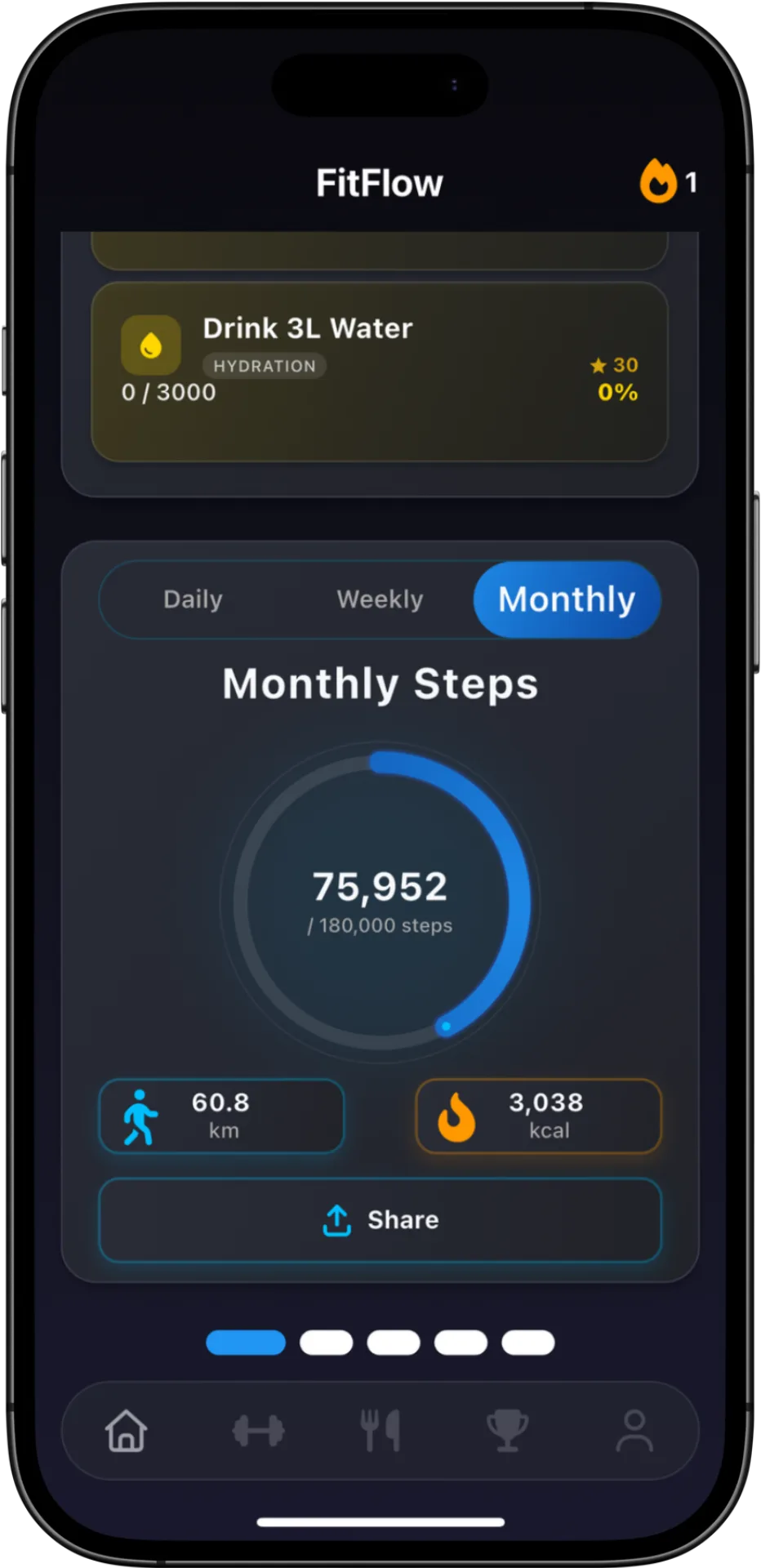
Seeing your progress is key to staying motivated. FitFlow's Progress Analytics & Goal Setting features allow you to track weight, body fat, and detailed fitness and nutrition analytics with visual charts. Monitor your personal records, celebrate milestones, and even join running challenges or daily challenge categories for extra motivation.
Our app provides daily motivational quotes and progress reminders, alongside an achievement system with celebration animations. Share your progress with social overlays and climb the points-based leaderboards, turning your fat loss journey into an engaging and rewarding experience.
Beyond Fat Burning: Other Benefits and Considerations
While fat loss is often the primary goal, it's important to consider the broader health and fitness benefits, as well as the practical implications, of both HIIT and steady-state cardio.
Time Efficiency
- HIIT: Incredibly time-efficient. A 15-20 minute HIIT session (including warm-up and cool-down) can be as effective, or even more effective in terms of total caloric expenditure, than a 45-60 minute steady-state session due to EPOC. This makes it ideal for individuals with limited time.
- Steady-State: Requires a longer time commitment per session, but can be performed for longer durations without the same level of fatigue or recovery demands as HIIT.
Impact on Muscle Mass
- HIIT: The high intensity and anaerobic nature of HIIT can be muscle-sparing, and even muscle-building, particularly when combined with resistance training. It helps preserve metabolically active tissue, which is beneficial for long-term fat loss.
- Steady-State: Excessive amounts of steady-state cardio, especially without adequate protein intake and resistance training, can potentially lead to muscle loss over time, as the body may catabolize muscle for fuel. However, moderate amounts are generally safe.
Recovery and Injury Risk
- HIIT: Demands significant recovery due to the high stress placed on the body. Overtraining with HIIT can lead to burnout, increased cortisol levels, and heightened injury risk. It's generally recommended to limit HIIT to 2-3 times per week.
- Steady-State: Generally lower impact and less taxing on the central nervous system, making it easier to perform more frequently. It's often used for active recovery or as a daily activity without significant injury concerns for most individuals.
Enjoyment and Adherence
Perhaps the most overlooked factor is enjoyment. The best cardio for fat loss is the one you can stick with consistently. If you dread your workouts, you're less likely to do them. Some people thrive on the challenge and intensity of HIIT, while others find peace and mindfulness in longer, steadier efforts.

Making the Right Choice for YOU
So, which cardio is superior for fat loss? The nuanced answer is: it depends on your individual goals, fitness level, time availability, and personal preferences. Both are highly effective when integrated into a well-rounded fitness and nutrition plan.
Consider Your Goals and Fitness Level:
- Beginners: Starting with steady-state cardio is often advisable to build an aerobic base, improve cardiovascular health, and prevent injury. As your fitness improves, you can gradually introduce HIIT.
- Advanced Trainees: Both can be incorporated. HIIT can provide a new challenge and break through plateaus, while steady-state can aid in recovery and build endurance.
- Time-Crunched Individuals: HIIT offers maximum calorie burn and EPOC in minimal time.
- Stress Reduction/Mindfulness: Steady-state cardio, like a long walk or run, can be a great way to de-stress and enjoy the outdoors.
The Power of Combination: Periodization
Many experts advocate for a combination of both HIIT and steady-state cardio throughout the week. This approach, known as periodization, allows you to reap the unique benefits of each:
- 2-3 HIIT sessions per week: Maximize EPOC, improve metabolic efficiency, and preserve muscle.
- 2-3 Steady-state sessions per week: Build aerobic endurance, improve cardiovascular health, and aid in active recovery.
By varying your cardio, you challenge your body in different ways, prevent adaptation plateaus, and maintain a balanced approach to fitness that supports both fat loss and overall health.

Conclusion: Consistency and Personalization are Key
The battle of HIIT vs. steady-state cardio for fat loss isn't about declaring one an absolute winner, but rather understanding their individual strengths and how they can best serve your unique journey. HIIT offers a powerful afterburn effect and time efficiency, while steady-state cardio provides consistent calorie burn, builds endurance, and is generally less taxing.
Ultimately, the most effective fat loss strategy is one that you can adhere to consistently, that fits your lifestyle, and that is supported by a solid nutritional foundation. Experiment with both, listen to your body, and don't be afraid to mix things up. With tools like FitFlow, you have everything you need to track your progress, optimize your workouts and nutrition, and stay motivated on your path to sustainable fat loss.
Ready to integrate effective cardio into your routine? Download FitFlow today and start your personalized fitness journey!

Sources & References
- Skeletal muscle adaptations to high-intensity, low-volume concurrent resistance and interval training in recreationally active men and women — Sterczala AJ, Rodriguez-Ortiz N, Feigel ED (2024)
- High-intensity interval training prevents muscle mass loss in overweight Chilean young adults during a hypocaloric-Mediterranean diet: a randomized trial — Monsalves-Álvarez M, Jiménez T, Bunout D (2023)

FitFlow Editorial Team
Fitness & Nutrition Editorial TeamCertified personal trainers & nutrition coaches
The FitFlow Editorial Team is a group of certified personal trainers, nutrition coaches, and fitness writers who translate exercise science and nutrition research into practical, actionable guidance. Every article is grounded in peer-reviewed sources and reviewed for accuracy before publishing.
Frequently Asked Questions
Who is this guide for?
This guide is for anyone focused on weight loss and looking for practical, sustainable progress.
How quickly can I apply these recommendations?
Most recommendations are designed for immediate implementation. Start with one change today, then layer improvements weekly.
How does FitFlow support this strategy?
FitFlow supports execution with AI-powered meal tracking, workout planning, and progress analytics that help you stay consistent.