The Best Foods for Reducing Inflammation: A Comprehensive Guide
Reviewed by the fitness & nutrition editorial team · Certified personal trainers & nutrition coaches

Understanding Inflammation: The Silent Threat to Your Health
Inflammation is a natural and vital process your body uses to protect itself from injury, infection, and disease. Think of it as your internal first responder: when you cut your finger, the redness, swelling, and pain are all signs of acute inflammation working to heal the wound and fend off pathogens. This acute response is typically short-lived and beneficial.
However, problems arise when inflammation becomes chronic. Unlike its acute counterpart, chronic inflammation is a prolonged, low-grade inflammatory response that can persist for weeks, months, or even years. It often occurs without obvious symptoms, making it a silent threat that can slowly damage tissues and organs throughout your body. This persistent state of inflammation is now recognized as a major contributor to a wide array of chronic diseases, including:
- Heart Disease: Inflammation plays a key role in the development and progression of atherosclerosis (hardening of the arteries).
- Type 2 Diabetes: Chronic inflammation can contribute to insulin resistance, making it harder for your body to regulate blood sugar.
- Autoimmune Conditions: Diseases like rheumatoid arthritis, lupus, and inflammatory bowel disease are characterized by the immune system mistakenly attacking healthy body tissues.
- Certain Cancers: Chronic inflammation can promote tumor growth and metastasis.
- Neurodegenerative Diseases: Conditions such as Alzheimer's and Parkinson's have been linked to neuroinflammation.
- Obesity: Adipose tissue (body fat) can produce inflammatory compounds, creating a vicious cycle of inflammation and weight gain.
The good news is that while chronic inflammation can be insidious, it's not inevitable. Lifestyle choices, particularly your diet, play a profound role in either fueling or fighting inflammation. By consciously choosing anti-inflammatory foods, you can empower your body to maintain balance, reduce disease risk, and significantly improve your overall well-being.

The Core Principles of an Anti-Inflammatory Diet
An anti-inflammatory diet isn't about restrictive rules but rather a holistic approach to eating that emphasizes whole, unprocessed foods rich in specific nutrients. It's less about counting calories and more about counting colors, nutrients, and the quality of your ingredients. The key compounds that give foods their anti-inflammatory power include:
- Antioxidants: These molecules combat oxidative stress, a process that can trigger inflammation. They neutralize free radicals, unstable molecules that can damage cells. Vitamins C and E, beta-carotene, and selenium are powerful antioxidants.
- Polyphenols: A broad category of plant compounds found in fruits, vegetables, herbs, and spices. They have potent antioxidant and anti-inflammatory properties, influencing cellular pathways that regulate inflammation.
- Omega-3 Fatty Acids: Particularly EPA (eicosapentaenoic acid) and DHA (docosahexaenoic acid), these healthy fats are precursors to molecules that help resolve inflammation and reduce the production of pro-inflammatory substances.
- Fiber: Found in plant foods, fiber supports a healthy gut microbiome. A balanced gut flora is crucial for modulating immune responses and reducing systemic inflammation.
Embracing an anti-inflammatory diet means prioritizing nutrient-dense foods, minimizing processed items, and focusing on a diverse range of plant-based ingredients, lean proteins, and healthy fats. It's a sustainable way of eating that not only reduces inflammation but also promotes energy, vitality, and long-term health.
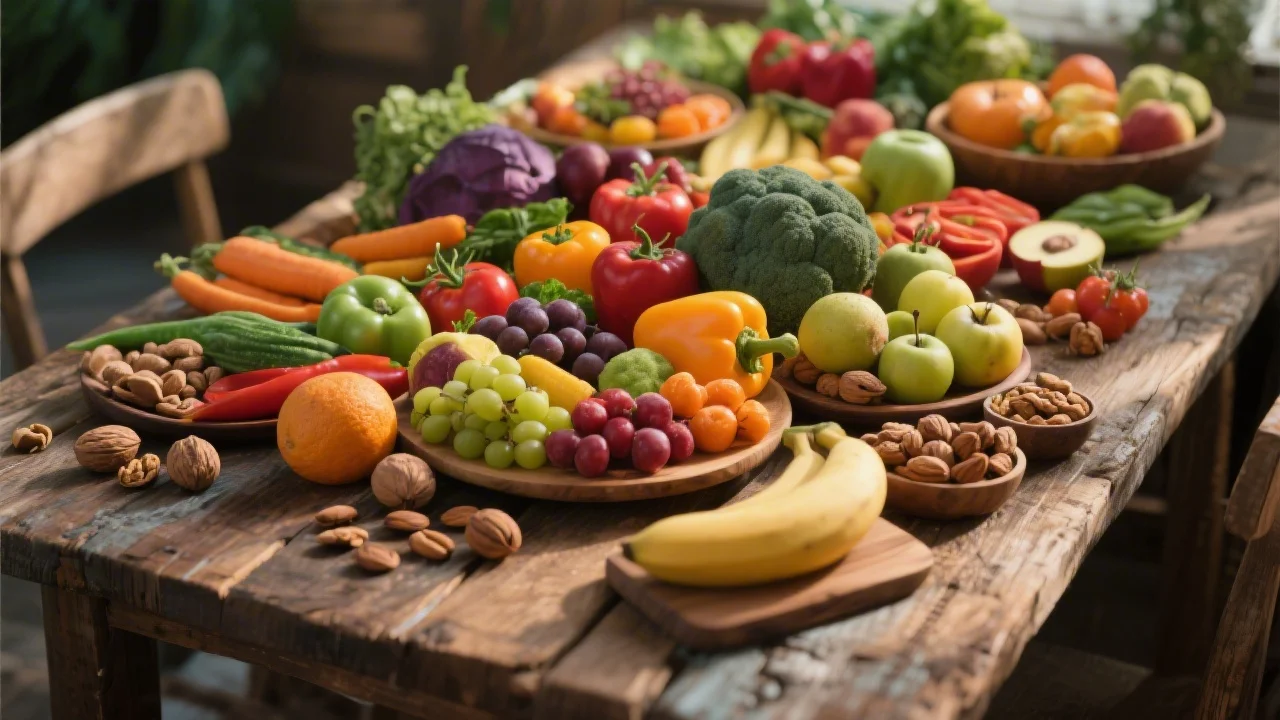
Omega-3 Powerhouses: Fatty Fish & Plant Sources
When it comes to fighting inflammation, omega-3 fatty acids are often at the top of the list. These essential polyunsaturated fats, particularly EPA and DHA, are renowned for their ability to reduce the production of inflammatory molecules and support overall cellular health. They are critical for brain function, eye health, and maintaining a healthy heart.
Top Omega-3 Rich Foods:
- Fatty Fish: Wild-caught salmon, mackerel, sardines, herring, and anchovies are excellent sources of EPA and DHA. Aim for at least two servings (3.5 ounces each) per week.
- Flaxseeds: A fantastic plant-based source of alpha-linolenic acid (ALA), which the body can convert into EPA and DHA, albeit inefficiently. Ground flaxseeds are best for absorption. Add them to smoothies, oatmeal, or baked goods.
- Chia Seeds: Like flaxseeds, chia seeds are rich in ALA. They can absorb up to 10-12 times their weight in water, making them great for puddings, overnight oats, or as a thickener.
- Walnuts: Another good source of ALA. A handful of walnuts makes a satisfying snack or can be added to salads.
- Hemp Seeds: Offer a good balance of omega-3 and omega-6 fatty acids, along with protein and fiber.
Expert Insight: While plant-based omega-3s (ALA) are beneficial, the conversion to EPA and DHA in the body is limited. For optimal anti-inflammatory benefits, incorporate both fatty fish and plant sources into your diet, or consider an algal oil supplement for direct EPA/DHA if you're vegan.
How FitFlow Helps: Tracking your intake of these crucial fats is simple with FitFlow. Our AI Food Scanning & Nutrition Tracking feature allows you to snap a photo of your meal, and it instantly provides calorie counts and macro breakdowns, including fats. You can quickly see if you're getting enough healthy fats. For packaged items like canned salmon or flaxseed meal, our barcode scanning provides 95%+ accurate nutrition data from a database of 14M+ items. This makes it up to 5x faster than manual logging, ensuring you stay on top of your anti-inflammatory goals.
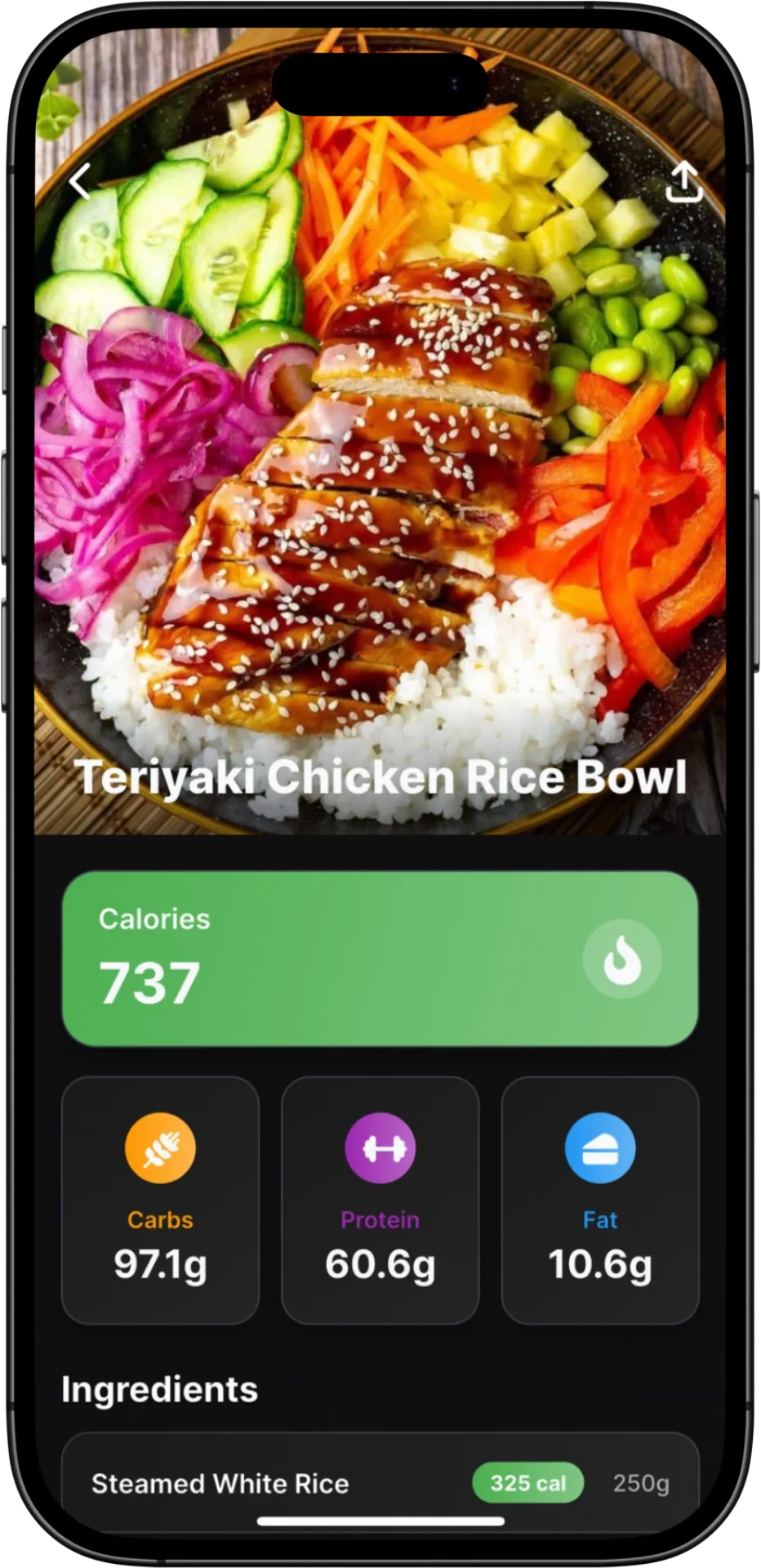
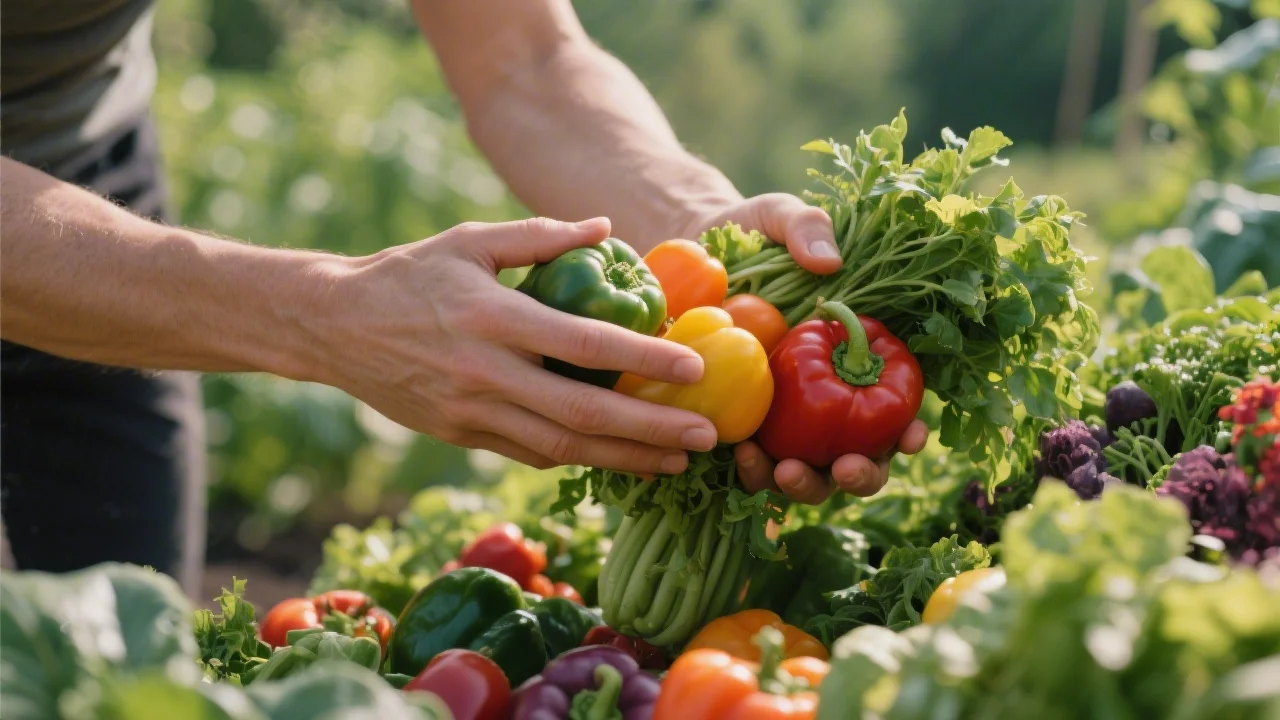
The Rainbow on Your Plate: Fruits & Vegetables
Nature’s bounty of fruits and vegetables is a cornerstone of any anti-inflammatory diet. They are packed with vitamins, minerals, fiber, and thousands of unique phytonutrients and antioxidants that work synergistically to protect your cells and reduce inflammation.
Key Anti-Inflammatory Fruits & Vegetables:
- Berries: Blueberries, strawberries, raspberries, and blackberries are bursting with anthocyanins, powerful antioxidants that give them their vibrant color and potent anti-inflammatory effects.
- Dark Leafy Greens: Spinach, kale, collard greens, and Swiss chard are rich in vitamins K, A, and C, as well as antioxidants like quercetin and kaempferol. These nutrients help protect against oxidative stress and reduce inflammatory markers.
- Cruciferous Vegetables: Broccoli, cauliflower, Brussels sprouts, and cabbage contain compounds like sulforaphane and indole-3-carbinol, which have been shown to modulate immune responses and detoxify harmful substances.
- Tomatoes: Rich in lycopene, a potent antioxidant that gives tomatoes their red color. Cooking tomatoes, especially with a little healthy fat like olive oil, enhances lycopene absorption.
- Bell Peppers: Especially red, yellow, and orange varieties, are excellent sources of Vitamin C and various antioxidants that can reduce inflammation.
- Cherries: Both sweet and tart cherries contain anthocyanins and other antioxidants that have been shown to reduce inflammation and pain, particularly in conditions like gout and exercise-induced muscle soreness.
Aim for a wide variety of colors on your plate every day. Each color often signifies a different set of beneficial phytonutrients. The more diverse your intake, the broader the spectrum of anti-inflammatory compounds you consume.
Healthy Fats & Whole Grains: Fueling Your Body Wisely
Beyond omega-3s, other healthy fats and complex carbohydrates from whole grains and legumes play a vital role in an anti-inflammatory eating pattern. They provide sustained energy, essential nutrients, and crucial fiber.
Healthy Fats for Inflammation Control:
- Extra Virgin Olive Oil: A staple of the Mediterranean diet, EVOO is rich in monounsaturated fats and polyphenols, including oleocanthal, which has anti-inflammatory properties similar to ibuprofen. Use it for dressing salads, drizzling over cooked dishes, or light sautéing.
- Avocados: Packed with monounsaturated fats, potassium, magnesium, and fiber, avocados help reduce inflammation and are heart-healthy.
- Nuts: Almonds, walnuts, pecans, and pistachios offer a blend of healthy fats, fiber, protein, and antioxidants. They can help lower markers of inflammation.
Whole Grains & Legumes for Gut Health:
- Oats: A fantastic source of soluble fiber, particularly beta-glucan, which supports gut health and can help regulate blood sugar levels. Choose steel-cut or rolled oats over instant varieties.
- Quinoa: A complete protein and a good source of fiber, magnesium, and B vitamins. It's naturally gluten-free.
- Brown Rice: A whole grain that provides fiber and essential nutrients, unlike its refined white counterpart.
- Legumes: Lentils, chickpeas, black beans, and kidney beans are powerhouses of fiber, plant-based protein, and various micronutrients. Their high fiber content feeds beneficial gut bacteria, which in turn produce short-chain fatty acids that have anti-inflammatory effects.
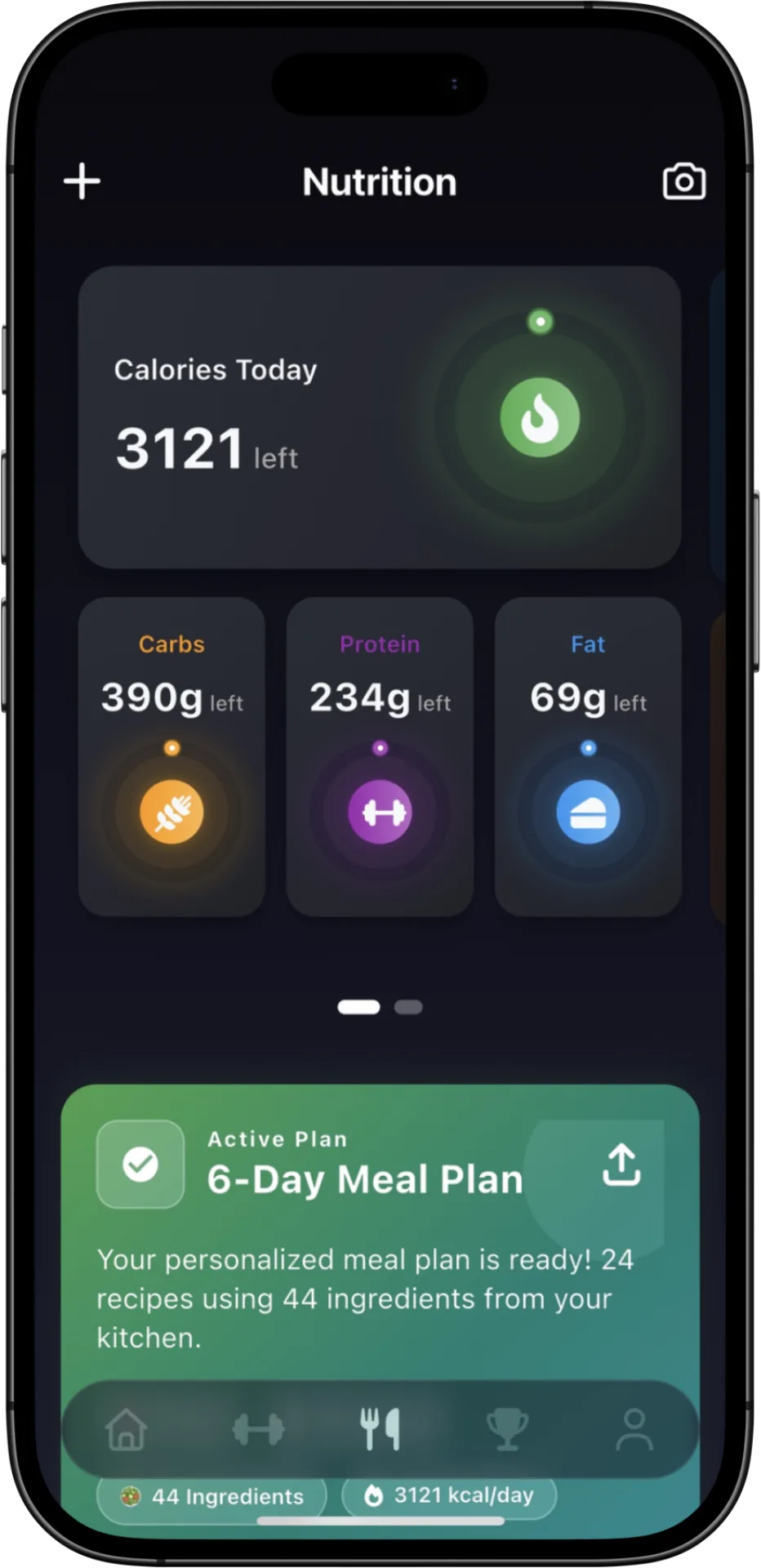
How FitFlow Helps: Creating balanced, anti-inflammatory meals with these ingredients is easy with FitFlow’s Custom Meal Plans. Whether your goal is weight loss or muscle gain, you can tailor your plan to support dietary preferences like vegetarian, vegan, or gluten-free, ensuring your meals are rich in healthy fats, whole grains, and legumes while aligning with your overall health objectives. Our Recipe Builder also allows you to input your homemade meals and get a full nutritional breakdown, helping you perfect your anti-inflammatory culinary creations.
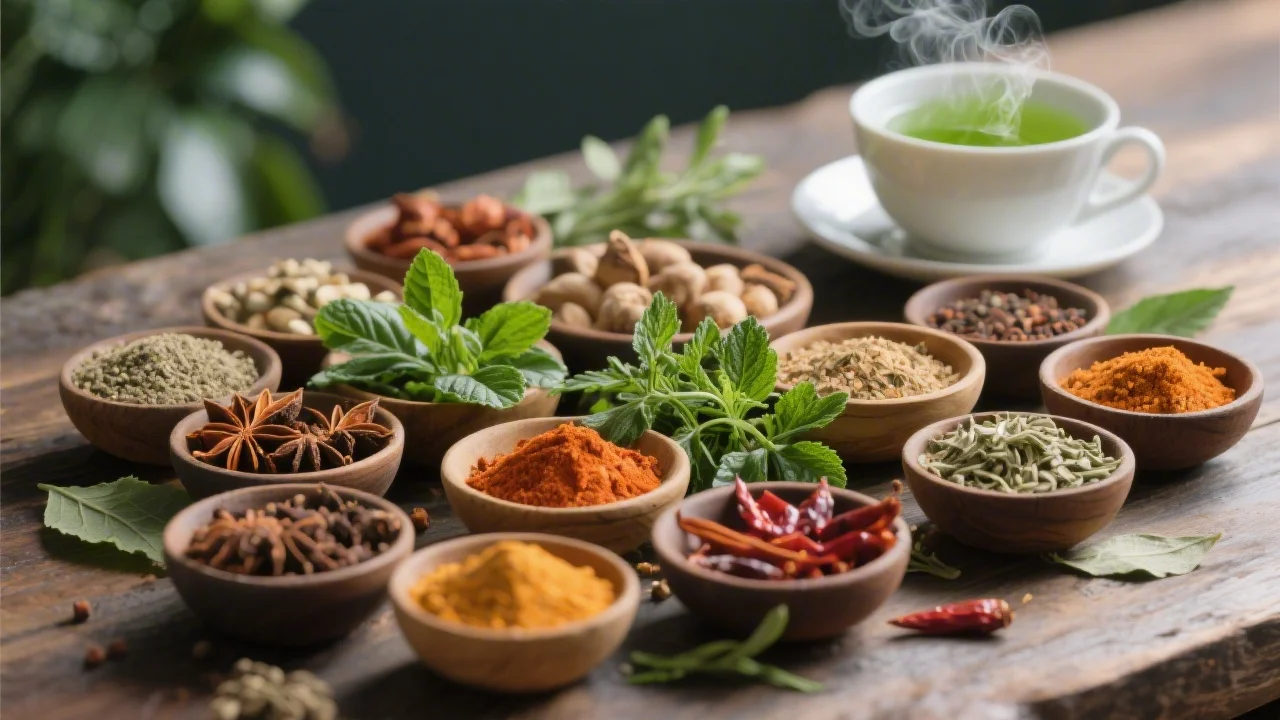
Spices, Herbs & Green Tea: Nature's Potent Healers
Don't underestimate the power of flavor! Many common spices, herbs, and even beverages are packed with concentrated anti-inflammatory compounds that can significantly boost your diet's protective effects.
Anti-Inflammatory Spices & Herbs:
- Turmeric: This golden spice contains curcumin, a compound with incredibly potent anti-inflammatory and antioxidant properties. It's been studied for its potential role in managing conditions from arthritis to metabolic syndrome. For best absorption, combine turmeric with black pepper (which contains piperine) and a source of healthy fat.
- Ginger: Known for its distinctive flavor and medicinal properties, ginger contains gingerols, which have anti-inflammatory and antioxidant effects. It can help reduce muscle pain, nausea, and inflammation.
- Garlic: Beyond its culinary appeal, garlic contains sulfur-containing compounds that have been shown to inhibit pro-inflammatory enzymes and boost immune function.
- Cinnamon: This popular spice is not only delicious but also boasts antioxidant properties and may help regulate blood sugar, which can indirectly reduce inflammation.
- Rosemary & Thyme: These aromatic herbs are rich in polyphenols and antioxidants that can protect cells from damage and reduce inflammatory responses.
The Power of Green Tea:
Green tea is a superstar in the anti-inflammatory world. It's rich in catechins, particularly epigallocatechin gallate (EGCG), a powerful antioxidant that has been extensively studied for its ability to reduce inflammation, protect against cell damage, and support cardiovascular health. Make it a daily ritual!
Actionable Tip: Incorporate these into your cooking daily. Add turmeric and ginger to curries or smoothies. Sprinkle cinnamon on oatmeal. Use fresh garlic and herbs liberally in all your savory dishes. Brew a cup of green tea instead of sugary drinks.
Foods to Limit or Avoid: The Pro-Inflammatory Culprits
Just as certain foods can reduce inflammation, others can actively promote it. To truly build an anti-inflammatory diet, it's equally important to minimize or eliminate these inflammatory triggers.
Key Pro-Inflammatory Foods to Reduce:
- Refined Carbohydrates: White bread, pastries, sugary cereals, and white pasta are quickly broken down into glucose, leading to rapid spikes in blood sugar and insulin. This can trigger inflammatory responses.
- Sugary Drinks: Sodas, fruit juices (with added sugar), and energy drinks are major sources of added sugars, which are directly linked to increased inflammation.
- Processed Foods: Snack foods, fast food, and ready-to-eat meals often contain a combination of refined carbs, unhealthy fats, and additives that contribute to inflammation.
- Trans Fats: Found in some fried foods, baked goods, and margarine, trans fats are particularly harmful and can significantly increase inflammation and heart disease risk. Always check food labels for 'partially hydrogenated oil.'
- Excessive Red & Processed Meats: While lean red meat in moderation can be part of a healthy diet, high consumption of red meat, and especially processed meats like bacon, sausage, and deli meats, has been linked to increased inflammatory markers.
- Certain Vegetable Oils: Soybean oil, corn oil, sunflower oil, and safflower oil are high in omega-6 fatty acids. While omega-6s are essential, an imbalance with omega-3s (too much omega-6, not enough omega-3) can promote inflammation. Opt for olive oil, avocado oil, or coconut oil instead.
By reducing your intake of these foods, you're not just avoiding harmful ingredients; you're also making more room for the nutrient-dense, anti-inflammatory foods that truly nourish your body.
How FitFlow Helps: Our AI Food Scanning feature can be incredibly useful here. When you're considering a packaged food item, simply snap a picture or scan the barcode. FitFlow will instantly provide nutritional information, helping you quickly identify hidden sugars, unhealthy fats, or refined carbs that you want to avoid. You can also utilize allergen and dietary restriction marking to highlight ingredients that might be pro-inflammatory for your specific body, making informed choices effortless.
Building Your Anti-Inflammatory Lifestyle with FitFlow
Embarking on an anti-inflammatory journey can feel overwhelming, but FitFlow is designed to be your intelligent partner, simplifying the process and empowering you to make lasting changes.
- Effortless Nutrition Tracking: With FitFlow's AI Food Scanning, logging your meals is easier than ever. Just snap a photo, and get instant calorie and macro breakdowns. This helps you monitor your intake of healthy fats, fiber, and other anti-inflammatory nutrients without the tedious manual entry. Our quick-add food logging and food favoriting make tracking repeated anti-inflammatory meals a breeze.
- Tailored Meal Planning: Whether you're aiming for weight loss, muscle gain, or simply better health, FitFlow offers custom meal plans that can be tailored to support your anti-inflammatory goals and dietary preferences (vegetarian, vegan, keto, paleo, gluten-free). This ensures your diet is not only anti-inflammatory but also perfectly aligned with your personal needs.
- Master Your Home Cooking: Use the Recipe Builder to input your favorite homemade anti-inflammatory dishes. FitFlow will provide a full nutritional breakdown, allowing you to fine-tune your recipes for optimal health benefits.
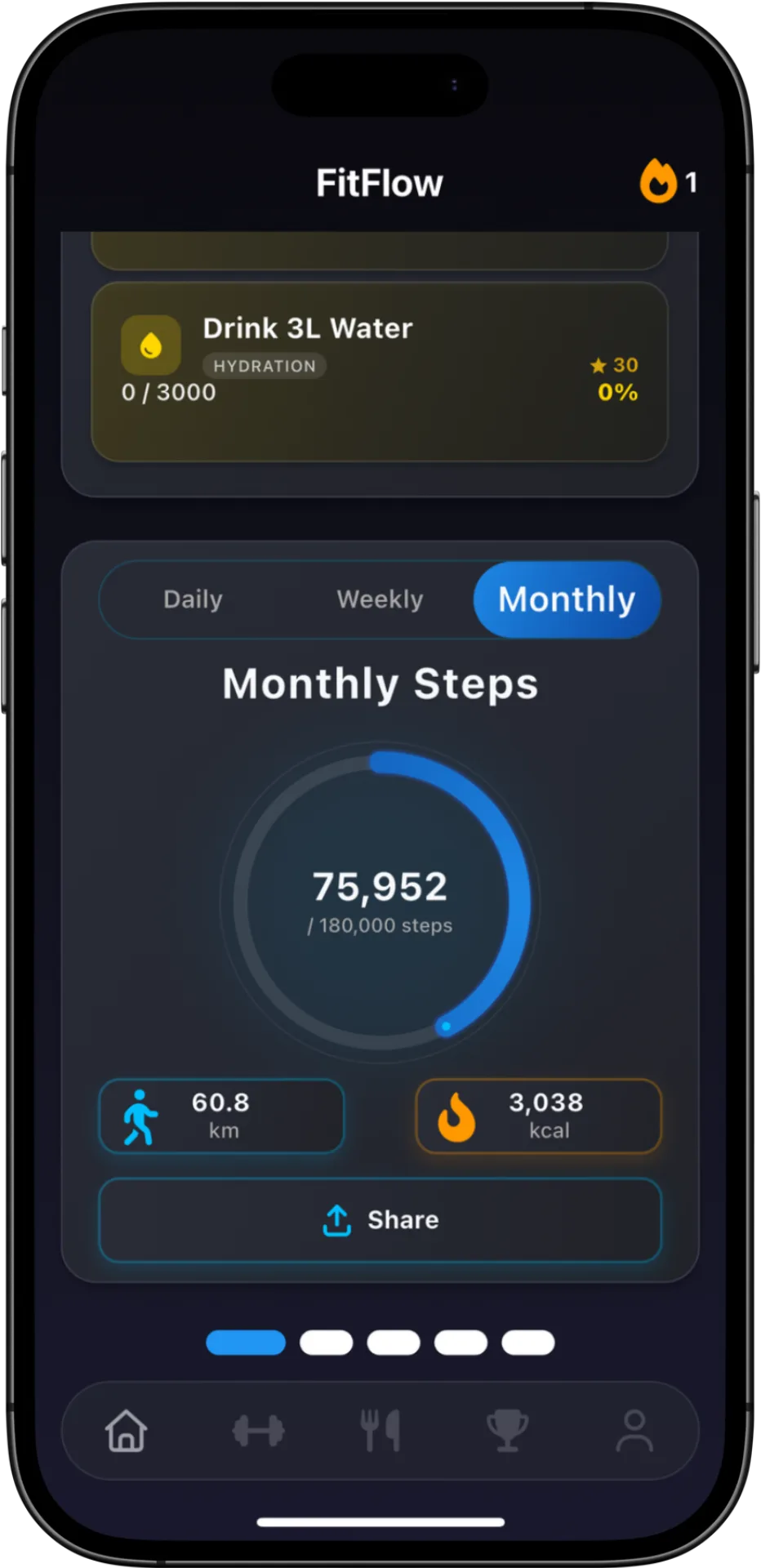
- Visualize Your Progress: While inflammation isn't directly measured by the app, FitFlow's Progress Analytics & Goal Setting allows you to track weight, body fat, step count, and water intake. As you consistently incorporate anti-inflammatory foods and healthy habits, you'll likely see positive trends in these metrics, reflecting your improved overall health.
- Stay Motivated: The journey to better health is ongoing. FitFlow's daily motivational quotes, achievement badges, and progress reminders keep you inspired and celebrate your milestones, ensuring you stay committed to your anti-inflammatory lifestyle.
Transforming your diet is one of the most powerful steps you can take to reduce chronic inflammation and safeguard your health. With the right knowledge and tools like FitFlow, you have everything you need to cultivate a vibrant, anti-inflammatory lifestyle.
Sources & References
- Fish Consumption and DHA Supplementation during Pregnancy: Study of Gestational and Neonatal Outcomes — Gualtieri P, Frank G, Cianci R (2024)
- Lactobacillus amplifies DHAMaR1 conversion to attenuate intestinal ischemia-reperfusion injury via decreasing pyroptosis — Li T, Cai H, Qiu C (2025)
- Impact of α-linolenic acid supplementation on long-chain n-3 fatty acid profiles in Western, flexitarian, vegetarian, and vegan diets — Klein L, Kipp K, Lorkowski S (2025)

FitFlow Editorial Team
Fitness & Nutrition Editorial TeamCertified personal trainers & nutrition coaches
The FitFlow Editorial Team is a group of certified personal trainers, nutrition coaches, and fitness writers who translate exercise science and nutrition research into practical, actionable guidance. Every article is grounded in peer-reviewed sources and reviewed for accuracy before publishing.
Frequently Asked Questions
Who is this guide for?
This guide is for anyone focused on nutrition and looking for practical, sustainable progress.
How quickly can I apply these recommendations?
Most recommendations are designed for immediate implementation. Start with one change today, then layer improvements weekly.
How does FitFlow support this strategy?
FitFlow supports execution with AI-powered meal tracking, workout planning, and progress analytics that help you stay consistent.