Eat Healthy on a Tight Budget: Smart Strategies for Affordable Wellness
Reviewed by the fitness & nutrition editorial team · Certified personal trainers & nutrition coaches
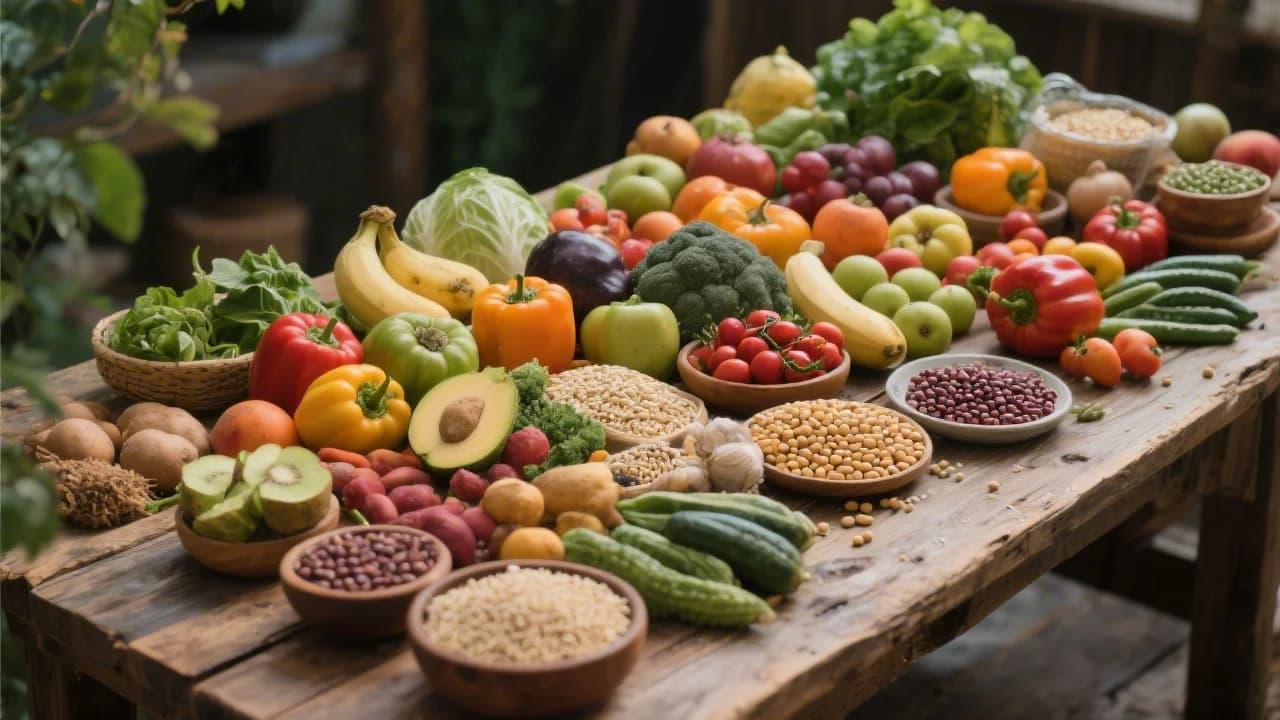
The Myth of Expensive Healthy Eating: Debunking the Price Tag
For many, the idea of eating healthy conjures images of expensive organic produce, exotic superfoods, and specialty diet products. It’s a common misconception that often deters people from even trying to improve their nutrition, especially when finances are tight. The truth, however, is far from this costly stereotype. Eating well on a budget isn't just possible; it's a skill that, once mastered, can revolutionize your health and your wallet.
Research consistently shows that while some ultra-processed, unhealthy foods might appear cheaper upfront, their long-term costs — both financial (due to potential health issues) and nutritional — far outweigh any initial savings. Conversely, a diet rich in whole, unprocessed foods like vegetables, fruits, legumes, and grains is often more economical than a diet reliant on convenience meals and fast food. The key lies in strategic planning, smart shopping, and a little bit of culinary creativity.
"Eating healthy doesn't have to be a luxury. With the right approach, it's an accessible and sustainable choice for everyone, regardless of their budget."
This guide will equip you with practical, actionable strategies to navigate grocery stores, plan meals, and prepare delicious, nutritious food without breaking the bank. We’ll demonstrate how apps like FitFlow can become your secret weapon, helping you track your intake, plan meals, and stay accountable, ensuring your health goals are met efficiently and affordably.

Strategic Shopping: Your First Line of Defense Against Overspending
The grocery store can be a minefield for your budget if you go in unprepared. Strategic shopping is the bedrock of affordable healthy eating. It starts long before you even step foot in the aisle.
Plan Your Meals & Make a List
Before any shopping trip, sit down and plan your meals for the week. Consider what ingredients can be used across multiple dishes to minimize waste. Once you have your meals mapped out, create a detailed grocery list. Stick to this list religiously. Impulse buys, especially at the checkout, are notorious budget busters.
Embrace Seasonal Produce
Produce that is in season is almost always cheaper and fresher. Learn what fruits and vegetables are in season in your region and build your meals around them. Frozen fruits and vegetables are also excellent, budget-friendly alternatives, often picked at peak ripeness and just as nutritious as fresh, sometimes even more so if fresh options have traveled far.
Buy in Bulk (Wisely)
For non-perishable staples like grains (oats, rice, quinoa), dried beans, lentils, and certain nuts and seeds, buying in bulk can significantly reduce your cost per serving. Just be sure you have adequate storage and will realistically use the quantity before it spoils. Compare unit prices to ensure you're getting the best deal.
Don't Shop Hungry
This might sound simple, but shopping on an empty stomach makes you more susceptible to impulse purchases and unhealthy cravings. Eat a small, healthy snack before heading to the store to keep your resolve strong.
FitFlow's custom meal plans can be an invaluable tool here. By setting your weight loss or muscle gain goals, FitFlow can generate meal plans that not only align with your nutritional needs but can also be tailored to incorporate budget-friendly ingredients. This proactive planning helps you create a precise grocery list, preventing aimless wandering and expensive last-minute decisions.
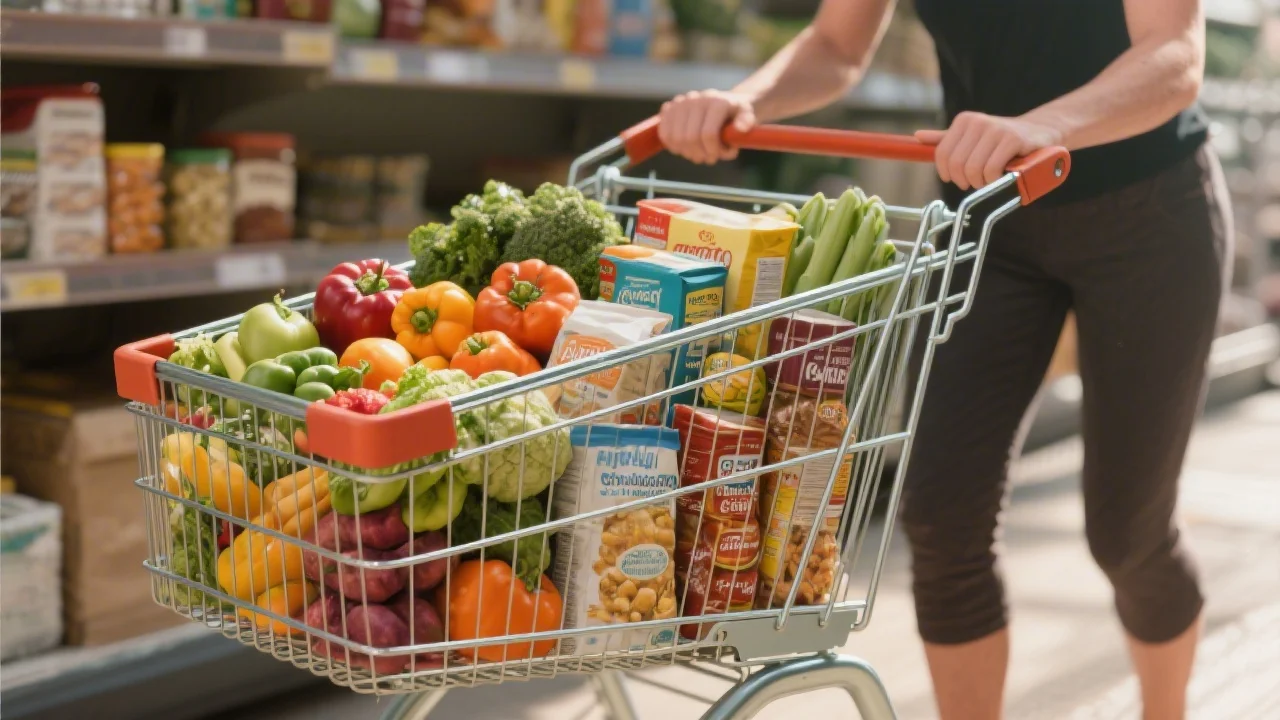
Embrace Whole Foods: Nutrient Density on a Dime
The cornerstone of a healthy, budget-friendly diet is a focus on whole, unprocessed foods. These items provide maximum nutritional bang for your buck, offering essential vitamins, minerals, and fiber without the added sugars, unhealthy fats, and artificial ingredients found in many processed alternatives.
Legumes: The Powerhouses of Protein and Fiber
Dried beans, lentils, and chickpeas are incredibly versatile, inexpensive, and packed with plant-based protein and fiber. A single bag of dried lentils can provide multiple meals for just a few dollars. They can be incorporated into soups, stews, salads, curries, and even homemade veggie burgers.
Grains: Affordable Energy Sources
Brown rice, oats, whole wheat pasta, and quinoa are excellent sources of complex carbohydrates, providing sustained energy. They are staples that can form the base of countless meals, from breakfast porridges to hearty dinner bowls.
Eggs: The Perfect Protein
Eggs are one of nature's most complete and affordable protein sources. They're quick to prepare and can be enjoyed at any meal – scrambled, boiled, fried, or in an omelet with budget-friendly vegetables.
Budget-Friendly Protein Choices
- Chicken Thighs/Drumsticks: Often cheaper than breasts, these cuts are flavorful and versatile.
- Canned Fish: Tuna, salmon, and sardines are excellent sources of omega-3s and protein, and they have a long shelf life.
- Ground Turkey/Pork: Can be more economical than ground beef and used in similar dishes.
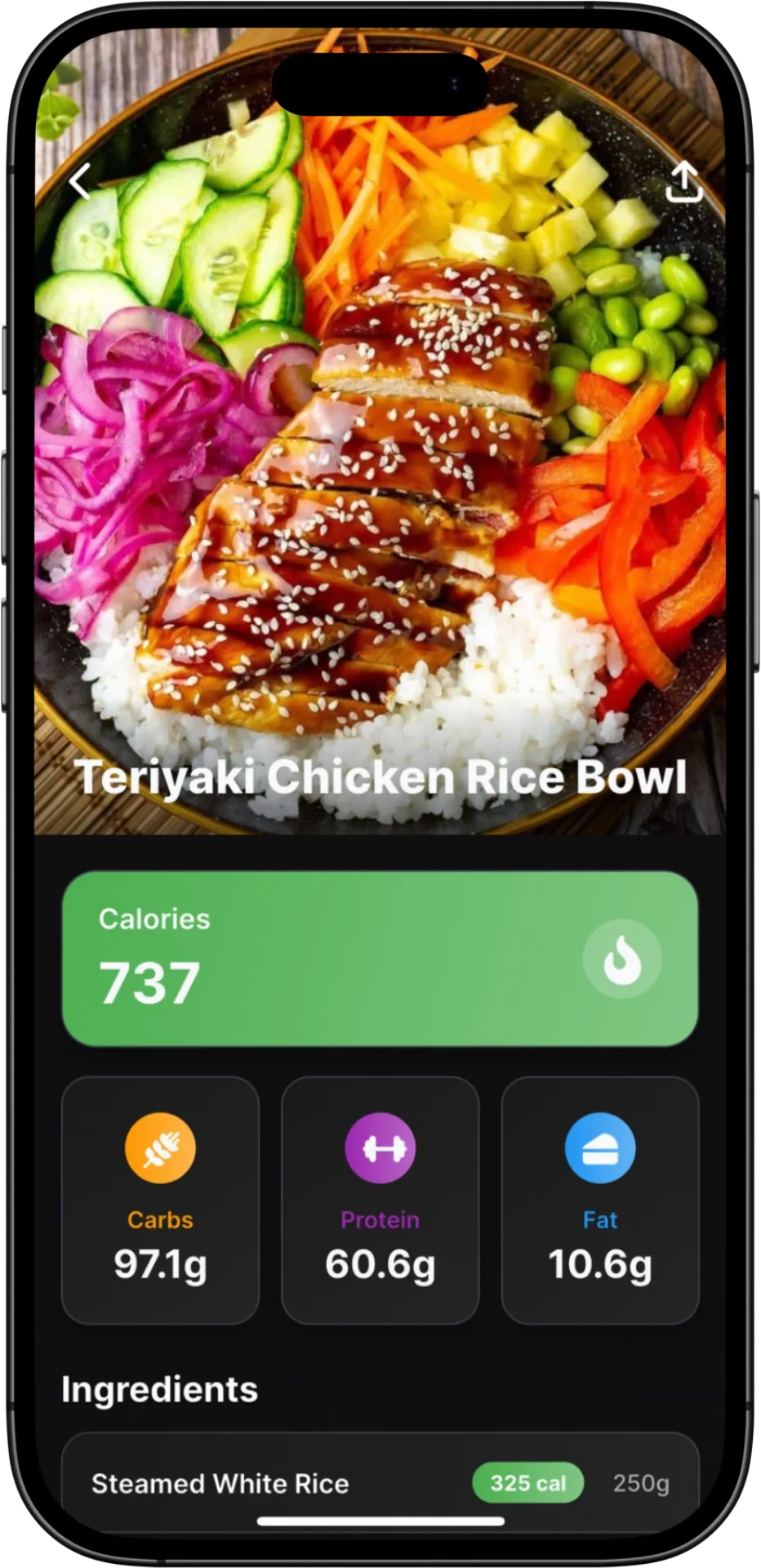
When you're trying to make every dollar count for nutrition, knowing exactly what's in your food is crucial. FitFlow's AI Food Scanning & Nutrition Tracking feature allows you to snap a photo of your meal for instant calorie counting and macro breakdowns (protein, carbs, fats). This is incredibly useful for homemade, whole-food meals, helping you ensure you're meeting your nutritional targets efficiently and accurately, even when cooking with budget ingredients.
Meal Prep Like a Pro: Saving Time and Money
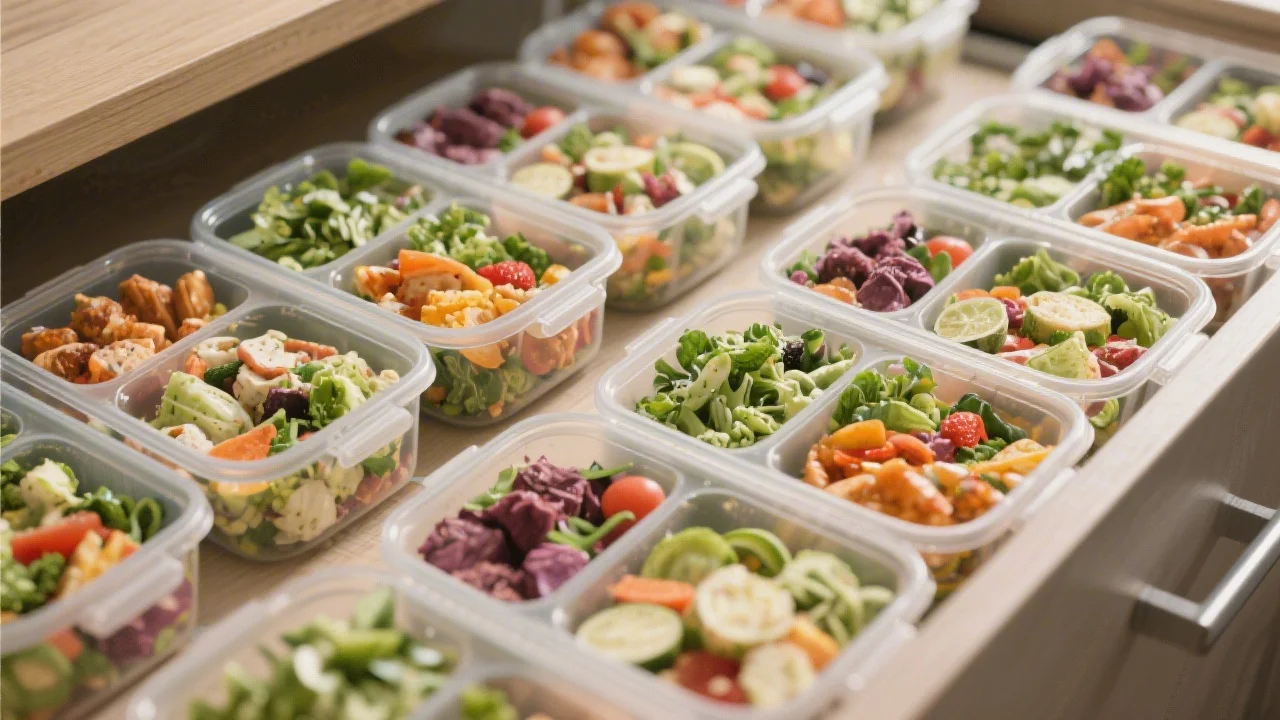
Meal preparation, or "meal prep," is perhaps the most effective strategy for maintaining a healthy diet on a budget. It involves cooking larger batches of food in advance, portioning them out, and storing them for quick, healthy meals throughout the week. This not only saves you time during busy weekdays but also prevents expensive last-minute takeout orders or unhealthy impulse purchases.
Batch Cooking for Efficiency
Dedicate a few hours one day a week (often Sunday) to cook staples like grains, roasted vegetables, and a protein source. For example, you could cook a large batch of quinoa, roast a tray of seasonal vegetables, and bake chicken breasts or prepare a big pot of lentil soup. These components can then be mixed and matched to create diverse meals.
Repurpose Leftovers Creatively
Don't just eat the same meal five times in a row if you'll get bored. Instead, think about how you can transform leftovers. Leftover roasted chicken can become chicken salad, a stir-fry, or a quesadilla. Cooked rice can be turned into fried rice or a burrito bowl. This creativity keeps your palate engaged and reduces food waste.
Portion Control and Storage
Once your meals are cooked, portion them into individual containers. This helps with portion control, ensuring you're eating appropriate amounts, and makes grabbing a healthy meal on the go incredibly easy. Invest in good quality, reusable food containers.
"Meal prepping is not just about saving money; it's about investing in your health by making nutritious choices the default, not the exception."
FitFlow's Recipe Builder can be a game-changer for meal prep. You can input your homemade, budget-friendly recipes, and the app will provide full nutritional breakdowns. This means you know exactly what macros and calories are in your batch-cooked meals, allowing you to fine-tune your recipes for optimal health and budget adherence.
Smart Snacking & Hydration: Avoid Impulse Buys
Snacks and drinks, while seemingly small expenses, can quickly add up and derail both your budget and your health goals if not managed wisely. Mindful snacking and prioritizing hydration are crucial components of an affordable, healthy lifestyle.
Cost-Effective, Healthy Snack Ideas
Instead of reaching for expensive, pre-packaged snacks, opt for whole, unprocessed alternatives:
- Fresh Fruit: Apples, bananas, oranges, and seasonal berries are naturally sweet, packed with nutrients, and usually very affordable.
- Vegetable Sticks with Hummus: Carrots, celery, and bell peppers are great for dipping. Hummus can be made cheaply at home or bought in larger tubs.
- Hard-Boiled Eggs: An excellent source of protein, easy to prepare in advance, and very filling.
- Nuts and Seeds: Portion them out to avoid overeating. Buying in bulk can make them more economical.
- Plain Yogurt: Add your own fruit or a drizzle of honey for flavor.
Prioritize Water and Avoid Sugary Drinks
Sugary sodas, juices, and specialty coffee drinks are often expensive and contribute significantly to empty calories. Make water your primary beverage. It's free (from the tap), essential for all bodily functions, and helps you feel full, which can prevent unnecessary snacking.
"Every dollar saved on a sugary drink or a processed snack is a dollar that can be invested in nutrient-dense, whole foods for your next meal."
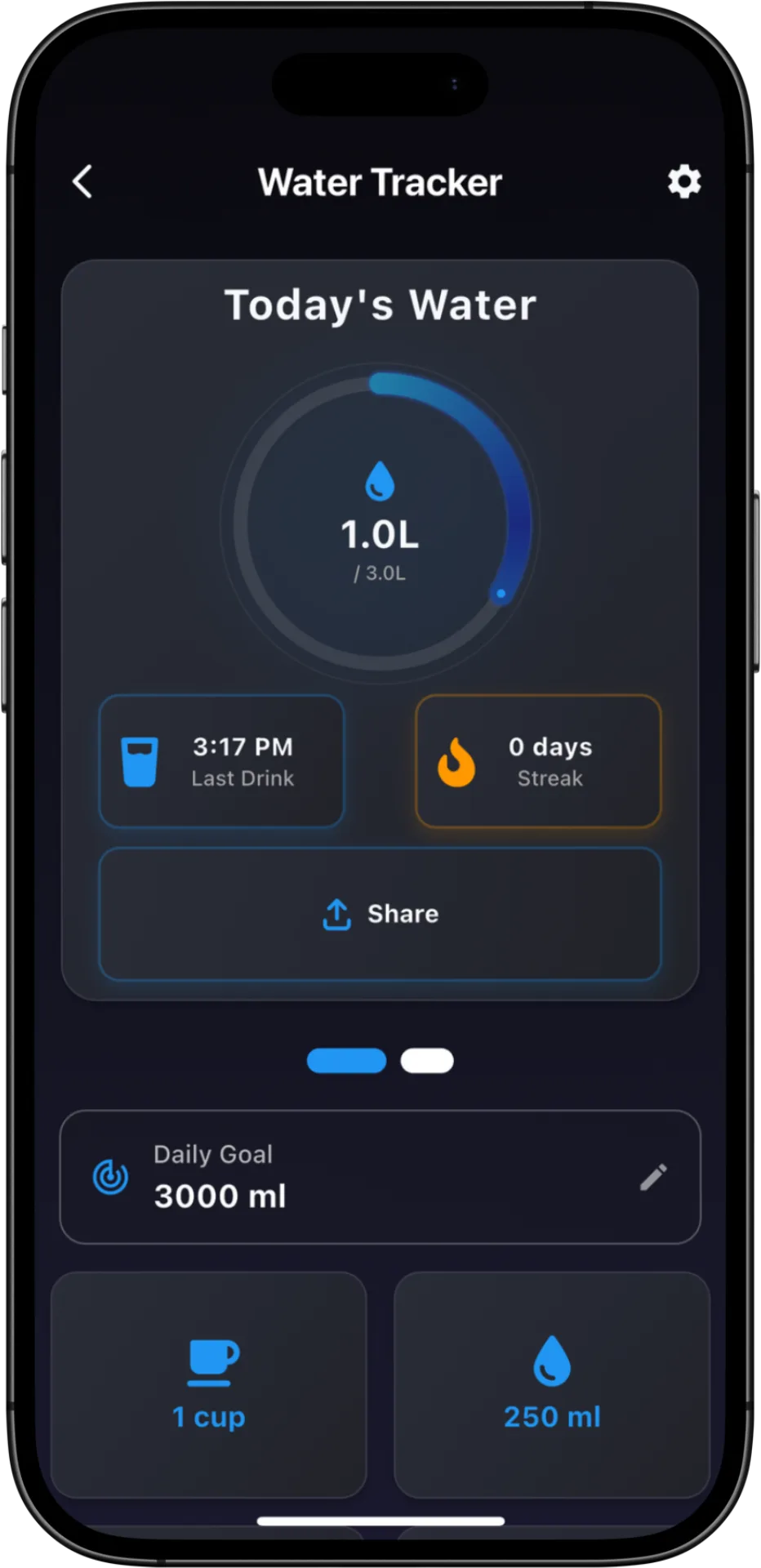
Staying hydrated is a simple yet powerful way to support your overall health and manage your appetite. FitFlow makes this easy with its water intake monitoring feature. You can quickly log your water consumption throughout the day, helping you hit your hydration goals and avoid mistaking thirst for hunger, which often leads to unhealthy, budget-busting snack choices.
DIY & Cooking at Home: The Ultimate Budget Hack
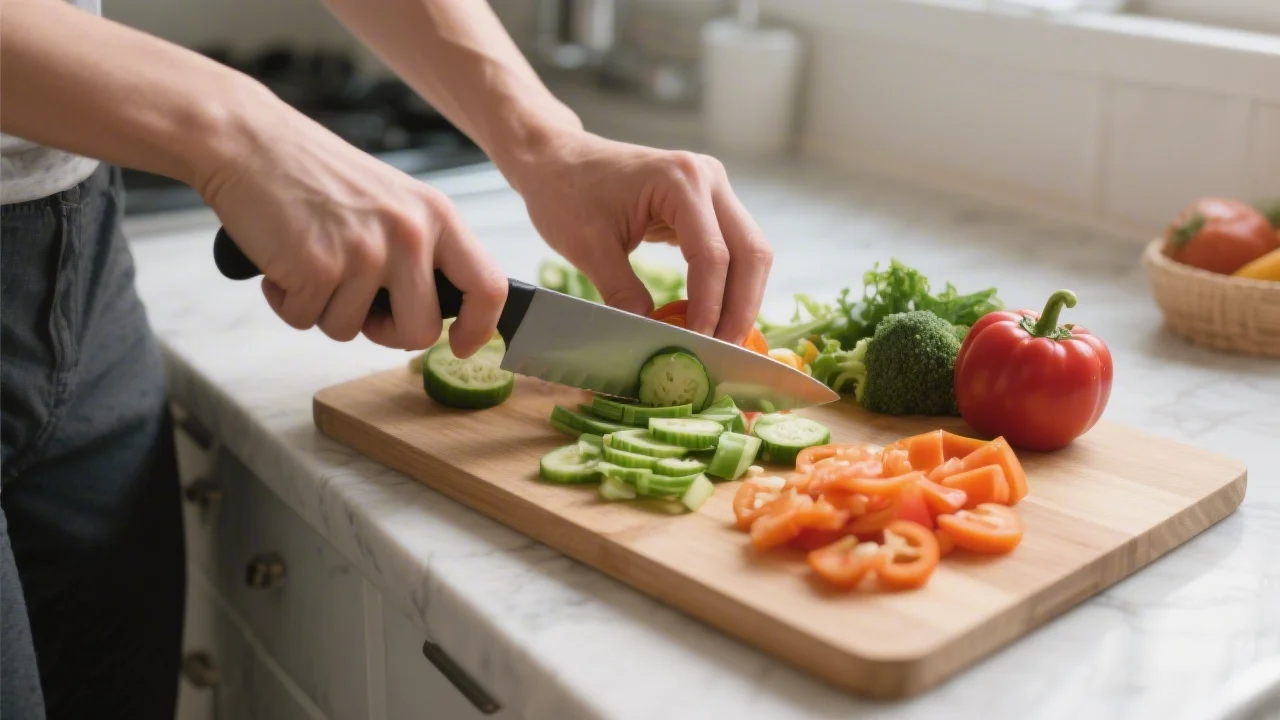
One of the most impactful ways to eat healthy on a budget is to commit to cooking the vast majority of your meals at home. Dining out, even at fast-casual restaurants, almost always costs significantly more than preparing a similar meal yourself. Furthermore, home-cooked meals give you complete control over ingredients, allowing you to avoid excessive sodium, unhealthy fats, and added sugars.
Master Simple, Versatile Recipes
You don't need to be a gourmet chef. Focus on mastering a few basic cooking techniques and versatile recipes. Think stir-fries, sheet pan dinners, hearty soups, and pasta dishes. These types of meals are easy to adapt based on what's on sale or what you have in your pantry.
- Stir-fries: Use whatever vegetables are in season and a cheap protein like chicken thighs or tofu.
- Lentil or Bean Soups: Inexpensive ingredients, incredibly filling, and can be made in large batches.
- Oatmeal: A cheap, nutritious breakfast that can be customized with fruit, nuts, or seeds.
- Homemade Pizza: Making your own dough is cheaper than buying pre-made, and you control the toppings.
Cook from Scratch
Avoid pre-cut vegetables, pre-marinated meats, and convenience meals. While they save time, they come with a significant price premium. Buying whole ingredients and doing the prep work yourself is a core tenet of budget-friendly eating.
Pack Your Lunch
Bringing your lunch to work or school is a non-negotiable budget hack. Even a seemingly cheap daily sandwich from a cafe adds up to hundreds of dollars a month. Your meal-prepped leftovers are perfect for this.
While the goal is to cook at home, sometimes life happens, and you might find yourself eating out. FitFlow partners with major restaurant chains for official nutritional data and has a database of 14M+ items, including packaged foods via barcode scanning. This means that even if you grab a pre-made item or dine out, you can still quickly and accurately log your meal to stay on track with your nutritional goals without guesswork.
Leveraging Technology for Budget-Friendly Health with FitFlow
In today's digital age, technology can be a powerful ally in your quest for affordable wellness. Apps like FitFlow are specifically designed to streamline the process of healthy eating, making it easier to stick to your budget and achieve your goals without feeling overwhelmed.
Effortless Nutrition Tracking
One of the biggest hurdles to healthy eating on a budget is knowing if you're actually getting the right nutrients without spending hours manually logging everything. FitFlow's AI Food Scanning and Nutrition Tracking automates 80% of food logging, making it up to 5x faster than manual methods. Simply snap a photo of your meal, and the app instantly recognizes over 2 million foods, providing calorie counts and macro breakdowns. This speed and accuracy are invaluable when you're preparing budget-friendly meals from scratch or combining affordable ingredients, ensuring you're hitting your targets without wasting food or effort.
Smart Meal Planning and Recipe Building
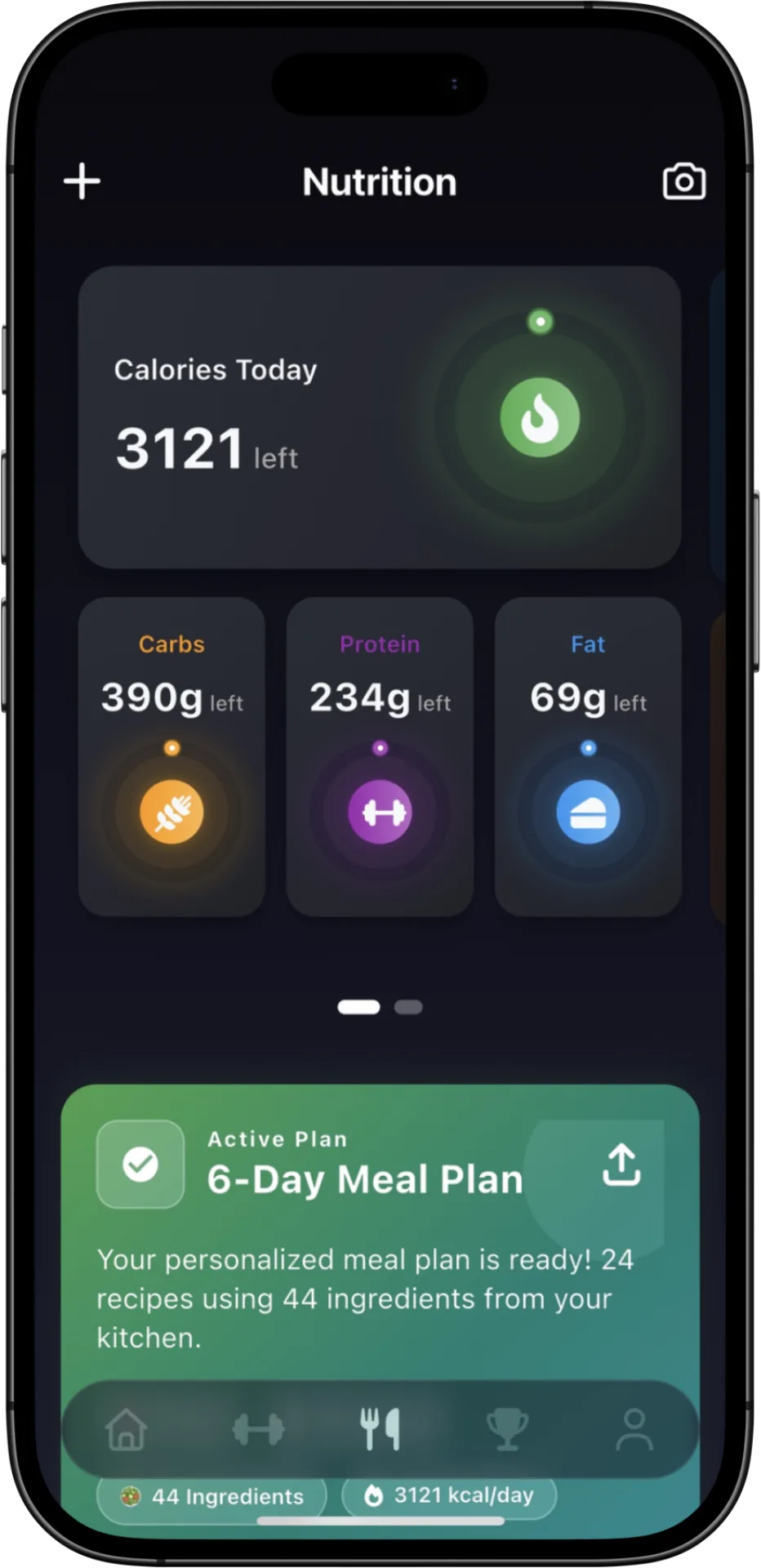
As discussed, meal planning is crucial for budget eating. FitFlow's custom meal plans can be tailored to your weight loss or muscle gain goals and support various dietary preferences (vegetarian, vegan, keto, paleo, gluten-free). This helps you proactively plan budget-friendly meals. Furthermore, its Recipe Builder allows you to input your homemade, affordable recipes, giving you full nutritional breakdowns, so you can optimize your cooking for both cost and health.
Progress Monitoring and Motivation
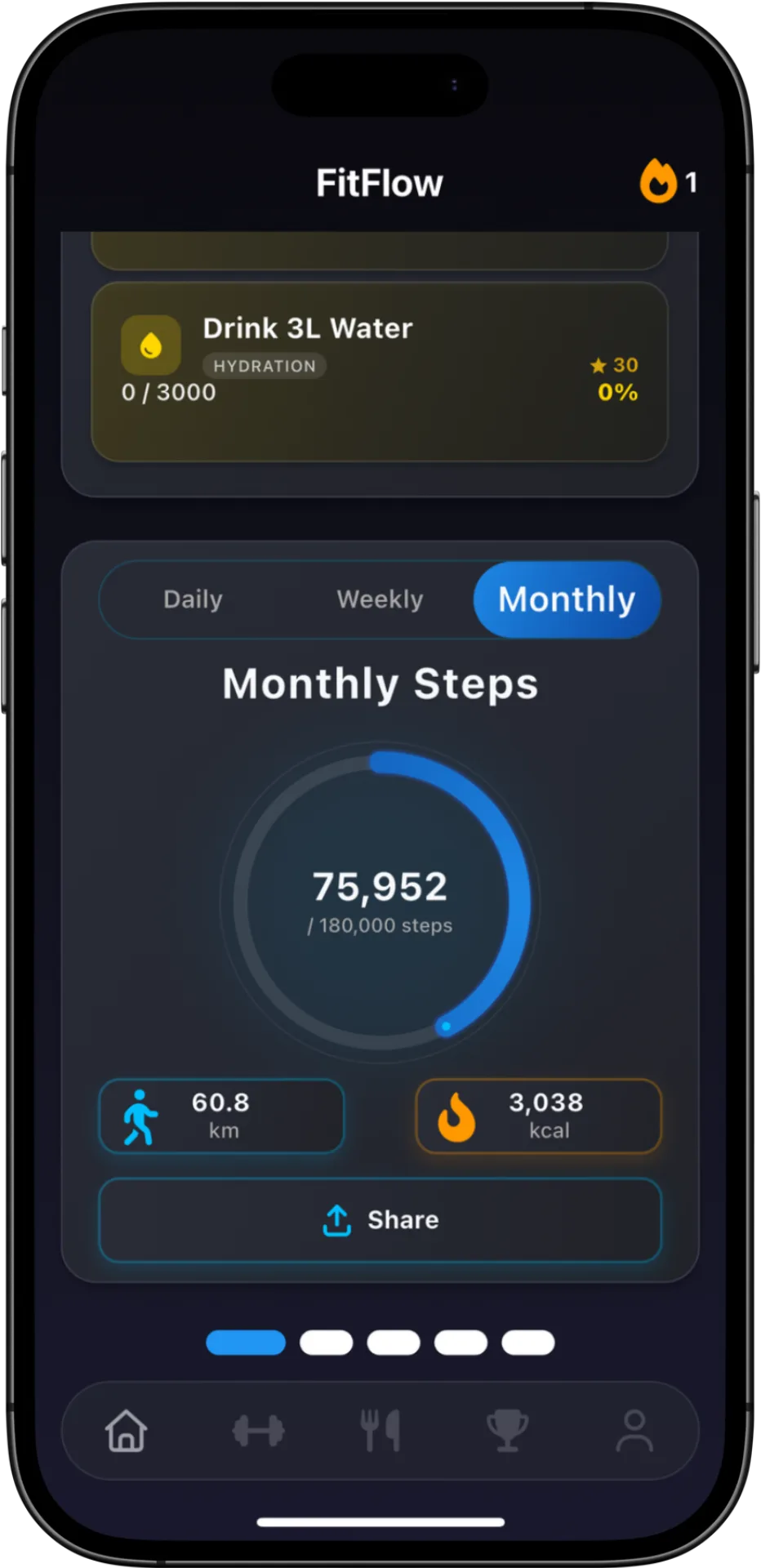
Seeing your progress visually can be a huge motivator. FitFlow offers detailed fitness and nutrition analytics with progress charts, allowing you to track your weight, body fat, and nutritional intake over time. Monitoring your adherence to your budget-friendly meal plan and seeing the positive impact on your health can provide the encouragement needed to stay consistent, celebrating milestones along the way.
Conclusion: Sustainable Habits for Long-Term Wellness
Eating healthy on a tight budget is not a temporary fix; it's about adopting sustainable habits that empower you to take control of your nutrition and finances for the long term. It requires a shift in mindset, moving away from convenience foods and embracing the power of planning, whole ingredients, and home cooking.
Remember, every small step makes a difference. Start by implementing one or two of these strategies each week. Perhaps begin by planning your dinners, then expand to lunches, and eventually tackle all your meals and snacks. Don't aim for perfection overnight; consistency is far more important than intensity.
"Your health is an investment, not an expense. Eating well on a budget is a testament to smart living and prioritizing your well-being."
By leveraging tools like FitFlow, you gain a powerful ally that simplifies nutrition tracking, aids in meal planning, and keeps you motivated on your journey. It proves that a healthy lifestyle isn't exclusive to those with deep pockets, but rather accessible to anyone willing to learn and apply smart strategies. Embrace these tips, and you'll soon discover that eating well can be both delicious and affordable, leading to a healthier, happier you.
Sources & References
- Quick fixes, lasting problems: Rethinking obesity management through a public health lens beyond pharmacological solutions — Cuschieri S, Cuschieri A, Ali S (2025)
- Vitamin retention in eight fruits and vegetables: a comparison of refrigerated and frozen storage — Bouzari A, Holstege D, Barrett DM (2015)

FitFlow Editorial Team
Fitness & Nutrition Editorial TeamCertified personal trainers & nutrition coaches
The FitFlow Editorial Team is a group of certified personal trainers, nutrition coaches, and fitness writers who translate exercise science and nutrition research into practical, actionable guidance. Every article is grounded in peer-reviewed sources and reviewed for accuracy before publishing.
Frequently Asked Questions
Who is this guide for?
This guide is for anyone focused on nutrition and looking for practical, sustainable progress.
How quickly can I apply these recommendations?
Most recommendations are designed for immediate implementation. Start with one change today, then layer improvements weekly.
How does FitFlow support this strategy?
FitFlow supports execution with AI-powered meal tracking, workout planning, and progress analytics that help you stay consistent.