What to Eat After a Workout for Maximum Recovery: The Ultimate Guide
Reviewed by the fitness & nutrition editorial team · Certified personal trainers & nutrition coaches

The Crucial Role of Post-Workout Nutrition
You've pushed your limits, shattered your personal bests, and left it all on the gym floor. But the work isn't over when the last rep is done. In fact, what you do immediately after your workout can be just as critical as the workout itself in determining your progress, recovery, and future performance. This often-overlooked phase, known as post-workout nutrition, is the cornerstone of effective muscle repair, energy replenishment, and adaptation.
When you exercise, especially during intense sessions, your body undergoes several physiological changes:
- Muscle Protein Breakdown: Micro-tears occur in muscle fibers, a natural part of the adaptation process that leads to growth, but also requires repair.
- Glycogen Depletion: Your body's primary energy stores (glycogen) in muscles and liver are used up, leaving you feeling drained.
- Fluid and Electrolyte Loss: Sweating leads to dehydration and loss of essential minerals.
Ignoring these post-exercise needs can hinder recovery, increase soreness, impair future performance, and even lead to muscle loss. Conversely, strategically fueling your body post-workout acts like a powerful catalyst, accelerating recovery and optimizing your gains.
Think of your post-workout meal as the essential maintenance work your body needs after a high-performance drive. Without it, the engine won't run optimally for long.
In this ultimate guide, we'll delve into the science-backed strategies for post-workout nutrition, breaking down the key macronutrients, timing considerations, and practical tips to ensure you're giving your body exactly what it needs to thrive.

The "Anabolic Window": Timing Your Recovery Fuel
For years, fitness enthusiasts were told that there was a critical 30-60 minute "anabolic window" immediately after a workout during which nutrient intake was absolutely essential for muscle growth and recovery. Miss this window, and all your hard work would supposedly be for naught.
While the concept of a post-workout window isn't entirely false, modern sports nutrition research has refined our understanding, making it less rigid and more practical for the average individual.
Is the Window Real?
Yes, to some extent. After exercise, your muscles are primed to absorb nutrients, particularly carbohydrates for glycogen replenishment and protein for muscle protein synthesis (MPS). Blood flow to muscles is increased, and insulin sensitivity is heightened, creating an optimal environment for nutrient uptake.
However, the "window" is not as small or as fragile as once believed. For most people, especially if you've had a pre-workout meal or snack, this window extends for several hours post-exercise. A meta-analysis published in the Journal of the International Society of Sports Nutrition concluded that the importance of immediate post-exercise protein intake for muscle growth is overstated, especially when daily protein intake is sufficient.
What Does This Mean for You?
- Prioritize Overall Daily Nutrition: The most important factor for recovery and muscle growth is your total daily intake of protein, carbohydrates, and calories. Hitting your macro targets consistently over 24 hours trumps precise timing within a short window.
- Don't Delay Excessively: While not a strict 30-minute deadline, it's still beneficial to consume a recovery meal within 1-3 hours post-workout. This ensures you kickstart the recovery process efficiently.
- Listen to Your Body: If you feel hungry immediately after a workout, eat! Your body is signaling its need for fuel. If you're not hungry, don't force it, but plan to eat soon.
- Consider Training State: If you train fasted or have multiple training sessions in a day (e.g., endurance athletes), the timing of post-workout nutrition becomes more critical to accelerate recovery and prepare for the next session.
Ultimately, consistency and overall dietary habits are more influential than obsessing over a fleeting "window." Focus on making your post-workout meal a priority, but don't stress if you can't eat within minutes of finishing your last set.

Protein Power: Rebuilding and Repairing Muscles
Protein is arguably the most critical macronutrient for post-workout recovery. When you exercise, especially resistance training, you create micro-tears in your muscle fibers. Protein provides the amino acids—the building blocks—necessary to repair these tears and synthesize new muscle tissue, leading to growth and increased strength.
Why Protein is Essential:
- Muscle Protein Synthesis (MPS): This is the process by which your body creates new muscle proteins. Intense exercise stimulates MPS, but it also increases muscle protein breakdown (MPB). Consuming protein provides the raw materials to tip the balance in favor of MPS, leading to net muscle gain.
- Reduced Muscle Soreness: While not a magic bullet, adequate protein intake can help reduce delayed onset muscle soreness (DOMS) by facilitating faster repair.
- Hormonal Support: Protein intake can influence anabolic hormones, further supporting recovery and growth.
How Much Protein Do You Need?
General recommendations for post-workout protein range from 20-40 grams for most individuals, depending on body size, training intensity, and overall daily protein intake. Aim for a complete protein source, meaning one that contains all nine essential amino acids.
Best Protein Sources for Recovery:
- Whey Protein: Fast-digesting, rich in BCAAs (especially leucine), making it excellent for immediate post-workout consumption.
- Casein Protein: Slower-digesting, providing a sustained release of amino acids, often preferred before bed but also effective post-workout, especially if your next meal is delayed.
- Eggs: A complete protein source, highly bioavailable.
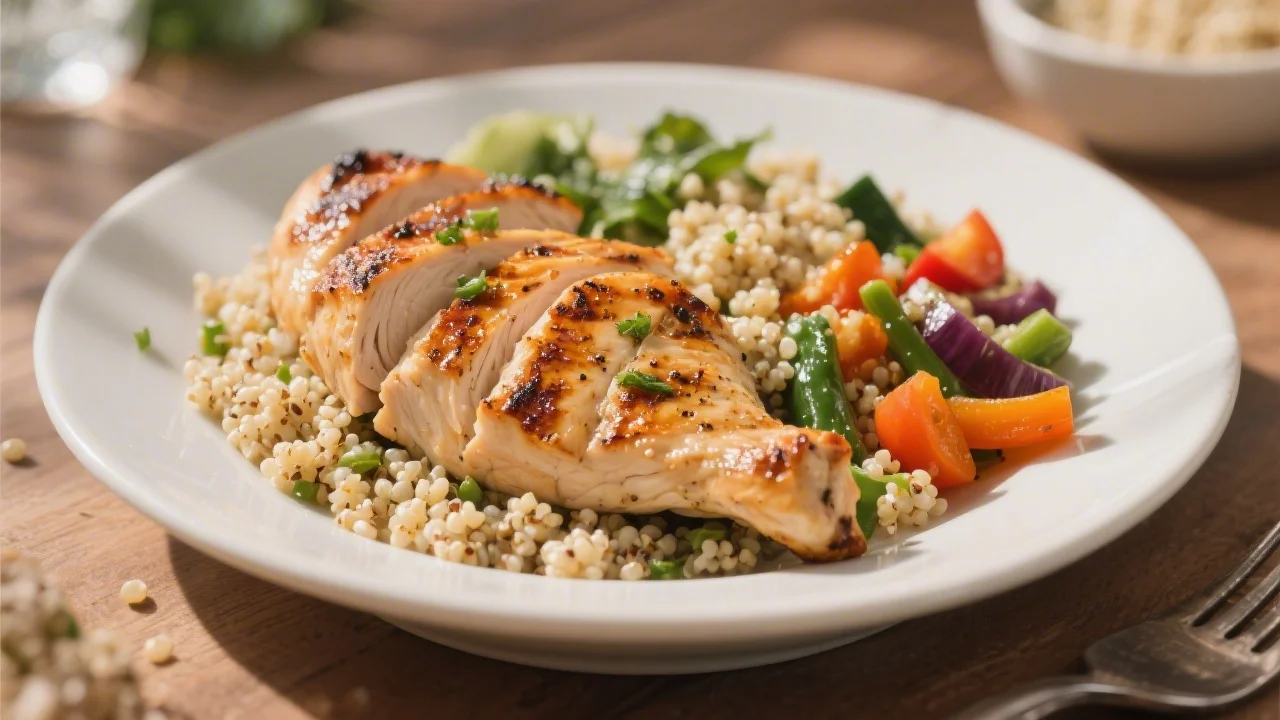
- Chicken Breast/Lean Meats: Excellent sources of complete protein, ideal for a solid meal.
- Fish (Salmon, Tuna): Not only protein-rich but also provides beneficial omega-3 fatty acids.
- Greek Yogurt/Cottage Cheese: Combination of whey and casein, offering both immediate and sustained amino acid release.
- Legumes/Plant-Based Proteins (Tofu, Tempeh, Lentils): Good options for vegetarians/vegans, often best combined to ensure a complete amino acid profile.
For those looking to gain muscle, a higher protein intake throughout the day (e.g., 1.6-2.2 grams per kg of body weight) is often recommended, with post-workout protein being a key component of this strategy.
Carbohydrates: Fueling Your Next Session
While protein gets a lot of attention, carbohydrates are equally vital for post-workout recovery, especially after intense or prolonged exercise. Their primary role is to replenish muscle glycogen stores, which are the body's main source of energy during activity.
Why Carbs are Essential:
- Glycogen Replenishment: During exercise, your body uses stored glycogen for fuel. Replenishing these stores quickly is crucial for energy levels, preventing fatigue, and preparing your muscles for the next workout.
- Insulin Response: Carbohydrate intake stimulates insulin release, an anabolic hormone that helps shuttle nutrients (including amino acids from protein) into muscle cells, further aiding recovery and muscle protein synthesis.
- Performance for Future Workouts: Adequate glycogen stores ensure you have the energy to perform well in subsequent training sessions.
How Many Carbs Do You Need?
The amount of carbohydrates needed post-workout varies significantly based on the type and duration of your exercise. For general strength training, a 1:1 or 2:1 ratio of carbs to protein might suffice. For endurance athletes or those with multiple daily sessions, a 3:1 or even 4:1 ratio may be necessary to rapidly refill glycogen.
Aim for 0.5-1.0 grams of carbohydrates per kg of body weight post-workout, adjusting based on your activity level and goals.
Best Carb Sources for Recovery:
Focus on easily digestible, moderate to high glycemic index carbohydrates immediately post-workout to speed up glycogen replenishment. As part of a larger meal, include complex carbohydrates.
- Simple Carbs (Fast-Digesting):
- Fruits (bananas, berries)
- Fruit juice
- White rice
- Potatoes (white, sweet)
- Oats (quick-cooking)
- Rice cakes
- Complex Carbs (Sustained Energy):
- Whole-grain bread/pasta
- Brown rice
- Quinoa
- Starchy vegetables (corn, peas)
A combination of simple and complex carbohydrates can be ideal, providing both immediate and sustained energy replenishment.

Fats & Micronutrients: Often Overlooked, Always Essential
While protein and carbohydrates take center stage in post-workout nutrition, healthy fats and a spectrum of micronutrients (vitamins and minerals) play crucial supporting roles in the recovery process.
Healthy Fats: The Supporting Cast
Contrary to popular belief, fats are not the enemy of recovery. However, their timing and type are important. While a large amount of fat immediately post-workout can slow down digestion and nutrient absorption, a moderate amount of healthy fats in your recovery meal contributes to overall health and can aid in long-term recovery.
- Reduced Inflammation: Omega-3 fatty acids (found in fatty fish, flaxseeds, chia seeds, walnuts) are powerful anti-inflammatory agents, which can help mitigate exercise-induced inflammation and muscle soreness.
- Hormone Production: Dietary fats are essential for the production of hormones, including those vital for muscle growth and repair.
- Vitamin Absorption: Fats are necessary for the absorption of fat-soluble vitamins (A, D, E, K), many of which have roles in immune function and tissue repair.
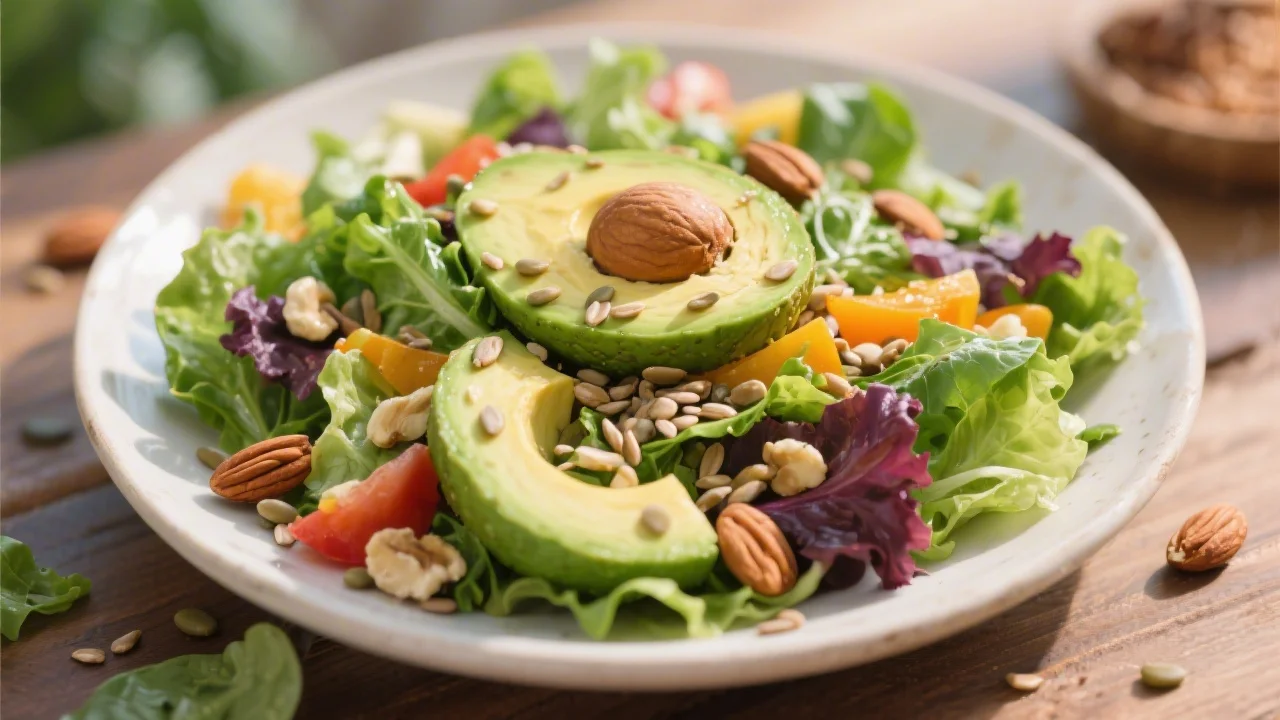
Good Sources of Healthy Fats: Avocados, nuts, seeds, olive oil, fatty fish (salmon, mackerel), nut butters.
Micronutrients: The Invisible Workers
Vitamins and minerals are often overlooked but are absolutely essential for countless bodily functions, including those critical for recovery and performance. Intense exercise can deplete certain micronutrients, making their replenishment vital.
- Antioxidants (Vitamins C & E, Selenium): Help combat oxidative stress caused by intense exercise, reducing cell damage and inflammation. Found in fruits, vegetables, nuts, and seeds.
- B Vitamins: Crucial for energy metabolism, helping your body convert food into usable energy. Found in whole grains, lean meats, eggs, and leafy greens.
- Magnesium: Involved in muscle function, nerve transmission, and energy production. Helps with muscle relaxation and can reduce cramps. Found in leafy greens, nuts, seeds, legumes, and whole grains.
- Zinc: Important for immune function, protein synthesis, and wound healing. Found in red meat, poultry, beans, nuts, and dairy.
- Iron: Essential for oxygen transport in the blood, crucial for energy and endurance. Found in red meat, spinach, lentils, and fortified cereals.
The best way to ensure adequate micronutrient intake is to consume a wide variety of whole, unprocessed foods. Don't rely solely on supplements; prioritize nutrient-dense foods in your post-workout meal and throughout your day.
Hydration: The Unsung Hero of Recovery
It's easy to focus solely on food, but proper hydration is an equally, if not more, critical component of post-workout recovery. During exercise, especially intense or prolonged sessions, you lose significant amounts of fluid and electrolytes through sweat. Failing to rehydrate adequately can severely impair recovery, performance, and overall health.
Why Hydration is Essential:
- Nutrient Transport: Water is the medium through which nutrients (like those protein and carbs you just ate!) are transported to your cells, including your recovering muscles.
- Temperature Regulation: Helps regulate body temperature, preventing overheating.
- Joint Lubrication: Essential for healthy joints and connective tissues.
- Waste Removal: Aids in flushing out metabolic byproducts of exercise.
- Prevents Fatigue & Cramps: Dehydration is a major cause of fatigue and muscle cramps.
How Much Fluid Do You Need?
A good rule of thumb is to aim to replace 125-150% of the fluid lost during exercise. While weighing yourself before and after a workout provides the most accurate measure of fluid loss, a simpler approach is to drink consistently throughout the day and ensure significant intake post-workout.
For every pound of body weight lost during exercise, aim to drink 16-24 ounces (approximately 0.5-0.7 liters) of fluid.
Beyond Water: Electrolytes
For workouts lasting longer than 60 minutes, or in hot and humid conditions, simply drinking water might not be enough. You also lose electrolytes (sodium, potassium, magnesium, calcium) through sweat, which are vital for nerve function, muscle contractions, and fluid balance.
Sources of Electrolytes:
- Sports Drinks: Designed to provide both carbohydrates and electrolytes. Choose options with lower sugar content if possible.
- Coconut Water: A natural source of potassium and other electrolytes.
- Electrolyte Tablets/Powders: Can be added to water.
- Salty Snacks: Pretzels, nuts, or a pinch of salt in your recovery meal can help replenish sodium.
- Fruits & Vegetables: Bananas (potassium), leafy greens (magnesium), and dairy (calcium) contribute to electrolyte balance.
Start rehydrating as soon as your workout is complete and continue sipping fluids over the next few hours. Pay attention to the color of your urine – a pale yellow indicates good hydration, while dark yellow suggests you need more fluids.

Crafting Your Ideal Post-Workout Meal with FitFlow
Understanding the science is one thing; putting it into practice is another. This is where FitFlow becomes an invaluable tool, simplifying the process of optimizing your post-workout nutrition and ensuring you hit all the right recovery notes.
1. Instant Nutrition Insights with AI Food Scanning
No more guessing games about what's in your post-workout snack. With FitFlow's revolutionary AI Food Scanning & Nutrition Tracking, you can:
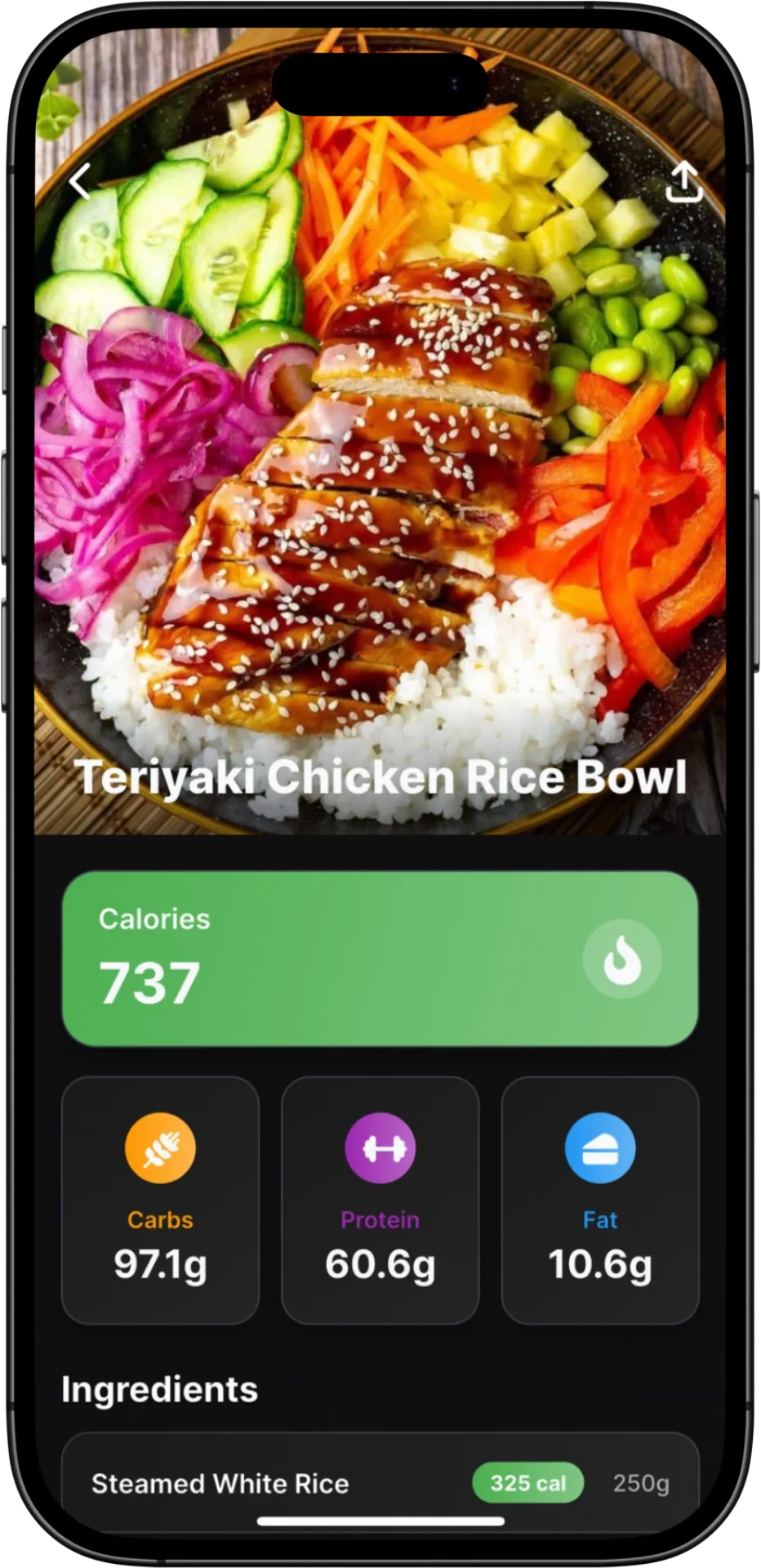
- Snap a Meal Photo: Just take a picture of your post-workout meal or snack. FitFlow instantly recognizes 2M+ foods and provides an immediate breakdown of calories, protein, carbs, and fats. This is up to 5x faster than manual logging, automating 80% of your food tracking.
- Barcode Scanning: For packaged recovery shakes or bars, use the barcode scanner for 95%+ accurate nutrition data from a database of 14M+ items.
- Quick-Add & Favorites: If you have go-to recovery meals, save them as favorites or use quick-add with auto-fill for lightning-fast logging.
This means you can quickly verify if your post-workout fuel is providing the ideal protein-to-carb ratio without tedious manual entry.
2. Tailored Recovery with Custom Meal Plans & Recipe Builder
Whether your goal is muscle gain or weight management, FitFlow helps you build recovery meals that align with your objectives:
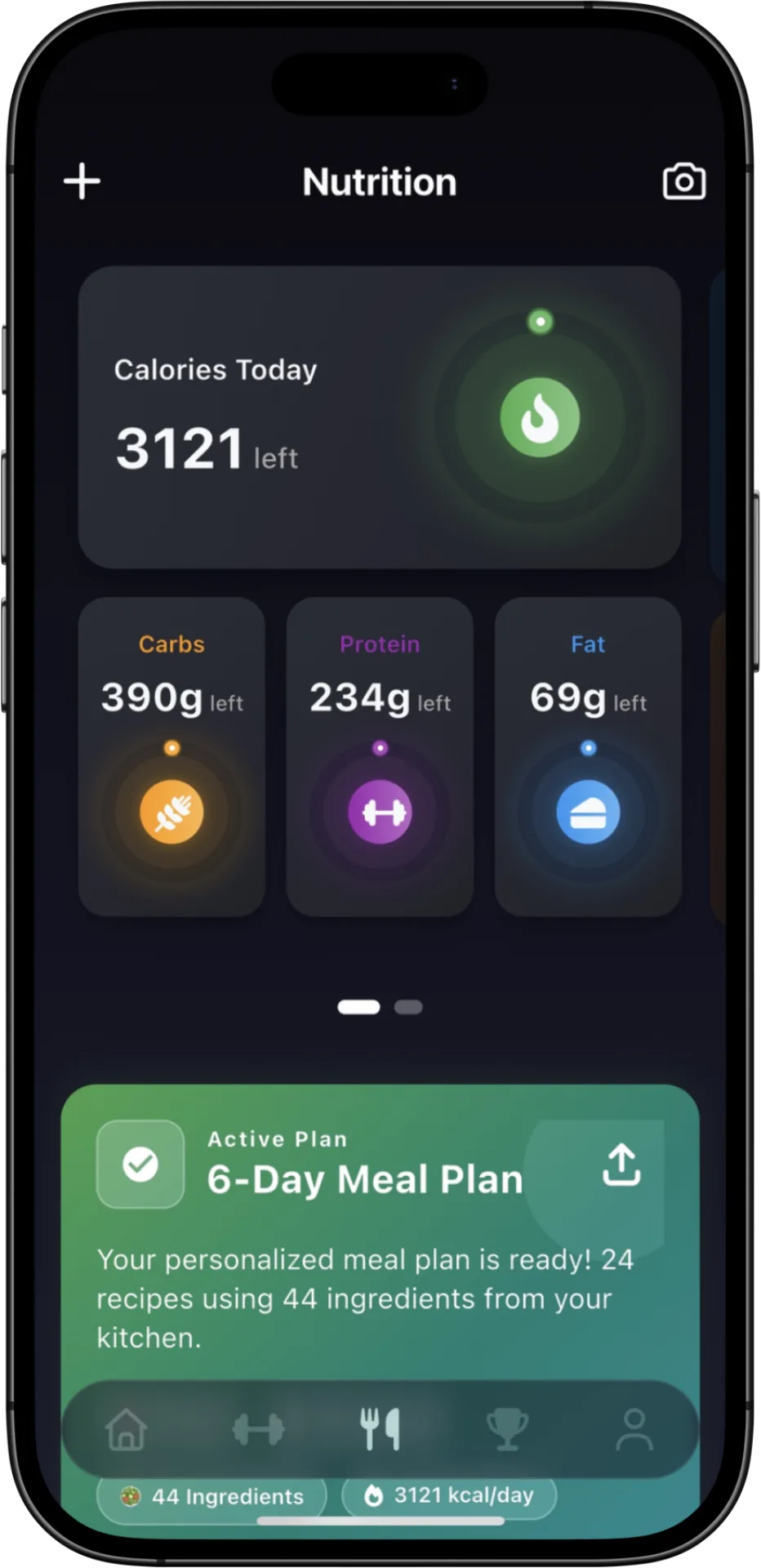
- Custom Meal Plans: FitFlow offers custom meal plans tailored to weight loss or muscle gain goals, ensuring your post-workout nutrition fits into your broader dietary strategy. It also supports dietary preferences like vegetarian, vegan, keto, paleo, and gluten-free.
- Recipe Builder: Making your own recovery smoothie or a balanced post-workout dinner? Use FitFlow's recipe builder for homemade meals to get full nutritional breakdowns. You can experiment with ingredients and see their impact on your macros before you even eat.
- Allergen & Restriction Marking: Easily mark allergens and dietary restrictions to ensure your recovery meals are safe and suitable for you.
3. Monitor Progress & Hydration
FitFlow doesn't just help you track what you eat; it helps you understand the impact of your nutrition on your overall progress:
- Detailed Nutrition Analytics: Review detailed fitness and nutrition analytics with progress charts. See how your daily protein and carb intake correlates with your muscle gain or recovery over time.
- Water Intake Monitoring: Don't forget hydration! Use the water intake monitoring feature to ensure you're replenishing fluids and electrolytes effectively post-workout.
By using FitFlow, you move beyond guesswork, transforming your post-workout nutrition into a precise, data-driven strategy for optimal recovery and performance.
Putting It All Together: Sample Post-Workout Meals
Now that we understand the science and how FitFlow can help, let's look at some practical examples of balanced post-workout meals and snacks that incorporate protein, carbohydrates, and healthy fats.
1. The Classic Recovery Smoothie (Liquid Fuel)
- Ingredients: 1 scoop whey protein powder, 1 banana (carbs), 1 cup berries (carbs, antioxidants), 1 tbsp almond butter (healthy fats), 1 cup unsweetened almond milk or water.
- Why it works: Quick digestion, high in fast-absorbing protein and simple carbs for glycogen replenishment. Almond butter adds healthy fats without slowing digestion too much.
2. Greek Yogurt with Fruit and Granola
- Ingredients: 1 cup plain Greek yogurt (protein, casein & whey), 1/2 cup mixed berries (carbs, antioxidants), 1/4 cup low-sugar granola (carbs), drizzle of honey (fast carbs).
- Why it works: Excellent protein source with both fast and slow-digesting proteins. Fruits provide simple sugars and antioxidants, while granola adds complex carbs.
3. Chicken Breast, Sweet Potato, and Steamed Veggies
- Ingredients: 4-6 oz grilled chicken breast (lean protein), 1 medium baked sweet potato (complex carbs, vitamins), 1 cup steamed broccoli or asparagus (fiber, micronutrients).
- Why it works: A complete, balanced meal for more intense workouts. Provides sustained energy and ample protein for repair.
4. Salmon with Quinoa and Avocado
- Ingredients: 4-6 oz baked salmon (protein, omega-3 fats), 1 cup cooked quinoa (complex carbs, protein), 1/2 avocado (healthy fats, potassium).
- Why it works: Combines high-quality protein with anti-inflammatory omega-3s and complex carbohydrates.
5. Scrambled Eggs on Whole-Wheat Toast with Avocado
- Ingredients: 3-4 scrambled eggs (complete protein), 2 slices whole-wheat toast (complex carbs), 1/4 avocado (healthy fats).
- Why it works: Eggs are a fantastic, versatile protein source. Whole-wheat toast provides sustained energy, and avocado adds healthy fats.
Remember to adjust portion sizes based on your individual caloric and macronutrient needs, which FitFlow can help you track and optimize. Don't forget to pair these meals with plenty of water or an electrolyte drink to ensure full rehydration!

Conclusion: Fuel Your Body, Maximize Your Gains
Post-workout nutrition is not just an optional add-on; it's an integral part of your fitness journey. By prioritizing the right balance of protein, carbohydrates, and healthy fats, along with consistent hydration, you empower your body to repair, rebuild, and come back stronger for your next challenge.
Understanding the science behind muscle protein synthesis and glycogen replenishment allows you to make informed choices, moving beyond guesswork to a strategic approach to fueling your body. While the "anabolic window" might not be as rigid as once thought, consistency in nutrient timing within a few hours post-exercise remains a smart strategy for optimal recovery.
Embrace whole, nutrient-dense foods, listen to your body's signals, and leverage powerful tools like FitFlow to streamline your nutrition tracking. With FitFlow's AI Food Scanning, custom meal plans, and detailed analytics, you can effortlessly ensure your post-workout fuel is perfectly aligned with your fitness goals.
Invest in your recovery, and you'll invest in your progress. Fuel smart, train hard, and unlock your full potential.

Sources & References
- The effect of protein timing on muscle strength and hypertrophy: a meta-analysis — Schoenfeld BJ, Aragon AA, Krieger JW (2013)
- Whey Protein Supplementation Combined with Exercise on Muscle Protein Synthesis and the AKT/mTOR Pathway in Healthy Adults: A Systematic Review and Meta-Analysis — Ji X, Ye X, Ji S (2025)

FitFlow Editorial Team
Fitness & Nutrition Editorial TeamCertified personal trainers & nutrition coaches
The FitFlow Editorial Team is a group of certified personal trainers, nutrition coaches, and fitness writers who translate exercise science and nutrition research into practical, actionable guidance. Every article is grounded in peer-reviewed sources and reviewed for accuracy before publishing.
Frequently Asked Questions
Who is this guide for?
This guide is for anyone focused on nutrition and looking for practical, sustainable progress.
How quickly can I apply these recommendations?
Most recommendations are designed for immediate implementation. Start with one change today, then layer improvements weekly.
How does FitFlow support this strategy?
FitFlow supports execution with AI-powered meal tracking, workout planning, and progress analytics that help you stay consistent.