Understanding Food Labels: What to Look For and What to Ignore
Reviewed by the fitness & nutrition editorial team · Certified personal trainers & nutrition coaches

The Basics: Why Food Labels Matter for Your Health Journey
In a world overflowing with dietary advice and endless product options, the humble food label remains one of your most powerful tools for informed eating. Far from being just a formality, these labels are a window into the nutritional composition of what you consume, offering vital data that can directly impact your health, energy levels, and fitness goals.
For decades, food manufacturers have been required to provide detailed information about their products. This transparency is designed to empower consumers, helping us make choices that align with our personal health objectives, whether that's weight management, muscle gain, managing chronic conditions, or simply eating more nutritiously. However, the sheer volume of information, coupled with often confusing terminology and marketing tactics, can make interpreting these labels feel like deciphering a secret code.
"Understanding food labels isn't just about counting calories; it's about understanding the quality of the fuel you put into your body."
Ignoring food labels means missing out on critical insights into hidden sugars, unhealthy fats, excessive sodium, and crucial micronutrients. It's like driving without a dashboard – you might get where you're going, but you won't know how much fuel you have left or if your engine is healthy. By learning to effectively read and interpret these labels, you gain control over your diet, allowing you to make intentional choices that support your well-being and accelerate your progress towards a healthier you.

Decoding the Nutrition Facts Panel: Your Essential Guide
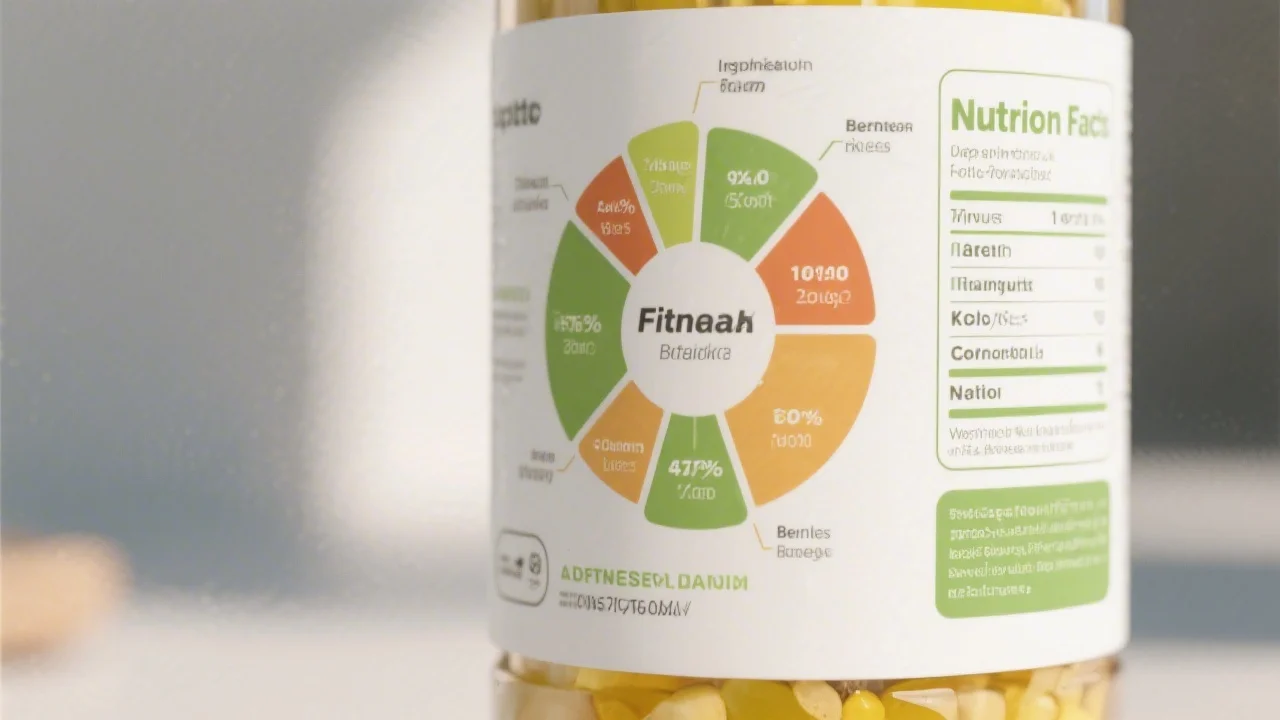
The Nutrition Facts panel is the heart of any food label, offering a standardized breakdown of a product's nutritional content. To truly understand what you're eating, you need to know how to navigate this panel effectively.
Serving Size and Servings Per Container
This is often the most overlooked yet critical piece of information. The serving size dictates the amount of food for which all other nutritional values are listed. Pay close attention to the "servings per container" as well. If you eat the entire package, you need to multiply all nutrient values by the number of servings. Many people unknowingly consume two or three times the stated serving, drastically increasing their calorie and nutrient intake.
Calories
Calories represent the energy content of the food. While not the only factor, managing your calorie intake is fundamental for weight loss or gain. Remember that the calorie count is per serving, so adjust based on how much you actually eat.
Macronutrients: Fat, Carbohydrates, and Protein
- Total Fat: Aim for products lower in total fat, especially saturated and trans fats. Trans fats, often listed as "partially hydrogenated oil" in the ingredient list, should be avoided entirely due to their detrimental impact on heart health. Saturated fat should be consumed in moderation.
- Cholesterol: While dietary cholesterol's impact on blood cholesterol is less clear-cut than once thought, it's still wise to monitor intake, especially if you have existing heart conditions.
- Sodium: High sodium intake is linked to high blood pressure. Many processed foods are loaded with sodium, so aim for products with lower percentages of the Daily Value, especially if you're watching your blood pressure.
- Total Carbohydrates: This includes sugars, starches, and fiber. Focus on the quality of carbohydrates.
- Dietary Fiber: Fiber is crucial for digestive health, satiety, and blood sugar control. Aim for foods with higher fiber content.
- Total Sugars and Added Sugars: This is a key area. "Total Sugars" includes naturally occurring sugars (like in fruit and milk) and added sugars. "Added Sug Sugars" are the ones to minimize. The Dietary Guidelines for Americans recommend limiting added sugars to less than 10% of your daily calories.
- Protein: Essential for muscle repair, growth, and satiety. Look for products that offer a good amount of protein, especially if you're focused on strength training or muscle gain.
% Daily Value (DV)
The %DV provides a quick reference for how much a nutrient in one serving contributes to a total daily diet of 2,000 calories. As a general rule: 5% DV or less is low (good for sodium, saturated fat, cholesterol), and 20% DV or more is high (good for fiber, vitamins, minerals).
Beyond the Panel: The Ingredient List Unpacked
While the Nutrition Facts panel gives you the numbers, the ingredient list tells you the story of what's actually in your food. This section is crucial for understanding the quality and processing level of a product.
The Order Matters: Most to Least
Ingredients are listed in descending order by weight. This means the first few ingredients make up the largest proportion of the product. If sugar, unhealthy oils, or refined grains are among the first three ingredients, it's a strong indicator that the food might not be the healthiest choice.
Spotting Hidden Sugars
Food manufacturers are masters of disguise when it comes to sugar. They often use multiple forms of sugar, each listed separately, to keep "sugar" from appearing as the first ingredient. Look out for terms like:
- High-fructose corn syrup
- Corn syrup solids
- Dextrose, maltose, sucrose, glucose, fructose
- Evaporated cane juice, cane sugar
- Malt syrup, rice syrup, brown rice syrup
- Honey, maple syrup, agave nectar
If you see several of these listed, the product likely contains a significant amount of added sugar, even if "sugar" itself isn't at the top.
Identifying Unhealthy Fats
Beyond saturated fat, keep an eye out for trans fats, which are often listed as "partially hydrogenated oil" or "hydrogenated oil" in the ingredient list. Even if the Nutrition Facts panel states "0g Trans Fat," products can legally claim this if they contain less than 0.5g per serving. If partially hydrogenated oil is on the ingredient list, trans fats are present, and it's best to avoid.
Navigating Additives, Preservatives, and Artificial Ingredients
The ingredient list can also reveal a host of artificial colors, flavors, and preservatives. While many are deemed safe in small amounts, a diet rich in whole, unprocessed foods naturally minimizes exposure to these. If you see a long list of unpronounceable chemicals, it's a sign of a highly processed food. Opt for products with shorter ingredient lists composed of recognizable, whole food items whenever possible.
"A short ingredient list with recognizable foods is often a sign of a healthier product."

Navigating Health Claims and Marketing Buzzwords: What to Ignore
The front of food packaging is prime real estate for marketing, often adorned with catchy claims designed to grab your attention and influence your purchasing decisions. While some claims are regulated, many are simply buzzwords that can distract you from the actual nutritional content.
Common Marketing Buzzwords and Their Real Meaning:
- "Natural": This term is largely unregulated and doesn't necessarily mean the food is healthy or minimally processed. It often just implies that the product doesn't contain artificial flavors, colors, or preservatives, but it can still be high in sugar or unhealthy fats.
- "Organic": This claim refers to how the food was produced (e.g., without synthetic pesticides or fertilizers, antibiotics, or growth hormones). While it can indicate a higher quality product, "organic" doesn't automatically mean low calorie or low sugar. An organic cookie is still a cookie.
- "Light" or "Lite": For this claim to be used, the product must have 50% less fat or one-third fewer calories than the original product. However, sometimes reducing fat means increasing sugar or sodium to maintain flavor. Always check the full nutrition panel.
- "Sugar-Free": This means less than 0.5g of sugar per serving. However, it often means artificial sweeteners or sugar alcohols have been added, which can have their own health implications for some individuals.
- "Fat-Free": Similar to "sugar-free," this means less than 0.5g of fat per serving. Removing fat often leads to increased sugar, sodium, or artificial ingredients to compensate for taste and texture.
- "Gluten-Free": Important for individuals with celiac disease or gluten sensitivity, but it doesn't automatically make a food healthy. Many gluten-free products are highly processed and can be high in refined carbs, fats, and sugars.
- "Healthy": This term is regulated by the FDA, requiring foods to meet specific criteria for fat, saturated fat, cholesterol, and sodium, and contain beneficial nutrients. However, always verify by checking the full label.
"Don't let the front-of-package claims dictate your choices. Always flip the package and read the Nutrition Facts and Ingredient List."
The bottom line is that while marketing claims can be a starting point, they should never be your sole guide. Always turn the package over and consult the Nutrition Facts panel and the ingredient list to get the full, unbiased picture of what you're buying.

FitFlow's Role in Label Literacy & Smart Choices
Understanding food labels is a powerful skill, but it can be time-consuming and sometimes overwhelming. This is where FitFlow steps in, leveraging cutting-edge AI technology to simplify nutrition tracking and empower you to make smarter, faster dietary decisions.
Instant Nutrition Insights with AI Food Scanning
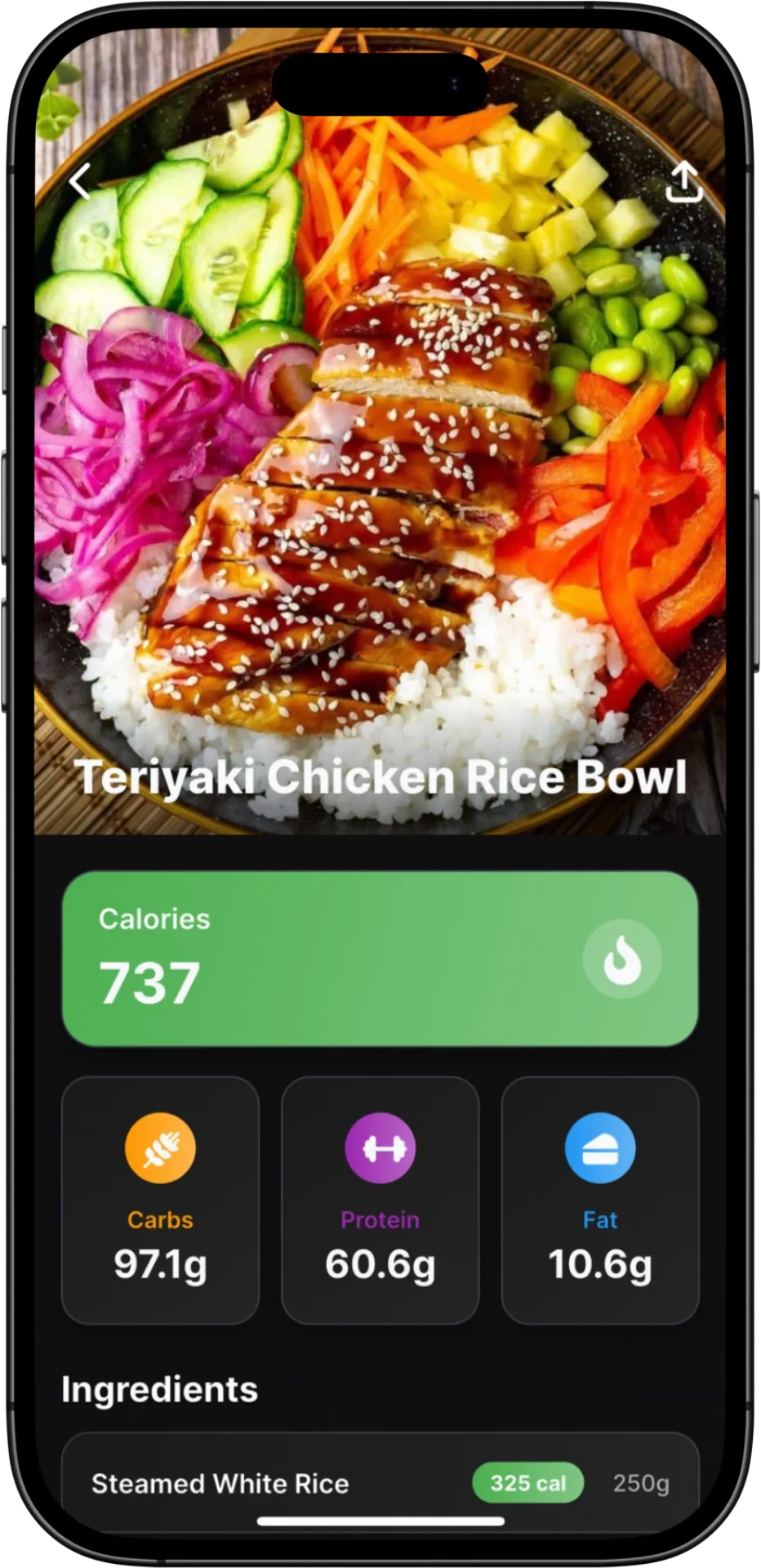
Imagine being able to get the full nutritional breakdown of your meal without manually searching databases or squinting at tiny labels. With FitFlow's revolutionary AI Food Scanning, you can simply snap a photo of your meal for instant calorie counting and macro breakdowns (protein, carbs, fats). Our AI recognizes over 2 million foods from photos, giving you immediate nutrition insights, whether it's a complex restaurant dish or a homemade creation. This feature drastically cuts down the time spent deciphering labels, automating 80% of food logging and making it up to 5x faster than manual methods.
Precision Tracking for Packaged Foods
For packaged goods, FitFlow offers unparalleled accuracy. Our robust database of over 14 million items ensures 95%+ accuracy for packaged foods via barcode scanning. No more guessing or manually inputting obscure brand names. Just scan the barcode, and FitFlow instantly pulls up comprehensive nutritional data, including detailed macro and micronutrient information, mirroring exactly what you'd find on the label, but in an easy-to-read format.
Tailored Meal Planning and Recipe Building
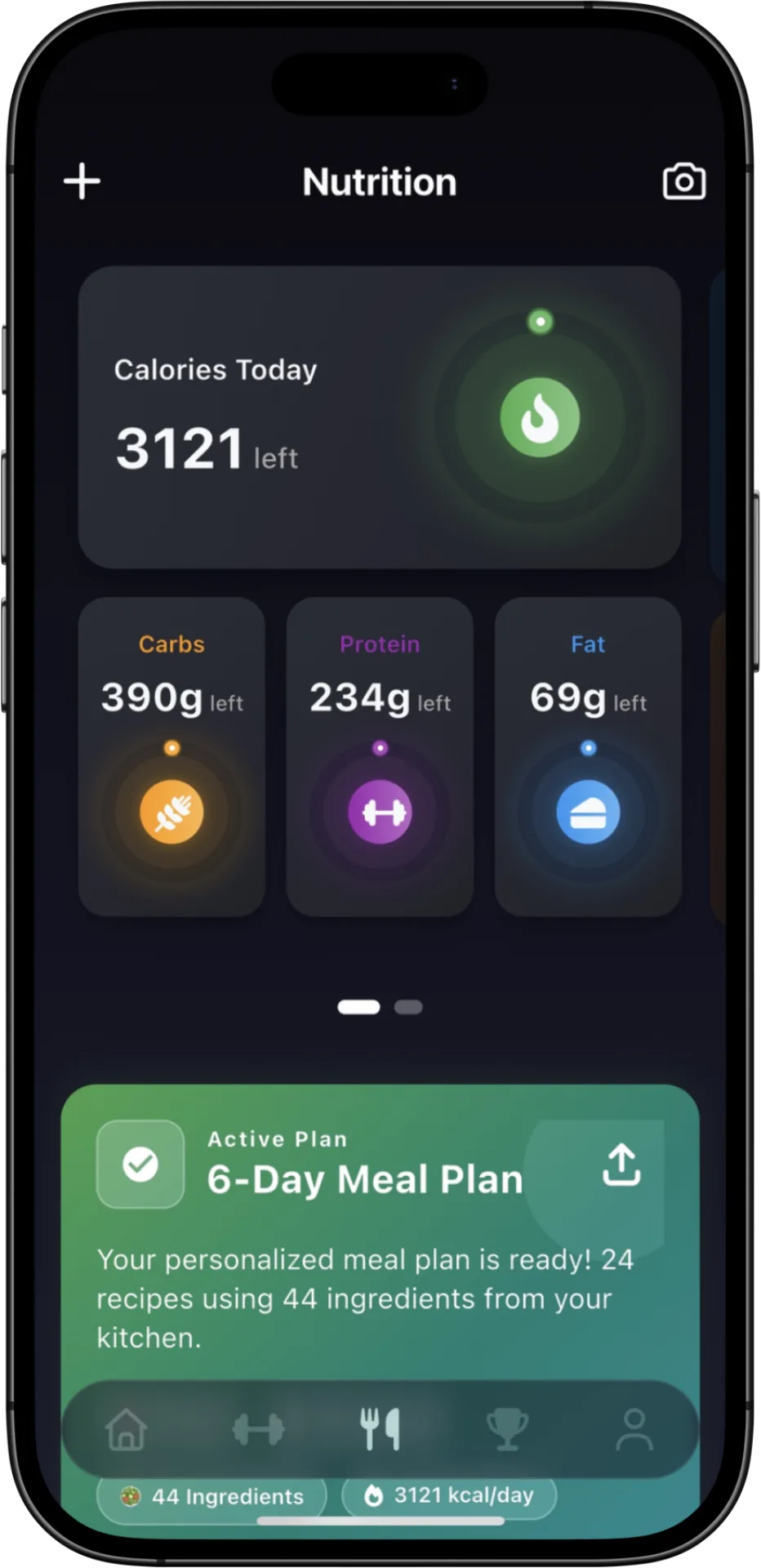
Beyond just tracking, FitFlow helps you apply your label literacy to your entire diet. Our app allows you to create custom meal plans tailored to your weight loss or muscle gain goals, supporting various dietary preferences like vegetarian, vegan, keto, paleo, and gluten-free. For those who love to cook, the recipe builder for homemade meals provides full nutritional breakdowns, so you know exactly what's going into your body before you even start cooking. This means you can create your own healthy meals with the same nutritional transparency you'd expect from a packaged product.
Managing Allergens and Dietary Restrictions with Ease
For individuals with specific health needs, FitFlow's allergen and dietary restriction marking is invaluable. You can mark your allergens, and the app will help you keep track, making sure your food choices align with your health requirements and helping you avoid ingredients that might not be explicitly highlighted on a standard food label.
By integrating these powerful features, FitFlow transforms the complex task of food label interpretation into an effortless part of your daily routine, allowing you to focus more on enjoying your food and less on decoding its contents.
Practical Strategies for Smart Grocery Shopping
Armed with your newfound label-reading prowess, the grocery store transforms from a daunting challenge into an opportunity for informed, healthy choices. Here are practical strategies to make your next shopping trip a success:
Plan Before You Shop
A well-planned grocery list is your first line of defense against impulse buys and unhealthy choices. Before heading to the store, plan your meals for the week. This allows you to identify exactly what ingredients you need, reducing the likelihood of purchasing items with undesirable labels. Consider using FitFlow's custom meal planning feature to generate a healthy shopping list tailored to your goals.
Shop the Perimeter
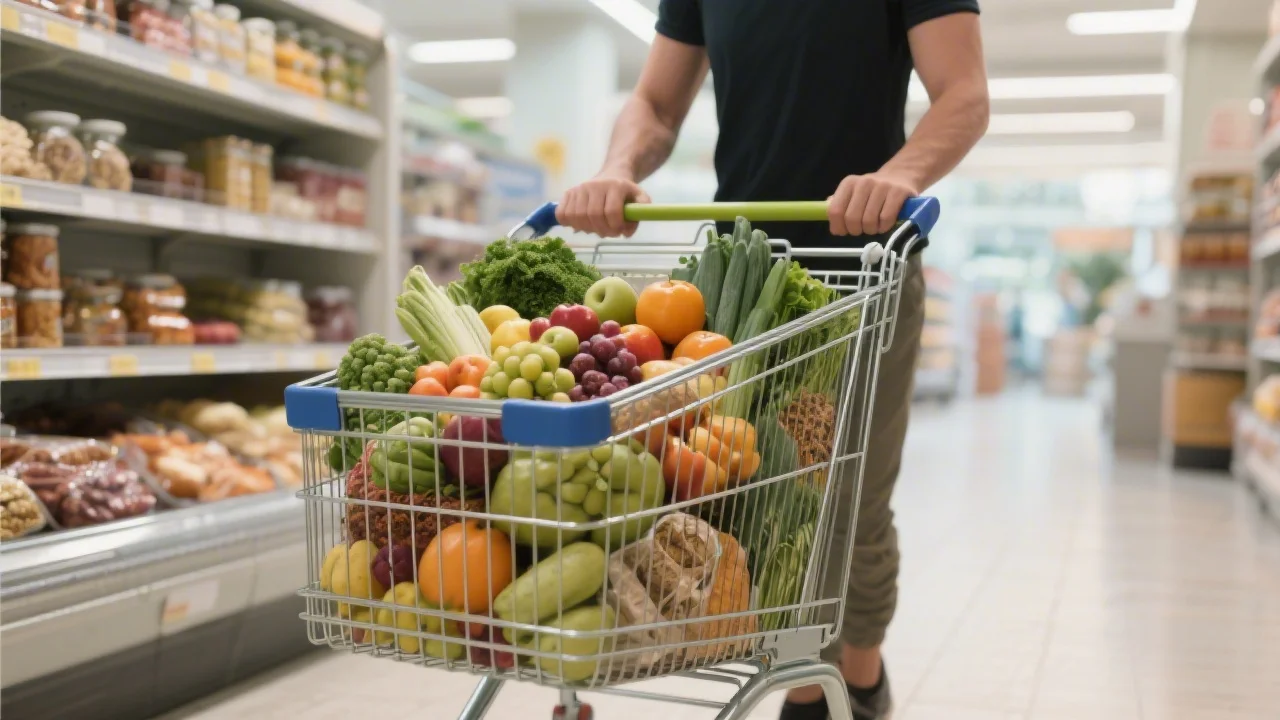
The freshest, least processed foods – fruits, vegetables, lean meats, dairy, and eggs – are typically found around the perimeter of the grocery store. The inner aisles are often where processed, packaged foods with complex labels reside. Prioritize filling your cart with whole, single-ingredient foods from the outer edges before venturing inward.
Compare and Contrast
Don't just grab the first item that catches your eye. Take a moment to compare similar products. For example, when buying yogurt, compare brands for their added sugar content, protein levels, and ingredient lists. You might find that a slightly more expensive brand offers significantly better nutritional value.
Focus on Whole, Unprocessed Foods
The best way to avoid confusing labels altogether is to choose foods that don't need them. Fresh fruits, vegetables, whole grains, and lean proteins are inherently healthy and come with their own natural "labels" – their vibrant colors, textures, and natural forms. The more you incorporate these into your diet, the less you'll rely on deciphering complex ingredient lists.
"Your shopping cart is a reflection of your health goals. Fill it with intention, not impulse."
Don't Shop Hungry
Shopping on an empty stomach is a recipe for disaster. Hunger can lead to poor decision-making, making you more susceptible to the allure of unhealthy snacks and processed foods that might otherwise be ignored. Have a healthy snack before you head to the store to keep your cravings in check.
Empowering Your Nutritional Journey for Lasting Health
Mastering the art of understanding food labels is a fundamental step in taking control of your health and achieving your fitness aspirations. It transforms you from a passive consumer into an active participant in your nutritional journey. No longer will you be swayed by misleading marketing claims or ignorant of hidden ingredients. Instead, you'll be able to make confident, informed decisions that truly nourish your body.
Remember, this isn't about becoming a nutrition obsessive, but rather about building awareness and developing smart habits. Start small: focus on one or two key areas, like added sugars or saturated fats, and gradually expand your knowledge. Over time, deciphering labels will become second nature, allowing you to quickly identify the best options for your unique needs.
"Every meal is an opportunity to nourish your body. Make each choice count."
The journey to optimal health is continuous, and tools like FitFlow are designed to be your steadfast companion. By combining your newfound label literacy with FitFlow's powerful features – from AI-powered food scanning and precise barcode tracking to personalized meal plans and progress analytics – you have everything you need to navigate the world of food with clarity and confidence. Empower yourself with knowledge, make smarter choices, and watch as your body transforms and your well-being flourishes.

Sources & References

FitFlow Editorial Team
Fitness & Nutrition Editorial TeamCertified personal trainers & nutrition coaches
The FitFlow Editorial Team is a group of certified personal trainers, nutrition coaches, and fitness writers who translate exercise science and nutrition research into practical, actionable guidance. Every article is grounded in peer-reviewed sources and reviewed for accuracy before publishing.
Frequently Asked Questions
Who is this guide for?
This guide is for anyone focused on nutrition and looking for practical, sustainable progress.
How quickly can I apply these recommendations?
Most recommendations are designed for immediate implementation. Start with one change today, then layer improvements weekly.
How does FitFlow support this strategy?
FitFlow supports execution with AI-powered meal tracking, workout planning, and progress analytics that help you stay consistent.