Conquer Stress Eating: Your Path to Mindful Nourishment
Reviewed by the fitness & nutrition editorial team · Certified personal trainers & nutrition coaches

The Vicious Cycle of Stress Eating
In our fast-paced world, stress is an undeniable part of life. While a healthy amount of stress can be a motivator, chronic stress often manifests in unhealthy coping mechanisms, one of the most common being stress eating. This isn't just about reaching for a comfort food occasionally; for many, it's a deeply ingrained pattern where food becomes an emotional crutch, offering temporary relief from anxiety, sadness, boredom, or overwhelm.
The science behind stress eating is complex. When stressed, our bodies release cortisol, the 'stress hormone,' which can increase appetite, particularly for high-calorie, high-sugar foods. These foods trigger a surge of feel-good neurotransmitters like dopamine, creating a fleeting sense of comfort and reward. However, this relief is short-lived, often replaced by guilt, shame, and further stress about weight gain or unhealthy habits, perpetuating a self-defeating cycle.
Key Insight: Stress eating is often a misguided attempt to self-soothe. Understanding this underlying emotional connection is the first step toward breaking the cycle and finding healthier ways to manage your feelings.
Breaking free from stress eating requires more than just willpower; it demands self-awareness, strategic planning, and a commitment to nurturing both your physical and emotional well-being. It's about learning to distinguish between physical hunger and emotional hunger, and developing a robust toolkit of non-food coping mechanisms. This guide will walk you through practical strategies, supported by FitFlow's intelligent features, to help you regain control over your eating habits and foster a healthier relationship with food.

Decoding Your Stress Eating Triggers
Before you can stop stress eating, you need to understand why you do it. Identifying your specific triggers is crucial for developing targeted strategies. Stress eating isn't always about major life crises; it can be sparked by everyday annoyances, workplace pressure, relationship conflicts, or even simple boredom or fatigue.
Common Emotional Triggers:
- Anxiety: Feeling overwhelmed, nervous, or worried.
- Sadness/Loneliness: Seeking comfort or companionship through food.
- Boredom: Eating to fill a void or pass the time.
- Anger/Frustration: Using food to suppress or distract from intense emotions.
- Fatigue: Mistaking tiredness for hunger, or seeking an energy boost from sugar.
Physical/Environmental Triggers:
- Lack of Sleep: Disrupts hunger hormones (ghrelin and leptin), leading to increased cravings.
- Skipping Meals: Leads to extreme hunger, making you more prone to overeating or choosing unhealthy options.
- Availability of Unhealthy Foods: If tempting snacks are always within reach, they become an easy target during stressful moments.
- Social Settings: Peer pressure or specific social situations can trigger overeating.
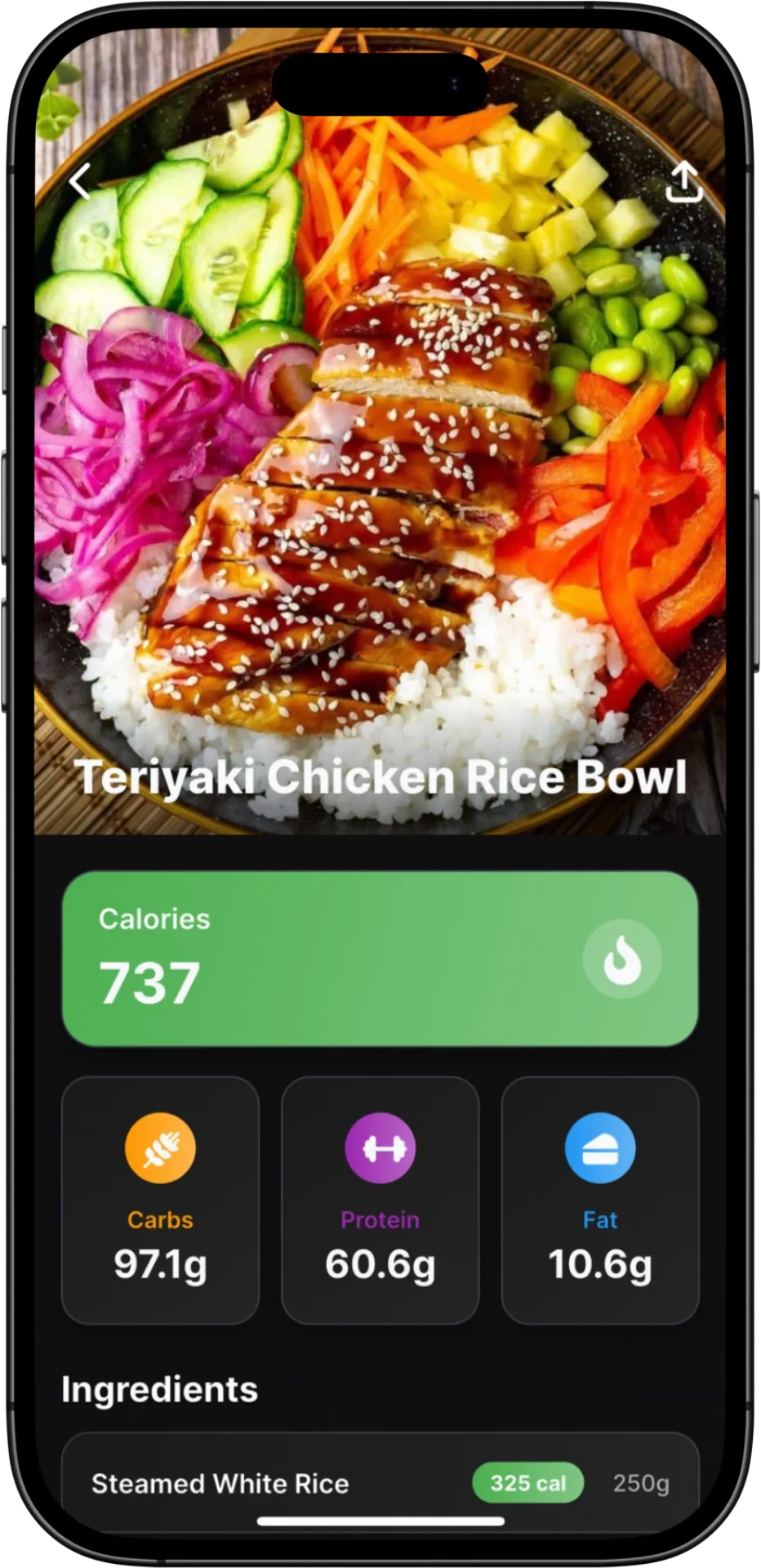
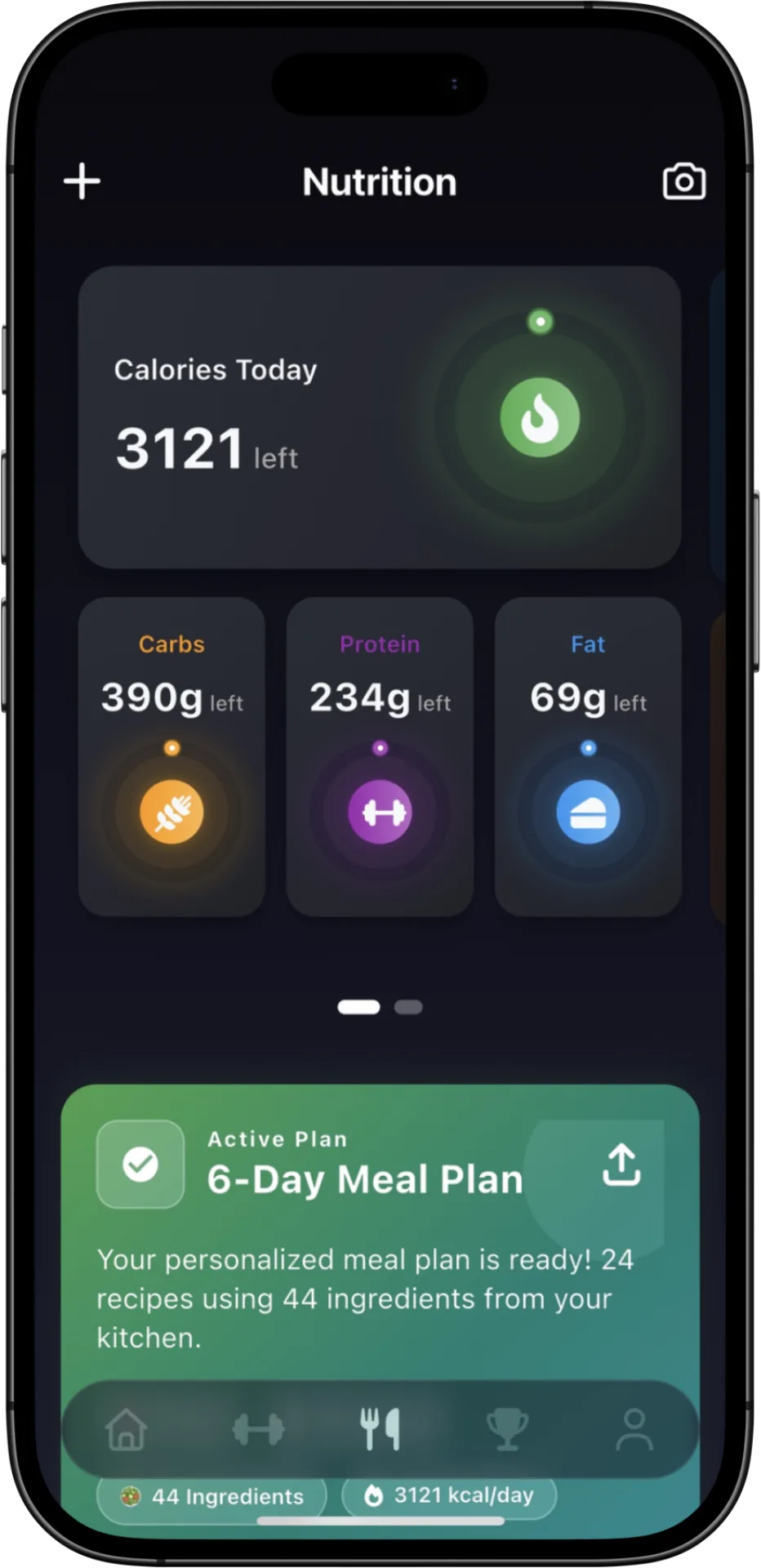
How FitFlow Helps: The first step to decoding your triggers is tracking. FitFlow's AI Food Scanning & Nutrition Tracking feature allows you to snap a photo of your meal for instant calorie and macro breakdowns, or use barcode scanning for packaged foods. By consistently logging your food, you'll start to see patterns. Take notes in the app about your mood or what happened before you ate. Over time, you'll gain invaluable insights into the specific emotions, times of day, or situations that precede your stress eating episodes, transforming vague feelings into actionable data.
Cultivating Mindful Eating Practices
Mindful eating is a powerful antidote to stress eating. It’s about bringing full awareness to your eating experience, noticing the sensations, flavors, and textures of your food, and tuning into your body’s hunger and fullness cues. This practice helps you slow down, appreciate your meals, and prevent mindless overconsumption.
Strategies for Mindful Eating:
- Pause Before You Eat: Before taking the first bite, ask yourself: “Am I truly hungry, or am I seeking comfort, distraction, or stimulation?” This brief moment of reflection can prevent an emotional eating episode.
- Engage Your Senses: Notice the colors, aromas, and presentation of your food. Chew slowly, savoring each bite. Pay attention to the texture and taste. This makes eating a richer, more satisfying experience.
- Eat Without Distraction: Turn off the TV, put away your phone, and step away from your desk. Dedicate your full attention to your meal. This helps you register when you're full.
- Check In with Hunger and Fullness: Use a hunger scale (1-10, with 1 being starving and 10 being uncomfortably full) to gauge your hunger before eating and your fullness during and after. Aim to eat when you're moderately hungry (around a 3-4) and stop when you're comfortably satisfied (around a 6-7).
- Slow Down: Put your fork down between bites. Take sips of water. This gives your brain time to register that you're eating and to send satiety signals, which can take up to 20 minutes.
Actionable Tip: Practice mindful eating with just one meal a day initially. As you become more comfortable, gradually extend this practice to more meals and snacks. The goal isn't perfection, but consistent effort in bringing awareness to your eating habits.Building a Toolkit of Non-Food Coping Mechanisms
Once you've identified your triggers, the next critical step is to replace stress eating with healthier, non-food coping mechanisms. These strategies help you address the root cause of your stress or discomfort without relying on food for temporary relief. The key is to find activities that genuinely soothe, distract, or energize you.
Effective Non-Food Coping Strategies:
- Movement and Exercise: Physical activity is a potent stress reliever. It releases endorphins, natural mood boosters, and helps burn off excess cortisol. Even a brisk 10-minute walk can make a significant difference.
- Mindfulness and Meditation: Practices like deep breathing, meditation, or yoga can calm the nervous system and bring you back to the present moment, reducing the urge to eat emotionally.
- Creative Outlets: Engage in hobbies like drawing, painting, writing, playing music, or crafting. These activities can be incredibly absorbing and provide a healthy distraction.
- Social Connection: Reach out to a friend, family member, or trusted confidant. Talking about your feelings can often alleviate stress and loneliness.
- Hydration: Sometimes, thirst is mistaken for hunger. Keep a water bottle handy and sip throughout the day.
- Self-Care Rituals: Take a warm bath, read a book, listen to calming music, or engage in any activity that helps you relax and recharge.
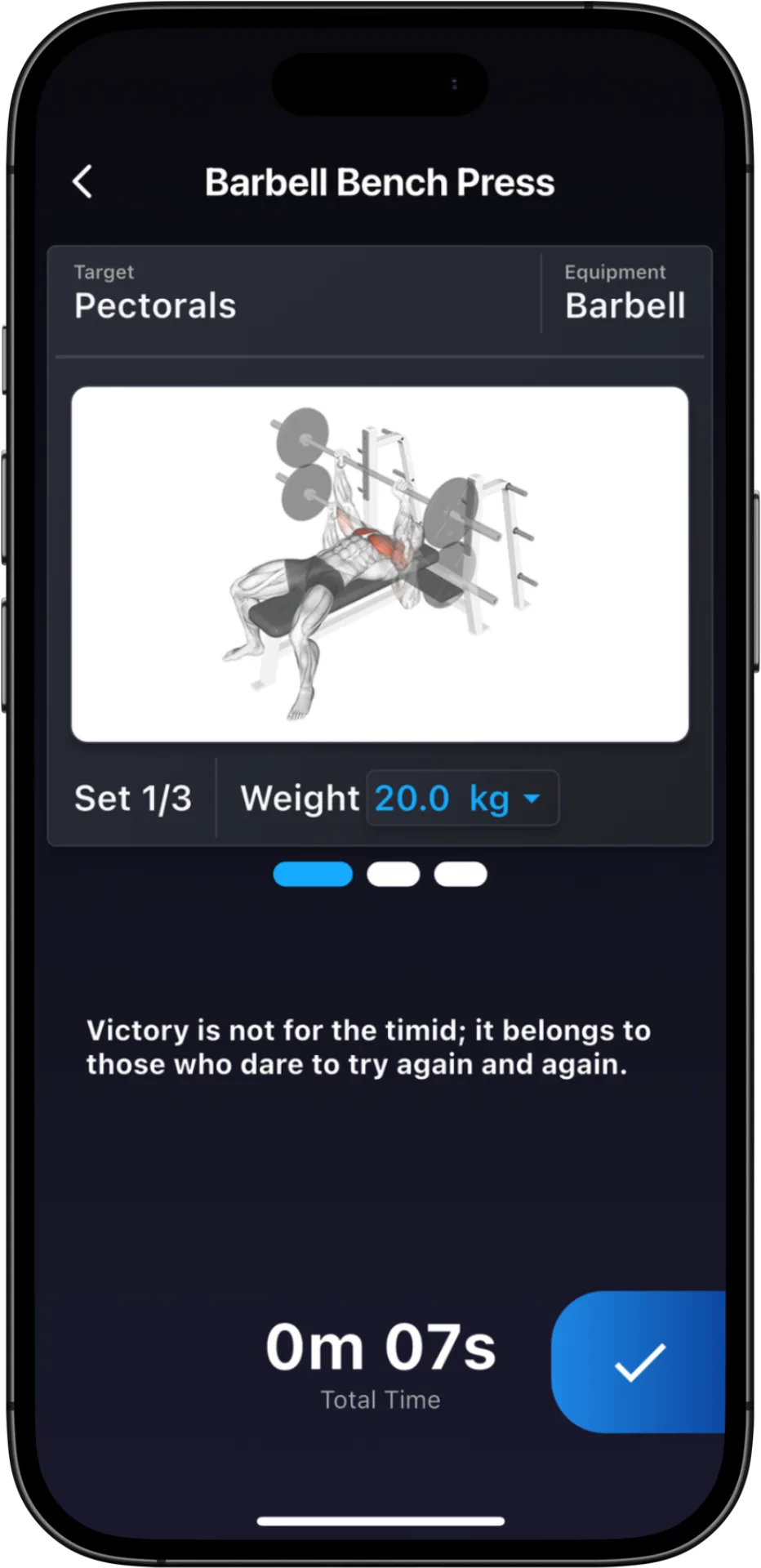
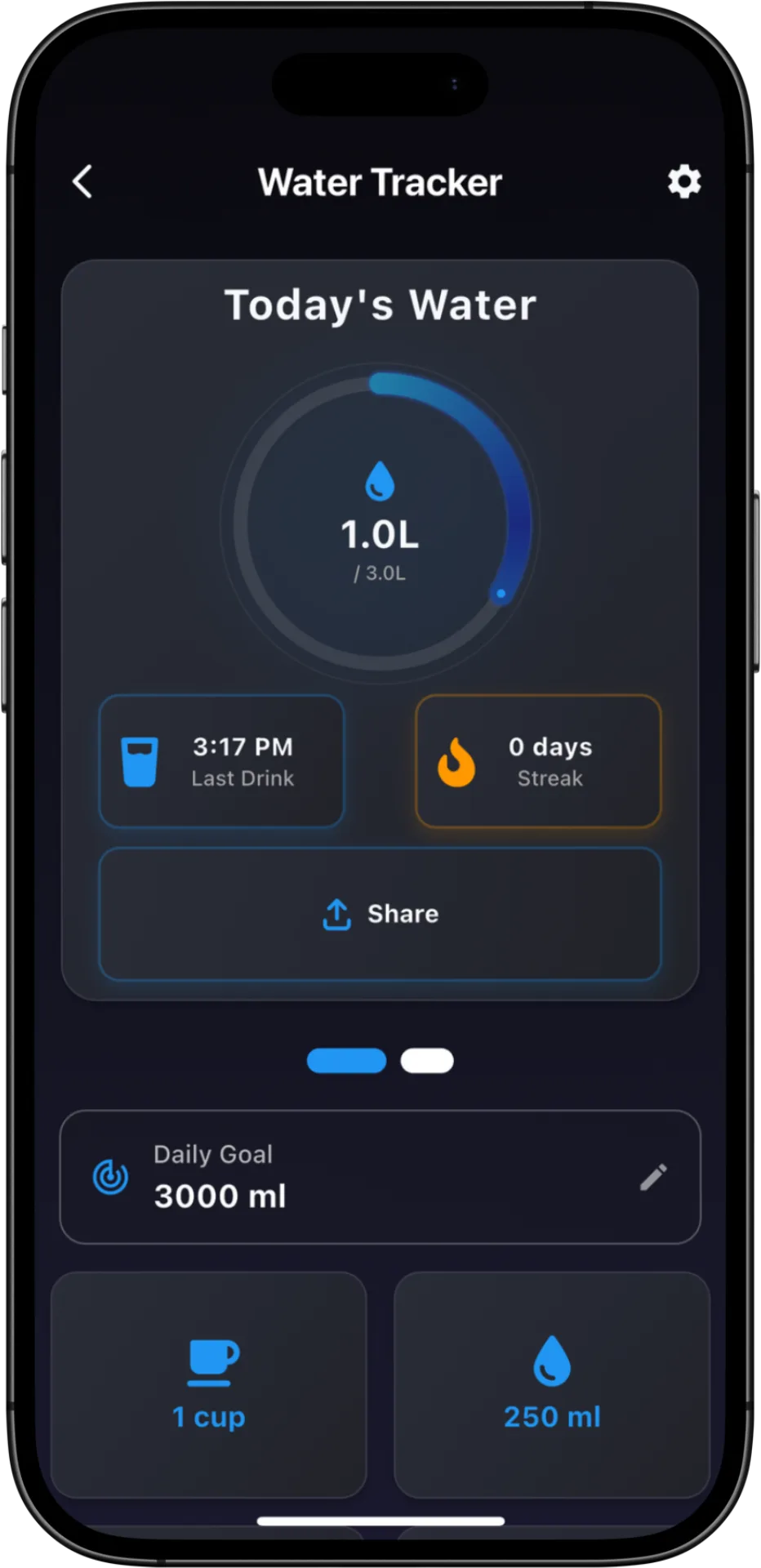
How FitFlow Helps: FitFlow's Smart Workout Tracking offers over 1,000 guided exercises with video demonstrations, making it easy to find an activity you enjoy. Whether it's strength training, cardio, or a guided walk, tracking your progress can be a powerful motivator. The app also features water intake monitoring, allowing you to easily track your hydration and ensure you're drinking enough throughout the day, helping to differentiate thirst from hunger cues.
Optimizing Your Environment for Success
Your environment plays a significant role in your eating habits. If your surroundings are filled with tempting, unhealthy foods, resisting the urge to stress eat becomes an uphill battle. By strategically optimizing your home and workspace, you can create a supportive environment that makes healthy choices easier and stress eating less likely.
Practical Steps to Optimize Your Environment:
- Declutter Your Pantry and Fridge: Remove or donate highly processed, sugary, or fatty foods that you tend to reach for when stressed. If it's not there, you can't eat it.
- Stock Up on Healthy Alternatives: Fill your kitchen with nutritious, ready-to-eat snacks like fresh fruits, cut vegetables, nuts, seeds, yogurt, or hard-boiled eggs. These provide quick, satisfying options when hunger strikes.
- Portion Control: If you keep some comfort foods, portion them out into single servings immediately after purchase. This prevents mindless eating directly from the bag or container.
- Create a Designated Eating Space: Avoid eating in front of the TV, computer, or while working. Designate a specific, calm area for meals and snacks to encourage mindful eating.
- Plan Your Meals and Snacks: Having a clear plan for what and when you'll eat reduces decision fatigue and the likelihood of impulsive, stress-induced food choices. Meal prepping can be incredibly effective here.
- Hydration Stations: Keep water bottles or pitchers of infused water readily available in common areas of your home or office to encourage consistent hydration.
Expert Tip: Make healthy eating the path of least resistance. The less effort required to make a good choice, the more likely you are to stick with it, especially during stressful periods.The Foundation: Balanced Nutrition and Lifestyle
While specific coping mechanisms are vital, a holistic approach to stopping stress eating must include a foundation of balanced nutrition and overall healthy lifestyle habits. When your body is well-nourished and rested, you are inherently better equipped to handle stress without turning to food.
Key Nutritional Principles:
- Prioritize Protein: Protein is highly satiating and helps stabilize blood sugar, reducing cravings. Include a source of lean protein (chicken, fish, legumes, tofu, eggs) at every meal.
- Embrace Fiber-Rich Foods: Foods like whole grains, fruits, vegetables, and beans are packed with fiber, which promotes fullness and aids digestion, helping you feel satisfied longer.
- Include Healthy Fats: Avocados, nuts, seeds, and olive oil provide essential fatty acids that support brain health and satiety.
- Limit Processed Foods and Added Sugars: These foods offer quick energy spikes followed by crashes, intensifying cravings and contributing to mood swings that can trigger stress eating.
- Don't Skip Meals: Regular meals keep your blood sugar stable and prevent extreme hunger that can lead to overeating.
Lifestyle Pillars:
- Adequate Sleep: Chronic sleep deprivation disrupts hormones that regulate appetite (ghrelin and leptin) and increases cortisol, making you more vulnerable to stress eating. Aim for 7-9 hours of quality sleep per night.
- Consistent Hydration: As mentioned, staying well-hydrated is crucial. Dehydration can mimic hunger signals and exacerbate fatigue.
- Stress Management Techniques: Beyond coping with acute stress, integrate daily practices like meditation, deep breathing, or journaling to lower your baseline stress levels.
How FitFlow Helps: FitFlow’s comprehensive platform is designed to support a balanced lifestyle. Its custom meal plans can be tailored to your weight loss or muscle gain goals, and accommodate dietary preferences like vegetarian, vegan, or keto, ensuring you're getting optimal nutrition. The recipe builder allows you to create homemade meals with full nutritional breakdowns, so you always know what you're fueling your body with. By tracking your progress on the FitFlow dashboard, you can visually see how consistent nutrition and activity contribute to your overall well-being, reinforcing positive habits.
Embracing Progress, Not Perfection
Stopping stress eating is a journey, not a destination. There will be good days and challenging days, and setbacks are a natural part of the process. The key is to approach this journey with self-compassion, resilience, and a commitment to continuous learning and growth.
Strategies for Long-Term Success:
- Practice Self-Compassion: If you slip up and stress eat, don't beat yourself up. Acknowledge the moment without judgment, learn from it, and gently redirect yourself. Self-criticism often fuels more emotional eating.
- Identify and Learn from Setbacks: Instead of viewing a setback as a failure, see it as valuable data. What triggered it? What could you have done differently? Use these insights to refine your strategies.
- Celebrate Small Victories: Acknowledge and celebrate every step forward, no matter how small. This reinforces positive behaviors and builds momentum.
- Seek Support: Don't go it alone. Share your goals with a trusted friend, family member, or consider working with a therapist or nutritionist who specializes in emotional eating. A supportive community can make a huge difference.
- Stay Consistent with Tracking: Even on days when you feel off track, continue to log your food and moods. This data is invaluable for understanding your patterns and getting back on track.
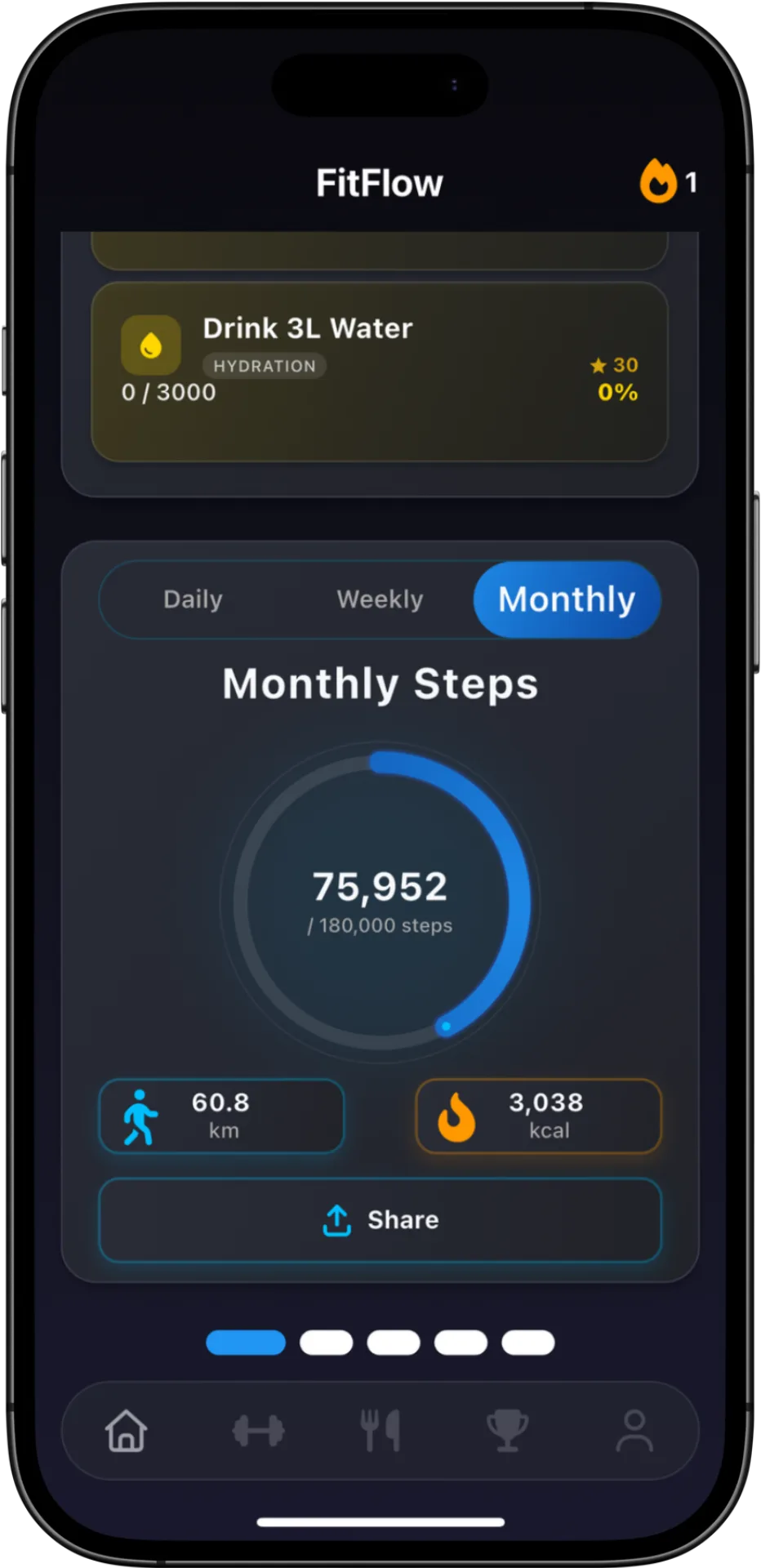
How FitFlow Helps: FitFlow's Progress Analytics & Goal Setting features provide detailed charts and visual feedback on your weight, body fat, and fitness achievements. Seeing your progress visually can be incredibly motivating and help you stay focused on your long-term goals. The app also includes achievement badges and a points-based leaderboard, fostering a sense of community and friendly competition that can provide extra motivation and accountability. Remember, every healthy choice you make is a step towards a more empowered and mindful you.



Sources & References
- Investigating the Impact of Ashwagandha and Meditation on Stress Induced Obesogenic Eating Behaviours — Quinones D, Barrow M, Seidler K (2025)
- Neurobiological Consequences of High-Fat High-Sugar Diets on the Mesocorticolimbic System: a Narrative Review — Atar A (2026)
- Sleep Deprivation and Central Appetite Regulation — Liu S, Wang X, Zheng Q (2022)

FitFlow Editorial Team
Fitness & Nutrition Editorial TeamCertified personal trainers & nutrition coaches
The FitFlow Editorial Team is a group of certified personal trainers, nutrition coaches, and fitness writers who translate exercise science and nutrition research into practical, actionable guidance. Every article is grounded in peer-reviewed sources and reviewed for accuracy before publishing.
Frequently Asked Questions
Who is this guide for?
This guide is for anyone focused on nutrition and looking for practical, sustainable progress.
How quickly can I apply these recommendations?
Most recommendations are designed for immediate implementation. Start with one change today, then layer improvements weekly.
How does FitFlow support this strategy?
FitFlow supports execution with AI-powered meal tracking, workout planning, and progress analytics that help you stay consistent.