The Unseen Engine: How Gut Health Affects Your Fitness Performance
Reviewed by the fitness & nutrition editorial team · Certified personal trainers & nutrition coaches

The Unseen Engine: Your Gut's Impact on Fitness
When you think about optimizing your fitness, your mind likely jumps to protein intake, workout intensity, or sleep quality. While these are undeniably crucial, there's a microscopic world within you that plays an equally, if not more, foundational role: your gut microbiome.
Imagine a bustling city inside your digestive tract, home to trillions of bacteria, viruses, fungi, and other microorganisms. This complex ecosystem, collectively known as the gut microbiome, weighs about 2-5 pounds and contains more genetic material than your entire human genome. Far from being passive inhabitants, these microbes are active participants in almost every bodily process, from nutrient absorption and metabolism to immune function and even mood regulation.
For athletes and fitness enthusiasts, the implications are profound. A balanced, diverse gut microbiome can be the difference between hitting a new personal record and battling chronic fatigue or injury. It can dictate how efficiently you convert food into fuel, how quickly your muscles repair, and how resilient your immune system is against performance-derailing illnesses.
"The gut microbiome is increasingly recognized as a critical determinant of athletic performance, influencing everything from energy metabolism and inflammation to recovery and immune health."
In this comprehensive guide, we'll delve deep into the intricate ways your gut health impacts your fitness performance, providing you with the scientific insights and actionable strategies you need to cultivate a high-performance inner ecosystem.
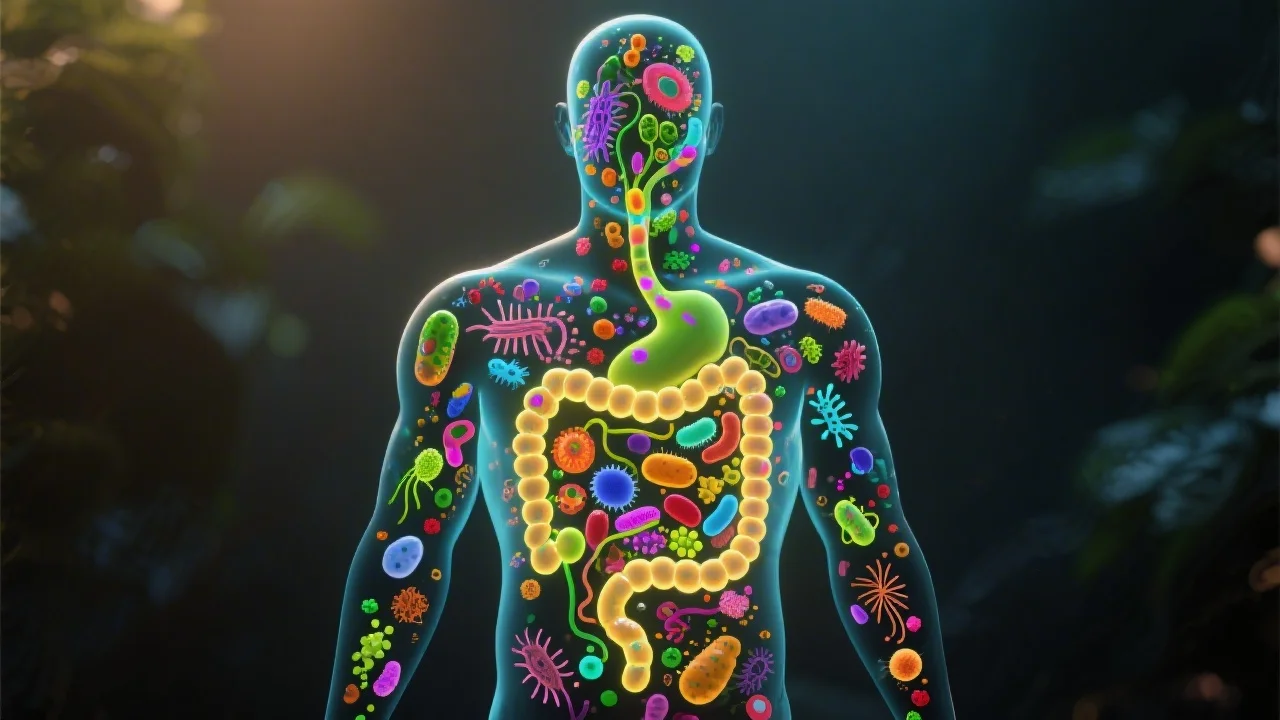
The Gut-Muscle Axis: A Symbiotic Relationship
The connection between your gut and your muscles might seem indirect, but it's a finely tuned, two-way street known as the "gut-muscle axis." Your gut microbes don't just sit there; they actively produce compounds that directly influence muscle function, energy metabolism, and even muscle growth and repair.
Short-Chain Fatty Acids (SCFAs): Fuel for Muscles
One of the most significant contributions of a healthy gut microbiome is the production of short-chain fatty acids (SCFAs), such as butyrate, acetate, and propionate. These are produced when beneficial gut bacteria ferment dietary fiber that your body can't digest. SCFAs are not just vital for gut health; they act as powerful signaling molecules throughout the body:
- Energy Source: Butyrate, in particular, serves as a primary fuel source for the cells lining your colon, maintaining gut integrity. However, SCFAs can also be absorbed into the bloodstream and used as energy by other tissues, including muscle cells. This means a robust gut can contribute to more efficient energy utilization during exercise.
- Mitochondrial Function: Research suggests that SCFAs can improve mitochondrial function in muscle cells. Mitochondria are the "powerhouses" of your cells, responsible for producing ATP (adenosine triphosphate), the primary energy currency for muscle contractions. Enhanced mitochondrial efficiency translates directly to improved endurance and power output.
- Anti-Inflammatory Effects: SCFAs possess potent anti-inflammatory properties. By reducing systemic inflammation, they can mitigate muscle damage from intense exercise, accelerate recovery, and potentially reduce muscle soreness.
Amino Acid Metabolism and Muscle Protein Synthesis
Your gut microbes also play a role in the metabolism of amino acids, the building blocks of protein. They can influence the availability of certain amino acids for muscle protein synthesis (MPS), which is crucial for muscle repair and growth. An imbalanced microbiome might hinder this process, making it harder to recover and build muscle effectively.
Endurance and Performance
Studies on elite athletes have shown that they often possess a more diverse and robust gut microbiome compared to sedentary individuals. Specific bacterial strains have been linked to improved endurance capacity, enhanced lactate clearance (reducing muscle fatigue), and even increased VO2 max – a key indicator of aerobic fitness. For instance, certain bacteria can convert lactate, a byproduct of intense exercise, into propionate, which can then be used for energy.
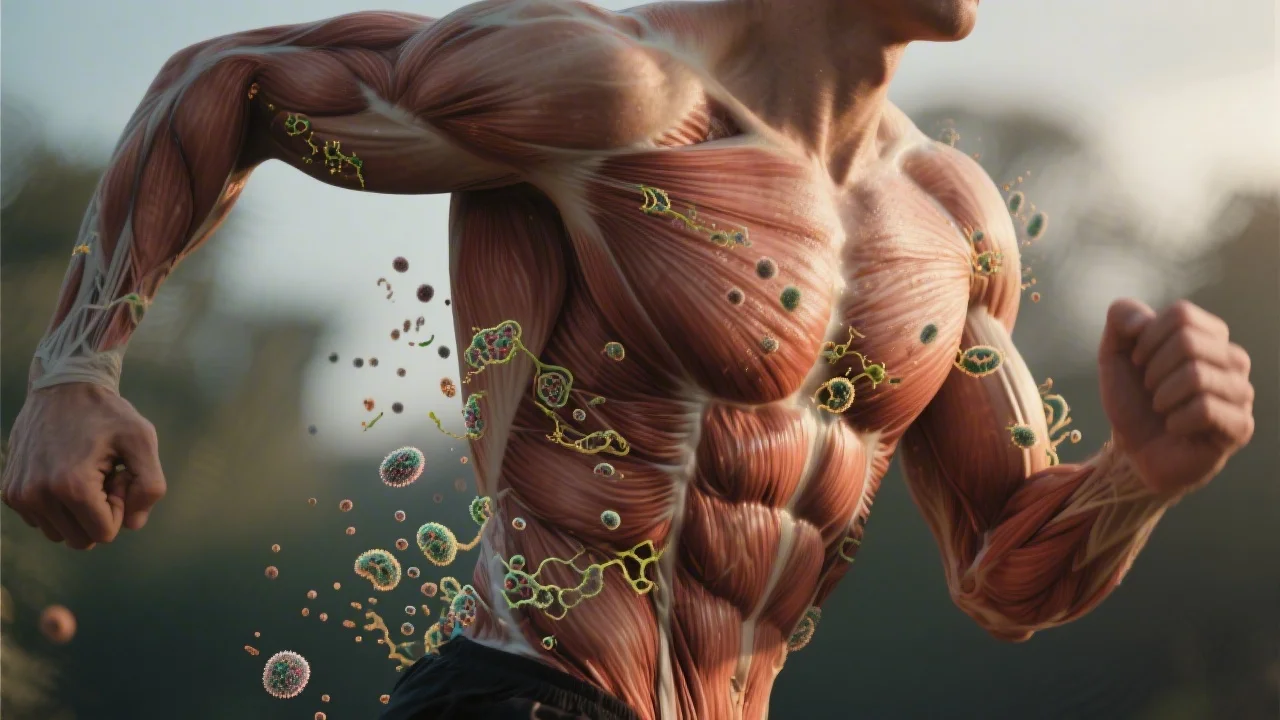
Fueling Your Performance: Nutrient Absorption & Energy Efficiency
Your fitness performance hinges on getting the right nutrients into your cells. This is where your gut, specifically its lining and the microbes within, plays an indispensable role. A healthy gut ensures optimal absorption, while an unhealthy one can lead to deficiencies that sabotage your training.
The Gut Lining: Your Nutrient Gateway
The lining of your small intestine is a marvel of biological engineering, designed with a vast surface area to absorb macronutrients (carbohydrates, proteins, fats) and micronutrients (vitamins, minerals). When this lining is healthy and intact, it efficiently transports these essential compounds into your bloodstream, where they can be delivered to your muscles, organs, and brain.
- Macronutrient Metabolism: A balanced gut microbiome assists in breaking down complex carbohydrates and fibers, making their energy more accessible. It also aids in the digestion and absorption of proteins and fats, which are critical for sustained energy and structural integrity.
- Micronutrient Absorption: Many essential vitamins and minerals crucial for energy production and muscle function – such as B vitamins, iron, magnesium, and zinc – rely on a healthy gut for proper absorption. For example, certain gut bacteria produce B vitamins, which are vital cofactors in energy metabolism. Iron, essential for oxygen transport to muscles, also requires a healthy gut environment for optimal uptake.
When Gut Health Falters: Malabsorption and Deficiencies
Conversely, an imbalanced gut microbiome (dysbiosis) or a compromised gut lining (often referred to as "leaky gut" or increased intestinal permeability) can severely impair nutrient absorption. This can lead to:
- Reduced Energy Levels: If you're not absorbing carbohydrates efficiently, your body won't have enough readily available glucose for high-intensity exercise. Poor fat absorption can also impact sustained energy.
- Chronic Fatigue: Deficiencies in key micronutrients like iron (leading to anemia), B vitamins, or magnesium can result in persistent fatigue, impacting your ability to train effectively and recover.
- Impaired Muscle Function: Lack of adequate protein absorption means less material for muscle repair and growth, hindering strength gains and recovery.
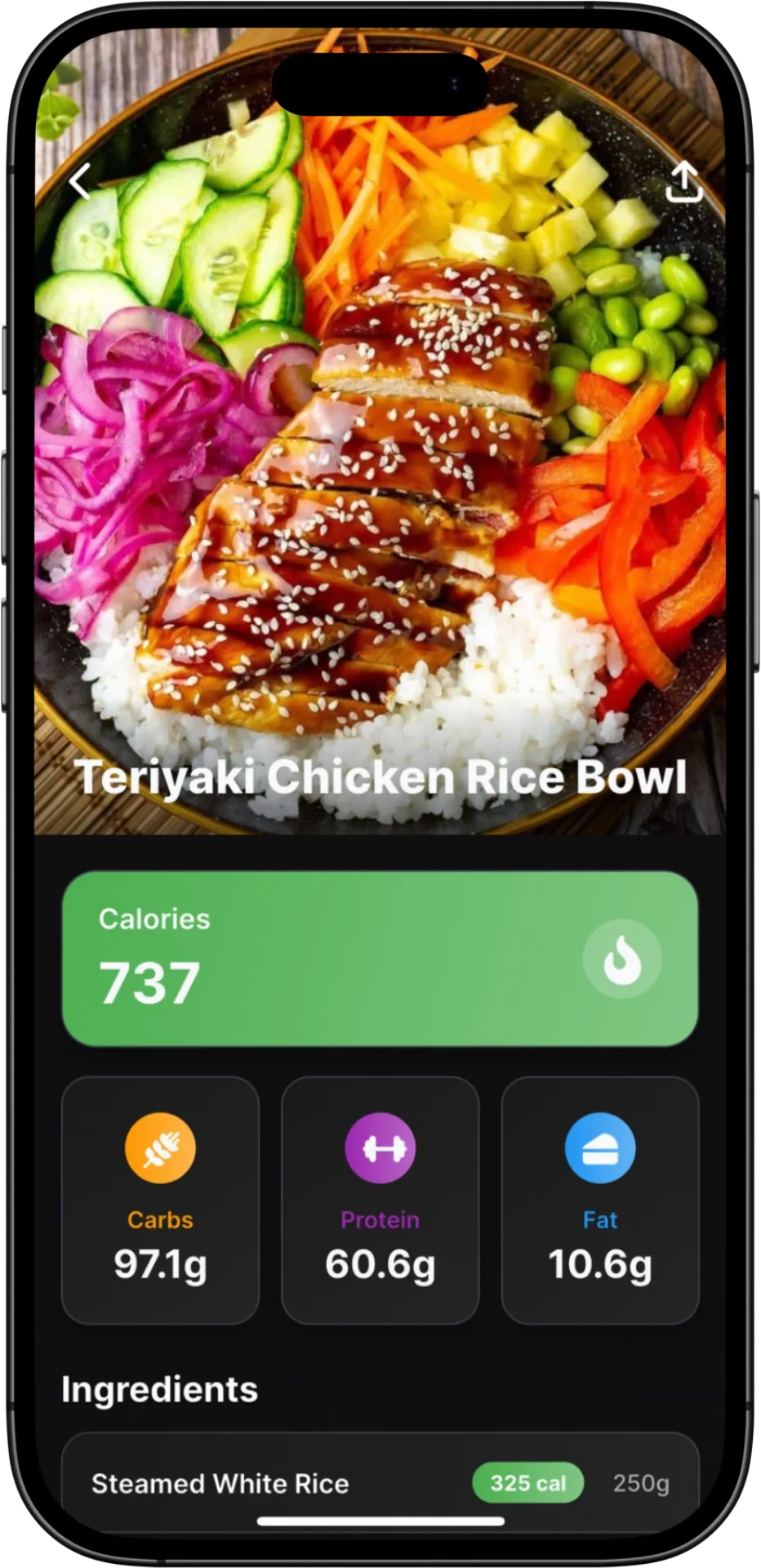
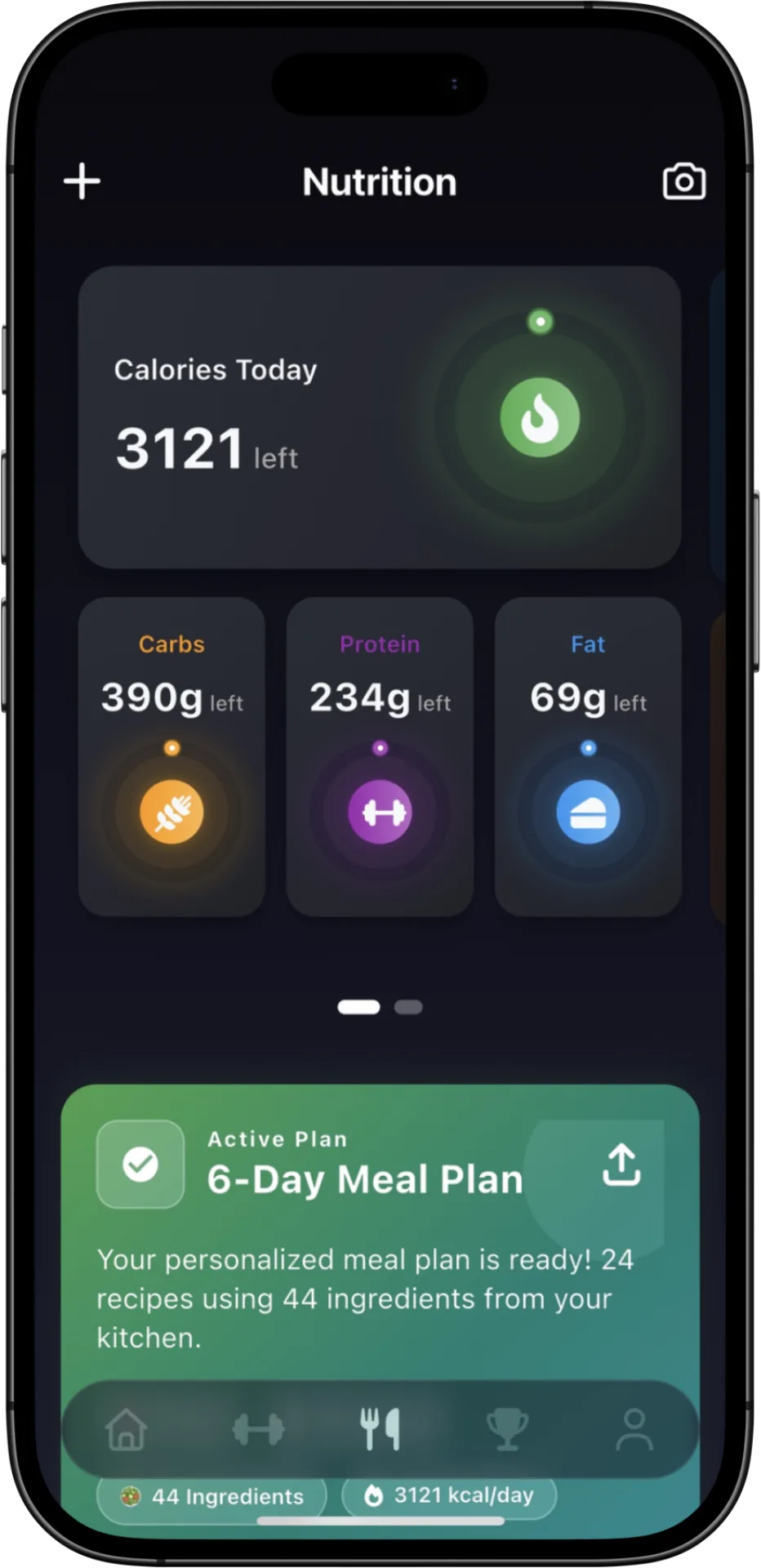
Understanding your nutritional intake is the first step towards optimizing absorption. With FitFlow's AI Food Scanning & Nutrition Tracking, you can snap a meal photo for instant calorie counting and macro breakdowns (protein, carbs, fats). Our advanced system recognizes over 2 million foods and provides instant nutrition insights, making it up to 5x faster than manual logging. For homemade meals, the Recipe Builder provides full nutritional breakdowns, ensuring you know exactly what you're fueling your body with.
Taming Inflammation & Accelerating Recovery
Intense exercise naturally causes a certain degree of muscle damage and inflammation, which is part of the adaptation and growth process. However, chronic or excessive inflammation can impede recovery, increase muscle soreness, and ultimately hinder performance. Your gut health plays a pivotal role in managing this inflammatory response.
The "Leaky Gut" Phenomenon and Systemic Inflammation
A healthy gut lining acts as a tight barrier, selectively allowing digested nutrients to pass into the bloodstream while blocking harmful substances like undigested food particles, toxins, and pathogens. When the gut microbiome is imbalanced (dysbiosis), this barrier can become compromised, leading to increased intestinal permeability, commonly known as "leaky gut."
When the gut becomes "leaky," these unwanted substances can slip through the intestinal wall and enter the bloodstream. Your immune system perceives these as threats and mounts an inflammatory response. If this happens chronically, it leads to systemic inflammation – a low-grade, persistent inflammatory state throughout the body.
"Systemic inflammation can be a silent performance killer, delaying muscle repair, exacerbating soreness, and increasing the risk of overtraining syndrome."
For athletes, systemic inflammation is particularly detrimental:
- Delayed Muscle Recovery: Chronic inflammation slows down the repair processes in damaged muscle tissue, leading to prolonged soreness and reduced readiness for subsequent training sessions.
- Increased Muscle Damage: An already inflamed system is more susceptible to exercise-induced muscle damage, creating a vicious cycle.
- Reduced Performance: Persistent inflammation can contribute to fatigue, decreased power output, and a general feeling of malaise, making it harder to perform at your peak.
Anti-Inflammatory Allies in Your Gut
Conversely, a diverse and healthy gut microbiome produces beneficial compounds, particularly SCFAs like butyrate, which have potent anti-inflammatory effects. These SCFAs can directly modulate immune cell activity, helping to dampen excessive inflammatory responses and promote a quicker return to homeostasis after strenuous activity. Certain probiotic strains have also been shown to reduce pro-inflammatory markers and support gut barrier integrity.

Bolstering Immunity: Your Gut's Role in Defending Against Illness
Consistent training is the cornerstone of fitness progress, but even the most dedicated athlete can be derailed by illness. A strong immune system is your best defense, and surprisingly, the majority of this defense force resides in your gut.
The Gut-Associated Lymphoid Tissue (GALT)
An astonishing 70-80% of your body's immune cells are located in the gut-associated lymphoid tissue (GALT). This makes your gut the largest immune organ in your body. The constant interaction between your immune cells and the vast array of microbes in your gut is crucial for training and maturing your immune system, teaching it to distinguish between harmless food particles and dangerous pathogens.
How a Healthy Gut Boosts Immunity
- Pathogen Defense: A diverse community of beneficial gut bacteria competes with harmful pathogens for space and nutrients, effectively crowding them out. They also produce antimicrobial compounds that inhibit the growth of undesirable microbes.
- Immune System Modulation: Gut microbes communicate directly with immune cells, influencing their development and activity. A balanced microbiome helps fine-tune immune responses, ensuring they are robust enough to fight infections but not overactive, which could lead to autoimmune issues or chronic inflammation.
- Nutrient Production: As mentioned, some gut bacteria produce essential vitamins, like certain B vitamins and vitamin K, which are vital for immune function.
The Performance Cost of a Compromised Immune System
When your gut health is compromised, your immune system suffers:
- Increased Susceptibility to Illness: Dysbiosis can weaken your gut barrier and reduce the number of beneficial bacteria, making you more vulnerable to infections, particularly upper respiratory tract infections (URTIs), which are common among athletes due to intense training stress.
- Training Interruptions: Getting sick means missed training days, reduced intensity, and a potential setback in your fitness progression. Consistent training is key, and a robust immune system helps maintain that consistency.
- Prolonged Recovery: Even minor illnesses can extend recovery times, impacting your ability to bounce back from workouts and leading to accumulated fatigue.
By nurturing your gut health, you're not just improving digestion; you're building a formidable immune fortress that protects your training consistency and allows you to push your limits without constant fear of illness.

Actionable Strategies for a High-Performance Gut
Optimizing your gut health doesn't require drastic measures, but rather consistent, mindful choices that nourish your inner ecosystem. Here are key strategies you can implement to cultivate a high-performance gut:
1. Embrace Dietary Diversity and Fiber
The single most impactful change you can make is to diversify your diet. Your gut microbes thrive on a wide variety of plant-based foods. Each type of fiber feeds different bacterial strains, leading to a more robust and resilient microbiome.
- Eat the Rainbow: Aim for a broad spectrum of fruits, vegetables, whole grains, legumes, nuts, and seeds. Try to incorporate 20-30 different plant foods into your diet each week.
- Prioritize Fiber: Fiber is the primary food source for your beneficial gut bacteria. Focus on soluble fiber (found in oats, apples, beans) and insoluble fiber (found in whole grains, vegetables).
- Prebiotic-Rich Foods: These are specific types of fiber that selectively feed beneficial bacteria. Excellent sources include garlic, onions, leeks, asparagus, bananas, oats, apples, and flaxseeds.
2. Incorporate Probiotic-Rich Foods
Probiotics are live beneficial bacteria that, when consumed in adequate amounts, confer a health benefit to the host. Regularly consuming probiotic-rich foods can help replenish and diversify your gut microbiome.
- Fermented Foods: Include foods like plain yogurt (with live active cultures), kefir, sauerkraut, kimchi, tempeh, miso, and kombucha. Start slowly if you're new to fermented foods.
- Consider Supplements: If dietary intake is insufficient or you're addressing specific gut issues, a high-quality probiotic supplement might be beneficial. Consult with a healthcare professional to choose the right strain and dosage.
3. Stay Hydrated
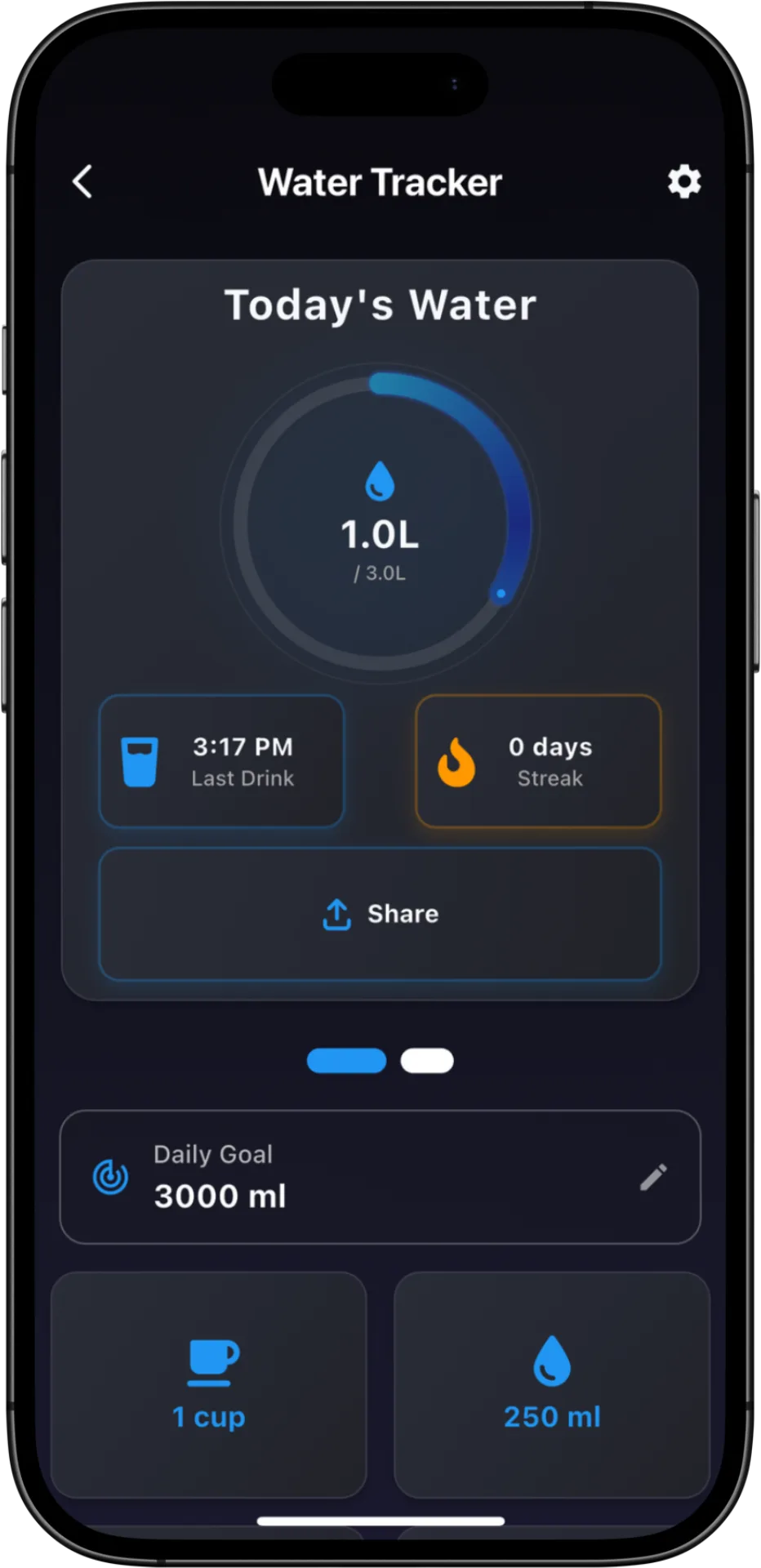
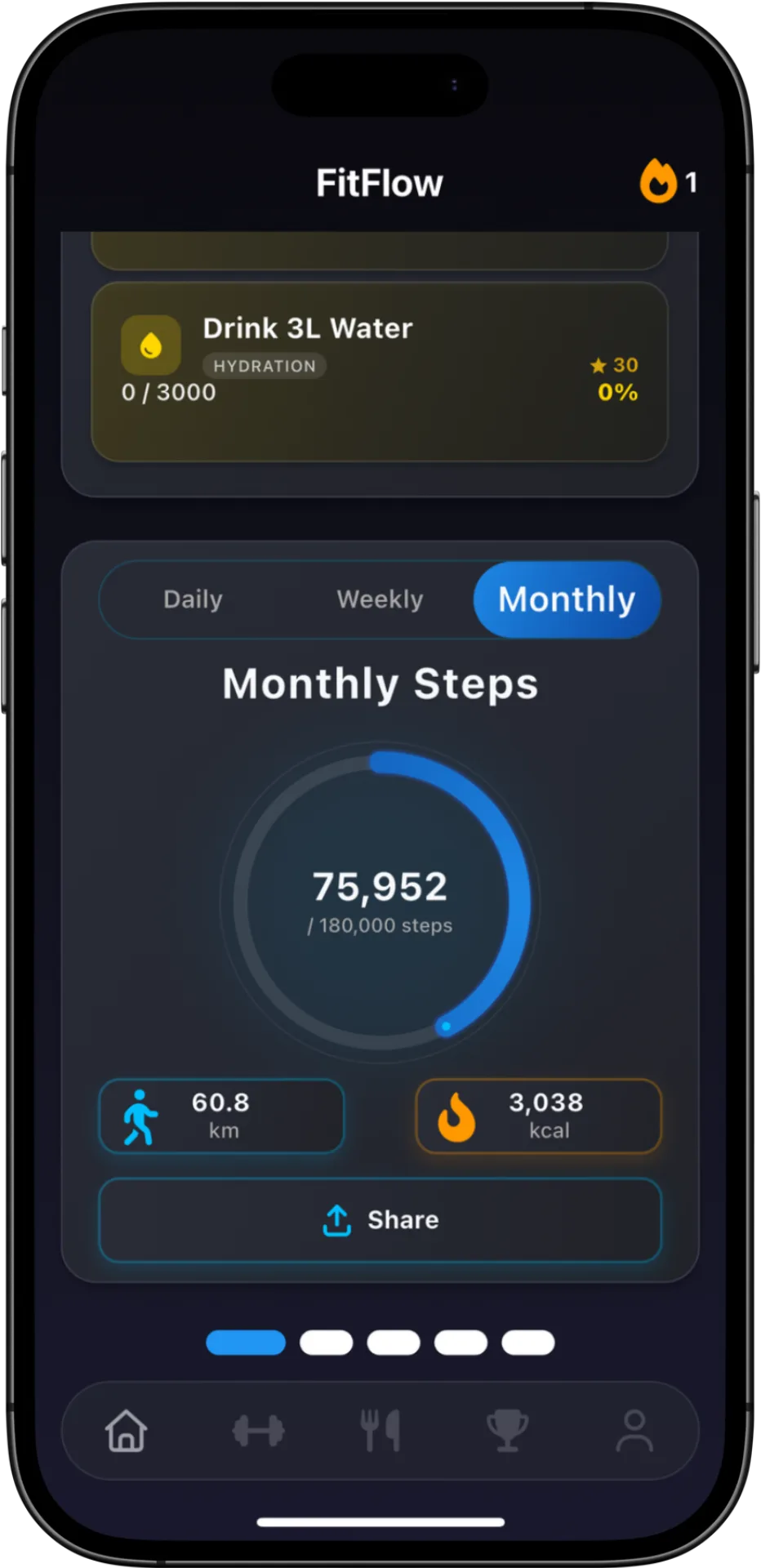
Water is essential for overall digestive health. It helps to move food through your digestive tract, prevents constipation, and supports the integrity of the gut lining. Aim for at least 8 glasses (about 2 liters) of water daily, increasing with exercise intensity and environmental factors. FitFlow's water intake tracker makes it simple to stay on top of your hydration goals, helping you consistently reach your daily targets.
4. Manage Stress Effectively
The gut-brain axis is a powerful connection. Chronic stress can negatively alter the gut microbiome, increase intestinal permeability, and impact gut motility. Implement stress-reducing practices:
- Mindfulness & Meditation: Even a few minutes a day can make a difference.
- Yoga & Deep Breathing: These practices activate the parasympathetic nervous system, promoting "rest and digest."
- Adequate Sleep: Prioritize 7-9 hours of quality sleep per night. Sleep deprivation is a significant physiological stressor.
5. Limit Processed Foods, Sugar, and Artificial Sweeteners
Highly processed foods, excessive sugar, and artificial sweeteners can negatively impact gut diversity, promote the growth of less beneficial bacteria, and contribute to inflammation. Focus on whole, unprocessed ingredients as much as possible.
Monitoring Your Journey with FitFlow: Data-Driven Gut Health
Understanding the theory behind gut health is crucial, but putting it into practice and seeing tangible results requires consistent tracking and analysis. This is where FitFlow becomes an invaluable partner in your gut health and fitness journey.
Personalized Nutrition Tracking
FitFlow's comprehensive nutrition tracking features empower you to make informed decisions about your diet, which is the cornerstone of gut health:
- Detailed Macro & Micronutrient Insights: Beyond just calories, FitFlow provides precise breakdowns of your protein, carbs, and fats. By understanding your intake, you can ensure you're getting enough fiber, complex carbohydrates, and diverse nutrients to feed your beneficial gut bacteria.
- Dietary Preference Support: Whether you're vegetarian, vegan, keto, paleo, or have gluten-free requirements, FitFlow's custom meal plans and extensive food database support your specific dietary preferences, helping you build a gut-friendly eating plan that aligns with your lifestyle.
- Allergen & Restriction Marking: Easily mark allergens and dietary restrictions to avoid foods that might irritate your gut or trigger inflammatory responses, ensuring your diet supports optimal gut integrity.
Progress Analytics for Holistic Health
FitFlow doesn't just track; it analyzes. Our detailed fitness and nutrition analytics provide visual charts and insights into your habits over time:
- Identify Patterns: See how different foods affect your energy levels, digestion, and overall well-being. Over time, you can identify foods that promote gut comfort and those that might cause issues.
- Weight and Body Fat Tracking: While not a direct measure of gut health, improvements in body composition can often be a positive side effect of a healthier gut microbiome dueating to improved nutrient absorption and reduced inflammation.
- Water Intake Monitoring: As discussed, hydration is vital for gut motility. FitFlow helps you consistently hit your water targets, ensuring this fundamental aspect of gut health is covered.
By logging your meals, monitoring your hydration, and tracking your progress with FitFlow, you gain a data-driven understanding of how your dietary choices directly impact your gut health and, consequently, your fitness performance. It allows you to experiment, learn, and adapt your strategies for continuous improvement.
Conclusion: Invest in Your Inner Ecosystem for Peak Performance
Your gut microbiome is far more than just a digestive aid; it's an intricate, dynamic ecosystem that profoundly influences every facet of your physical performance and overall well-being. From fueling your muscles and taming inflammation to bolstering your immune system and accelerating recovery, a healthy gut is truly the unseen engine of your fitness success.
Ignoring your gut health is akin to trying to run a high-performance race car on low-quality fuel with a clogged engine. You might still move forward, but you'll never unlock your true potential.
By embracing a diverse, fiber-rich diet, incorporating fermented foods, staying hydrated, and managing stress, you can cultivate a thriving inner ecosystem. And with tools like FitFlow, you have the power to track your nutrition, monitor your progress, and make informed decisions that support your gut health goals every single day.
Start today. Invest in your gut, and watch how your fitness performance transforms from the inside out. Your body, and your personal records, will thank you.

Sources & References

FitFlow Editorial Team
Fitness & Nutrition Editorial TeamCertified personal trainers & nutrition coaches
The FitFlow Editorial Team is a group of certified personal trainers, nutrition coaches, and fitness writers who translate exercise science and nutrition research into practical, actionable guidance. Every article is grounded in peer-reviewed sources and reviewed for accuracy before publishing.
Frequently Asked Questions
Who is this guide for?
This guide is for anyone focused on nutrition and looking for practical, sustainable progress.
How quickly can I apply these recommendations?
Most recommendations are designed for immediate implementation. Start with one change today, then layer improvements weekly.
How does FitFlow support this strategy?
FitFlow supports execution with AI-powered meal tracking, workout planning, and progress analytics that help you stay consistent.