Build a Stronger Core: The Ultimate Guide (No Crunches Needed!)
Reviewed by the fitness & nutrition editorial team · Certified personal trainers & nutrition coaches

The Core Truth: Why Crunches Aren't Enough
For decades, the crunch has reigned supreme as the go-to exercise for abdominal training. People have dutifully performed hundreds, even thousands, in pursuit of a sculpted six-pack and a strong midsection. Yet, for many, the results have been underwhelming, and sometimes, even led to discomfort or injury. The truth is, while crunches do target some superficial abdominal muscles, they offer a very limited approach to building a truly functional and resilient core.
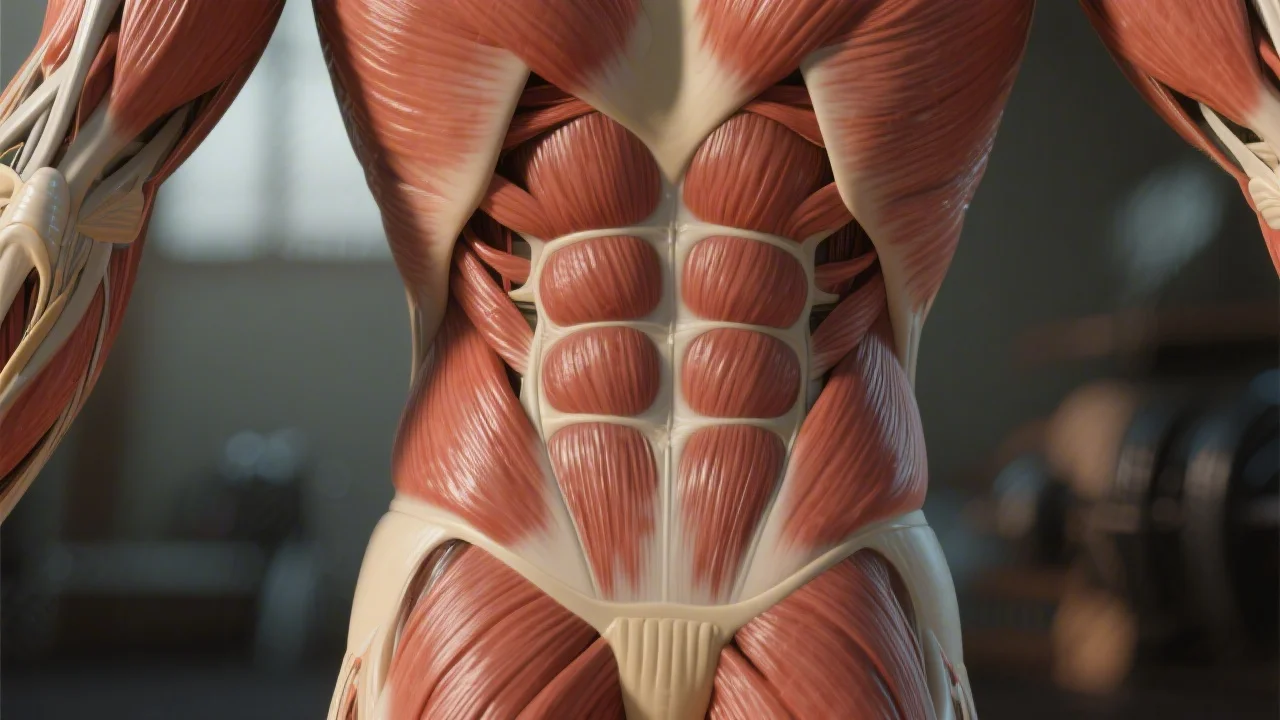
Your core is far more than just the rectus abdominis (the 'six-pack' muscle). It's a complex network of muscles that wraps around your entire torso, from your diaphragm down to your pelvic floor, and from your deep spinal stabilizers to your obliques. This intricate system is the powerhouse of your body, responsible for stabilizing your spine, transferring force between your upper and lower body, and preventing injury during almost every movement you make – from lifting groceries to performing a heavy deadlift.
A strong core isn't just about aesthetics; it's the foundation of all movement, athletic performance, and spinal health.
This article will delve deep into what constitutes a truly strong core, why traditional crunches fall short, and introduce you to a smarter, more effective approach: 'anti-movement' core training. We'll explore exercises that challenge your core's primary functions – resisting unwanted movement – and show you how to integrate them into your routine for superior strength, stability, and injury prevention. Get ready to redefine your core training and unlock a new level of physical capability!

Decoding Your Deep Core: More Than Just Abs
To effectively train your core, you first need to understand its full anatomy. Forget the superficial 'six-pack' for a moment and let's explore the deeper, more critical muscles that truly provide stability and power.
The Major Players in Your Core
- Transverse Abdominis (TVA): Often called your body's natural weight belt, the TVA is the deepest abdominal muscle. It wraps horizontally around your torso, drawing inward to stabilize your spine before any movement of your limbs. It's crucial for intra-abdominal pressure and spinal stability.
- Obliques (Internal and External): These muscles run along the sides of your torso. The external obliques allow you to twist your torso and bend sideways, while the internal obliques assist in these movements and also help stabilize the spine. They are vital for rotational and anti-rotational strength.
- Erector Spinae: A group of muscles and tendons that run along your spine, from your neck to your lower back. Their primary role is to extend (straighten) the spine and provide stability, preventing unwanted flexion or rotation.
- Multifidus: Small, deep muscles located along the entire length of your spine. They are crucial for segmental stability, providing fine-tuned control over individual vertebrae.
- Pelvic Floor Muscles: A hammock-like group of muscles at the base of your pelvis. They support your pelvic organs and play a vital role in core stability, especially in conjunction with the TVA and diaphragm.
- Diaphragm: Your primary breathing muscle, located at the base of your rib cage. It works synergistically with the TVA and pelvic floor to create intra-abdominal pressure, which enhances spinal stability.
When these muscles work together harmoniously, they create a robust, 360-degree cylinder of strength around your spine. This integrated system allows you to lift, push, pull, twist, and bend with power and safety, making your core truly functional.
The Anti-Movement Revolution: A Smarter Approach to Core Training
Traditional crunches primarily focus on spinal flexion (bending forward). While this has its place, it neglects the core's most critical function: resisting movement. Your core's primary job is to act as a brace, preventing your spine from unwanted extension, flexion, rotation, or lateral flexion when you move your limbs or encounter external forces.
This is where 'anti-movement' training comes in. Instead of actively moving your spine, these exercises challenge your core to prevent your spine from moving. By focusing on these three key functions, you build a core that is strong, stable, and highly functional:
1. Anti-Extension
This refers to your core's ability to resist your lower back from arching (extending) excessively. Think of exercises where your body tries to sag towards the floor, and your core has to work hard to keep your spine neutral. This is crucial for maintaining good posture and protecting your lower back during movements like overhead presses or planks.
2. Anti-Rotation
This is your core's ability to resist twisting or rotating. Imagine carrying a heavy bag on one side; your core must prevent your torso from twisting away from the load. This is vital for sports performance (e.g., throwing, swinging) and everyday activities that involve asymmetrical loads.
3. Anti-Lateral Flexion
This is your core's ability to resist bending sideways. When you carry a weight on one side, your core muscles on the opposite side must contract powerfully to prevent your torso from collapsing. This improves stability during walking, running, and carrying objects.
By training your core to resist movement, you build real-world strength that translates directly into better performance, reduced injury risk, and a more resilient body.
Let's dive into specific exercises that exemplify each of these anti-movement principles.

Master Anti-Extension: Build a Rock-Solid Front Core
Anti-extension exercises are fundamental for developing a strong anterior core, which is crucial for preventing lower back pain and improving posture. These movements teach your core to brace and maintain a neutral spine, resisting the urge to arch your lower back.
1. The Plank (and its Variations)
The classic plank is the ultimate anti-extension exercise. It forces your entire anterior core to engage to prevent your hips from sagging towards the floor.
- Forearm Plank: Start on your forearms and toes, keeping your body in a straight line from head to heels. Engage your glutes and brace your abs as if preparing for a punch. Avoid letting your hips drop or pike up too high. Hold for 30-60 seconds.
- High Plank: Similar to a push-up position, hands directly under shoulders. Maintain a straight line, engaging core and glutes.
- Reverse Plank: Lie on your back, hands under shoulders (fingers pointing towards feet). Lift your hips off the floor, forming a straight line from head to heels. This engages the posterior chain while still challenging anterior core stability.
2. The Dead Bug
Often underestimated, the dead bug is a fantastic exercise for developing core control and anti-extension capabilities without spinal compression. It teaches you to move your limbs independently while keeping your spine stable.
- Lie on your back with your knees bent at 90 degrees directly over your hips, and arms extended towards the ceiling.
- Slowly lower your right arm towards the floor above your head and extend your left leg towards the floor simultaneously. Keep your lower back pressed firmly into the floor – this is key for anti-extension.
- Return to the starting position and repeat on the opposite side. Perform 8-12 reps per side.
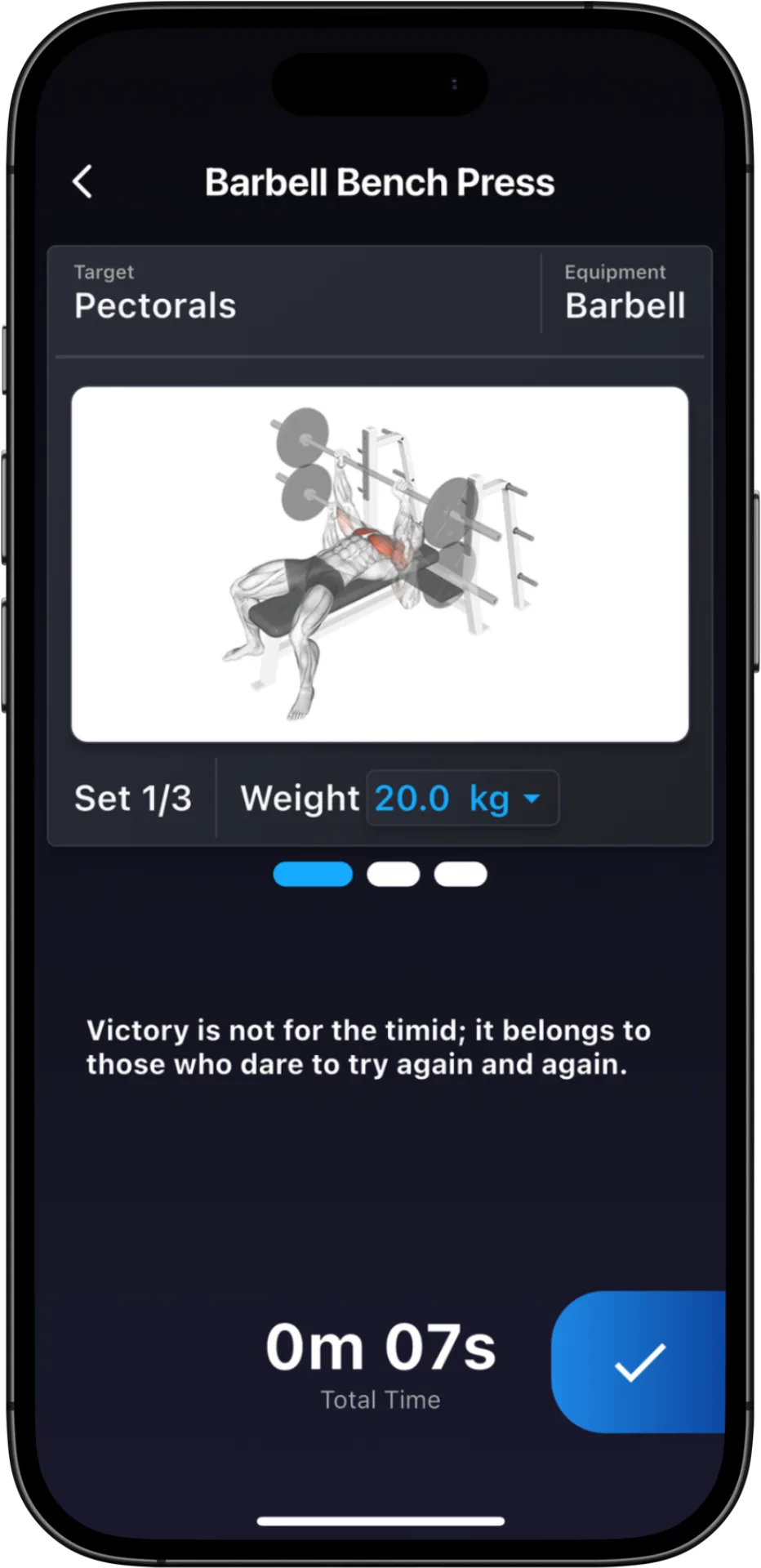
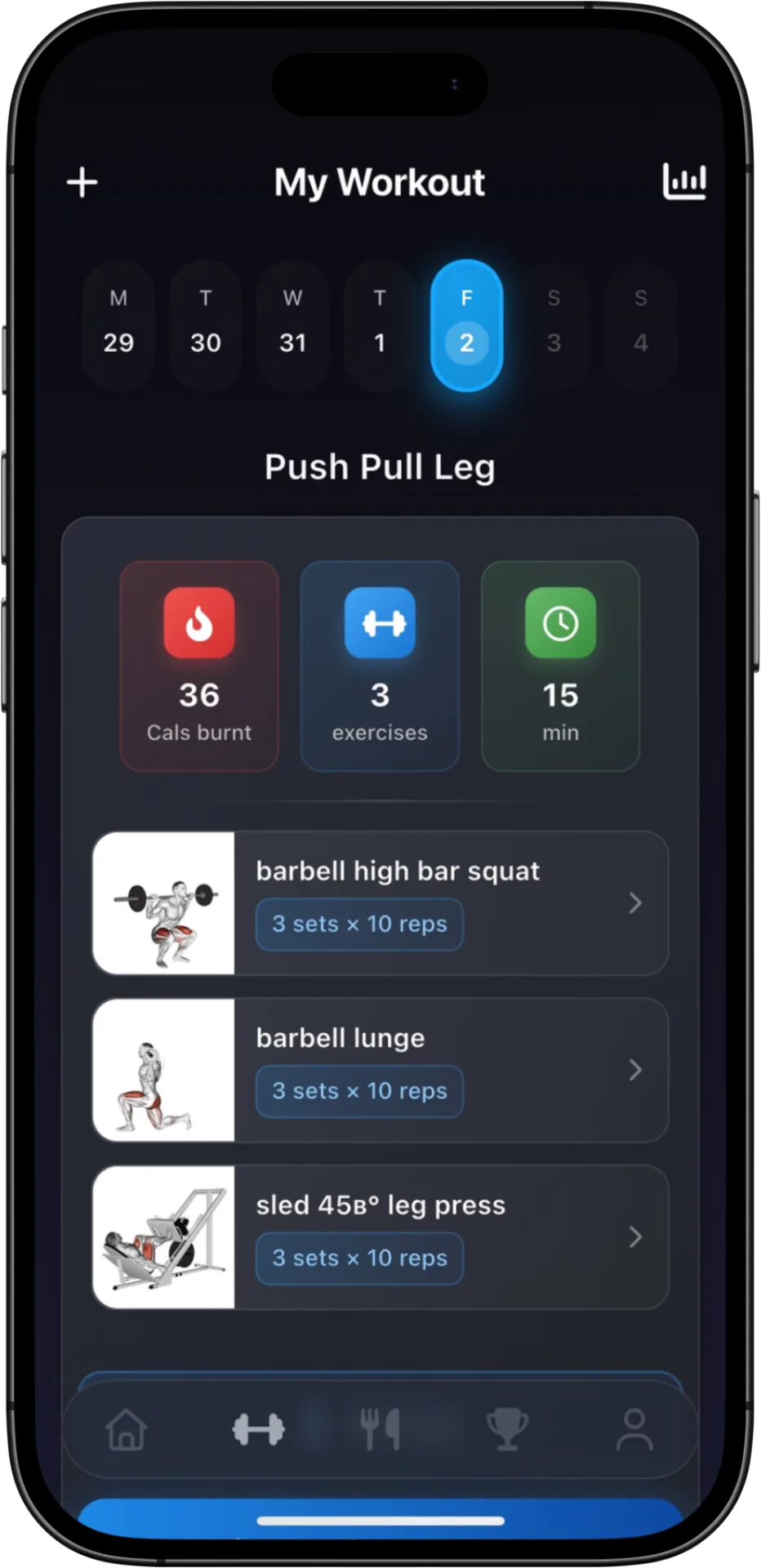
FitFlow's Smart Workout Tracking offers guided exercises with video demonstrations for all these movements. You can log your sets, reps, and hold times, ensuring proper form and consistent progression. The app's intelligent form guidance helps you master these critical techniques, making sure every rep counts towards a stronger core.
Conquer Anti-Rotation & Anti-Lateral Flexion: Dynamic Core Power
Once you've mastered anti-extension, it's time to add dynamic stability with anti-rotation and anti-lateral flexion exercises. These movements build a core that can withstand forces from all directions, crucial for sports, lifting, and everyday resilience.
1. The Pallof Press (Anti-Rotation)
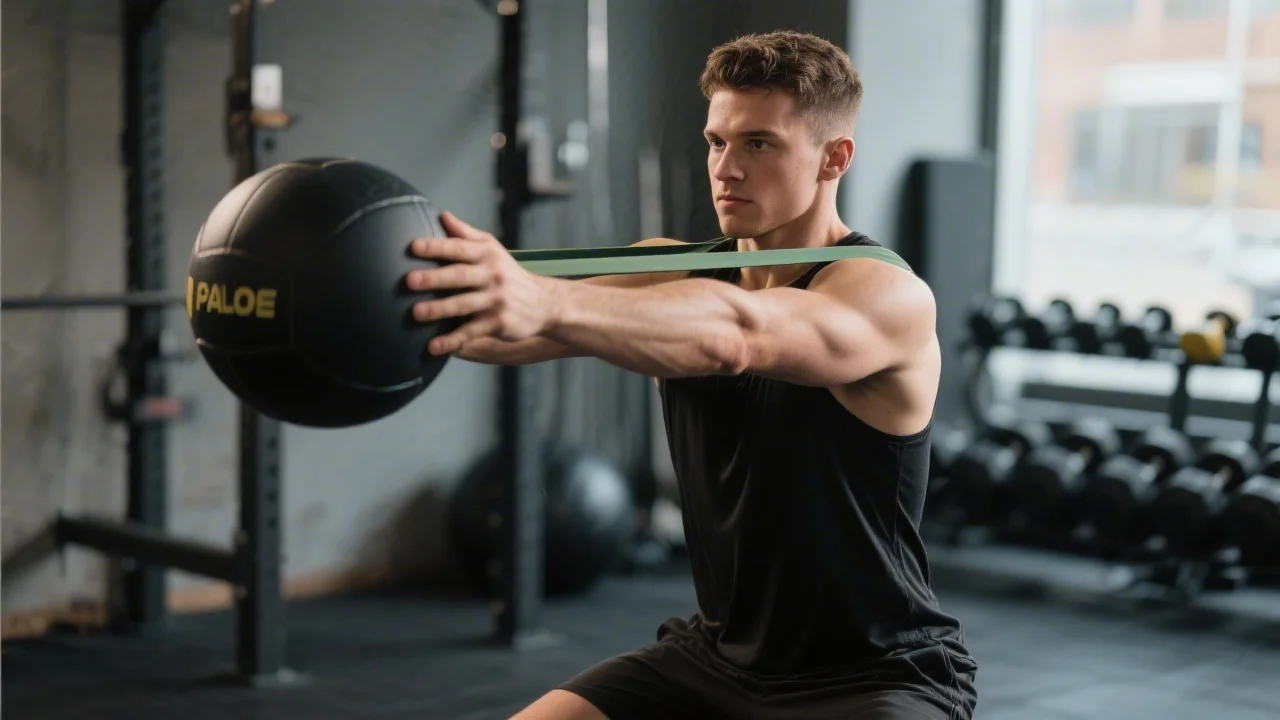
The Pallof press is a cornerstone anti-rotation exercise that directly trains your core to resist twisting. It's best performed with a cable machine or a resistance band anchored at chest height.
- Stand perpendicular to the cable machine or anchor point, grasping the handle with both hands at chest height.
- Step away from the anchor point until there's tension on the cable/band. Stand tall with a slight bend in your knees, feet shoulder-width apart.
- Press the handle straight out in front of you, resisting the urge for your torso to twist towards the anchor. Your core muscles (especially the obliques and TVA) will work hard to keep your hips and shoulders square.
- Hold for a 1-2 count, then slowly return the handle to your chest. Perform 8-12 reps per side.
2. The Bird-Dog (Anti-Rotation & Anti-Extension)
The bird-dog is a classic exercise that combines anti-rotation and anti-extension, promoting spinal stability and coordination.
- Start on all fours, hands directly under your shoulders and knees under your hips. Maintain a neutral spine.
- Slowly extend your right arm forward and your left leg straight back simultaneously, keeping your hips level and your core braced. Avoid any twisting or arching in your lower back.
- Hold briefly, then return to the starting position with control. Repeat on the opposite side. Perform 8-12 reps per side.
3. Side Plank (Anti-Lateral Flexion)
The side plank is an excellent exercise for targeting the obliques and quadratus lumborum, building strength to resist sideways bending.
- Lie on your side, supporting your body on one forearm (elbow directly under shoulder) and the side of your foot. Stack your feet or place the top foot in front of the bottom one for more stability.
- Lift your hips off the floor, forming a straight line from your head to your heels. Engage your core and glutes. Avoid letting your hips sag.
- Hold for 30-60 seconds per side. For progression, try a side plank with hip dips or a dynamic side plank with leg raise.
4. Farmer's Carry (Anti-Lateral Flexion)
This functional exercise directly challenges your anti-lateral flexion capabilities and builds grip strength simultaneously.
- Grab a heavy dumbbell or kettlebell in one hand. Stand tall, shoulders back, and core braced.
- Walk a set distance (e.g., 20-50 meters) without letting your body lean towards the side holding the weight. Your core will work hard to keep you upright and prevent lateral flexion.
- Switch hands and walk back. Perform 2-3 sets.
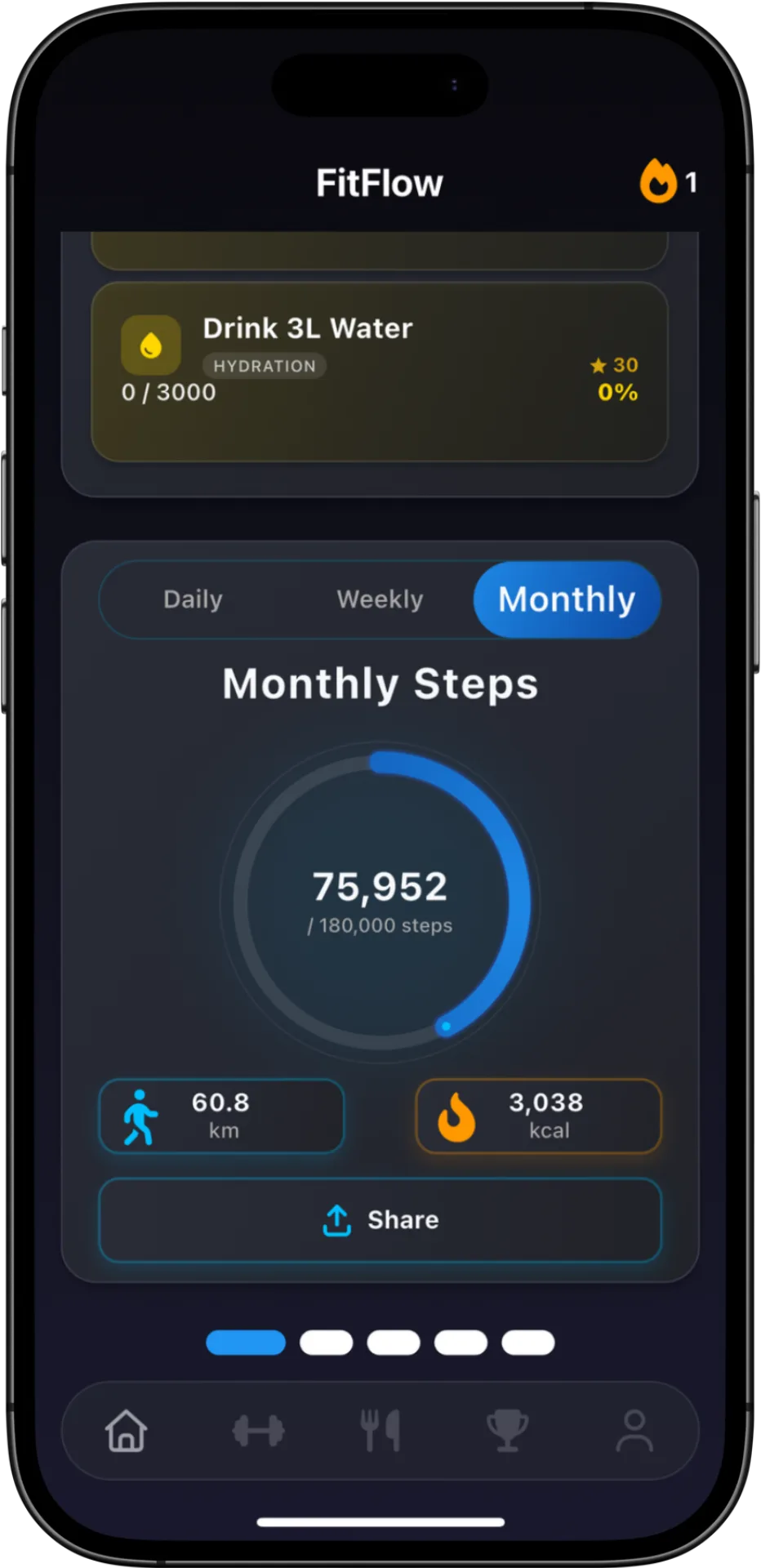
You can easily track your progress and personal records for these exercises within FitFlow's Progress Analytics, seeing your strength improve over time. Monitoring your hold times for planks or the weight/distance for farmer's carries provides clear feedback on your core development.
Integrating & Optimizing Your Core Routine with FitFlow
Building a stronger core isn't about doing a thousand reps in one go; it's about consistent, intelligent training. Here's how to structure your core workouts and how FitFlow can be your ultimate companion.
How to Structure Your Core Workouts
- Frequency: Aim for 2-4 core sessions per week. You can perform them on their own or integrate them into your existing strength training or cardio routines.
- Exercise Selection: Choose 1-2 exercises from each 'anti-movement' category (anti-extension, anti-rotation, anti-lateral flexion) for a well-rounded approach.
- Sets and Reps/Holds: For holds (planks, side planks), aim for 3-5 sets of 30-60 seconds. For dynamic exercises (dead bug, Pallof press, bird-dog), aim for 3-4 sets of 8-15 repetitions per side.
- Progression: Don't stick to the same routine forever. As you get stronger, progress by:
- Increasing hold times (for planks).
- Adding more repetitions or sets.
- Using heavier weights (for farmer's carry, Pallof press).
- Introducing more challenging variations (e.g., single-arm/leg planks, stability ball dead bugs).
- Mind-Muscle Connection: Focus on truly bracing your core. Don't just go through the motions. Imagine drawing your belly button towards your spine and bracing as if you're about to be punched.
FitFlow: Your Core Strength Co-Pilot
FitFlow's customizable workout journeys allow you to seamlessly integrate dedicated core sessions or embed core exercises into your existing strength or weight loss programs. Whether you're following a weight loss journey, a strength training plan, or a cardio routine, you can easily add specific core exercises and track your progress.
Beyond just tracking, FitFlow provides real-time tracking of sets, reps, and rest periods, ensuring you stay on track and maintain consistency. The app's intelligent form guidance helps you execute each exercise correctly, maximizing effectiveness and minimizing injury risk.
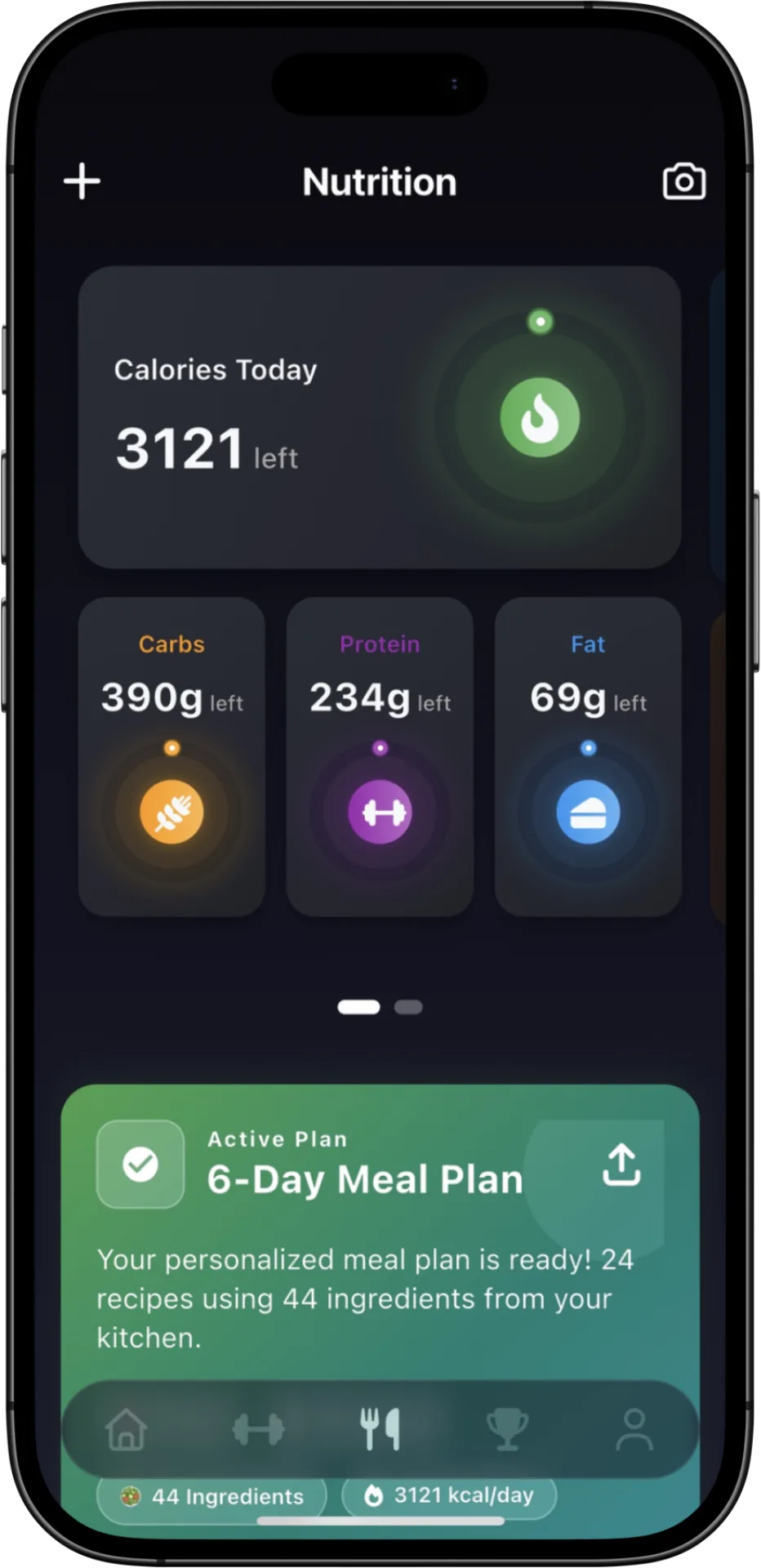
Furthermore, to truly reveal a strong core, nutrition plays a vital role. FitFlow's AI Food Scanning & Nutrition Tracking feature makes it incredibly easy to manage your diet. Simply snap a photo of your meal for instant calorie counting and macro breakdowns, or use barcode scanning for packaged foods. This ensures you're fueling your body correctly for muscle growth and, if desired, reducing body fat to make those hard-earned core muscles visible.
Beyond the Workout: Nutrition, Recovery, and Consistency
While targeted core exercises are crucial, building a truly strong and visible core is a holistic endeavor. Your efforts in the gym must be supported by what you do outside of it.
The Role of Nutrition
You can train your core diligently, but if your diet isn't aligned with your goals, progress will be limited. To build muscle, you need adequate protein intake (typically 0.7-1 gram per pound of body weight). To reveal the definition of your core muscles, you may need to reduce overall body fat, which requires a consistent calorie deficit.
- Prioritize Protein: Essential for muscle repair and growth. Include lean meats, poultry, fish, eggs, dairy, legumes, and plant-based protein sources.
- Embrace Whole Foods: Focus on fruits, vegetables, whole grains, and healthy fats. These provide essential micronutrients and fiber, supporting overall health and satiety.
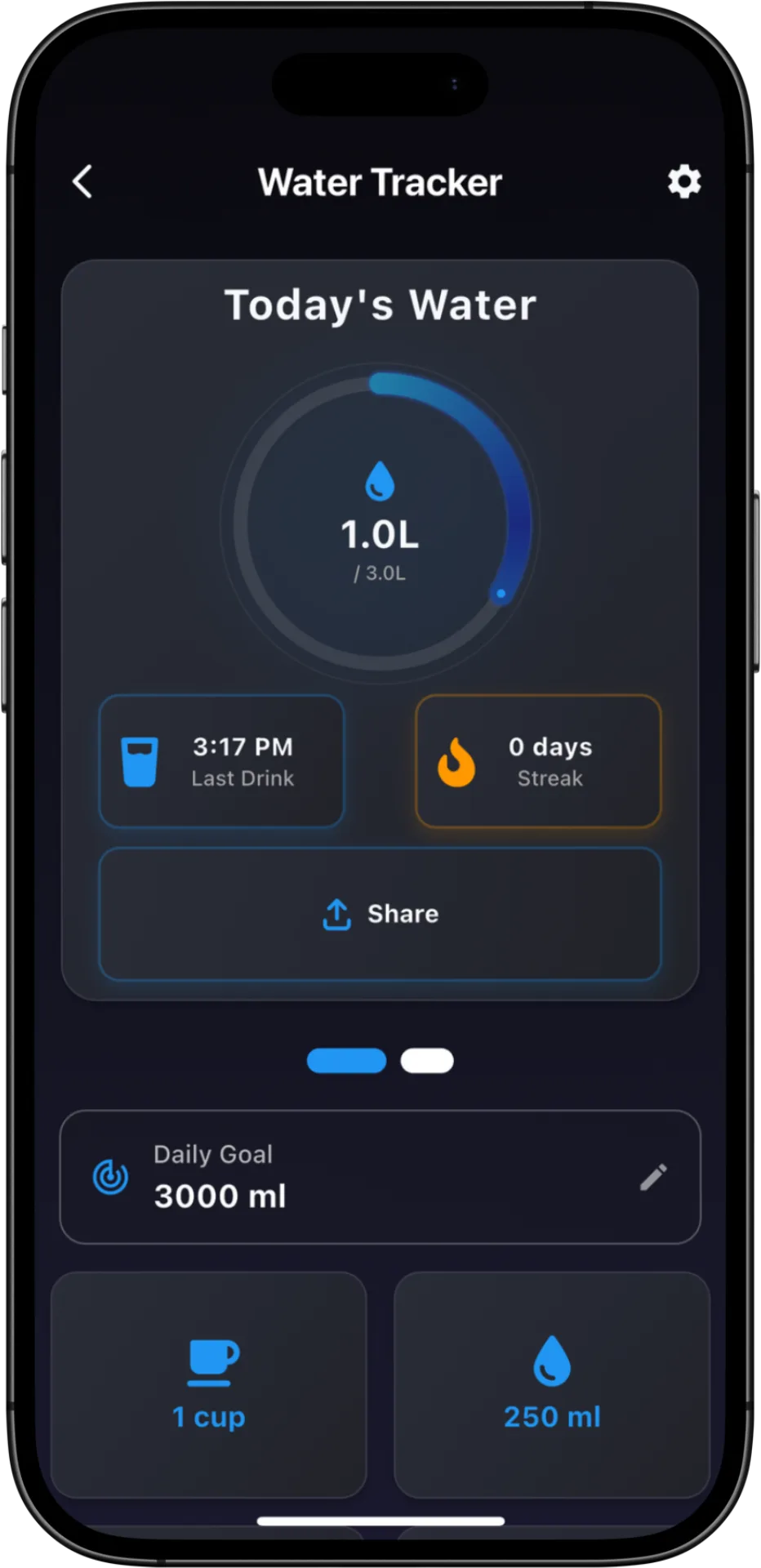
- Hydration: Drink plenty of water throughout the day. Water is vital for metabolic processes, nutrient transport, and overall physical performance. FitFlow's water intake monitoring makes it easy to track your daily hydration goals.
Recovery is Non-Negotiable
Muscles don't grow in the gym; they grow and strengthen during recovery. Adequate rest and sleep are paramount for muscle repair, hormone regulation, and energy restoration.
- Sleep: Aim for 7-9 hours of quality sleep per night. Poor sleep can impair recovery, increase cortisol levels (which can promote fat storage), and hinder performance.
- Active Recovery: Light activities like walking, stretching, or foam rolling can aid blood flow and reduce muscle soreness, promoting faster recovery.
Consistency is Key
Building a stronger core, like any fitness goal, requires patience and consistency. There are no shortcuts. Stick to your workout plan, pay attention to your nutrition, and prioritize recovery. Celebrate small victories and milestones along the way. FitFlow's achievement system and progress reminders are designed to keep you motivated and engaged throughout your journey, turning consistent effort into lasting results.

Your Journey to a Stronger, More Resilient Core
You've learned that a truly strong core extends far beyond the superficial 'six-pack' and that endless crunches are not the most effective path. By understanding the full anatomy of your core and embracing the principles of anti-movement training – anti-extension, anti-rotation, and anti-lateral flexion – you can develop a midsection that is not only aesthetically pleasing but also powerfully functional and resilient.
Remember, your core is the central pillar of your body, influencing every movement, every lift, and every step you take. Investing in its strength and stability is an investment in your overall health, performance, and longevity. Integrate these exercises into your routine, focus on proper form, and commit to consistency.
Stop chasing the burn; start building the brace. Your body will thank you.
With tools like FitFlow, you have an intelligent partner to guide your workouts, track your progress, and ensure your nutrition supports your goals. Embrace this smarter approach to core training, and embark on a journey to a stronger, more capable you.

Sources & References
- Cortical Representations of Transversus Abdominis and Multifidus Muscles Were Discrete in Patients with Chronic Low Back Pain: Evidence Elicited by TMS — Li X, Liu H, Ge L (2021)
- Increase in spinal stability obtained at levels of intra-abdominal pressure and back muscle activity realistic to work situations — Essendrop M, Andersen TB, Schibye B (2002)

FitFlow Editorial Team
Fitness & Nutrition Editorial TeamCertified personal trainers & nutrition coaches
The FitFlow Editorial Team is a group of certified personal trainers, nutrition coaches, and fitness writers who translate exercise science and nutrition research into practical, actionable guidance. Every article is grounded in peer-reviewed sources and reviewed for accuracy before publishing.
Frequently Asked Questions
Who is this guide for?
This guide is for anyone focused on strength training and looking for practical, sustainable progress.
How quickly can I apply these recommendations?
Most recommendations are designed for immediate implementation. Start with one change today, then layer improvements weekly.
How does FitFlow support this strategy?
FitFlow supports execution with AI-powered meal tracking, workout planning, and progress analytics that help you stay consistent.