Reverse Dieting: How to Eat More Without Gaining Fat
Reviewed by the fitness & nutrition editorial team · Certified personal trainers & nutrition coaches

The Post-Diet Dilemma: Fear of Rebound & The Promise of Reverse Dieting
You've worked hard, stuck to your calorie deficit, and achieved your weight loss goals. Congratulations! But now comes the often-dreaded post-diet phase. Many find themselves caught in a frustrating cycle: after successfully losing weight, the fear of regaining it leads to continued severe restriction, which can be unsustainable, or a return to old eating habits, leading to rapid rebound weight gain. This isn't just a lack of willpower; it's often a complex physiological response known as metabolic adaptation.
Your body, in its ancient wisdom, views prolonged calorie restriction as a famine. It adapts by slowing down your metabolism, increasing hunger hormones, and making it incredibly efficient at storing any incoming calories as fat. This makes maintaining weight loss, let alone increasing food intake, a daunting challenge.
Reverse dieting is not about 'cheating' your metabolism; it's about strategically coaxing it back to full speed, gently encouraging your body to burn more calories by providing it with more fuel.
Enter reverse dieting—a powerful, often misunderstood strategy designed to help you gradually increase your caloric intake after a period of dieting, without experiencing significant fat gain. Its primary goal is to repair your metabolism, improve hormonal balance, restore energy levels, and ultimately allow you to eat more food while maintaining your physique. It's a bridge from calorie restriction to sustainable maintenance, empowering you to live a more flexible, less restrictive lifestyle without sacrificing your progress.

Understanding Metabolic Adaptation: Why Your Body Fights Back
To truly appreciate the power of reverse dieting, it's crucial to grasp the concept of metabolic adaptation. When you embark on a calorie-restricted diet, your body doesn't just passively burn fewer calories; it actively adapts to conserve energy. This is a survival mechanism honed over millennia, designed to protect you during times of scarcity.
Here's how it manifests:
- Reduced Basal Metabolic Rate (BMR): Your body burns fewer calories at rest. This isn't just due to a smaller body mass; studies show that BMR decreases more than can be explained by weight loss alone.
- Decreased Non-Exercise Activity Thermogenesis (NEAT): You unconsciously move less. Fidgeting, posture changes, walking to the kitchen – all these small movements decrease, further reducing daily calorie expenditure.
- Hormonal Shifts: Key hormones regulating hunger and satiety go awry. Ghrelin (the hunger hormone) increases, while leptin (the satiety hormone) decreases. Thyroid hormones, crucial for metabolic rate, can also drop. Cortisol, the stress hormone, may rise, potentially leading to increased fat storage, particularly around the midsection.
- Increased Efficiency: Your body becomes incredibly efficient at utilizing every calorie you consume. This means you get more 'bang for your buck' from your food, which is great for survival but terrible for weight loss.
This collective response makes it incredibly challenging to maintain weight loss or even increase calories without gaining fat. Many people find their 'maintenance' calories after a diet are significantly lower than before they started, leading to frustration and the belief that they must restrict forever. Reverse dieting aims to systematically address these adaptations, slowly signaling to your body that the 'famine' is over and it's safe to ramp up its metabolic processes again.

What is Reverse Dieting? A Strategic Approach to Calorie Recovery
At its core, reverse dieting is a highly controlled, gradual process of increasing your caloric intake after a period of caloric restriction. Think of it as slowly turning up the dial on your metabolism. Instead of jumping straight back to your pre-diet eating habits or even a theoretical maintenance intake, you add small amounts of calories over several weeks or even months.
The primary goals of a successful reverse diet include:
- Metabolic Repair: By slowly increasing calories, you give your body time to adjust, allowing metabolic rate to gradually increase and hormone levels (like leptin and thyroid hormones) to normalize. This can help restore your body's natural fat-burning and energy-regulating capabilities.
- Increased Food Intake: The ultimate aim is to enable you to eat a significantly higher amount of food without gaining excess body fat. This provides greater dietary flexibility and improves quality of life.
- Improved Energy & Performance: More calories mean more fuel for your workouts and daily activities, leading to better gym performance, faster recovery, and higher overall energy levels.
- Enhanced Hormonal Balance: A sustained calorie deficit can negatively impact hormones vital for mood, sleep, and reproductive health. Reverse dieting helps bring these back into equilibrium.
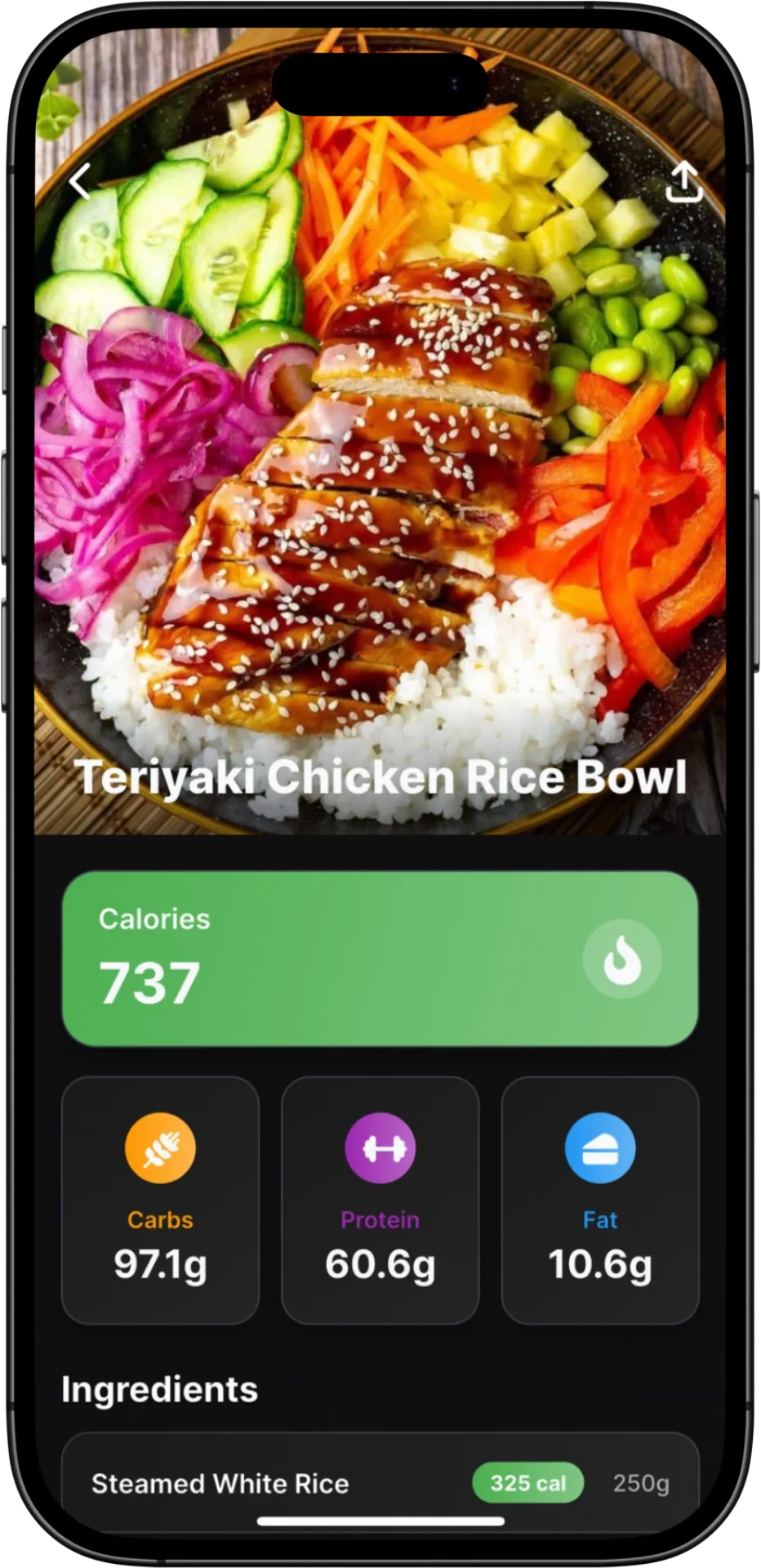
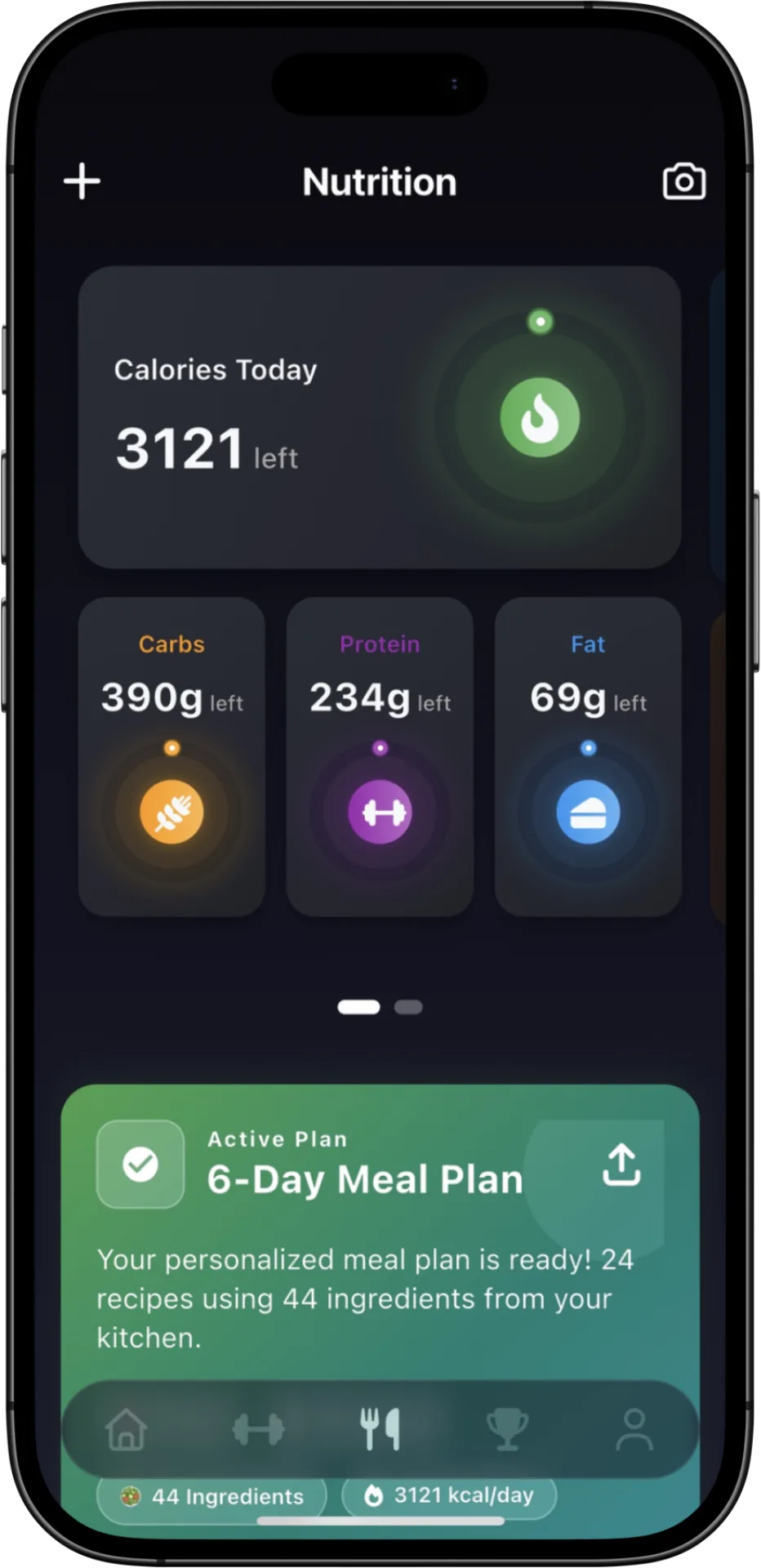
This meticulous process requires precision and consistency. This is where tools like FitFlow become invaluable. With FitFlow's AI Food Scanning & Nutrition Tracking, you can snap a photo of your meal for instant calorie counting and macro breakdowns. It recognizes over 2 million foods and offers a database of 14 million items for packaged goods via barcode scanning, ensuring you know exactly what you're consuming. This precision is critical when you're making small, incremental adjustments to your daily intake, allowing you to track your progress with confidence and accuracy.
How to Implement a Reverse Diet: A Step-by-Step Guide
Embarking on a reverse diet requires patience, consistency, and a systematic approach. Here's a practical, step-by-step guide to help you navigate the process effectively:
Step 1: Establish Your Post-Diet Baseline
Before you can add calories, you need to know your current starting point. For 1-2 weeks, eat consistently without trying to lose or gain weight. Track everything you eat meticulously. Your average daily caloric intake during this period, where your weight remains relatively stable, will be your baseline for the reverse diet. This is often lower than your pre-diet maintenance calories.
FitFlow's tools are perfect for this. Utilize the AI Food Scanning & Nutrition Tracking to effortlessly log your meals, getting instant macro and calorie insights. The quick-add feature and food favoriting make logging repeated meals a breeze, saving you valuable time. Additionally, FitFlow's Progress Analytics & Goal Setting allows you to track your weight and body fat with visual charts, giving you clear insights into your current metabolic state.
Step 2: Implement Gradual Calorie Increases
This is the cornerstone of reverse dieting. Begin by adding a small, controlled amount of calories to your daily intake. A common starting point is an increase of 50-100 calories per week. The specific macronutrient breakdown for these increases often prioritizes carbohydrates first, as they are crucial for energy and can positively impact leptin and thyroid hormone levels, followed by fats.
- Week 1: Add 50-100 calories (e.g., 20-25g carbs, or 5-10g fat).
- Week 2 onwards: Continue adding 50-100 calories each week, or every two weeks, depending on your body's response.
The key is to keep the increases small enough that your body can adapt without storing the excess as fat.
Step 3: Monitor Your Progress Closely
Consistency in monitoring is non-negotiable. Track your weight daily (taking a weekly average), measure body circumference (waist, hips), observe your energy levels, gym performance, and how your clothes fit. Don't solely rely on the scale; non-scale victories like increased strength or better mood are equally important indicators.
With FitFlow's Progress Analytics & Goal Setting, you can easily track weight, body fat, personal records, and view detailed fitness and nutrition analytics with progress charts. This comprehensive overview helps you objectively assess how your body is responding to the increased calories.
Step 4: Adjust as Needed
Your body's response will dictate the pace. If your weight remains stable or increases minimally (e.g., 0.5-1 lb per week, which might be water or glycogen), continue with the planned increases. If you notice a significant increase in fat or a rapid jump on the scale, hold your current calorie intake for another week or two, or even slightly reduce the next planned increase. The goal is to find the sweet spot where you're increasing calories without noticeable fat gain.

Macronutrient Strategies for Effective Reverse Dieting
While total calories are paramount in reverse dieting, the specific macronutrient distribution plays a vital role in optimizing your metabolic recovery and minimizing fat gain. Knowing how to strategically increase your carbs, proteins, and fats can make a significant difference in your results.
Carbohydrates: Your Metabolic Primer
For most individuals, carbohydrates are the first macronutrient to increase during a reverse diet. Carbs are essential for replenishing glycogen stores, providing energy for intense workouts, and supporting thyroid function and leptin sensitivity. These hormonal responses are crucial for signaling to your body that it's no longer in a state of deprivation.
- Action: Start by adding 15-25 grams of carbohydrates per week. Focus on complex carbohydrates like whole grains, fruits, and starchy vegetables.
- Benefit: Increased energy, improved mood, better workout performance, and a positive impact on metabolic hormones.
Proteins: The Constant Foundation
Protein intake should remain consistently high throughout your reverse diet. Protein is essential for muscle repair and growth, which is critical for maintaining a healthy metabolism. It also has a high thermic effect of food (TEF), meaning your body burns more calories digesting protein than other macros, and it promotes satiety, helping manage hunger as calories increase.
- Action: Aim for 0.8-1.0 grams of protein per pound of body weight. Do not decrease protein during reverse dieting.
- Benefit: Muscle preservation, enhanced satiety, and support for a robust metabolism.
Fats: Hormonal Support and Satiety
Dietary fats are crucial for hormone production, nutrient absorption, and overall health. While carbohydrates are often prioritized initially, fats should be gradually increased as the reverse diet progresses, especially if you've been on a very low-fat diet.
- Action: Once carbohydrate increases are well underway, consider adding 3-5 grams of healthy fats per week. Focus on sources like avocados, nuts, seeds, and olive oil.
- Benefit: Support for hormonal balance, improved satiety, and essential fatty acid intake.
Managing these macronutrient adjustments precisely is effortless with FitFlow. The AI Food Scanning & Nutrition Tracking provides instant macro breakdowns for every meal, helping you hit your targets. You can also use the custom meal plan feature, which supports dietary preferences like vegetarian, vegan, keto, paleo, or gluten-free, and even use the recipe builder for homemade meals with full nutritional breakdowns, ensuring you meet your specific macro goals with ease.
Beyond Calories: The Role of Training and Lifestyle
While nutrition is the cornerstone of reverse dieting, your training regimen and overall lifestyle choices play equally critical roles in optimizing your results and preventing unwanted fat gain. It's a holistic process that extends beyond just counting calories.
Strength Training: Your Metabolic Ally
Continuing or even intensifying your strength training during a reverse diet is paramount. Muscle tissue is metabolically active, meaning it burns more calories at rest than fat tissue. By maintaining or building muscle, you directly support a higher metabolic rate, making it easier for your body to handle increased calorie intake without storing it as fat.
- Action: Aim for 3-5 strength training sessions per week, focusing on compound movements and progressive overload.
- Benefit: Increased muscle mass, higher metabolic rate, improved body composition, and better nutrient partitioning (directing calories to muscle instead of fat).
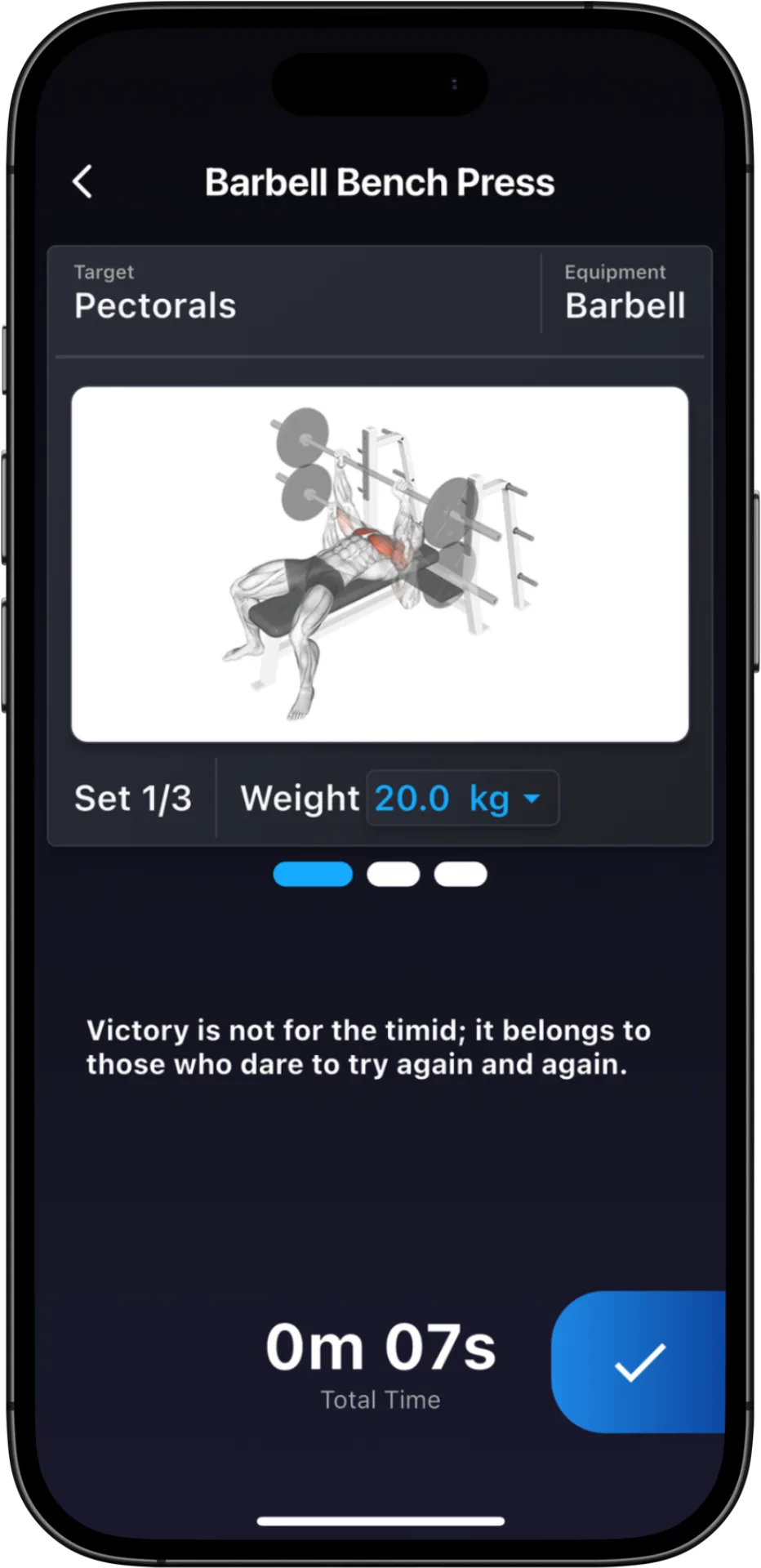
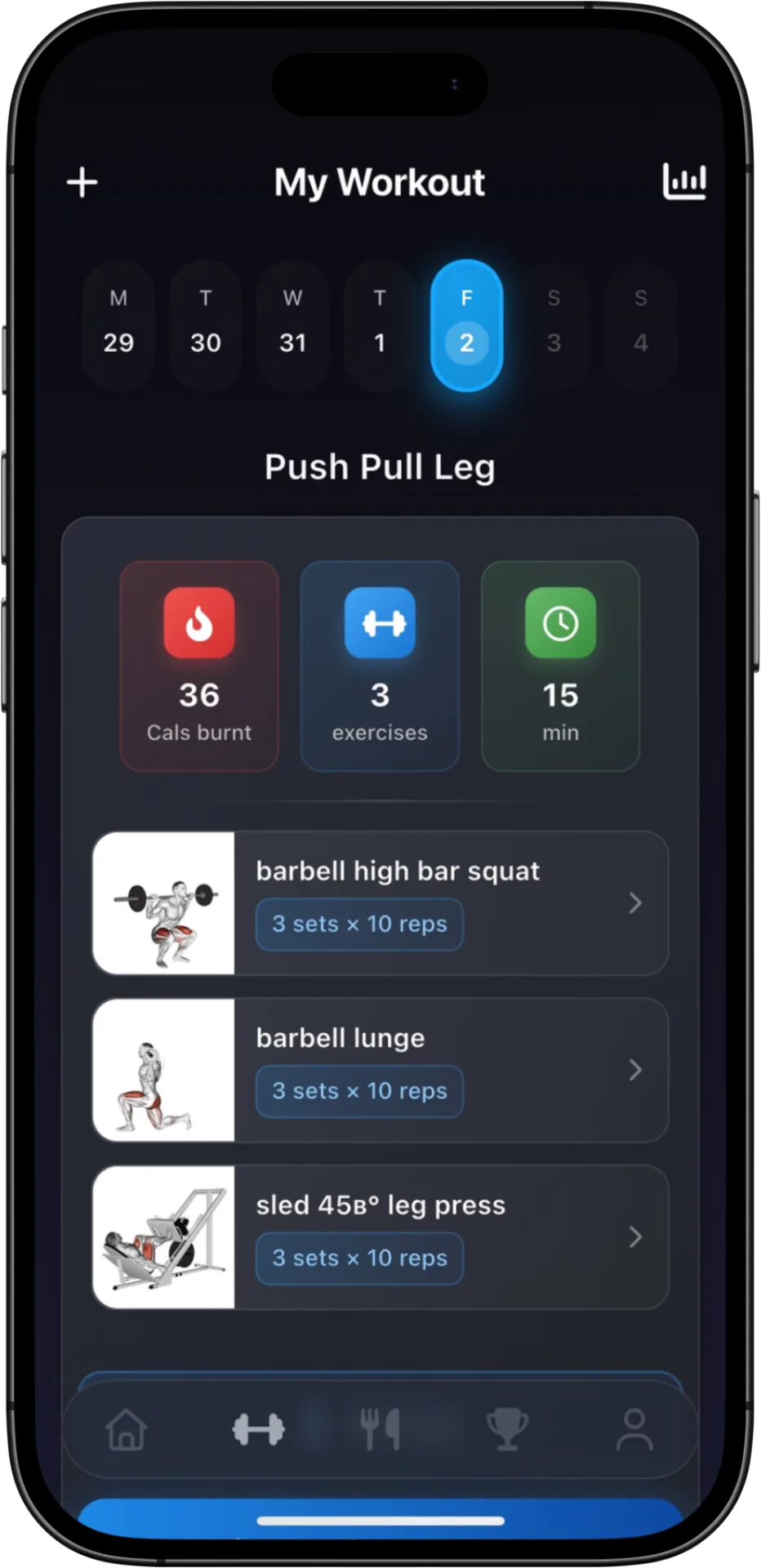
FitFlow's Smart Workout Tracking system offers over 1,000 guided exercises with video demonstrations, real-time tracking of sets, reps, and rest periods, and intelligent form guidance. You can customize workout journeys for strength training and track barbell workouts with realistic weight defaults, ensuring your training is effective and progressively challenging.
Cardio: Strategic Integration
During a reverse diet, cardio can be a flexible tool. Many individuals reduce their cardio frequency or intensity, especially if it was very high during their fat loss phase. This helps conserve energy for strength training and allows the body to focus on metabolic recovery. However, some moderate cardio can be beneficial for cardiovascular health and overall well-being.
- Action: Consider reducing high-intensity cardio. Opt for 2-3 sessions of moderate-intensity cardio (e.g., walking, cycling) per week, or maintain light activity for general health.
- Benefit: Conserves energy, supports recovery, and maintains cardiovascular health without overstressing the system.
Sleep and Stress Management: The Unsung Heroes
Often overlooked, adequate sleep and effective stress management are critical for hormonal balance, which directly impacts your metabolism. Poor sleep can disrupt ghrelin and leptin, leading to increased hunger, while chronic stress can elevate cortisol, potentially promoting fat storage.
- Action: Prioritize 7-9 hours of quality sleep per night. Implement stress-reducing practices like meditation, deep breathing, or spending time in nature.
- Benefit: Optimized hormone levels, improved recovery, better mood, and enhanced metabolic function.
Common Pitfalls and How to Avoid Them
While reverse dieting is a highly effective strategy, it's not without its challenges. Avoiding common mistakes can significantly increase your chances of success and a smooth transition to a higher caloric intake.
- Increasing Calories Too Quickly: This is the most common pitfall. Jumping from a significant deficit to maintenance or a surplus too rapidly almost guarantees fat gain. Your body needs time to adapt.
- Solution: Stick to the recommended 50-100 calorie increases per week, or even less if your body is particularly sensitive. Patience is your greatest asset.
- Inconsistent Tracking: If you're not accurately logging your food, you won't know if your increases are working or if you're overshooting.
- Solution: Be diligent with your food tracking. Use FitFlow's AI Food Scanning & Nutrition Tracking and quick-add features religiously to ensure precision.
- Ignoring Non-Scale Victories: Focusing solely on the scale can be demoralizing. Weight fluctuations are normal, and a slight increase can be due to increased glycogen and water, not fat.
- Solution: Pay attention to energy levels, strength gains in the gym, how your clothes fit, and mood improvements. Use FitFlow's Progress Analytics & Goal Setting to track personal records and body measurements alongside weight.
- Becoming Complacent with Training: Reducing your training intensity or frequency during reverse dieting can hinder metabolic adaptation and muscle maintenance.
- Solution: Continue to challenge yourself with progressive overload in your strength training. Use FitFlow's Smart Workout Tracking to log sets, reps, and weights, ensuring you're consistently pushing yourself.
- Lack of Patience: Reverse dieting is a long game. It can take several weeks or even months to achieve your desired metabolic state.
- Solution: Embrace the process. Celebrate small wins and remember that sustainable progress takes time. FitFlow's smart goal-setting and achievement badges can help keep you motivated throughout your journey.

Empowering Your Post-Diet Journey with FitFlow
Reverse dieting is a powerful strategy that transforms the daunting post-diet phase into an empowering journey of metabolic restoration and sustainable freedom. It's about rebuilding your body's capacity to handle more food, improving your energy, enhancing your performance, and ultimately, living a life less constrained by restrictive eating.
By understanding metabolic adaptation and implementing a structured approach to gradually increasing your caloric intake, you can successfully navigate this transition without the fear of immediate fat gain. It's not a quick fix, but a thoughtful, science-backed method for long-term success.
FitFlow is designed to be your indispensable partner throughout this process. From the unparalleled accuracy of AI Food Scanning & Nutrition Tracking that makes precise calorie and macro adjustments effortless, to the comprehensive Smart Workout Tracking that ensures your training supports your metabolic goals, and the insightful Progress Analytics & Goal Setting that keeps you motivated with clear visuals of your achievements—FitFlow streamlines every aspect of your reverse diet.
Take control of your post-diet success. Empower your metabolism, enjoy more food, and sustain your results with confidence. Download FitFlow today and embark on your journey to a stronger, more flexible, and metabolically healthier you.

Sources & References
- HIGH-FIBER DIET PROMOTES METABOLIC, HORMONAL, AND SATIETY EFFECTS IN OBESE WOMEN ON A SHORT-TERM CALORIC RESTRICTION — Triffoni-Melo AT, Castro M, Jordão AA (2023)
- Aerobic capacity modulates adaptive thermogenesis: Contribution of non-resting energy expenditure — Mukherjee SD, Koch LG, Britton SL (2020)

FitFlow Editorial Team
Fitness & Nutrition Editorial TeamCertified personal trainers & nutrition coaches
The FitFlow Editorial Team is a group of certified personal trainers, nutrition coaches, and fitness writers who translate exercise science and nutrition research into practical, actionable guidance. Every article is grounded in peer-reviewed sources and reviewed for accuracy before publishing.
Frequently Asked Questions
Who is this guide for?
This guide is for anyone focused on nutrition and looking for practical, sustainable progress.
How quickly can I apply these recommendations?
Most recommendations are designed for immediate implementation. Start with one change today, then layer improvements weekly.
How does FitFlow support this strategy?
FitFlow supports execution with AI-powered meal tracking, workout planning, and progress analytics that help you stay consistent.