Signs You're Overtraining and How to Fix It
Reviewed by the fitness & nutrition editorial team · Certified personal trainers & nutrition coaches

The Fine Line: Pushing Limits vs. Overtraining
In the pursuit of fitness, whether it's building muscle, shedding pounds, or boosting endurance, there's an inherent drive to push boundaries. We're often told that discomfort is where growth happens, that consistency is key, and that hard work pays off. While these maxims hold truth, there's a critical, often overlooked, threshold: the point at which 'more' becomes 'too much.' Crossing this line doesn't lead to faster results; instead, it ushers in a state known as overtraining syndrome (OTS), a complex condition that can sabotage your progress, undermine your health, and extinguish your motivation.
Overtraining isn't just feeling tired after a tough workout; it's a chronic state of fatigue, underperformance, and physiological dysfunction that arises when the body is subjected to excessive physical and/or psychological stress without adequate recovery. It's a signal from your body that it's struggling to adapt, regenerate, and maintain homeostasis.
Understanding the difference between productive fatigue and detrimental overtraining is paramount for any serious fitness enthusiast. It's the difference between building a stronger, healthier you and breaking down your body and spirit.
This guide will equip you with the knowledge to identify the tell-tale signs of overtraining, understand its insidious effects, and, most importantly, provide you with practical, actionable strategies to recover and prevent it from derailing your fitness journey. With the right approach, you can continue to challenge yourself effectively, ensuring your efforts lead to sustainable progress and long-term well-being.

What is Overtraining Syndrome and Why Does It Happen?
Overtraining Syndrome (OTS) is a neuroendocrine disorder characterized by a prolonged decrease in performance capacity, accompanied by various physiological and psychological symptoms, despite continued or increased training. It's more than just acute fatigue; it's a systemic breakdown in the body's ability to recover and adapt to training stress.
The Physiology Behind the Burnout
When you exercise, you intentionally create micro-traumas in your muscles and stress your cardiovascular and nervous systems. This stress is beneficial because, during recovery, your body adapts by rebuilding stronger muscles, improving cardiovascular efficiency, and enhancing neurological pathways. This is the principle of progressive overload and supercompensation.
- Hormonal Imbalance: Chronic stress, whether from training or life, elevates cortisol levels. While acute cortisol spikes are normal, persistently high cortisol can lead to muscle breakdown, suppressed immune function, and increased fat storage. Simultaneously, anabolic hormones like testosterone and growth hormone may decrease, disrupting the delicate balance required for recovery and growth.
- Nervous System Fatigue: The sympathetic nervous system (SNS), responsible for your 'fight or flight' response, is heavily engaged during intense exercise. If you don't allow sufficient recovery, the SNS can become overactive, leading to a constant state of alertness, sleep disturbances, and a feeling of being 'wired but tired.' Conversely, in some cases of overtraining, the parasympathetic nervous system (PNS) can become overstimulated, leading to lethargy and apathy.
- Immune System Suppression: Intense, prolonged training without adequate rest can suppress the immune system, making you more susceptible to infections, colds, and flu. This is often linked to elevated cortisol and other stress hormones.
- Glycogen Depletion: Consistent hard training without sufficient carbohydrate intake can lead to chronic glycogen depletion in muscles and liver, impacting energy levels and performance.
Overtraining typically arises from an imbalance between training load and recovery, often exacerbated by other life stressors such as poor nutrition, insufficient sleep, work pressure, or emotional strain. It's a cumulative effect, slowly chipping away at your body's reserves until it reaches a breaking point.

Physical Signs You're Pushing Too Hard
Your body is incredibly smart and communicates with you constantly. The trick is learning to listen. When you're overtraining, it sends clear physical signals that something is amiss. Ignoring these can lead to more severe problems down the line.
Persistent Muscle Soreness or Aches
- Beyond DOMS: While Delayed Onset Muscle Soreness (DOMS) is normal after a challenging workout, overtraining leads to soreness that lingers for days, often feeling like a deep ache or stiffness that doesn't resolve with rest.
- Joint Pain: Tendons and ligaments, which recover slower than muscles, can become inflamed and painful. You might notice persistent joint pain in knees, shoulders, elbows, or hips.
Decreased Performance
- Strength Loss: You might find yourself unable to lift weights you previously handled with ease, or your reps decrease significantly.
- Endurance Drop: Running times might slow, or you might struggle to maintain pace during cardio sessions.
- Lack of Progress: Despite consistent effort, you hit a plateau or even regress. Your personal records become elusive.
Elevated Resting Heart Rate (RHR)
- Morning Check: Your RHR, taken first thing in the morning before getting out of bed, is a reliable indicator of recovery. A sustained elevation (e.g., 5-10 beats per minute higher than your baseline) can signal that your body is under stress.
Frequent Illness or Injury
- Weakened Immune System: As discussed, overtraining suppresses your immune response, making you more prone to colds, flu, and other infections. If you're constantly catching bugs, your training might be the culprit.
- Increased Injury Risk: Fatigue compromises form, coordination, and reaction time, significantly increasing your risk of sprains, strains, and overuse injuries.
Sleep Disturbances
- Insomnia: Despite feeling exhausted, you might struggle to fall asleep or stay asleep. This is often due to an overactive nervous system, keeping your body in a state of heightened arousal.
- Non-Restorative Sleep: Even if you get enough hours, you wake up feeling unrefreshed and still tired.
Weight Fluctuations or Loss of Appetite
- Unexplained Weight Loss: High cortisol levels can sometimes lead to muscle catabolism and unexplained weight loss, even if calorie intake seems adequate.
- Loss of Appetite: Paradoxically, despite the increased energy demands, some individuals experience a decreased appetite or even nausea, making it harder to fuel recovery.

The Mental and Emotional Toll of Overtraining
Overtraining doesn't just impact your physical body; it profoundly affects your mind and spirit. The constant stress and lack of recovery can lead to a cascade of psychological and emotional symptoms that are just as debilitating as the physical ones.
Irritability and Mood Swings
- Short Fuse: You might find yourself snapping at loved ones, feeling easily frustrated, or experiencing unexplained anger.
- Emotional Volatility: Minor setbacks or challenges can trigger disproportionate emotional responses, from intense sadness to sudden bursts of frustration.
Lack of Motivation or Apathy
- Dread for Workouts: The thought of going to the gym, which once excited you, now fills you with dread or indifference.
- Loss of Interest: You might lose interest not just in training, but also in other hobbies or activities you once enjoyed. This apathy can extend to daily tasks.
Difficulty Concentrating and Mental Fog
- Poor Focus: You might struggle to concentrate at work or during conversations, feeling like your mind is constantly drifting.
- Brain Fog: A persistent feeling of mental sluggishness, difficulty with problem-solving, and impaired decision-making can be common.
Anxiety and Depression
- Heightened Anxiety: A constant feeling of unease, restlessness, or worry, often accompanied by physical symptoms like a racing heart or shallow breathing.
- Symptoms of Depression: Persistent sadness, feelings of hopelessness, loss of pleasure in activities, and social withdrawal are serious signs that should not be ignored.
Increased Stress Response
- Feeling Overwhelmed: Even minor stressors can feel monumental, and your ability to cope with daily pressures diminishes significantly.
- Burnout: A pervasive sense of exhaustion, cynicism, and reduced effectiveness, not just in your training but in all aspects of life.
Recognizing these mental and emotional signs is crucial because they often manifest before the most severe physical symptoms. Your brain and nervous system are highly sensitive to chronic stress, and their distress signals are vital indicators that your body needs a break.

How to Recover from Overtraining: A Holistic Approach
If you suspect you're overtraining, the most important thing you can do is take immediate action. Recovery isn't about pushing through; it's about strategically stepping back to allow your body and mind to heal. This requires a holistic approach that addresses physical, nutritional, and psychological needs.
1. Complete Rest or Active Recovery
- Immediate Cessation: For severe cases, a complete break from intense training is essential. This might mean 1-2 weeks or even longer, depending on the severity of your symptoms.
- Light Active Recovery: For milder cases, very light activities like walking, gentle swimming, or restorative yoga can help maintain blood flow and mobility without adding stress. Keep intensity low and duration short.
- Listen to Your Body: The duration of rest is highly individual. Do not rush back into intense training.
2. Prioritize Sleep
- Aim for 8-10 Hours: More sleep than usual is often necessary during recovery. Create a dark, cool, quiet sleep environment.
- Consistent Schedule: Try to go to bed and wake up at the same time each day, even on weekends, to regulate your circadian rhythm.
- Limit Screens: Avoid screens (phones, tablets, TVs) at least an hour before bed.
3. Optimize Your Nutrition
- Adequate Calories: Ensure you're consuming enough calories to support recovery, especially if you've been in a chronic deficit.
- Macronutrient Balance: Prioritize sufficient protein for muscle repair (1.6-2.2g/kg body weight), complex carbohydrates for glycogen replenishment, and healthy fats for hormonal balance and anti-inflammatory benefits.
- Micronutrient Density: Focus on nutrient-dense foods: plenty of fruits, vegetables, whole grains, and lean proteins to support immune function and overall health.
- Hydration: Drink plenty of water throughout the day. Dehydration can exacerbate fatigue and impair recovery.
4. Manage Stress
- Mindfulness and Meditation: Practices like meditation, deep breathing exercises, and mindfulness can help calm an overactive nervous system.
- Hobbies and Relaxation: Engage in non-exercise related activities that you enjoy and find relaxing, such as reading, spending time in nature, or listening to music.
- Seek Support: Talk to friends, family, or a professional if you're struggling with stress, anxiety, or depression.
5. Gradual Return to Training
- Start Slow: When you do return to training, begin with significantly reduced volume and intensity. Focus on perfect form.
- Progressive Overload (Slowly): Gradually increase your training load over weeks, not days. Pay close attention to how your body responds.
- Incorporate Deload Weeks: Plan regular deload weeks (reduced volume/intensity) into your training schedule to proactively prevent overtraining.

Preventing Overtraining: Smart Strategies with FitFlow
Prevention is always better than cure. By integrating smart strategies into your routine, you can push your limits effectively without crossing into the territory of overtraining. This is where a powerful tool like FitFlow becomes an invaluable ally, helping you track, analyze, and optimize every aspect of your fitness journey.
Smart Nutrition Tracking for Optimal Recovery
Fueling your body correctly is non-negotiable for recovery and performance. Overtraining often goes hand-in-hand with under-fueling, especially when trying to maintain a calorie deficit while pushing hard in workouts.
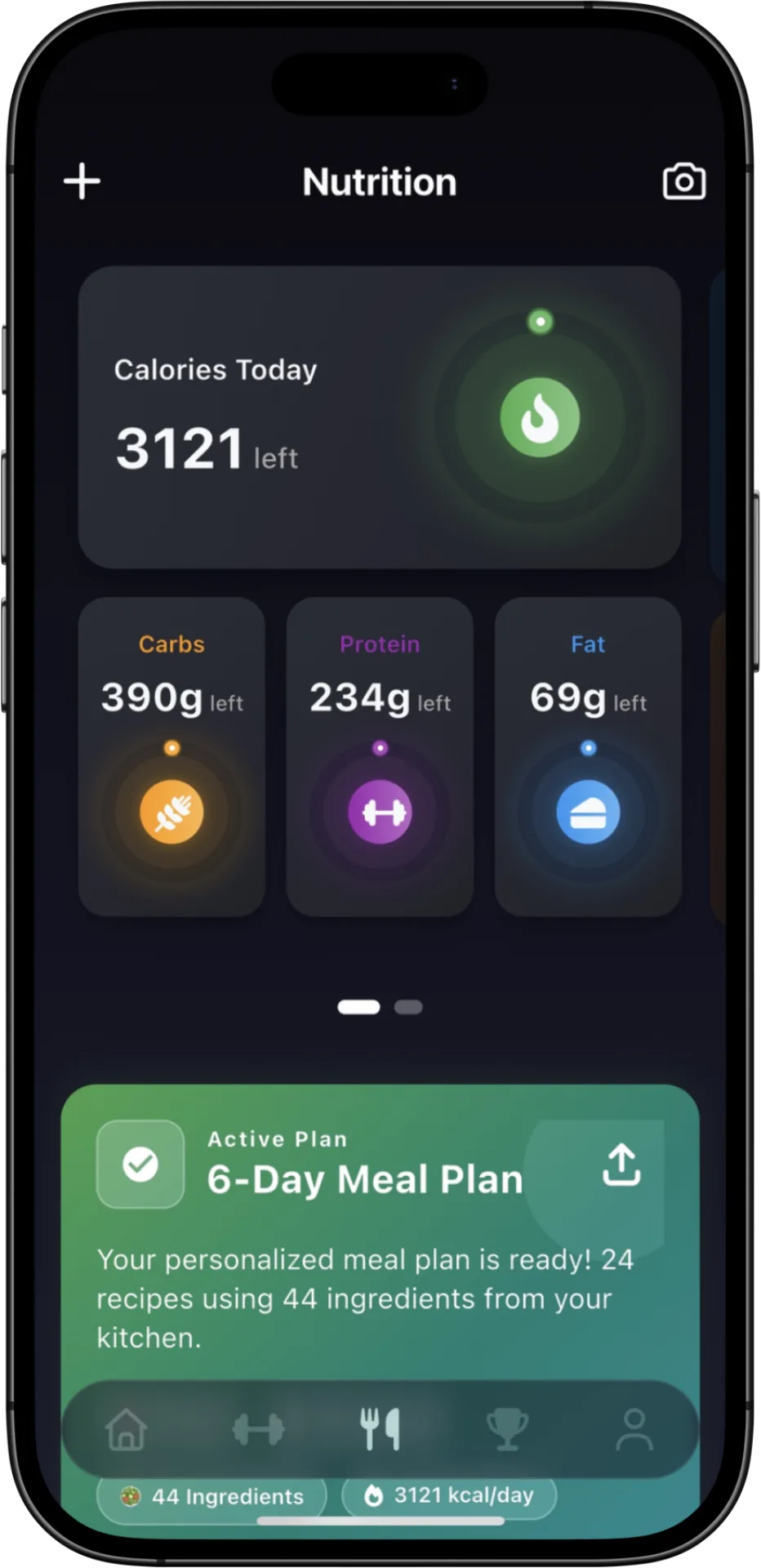
- Instant Nutrition Insights: With FitFlow's AI Food Scanning, you can snap a photo of your meal and get instant calorie counts and macro breakdowns. This automates 80% of food logging, making it up to 5x faster than manual methods. You'll quickly see if you're meeting your protein, carb, and fat requirements to support muscle repair and energy levels.
- Comprehensive Food Database: Access a database of 2M+ foods from photos and 14M+ items via barcode scanning for packaged foods (95%+ accuracy). This ensures you're logging accurately, even for restaurant meals (FitFlow partners with major chains for official data).
- Custom Meal Plans & Recipe Builder: Tailor your nutrition to your goals, whether it's muscle gain or weight loss, with custom meal plans. Use the recipe builder for homemade meals to get full nutritional breakdowns, ensuring you're getting the right nutrients without guesswork. You can also mark allergens and dietary restrictions to stay safe and healthy.
By consistently tracking your intake, you can identify nutritional gaps that might be contributing to fatigue and ensure you're providing your body with the building blocks it needs to recover and adapt.
Intelligent Workout Management and Rest
Mindless training volume is a direct path to overtraining. Smart workout tracking helps you balance intensity, volume, and crucially, rest.
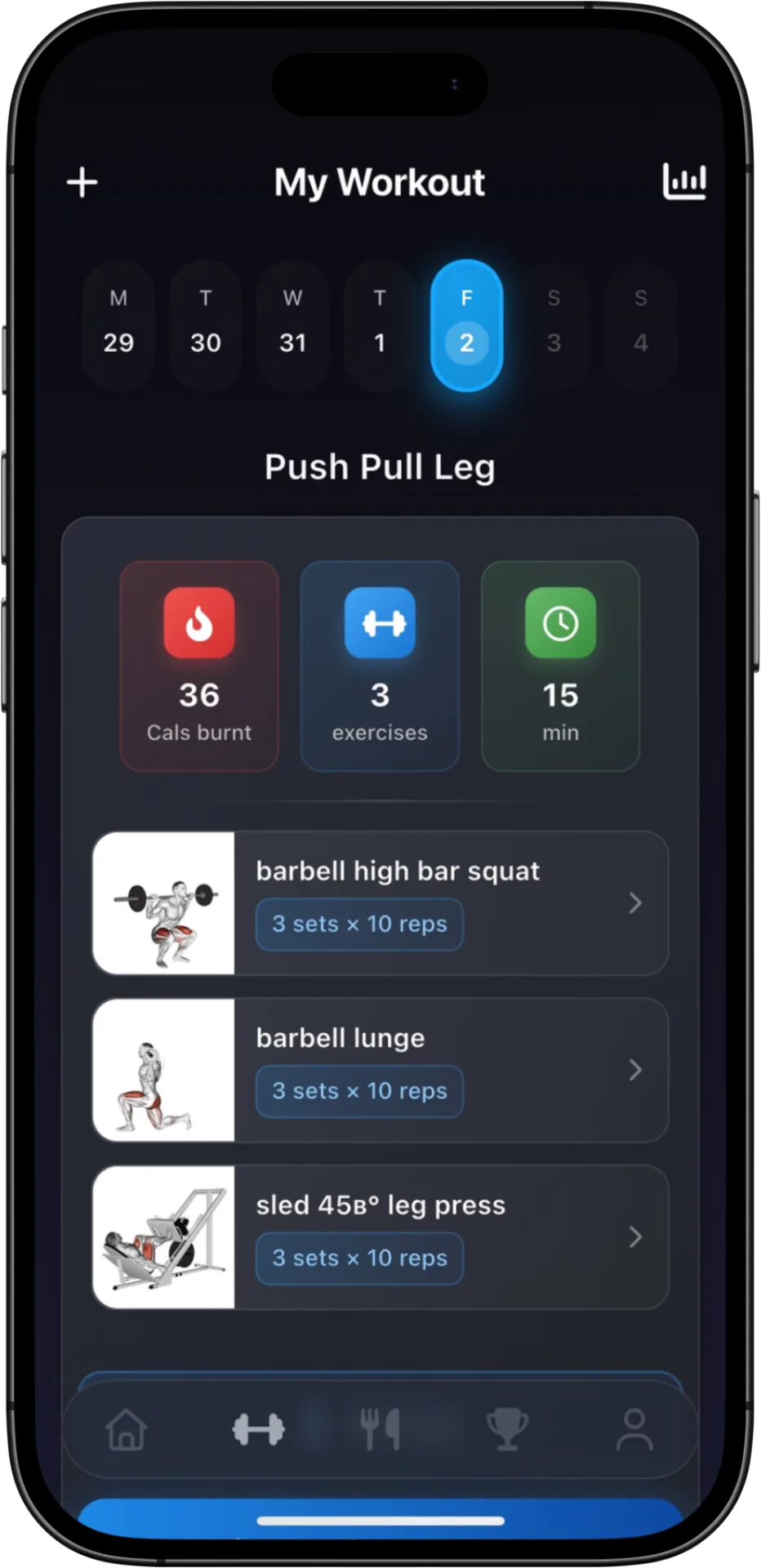
- Guided Exercises & Form Guidance: FitFlow offers 1,000+ guided exercises with video demonstrations, ensuring you maintain proper form. Intelligent form guidance helps prevent injuries that often occur when fatigue sets in.
- Real-time Tracking & Recommendations: Track your sets, reps, and rest periods in real-time. FitFlow's intelligent system can provide exercise recommendations, helping you vary your routine and avoid repetitive stress.
- Customizable Workout Journeys: Whether your goal is weight loss, strength training, or cardio, FitFlow allows you to customize your workout journeys. This helps you build a structured plan that includes appropriate rest days and prevents you from mindlessly adding more and more intensity.
FitFlow's Smart Workout Tracking empowers you to train smarter, not just harder. By monitoring your actual output and ensuring adequate rest, you build a sustainable routine that optimizes progress and minimizes the risk of burnout.
Holistic Progress Monitoring and Self-Awareness
Beyond individual meals and workouts, understanding your overall progress and listening to your body's subtle cues is paramount in preventing overtraining.
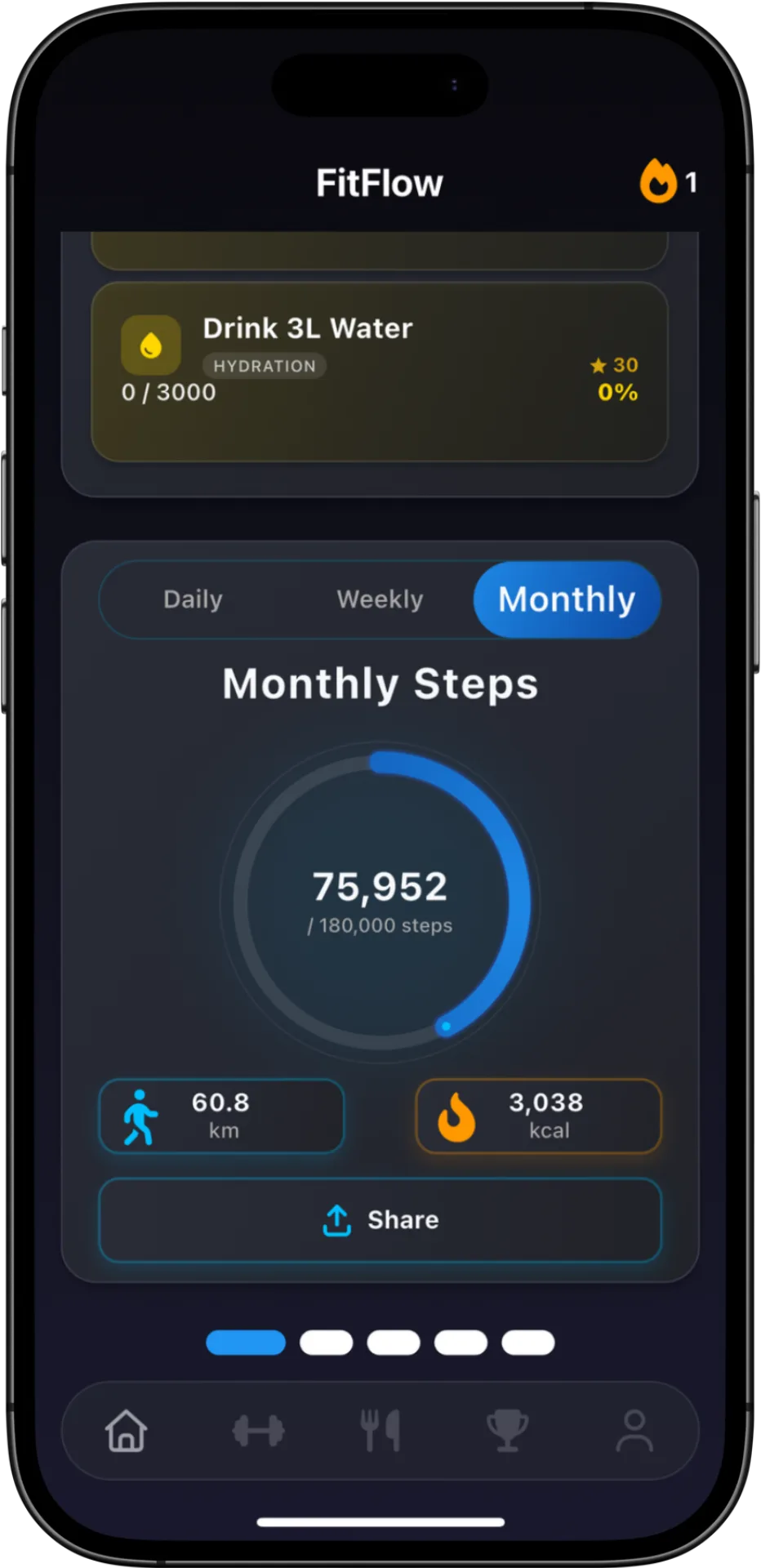
- Detailed Analytics & Charts: FitFlow's Progress Analytics offer visual charts for weight, body fat, steps, and water intake. You can track personal records, earn achievement badges, and see detailed fitness and nutrition analytics. This allows you to spot trends – perhaps your performance is consistently dipping on certain days, or your sleep quality is poor.
- Smart Goal-Setting: Set smart goals with milestone celebrations to keep you motivated without encouraging a 'go-hard-or-go-home' mentality every single day.
- Integrated Health Data: Sync with Apple Health, Google Fit, Fitbit, and Garmin to get a comprehensive overview of your activity and rest. This cross-device syncing ensures all your data is in one place, allowing you to connect the dots between your training, recovery, and overall well-being.
By leveraging FitFlow's comprehensive tracking and analytics, you gain a powerful mirror into your body's state. This data-driven self-awareness, combined with intuitive features like daily motivational quotes and progress reminders, helps you make informed decisions, ensuring you train effectively and recover completely.
Embrace Sustainable Fitness for Long-Term Success
The journey to optimal fitness is a marathon, not a sprint. While the desire to achieve results quickly is natural, pushing your body beyond its capacity for recovery is counterproductive and unsustainable. Overtraining syndrome is a serious warning sign that your current approach is doing more harm than good.
True strength and lasting progress come from a balanced approach: challenging your body consistently, fueling it adequately, allowing ample time for recovery, and listening intently to its signals.
By recognizing the physical, mental, and emotional signs of overtraining, you empower yourself to take corrective action before minor issues escalate. Remember that rest is not a weakness; it's a vital component of growth and performance. Just as a plant needs sunlight and water, it also needs periods of darkness and stillness to truly flourish.
Tools like FitFlow are designed to be your intelligent partner in this journey, providing the data, guidance, and motivation you need to navigate the complexities of training and recovery. Leverage its AI-powered insights for nutrition, smart workout tracking, and holistic progress analytics to build a routine that is both challenging and sustainable.
Embrace the philosophy of mindful training. Respect your body's limits, celebrate your progress, and prioritize your overall well-being. This balanced approach is the key to unlocking your full potential, achieving your fitness goals, and enjoying a long, healthy, and active life without the shadow of burnout.

Sources & References

FitFlow Editorial Team
Fitness & Nutrition Editorial TeamCertified personal trainers & nutrition coaches
The FitFlow Editorial Team is a group of certified personal trainers, nutrition coaches, and fitness writers who translate exercise science and nutrition research into practical, actionable guidance. Every article is grounded in peer-reviewed sources and reviewed for accuracy before publishing.
Frequently Asked Questions
Who is this guide for?
This guide is for anyone focused on fitness tips and looking for practical, sustainable progress.
How quickly can I apply these recommendations?
Most recommendations are designed for immediate implementation. Start with one change today, then layer improvements weekly.
How does FitFlow support this strategy?
FitFlow supports execution with AI-powered meal tracking, workout planning, and progress analytics that help you stay consistent.