Upper Lower Split: The Most Efficient Training Schedule for Growth
Reviewed by the fitness & nutrition editorial team · Certified personal trainers & nutrition coaches

Introduction: Why the Upper Lower Split?
In the vast landscape of fitness programming, choosing the right training split can feel overwhelming. From full-body workouts to intricate body-part splits, each approach promises results. However, one method consistently stands out for its efficiency, effectiveness, and adaptability: the upper lower split. This training methodology has been a cornerstone for athletes, bodybuilders, and general fitness enthusiasts alike, proving its mettle in fostering significant gains in both muscle mass and strength.
The upper lower split is deceptively simple yet profoundly effective. It involves dividing your weekly workouts into sessions that focus exclusively on your upper body muscles (chest, back, shoulders, arms) and separate sessions dedicated to your lower body muscles (quads, hamstrings, glutes, calves). This strategic division allows for a higher training frequency for each muscle group compared to traditional body-part splits, while still providing ample recovery time, a critical component often overlooked.
If you're looking to break through plateaus, optimize your gym time, and see consistent progress, understanding and implementing an upper lower split could be your most impactful move. This comprehensive guide will delve into the philosophy, benefits, structuring, and practical application of this powerful training schedule, showing you exactly why it's heralded as one of the most efficient paths to a stronger, more muscular physique.

Understanding the Upper Lower Split Philosophy
At its core, the upper lower split operates on a fundamental principle: train specific muscle groups intensely, allow them to recover, and then hit them again. Unlike a full-body routine where all major muscle groups are worked in one session, or a 'bro split' where each muscle group gets its own dedicated day once a week, the upper lower split strikes a powerful balance.
Typically, an upper lower split involves training four days a week, with two upper body days and two lower body days. This structure allows you to hit each major muscle group twice a week. Why is this important? Research consistently suggests that training a muscle group with a frequency of two to three times per week is optimal for maximizing muscle protein synthesis, which is the process by which your body repairs and rebuilds muscle tissue after exercise. Training a muscle group only once a week, as is common in many body-part splits, might not provide sufficient stimulus for optimal growth.
“The sweet spot for muscle growth often lies in hitting each muscle group 2-3 times per week, a frequency perfectly accommodated by the upper lower split.”
Each training session is designed to be comprehensive for its respective body region. An upper body day will typically include compound movements that engage multiple muscle groups simultaneously (e.g., bench press, rows, overhead press), followed by isolation exercises. Similarly, a lower body day will focus on foundational movements like squats, deadlifts, and lunges, complemented by accessory work.
This systematic approach ensures that you provide a strong growth stimulus to your muscles, followed by adequate rest for recovery and adaptation. The beauty of the upper lower split lies in its ability to facilitate consistent progressive overload – the gradual increase in stress placed on the body during exercise – which is the driving force behind long-term strength and hypertrophy gains.
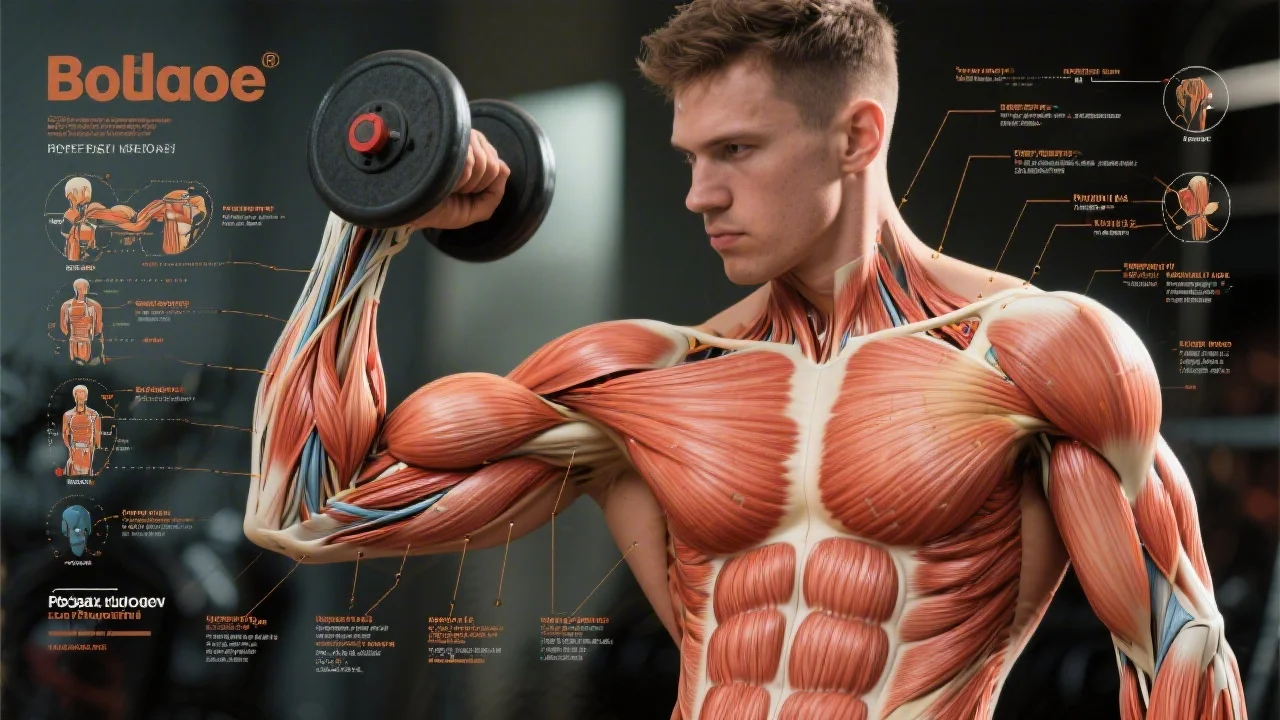
Key Benefits: Why It Outperforms Other Splits
The upper lower split isn't just another workout routine; it's a strategically designed program built on principles of exercise science that offer distinct advantages over many other training methodologies. Here's why it often outperforms its counterparts:
Optimal Training Frequency for Hypertrophy
As mentioned, training each muscle group twice a week is highly effective for muscle growth. Studies, including meta-analyses published in journals like the Journal of Strength and Conditioning Research, indicate that higher training frequencies (2-3 times per week per muscle group) lead to greater hypertrophy compared to lower frequencies (once per week), provided total weekly volume is equated. The upper lower split naturally facilitates this optimal frequency without requiring excessively long individual sessions.
Enhanced Recovery and Reduced Overtraining Risk
While you're hitting muscles twice a week, you're not doing a full-body workout every day. This means that after an intense upper body session, your upper body gets several days of rest while you train your lower body. This structured recovery period is crucial for muscle repair and growth, minimizing the risk of overtraining specific muscle groups. Adequate recovery also allows for better performance in subsequent sessions, as muscles are fully recuperated and ready for another demanding workout.
Increased Volume Potential Per Session
By focusing on only half of your body in a given session, you can dedicate more exercises, sets, and reps to those specific muscle groups. This concentrated volume allows for a more thorough stimulus to the muscles, promoting greater growth. Instead of doing one or two exercises for chest, back, and shoulders in a full-body workout, an upper body day allows you to hit each of these areas with multiple exercises and angles.
Greater Flexibility and Adaptability
The upper lower split is incredibly versatile. While a 4-day schedule (Upper, Lower, Rest, Upper, Lower, Rest, Rest) is common, it can easily be adapted to a 3-day (e.g., Upper, Lower, Full Body) or even a 5-day schedule depending on your lifestyle and recovery capacity. This flexibility makes it sustainable for a wide range of individuals, from beginners to advanced lifters, and those with varying time commitments.
Improved Progressive Overload Tracking
With a consistent structure of hitting muscle groups twice a week, it becomes much easier to track your progress and implement progressive overload. You can aim to lift slightly heavier, perform more reps, or improve your form in specific exercises each week, knowing that you'll revisit those movements regularly. This systematic approach is key to continuous gains in strength and muscle mass.
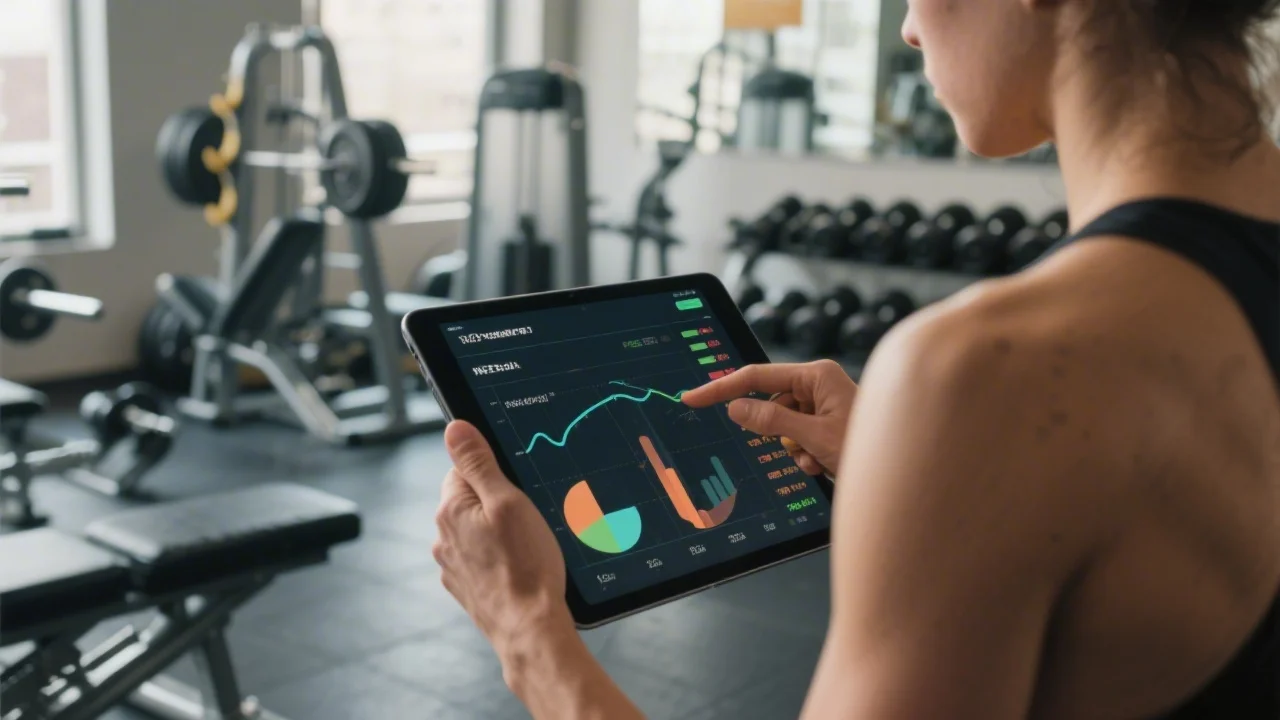
Structuring Your Upper Lower Split: A Weekly Blueprint
While the core concept remains the same, an upper lower split can be structured in several ways to fit your schedule and recovery needs. The most popular and highly effective approach is a 4-day split, which we'll outline below. This blueprint provides a balanced distribution of training and rest, ideal for most individuals seeking muscle gain and strength.
The 4-Day Upper Lower Split
This schedule typically involves alternating between upper and lower body days, with dedicated rest days interspersed to facilitate recovery and prevent burnout.
- Day 1: Upper Body A (Focus on compound upper body movements)
- Day 2: Lower Body A (Focus on compound lower body movements)
- Day 3: Rest/Active Recovery (Light cardio, stretching, mobility work, or complete rest)
- Day 4: Upper Body B (Different exercises or variations for upper body)
- Day 5: Lower Body B (Different exercises or variations for lower body)
- Day 6: Rest/Active Recovery
- Day 7: Rest/Active Recovery
This structure ensures that each major muscle group is trained twice within a 7-day cycle, providing the optimal frequency for hypertrophy and strength gains. The two consecutive rest days at the end of the week are crucial for full recovery before the next training cycle begins.
Variations and Adaptations:
- 3-Day Split: If your schedule only permits three gym days, you could do Upper, Lower, Full Body, or cycle through Upper, Lower, Upper, then Lower, Upper, Lower in consecutive weeks.
- 5-Day Split: For those with higher recovery capacity and more time, a 5-day split might look like Upper, Lower, Upper, Lower, Full Body Accessory, followed by two rest days. However, this is generally recommended for more advanced lifters.
- Cardio Integration: Cardio can be performed on rest days (active recovery) or after your weight training sessions, depending on your goals and energy levels. Prioritize resistance training if muscle and strength are your primary goals.
Remember, consistency is paramount. Choose a schedule that you can adhere to week in and week out. The best program is the one you can stick with.
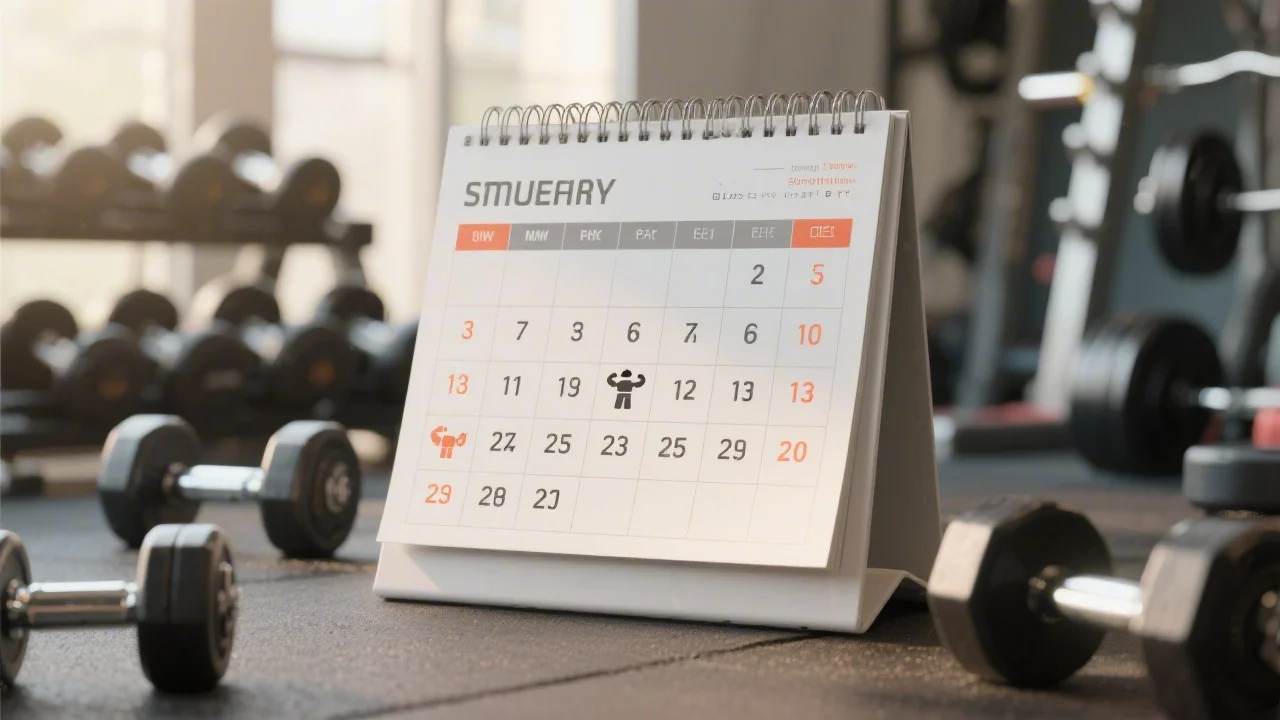
Sample Upper Body Workout (A/B)
Here’s a practical example of how you can structure your upper body workouts within an upper lower split. These routines prioritize compound movements to maximize muscle activation and efficiency, followed by isolation work to target specific muscles.
Upper Body A
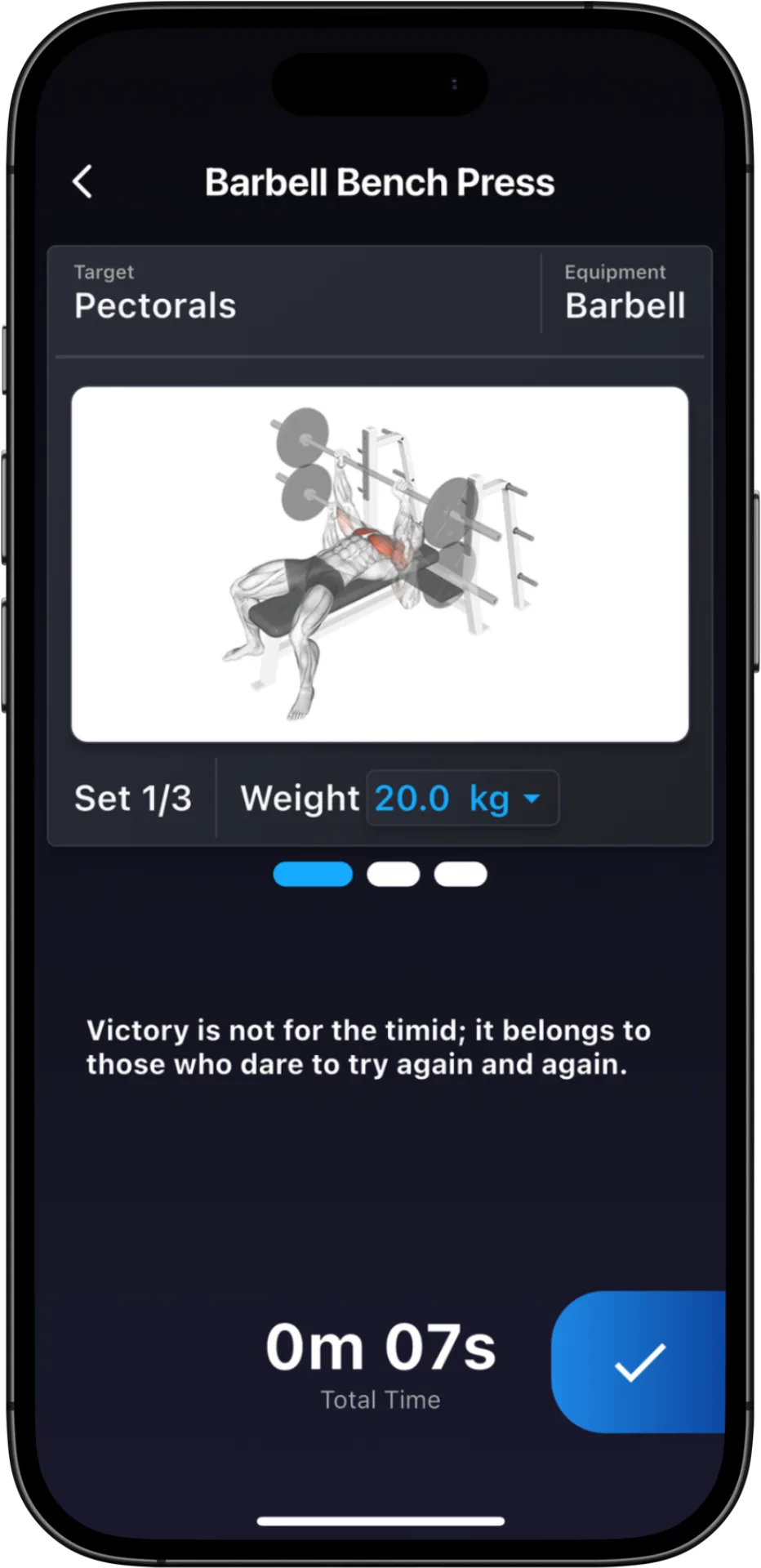
- Barbell Bench Press: 3 sets of 6-10 reps (Compound chest, shoulders, triceps)
- Bent-Over Barbell Rows: 3 sets of 8-12 reps (Compound back, biceps)
- Overhead Press (Barbell or Dumbbell): 3 sets of 8-12 reps (Compound shoulders, triceps)
- Incline Dumbbell Press: 3 sets of 10-15 reps (Upper chest, shoulders)
- Lat Pulldowns or Pull-ups: 3 sets of 10-15 reps (Lats, biceps)
- Dumbbell Bicep Curls: 3 sets of 10-15 reps (Biceps)
- Tricep Pushdowns: 3 sets of 10-15 reps (Triceps)
Upper Body B
- Incline Barbell Press: 3 sets of 6-10 reps (Upper chest, shoulders, triceps)
- Seated Cable Rows: 3 sets of 8-12 reps (Mid-back, biceps)
- Dumbbell Lateral Raises: 3 sets of 12-15 reps (Side deltoids)
- Face Pulls: 3 sets of 15-20 reps (Rear deltoids, upper back)
- Dumbbell Flyes (Flat or Incline): 3 sets of 12-15 reps (Chest isolation)
- Hammer Curls: 3 sets of 10-15 reps (Biceps, forearms)
- Overhead Dumbbell Tricep Extension: 3 sets of 10-15 reps (Triceps)
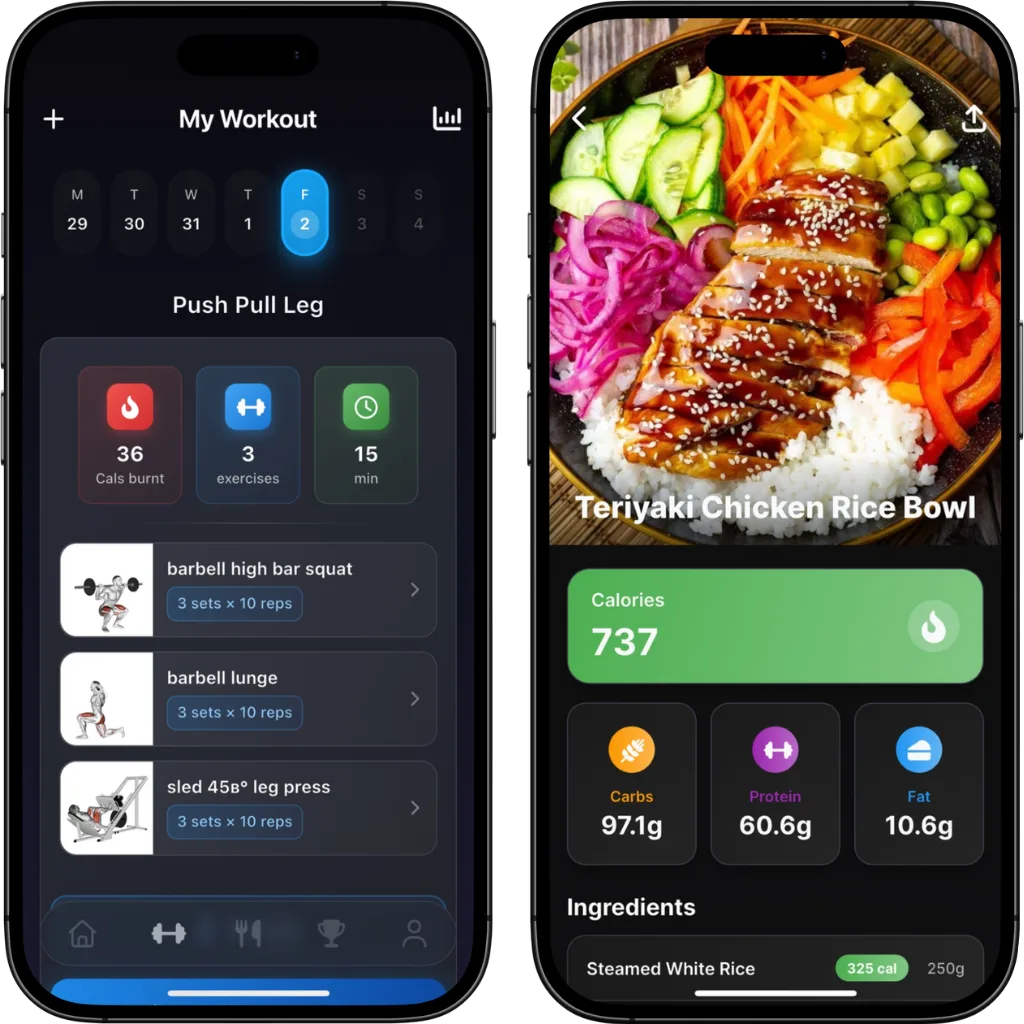
FitFlow Integration: With FitFlow's Smart Workout Tracking, you can easily log sets, reps, and even rest periods in real-time for every exercise. Our 1,000+ guided exercises come with video demonstrations to ensure perfect form, helping you maximize effectiveness and minimize injury risk. For barbell lifts, our realistic weight defaults make logging your progress a breeze, letting you focus on the lift, not the paperwork.
Sample Lower Body Workout (A/B)
Lower body training is crucial for overall strength, power, and muscle balance. These sample workouts will challenge your quads, hamstrings, glutes, and calves, ensuring comprehensive development.
Lower Body A
- Barbell Squats: 3 sets of 6-10 reps (Compound quads, glutes, hamstrings)
- Romanian Deadlifts (RDLs): 3 sets of 8-12 reps (Hamstrings, glutes, lower back)
- Leg Press: 3 sets of 10-15 reps (Quads, glutes)
- Leg Curls: 3 sets of 12-15 reps (Hamstring isolation)
- Calf Raises (Standing or Seated): 4 sets of 15-20 reps (Calves)
Lower Body B
- Conventional or Sumo Deadlifts: 3 sets of 5-8 reps (Full posterior chain, glutes, hamstrings, back)
- Walking Lunges (Dumbbell or Bodyweight): 3 sets of 10-12 reps per leg (Quads, glutes, hamstrings, balance)
- Leg Extensions: 3 sets of 12-15 reps (Quad isolation)
- Glute Bridges or Hip Thrusts: 3 sets of 10-15 reps (Glutes)
- Seated Calf Raises: 4 sets of 15-20 reps (Calves)
FitFlow Integration: For complex lower body movements like squats and deadlifts, FitFlow's Intelligent form guidance is invaluable. It helps you maintain proper technique, maximizing muscle activation and significantly reducing the risk of injury. You can even use our cutting-edge AI workout scanning feature to track your reps and ensure precise execution, providing real-time feedback to perfect your form.
Optimizing Your Upper Lower Split with FitFlow
Implementing an upper lower split is a fantastic step towards advanced training, but truly optimizing it requires meticulous tracking, smart planning, and consistent motivation. This is where FitFlow becomes your indispensable partner, transforming a good training plan into an exceptional journey of progress.
Effortless Workout Tracking and Guidance
Gone are the days of scribbling notes or trying to remember your last workout’s weights. With FitFlow, you can easily log every set, rep, and weight for your upper and lower body sessions. Our database of 1,000+ guided exercises, complete with video demonstrations, ensures you’re performing each movement correctly and safely. Whether you’re hitting a new personal record on your barbell bench press or perfecting your squat form, FitFlow tracks it all.
Advanced Progress Analytics and Goal Setting
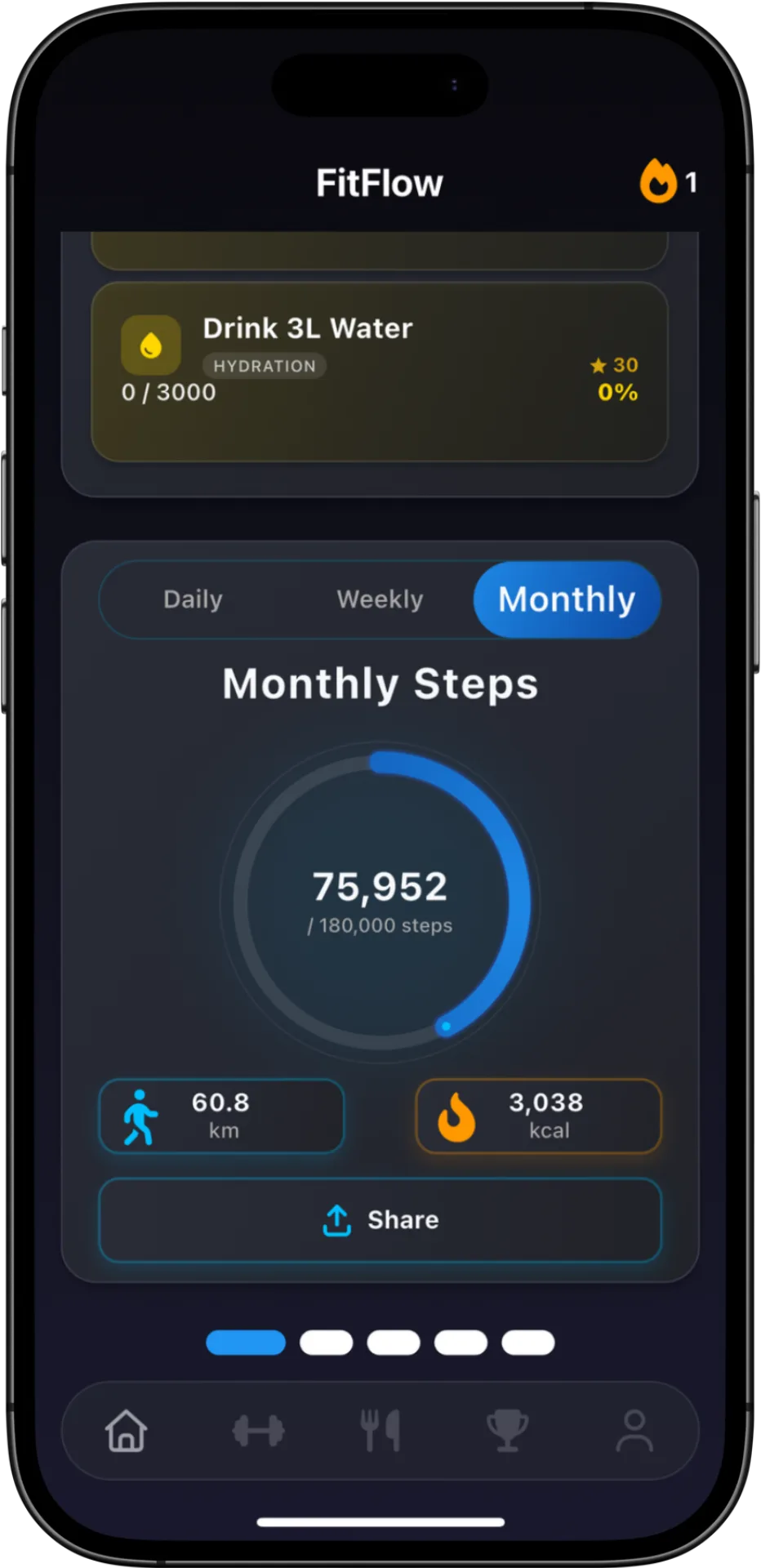
Seeing your progress is one of the most powerful motivators. FitFlow’s detailed fitness analytics and progress charts allow you to visualize your strength gains over time, track personal records (PRs), and celebrate milestones. Our smart goal-setting features help you define achievable targets for your upper lower split, whether it’s increasing your deadlift by 20kg or adding a rep to your overhead press. The app provides running stats, walking progress visuals, and comprehensive data to keep you informed and inspired.
Precision Nutrition for Optimal Recovery and Growth
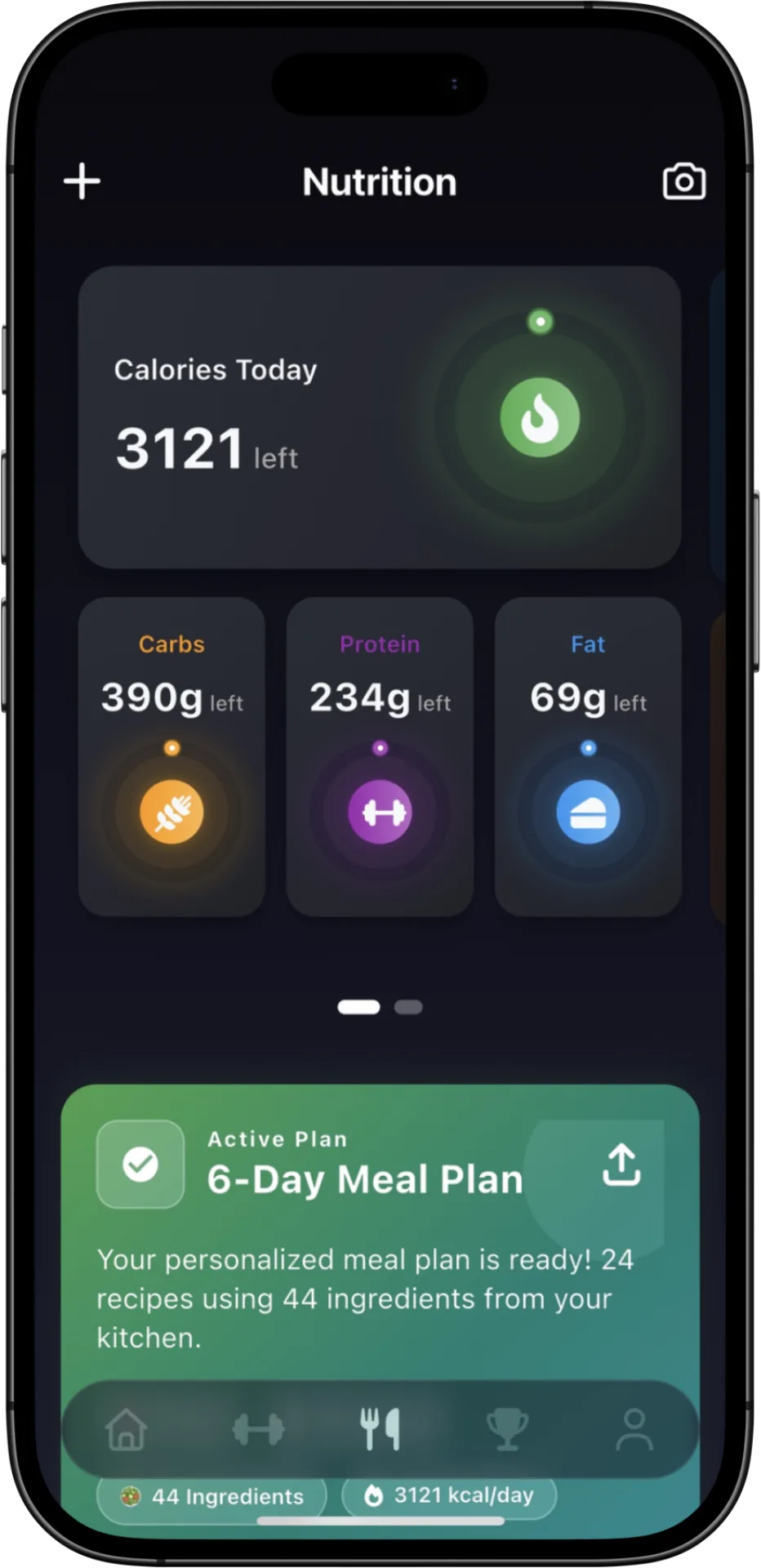
Training hard is only half the battle; fueling your body correctly is the other. An effective upper lower split demands adequate protein for muscle repair and sufficient carbohydrates for energy. FitFlow's AI Food Scanning & Nutrition Tracking revolutionizes your dietary approach. Simply snap a meal photo for instant calorie counting and macro breakdowns (protein, carbs, fats). With a database of 14M+ items, including official nutritional data from major restaurant chains, you can ensure your intake perfectly supports your muscle gain or weight loss goals. You can even use our recipe builder for homemade meals with full nutritional breakdowns, supporting dietary preferences like vegetarian, vegan, or keto.
Motivation and Community Support
Staying consistent is key, and FitFlow is designed to keep you motivated. Daily motivational quotes, progress reminders, and an achievement system with celebration animations make every step of your journey rewarding. Engage in running challenges, climb points-based leaderboards, and share your progress with social overlays to connect with a thriving community of like-minded individuals. FitFlow integrates with Apple Health, Google Fit, Fitbit, and Garmin, ensuring all your health data is synchronized and accessible across devices.
Conclusion: Unleash Your Potential with the Upper Lower Split
The upper lower split is more than just a workout routine; it's a scientifically backed, highly adaptable, and incredibly efficient framework for building strength and muscle mass. By striking the perfect balance between training frequency and recovery, it allows you to consistently challenge your muscles, stimulate growth, and make continuous progress.
Whether you're a beginner looking for a solid foundation or an experienced lifter aiming to break through plateaus, integrating an upper lower split into your regimen can unlock new levels of performance. Its emphasis on compound movements ensures functional strength, while the dedicated focus on upper and lower body days allows for concentrated volume and intensity.
Embrace the power of the upper lower split and let FitFlow be your ultimate training companion. From effortlessly tracking your lifts and monitoring your nutrition to celebrating every milestone, FitFlow provides all the tools you need to maximize your potential and achieve the physique and strength you've always desired. Start your journey today and experience the most efficient path to a stronger, fitter you.

Sources & References
- How many times per week should a muscle be trained to maximize muscle hypertrophy? A systematic review and meta-analysis of studies examining the effects of resistance training frequency — Schoenfeld BJ, Grgic J, Krieger J (2019)
- MAPK, androgen, and glucocorticoid receptor phosphorylation following high-frequency resistance exercise non-functional overreaching — Nicoll JX, Fry AC, Mosier EM (2019)

FitFlow Editorial Team
Fitness & Nutrition Editorial TeamCertified personal trainers & nutrition coaches
The FitFlow Editorial Team is a group of certified personal trainers, nutrition coaches, and fitness writers who translate exercise science and nutrition research into practical, actionable guidance. Every article is grounded in peer-reviewed sources and reviewed for accuracy before publishing.
Frequently Asked Questions
Who is this guide for?
This guide is for anyone focused on strength training and looking for practical, sustainable progress.
How quickly can I apply these recommendations?
Most recommendations are designed for immediate implementation. Start with one change today, then layer improvements weekly.
How does FitFlow support this strategy?
FitFlow supports execution with AI-powered meal tracking, workout planning, and progress analytics that help you stay consistent.