What 2000 Calories Actually Looks Like (With Real Meal Examples)
Reviewed by the fitness & nutrition editorial team · Certified personal trainers & nutrition coaches
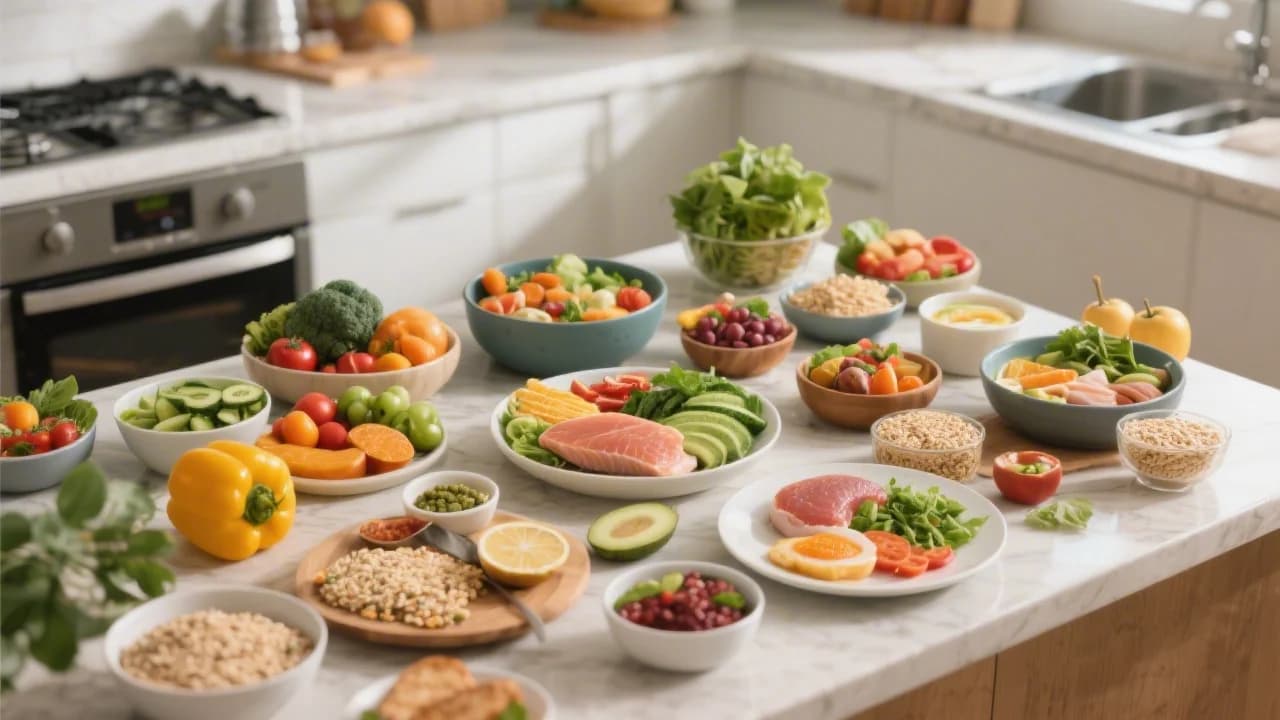
The 2000-Calorie Benchmark: A Starting Point, Not a Rule
In the world of nutrition, 2000 calories often appears as the default daily value on food labels, sparking curiosity and sometimes confusion. Is 2000 calories right for everyone? Absolutely not. This figure serves as a general benchmark, a convenient average for public health messaging, but your individual caloric needs are as unique as your fingerprint. Factors like age, sex, weight, height, activity level, and specific fitness goals all play a crucial role in determining your optimal daily intake.
Understanding what 2000 calories actually looks like, however, is incredibly valuable. It provides a tangible reference point for portion control, food choices, and macronutrient distribution. Whether you're aiming for weight loss, muscle gain, or simply maintaining a healthy lifestyle, visualizing this caloric intake can empower you to make more informed decisions about your diet. It helps demystify nutrition labels and gives you a practical framework to build your own balanced meals.
In this comprehensive guide, we'll dive deep into what 2000 calories can encompass across different dietary styles. We'll provide real-world meal examples, break down macronutrient distribution, and show you how to build satisfying, nutrient-dense meals that align with this common caloric target.

Decoding Your Daily Calorie Needs: Why 2000 Isn't Universal
Before we explore meal examples, it's vital to grasp why the 2000-calorie benchmark is just that—a benchmark. Your body's energy requirements are highly individual. Consuming too few calories can lead to nutrient deficiencies, fatigue, and muscle loss, while consistently consuming too many can result in weight gain.
Basal Metabolic Rate (BMR) and Total Daily Energy Expenditure (TDEE)
- Basal Metabolic Rate (BMR): This is the number of calories your body burns at rest to perform basic life-sustaining functions like breathing, circulation, and cell production. It accounts for the largest portion of your daily calorie expenditure.
- Total Daily Energy Expenditure (TDEE): Your TDEE is your BMR plus the calories you burn through physical activity (exercise, daily movement) and the thermic effect of food (calories burned during digestion).
For instance, a sedentary 30-year-old woman weighing 140 lbs might have a TDEE of around 1800-2000 calories, while an active 30-year-old man weighing 180 lbs could easily have a TDEE of 2800-3200 calories or more. This illustrates the wide variability.
Key Insight: While 2000 calories is a useful reference, always calculate your personalized caloric needs using an online TDEE calculator or consulting a nutritionist. FitFlow's smart goal-setting features can help you establish and track your personalized calorie targets effectively.
Factors Influencing Calorie Needs:
- Age: Metabolic rate generally slows with age.
- Sex: Men typically have higher muscle mass and thus higher BMRs than women.
- Weight & Height: Larger bodies require more energy.
- Activity Level: The more active you are, the more calories you burn. This includes not just structured exercise but also non-exercise activity thermogenesis (NEAT).
- Body Composition: Muscle tissue burns more calories at rest than fat tissue.
Understanding your personal needs is the first step towards effective nutrition. Once you have a target, visualizing what that looks like in terms of food becomes much easier.
Macronutrients: The Building Blocks of Your 2000 Calories
Calories are not just calories; they come from macronutrients: carbohydrates, proteins, and fats. Each plays a distinct and vital role in your body, and their distribution within your 2000-calorie budget significantly impacts satiety, energy levels, and body composition.
The Role of Each Macronutrient:
- Carbohydrates (4 calories per gram): Your body's primary energy source. They fuel your brain, muscles, and organs. Opt for complex carbohydrates like whole grains, fruits, and vegetables for sustained energy and fiber.
- Proteins (4 calories per gram): Essential for building and repairing tissues, producing enzymes and hormones, and supporting immune function. Protein is also highly satiating, helping you feel full. Good sources include lean meats, fish, eggs, dairy, legumes, and tofu.
- Fats (9 calories per gram): Crucial for hormone production, nutrient absorption, and providing concentrated energy. Focus on healthy fats from avocados, nuts, seeds, olive oil, and fatty fish.
Common Macronutrient Ratios for a 2000-Calorie Diet:
While ratios can vary based on goals, here are some common distributions:
- Balanced Approach: 45-65% Carbs, 10-35% Protein, 20-35% Fat
For 2000 calories: ~225-325g Carbs, ~50-175g Protein, ~44-78g Fat - Higher Protein for Muscle Gain/Satiety: 30-40% Carbs, 30-40% Protein, 20-30% Fat
For 2000 calories: ~150-200g Carbs, ~150-200g Protein, ~44-67g Fat
Choosing the right balance for you is key. For example, if you're very active, you might lean towards higher carbs for energy. If you're focusing on satiety and muscle preservation, a higher protein intake could be beneficial.
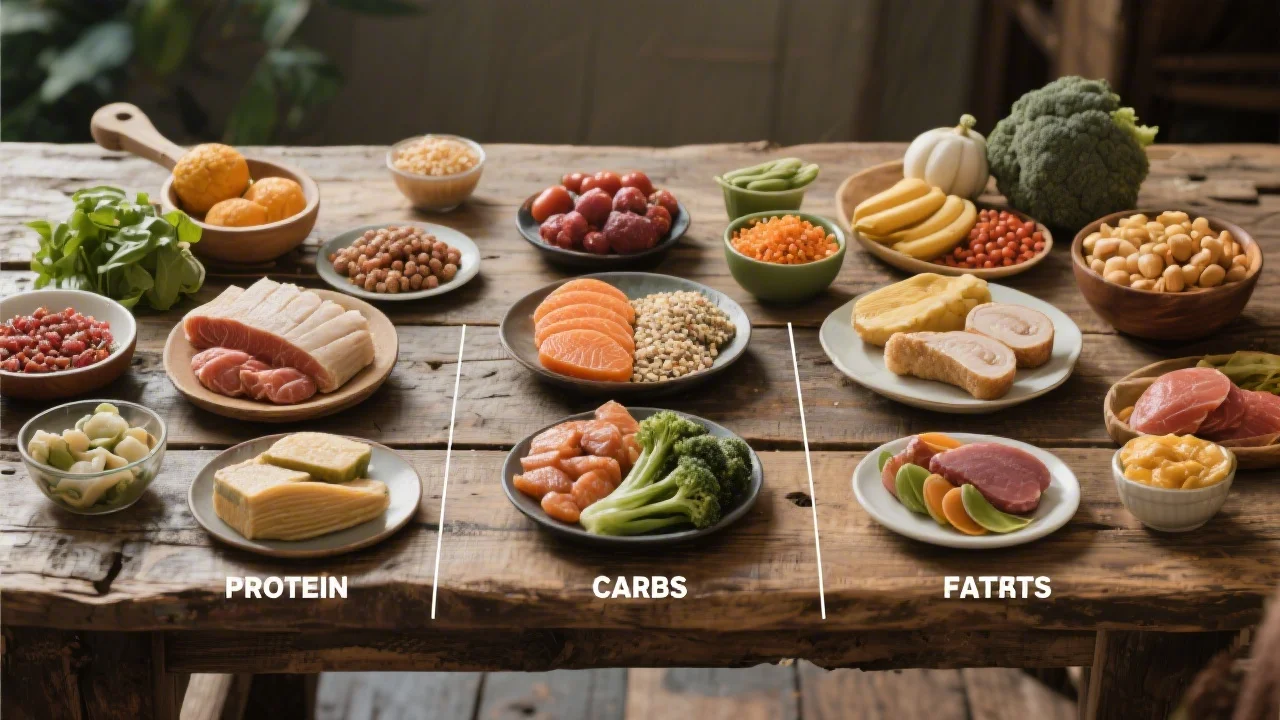
A Day in the Life: Balanced Eating at 2000 Calories
Let's visualize a day of balanced eating, aiming for roughly 2000 calories with a moderate distribution of macronutrients (e.g., ~50% Carbs, 25% Protein, 25% Fat).
Breakfast (Approx. 400 calories)
- Oatmeal with Berries & Nuts: 1/2 cup dry rolled oats (cooked with water), 1 cup mixed berries, 1 tbsp chopped walnuts, 1 scoop vanilla protein powder (mixed in).
- Macros: ~55g Carbs, 25g Protein, 10g Fat
Lunch (Approx. 550 calories)
- Large Chicken & Veggie Salad: 4-5oz grilled chicken breast, 3 cups mixed greens, 1/2 cup cucumber, 1/2 cup bell peppers, 1/4 cup shredded carrots, 1/4 cup chickpeas, 2 tbsp olive oil & vinegar dressing. Served with 1 small whole-wheat pita.
- Macros: ~40g Carbs, 45g Protein, 25g Fat
Snack (Approx. 200 calories)
- Greek Yogurt with Apple: 1 cup plain non-fat Greek yogurt, 1 medium apple.
- Macros: ~35g Carbs, 20g Protein, 0g Fat
Dinner (Approx. 650 calories)
- Salmon with Quinoa & Asparagus: 5-6oz baked salmon fillet, 1 cup cooked quinoa, 1 cup steamed asparagus with 1 tsp olive oil.
- Macros: ~50g Carbs, 50g Protein, 30g Fat
Evening Snack (Approx. 200 calories)
- Rice Cakes with Peanut Butter: 2 rice cakes, 2 tbsp natural peanut butter.
- Macros: ~25g Carbs, 8g Protein, 16g Fat
Daily Totals: Approx. 2000 calories, 205g Carbs, 148g Protein, 81g Fat.
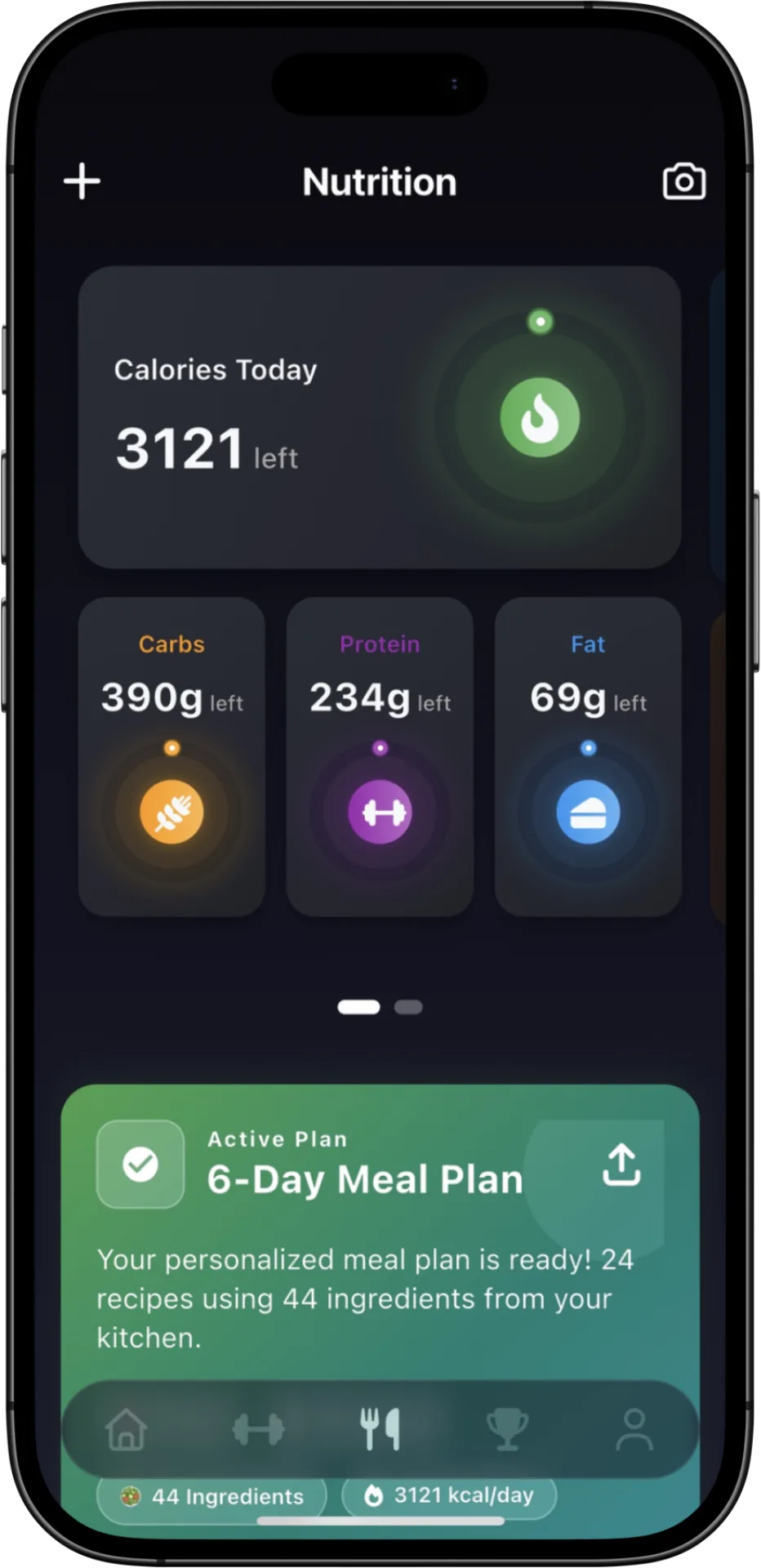
This example demonstrates how a 2000-calorie day can be both satisfying and nutrient-rich, incorporating a variety of food groups. Keeping track of these details might seem daunting, but FitFlow makes it incredibly easy. You can simply use FitFlow's AI Food Scanning feature to snap a photo of your meals for instant calorie and macro breakdowns, or use the quick-add logging with auto-fill for repeated meals. Our database of 14M+ items ensures 95%+ accuracy, even for packaged foods via barcode scanning, making nutrition tracking up to 5x faster than manual logging.
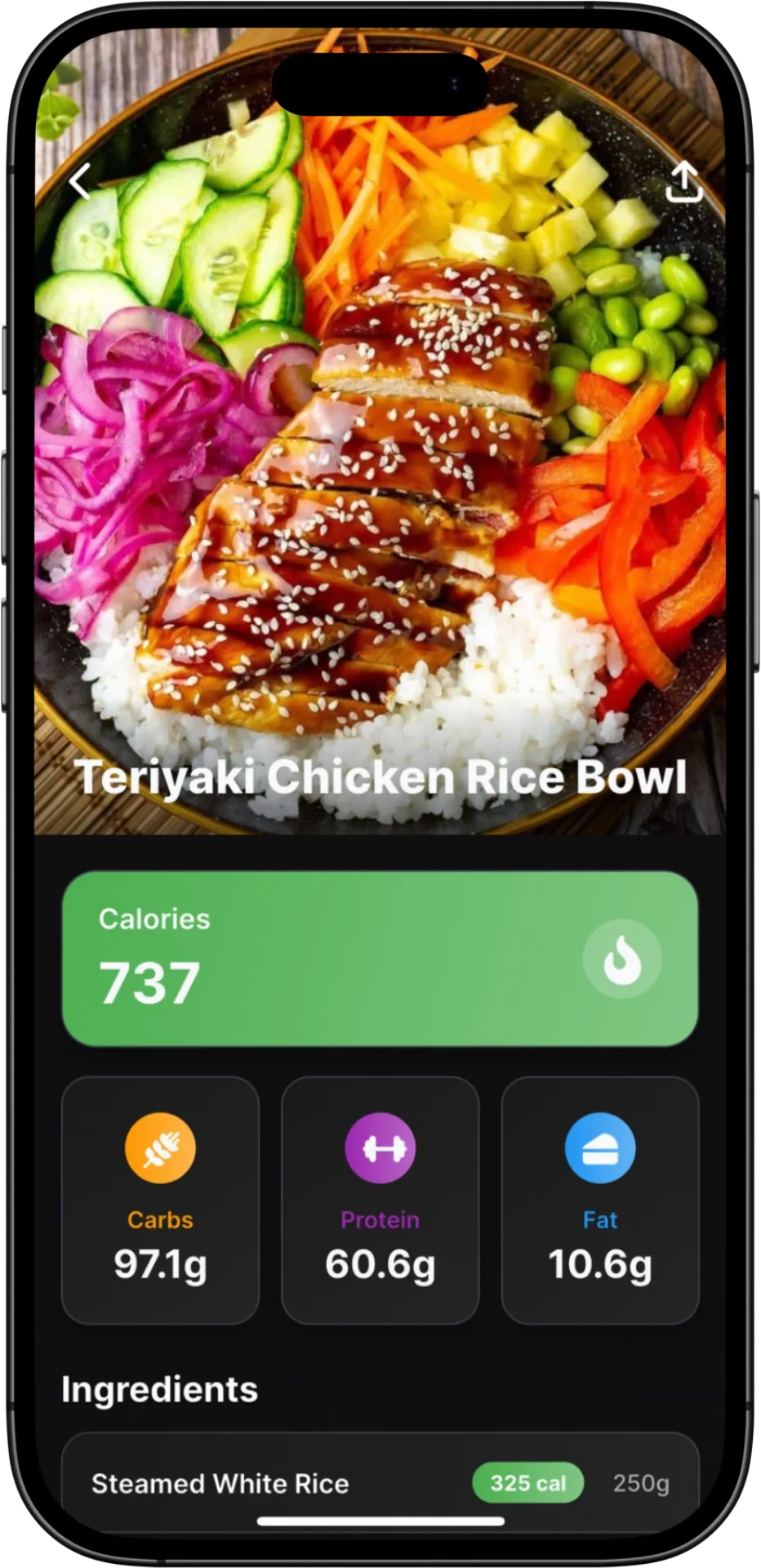
Fueling with Purpose: A High-Protein 2000-Calorie Day
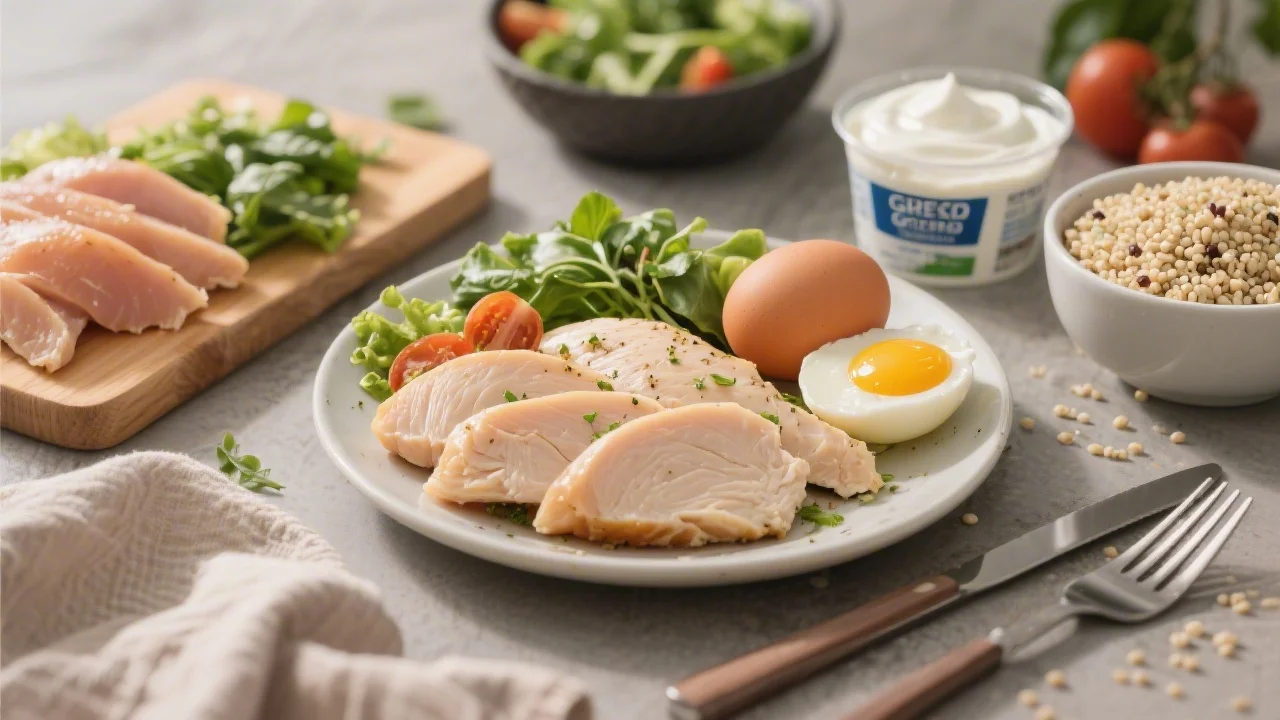
For those focused on muscle gain, satiety, or weight management, a higher protein intake within the 2000-calorie framework can be highly effective. This approach prioritizes protein to support muscle synthesis and keep hunger at bay.
Breakfast (Approx. 450 calories)
- High-Protein Scramble: 3 whole eggs, 3 egg whites, 1/2 cup spinach, 1/4 cup shredded low-fat cheese, 2 slices whole-wheat toast.
- Macros: ~30g Carbs, 35g Protein, 20g Fat
Lunch (Approx. 600 calories)
- Lean Beef & Sweet Potato Bowl: 5oz lean ground beef (cooked), 1 medium baked sweet potato, 1 cup mixed roasted vegetables (broccoli, bell peppers), 1 tbsp avocado oil.
- Macros: ~50g Carbs, 45g Protein, 25g Fat
Snack (Approx. 200 calories)
- Cottage Cheese with Almonds: 1 cup low-fat cottage cheese, 1/4 cup almonds.
- Macros: ~15g Carbs, 28g Protein, 15g Fat
Dinner (Approx. 550 calories)
- Turkey Chili with Brown Rice: 1.5 cups homemade turkey chili (lean ground turkey, beans, tomatoes, spices), 1/2 cup cooked brown rice.
- Macros: ~60g Carbs, 40g Protein, 15g Fat
Evening Snack (Approx. 200 calories)
- Protein Shake: 1 scoop whey protein powder, 1 cup unsweetened almond milk, 1/2 banana.
- Macros: ~25g Carbs, 25g Protein, 5g Fat
Daily Totals: Approx. 2000 calories, 180g Carbs, 173g Protein, 80g Fat.
This high-protein example illustrates how you can still enjoy diverse and flavorful meals while prioritizing your protein intake. The key is strategic food choices that maximize protein per calorie. FitFlow's nutrition tracking with macro breakdown allows you to easily monitor your protein, carb, and fat intake, ensuring you hit your specific macro targets consistently.
Thriving on Plants: A Vegan 2000-Calorie Day
A plant-based diet at 2000 calories can be incredibly diverse, nutrient-rich, and satisfying. The focus shifts to whole grains, legumes, fruits, vegetables, nuts, and seeds to meet all nutritional needs.
Breakfast (Approx. 400 calories)
- Tofu Scramble with Whole-Wheat Toast: 4oz firm tofu (crumbled and seasoned with turmeric, nutritional yeast), 1/2 cup sautéed bell peppers and onions, 2 slices whole-wheat toast with 1 tsp vegan butter.
- Macros: ~40g Carbs, 25g Protein, 18g Fat
Lunch (Approx. 600 calories)
- Lentil Soup & Avocado Toast: 2 cups hearty lentil soup (homemade with vegetables), 1 slice whole-grain bread topped with 1/2 mashed avocado and a sprinkle of hemp seeds.
- Macros: ~70g Carbs, 30g Protein, 25g Fat
Snack (Approx. 200 calories)
- Hummus & Veggies: 1/2 cup hummus, 2 cups mixed raw vegetables (carrots, celery, cucumber).
- Macros: ~30g Carbs, 10g Protein, 10g Fat
Dinner (Approx. 600 calories)
- Chickpea & Spinach Curry with Brown Rice: 1.5 cups chickpea and spinach curry (coconut milk base), 1 cup cooked brown rice.
- Macros: ~80g Carbs, 20g Protein, 25g Fat
Evening Snack (Approx. 200 calories)
- Fruit & Nut Butter: 1 large banana, 1 tbsp almond butter.
- Macros: ~35g Carbs, 5g Protein, 10g Fat
Daily Totals: Approx. 2000 calories, 255g Carbs, 90g Protein, 88g Fat.
This vegan example demonstrates that 2000 calories can be achieved with a wide array of plant-based foods, ensuring adequate protein and essential nutrients. FitFlow supports various dietary preferences, including vegetarian, vegan, keto, paleo, and gluten-free, allowing you to create custom meal plans tailored to your specific needs. You can even use our recipe builder for homemade meals with full nutritional breakdowns, making it simple to plan your plant-based dishes.
Beyond the Numbers: Quality, Consistency, and FitFlow's Role
While calorie and macronutrient tracking is a powerful tool, it's crucial to remember that the quality of your calories matters just as much as the quantity. Eating 2000 calories of highly processed foods will yield vastly different health outcomes than 2000 calories of whole, nutrient-dense foods.
Focus on Nutrient Density:
- Whole Foods: Prioritize fruits, vegetables, whole grains, lean proteins, and healthy fats. These foods provide essential vitamins, minerals, fiber, and antioxidants that support overall health, satiety, and energy levels.
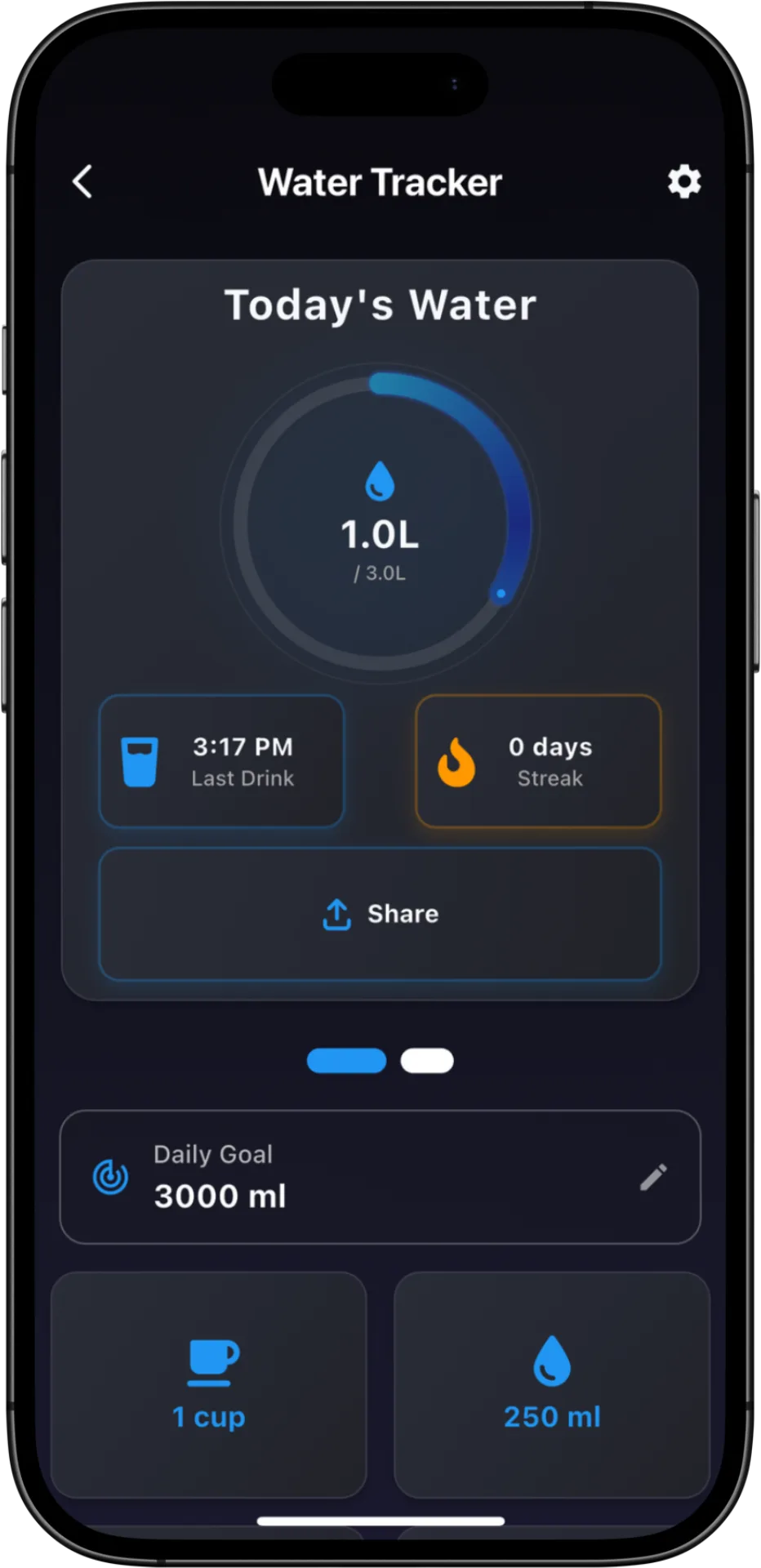
- Hydration: Don't forget water! It's calorie-free but vital for every bodily function. Aim for at least 8 glasses a day.
- Fiber: Found in plant foods, fiber aids digestion, promotes gut health, and helps regulate blood sugar levels, contributing to sustained energy and satiety.
The Power of Consistency:
Achieving your health and fitness goals isn't about perfection; it's about consistency. Small, sustainable changes over time lead to significant results. Tracking your intake, even imperfectly, provides invaluable data and helps you identify patterns and areas for improvement.
Expert Tip: Don't get bogged down by tracking every single calorie or gram. Focus on general patterns and making healthy choices most of the time. Use tools like FitFlow to simplify the process and provide a clear overview.
FitFlow is designed to be your comprehensive health and fitness partner, extending beyond just calorie counting. Our app offers:
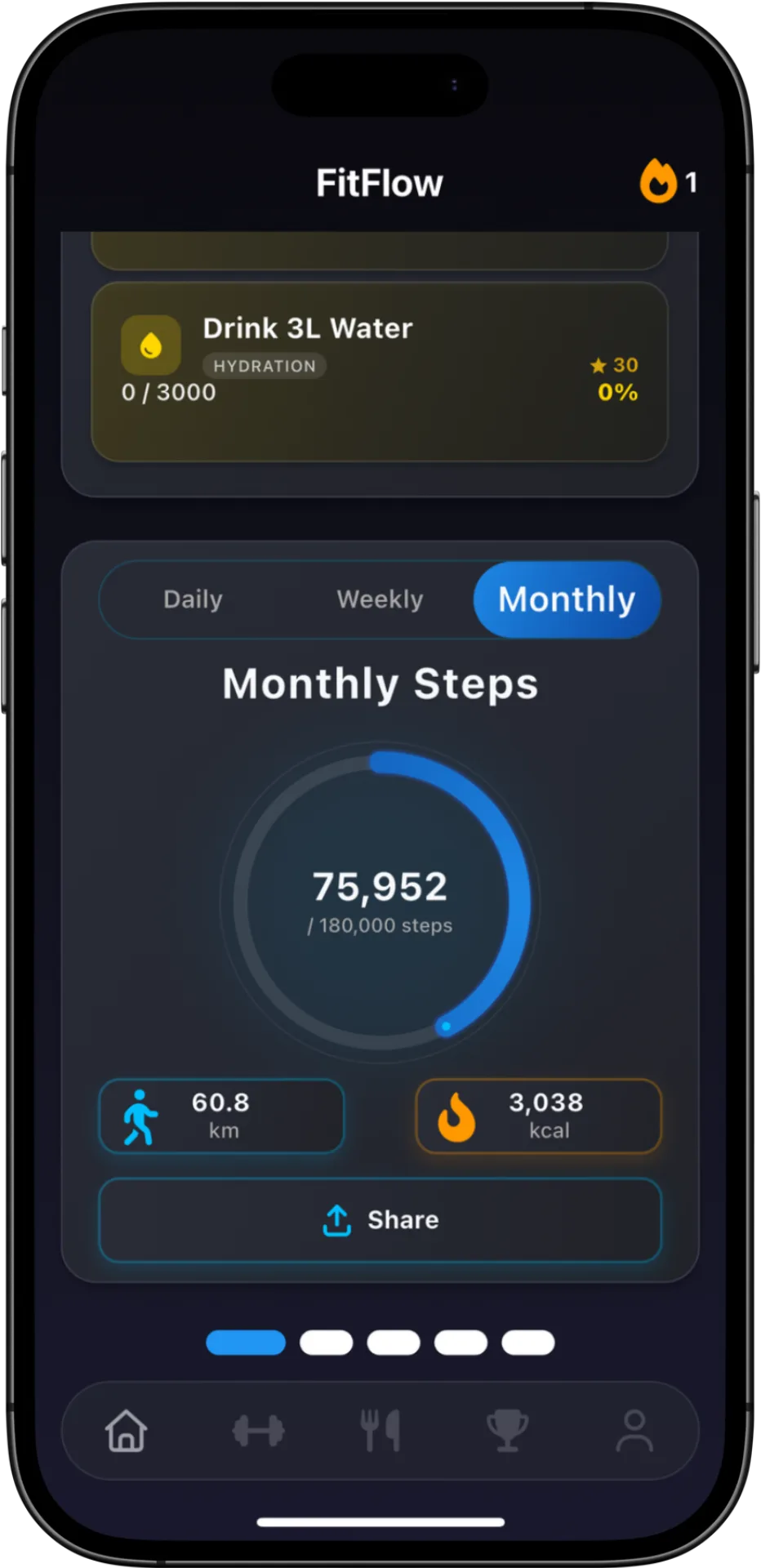
- Detailed Fitness and Nutrition Analytics: Visualize your progress with charts for weight, body fat, steps, and water intake.
- Smart Goal Setting: Set realistic goals and celebrate milestones with achievement badges.
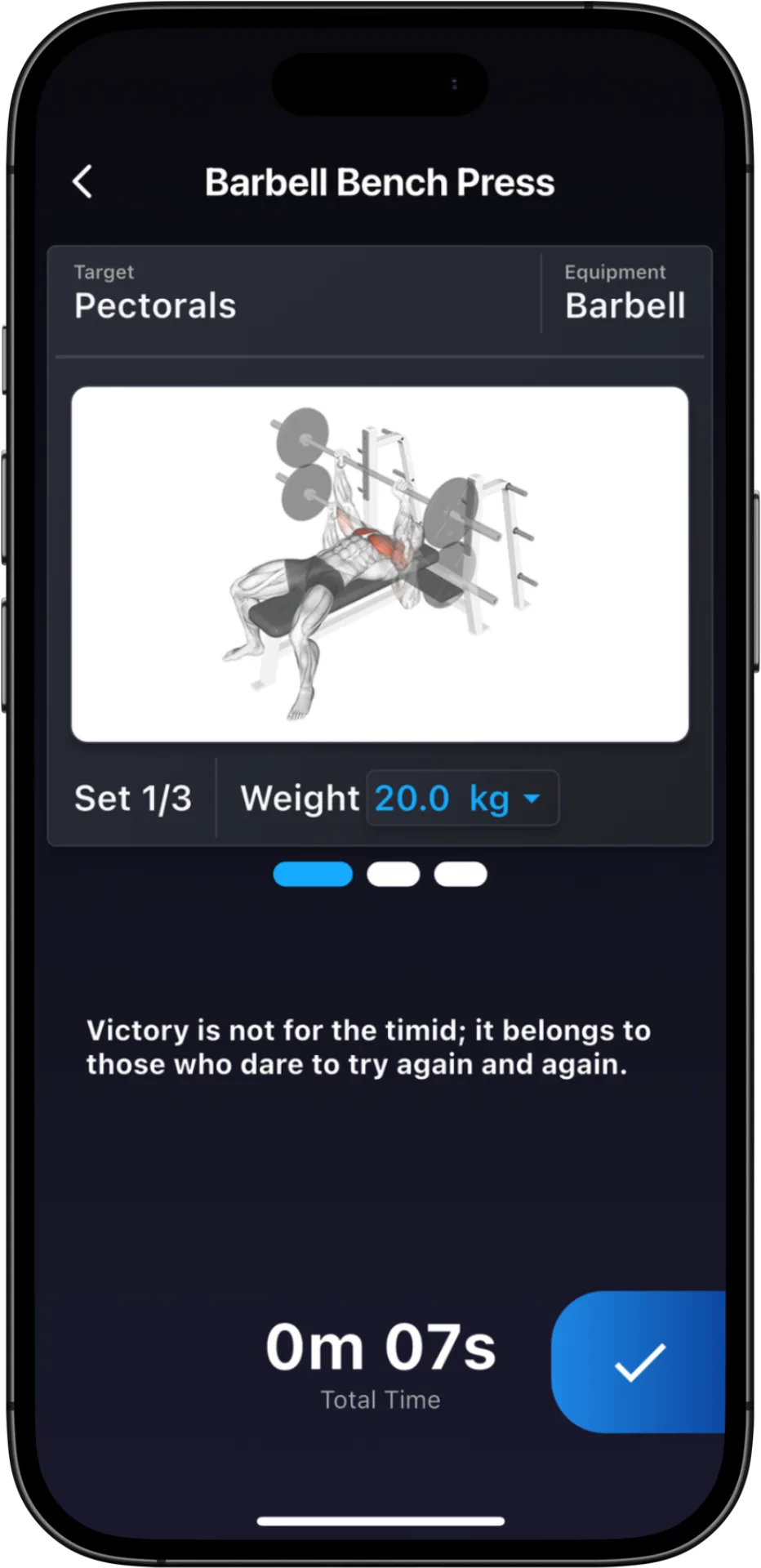
- Smart Workout Tracking: Access 1,000+ guided exercises with video demonstrations and real-time tracking, ensuring you're burning calories effectively and building strength.
- Motivation & Community: Stay inspired with daily motivational quotes, challenges, and leaderboards.
By integrating all these aspects, FitFlow helps you maintain a holistic view of your health journey, ensuring that your 2000 calories (or whatever your target is) are part of a larger, healthier lifestyle.
Your Personalized Path to Optimal Health
Understanding what 2000 calories looks like is a fantastic step towards taking control of your nutrition. Whether you follow a balanced, high-protein, or plant-based approach, the key is to prioritize whole, nutrient-dense foods that fuel your body and satisfy your palate. Remember that these examples are templates; feel free to swap ingredients, adjust portion sizes, and experiment with flavors to create meals that you genuinely enjoy.
Your journey to optimal health is unique, and tools like FitFlow are here to support you every step of the way. By providing intuitive food tracking, personalized meal plans, smart workout guidance, and comprehensive progress analytics, FitFlow empowers you to make informed decisions, stay motivated, and achieve your goals with confidence. Start visualizing your nutrition today and unlock your full potential!

Sources & References

FitFlow Editorial Team
Fitness & Nutrition Editorial TeamCertified personal trainers & nutrition coaches
The FitFlow Editorial Team is a group of certified personal trainers, nutrition coaches, and fitness writers who translate exercise science and nutrition research into practical, actionable guidance. Every article is grounded in peer-reviewed sources and reviewed for accuracy before publishing.
Frequently Asked Questions
Who is this guide for?
This guide is for anyone focused on nutrition and looking for practical, sustainable progress.
How quickly can I apply these recommendations?
Most recommendations are designed for immediate implementation. Start with one change today, then layer improvements weekly.
How does FitFlow support this strategy?
FitFlow supports execution with AI-powered meal tracking, workout planning, and progress analytics that help you stay consistent.