40 Nutrition Tips for Cyclists That Actually Work (2026)
40 science-backed nutrition tips for Cyclists. From meal timing and macro targets to supplements and food choices tailored to your specific fitness goals.
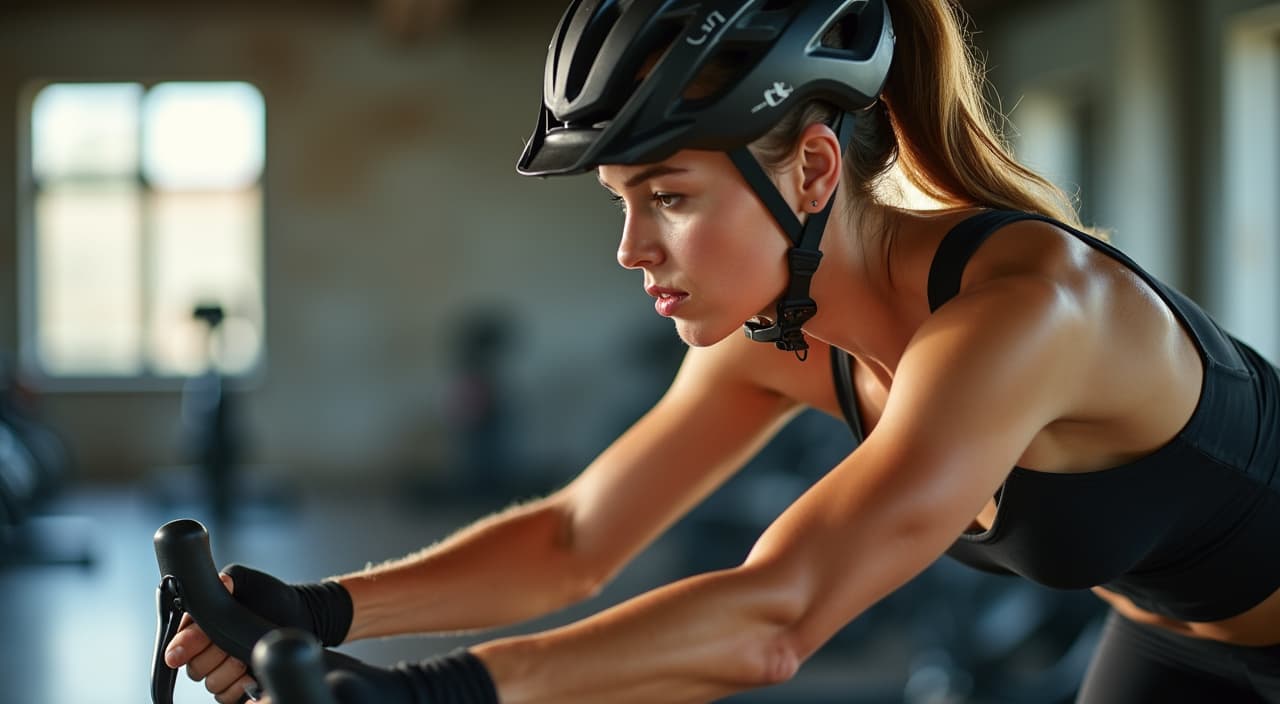
Cycling presents a unique nutritional paradox: you must consume enough energy to sustain high-output efforts without carrying excess weight that hinders climbing efficiency. Unlike runners who might rely heavily on simple carbs, cyclists require a delicate balance of sustained glucose release and electrolyte replacement to maintain cadence and power zones throughout varying terrain. A common pitfall is underestimating caloric expenditure during interval training or gran fondo events, leading to severe glycogen depletion known as 'hitting the wall' before the finish line. Furthermore, many riders neglect upper body and core nutrition, which compromises posture and aerodynamics over distance, increasing drag and fatigue. Science shows that optimizing carbohydrate oxidation rates can improve time trial performance by up to 5%, while adequate protein intake post-ride is critical for repairing muscle fibers damaged by repetitive pedal strokes. Digestive distress is another major hurdle; consuming too much fiber or fat mid-ride can cause cramping and nausea. Getting these variables right unlocks disproportionate gains because every watt saved from fatigue translates directly to speed. Whether you are preparing for a spring century or building FTP for competitive racing, understanding how your body processes fuel under load is the ultimate performance lever. Proper fuelling also stabilizes blood sugar, preventing the mental fog that leads to poor decision-making on descents.
Why This Matters for Cyclists
Ignoring nutrition leads to inevitable plateaus where training volume increases but performance stagnates due to chronic fatigue and incomplete recovery. Riders often experience frequent bonking, increased injury risk from form breakdown, and prolonged soreness that disrupts their weekly schedule. The compounding advantage of nailing the basics means fewer missed rides and consistent progress toward personal bests. However, manually tracking macros alongside complex cycling schedules is overwhelming and prone to human error. FitFlow simplifies this by integrating with Garmin and Fitbit to automatically adjust calorie targets based on actual training load. Our AI Food Scanning allows you to log meals instantly without manual entry errors, ensuring your pre-ride snacks match your planned intensity perfectly. By automating the tracking process, you spend less time calculating and more time riding, turning nutrition into a seamless part of your athletic journey rather than a chore. This ensures you stay fueled for every climb and sprint.
Fueling correctly is the absolute difference between a flat ride and a personal record. For serious cyclists, nutrition isn't just about calories; it's about strategically managing glycogen stores to maintain steady power output during long climbs or explosive sprints. This guide delivers 40 actionable strategies to optimize your energy systems, prevent bonking, and accelerate recovery so you can ride harder, longer, and faster this season.
Pre-Ride Fueling
Consume 1-2g carbs per kg bodyweight 3 hours before riding
High ImpactTiming your main meal ensures glycogen stores are topped off without digestive distress during warm-up intervals.
Eat a banana 30 minutes prior to starting your ride
Medium ImpactSimple sugars provide immediate energy for the first zone 2 effort without weighing down your stomach.
Avoid high-fat foods within 2 hours of a hard session
High ImpactFat slows gastric emptying, which can lead to sloshing and nausea when pushing high wattage.
Hydrate with 500ml water plus electrolytes before clipping in
Medium ImpactStarting slightly hydrated prevents early dehydration spikes during the first hour of climbing.
Use caffeine strategically 45 minutes before threshold efforts
High ImpactCaffeine improves focus and reduces perceived exertion during VO2 max intervals.
Keep pre-ride meals low in fiber to reduce GI issues
Medium ImpactFiber slows digestion and increases bowel urgency, which is dangerous during fast descents.
Test your morning breakfast routine on easy weekend rides
Low ImpactNever try a new food source on a race day or critical training block.
Log pre-ride meals in FitFlow to correlate with power data
Medium ImpactTracking what you eat helps identify which foods maximize your FTP for future sessions.
During Ride Strategy
Aim for 60-90g of carbohydrates per hour on long rides
High ImpactThis range maximizes exogenous carbohydrate oxidation to delay glycogen depletion.
Drink 500ml fluid per hour in moderate temperatures
High ImpactMaintaining fluid volume supports blood flow to working muscles and regulates core temperature.
Sip electrolytes every 15 minutes instead of chugging
Medium ImpactSmall frequent doses prevent hyponatremia and reduce the urge to stop for bathroom breaks.
Switch to solid food after 90 minutes of riding
Medium ImpactGels alone can cause sugar crashes; solids provide sustained energy for the second half.
Reduce intake if riding below Zone 2 intensity
Low ImpactLower intensity burns more fat, so you don't need to force-feed carbs during recovery spins.
Carry a backup gel in case of mechanical delays
Medium ImpactUnexpected stops burn extra calories and can deplete reserves faster than planned.
Monitor heart rate variability to gauge hydration status
Medium ImpactElevated HRV drops can indicate dehydration affecting your ability to sustain power.
Practice eating while riding during base training weeks
High ImpactDigestive efficiency improves with practice, allowing you to absorb nutrients while pedaling.
Post-Ride Recovery
Consume protein within 30 minutes of finishing
High ImpactEarly protein intake kickstarts muscle repair processes damaged by repetitive pedal strokes.
Target a 3:1 or 4:1 carb-to-protein ratio
High ImpactThis ratio optimizes glycogen resynthesis while providing amino acids for tissue repair.
Rehydrate with 1.5x fluid lost during the ride
Medium ImpactWeigh yourself before and after to calculate exact sweat loss for accurate replacement.
Include anti-inflammatory foods like tart cherry juice
Medium ImpactNatural compounds help reduce inflammation caused by high-volume endurance efforts.
Avoid alcohol immediately after intense training sessions
High ImpactAlcohol inhibits protein synthesis and dehydrates you, negating recovery efforts.
Take magnesium supplements to aid muscle relaxation
Medium ImpactMagnesium helps prevent cramping and supports sleep quality after heavy leg days.
Log recovery meals in FitFlow to track trends
Low ImpactVisualizing recovery nutrition helps identify patterns that speed up readiness for next rides.
Prioritize sleep hygiene to maximize hormonal recovery
High ImpactGrowth hormone peaks during deep sleep, essential for rebuilding muscle tissue.
Daily Macros & Weight Management
Adjust daily calories based on training load variance
High ImpactRest days require fewer calories than interval days to maintain optimal power-to-weight ratio.
Maintain protein intake at 1.6-2.2g per kg bodyweight
High ImpactHigher protein needs support muscle maintenance despite the catabolic nature of endurance training.
Focus on complex carbs for non-training days
Medium ImpactComplex carbs provide sustained energy without spiking insulin when activity levels drop.
Don't cut fats below 20% of total daily calories
Medium ImpactHealthy fats are crucial for hormone production and joint health during high mileage.
Track body composition changes monthly, not daily
Low ImpactWeight fluctuates with water retention; focus on trends over weeks rather than pounds.
Increase carbs specifically during peak training weeks
High ImpactPeriodization applies to nutrition; fuel higher volumes to prevent burnout and injury.
Use FitFlow analytics to visualize weight vs. FTP
Medium ImpactCorrelating weight trends with power data reveals if weight loss is impacting performance.
Plan meals around your longest ride of the week
Medium ImpactEnsure the days surrounding your big ride have sufficient nutrient density for preparation.
Hydration & Electrolytes
Urine color should be pale yellow for optimal hydration
Medium ImpactDark urine indicates dehydration which impairs cardiovascular function and cooling mechanisms.
Add sodium to water bottles in hot weather conditions
High ImpactSweat contains salt; replacing it prevents cramping and maintains blood plasma volume.
Drink to thirst rather than a strict schedule
Low ImpactThirst is a reliable indicator for most recreational riders to avoid overhydration.
Monitor sodium levels if experiencing headaches on rides
Medium ImpactHeadaches often signal electrolyte imbalance rather than lack of water alone.
Use FitFlow water tracker to set hourly reminders
Medium ImpactConsistent sipping is easier to maintain with automated prompts integrated into your day.
Replace potassium-rich foods like bananas post-ride
Medium ImpactPotassium works with sodium to regulate fluid balance and nerve function.
Avoid excessive caffeine if prone to dehydration
Low ImpactCaffeine acts as a diuretic and can increase fluid loss during long summer rides.
Weigh yourself before and after rides to measure sweat rate
High ImpactKnowing your sweat rate allows you to customize hydration strategies for future events.
Frequently Asked Questions
Track Your Progress with FitFlow
Join 50,000+ users — including thousands of Cyclists — hitting their goals faster with AI-powered tracking.
Download FitFlow Free