30 Best Exercises for Postpartum Moms (With Instructions, 2026)
The 30 best exercises for Postpartum Moms. Includes step-by-step instructions, muscle groups targeted, common mistakes, and FitFlow integration tips.
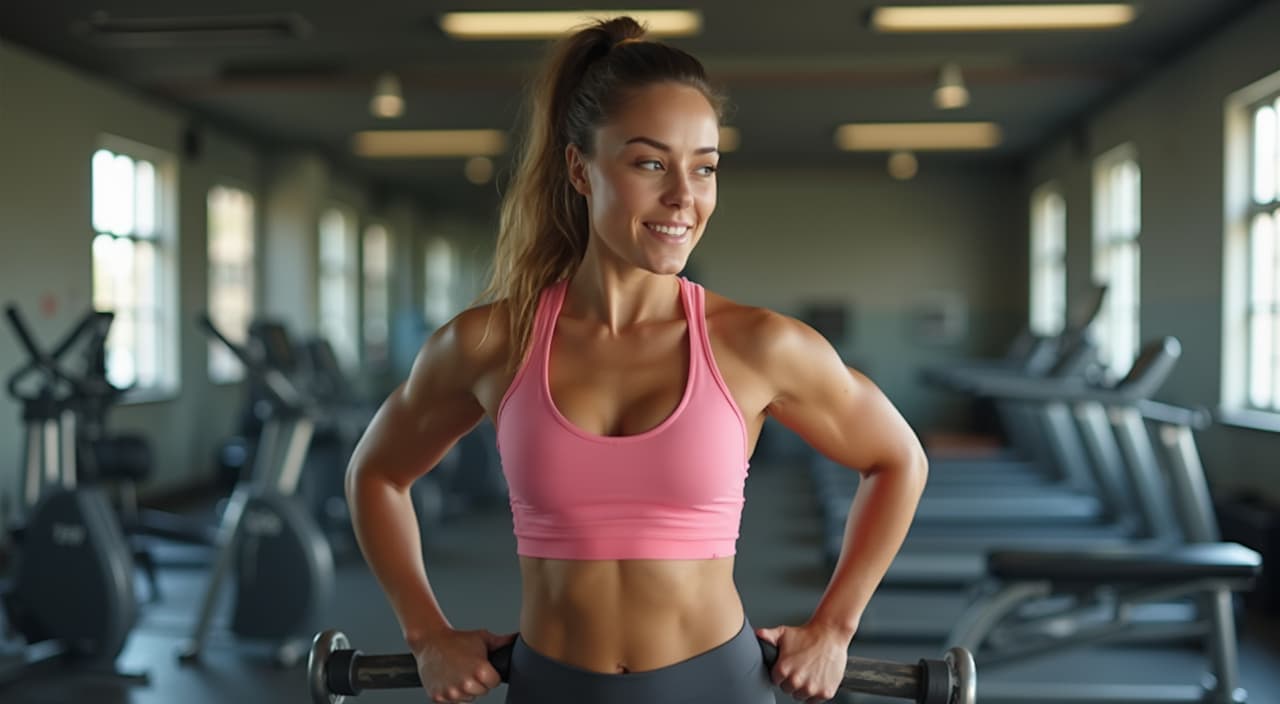
Selecting the right postpartum exercises isn't just about burning calories; it's about repairing the structural changes caused by pregnancy. During gestation, the hormone relaxin loosens ligaments, and the growing uterus stretches the abdominal wall, often leading to diastasis recti. Research indicates that improper loading can exacerbate this separation or cause pelvic organ prolapse. Therefore, prioritizing deep core activation through the transverse abdominis and pelvic floor coordination is critical before progressing to compound lifts. Many women waste time on crunches or planks that increase intra-abdominal pressure, pushing organs down rather than lifting them up. Effective routines focus on neutral spine alignment and breathing mechanics to restore intra-abdominal pressure management. By understanding these biomechanical shifts, you avoid exercises that create bulging or doming during movement. Instead, you choose patterns that reinforce the corset-like muscles needed to carry your baby safely. This approach ensures long-term resilience, protecting your lower back from the repetitive strain of holding an infant while rebuilding the foundational strength lost during delivery. Furthermore, fatigue levels vary wildly in the first year, so sustainable movements prevent burnout. You need routines that respect your current healing stage rather than forcing pre-pregnancy standards immediately. Focusing on quality over quantity allows you to regain control over your body's mechanics, ensuring every rep contributes to functional strength rather than temporary aesthetic gains. Ultimately, the goal is to return to carrying your child without pain, maintaining milk supply through stress reduction, and building a foundation that supports active motherhood for years to come.
Why This Matters for Postpartum Moms
Poor exercise selection poses significant risks for new mothers, including chronic pelvic pain, worsening diastasis recti, and lower back injuries exacerbated by sleep deprivation. Without proper guidance, women often compensate with their hip flexors or neck, creating imbalances that hinder recovery. A curated list matched to your specific healing timeline eliminates guesswork, ensuring you target the correct muscle groups safely. FitFlow's 1,000+ guided exercises with video demos allow you to verify your form in real-time, crucial when you lack a trainer present. The app tracks your sets and reps automatically, reducing the mental load of logging while you care for your newborn. This precision prevents wasted effort on ineffective movements and accelerates your return to full activity. By integrating progress analytics, you can see how your strength improves week by week, providing the motivation needed to stay consistent despite exhaustion. Ultimately, using a specialized tool ensures you aren't guessing if an exercise is safe, giving you peace of mind to focus on bonding with your baby while rebuilding your body correctly.
Regaining strength after birth requires patience and precision. This curated list focuses on safe movements that rebuild core integrity and pelvic floor function without compromising healing tissues. Whether you are navigating C-section recovery or breastfeeding demands, these exercises prioritize stability over intensity to help you feel confident again. Always consult your doctor before starting any routine to ensure your internal healing is complete.
Frequently Asked Questions
Track Your Progress with FitFlow
Join 50,000+ users — including thousands of Postpartum Moms — hitting their goals faster with AI-powered tracking.
Download FitFlow Free